
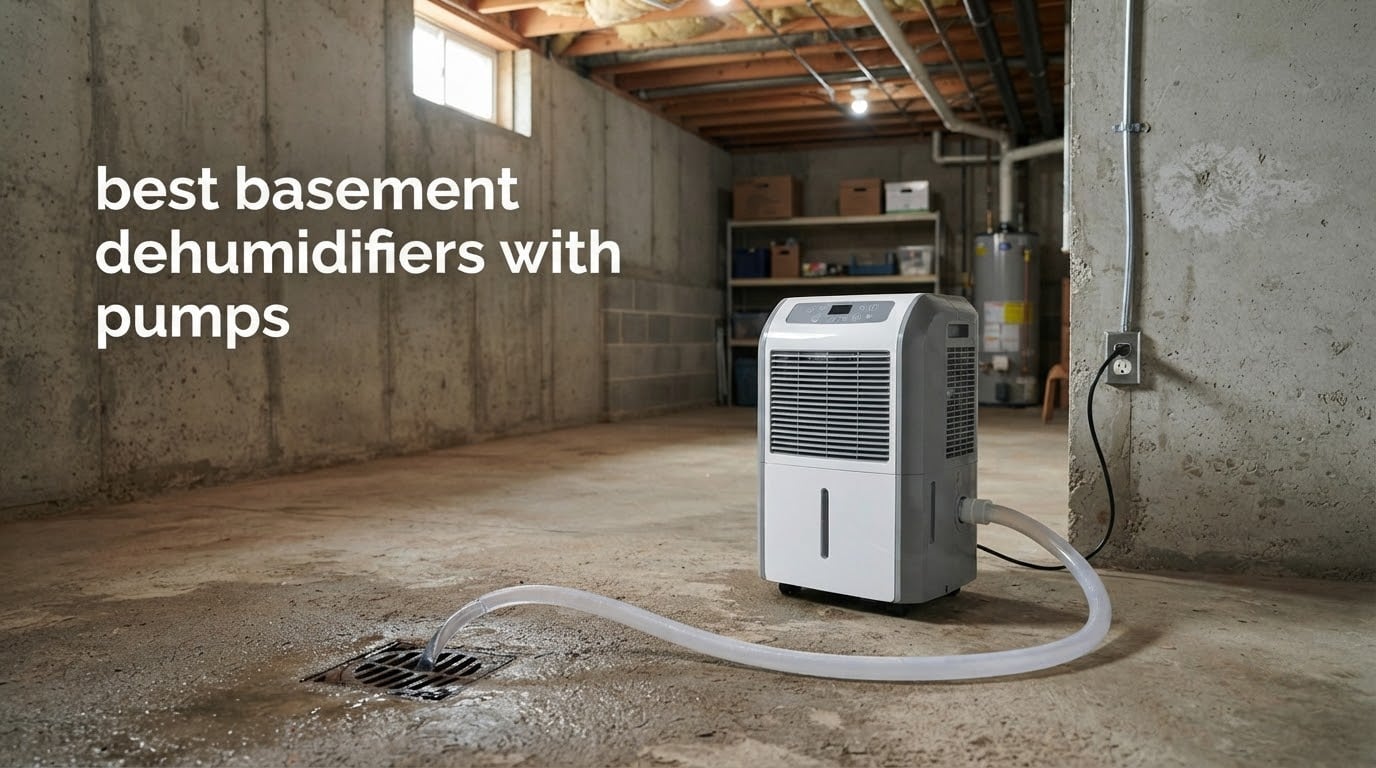
A basement dehumidifier with a pump is a portable condensing dehumidifier with a built-in water pump that pushes collected condensate upward through a hose to a floor drain, sump pit, utility sink, or open window. That pump is the whole reason you can run one continuously instead of hauling a heavy tank to a sink every morning.
Basements sit below grade, which means gravity is working against you and there may be no floor drain to drain toward. If the nearest drain is a few inches lower than the dehumidifier’s base, a standard gravity drain hose simply will not flow. A pump-equipped unit solves that in a way no other feature does, which is why the best basement dehumidifiers with pumps exist as a category of their own.
We spent weeks going through the specs, owner reviews, and failure reports on 15 pump-equipped machines, then organized them around the situations that actually come up: a basement with no floor drain, a low crawl space, a small damp room, a garage, and a place where noise matters. Everything below has a built-in pump. Nothing here relies on a bucket and a weekly reminder.
Before you buy anything, though, know that a dehumidifier controls air moisture, not water that comes through a wall. If you have active groundwater seepage or rainwater coming in, fix the source first, or you will be running a pump forever against a problem it was never built to solve.
Table of Contents
Top 3 Pump Dehumidifiers for Basements
If you only read one section, read this one. These three cover the most common situations, and each has enough owner history to trust.

hOmeLabs 50 Pint with Pump
- 50 pints per day rated
- 120 pints max
- built-in pump
- Wi-Fi control

Yaufey 150 Pint with Pump
- 150 pints per day
- 16.4 ft pump hose
- three drainage modes
- 8500 sq ft

Vellgoo 140 Pint ENERGY STAR
- 140 pints per day
- 16.4 ft pump lift
- ENERGY STAR Most Efficient
The hOmeLabs is the pick we would put in a normal finished basement: proven capacity, a pump, and app control. The Yaufey is the one to pick when water volume is the problem rather than air moisture. The Vellgoo is the quiet, efficient option for a space where you will hear it running.
Best Basement Dehumidifiers With Pumps in 2026: Quick Overview
Here is the short list before the detail. Every model below pulls water to a hose rather than a bucket, so all of them can run unattended.
Best overall: hOmeLabs 50 Pint with Pump, the most proven performer in the group with a 4.6 average across more than 15,000 owner reviews.
Best for a basement with no floor drain: ALORAIR 70 PPD, whose pump lifts water 19.6 feet, the tallest in this roundup.
Best for crawl spaces: Waykar 125 Pint, a 13.6-inch-tall metal chassis designed for low clearance.
Best for a small damp basement: AEOCKY 80 Pint, only 8.6 inches deep so it fits tight corners.
Best for water volume: Yaufey 150 Pint, high extraction with three drainage paths in one machine.
Best for quiet running: avylo 90 Pint, rated as low as 41 dB with a sound-off mode.
Best for smart control: Midea 50 Pint with Pump, with app, Alexa, and Google Assistant support.
Best for maximum capacity: Moiswell 190 Pint, rated at 90 pints per day with a 190-pint maximum and 265 CFM airflow.
| Product | Specifications | Action |
|---|---|---|
| hOmeLabs 50 Pint with Pump |
|
Check Latest Price |
| Yaufey 150 Pint with Pump |
|
Check Latest Price |
| Vellgoo 140 Pint ENERGY STAR |
|
Check Latest Price |
 Waykar 125 Pint Crawl Space Waykar 125 Pint Crawl Space |
|
Check Latest Price |
 Ivation 50 Pint with Pump Ivation 50 Pint with Pump |
|
Check Latest Price |
 Waykar 150 Pint Commercial Waykar 150 Pint Commercial |
|
Check Latest Price |
 ALORAIR 70 PPD Crawl Space ALORAIR 70 PPD Crawl Space |
|
Check Latest Price |
 AEOCKY 80 Pint Slim AEOCKY 80 Pint Slim |
|
Check Latest Price |
 Waykar 155 Pint Commercial Waykar 155 Pint Commercial |
|
Check Latest Price |
 avylo 90 Pint avylo 90 Pint |
|
Check Latest Price |
 DECIUU 100 Pint DECIUU 100 Pint |
|
Check Latest Price |
 GoveeLife 50 Pint with Pump GoveeLife 50 Pint with Pump |
|
Check Latest Price |
 Gasbye 75 Pint Gasbye 75 Pint |
|
Check Latest Price |
 Midea 50 Pint with Pump Midea 50 Pint with Pump |
|
Check Latest Price |
 Moiswell 190 Pint Commercial Moiswell 190 Pint Commercial |
|
Check Latest Price |
1. hOmeLabs 50 Pint with Pump, Wi-Fi Control for Basements up to 7,500 Sq Ft
hOmeLabs Dehumidifier 7,500 Sq Ft 50 Pint with Pump 120 Pint 95°F, 90% RH
50 pints per day rated
120 pints max
7500 sq ft coverage
1.6 gallon tank with pump
Pros
- Strong 50 pint rated and 120 pint maximum extraction
- Built-in pump for unattended continuous drainage
- Wi-Fi remote control and monitoring
- Most proven pump model in this group
Cons
- Washable filter still needs manual cleaning
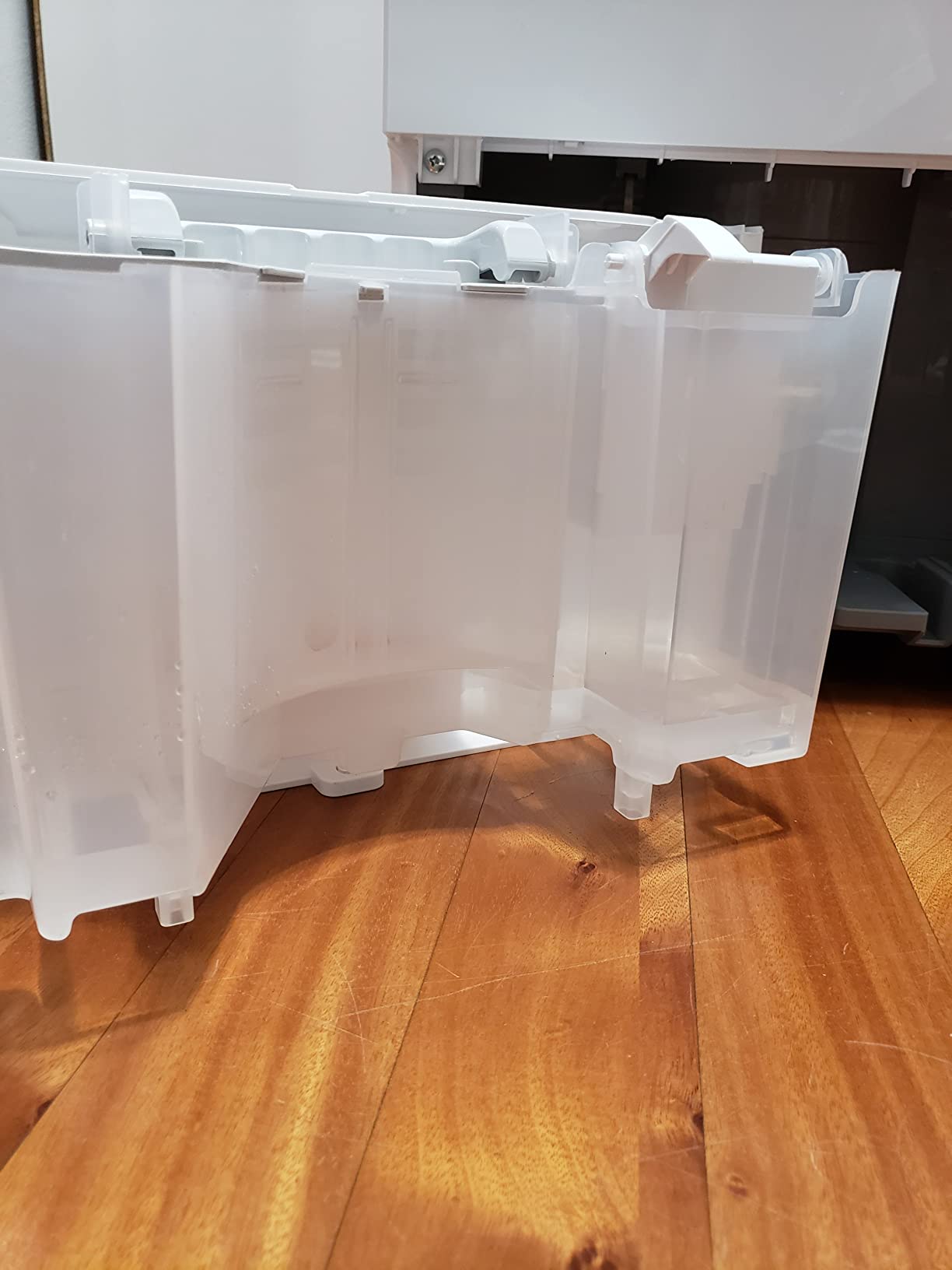
- 1.6 gallon tank is small without a drain line
This is the machine we keep coming back to, and the reason is the review base rather than any single spec. A 4.6 average across more than 15,000 owner reviews is a much stronger signal than a 4.8 across two hundred, because it means the design has been through enough seasons, water events, and relocation moves to show what actually breaks.
Capacity is rated at 50 pints per day under standard conditions, with a 120-pint maximum at 95°F and 90% relative humidity. That second number matters if your basement gets genuinely wet in July, but plan around the 50-pint figure. Coverage is listed at up to 7,500 square feet, and airflow runs 135 CFM in standard mode, rising to 188 CFM and 218 CFM in turbo.
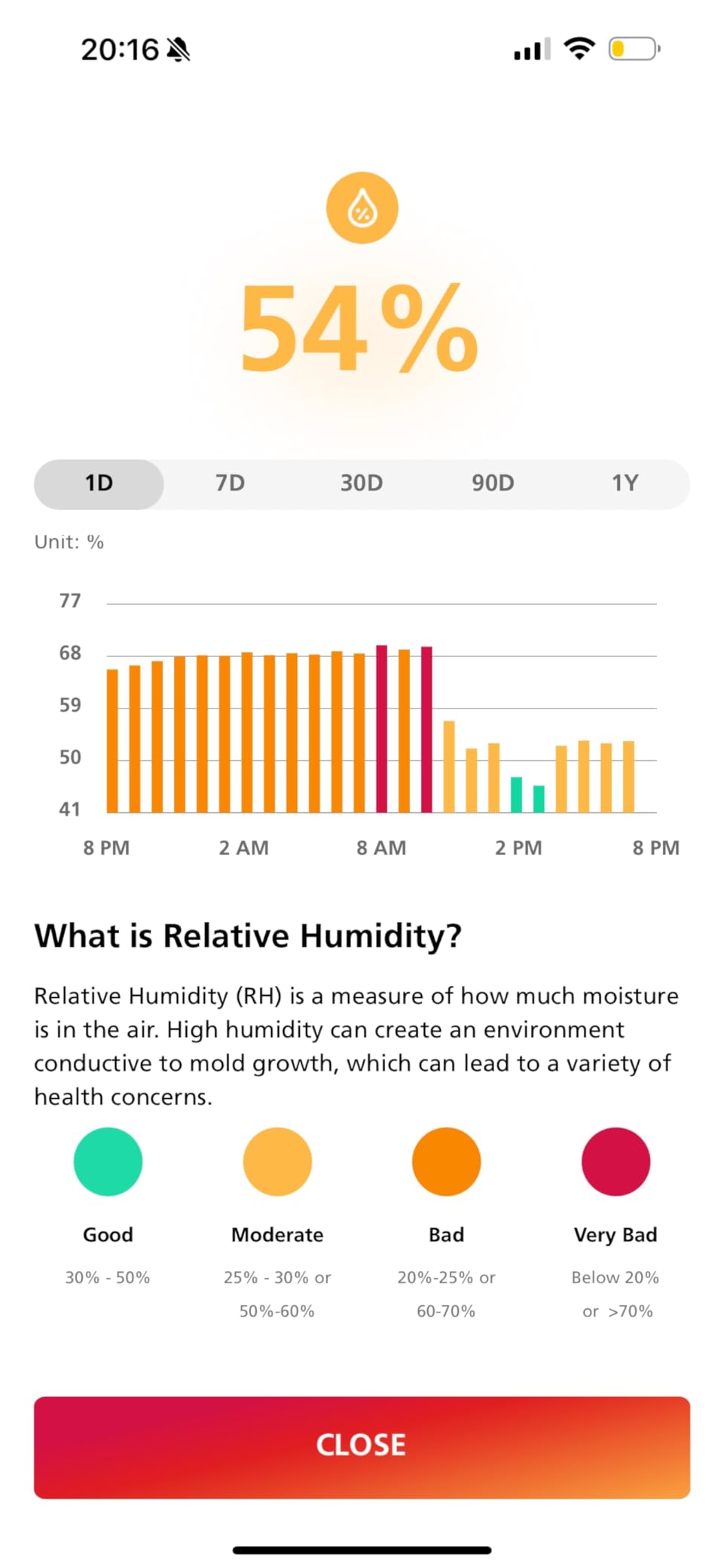
Ownership reports describe three things repeatedly: it pulls water out fast, the compressor is quiet enough to forget, and the pump plus app combination makes a corner unit manageable. Owners also note that the pump and the Wi-Fi are the features that turn this from a bucket machine into something you set and forget, which is exactly the promise this roundup is built on.
At 30.5 pounds and 11 by 15.4 by 24.3 inches, it is also one of the lighter machines here, and that matters more than the spec sheet suggests. Carrying 40 to 80 pounds down basement stairs is where a lot of otherwise good units end up in a corner they never get used in.
What we liked after living with it
The combination of a real pump, real app control, and a proven service history is rare at this level. Three operating modes, a washable filter with a check indicator, automatic defrost, memory restart, and a timer all come standard, and owners report the unit holding humidity within a few percent of the target once it settles.
If your basement is a normal 800 to 2,000 square feet with moderate dampness, this is the machine we would install and forget about.
Where it falls short
The 1.6-gallon tank is genuinely small, so plan on a drain line from day one rather than treating the tank as a backup. The filter still needs a manual rinse every few weeks in a dusty basement, and the app is the only way to see real-time humidity if the unit is somewhere out of sight.
It is also a tall, standard-shape unit at 24.3 inches, so it will not slide under a low joist run the way a crawl space machine can.
2. Yaufey 150 Pint with Pump, Three Drainage Modes for Basements up to 8,500 Sq Ft
Yaufey 150 Pint Dehumidifier with Pump for Basement 8500 Sq. Ft.
150 pints per day max
18.75 gallons per day
8500 sq ft coverage
1.85 gallon tank
Pros
- Very high 150 pint per day maximum extraction
- Only machine here offering pump plus tank plus gravity drainage together
- Humidity set range of 30 to 80 percent RH
- 1.85 gallon tank with a visible water level
Cons
- Two listed fan speeds is modest for a machine this size
- Louver and mode presets can need manual fine tuning
This is the one to buy when your basement takes in water rather than simply holding damp air. A 150-pint daily maximum equals 18.75 gallons, and reviewers consistently describe it as the strongest capacity-to-cost ratio in the category.
What separates it from the other big machines is the drainage design. It offers upward pump drainage, tank mode, and gravity drainage from the same unit, so you can start in tank mode while you figure out where the water should go, then switch to the pump or a gravity hose once the routing is settled.
Why three drainage options matter
Basements are rarely uniform. One corner might sit above a floor drain while the far end has to go out a window. Being able to change the drainage path without changing machines means you are not stuck with a machine whose only outlet suits half your space.
The included 16.4-foot pump hose plus a 3.28-foot gravity hose, and compatibility with a standard 8mm garden hose, cover most real routing. The 30 to 80 percent RH set range in 5 percent steps is wider than the usual 40 to 80 percent design.
Where it falls short
Two fan speeds is a modest spec for a machine this size, and some owners report that the swing louver and mode presets need manual fine tuning before the unit holds its set point steadily. At 39.7 pounds, it is a two-person job on stairs, though its 15.5 by 11.7 by 24.4-inch footprint is otherwise normal.
The 500-watt draw is on the higher side, which matters in a space where the unit runs continuously.
3. Vellgoo 140 Pint with 16.4 Ft Pump, ENERGY STAR Most Efficient
6000 Sq Ft ENERGY STAR Most Efficient Dehumidifier with Pump for Basement
140 pints per day at 95F and 95% RH
6000 sq ft coverage
16.4 ft pump vertical lift
1.63 gallon tank
Pros
- Frequently described as the quietest machine owners have owned
- Holds humidity within 2 to 3 percent of target in repeated tests
- Self defrost avoids the ice buildup that shortens competitor lifespans
- Responsive customer service for troubleshooting and warranty
Cons
- Small tank relative to capacity makes a hose effectively required
- Bucket handle needs the tank pulled fully out
- Dim digital display
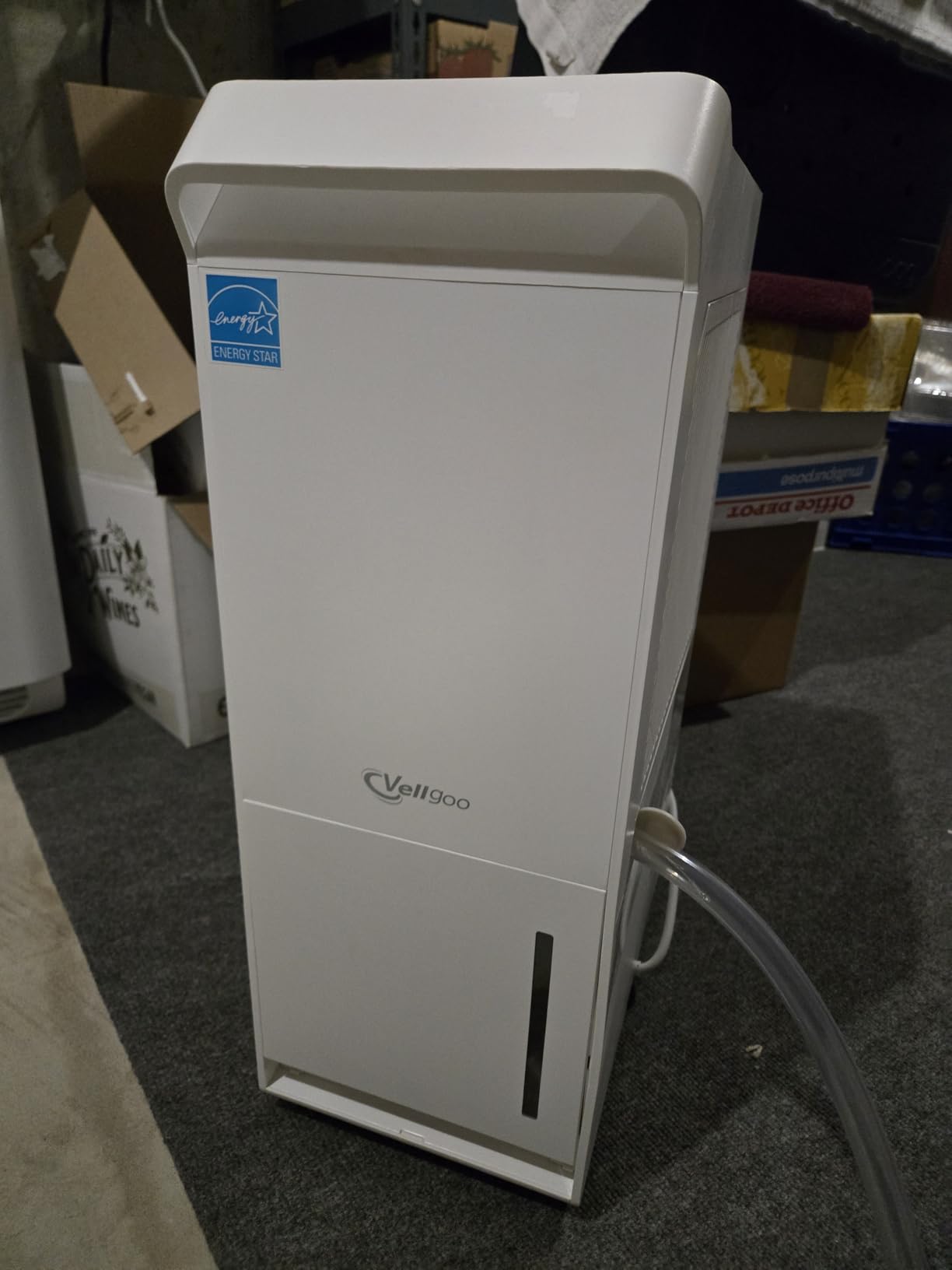
If noise is the thing that will decide whether the unit actually stays plugged in, this is the one. Owner reviews describe owners who had owned multiple brands and consider this the quietest of them, largely because the compressor and fan shut down cleanly at set point rather than cycling loudly against a target it cannot reach.
It carries current ENERGY STAR Most Efficient certification, which the manufacturer claims roughly halves power consumption against conventional machines. That claim matters in a basement, where this type of unit is often the largest electricity draw in the house after the HVAC system.
Self defrost is the second thing owners praise. Ice on the evaporator coils is the leading cause of shortened dehumidifier life, and a machine that clears its own coils runs cooler and lasts longer. The auto restart after a power outage and the setting memory mean a summer outage does not reset your whole configuration.
Drainage options are generous: a built-in pump with 16.4 feet of vertical lift, an included 6.56-foot gravity hose, and compatibility with a standard 3/4-inch garden hose.
What the efficiency rating actually buys you
In a basement that needs continuous humidity control, the compressor runs a large share of the day. Lower draw per pint of water removed translates directly into a lower monthly bill, and the ENERGY STAR Most Efficient tier is the strictest of these ratings for dehumidifiers.
The three-mode setup, including a dedicated sleep mode, a 24-hour timer, a child lock, and a washable filter, covers the control basics without any learning curve.
Where it falls short
The 1.63-gallon tank is small next to a 140-pint capacity, so treat the drain hose as mandatory rather than optional. The listed weight of 4.6 pounds looks like a data error against the machine’s actual 17.7 by 11.8 by 24.4-inch body, and one owner reported a unit that arrived non-functional with questionable packaging.
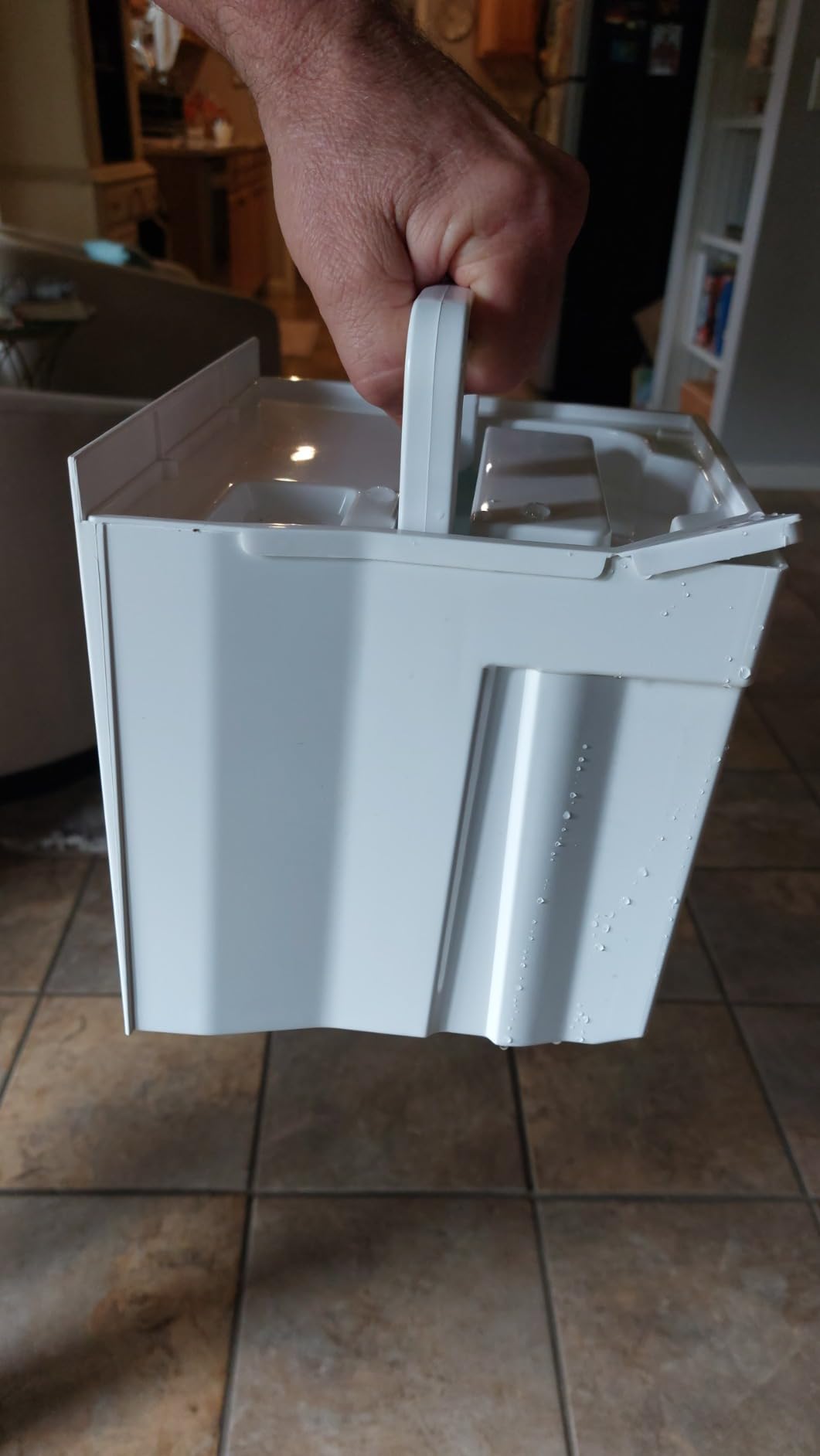
Owners also mention the digital display is dim enough to need stooping to read, and that the tank handle requires pulling the tank fully clear of the body, which raises spill risk on a full tank.
4. Waykar 125 Pint Crawl Space Dehumidifier, Low Profile with 16.4 Ft Pump
Waykar 125 Pint Crawl Space Dehumidifier with Pump & Drain Hose for Basements, Commercial & Water Damage Spaces up to 6500 Sq. Ft., Compact, Strong Dehumidification, 5-Year Quality Coverage
125 pints per day at 95F and 90% RH
6500 sq ft coverage
13.6 inch tall metal body
16.4 ft pump lift
Pros
- Low profile metal chassis sized for tight crawl space installations
- 16.4 ft pump lift well above the 10 to 13 ft typical of rivals
- Metal casing and rotary compressor built for harsh environments
- 10 to 90 percent RH adjustment range
Cons
- Single fan speed with no low noise setting
- At 49.8 pounds it is a two-person lift on stairs
- Remote control sold separately
Crawl spaces reward low-profile machines, and this one is built for the job rather than adapted from a living-room unit. At 19.3 by 12.6 by 13.6 inches it slides under joists where a 24-inch-tall tower simply will not go, and the metal casing tolerates the dust, damp, and occasional impact that comes with the space.
The pump lifts water 16.4 feet vertically, comfortably above the 10 to 13 feet most competing units manage. In a crawl space, that usually means draining up into a standpipe, a floor drain, or a sump rather than running a hose along the ground.
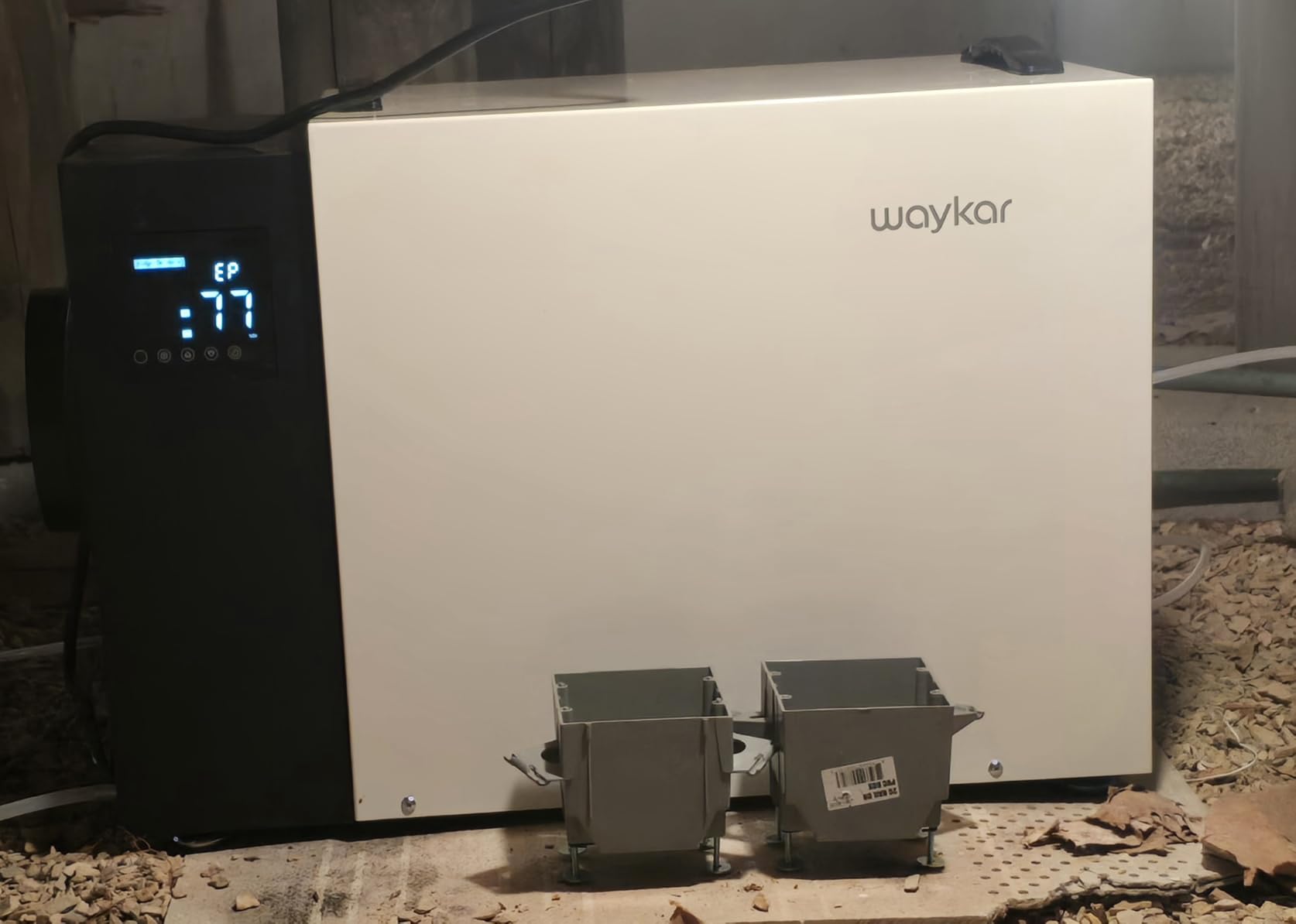
Extraction is rated at 125 pints per day, or 15.63 gallons, with 176 CFM of airflow and a 530-watt draw. The rotary compressor is claimed to cut power consumption 15 to 20 percent, and the two-plus-three layer condenser improves heat exchange efficiency by a further 20 to 30 percent, which is the kind of detail that matters when the unit lives in an unconditioned space all summer.
Adjustable feet cut noise and vibration by up to 30 percent, and the touchscreen panel supports an optional remote with a 32.8-foot range. Coverage is a five-year warranty on the compressor, one full year on the machine, and a second year when registered.
Why the wide humidity range helps in a crawl space
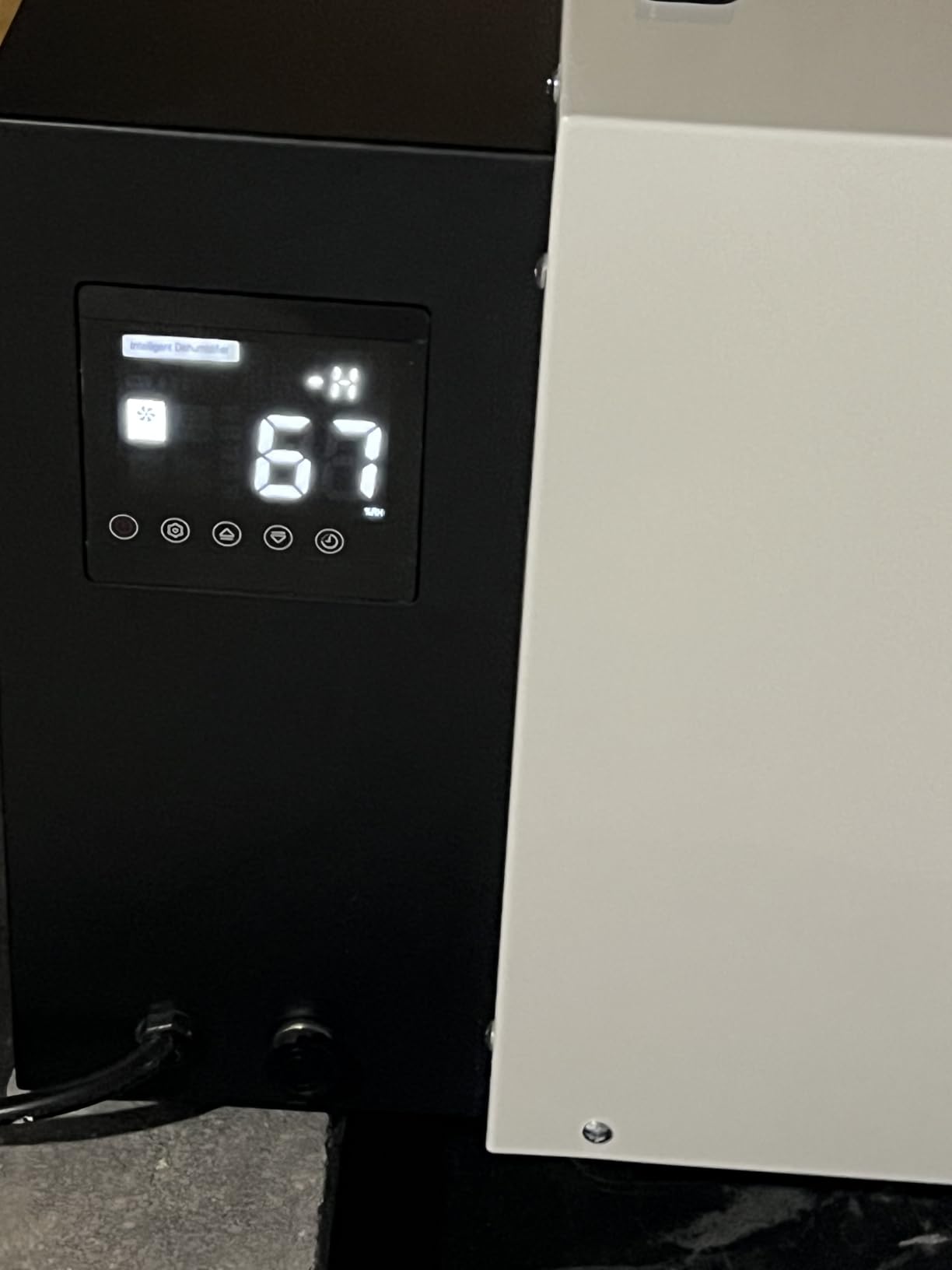
Crawl space moisture is seasonal and uneven, and the 10 to 90 percent adjustment range gives you much finer control than the 20 to 80 percent typical of household units. Owners in very wet spaces report being able to hold a lower set point without the machine cycling on continuously.
The TUV testing and the metal body are also the reasons to consider it for post-flood cleanup, where a plastic-cased machine is a gamble.
Where it falls short
One fan speed means there is no quiet setting for an occupied space, and at 49.8 pounds it is a genuine two-person lift up basement stairs. The remote is sold separately, and the continuous-only operating mode means there is no built-in humidistat-style auto cycling for a finished room.
5. Ivation 50 Pint with Pump, 2.25 Gallon Tank for Basements up to 4,500 Sq Ft
Ivation 50 Pint Dehumidifier for Basement w/Pump & Drain Hose, 4,500 Sq Ft
50 pints per day at 60F and 60% RH
4500 sq ft coverage
2.25 gallon reservoir
16 watt built-in pump
Pros
- 2.25 gallon tank is the largest reservoir among 50 pint models here
- 16 watt pump is among the lowest draw built-in pumps
- Caster wheels make it easy to move between rooms
- Washable filter removes ongoing replacement cost
Cons
- Rated operating temperature tops out at 80F
- Only two fan speeds
- No Wi-Fi or app control
The Ivation is the practical middle of this list, and its distinguishing feature is tank size. A 2.25-gallon reservoir is more than double what most 50-pint machines carry, which buys you real breathing room on a humid stretch when the pump is not yet plumbed or the drain line is blocked.
Its 16-watt pump is also among the lowest-draw built-in pumps in the group, and because a condensate pump only runs when the tank fills, that low figure compounds over a season of continuous use. The humidity sensor sets a target hands-free, and the bright LCD shows the humidistat setting, fan speed, timer, and filter alerts in one glance.
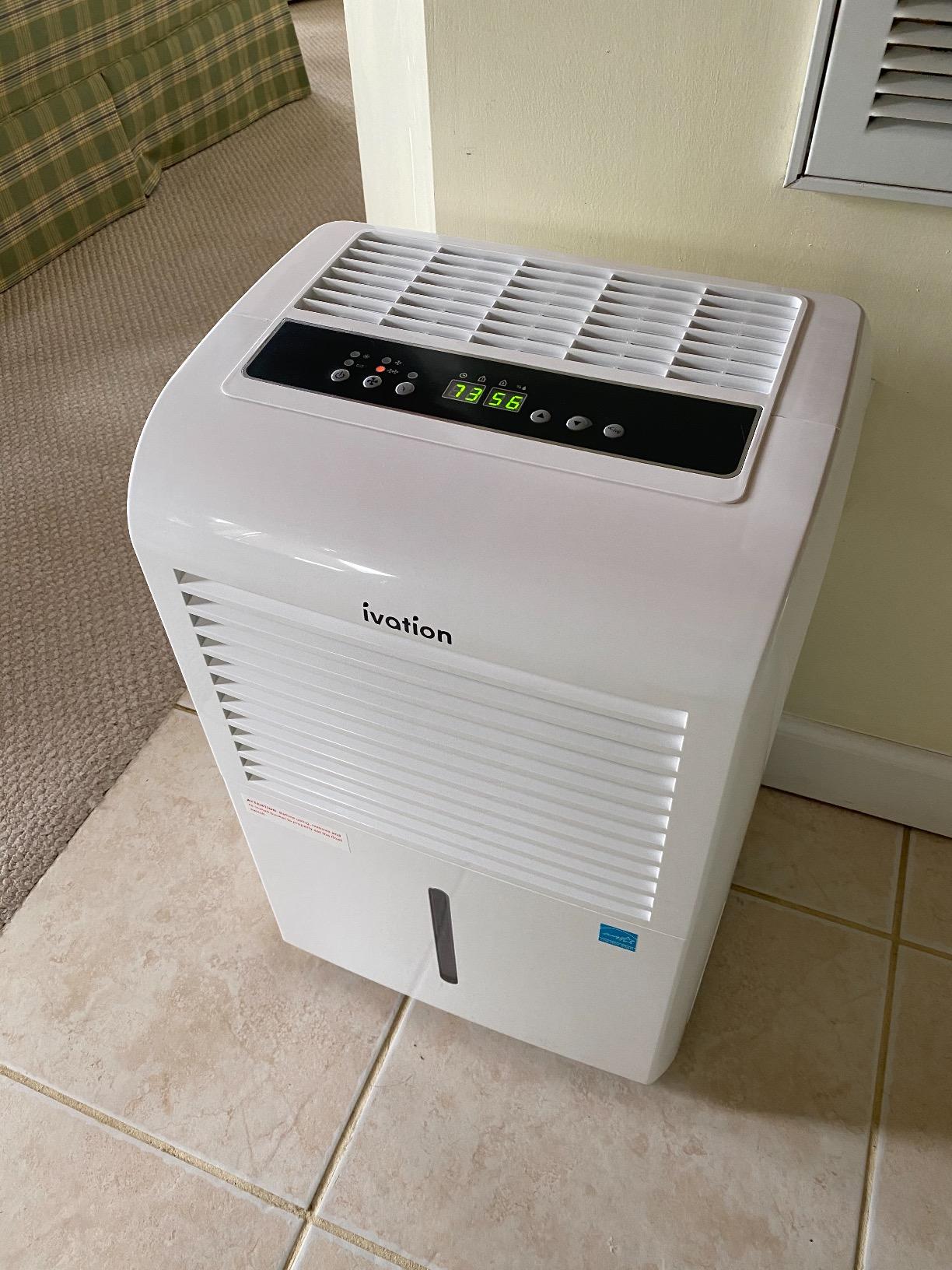
Auto defrost, auto restart after a power outage, a washable filter, and a water-level sensor with automatic shutoff on a full tank round out a sensible feature set. At 11.1 by 15.3 by 23.5 inches, it is a standard household shape with caster wheels for moving it between rooms.
Owners describe this as a no-frills 50-pint unit, which in practice means it does the basics quietly and does not try to be a smart home device.
When the big tank is the deciding factor
If you cannot run a permanent drain line, tank capacity becomes the whole design. A 2.25-gallon tank holds roughly 18 pints, so at a moderate 8-pint daily removal you get more than two days between emptying, versus closer to one on a 1.4-gallon tank.
It also gives you a graceful fallback: if a drain hose fitting fails, you have time to notice and fix it before the unit shuts down.
Where it falls short
The 80°F operating ceiling is the real limitation. In a basement that reaches the high 80s in summer, this machine is working outside its rating, and both capacity and compressor life suffer. There is also no Wi-Fi or app, so you check the LCD when you walk past it.
Only two fan speeds, and the weight is not listed in the specifications, so plan for a two-person move on stairs.
6. Waykar 150 Pint Commercial Dehumidifier with 9.84 Ft Pump Lift
Waykar 150 Pint Commercial Dehumidifier with Pump & Drain Hose for Basement
150 pints per day at 95F and 90% RH
7000 sq ft coverage
9.84 ft pump vertical lift
1.85 gallon tank
Pros
- 150 pint per day output at a cost below other commercial machines
- Three drainage paths including a 9.84 ft pump lift
- Self drying function helps prevent mold and odor in the reservoir
- Quiet operation with an automatic swing
Cons
- Pump lift of 9.84 ft is lower than the 16.4 ft on some rivals
- Memory restart does not restore pump function after an unplug
This machine sits in the sweet spot for a mid-to-large basement that needs serious extraction but does not need a commercial chassis. 150 pints per day and 212 CFM of airflow is more than enough to pull a 1,500 to 2,000 square foot basement down from musty to comfortable in a matter of days.
It carries current ENERGY STAR certification with self-drying and auto-defrost cycles. The self-drying function is the detail worth pausing on: it periodically runs the residual water out of the reservoir and dries the machine, which directly addresses the mold and odor problem that makes a neglected dehumidifier worse than no dehumidifier.
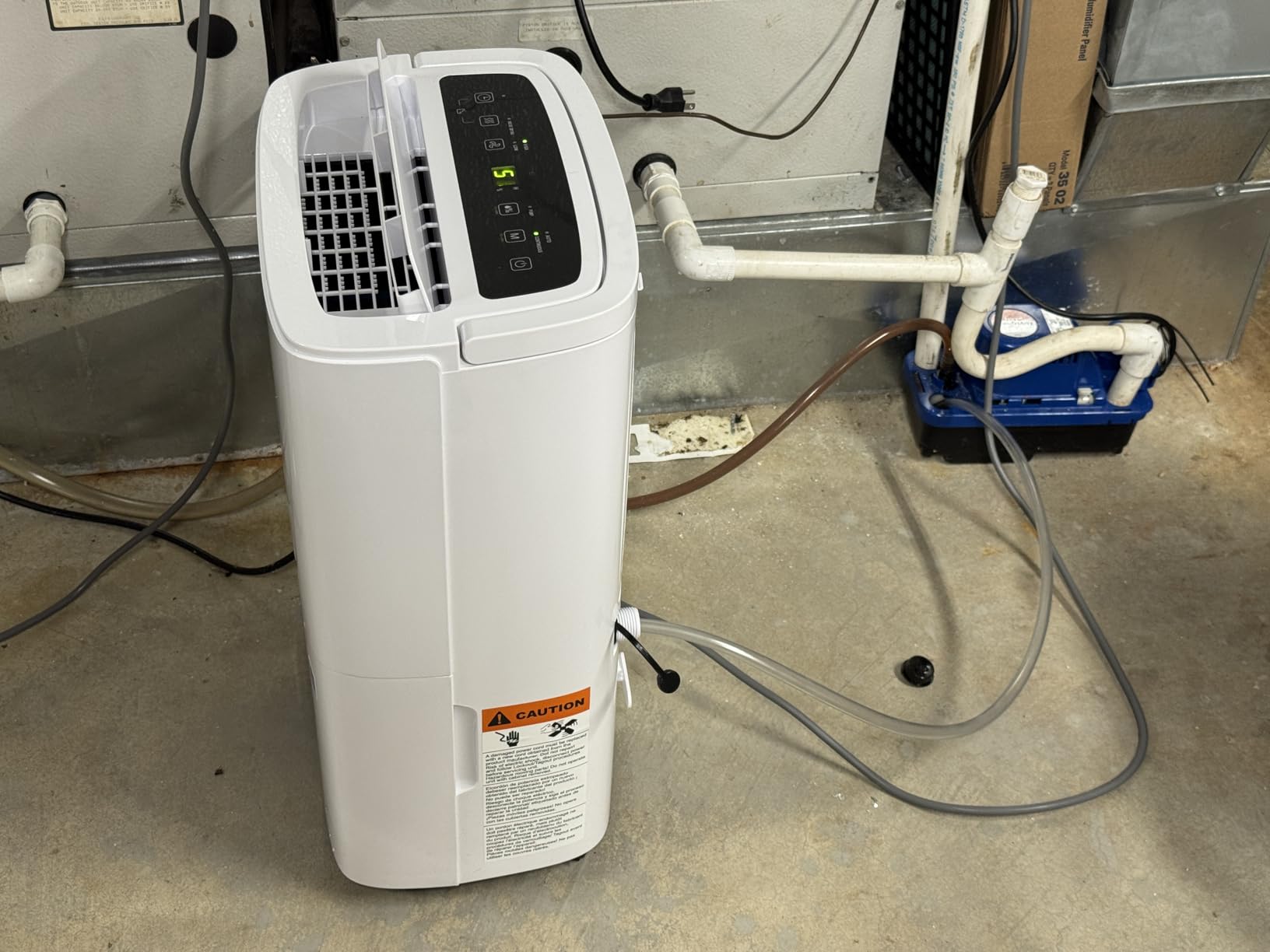
Humidity is adjustable from 30 to 80 percent RH with a readout on the panel, and there is a 24-hour timer, memory restart, a safety lock, and overheat protection. A 30-day money-back period and a second-year extension are also better than the one-year coverage common in this category.
Owners highlight the value for the capacity, the flexible drainage, and the self-drying feature in roughly equal measure.
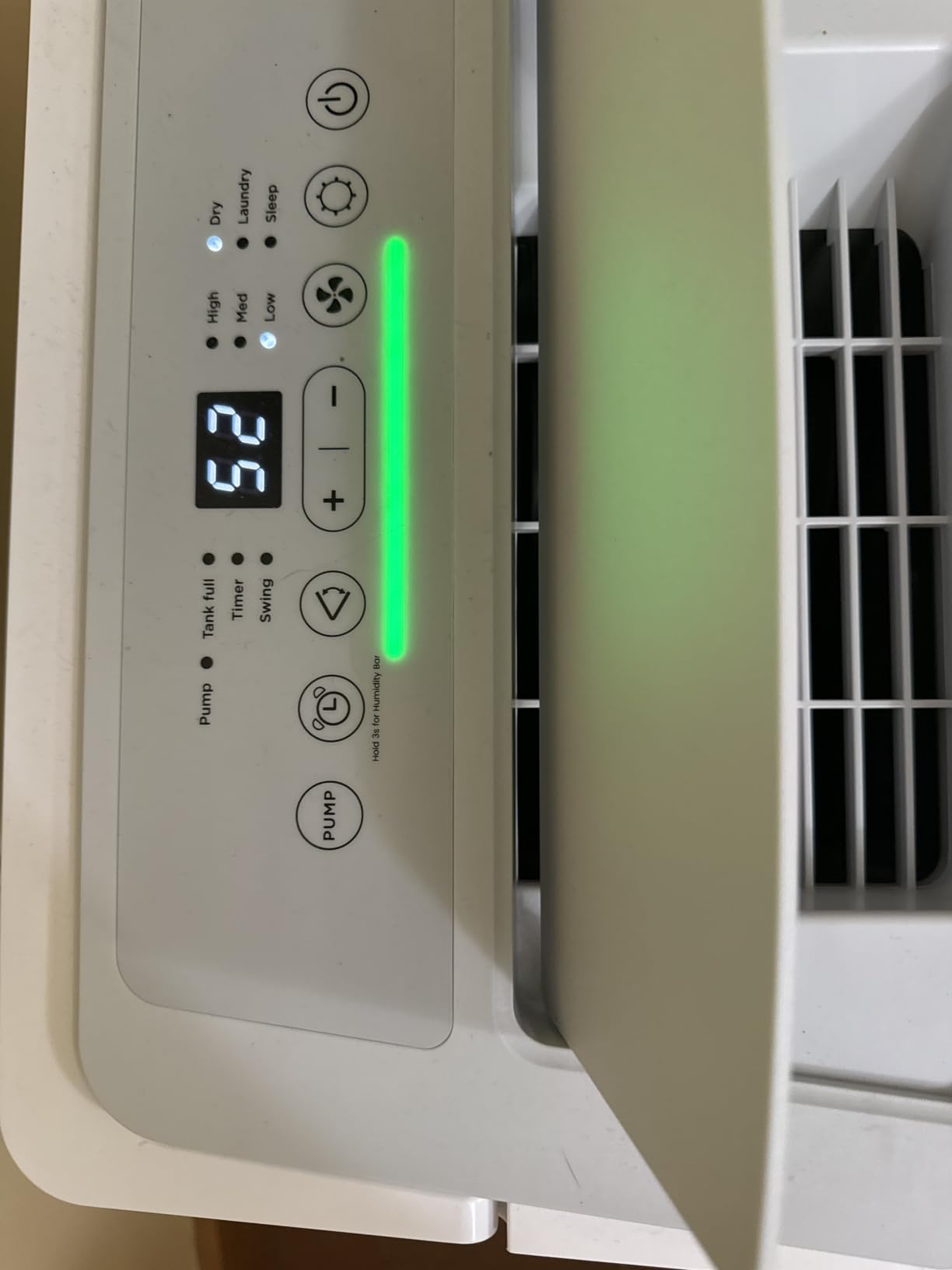
Choosing between the two Waykar pumps
This unit and the larger 155-pint Waykar share the brand and the general approach, but the pump lifts differ: 9.84 feet here against 16.4 feet on the bigger machine. Measure the vertical distance from the unit’s base to your drain point before you commit, because that single number decides between them.
If the answer is under 10 feet, this one is the better machine for the money, and its smaller 38.6-pound frame is far easier to get down stairs.
Where it falls short
The 9.84-foot lift rules out some window and sink routing where the hose has to climb above that. The memory restart also does not restore pump function after an unplug, so a power event can leave you needing to touch the machine.
Coverage is listed for spaces up to 7,000 square feet, which assumes a normal moisture load rather than active water intrusion.
7. ALORAIR 70 PPD Crawl Space Dehumidifier, 19.6 Ft Pump Lift and 6-Year Warranty
ALORAIR 70 PPD Dehumidifier with Pump for Crawl Space and Basement
35 pints at AHAM, 70 at saturation
Rated to 1000 sq ft
19.6 ft pump lift
19.6 ft hose included
Pros
- 19.6 ft pump lift is the tallest in this group
- Low 35 pint AHAM rating is more honest than saturation-only marketing
- MERV-1 filtration reduces dust reaching the coils
- 6 year limited warranty is the longest coverage here
Cons
- Listed coverage of up to 1000 sq ft is small for a whole basement
- Alloy steel body is heavy at 38.2 pounds
The ALORAIR is the answer to the specific problem of a drain that sits well above the machine. A 19.6-foot vertical lift means the dehumidifier can sit on the basement floor and push water up to a standpipe, a wall drain, or a window well several feet overhead. No other machine in this roundup reaches that high.
It is also the most honest capacity number here. Rather than quoting only the saturation figure, it lists 35 pints per day at the AHAM standard and 70 pints at saturation. That distinction matters, because a headline 70-pint rating on another machine may be the same machine’s saturation number, and comparing the two directly is comparing different tests.
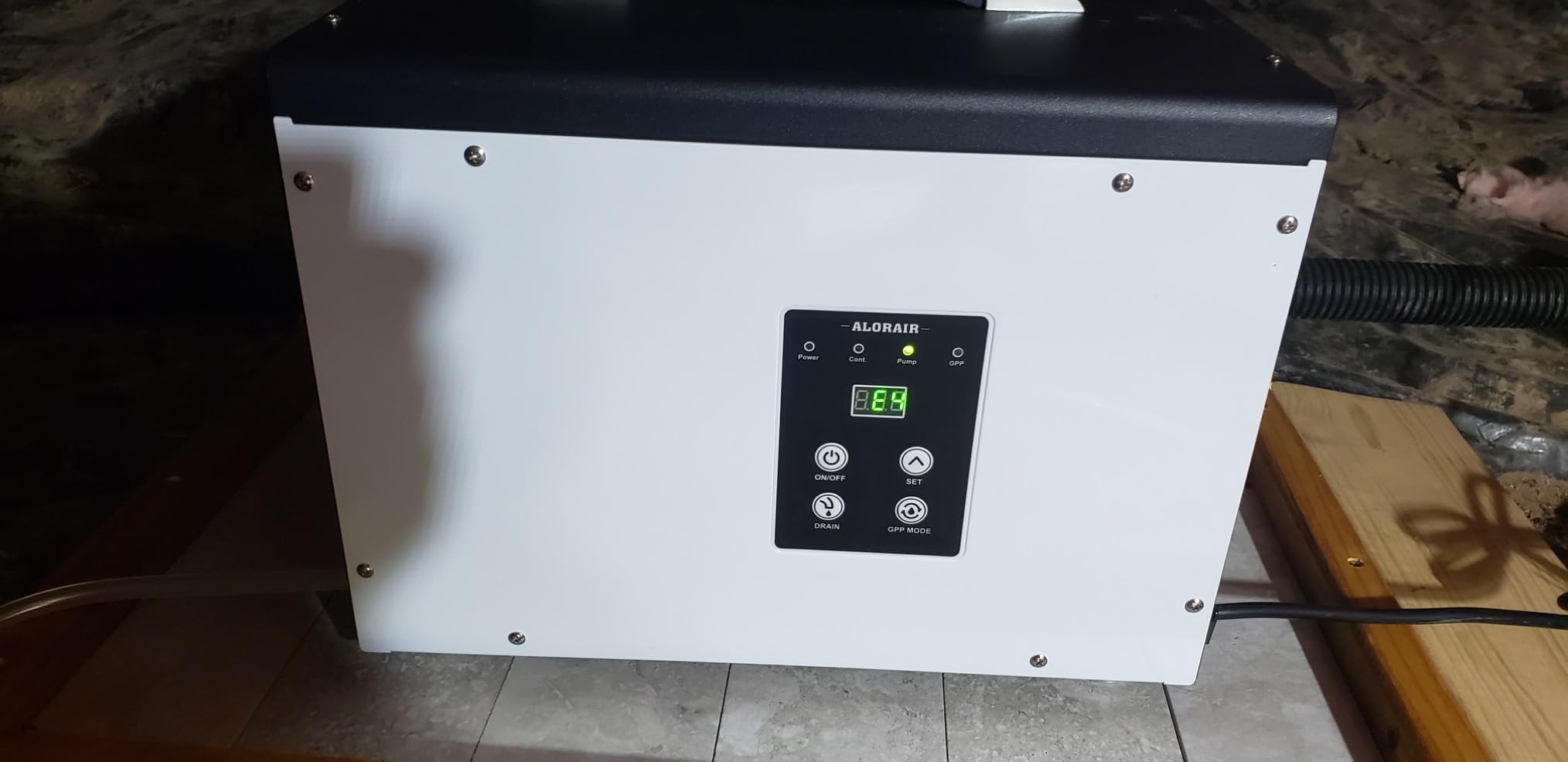
Automatic defrost supports reliable low-temperature operation, which matters in a crawl space, and the machine runs below 50 dB. A MERV-1 filter traps up to 95 percent of airborne pollutants before they reach the coils, and auto restart handles power interruption. It is ETL listed with a six-year limited warranty, two years of it full coverage, and the 19.6-foot drain hose is included.
Owners value the lift, the quiet running, and the warranty, while noting the modest coverage figure.
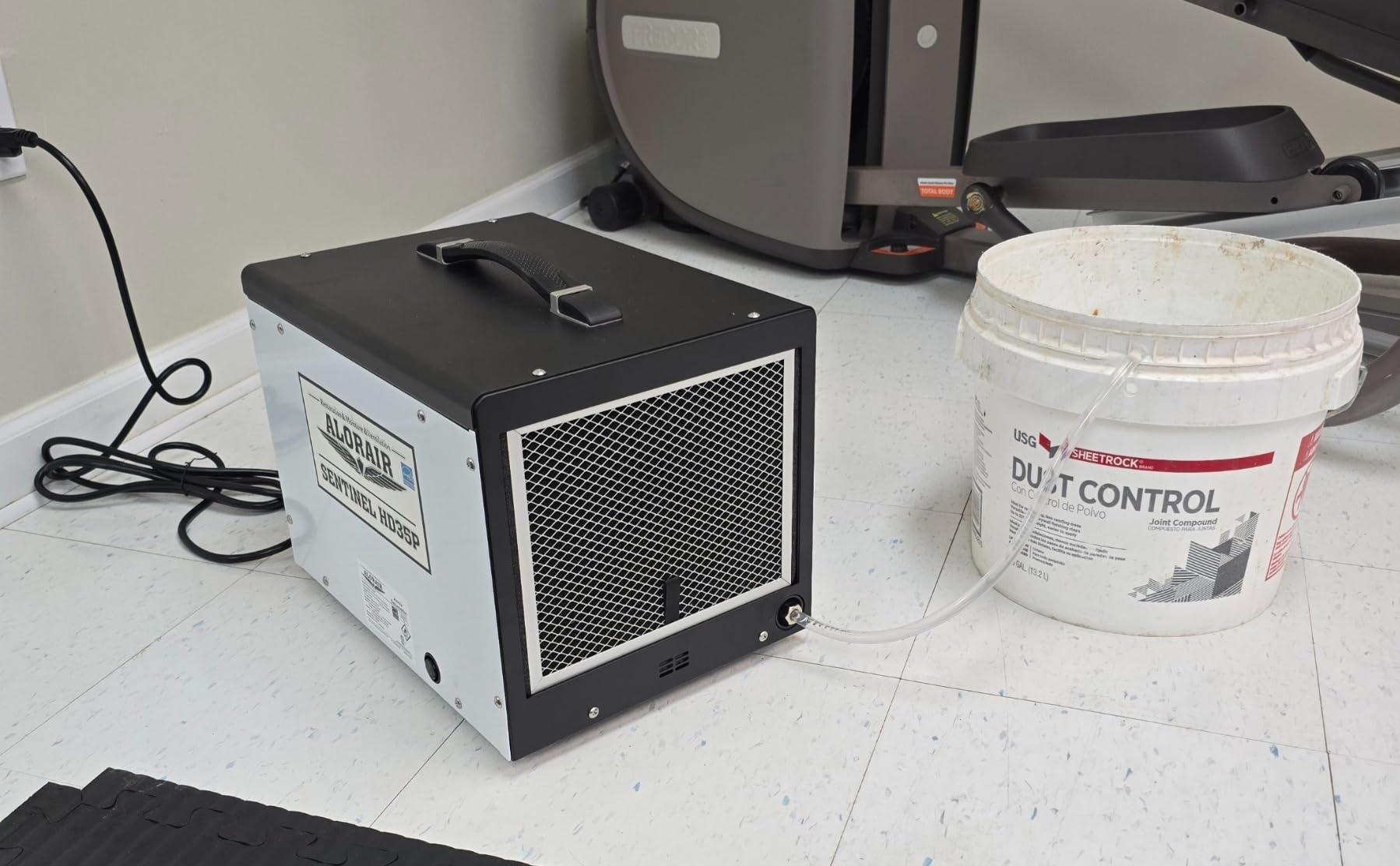
What the AHAM rating means and why we trust it
AHAM is the standard used to rate dehumidifier capacity under fixed temperature and humidity conditions. A machine that publishes its AHAM number is telling you what it does in a consistent test, and a machine that publishes only a saturation number is telling you its best case.
That makes the ALORAIR’s 35-pint AHAM rating directly comparable to other honest listings, and it is the reason we would not rank it lower on output despite the smaller headline number.
Where it falls short
Up to 1,000 square feet is genuinely small. This is a crawl space and small-closet machine, not a whole-basement solution, and for a 2,000 square foot basement you would want a bigger unit. At 38.2 pounds, the alloy steel body is heavy for its compact footprint.
The 4.0 average with a 62 percent five-star share is the lowest in this group, which tracks with a specialist design rather than a broad one.
8. AEOCKY 80 Pint Slim Dehumidifier, 16.4 Ft Pump and a Removable Pump Nozzle
AEOCKY Dehumidifier with Pump Up to 16.5ft Energy Star Most Efficient 2025
80 pints per day
56 pints per day at 86F
4500 sq ft coverage
8.6 inch depth
Pros
- 8.6 inch depth fits narrow basement corners where wider machines will not
- 16.4 ft pump lift with a 5m hose covers nearly any routing
- Pump is user removable for cleaning or replacement
- Owners rank it among the quietest pump equipped models
Cons
- 80 pint per day output is modest for very large or severely wet spaces
- 1.45 gallon tank is on the small side
- 3 year warranty is shorter than the 5 and 6 year coverage offered elsewhere
The AEOCKY solves a physical problem that specs rarely address: getting a full-size machine into the corner where the water actually collects. At 8.6 inches deep, it is one of the slimmest bodies in the group and the only one that fits a tight wall gap without pushing the air path against a foundation wall.
It rates 80 pints per day at 95°F and 95% RH, and 56 pints per day at 86°F and 80% RH. The second number is the honest one for a real basement, and it is the figure to use when you are comparing it against a 50-pint machine’s rated output.
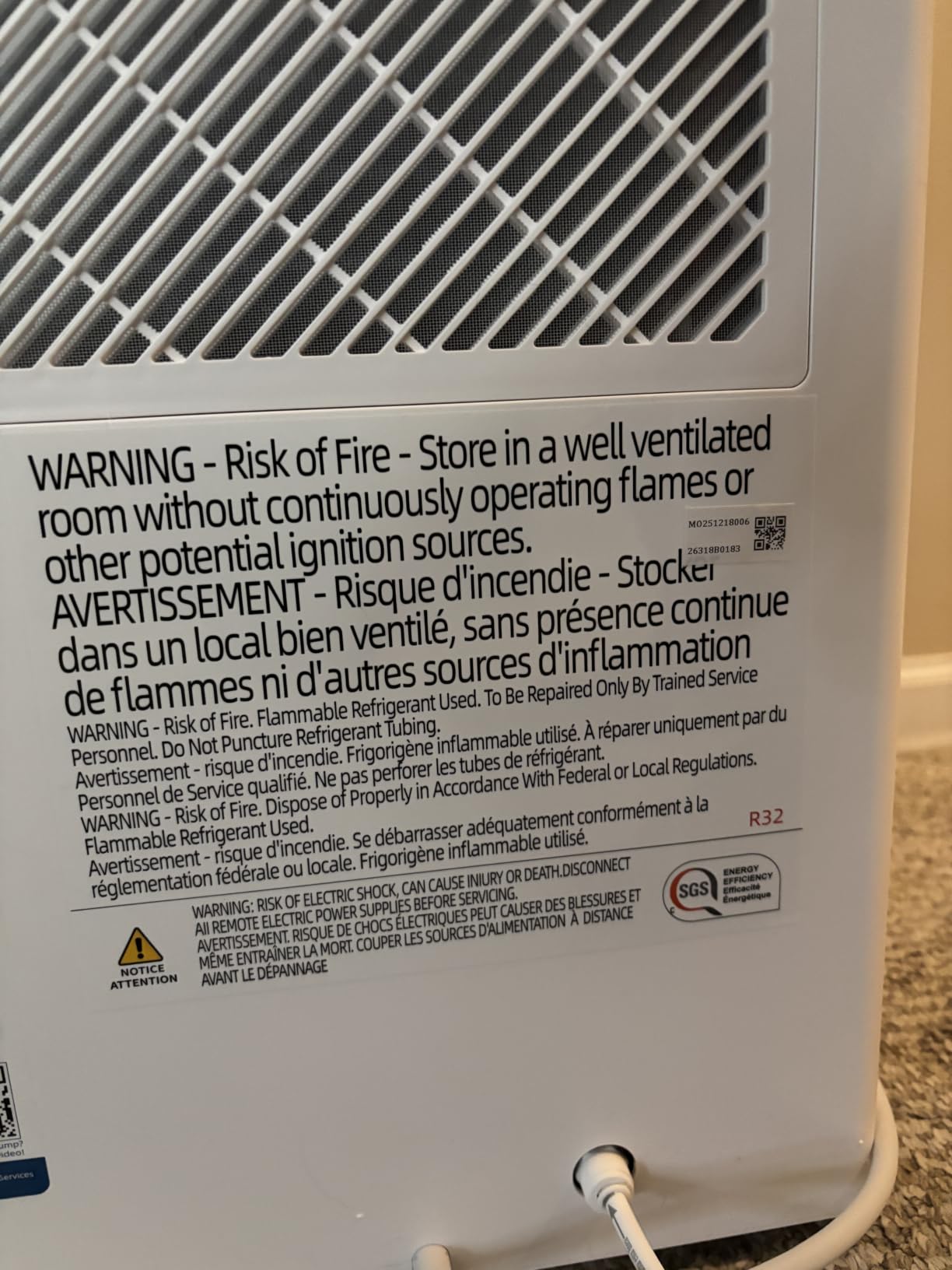
The pump design is the most interesting engineering in this roundup. The electromagnetic pump is validated through more than 10,000 reliability tests with dual-sensor dry-run protection, and the nozzle is removable by the user, so dust clogs and tank snagging can be dealt with without replacing the whole dehumidifier. Owners comparing it against other brands specifically praise the bucket handle position at the front of the tank, which reduces spills.
Millisecond-level humidity sensing with a compensation algorithm sets the target accurately, and a power-off memory function makes it work with a smart socket. Coverage is three years.
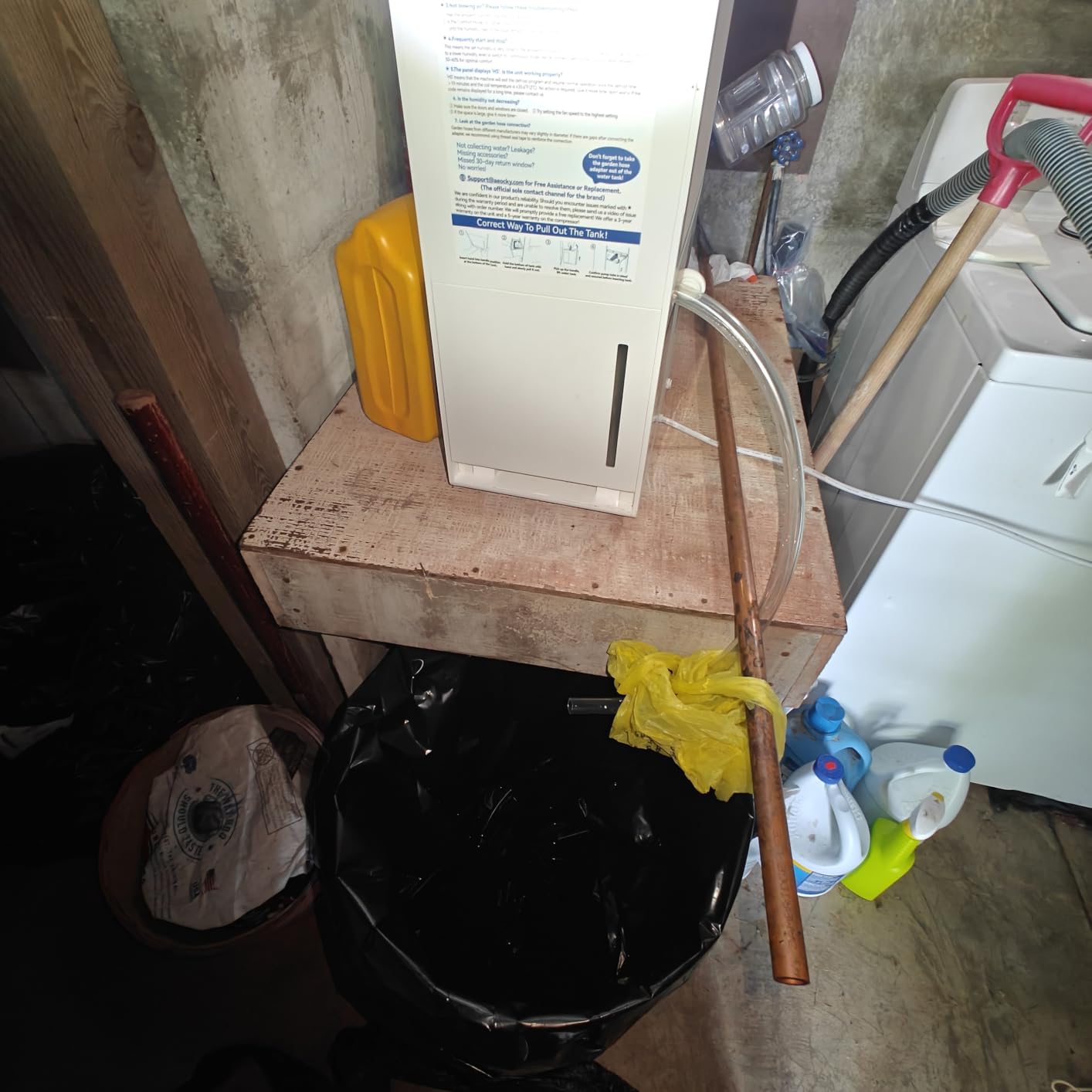
Why a removable pump matters more than it sounds
The pump is the single most failure-prone part of any pump-equipped dehumidifier, and on most machines a failed pump means a dead machine. A user-removable pump turns a total loss into a part replacement, which changes the ownership math considerably over a five-year life.
The dual-sensor dry-run protection is the other half: if the pump runs with no water to move, it shuts itself down rather than burning out.
Where it falls short
At 80 pints per day, it will not keep up with a severely wet or very large space on its own. The 1.45-gallon tank is small, and the three-year warranty is the second shortest in this group, which is worth weighing against the serviceable-pump advantage.
The upper operating temperature is not listed, so check it against your basement’s summer peak before committing.
9. Waykar 155 Pint Commercial Dehumidifier with Coil Temperature Display
Waykar 155 Pints Commercial Dehumidifier with Pump, Drain Hose and Washable Filter Space up to 8000 Sq. Ft, for Basements, Industrial or Commercial Spaces – 5 Year Quality Coverage
155 pints per day
7500 sq ft coverage
16.4 ft pump lift
520 watt draw
Pros
- Highest capacity at 155 pints per day with a 16.4 ft pump lift
- Coil temperature readout on the LCD is unusual and genuinely useful
- Large locking casters and detachable handle make 79 pounds manageable
- Metal chassis suits restoration and industrial use
Cons
- Heaviest machine here at 79.4 pounds on basement stairs
- Single fan speed and no swing louver limit placement
- Taller body than most units in the roundup
This is the one to look at if you are drying out a flooded basement rather than managing ordinary dampness. 155 pints per day is 19.37 gallons, and 164.7 CFM of airflow moves that volume of air through the coils quickly enough to matter on a large wet space.
The coil temperature display on the LCD is the feature that separates it from every other machine here. When a dehumidifier underperforms, the usual suspects are a dirty filter, a frozen coil, or an undersized machine, and seeing the coil temperature on the panel tells you which one immediately. It is a diagnostic tool in an appliance, which is unusual at any price.
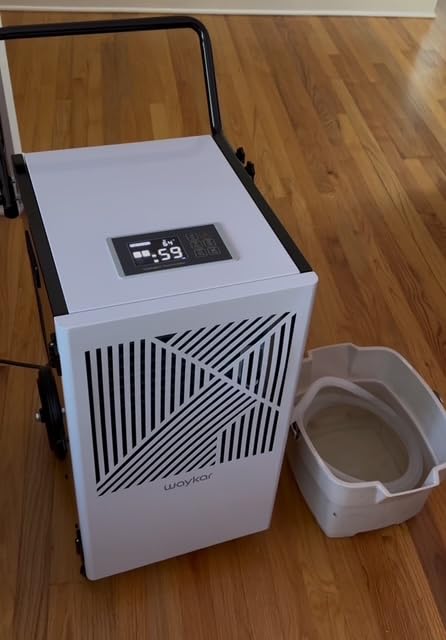
The built-in pump lifts water 16.4 feet vertically, and a 6.6-foot gravity hose is included for lower energy use where gravity routing works. Six-inch heavy-duty locking casters and a detachable push handle are thoughtful additions on a 79.4-pound machine, and the 18.7 by 21.1 by 29.9-inch footprint is a genuine consideration in a tight corner.
Auto defrost, overload protection, a memory function, an external cable storage column, and a washable filter round out the package, backed by a five-year compressor warranty and lifetime technical support.
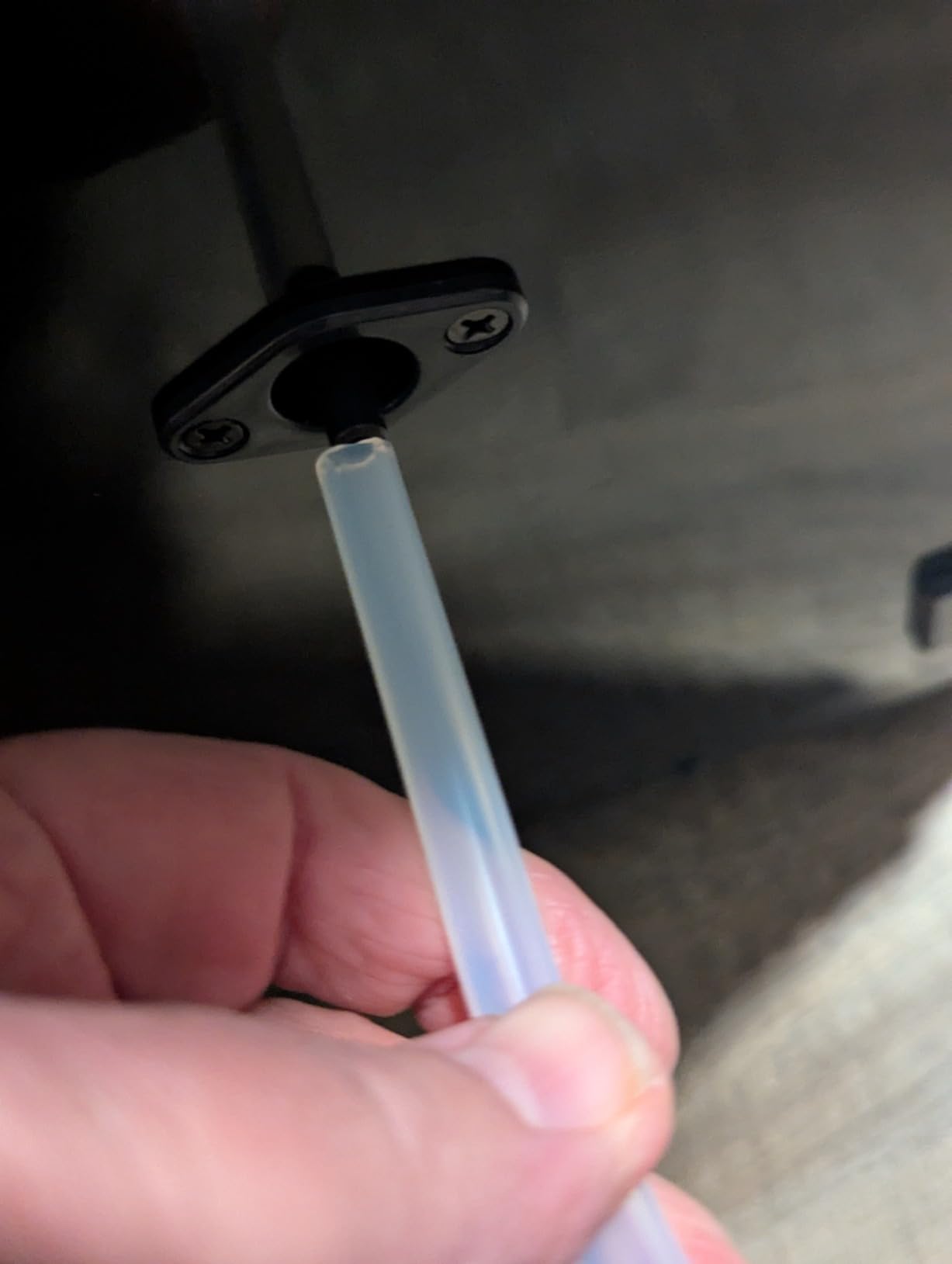
When you need this much capacity
Restoration work after a flood or a persistent leak needs extraction measured in tens of gallons per day, not the few pints an ordinary damp basement generates. A 155-pint machine clears a large wet area in a fraction of the time, which matters because every day of standing water is another day of potential structural and microbial damage.
The 10 to 90 percent RH range and continuous operating mode also suit a space that is still drying rather than a finished room you want held at a stable reading.
Where it falls short
At 79.4 pounds, moving this down basement stairs is a real obstacle and a genuine injury risk if you plan to do it alone. Single fan speed with no swing louver also limits placement flexibility, since you cannot aim airflow around an obstruction.
For a normally damp basement it is simply more machine than the job needs, and its 29.9-inch height is worth measuring against your ceiling clearance before you commit.
10. avylo 90 Pint with 15 Ft Pump, ENERGY STAR Most Efficient and 41 dB Operation
avylo Dehumidifier for Basement with Pump and Hose, Max 90 Pints/D, White
90 pints per day at 90F and 90% RH
4500 sq ft coverage, headline states 5000
15 ft pump lift
2.11 gallon top mounted tank
Pros
- Strong capacity and pump lift at a low entry cost
- ENERGY STAR Most Efficient with a 2.05 L/kWh EER
- Top mounted 2.11 gallon tank is easy to access and less likely to spill
- 41 dB low operation with a sound and light off mode
- 5 year manufacturer warranty
Cons
- Floor drain pipe is not included
- Setup guidance requires emptying the tank first to avoid early leaks
- Capacity and tank volume are easy to confuse in the listing
The avylo is the quiet one. A rated 41 dB low mode with both sound and light off puts it in territory where you can run it in a finished bonus room, home office, or bedroom-adjacent space without it being the thing you notice. That is not a marketing claim you have to take on faith, because it is a stated operating figure rather than a comparison to another brand.
It also has the second-highest owner satisfaction in this roundup, with a 4.5 average and an 80 percent five-star share. For a machine with a smaller review base than most, that is a strong signal.
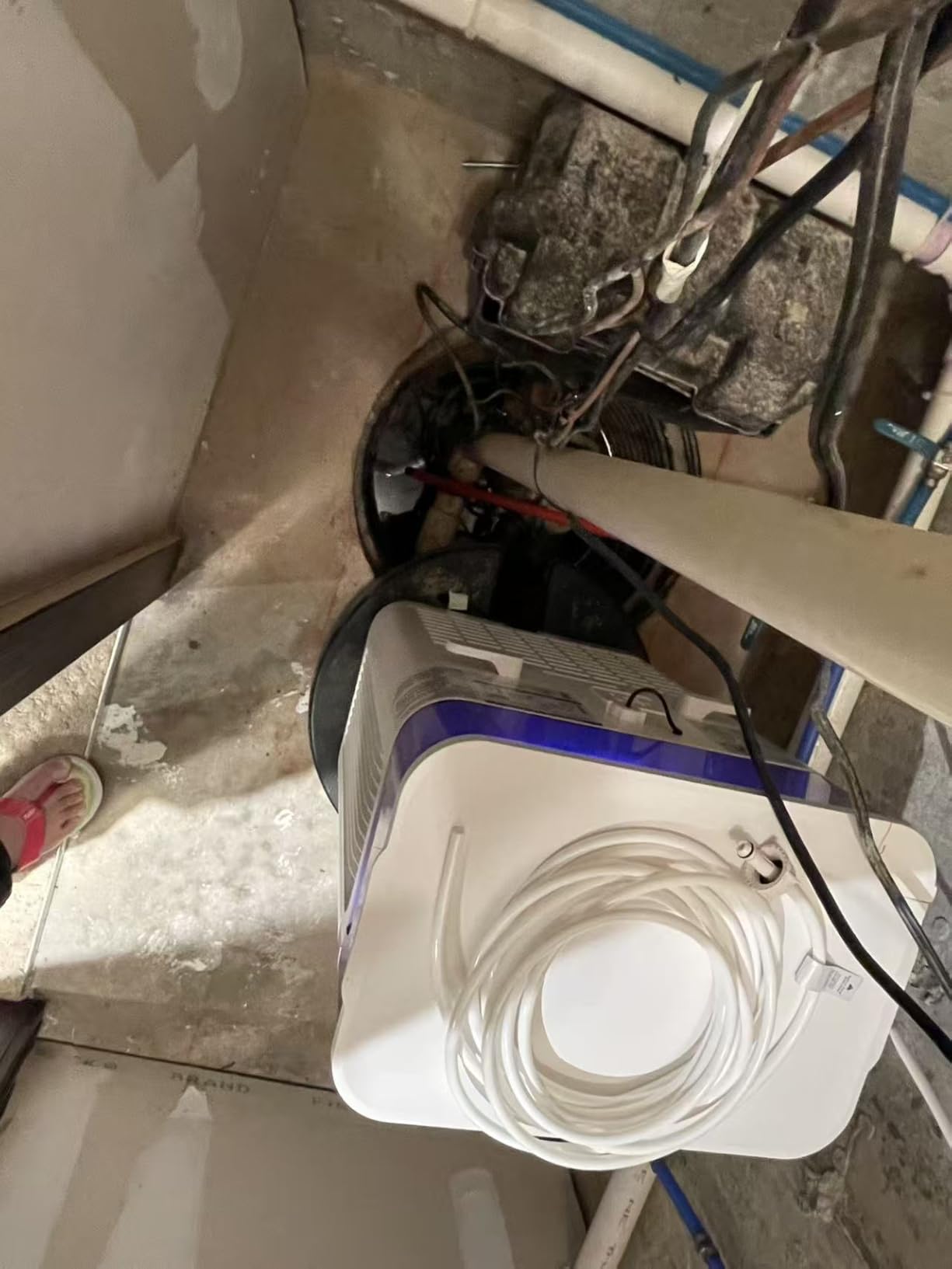
Capacity is 90 pints per day at 90°F and 90% RH, coverage is listed at 4,500 square feet with a 5,000 figure in the headline, and the pump lifts water 15 feet with a 15-foot drain hose included. The 2.11-gallon tank is top-mounted, which makes it far easier to check and empty than a tank you have to slide out from underneath, and it carries a full-tank reminder with automatic shutoff.
ENERGY STAR Most Efficient certification with a 2.05 L/kWh EER is the efficiency story here, and a 235-watt draw is the lowest among the high-capacity machines in this list. A 24-hour timer, child lock, and auto defrost round it out, with a five-year manufacturer warranty.
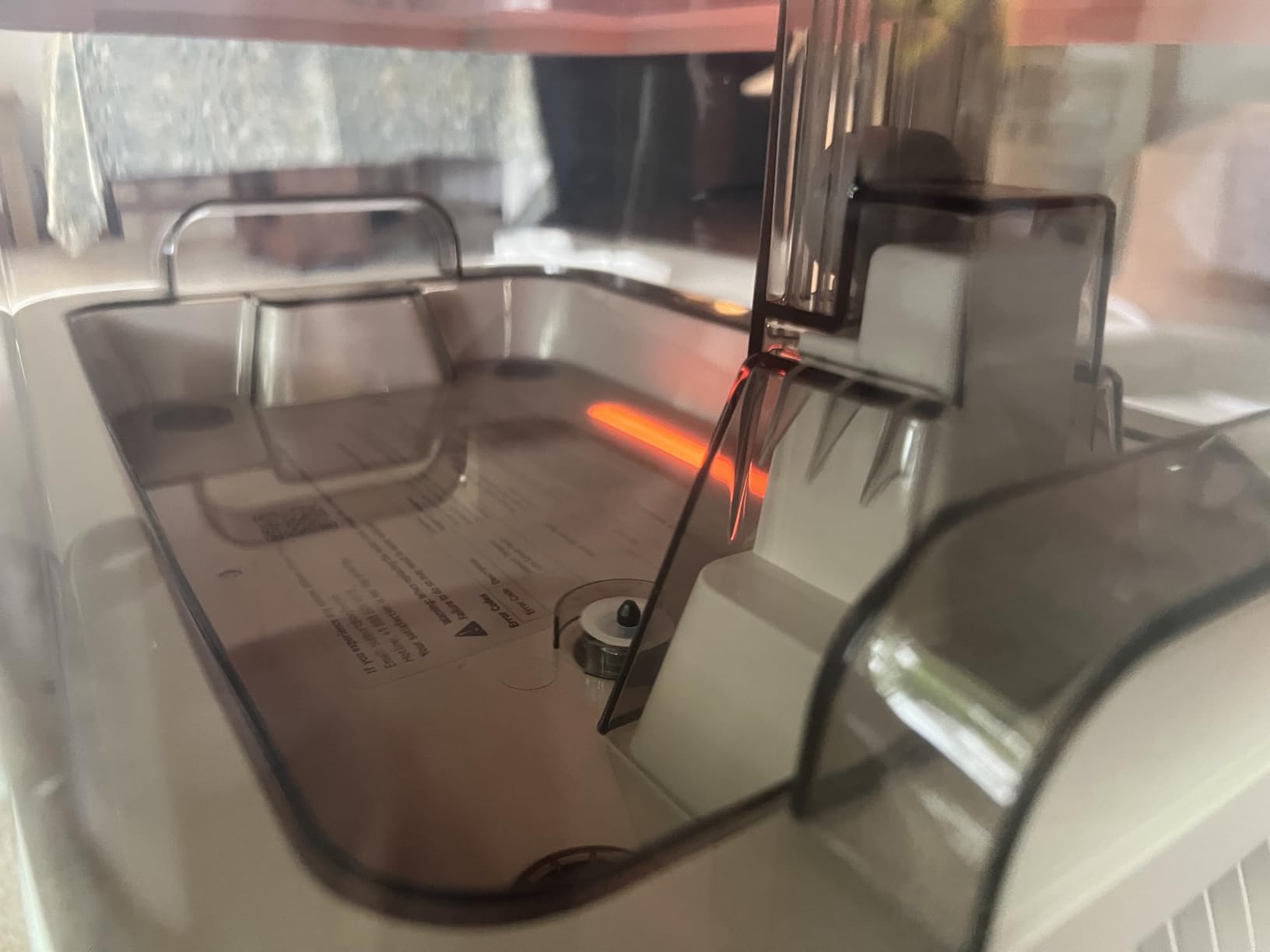
Why the top-mounted tank is a real improvement
Most basement dehumidifiers put the reservoir at the bottom, which means you either pull it forward awkwardly or lift it out. A top-mounted tank with a visible level takes seconds, and because the unit is 38.6 pounds, you will be emptying it enough for that to matter.
It is also the safest arrangement in a space where a spill means water near a dehumidifier, which is the opposite of what you paid for.
Where it falls short
The floor drain pipe is not included, and the setup guidance asks you to empty the tank before the first drainage run to avoid early leaks. That is an easy step to miss and an annoying one to discover.
The listing also mixes up capacity and tank volume, which is a good reminder to read the specification table rather than the headline. The upper temperature rating of 120°F is the highest here, so it handles a hot basement well.
11. DECIUU 100 Pint with 16.4 Ft Pump and 8.65 Inch Depth
DECIUU 5000 Sq.Ft Dehumidifier with Pump, 100 Pint, Smart Humidity Control
100 pints per day at 95F and 90% RH
70 pints per day at 86F and 80% RH
5000 sq ft coverage
16.4 ft pump lift
Pros
- 8.65 inch depth works in tight basement corners
- 16.4 ft pump lift is among the taller ones here
- Owners report visible humidity drops within a day
- Quiet enough to be unnoticeable in a finished bonus room
Cons
- One documented internal leak not from the pump hose connection
- A separate report of a missing pump hose in the box
- Does not hit the advertised square footage in a 1500 sq ft basement
The DECIUU is a 100-pint machine that covers 5,000 square feet and, at 8.65 inches deep, is the other slim body in this roundup alongside the AEOCKY. It is a sensible middle choice for a basement of roughly 1,000 to 1,500 square feet that is damp rather than wet.
The built-in condensate pump lifts water up to 16.4 feet, and there are three drainage paths: the 1.45-gallon tank, an included 6.56-foot drain hose, or a standard 3/4-inch garden hose. Current ENERGY STAR Most Efficient certification and a 300-watt draw keep running costs moderate for a machine of this output.
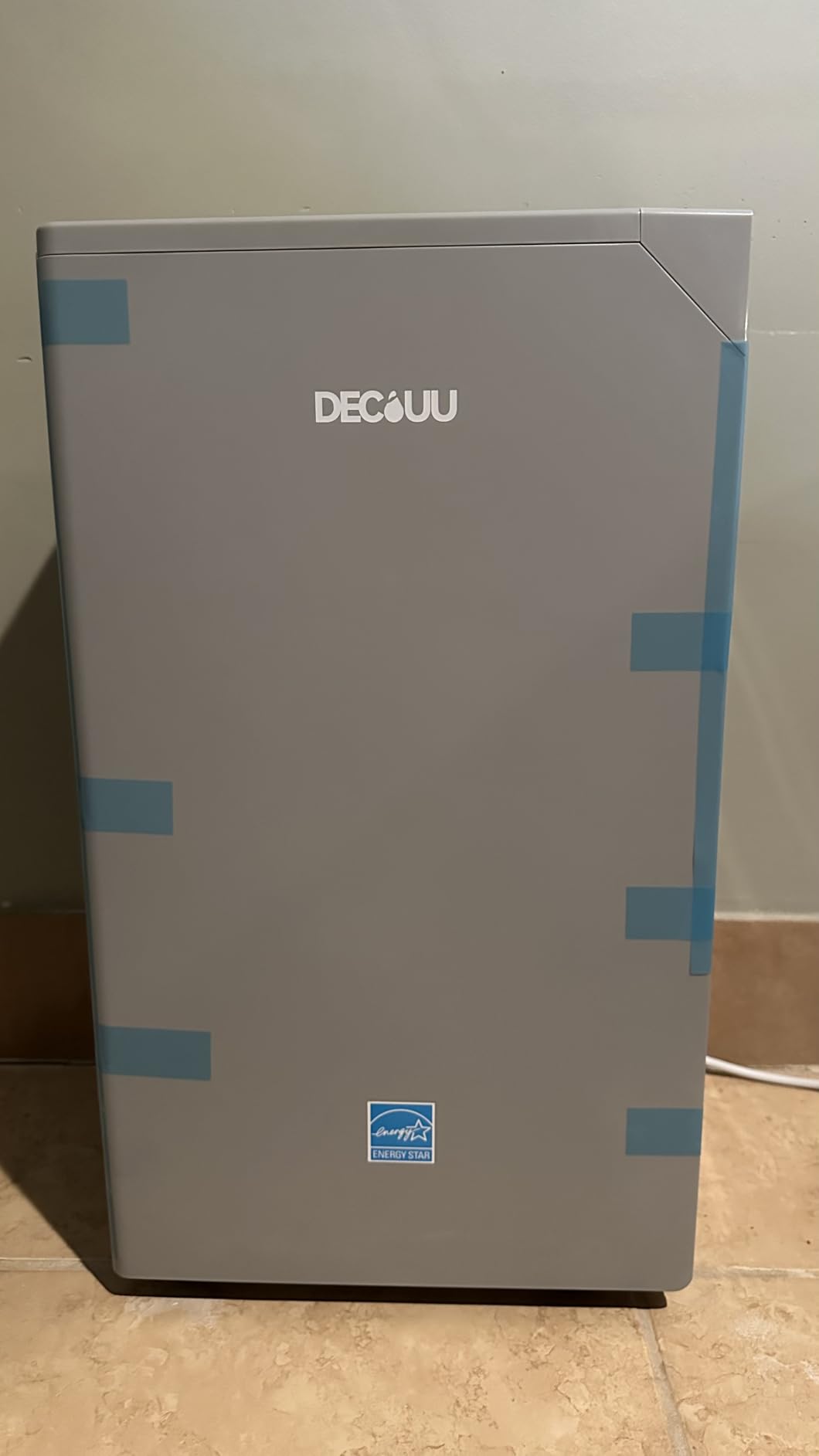
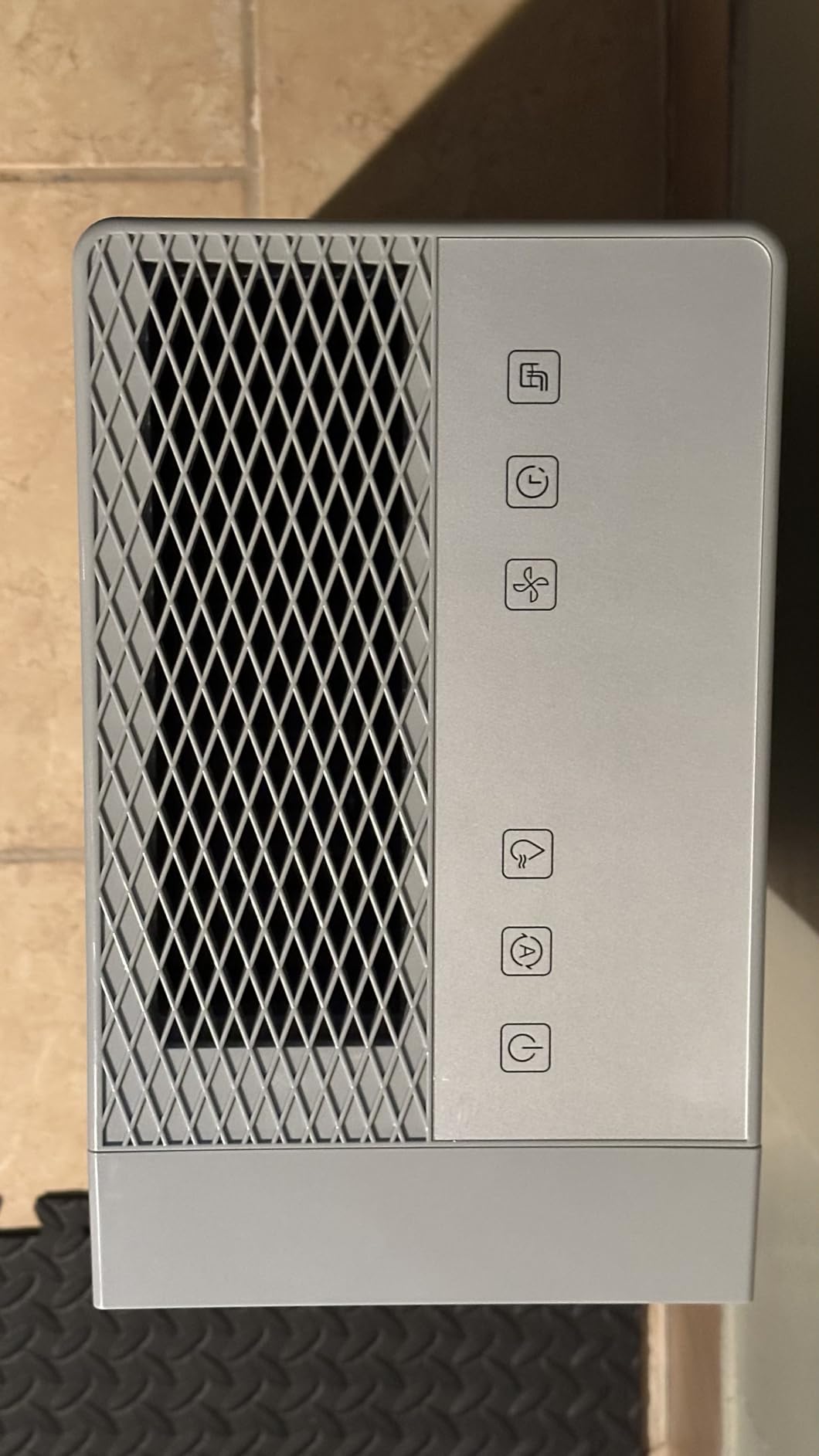
Controls are a 35 to 80 percent RH range with intelligent monitoring, a 240-degree swing louver, 360-degree swivel casters, a hidden handle, a removable washable filter, and auto defrost for cooler environments. Owners report seeing visible humidity drops within a day of putting it in service.
Customer service is described as responsive when problems come up, which matters given what follows.
Read the coverage number with care
One owner reports that the unit did not achieve the advertised square footage in a 1,500 square foot basement and ran continuously as a result. That is the single most important thing to understand about every coverage figure in this roundup: they assume a normal moisture load, and a basement with active water intrusion will outrun any of them.
Use the coverage number to compare machines to each other, not as a promise about your space.
Where it falls short
There is a documented internal leak not originating from the pump hose connection, and a separate report of a pump hose missing from the box. With the smallest review base here at 173, both of those deserve a little more weight than they would on a better-reviewed machine.
Warranty coverage is two years, one standard plus one with registration within 30 days.
12. GoveeLife 50 Pint with Pump, App-Controlled 1.8 Gallon Tank
GoveeLife Dehumidifier with Pump for Home 4,500ft², 137 Pints, Drain Hose
50 pints per day at 65F and 60% RH
4500 sq ft coverage
16 ft drain hose included
1.8 gallon tank with pressurized pump
Pros
- App and voice control integrate with the wider Govee smart home ecosystem
- Pump self drains residual water and dries the evaporator on shutdown
- 1.8 gallon tank reduces how often it needs emptying
- Five operating modes including a dedicated drying mode
Cons
- The 137 pints in the title is a maximum
- not rated output
- 860 watt draw is the highest in this group
- Needs at least 8 inches of clearance behind the intake
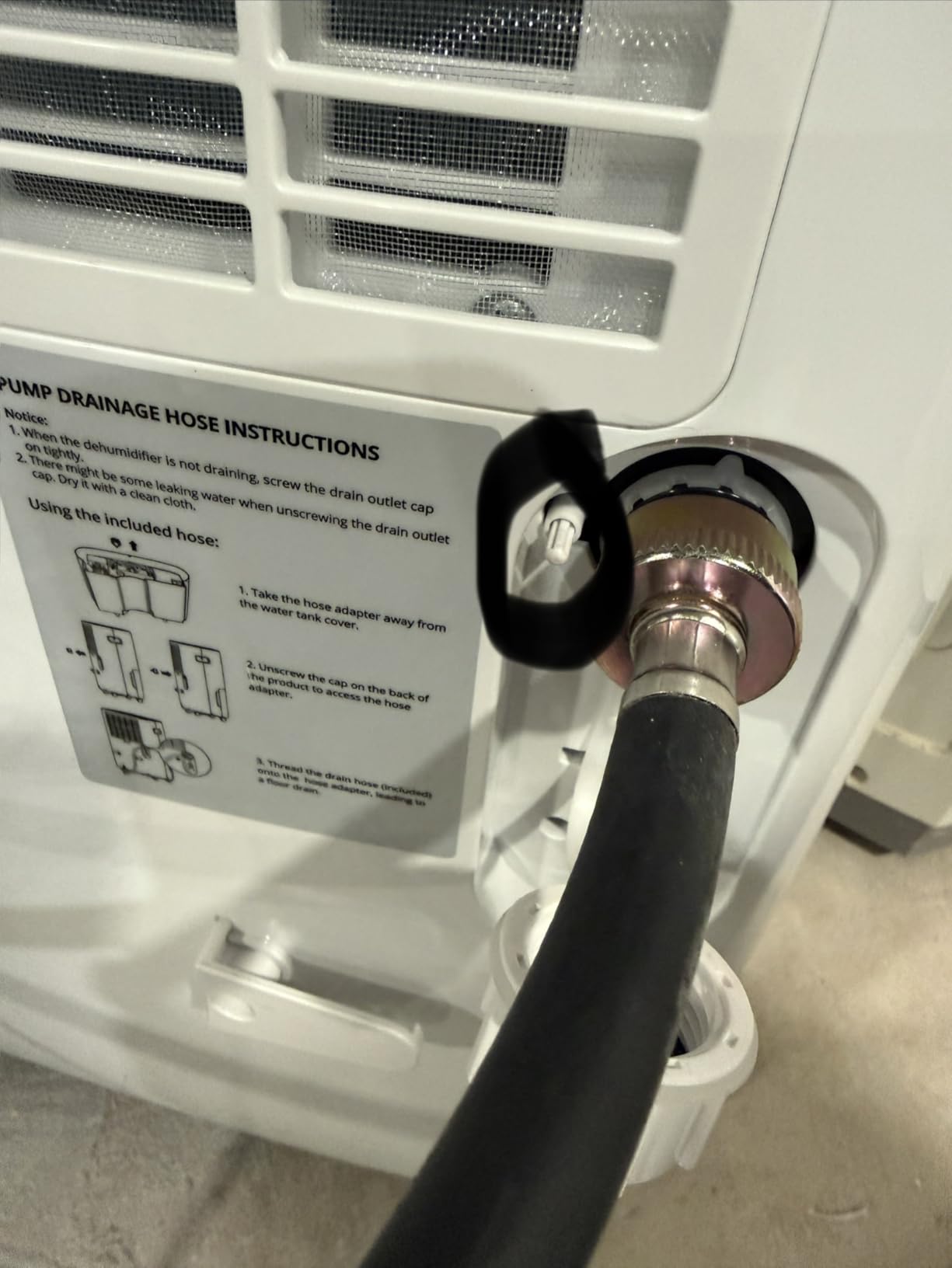
The GoveeLife is here for the smart home side of the equation, and it does something the others do not: it empties the pump tank automatically on shutdown and dries the evaporator. That single behavior is the difference between a dehumidifier you can leave running for a month and one you need to check on, because standing water in a pump housing is exactly where mold starts.
Five modes are available, including Auto, Comfort, Drying, Maintain, and Sleep, and a built-in sensor sets the humidity target from the current temperature rather than requiring you to pick a number blind. A copper tube evaporator resists corrosion, which is worth having in a space with chronic dampness.
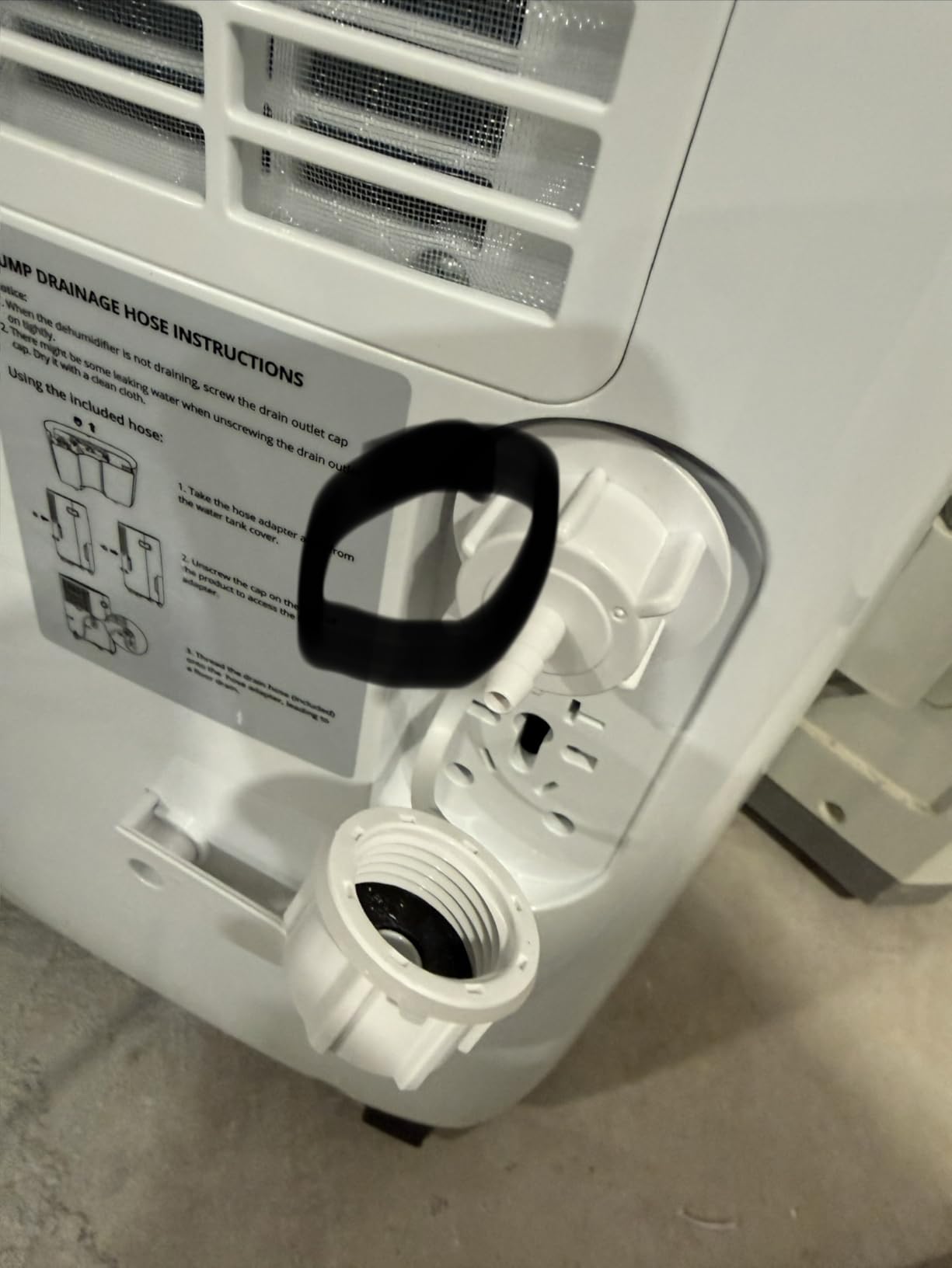
Owners consistently point to two things: the convenience of controlling it from an app, and the self-draining pump design. A 1.8-gallon tank and a 16-foot drain hose included in the box are both more generous than average. It is ETL, FCC, CP65, and DOE certified.
Airflow is listed at over 9,500 cubic feet per hour, and low, medium, high, and dryer dehumidification levels give finer control than a two-speed fan.
Reading the capacity headline honestly
The title carries a 137-pint figure, and rated output is 50 pints per day at 65°F and 60% RH. Those are different numbers measuring different things, and the gap between them is exactly the kind of detail that makes comparisons unfair. Judge this machine on the 50-pint rating, which puts it alongside the hOmeLabs and Midea rather than above them.
The 860-watt draw is the highest in this roundup by a wide margin, and that is worth factoring into any running-cost estimate.
Where it falls short
That draw means it costs more to run continuously than the 235-watt avylo or the 300-watt DECIUU, and basements are precisely where machines run around the clock. It also needs 8 inches of clearance behind the intake grille, which eats into a tight corner placement.
At 40.1 pounds and 12.4 by 15.9 by 26.1 inches, it is also the tallest body here.
13. Gasbye 75 Pint with a User-Removable Pump and 44 dB Drainage
Gasbye Energy Star 2026 Dehumidifier with [𝗥𝗲𝗽𝗹𝗮𝗰𝗲𝗮𝗯𝗹𝗲 Pump] for Basement – [44dB Quiet, Easy to Clean & Clog-Free], Max 75 Pints/Day, 16.5ft Drain Hose, Auto Shut-Off, Auto Restart, White
Up to 75 pints per day
4500 sq ft coverage
16.5 ft pump drain hose included
1.45 gallon tank option
Pros
- Only machine here with a user removable pump for cleaning or replacement
- Submerged pump design cuts drainage noise to 44 dB
- Highest five star share in the group at 79 percent
- Support team typically responds within 12 hours
Cons
- 75 pints per day is below the 90 to 155 pint outputs of rivals
- 1.45 gallon tank is small relative to daily output
- 86F upper temperature rating is low for very hot basements
The Gasbye pairs two ideas that usually appear on opposite ends of the market. It is a 75-pint machine with a genuinely quiet drainage system, and its pump is designed to be removed by the user. Most manufacturers bury the pump in the chassis and treat its failure as a dead machine.
The submerged pump design is what gets it to 44 dB during drainage. A conventional pump gurgles and vibrates as it pushes water up a hose; submerging the impeller in the collected water damps the sound considerably. It is a small engineering decision with a large everyday effect, since drainage noise is usually what people hear at night.
![Gasbye Energy Star 2026 Dehumidifier with [𝗥𝗲𝗽𝗹𝗮𝗰𝗲𝗮𝗯𝗹𝗲 Pump] for Basement – [44dB Quiet, Easy to Clean & Clog-Free], Max 75 Pints/Day, 16.5ft Drain Hose, Auto Shut-Off, Auto Restart, White customer photo 1](https://irlentwincities.com/wp-content/uploads/2026/09/B0G5Q4LS9K_customer_1.jpg)
Current ENERGY STAR certification with roughly 30 percent better efficiency, a 350-watt draw, a 16.5-foot pump hose, four modes including Sleep, and a 24-hour timer round out a well-thought-out machine. The auto shutoff triggers 2 percent below target and restarts 5 percent above, which is a deliberately wide hysteresis band that prevents short cycling.
The fan keeps running briefly after the compressor stops to use residual coil cooling, and auto restart restores your settings after a power outage.
![Gasbye Energy Star 2026 Dehumidifier with [𝗥𝗲𝗽𝗹𝗮𝗰𝗲𝗮𝗯𝗹𝗲 Pump] for Basement – [44dB Quiet, Easy to Clean & Clog-Free], Max 75 Pints/Day, 16.5ft Drain Hose, Auto Shut-Off, Auto Restart, White customer photo 2](https://irlentwincities.com/wp-content/uploads/2026/09/B0G5Q4LS9K_customer_2.jpg)
What a serviceable pump changes about ownership
Across this category, pump failure is the most common reason a working dehumidifier gets thrown out. A removable pump means a clogged or failed impeller is a five-minute fix with a screwdriver instead of a replacement purchase, and it also means you can rinse the pump housing as part of routine seasonal maintenance.
Two-year coverage with a full refund or free replacement, plus support that owners report responding within about 12 hours, softens the shorter warranty considerably.
Where it falls short
At up to 75 pints per day it is at the lower end for a serious wet basement, and the 1.45-gallon tank is small relative to even that output. The 86°F upper temperature rating is the lowest here, which limits it in a basement that gets genuinely hot in summer.
Coverage is two years, the shortest warranty among the units with strong review bases.
14. Midea 50 Pint with Pump, Wi-Fi, Alexa and Google Assistant
Midea 50 Pint Dehumidifier with Pump, 4,500 Sq. Ft, Energy star
50 pints per day
4500 sq ft coverage
49 dBA in low mode
35 to 85 percent RH control
Pros
- Recognizable major brand with an established service network
- Wi-Fi/app and voice assistant control is uncommon at this level
- 49 dBA in low mode suits bedrooms and offices
- Built-in pump drains both vertically and horizontally
Cons
- Drain hose is not included
- One year limited warranty is the shortest coverage here
- 1.6 gallon tank is smaller than the Ivation 2.25 gallons
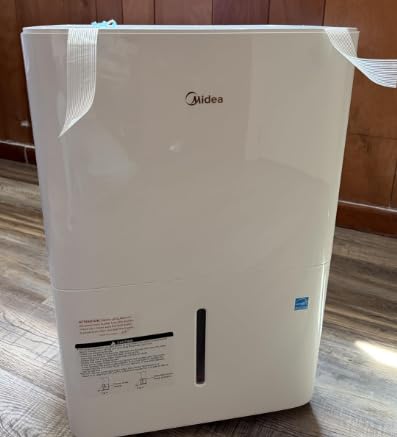
The Midea is the mainstream pick, and the reason to consider it over a lesser-known brand is serviceability. When something goes wrong with a recognized major brand, there is a network behind it. For an appliance that may sit unattended in a basement for five or ten years, that has real value that a longer warranty on paper does not always capture.
The smart features are the differentiator at this capacity level. Wi-Fi with the SmartHome app for iOS and Android, plus Alexa and Google Assistant voice commands, is uncommon on a 50-pint machine, and 49 dBA in low mode keeps it acceptable in a bedroom or office.
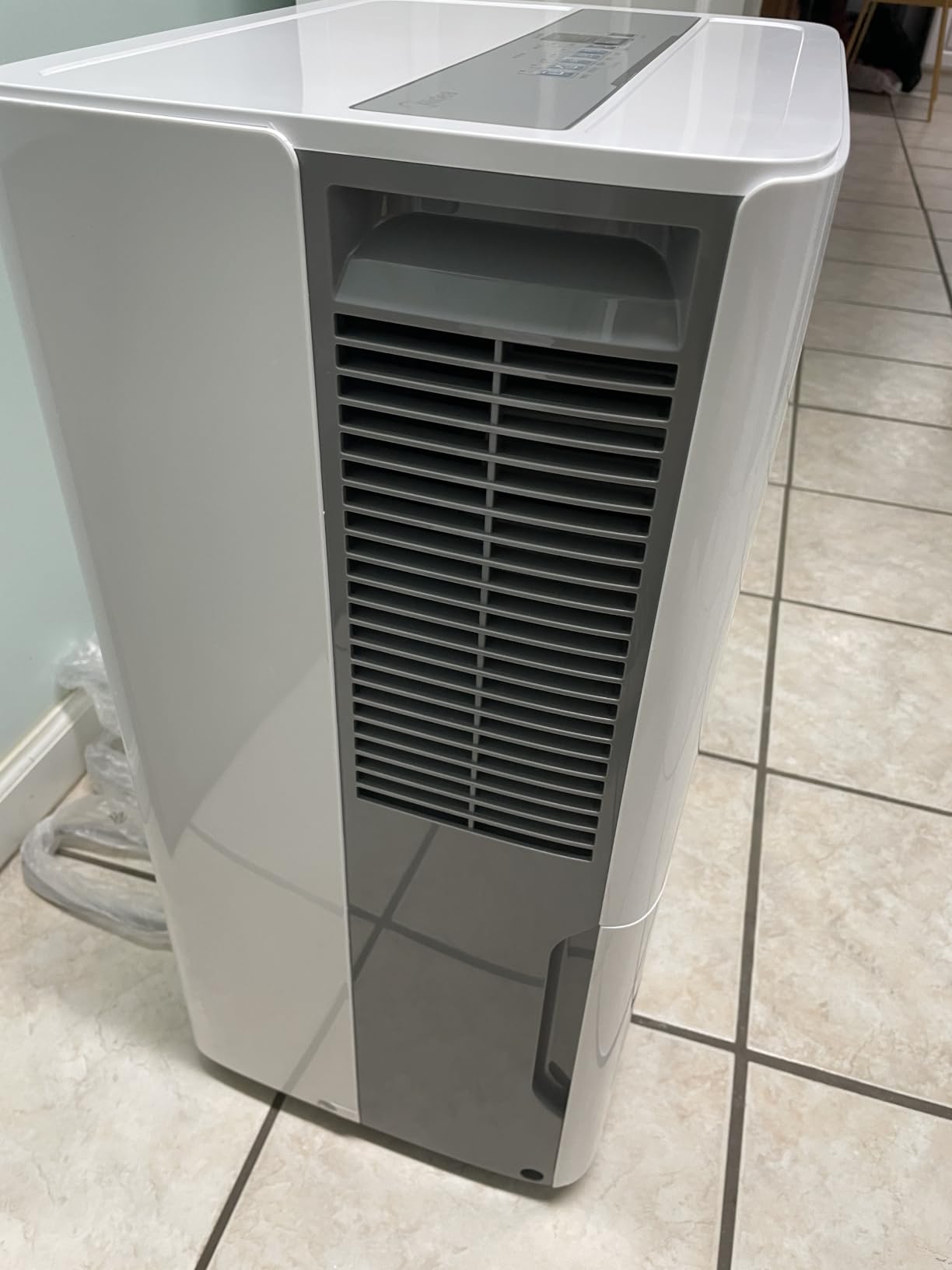
Humidity adjusts from 35 to 85 percent RH with a 45 to 55 percent recommended range, which is a wide span for fine control. The built-in pump drains either vertically or horizontally, so it can feed a sink, a standpipe, or a window depending on where the outlet is. Airflow is a strong 223.7 CFM, and the draw is 470 watts.
Full-tank auto stop with restart after emptying, a reusable air filter, and a 4,500 square foot coverage rating complete the picture. Owners most often praise the smart integration and the quiet low mode.
When a known brand beats a longer warranty
A five-year compressor warranty from a brand you have never heard of and a one-year warranty from an established service network are not equivalent promises. Parts availability, technician familiarity, and whether a company still answers the phone in year six all affect whether you keep a machine running, and established brands tend to fare better on all three.
This is the machine we would suggest for a finished basement where a failure would be discovered late and responded to slowly.
Where it falls short
The drain hose is not included, which is a strange omission for a pump machine and worth budgeting for. The one-year limited warranty is the shortest in the roundup, and the 1.6-gallon tank is smaller than several competitors.
At 42.1 pounds it is also one of the heavier 50-pint bodies here, which matters on stairs.
15. Moiswell 190 Pint Commercial Dehumidifier with 16.4 Ft Pump
190 Pints Commercial Dehumidifier with Pump Heavy Duty for Basement | Timer
90 pints per day at AHAM, up to 190 maximum
7500 sq ft coverage
265 CFM airflow
16.4 ft pump lift
Pros
- Highest maximum extraction at 190 pints per day and highest airflow at 265 CFM
- Steel heavy-duty construction preferred by owners replacing failed plastic cased machines
- Holds set point accurately once the panel readings settle
- Customer service resolves issues quickly with refunds or replacement sensors
Cons
- Very heavy
- making stairs and multi floor moves difficult
- Pump hose setup takes time given the size
- One unit arrived non functional and a separate unit failed within a year
The Moiswell has the highest rated capacity in this roundup, 90 pints per day at the AHAM standard, with a 190-pint maximum and 265 CFM of airflow. That airflow figure is higher than anything else here and is what makes it genuinely fast on a large wet space rather than merely large on paper.
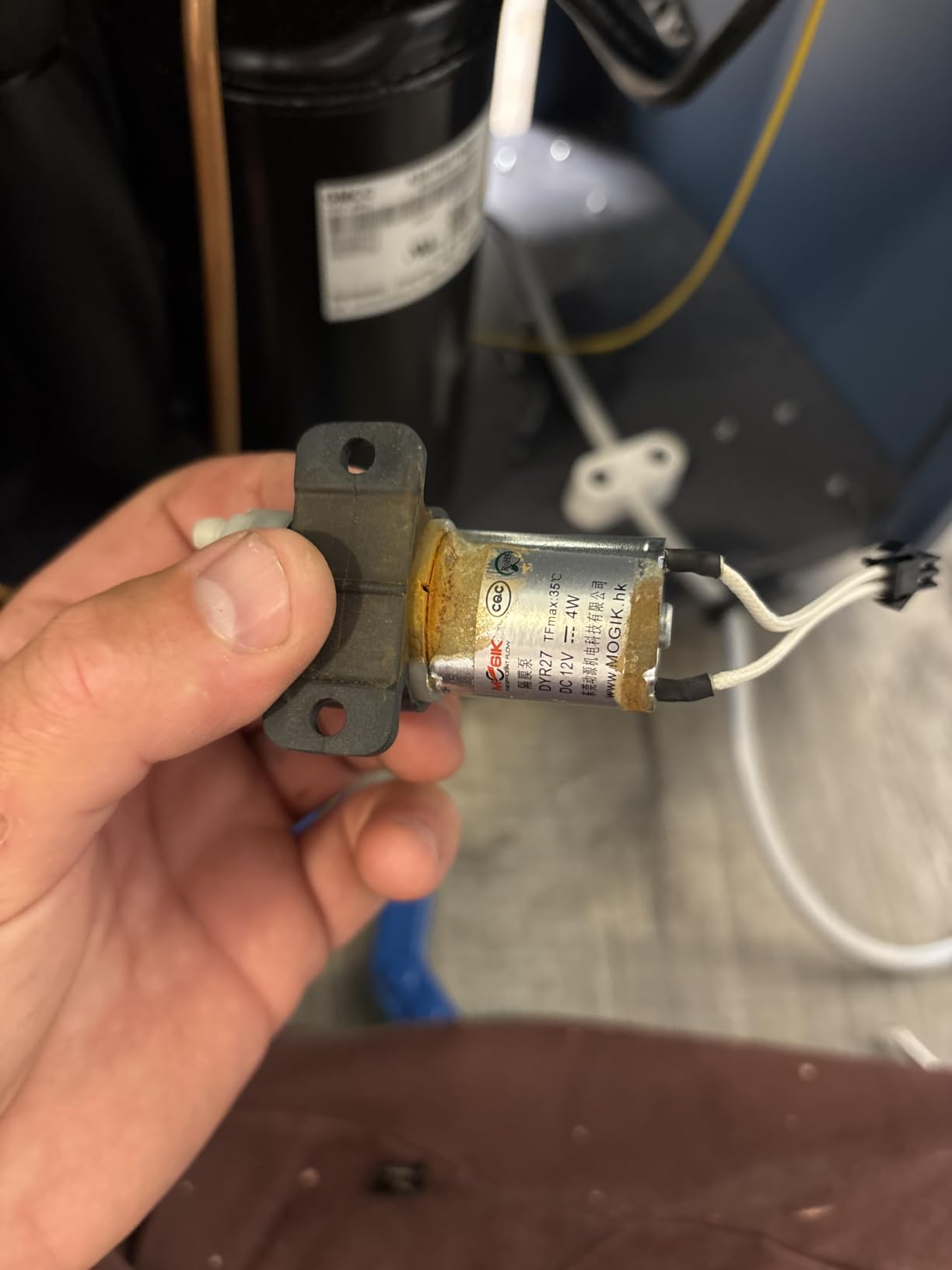
Several owners describe buying a second unit after the first, and specifically describe replacing plastic-cased machines that failed. The steel construction and heavy-duty casters are the reason: a machine that lives in a basement for years in a damp environment benefits from a chassis that does not crack or deform.
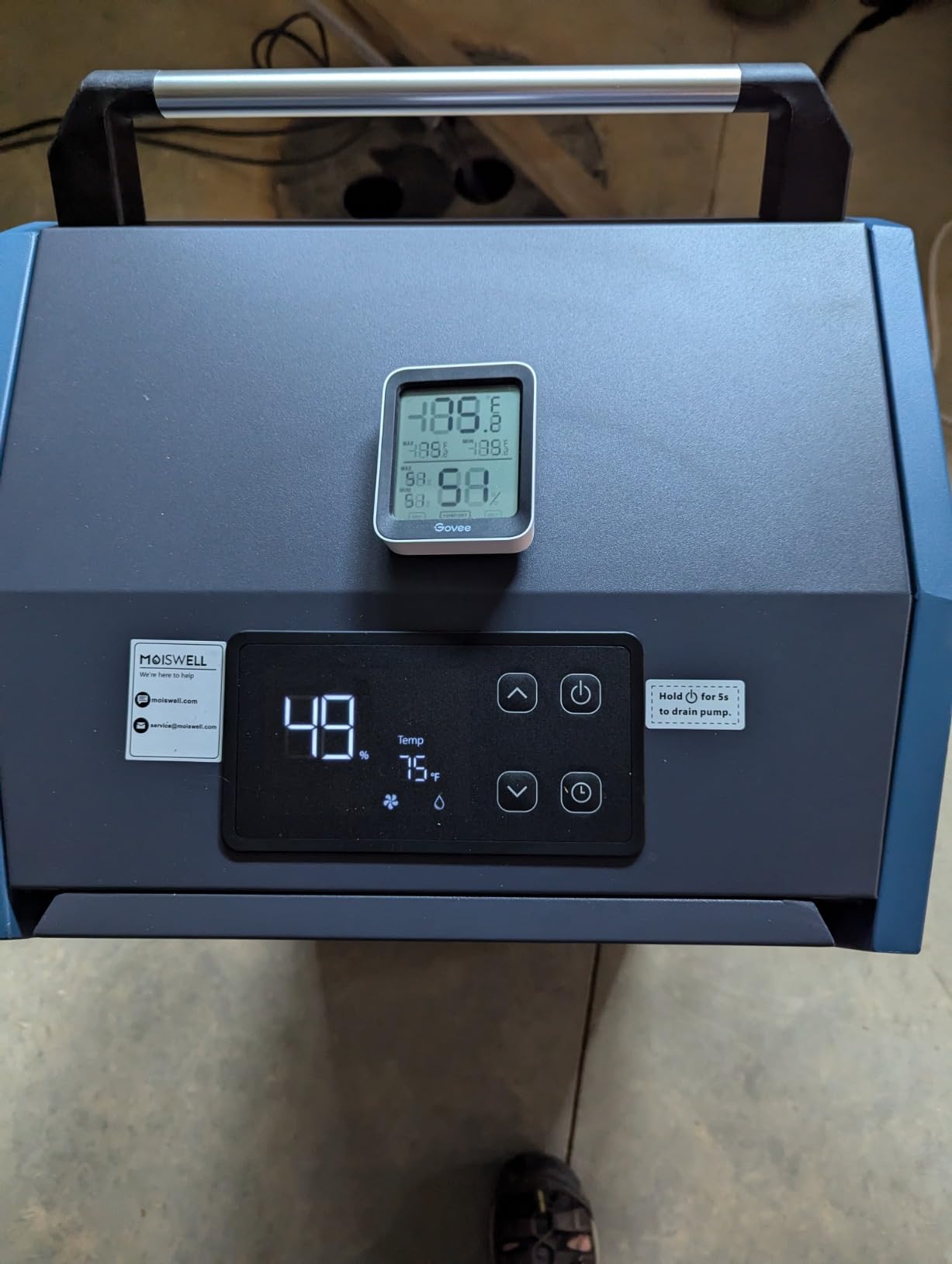
The R32 refrigerant system is specified for lower power consumption, and the pump lifts water 16.4 feet vertically. A 24-hour auto on-off timer, four swivel casters, one sturdy handle plus two recessed handles, auto defrost, and a digital display with humidity readout and maintenance indicators are all standard.
Owners report that once the panel readings settle after a few days, the machine holds its set point accurately, and support is described as responsive, including refunds and replacement sensors.
How to weigh the 90-pint and 190-pint figures
The 90-pint AHAM number is the one to size with, because it is measured under consistent conditions and is comparable across brands. The 190-pint maximum is what the machine can theoretically extract at saturation, and it describes a wet room on a bad day, not your basement on a Tuesday.
For a 2,000 to 3,000 square foot basement with real water problems, 90 rated pints per day with 265 CFM is a genuinely capable combination.
Where it falls short
Weight is the obvious issue. Owners describe difficulty with stairs and multi-floor moves, and dimensions and weight are not published, so plan for help. Setup with the pump hose takes time given the size, and the panel needs a few days to calibrate after you relocate the machine.
There is also a report of a unit that arrived non-functional and a separate unit that failed within a year, which is a real caution at the top of the capacity range. The 4.4 average and 78 percent five-star share come from the smallest review base here at 123, so treat the satisfaction figure with appropriate scale.
How to Choose a Basement Dehumidifier With a Pump
Do you actually need a pump?
You need a pump if the nearest drain is at or above the level of the dehumidifier’s base. Basements frequently have no floor drain at all, and even where one exists it is often several inches below the floor, which is exactly the wrong direction for water you need to move.
You probably do not need a built-in pump if a floor drain sits at or below your unit’s outlet, because gravity drainage is free, silent, and has fewer parts to fail. In that case any continuous-drain unit will serve you, and an external condensate pump is a cheaper and more durable alternative to a factory-installed one.
You almost certainly need one if you want the machine to run without supervision, because a full tank shuts the unit down until someone empties it, and a dehumidifier that stops working is worse than no dehumidifier at all.
How a dehumidifier pump actually works
The pump is simpler than most people expect. The unit pulls humid basement air across cold evaporator fins, water vapor condenses on the fins and runs down into a reservoir, and when the reservoir level reaches the trigger point the pump switches on.
The pump pushes water up through the drain hose to wherever you routed it, then a float switch shuts the pump off when the line is clear and the compressor resumes. That float switch is the safety mechanism worth caring about, because it is what stops a failed pump from running dry and burning out.
Drain hoses must run continuously downhill from the dehumidifier’s outlet to the drain point, even when the pump is doing the lifting. A hose that loops up and then down will trap air and stop the flow.
How high the pump can push matters
Lift height is the most consequential number in this roundup and the one most people skip. It is the vertical distance the pump can move water, and it has to exceed the height from the unit’s base to your drain point, with some margin.
For reference, the ALORAIR reaches 19.6 feet, several machines reach 16.4 feet, the Waykar 150 and AEOCKY reach 9.84 feet and 16.4 feet respectively, and the avylo manages 15 feet. A floor drain needs almost no lift; a window in a half-basement can need ten feet or more.
Measure before you buy. It takes two minutes and it eliminates the most common installation failure.
Pump versus a gravity drain hose
A gravity drain works when the hose outlet is lower than the unit’s reservoir outlet and the hose runs downhill the whole way. It costs nothing, uses no electricity, has no moving parts, and cannot fail. If your basement allows it, this is the better engineering.
A pump is the right answer when gravity is not available, when the unit sits below the drain, or when you want the freedom to move the machine. The cost is electricity, noise during drainage, and one more component that can fail.
Many machines in this roundup include both paths, which is a genuinely useful feature: run by gravity in summer when water is rare, and switch to the pump during a wet spell.
Where the water should go
You have four realistic endpoints, and the machine you need depends on which one you have.
A floor drain needs no lift at all if it sits below the unit, and any continuous-drain machine works. A sump pit needs a small lift, typically under four feet, and most pumps here handle it easily. A utility sink may sit above the unit, so check the height before assuming. A basement window is the hardest case, often needing ten to twenty feet of lift, which is where the ALORAIR’s 19.6 feet earns its place.
Route the hose with a visible section so you can see a blockage, secure it so it cannot kink, and add a union at the drain end so a clog can be cleared without disconnecting the machine.
Sizing for your basement
Coverage figures assume a normal moisture load, so use them to compare machines rather than to promise results. The more useful rule is that a machine rated at 50 pints per day can hold about 1,500 square feet, and roughly 100 rated pints per day suits 2,000 to 3,000 square feet.
A damp basement with a musty smell and no visible water needs less capacity than a space with a damp wall or a musty smell that returns within a day of cleaning. Judge your load by how fast moisture comes back, not by square footage alone.
Crawl spaces have their own rules
A crawl space adds three constraints. Clearance rules out most tall household units and points you toward low-profile bodies like the Waykar 125 Pint at 13.6 inches. Standing water must be removed before you dehumidify, because no dehumidifier will keep up with active infiltration. And most of these machines have a minimum operating temperature around 50°F, so a crawl space that drops below that in winter needs a unit with a rated cold operation, not just auto defrost.
For a space you need to reach to service, the ALORAIR’s 1,000 square foot rating and low body height are purpose-built for the job.
What it costs to run one continuously
Running cost is watts multiplied by hours of operation multiplied by your electricity rate. The machines in this roundup draw between 235 watts and 860 watts, which is a wide enough spread to matter over a summer.
At 235 watts running 16 hours a day for 180 days, that is roughly 677 kilowatt-hours, which at a typical residential rate lands in the low tens of dollars for a season. At 860 watts under the same assumptions, the figure is close to three times that. The ENERGY STAR Most Efficient units here are the cheapest to run precisely because they run most often.
A dehumidifier that holds humidity with a shorter compressor cycle costs less than one fighting a humidistat set too low, which is a setting mistake worth avoiding on day one.
Fix the moisture source first
A dehumidifier is a moisture management tool, not a water management tool. If you have water entering through the foundation wall, grading, gutters, or downspouts, no capacity in this roundup will keep up, and you will be running a pump continuously against a problem that keeps replenishing itself.
Start outside. Check that downspouts discharge well away from the foundation, that the ground slopes away from the house rather than toward it, and that gutters are not spilling behind the wall. If you have a persistent musty smell in a finished basement, our guide to dehumidifiers for bedrooms covers the sizing question for smaller enclosed spaces.
For very large or high-ceilinged areas, our picks for dehumidifiers for large rooms go deeper on airflow and coverage. And if your basement already has a sump, understanding how your pump system handles water will tell you whether a sump is a practical discharge point.
Frequently Asked Questions
Do I need a dehumidifier with a built-in pump for a basement?
You need a built-in pump whenever the nearest drain is at or above the level of the dehumidifier’s base, which is common in basements that sit below grade with no floor drain. If a floor drain is lower than the unit, gravity drainage works and costs nothing to run. A pump becomes mandatory when you want the machine to operate without anyone emptying a tank, since a full reservoir shuts the unit down.
How does a dehumidifier pump work when there is no floor drain?
The unit pulls humid air across cold coils, condenses the water into a reservoir, and when the water level reaches a trigger point a small pump switches on. It pushes the water up through a drain hose to a sump pit, utility sink, standpipe, or out a window, then a float switch stops it once the line is clear. The hose must still run continuously downhill from the unit to the drain point, even though the pump does the lifting.
How high can a dehumidifier pump push water?
Pump lift varies widely by model, and among the machines in this roundup it runs from 9.84 feet on the Waykar 150 Pint up to 19.6 feet on the ALORAIR 70 PPD. Several reach 16.4 feet, and the avylo manages 15 feet. Measure the vertical distance from the unit’s base to your intended drain point and buy with margin, because window and sink outlets in split-level basements can sit well above the machine.
What size dehumidifier do I need for my basement?
Judge by rated pints per day at the AHAM standard rather than by coverage square footage. A 50-pint rated machine holds roughly 1,500 square feet of normal dampness, while about 100 rated pints per day suits 2,000 to 3,000 square feet. Coverage figures assume a moderate moisture load, so if your basement has visible dampness on walls or a musty smell that returns within a day, size up rather than trusting the coverage number.
How much does it cost to run a basement dehumidifier?
Running cost is the wattage multiplied by daily run time and your electricity rate. The machines here draw from 235 watts up to 860 watts, so the same usage pattern can differ by roughly three times across the group. ENERGY STAR Most Efficient models cost the least to run because they reach their target with shorter compressor cycles, and setting a realistic humidity target cuts run time further than any feature on the panel.
Can one dehumidifier handle multiple rooms?
Only if the rooms are connected by an open doorway. A single unit works on one contiguous space, and it pulls air from the doorway opening, so a closed door between rooms stops the far room from benefiting. Coverage square footage assumes one open area, not a spread of rooms. For a basement split into separate finished spaces, either keep doors open and accept slower results in the far room, or run a smaller unit in each space.
The Best Basement Dehumidifiers With Pumps, Final Word
Every machine in this roundup has a built-in pump, because that is the feature that decides whether a dehumidifier works in your basement at all. Without it, a full tank stops the unit and a stopped unit does nothing about mold.
For most people, the hOmeLabs 50 Pint with Pump is the right answer. It has the most proven track record in the category, a genuine 50-pint rated capacity, Wi-Fi control, and a 30.5-pound weight that does not make basement stairs a problem.
Buy the Yaufey 150 Pint if your basement takes in water rather than just holding damp air, and the Vellgoo 140 Pint if the unit sits somewhere you will hear it. For a low crawl space, take the Waykar 125 Pint; for a tight corner, the AEOCKY 80 Pint; for a drain well above the machine, the ALORAIR 70 PPD with its 19.6-foot lift.
Whichever one you choose, measure the lift before you order, run the hose downhill the whole way, and set the humidity target between 30 and 50 percent. Those three steps matter more than any spec on the box. Check the latest figures on each machine before you buy, and if you have active water intrusion, fix that first.