
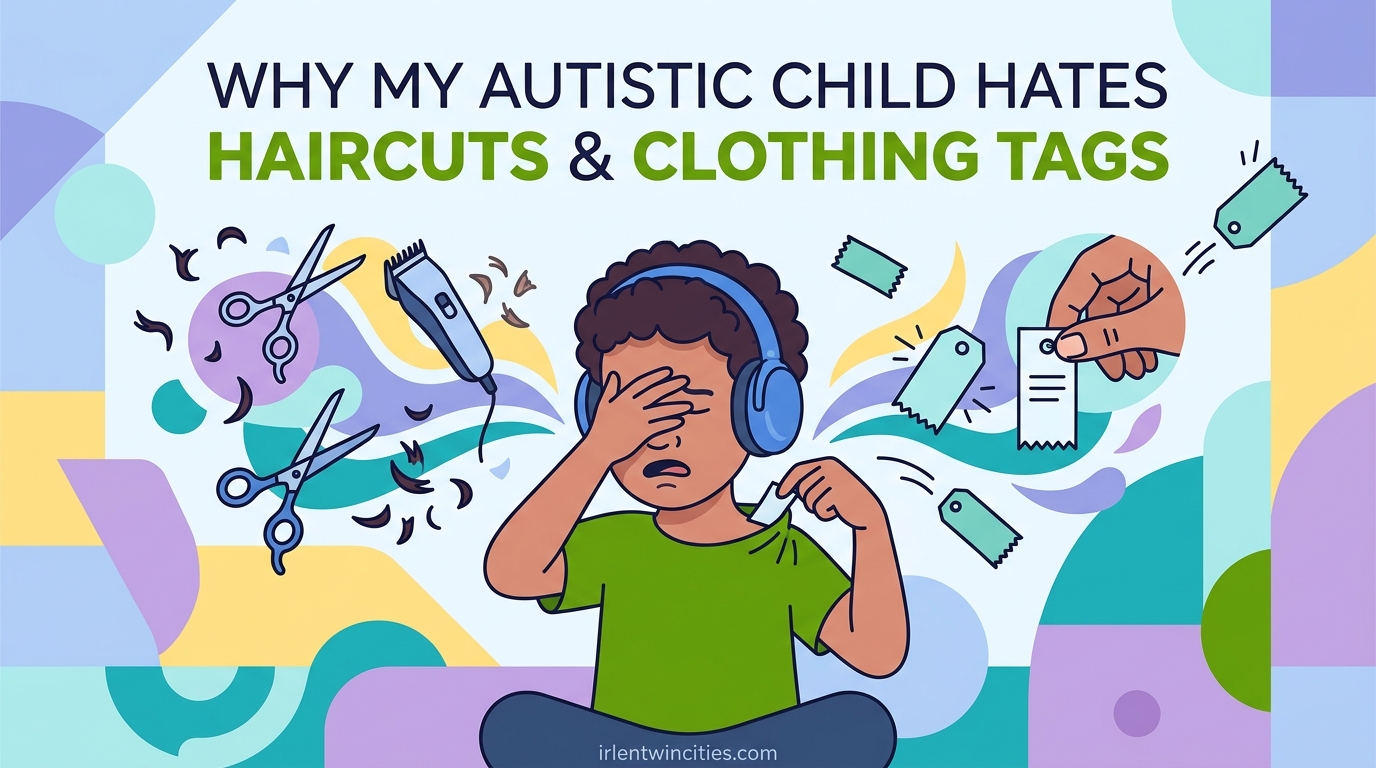
If you’ve ever experienced the dreaded meltdown at the hair salon or the morning battle over a “scratchy” shirt, you’re not alone. I’ve been there, standing in the middle of a salon while my child screamed like I was subjecting them to medieval torture. I’ve spent hours cutting tags out of every single piece of clothing, only to have my child refuse to wear them anyway because of an “invisible” seam I couldn’t feel.
These aren’t behavioral issues. Your child isn’t being difficult or defiant. What you’re witnessing is a very real neurological response to sensory input that neurotypical brains filter out automatically. Understanding why your autistic child hates haircuts and clothing tags is the first step toward helping them navigate these overwhelming experiences.
Table of Contents
Understanding Sensory Processing in Autism
Sensory processing refers to how our nervous system receives messages from our senses and turns them into appropriate motor and behavioral responses. In neurotypical individuals, this process happens mostly unconsciously. You feel a tag on your neck, your brain registers it as “minor irritation,” and you go about your day.
For autistic children, this process works differently. Research shows that approximately 90% of autistic individuals experience some form of sensory processing challenges. Their brains may over-respond (hypersensitivity) or under-respond (hyposensitivity) to sensory input that others barely notice. This isn’t a choice or a behavior problem—it’s a fundamental difference in neurological wiring.
Sensory processing disorder involves the brain having difficulty receiving and responding to information that comes through the senses. When a child is hypersensitive to touch, auditory input, or other sensory stimuli, everyday experiences that seem ordinary to neurotypical people can feel overwhelming, uncomfortable, or even painful. This sensory over-responsivity is what makes activities like haircuts and wearing clothes with tags so challenging for many autistic children.
Why Haircuts Are Difficult for Autistic Children
Haircuts trigger multiple sensory systems simultaneously, creating a perfect storm of sensory overload. What feels like a routine grooming experience to most people becomes an assault on the senses for an autistic child with sensory processing differences.
The tactile system is bombarded during haircuts. Scissors cutting hair creates strange sensations on the head, clippers vibrate against the skull, and fallen hair tickles the face, neck, and body. For a child with tactile hypersensitivity, these light touches can feel genuinely painful or uncomfortable. The cape or smock worn during haircuts adds another layer of tactile input—often made of synthetic materials that feel rough or constricting.
Auditory input during haircuts is equally overwhelming. Electric clippers produce loud buzzing noises close to the ears. Scissors make snipping sounds. Hairdryers roar. Background music and conversations in a busy salon add to the noise. For autistic children with auditory sensitivity, this combination can be excruciating. Many cover their ears, cry, or try to escape to get away from the overwhelming sounds.
Visual stimuli contribute to the overload too. Bright salon lighting, mirrors reflecting movement from every angle, and strangers moving around create visual chaos. Proprioceptive challenges arise from the need to sit still in an unfamiliar chair, tilt the head at specific angles, and tolerate someone touching the head—a vulnerable and sensitive area for many autistic individuals.
The Clothing Tag Problem: More Than Just Annoyance
Clothing tags aren’t merely annoying for autistic children with tactile hypersensitivity—they can cause genuine physical discomfort or pain. The issue stems from how the autistic nervous system processes tactile input, particularly through light touch receptors.
Our skin has different types of touch receptors. Deep touch pressure (like a firm hug or massage) tends to be calming for most people, including many autistic individuals. Light touch, however, is alerting and can be perceived as threatening. Clothing tags create constant light touch stimulation against the skin, activating these alerting receptors continuously.
For a neurotypical person, a tag might register as a minor irritation that fades into the background. For an autistic child with tactile defensiveness, that same tag can feel like a constant scratchy, prickly sensation that never goes away. Their brain can’t filter it out or habituate to it. The sensation demands attention and creates genuine distress.
Seams, tight waistbands, scratchy fabrics, and socks with “bumps” where the toes meet create similar issues. Many autistic children can only tolerate specific fabrics, usually soft cotton without texture. They may prefer loose clothing or insist on wearing clothes inside out to avoid seams against their skin. These aren’t preferences or stubbornness—they’re necessary accommodations for a nervous system that processes tactile input differently.
Sensory Issues vs. Behavioral Rigidity: Knowing the Difference
One challenge parents face is determining whether their child’s resistance to haircuts or clothing stems from sensory processing differences or behavioral rigidity. This distinction matters because it changes how we respond.
Sensory-driven reactions typically involve physical signs of distress. These might include covering ears, grimacing, pulling away from touch, crying or screaming that seems genuinely panicked rather than angry, physiological responses like sweating or rapid breathing, and attempts to escape the situation. The child’s body language communicates genuine discomfort or pain, not defiance.
Behavioral rigidity, on the other hand, often manifests as refusal based on routine, preference, or control. The child might be calm but stubborn, negotiate or bargain rather than panic, and show inconsistent responses (sometimes tolerating the clothing or haircut, other times refusing). They might articulate clear reasons unrelated to physical discomfort.
Understanding this difference helps us respond appropriately. Sensory challenges require accommodation and gradual desensitization. Behavioral issues might call for different strategies involving rewards, routine, or choice-making. Many autistic children experience both, requiring a combined approach that addresses sensory needs while also building flexibility.
Practical Strategies for Haircut Success
After years of haircut disasters with my own child, I’ve learned strategies that actually work. The key is preparation, sensory accommodation, and patience. Here’s what has helped countless families transform haircut hell into manageable experiences:
Step 1: Preparation and Desensitization
Start by exposing your child to haircut-related sensations at home. Let them practice with a spray bottle of water to feel water on their head. Use a soft brush or comb to get them used to head touch. Play haircut sounds quietly at home while they’re engaged in a preferred activity. Read social stories about getting haircuts. Watch videos of other children getting haircuts. Consider doing a “dry run” visit to the salon just to meet the stylist and see the environment without any cutting happening.
Step 2: Choose the Right Environment
Look for sensory-friendly haircut options. Many cities now have autism-friendly salons with trained staff. Ask for the first appointment of the day when the salon is quietest. Request a private room if available. Bring your own cape or towel if the salon’s cape is problematic. Some families find success with mobile hairdressers who come to the home, where the child is in familiar territory.
Step 3: Sensory Accommodations During the Haircut
Bring noise-canceling headphones to reduce auditory input. Offer a fidget toy or sensory object to hold. Use a weighted lap pad for calming deep pressure. Let your child watch a preferred show on a tablet during the cut. Schedule the appointment at your child’s best time of day (not when tired or hungry). Ask the stylist to minimize talking and avoid spraying water directly on the face. Consider using scissors instead of clippers if the buzzing sound is problematic.
Step 4: Build in Rewards and Breaks
Break the haircut into small segments with breaks in between. Use a visual timer so your child knows when it will end. Promise a preferred activity or treat immediately after. Consider offering choices where possible—”Do you want the top or sides cut first?” Praise effort and cooperation, not just perfection.
Clothing Solutions and Accommodations
Clothing battles don’t have to be part of your daily routine. There are practical solutions that can make getting dressed a peaceful experience for everyone involved:
Tag Elimination Strategies
Invest in a quality seam ripper for precise tag removal. Cut tags out completely rather than just trimming them. Many parents report success cutting the tag out and then using a piece of soft fabric to cover the rough spot inside. Consider buying only tagless clothing brands. Target’s Cat & Jack line comes highly recommended by many autism families for being sensory-friendly. Turn clothes inside out if the exterior seams are smoother.
Smart Clothing Choices
Focus on soft, natural fabrics like cotton. Avoid polyester, wool, and textured materials. Look for flat seams rather than thick ones. Choose loose-fitting clothes without tight waistbands. Buy multiples of the same clothing items once you find something that works. Let your child choose between two acceptable options to provide some control. Consider compression clothing if your child seeks deep pressure.
Building Tolerance Gradually
Some children can build tolerance to different sensations over time. Use a chaining technique—introduce one new clothing element paired with something comfortable. For example, wear a preferred shirt with new pants. Use positive reinforcement for trying new clothes. Practice wearing challenging items for short periods at home while doing something enjoyable. Remember that some sensory issues are permanent neurological differences, not something to “fix”—accommodation is often the better goal.
When to Seek Professional Help
While many sensory challenges can be managed at home, there are times when professional intervention makes a significant difference. Occupational therapists who specialize in sensory integration can provide customized strategies and structured desensitization programs.
Consider seeking professional help if sensory issues significantly impact daily functioning, your child’s self-esteem is suffering due to appearance-related bullying, you’re feeling overwhelmed or unsure how to help, sleep problems develop due to clothing discomfort, or your child is missing school or activities due to sensory challenges.
Occupational therapy can help through sensory integration therapy, development of a personalized sensory diet, desensitization programs, and strategies for school accommodations. A professional can also help distinguish between sensory issues and other concerns that might require different interventions.
Frequently Asked Questions
Why do kids with autism not like haircuts?
Children with autism often dislike haircuts due to sensory processing challenges. The combination of tactile sensations (scissors, clippers, hair falling on skin), auditory input (buzzing, cutting sounds), visual stimuli (bright lights, unfamiliar environment), and proprioceptive challenges (sitting still, head positioning) can create overwhelming sensory overload. Approximately 90% of autistic individuals experience sensory processing difficulties that make these everyday experiences extremely uncomfortable or even painful.
Do kids with autism not like to wear clothes?
Many autistic children have difficulty with clothing due to tactile hypersensitivity and sensory processing differences. This isn’t about disliking clothes generally, but rather about specific sensory triggers like scratchy tags, tight seams, uncomfortable fabrics, or restrictive waistbands. Research shows that approximately 90% of people with autism have sensory processing challenges, and tactile sensitivities are among the most common. These children aren’t being difficult—their brains are processing tactile input differently, often causing genuine physical discomfort or pain.
How to stop resenting your autistic child?
It’s important to acknowledge that parenting a child with sensory challenges can be exhausting and frustrating. Feelings of resentment are normal and don’t make you a bad parent. Strategies include: seeking support from autism communities, practicing self-compassion, taking breaks when possible, educating yourself about sensory processing to reframe behaviors as biological rather than willful, considering family therapy, and celebrating small victories. Remember that your child isn’t trying to be difficult—their nervous system is processing the world differently.
What happens when you yell at an autistic child?
Yelling at an autistic child experiencing sensory overload typically escalates the situation rather than helping. When a child is already overwhelmed by sensory input, additional auditory stimulation (yelling) can increase their distress and lead to more intense meltdowns. Additionally, autistic children often have difficulty processing language during sensory overload, so they may not understand what’s being said. This can damage trust and make future situations more difficult. Instead, use a calm voice, reduce sensory input, and provide reassurance through deep pressure or familiar comfort items.
What are signs of sensory processing disorder?
Common signs of sensory processing disorder in autistic children include extreme reactions to textures, sounds, or lights that others don’t notice; difficulty tolerating clothing tags, seams, or certain fabrics; covering ears or avoiding noisy environments; meltdowns during everyday activities like haircuts or nail clipping; seeking out or avoiding certain sensory experiences (like spinning, crashing into things, or disliking messy play); difficulty with personal hygiene routines; and unusual eating habits related to food textures. These behaviors stem from neurological differences in how the brain processes and responds to sensory information.
Conclusion: You’re Not Alone in This Journey
Understanding why your autistic child hates haircuts and clothing tags doesn’t make the challenges disappear, but it does change how we approach them. These aren’t behavioral problems to fix—they’re neurological differences to accommodate. Your child isn’t trying to be difficult. Their nervous system is processing the world differently, and what feels ordinary to you feels overwhelming to them.
I’ve learned through my own journey that progress happens gradually. The haircut that once ended in tears now happens with headphones and a tablet. The wardrobe battles have decreased as I’ve learned which brands and styles work. Small victories matter.
You’re not alone in this struggle. Countless parents understand exactly what you’re experiencing. Seek support from autism communities, celebrate small successes, and remember that your relationship with your child matters more than a perfect haircut or a stylish outfit. With understanding, patience, and the right strategies, you can help your child navigate sensory challenges and build a life that works for their unique neurological needs.