
Most people searching for the best FPV drones for racing in 2026 are not actually looking for a 5-inch race rig yet. They are looking for the drone that will teach them to fly without breaking their confidence, the bank account, or the furniture. Those two goals pull in opposite directions, and almost every list on this topic quietly picks one of them.
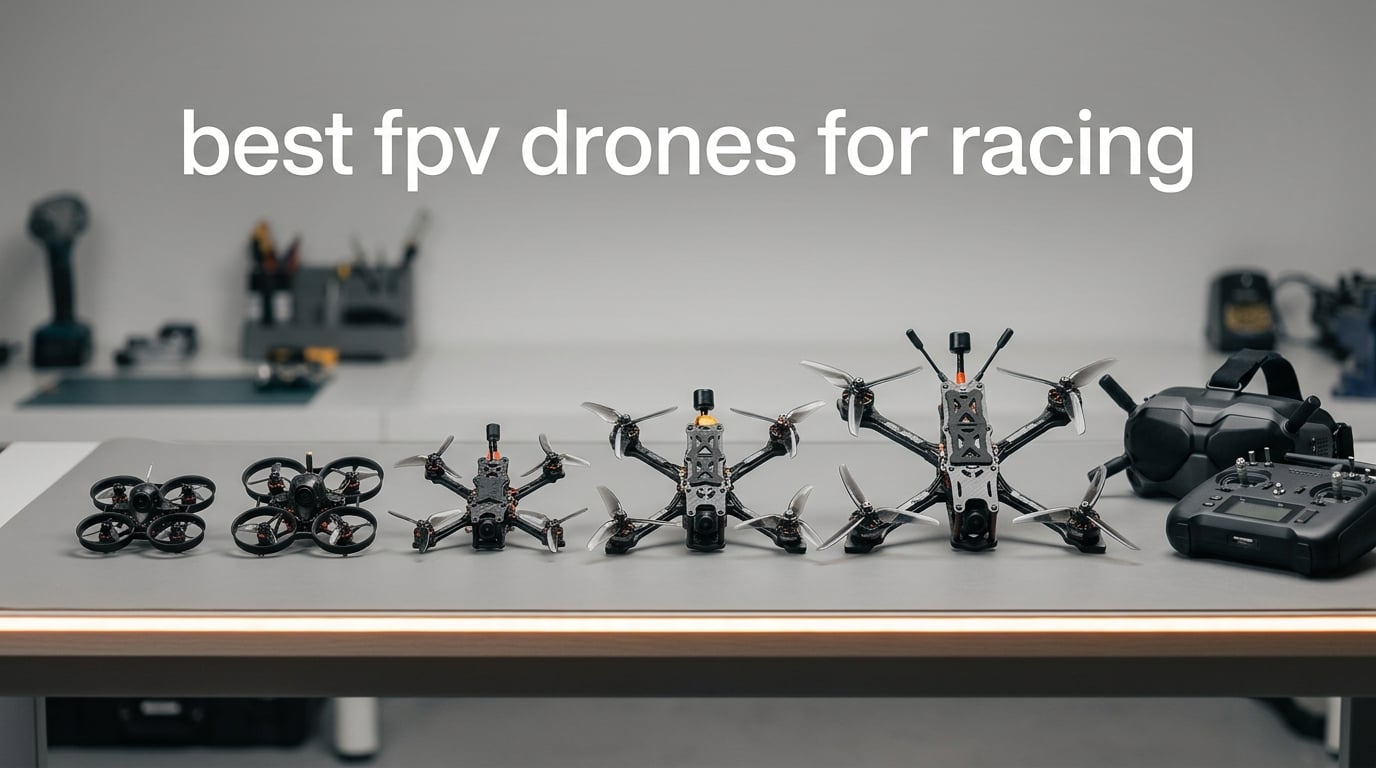
We put a full flying season of work into the size ladder that actually holds up: 65mm whoops, 75mm whoops, a 2.2-inch cinewhoop, and the 5-inch quads that most people assume they need on day one. Every drone below is listed in the order we would hand it to a pilot, with the honest limitation attached. If you want the wide beginner context first, our beginner drone guide covers the non-FPV side of the hobby well.
FPV, or first-person view, means the drone carries a forward-facing camera and video transmitter that streams straight into goggles. You fly the aircraft by looking through those goggles rather than by watching it, which is the entire skill and the entire hazard. There is no self-levelling to rescue you when you over-rotate, which is why the right size matters more than the right spec sheet. If you want the camera and gimbal side of the market instead, read our drones with camera guide.
Two questions narrow the list almost completely: are you racing indoors or outdoors, and do you want analog or digital video. Everything else, from motor KV to prop blade count, is a refinement of those two. Here is what we found.
Table of Contents
Top 3 Picks for FPV Racing in 2026
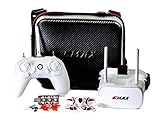
EMAX Tiny Hawk RTF Kit
- Goggles and controller included
- 200 feet range
- up to 35 mph
- 720p video

DJI Avata 2 Fly More Combo
- Goggles 3 and RC Motion 3 included
- 4K/60fps 1/1.3-inch sensor
- 155 degree field of view
- three batteries

BETAFPV Meteor75 Pro Matrix
- Matrix 5-in-1 flight controller
- 25-400mW VTX
- ExpressLRS
- solder-free motor plugs
Our editor’s choice is the kit that removes every barrier between you and your first gate. The premium pick is the drone that does the most with the least piloting skill. The best value is the first brushless whoop that genuinely holds its own outdoors. We explain the reasoning in each review below.
All 12 FPV Racing Drones at a Glance in 2026
| Product | Specifications | Action |
|---|---|---|
| EMAX Tiny Hawk RTF Kit |
|
Check Latest Price |
| DJI Avata 2 Fly More Combo |
|
Check Latest Price |
| BETAFPV Meteor75 Pro Matrix |
|
Check Latest Price |
 Mobula7 1S 75mm Whoop Mobula7 1S 75mm Whoop |
|
Check Latest Price |
 GEPRC Vapor-D5 O4 Pro GEPRC Vapor-D5 O4 Pro |
|
Check Latest Price |
 iFlight Nazgul ECO XL5 iFlight Nazgul ECO XL5 |
|
Check Latest Price |
 GEPRC MARK5 O4 Pro DC GEPRC MARK5 O4 Pro DC |
|
Check Latest Price |
 BETAFPV Air75 II BETAFPV Air75 II |
|
Check Latest Price |
 Tiny Hawk EZ Pilot Pro Tiny Hawk EZ Pilot Pro |
|
Check Latest Price |
 CADDXFPV Curve Micro 16 CADDXFPV Curve Micro 16 |
|
Check Latest Price |
 BETAFPV Air65 II BETAFPV Air65 II |
|
Check Latest Price |
 GEPRC DarkStar22 O4 Pro GEPRC DarkStar22 O4 Pro |
|
Check Latest Price |
The clearest split in this table is size. Six entries are 65mm to 75mm whoops and other sub-250g aircraft meant for indoor gates and beginner throttle control. The rest are larger platforms that need a real radio link, tuned Betaflight, and packs you have to buy separately. Pick the group that matches your floor space and your patience.
1. EMAX Tiny Hawk RTF Kit – The Zero-Friction Start
Tiny Hawk RTF Micro Indoor Racing Drone with FPV Goggles and Controller for Beginners
450mAh battery
200 ft range
720p video
Goggles and controller in box
Pros
- Everything needed to fly is in the box
- Real FPV rather than Wi-Fi at up to 200 feet
- Lightweight and fast indoors
- Carrying case included
Cons
- 720p capture is low by current FPV standards
- 450mAh pack gives short sessions
- About 15 percent of reviews are 1-star
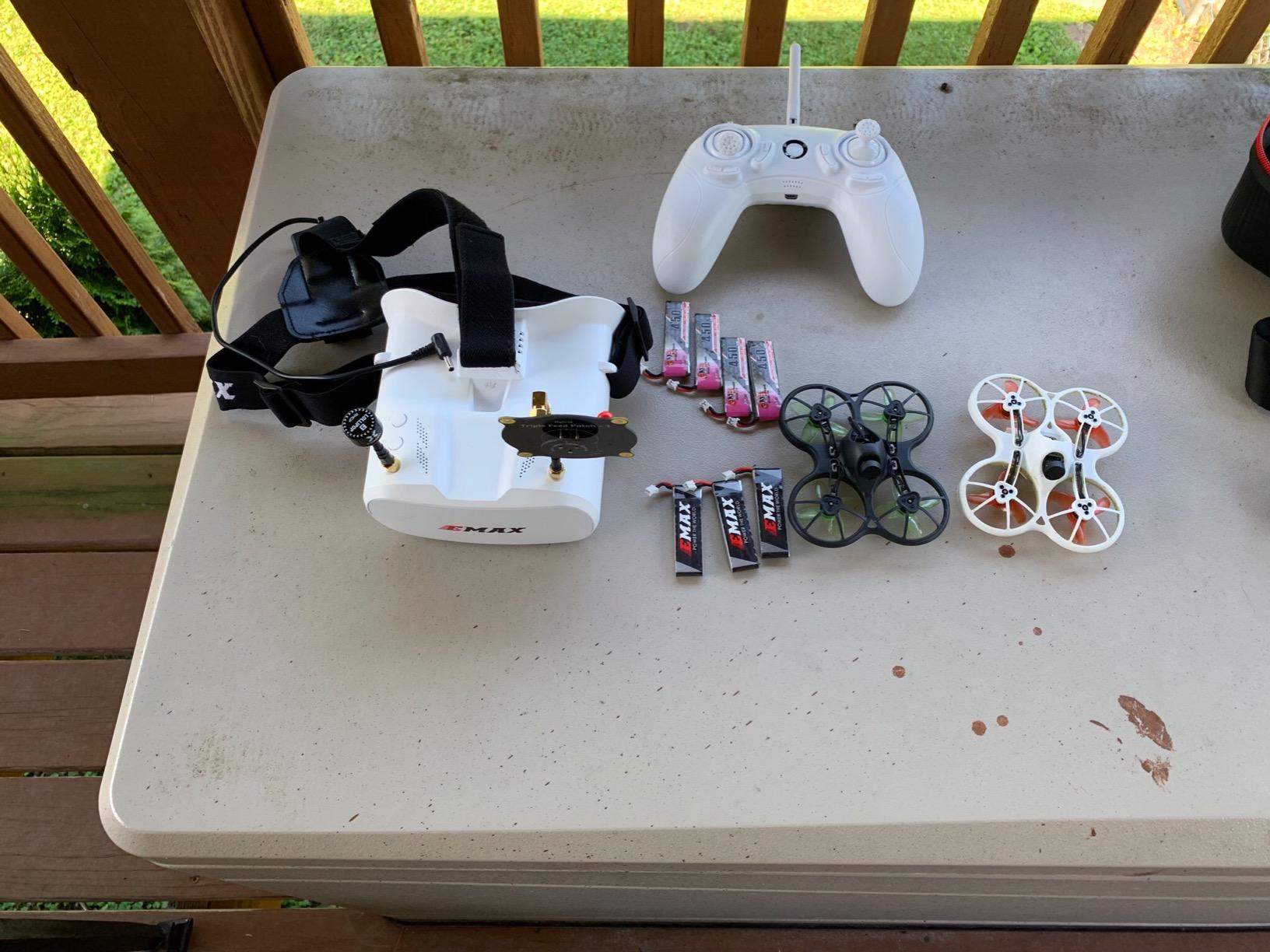
This is the drone we hand to someone on their first day. The box contains the aircraft, a controller and FPV goggles, which means there is no separate radio, no separate receiver binding, and no separate video link to troubleshoot before you have ever rolled a quad across a floor.
It is real FPV rather than the Wi-Fi streaming found in most toy drones, and reviewers consistently report usable range up to the stated 200 feet with a flight speed the listing puts at up to 35 mph. Inside a house that is more than fast enough to feel like racing, which is the point.
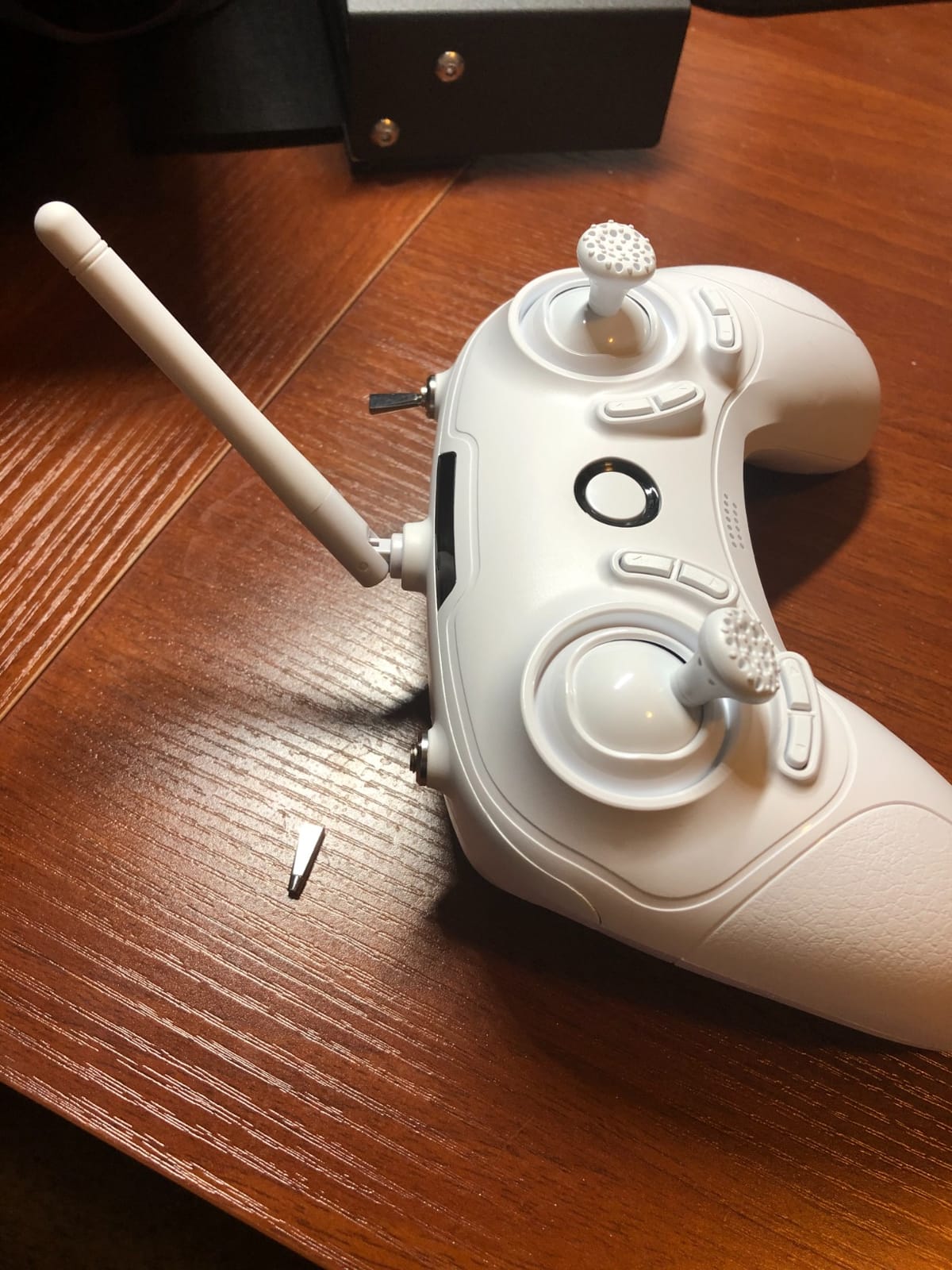
The honest weakness is endurance. The 450mAh LiPo pack is small, and you will cycle through it quickly once you stop crashing, which is exactly the habit we want you to build. Owners also note the 720p capture resolution is behind current standards, so treat this as a trainer for stick control rather than a camera platform.
Reviewers also flag that roughly 15 percent of the reviews here are 1-star, mostly around short battery life and the general learning curve of real FPV. That is a fair trade for avoiding a much more expensive mistake three months from now.
Who should buy this first drone
Buy it if you have never flown FPV, if you want to learn acro mode without a Betaflight configuration tool, or if you want a second aircraft you can crash in a garage without thinking twice. The included goggles and controller mean you can be flying indoors within an hour of the box arriving.
It also makes a decent gateway toy for a young pilot who will outgrow it quickly, similar in spirit to how the drones we recommend for kids work, but with genuine FPV optics that a parent can actually learn on.
Where it stops being enough
Stop here the moment you want to fly outdoors, use a proper ExpressLRS radio, or race other people through real gates. The 2.4GHz link, the 450mAh packs and the 720p sensor all cap out fast, and the upgrade path means buying a real stack anyway.
2. DJI Avata 2 Fly More Combo – Goggles and Controller in One Box
DJI Avata 2 Fly More Combo (3 Batteries), FPV Drone With Camera 4K
2150mAh battery
13 km range
4K/60fps
155 degree FOV
377 g
Pros
- Goggles 3 and RC Motion 3 included in the combo
- 1/1.3-inch sensor records crisp 4K/60fps
- Built-in propeller guards
- Three batteries extend sessions
Cons
- Real pack life closer to 15 minutes
- Motion controller cannot yaw without forward motion
- Goggles field of view is narrow
The Avata 2 is not a race quad, but it is the most complete first-person package in this roundup, and several pilots use it as a stepping stone before committing to the analog world. The Fly More Combo bundles the drone, three intelligent batteries, DJI Goggles 3, the RC Motion 3 controller, a charging hub and a sling bag.
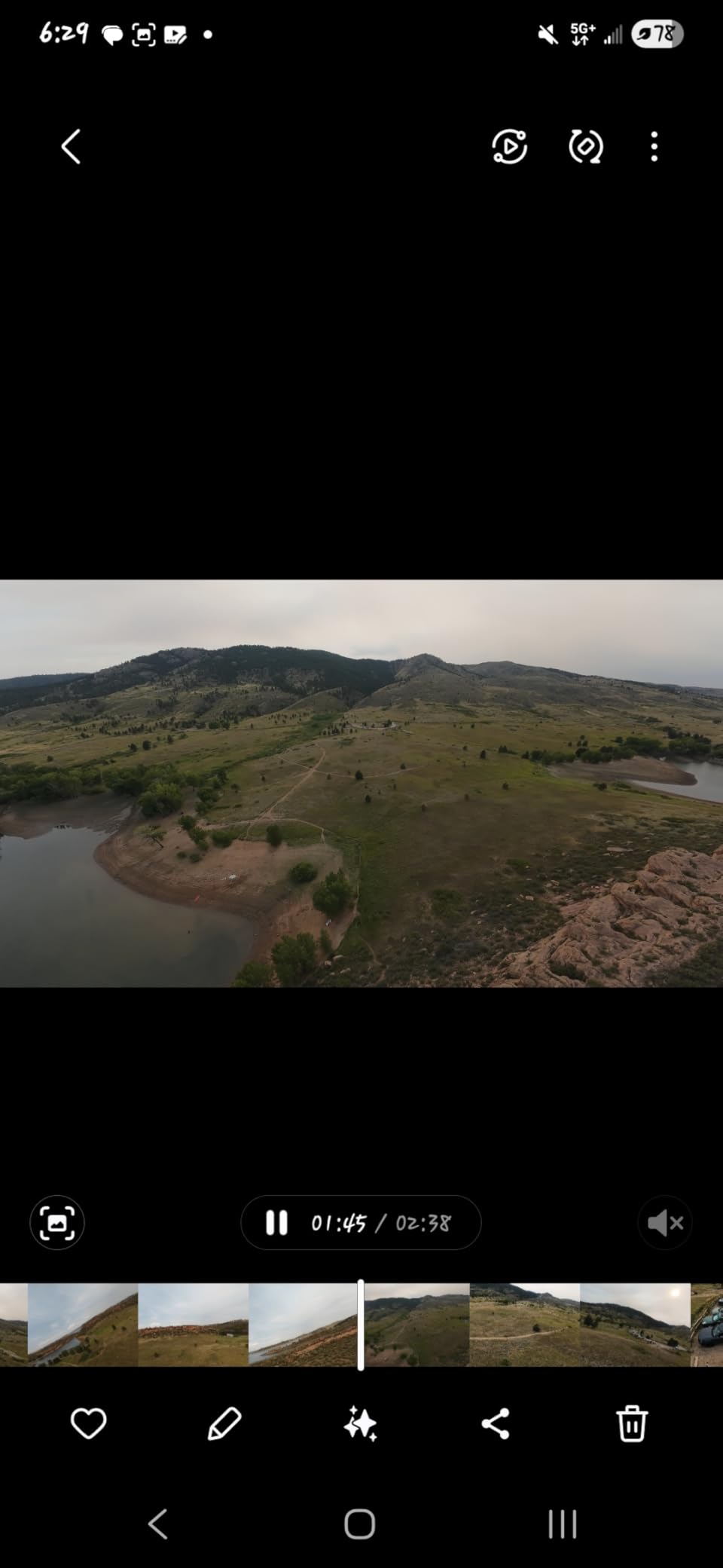
The 1/1.3-inch CMOS sensor records 4K at 60fps through a 155 degree field of view, which is a genuine step up from anything else on this list. Built-in propeller guards mean indoor flying near furniture does not end the session, and the pause-hover function acts as an air brake that builds real confidence.
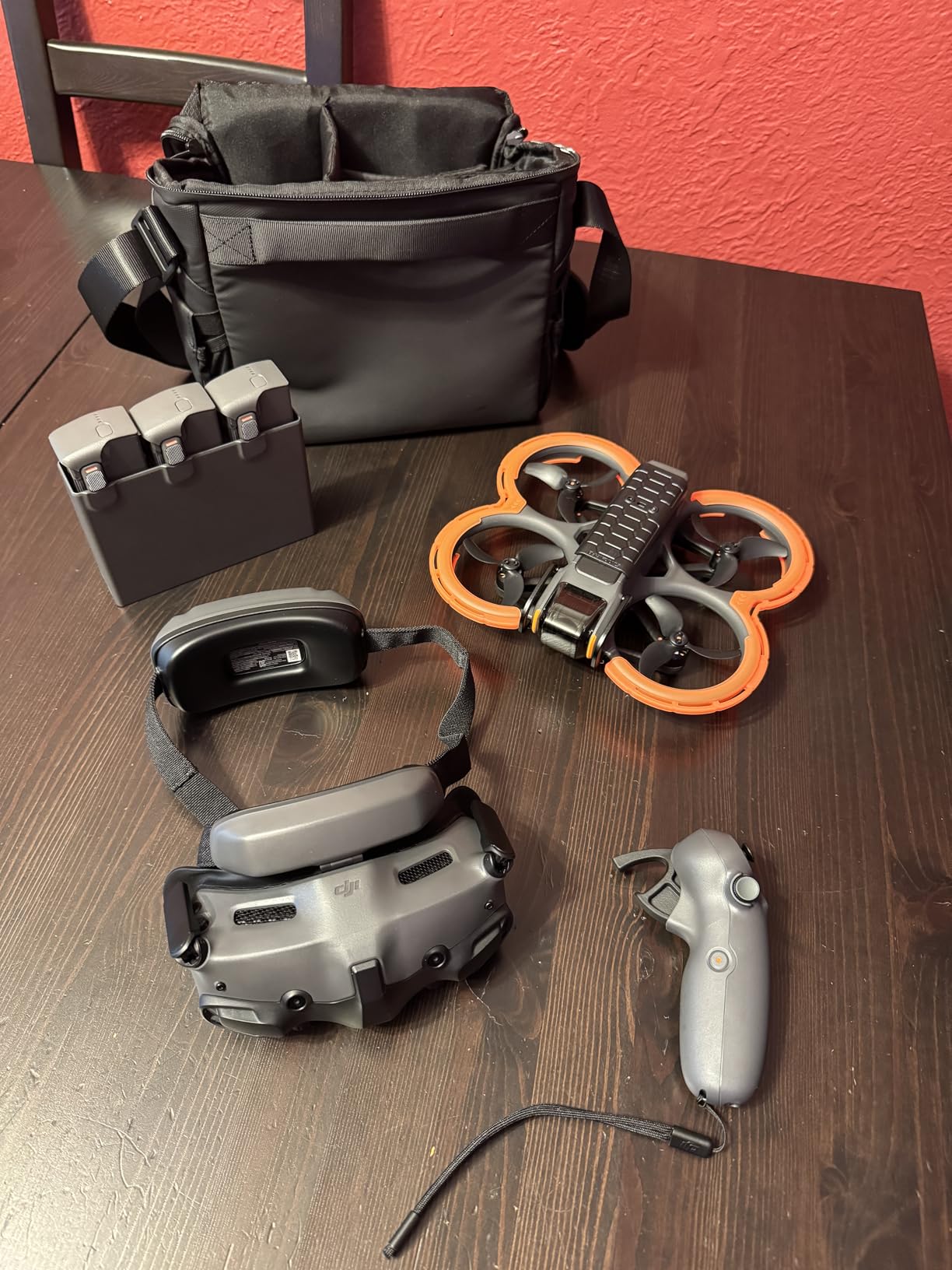
Where it falls short for racing is control input. The Motion Controller is a hand-tracking wand rather than a traditional two-stick radio, and owners note it cannot yaw without forward motion, which is a genuine limitation in a tight gate. The FPV Remote Controller for full manual control is a separate purchase, and reviewers put real pack life closer to 15 minutes rather than the advertised figure.
One more practical note: the goggles have among the narrowest field of view in the FPV world and the fit suits smaller faces. If you have a large head and wide-set eyes, try before committing.
Where this drone earns its place
It is the best option for someone whose goal is indoor FPV flying and footage rather than competition. Three batteries and a charging hub keep sessions long, and the software polish means almost nothing goes wrong during setup.
It also works with a range of DJI goggles and controllers if you later move up, so the ecosystem cost is contained to one brand rather than being scattered across vendors.
Why it will not win a race
There is no prop-guard-free racing configuration, no 6S power, and no analog option. The 377g weight and the DJI ecosystem lock-in make it a poor fit for anyone who wants to compete through gates on a MultiGP-style track.
3. BETAFPV Meteor75 Pro Matrix – A 1S Whoop With Everything In The Box
BETAFPV Meteor75 Pro Matrix 1S Brushless Whoop Quadcopter for FPV Racing
550mAh battery
ExpressLRS 2.4GHz
25-400mW VTX
8 oz
Pros
- Largest 1S whoop in the range
- Matrix 5-in-1 FC with integrated VTX
- Solder-free motor plugs for easy repairs
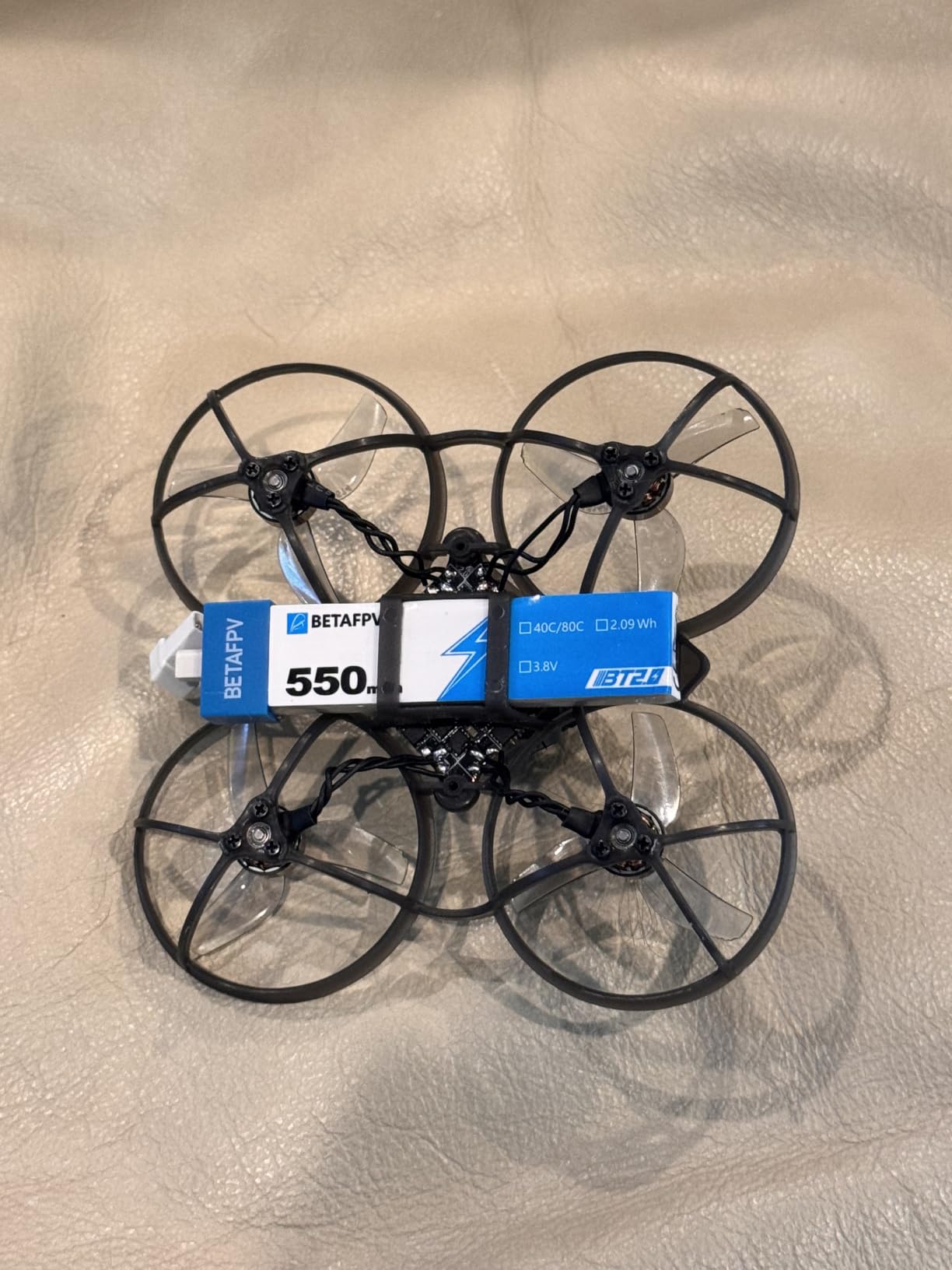
- Ships with two batteries and a BT2.0 charger
Cons
- Only 4 to 6 minutes per pack
- Aggressive default camera angle
- Twitchy for new pilots
The Meteor75 Pro is the first drone on this list that looks and feels like a competitive whoop rather than a trainer. The Matrix 5-in-1 flight controller carries a G473 processor with an integrated 5.8GHz VTX adjustable from 25 to 400mW, and ExpressLRS is the default protocol.
Its maker classes it as the largest 1S brushless whoop available, and owners credit the size for faster, more responsive flight and longer airtime than smaller whoops. Durability is the other repeated theme: multiple owners describe it as nearly indestructible and able to absorb hard hits without a rebuild.
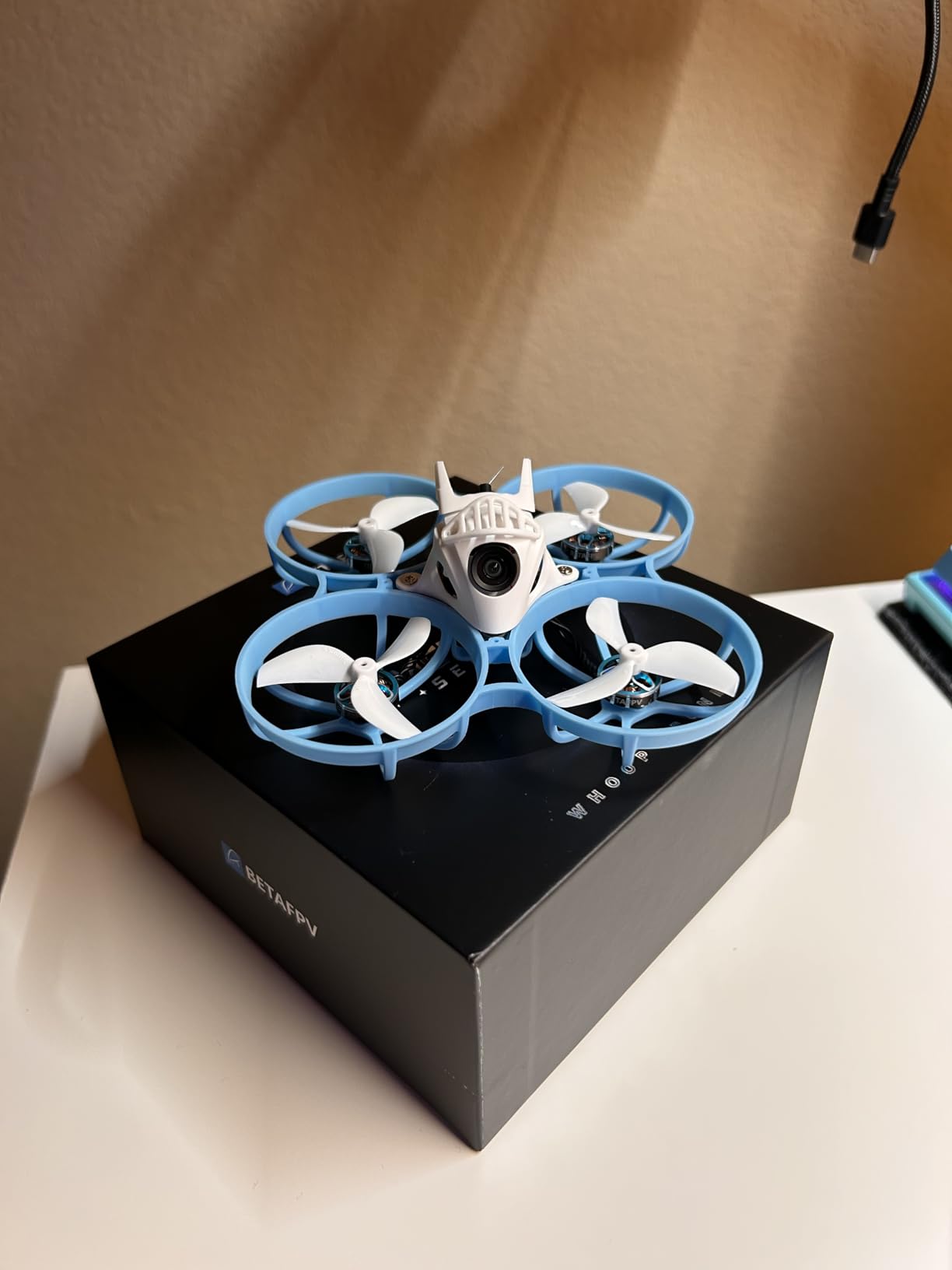
The package is unusually complete for this class. You get the quad, two LAVA II 1S 580mAh batteries, a BT2.0 charger, a voltage tester, spare props, a screwdriver and canopy accessories, which covers nearly every consumable for your first ten packs.
Solder-free motor plugs mean a damaged 1102 motor swaps without a soldering iron, which removes the main reason beginners stall out of the hobby. The board is 1mm thick and the VTX reception is described as respectable once raised to 400mW for race events.
What makes it the value pick
Compare the box contents to buying a bare whoop frame and a stack separately: this arrives with the radio link, the video link, the batteries and the charger. For a pilot moving up from a toy-grade whoop, that is a complete setup rather than a project.
It is also light enough at 8 oz that a crash costs a prop rather than an arm, and the ELRS default means you can use any modern 2.4GHz radio you already own.
What to fix before your first race
The default camera angle is aggressive, which makes tight indoor rooms harder than they need to be until you adjust the mount. Owners also warn the quad is twitchy for newcomers, so set your rates conservatively rather than copying a racer’s profile.
Flight time of 4 to 6 minutes per pack is the tax you pay for 1S, and reviewers note that small anodized screws strip out of the frame if you overtighten them. One owner also reported an ESC failure with no crash involved, so keep a spare on hand.
4. Mobula7 1S 75mm Whoop – Compact AIO Race Build
Happymodel Mobula7 1S 75mm Micro FPV Whoop Drone – 5-in-1 AIO Flight Controller with ExpressLRS 3.0, RS0802 20000KV Motors, 1S Whoop Quad for Indoor & Outdoor Freestyle, Mini FPV Drone (Drone)
20 g weight
1200TVL camera
ExpressLRS 3.0
400mW OpenVTX
Pros
- 5-in-1 AIO board with ELRS 3.0 and OpenVTX
- RS0802 20000KV unibell motors
- Very light 24g wheelbase design
- Parallel charging board included
Cons
- Batteries not included
- About 5 minutes flight time on 1S
- Only one customer review available
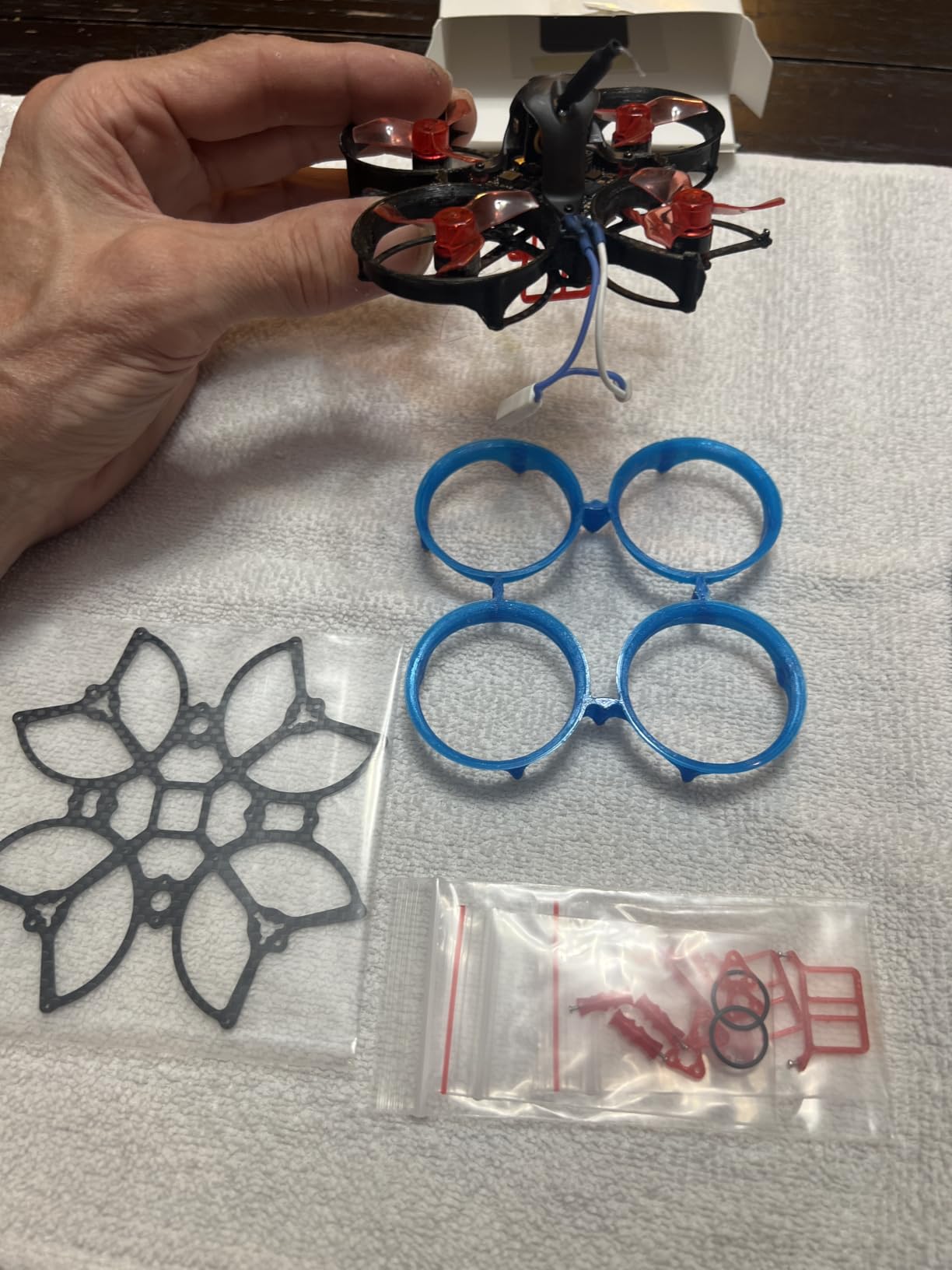
The Mobula7 takes the 1S whoop idea and pushes the integration further than anything else here. The 5-in-1 AIO flight controller combines an ExpressLRS 3.0 receiver, OpenVTX up to 400mW, a 12A BLHeli_S ESC and a Betaflight OSD on one board, which removes nearly all build work.
Propulsion comes from RS0802 20000KV unibell brushless motors with a 1.5mm shaft and PCB bottom plate, and the camera is an upgraded Caddx ANT 1/3-inch CMOS 1200TVL unit that supports both 16:9 and 4:3 output. That aspect-ratio flexibility matters more than it sounds when a track has mixed gate orientations.
At 20g with a 75mm wheelbase, the platform is described as agile and durable, and it ships with Gemfan 1610 bi-blade props plus a parallel charging board and a spare canopy.
Why a pilot would pick this AIO design
With the receiver, ESC, VTX and OSD on one board, a fried stack replacement is a single swap rather than a full rebuild. The onboard OpenVTX with RCE and PIT modes and 0 to 400mW adjustment is genuinely useful at a race where several pilots share a band.
It is also the lightest aircraft in the roundup by a wide margin, which makes it the least punishing option in a hallway.
What the thin review history means
Be aware this listing has a single customer review behind it, so the field reliability is largely unproven. The owner who reviewed it valued the pre-integrated stack and the lack of voltage sag, and flagged that Betaflight rates need lowering from 8kHz to 4kHz out of the box.
Batteries are not included, so budget for 1S 450 to 650mAh packs separately, and expect roughly five minutes per pack.
5. GEPRC Vapor-D5 HD O4 Pro – A Stable 5-Inch Race Platform
GEPRC Vapor-D5 HD O4 Pro FPV Drone (ELRS 2.4G with GPS)
430 g weight
1300mAh pack
4K capture
O4 Air Unit Pro
GPS
Pros
- Integrated O4 Air Unit Pro with CMOS sensor
- Stable and very fast flight
- Handles 1300mAh and larger packs
- GPS Rescue works as intended
Cons
- Heavy for its class
- Some in-flight shake reported
- Rear GPS slowed satellite lock for one owner
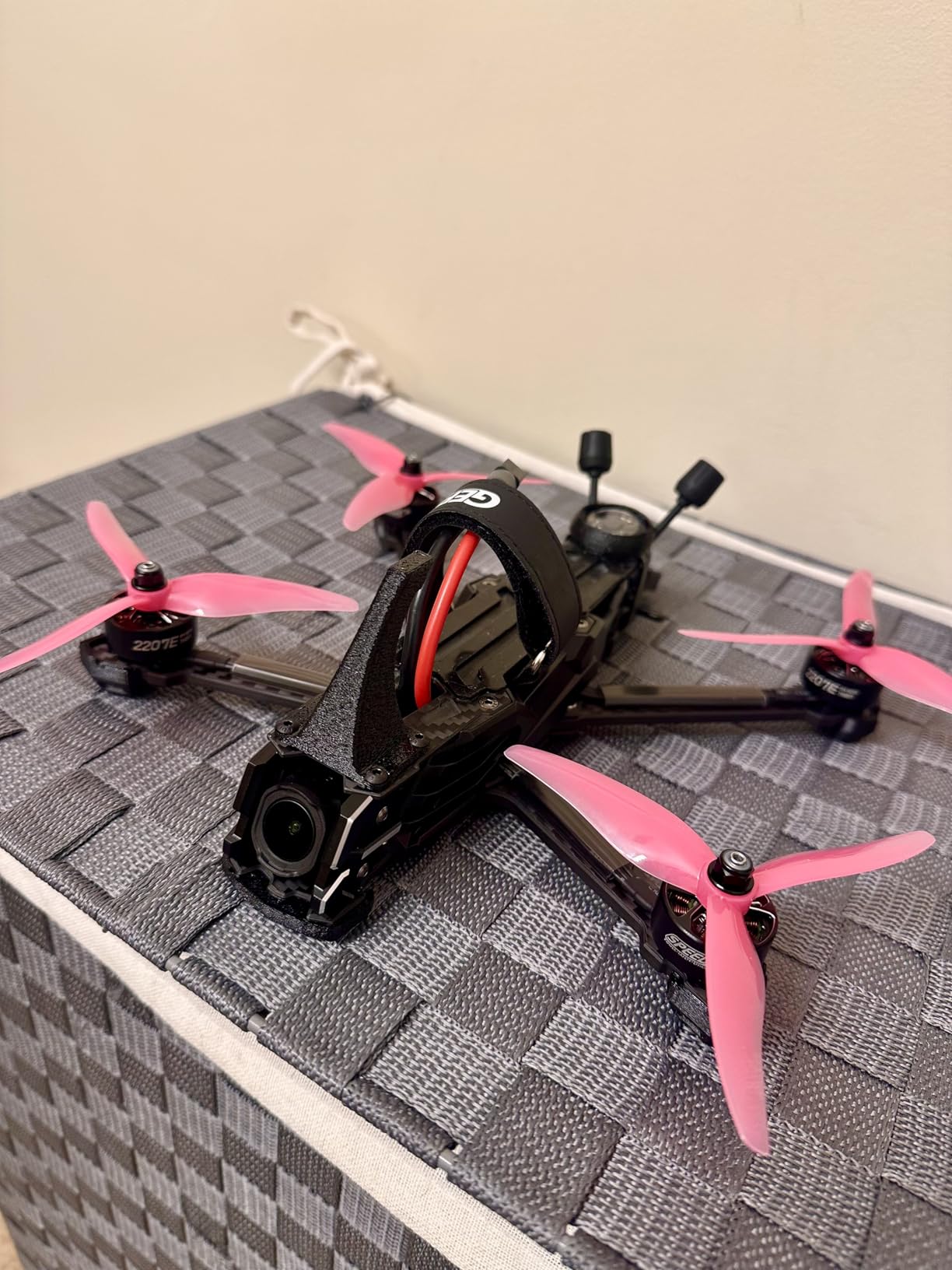
The Vapor-D5 is where the article moves from whoops to real 5-inch racing hardware. It arrives pre-built with an integrated O4 Air Unit Pro, ELRS 2.4GHz and GPS, so you can bind and fly without touching a soldering iron. Multiple pilots call it their favorite 5-inch quad for its predictable, stable and very fast flight.
Battery handling is where it separates from lighter builds. Owners report it carries 1300mAh packs and even 1800 to 2200mAh packs better than most 5-inch rigs, which for racing means fewer pit stops during a heat rather than more.
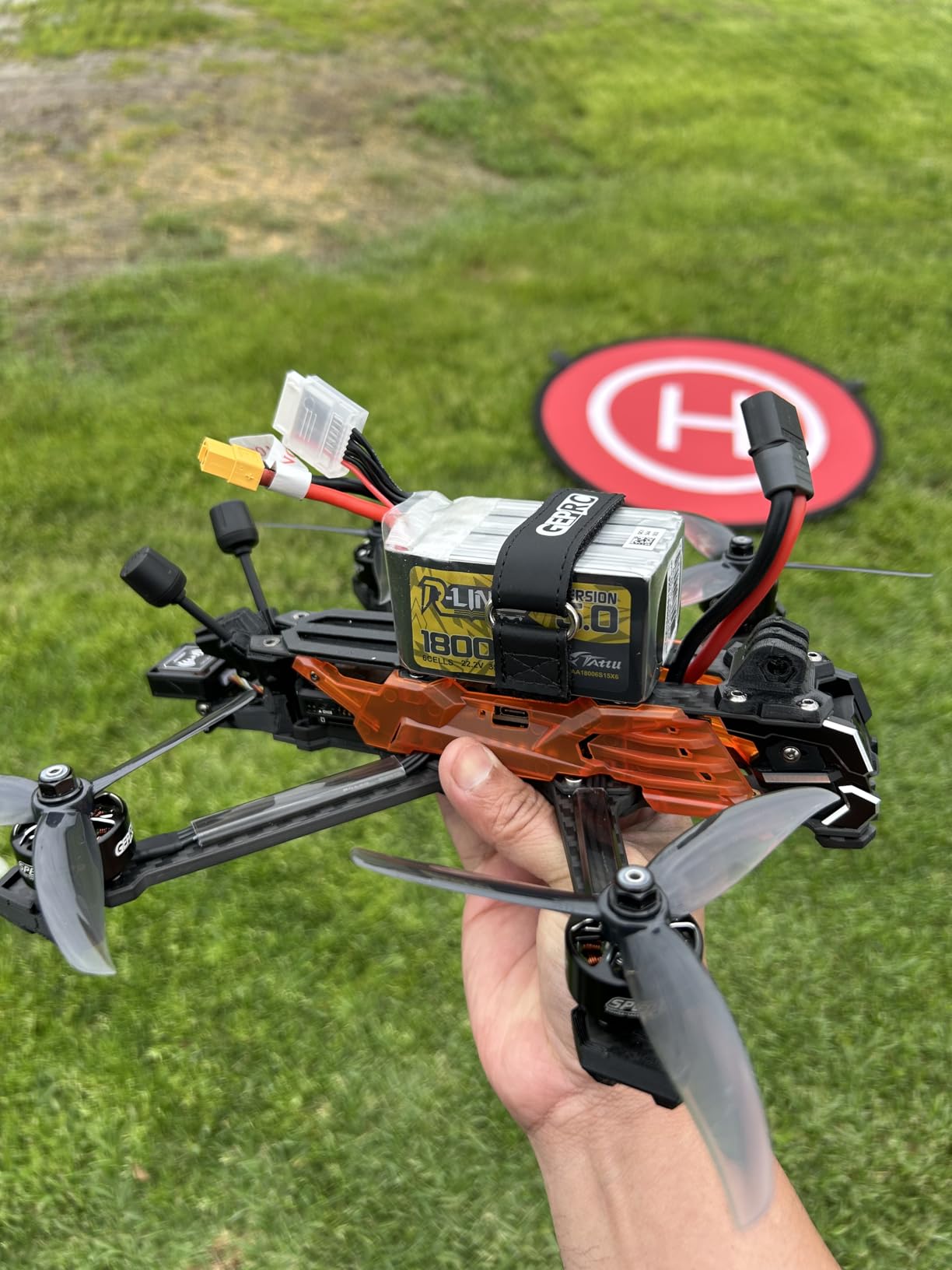
The build details are the ones racers care about. Wider 5mm carbon fiber arms add real durability, a CNC aluminum lens housing protects the camera, and a front lip design gives the lens some extra protection. Prop guards are included, and the whole thing is 430g.
GPS Rescue is praised by owners as one of the most confidence-inspiring features in the hobby, and one buyer was flying within ten minutes of delivery.
Who this racer suits
This is the pick for a pilot who already has stick control and needs a durable 5-inch that will survive a full race day. The pre-built delivery and the battery capacity headroom suit someone who wants to compete rather than tinker, and the integrated O4 unit means your goggles are DJI.
The wider arms and prop guards are the direct answer to the spare-parts and durability frustration that dominates FPV forums, where frames and arms go discontinued right after a first crash.
What to plan around
At 430g it is heavy for its class, which makes it less suited to the lightest 5-inch racing builds. One reviewer notes residual airframe flutter, and another found the rear-mounted GPS module slowed satellite lock because it sits near the video and radio antennas.
You will also need to match the ELRS packet rate manually in your radio’s ExpressLRS Lua scripts before binding. It is bind-and-fly only, so goggles, radio and batteries are all separate purchases.
6. iFlight Nazgul ECO XL5 V1.1 – An Analog 6S Build With Room to Modify
iFlight Nazgul ECO XL5 V1.1 Analog 6S Drone BNF TBS NANO RX/GPS
430 g weight
1.6W BLITZ VTX
E55S stack
TBS NANO RX
GPS
Pros
- Pre-installed GPS
- BLITZ VTX and ATF435 E55S stack
- Anti-spark filter on the XT60
- Standard 20x20 and 30.5x30.5 mounting holes
Cons
- Comes with a TBS Crossfire NANO RX instead of ELRS
- Battery strap covers the flight controller
- Included camera has heavy fish-eye distortion
If your race program runs analog, the Nazgul ECO XL5 is the one here built for that world rather than adapted to it. The pre-installed BLITZ 5.8GHz 1.6W VTX and the BLITZ ATF435 E55S stack mean the two parts most analog racers argue about are already chosen and mounted.
It is a carbon fiber and aluminum build with the camera view kept clear of any propeller, and an anti-spark filter on the XT60 connectors protects the electronics from voltage and current spikes, which is a real saver when a 6S pack bounces off a gate.
A built-in buzzer and a dedicated receiver mount simplify maintenance and receiver adjustment, and the DIY space accepts both 20×20 and 30.5×30.5 hardware so you can swap stacks later.
Why analog racers like this layout
A 1.6W VTX is what you want for outdoor track work where penetration and range matter more than image clarity. Owners note the stack runs cool even at 800mW, which is a thermal headroom advantage on a hot race day.
Owners also describe it as fast and easy to control out of the box, and one reviewer reports customer service replaced a unit within minutes after a battery disconnection crash, which is the kind of support that matters when a race is tomorrow.
What to expect before the first gate
This version comes with a TBS Crossfire NANO receiver, not ExpressLRS. If your radio is ELRS, plan on a soldering job or accept Crossfire. That is the single most common complaint in the reviews here.
Two smaller issues: the battery strap sits over the flight controller, and the included camera produces a pronounced fish-eye effect that owners treat as a replace-later item. As a bind-and-fly it also needs some tuning before it flies predictably, and the review base is only two, so treat the 4.5 average as indicative rather than meaningful.
7. GEPRC MARK5 O4 Pro DC – A High-End Deadcat Race Build
GEPRC MARK5 O4 Pro DC FPV Drone (6S ELRS 2.4G with GPS)
440 g weight
TAKER F722 BT 50A FC
2107.5 1960KV motors
4K/120fps
Pros
- O4 Air Unit Pro with 1/1.3-inch sensor
- Aluminum camera mount with silicone damping
- Tool-free quick-release arms
- TAKER F722 BT 50A flight controller
Cons
- DJI antennas ship unsecured
- No spare props included
- Confusing for first-time builders without tuning guidance
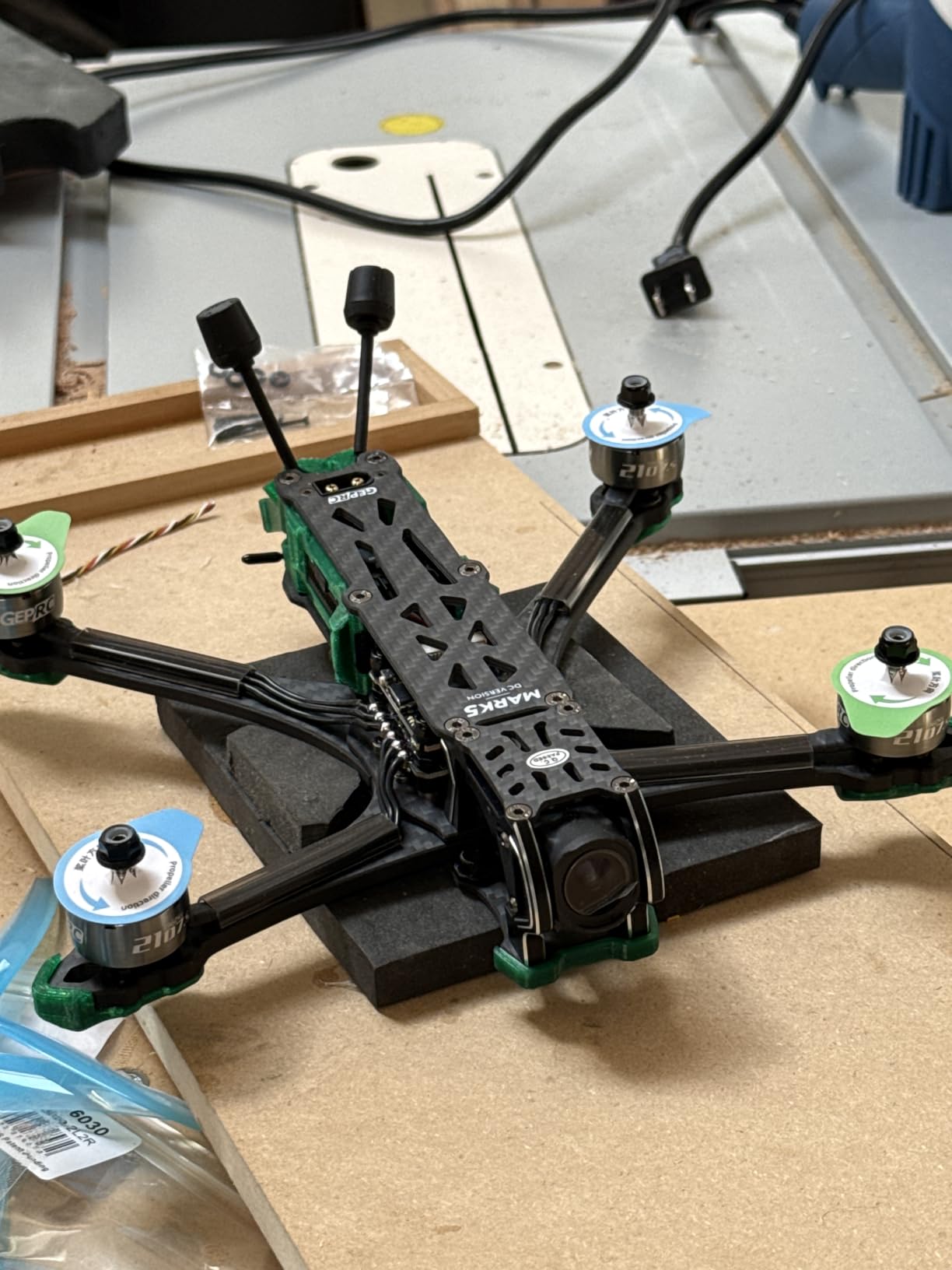
The MARK5 O4 Pro DC is a race-first build rather than a freestyle one. The integrated O4 Air Unit Pro carries a 1/1.3-inch sensor for 4K/120fps recording and 1080p/100fps live transmission, and the aluminum camera mount uses silicone damping to keep high-speed footage smooth.
Underneath, a TAKER F722 BT 50A flight controller and 2107.5 1960KV motors deliver what owners describe as precise thrust and stability. The motor KV sits in the freestyle-leaning end of the 5-inch range rather than the high-KV race band, which suits mixed gate and freestyle flying.
The tool-free quick-release arms are the feature we would highlight most. Swapping arms takes seconds rather than a rebuild, dedicated capacitor and buzzer compartments keep the wiring tidy, and the deadcat frame is offered alongside a wide-X version so you can match agility or stability.
What makes this the performance pick
A 50A ESC and an F722 processor give you headroom that lighter builds do not, and the quick-release arm system means a bent arm is a two-minute fix at the track instead of a soldering session at home. Buyers rate the design and build quality as excellent value.
For a pilot who has already got DJI goggles and flies both gates and freestyle lines, this is the most complete package in the list.
What to sort out on day one
Buyers report the DJI antennas ship unsecured and can work loose in transit, so a printed mount or a 3D-printed fix is worth doing before the first pack. Extra propellers are not included and landing pads are not supplied, both worth adding to the order.
One buyer recommends verifying the Betaflight settings on a PC before the first flight, and the review base is only five, so the 4.8 average reflects a small sample.
8. BETAFPV Air75 II – Lightweight 75mm Race Platform
BETAFPV Air75 II Brushless Whoop Quadcopter, for Champion FPV Quadcopter
0802 28000KV motors
12A ESC
15-45 degree canopy
7.1:1 thrust ratio
Pros
- Great build quality
- Plenty of power indoors and outdoors
- Binds to ELRS without issue
- 15-45 degree adjustable camera angle
Cons
- Motor wires reported breaking at the solder joints
- Factory motor wires half soldered on some units
- Grey frame is hard to spot
The Air75 II sits between the tiny Air65 and the larger Meteor75, and it behaves like a race platform rather than a freestyle toy. Owners praise the build quality and report plenty of power for both indoor and outdoor flying, with some noting it will fly outdoors in a bit of wind.
The Matrix 5IN1 II flight controller uses a 3-point mounting system that the manufacturer says reduces damage rate by up to 80 percent, paired with a 12A continuous and 18A peak ESC. Dual-ball-bearing 0802 28000KV motors deliver a 7.1:1 thrust-to-weight ratio, which is where the agility comes from.
The Air II canopy has a 15 to 45 degree adjustable camera angle, a genuinely useful feature when a course mixes tight and open sections.
Where it fits in a training ladder
This is the aircraft to sit between a 65mm whoop and a full 5-inch. It is light, it carries a real ExpressLRS link, and the 3-point mounted stack survives the sort of hits that end a thinner frame. Owners also note it binds to ELRS modules and Betaflight without issue.
Newer pilots are advised to keep the throttle around 50 to 75 percent at first, which is a sensible way to tame a 28000KV motor on a small frame.
The solder joints you should check
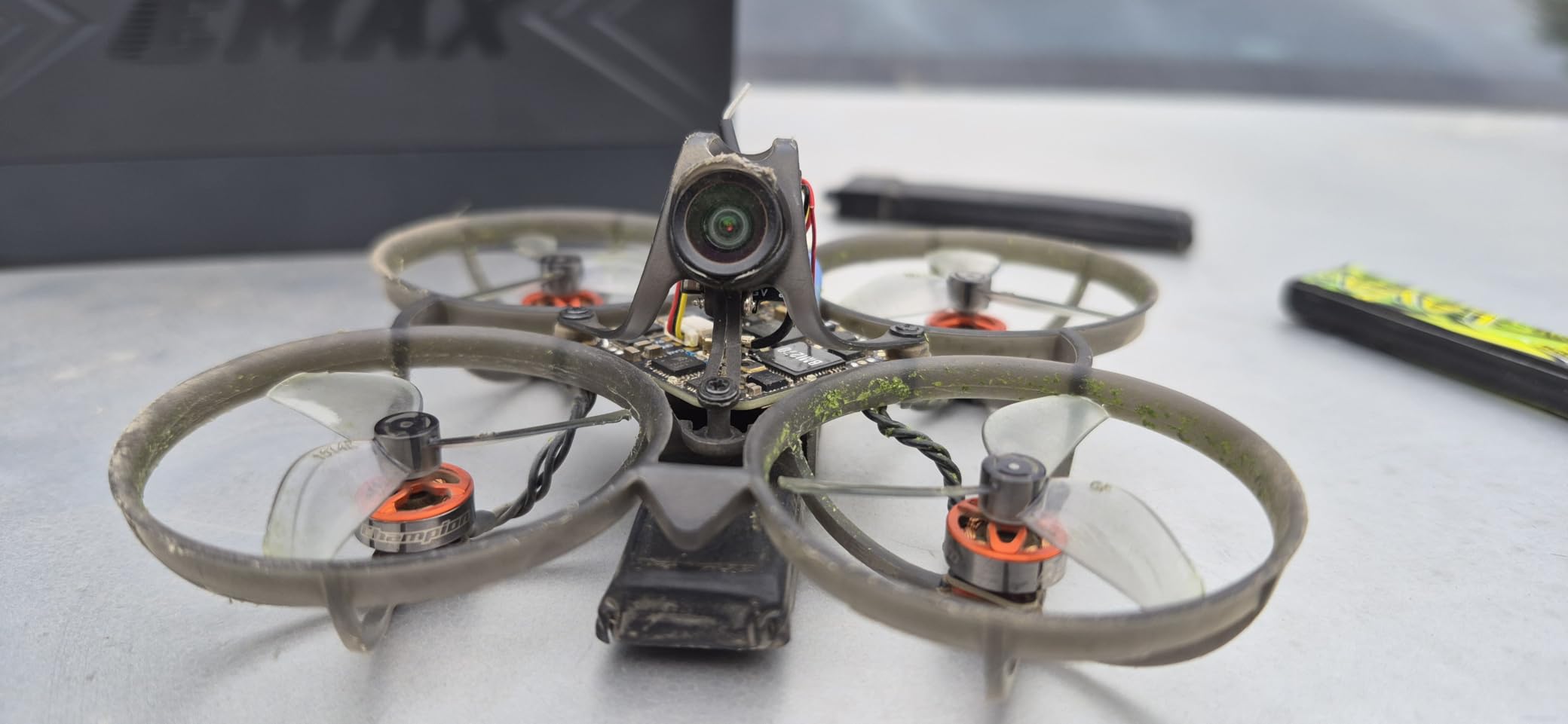
Several reviewers report motor wires breaking off at the solder joints, and one describes out-of-the-box motor wires as half soldered. That is a two-minute check with a soldering iron before you ever power it up, and it is the reason this quad carries the lowest average rating in the roundup.
The other repeated issue is visibility: the grey frame is difficult to find if it lands in long grass or behind furniture, so fly it over a light surface or with a spotter.
9. Tiny Hawk EZ Pilot Pro – The Lowest-Friction Way to Learn Goggles Flying
EZ Pilot Pro FPV Drone Set for Kids and Adult Beginners with Real 5.8g Goggles and Controller Easy to Fly Quadcopter
450mAh battery
480p video
12 g drone
5.8GHz FPV
Pros
- Survives repeated hard crashes
- Radio and goggles can be reused with a later drone
- Good for learning indoors
- Fun and engaging for beginners
Cons
- Goggles have no DVR
- Some examples would not power on after charging
- Erratic flight behavior reported
The EZ Pilot Pro is the entry point in this list in the most literal sense. It is a 12g drone with a 450mAh battery, a 480p camera and a real-time 5.8GHz FPV feed, and the kit includes the goggles and the transmitter.
What reviewers like most is the durability. Multiple owners report it survives repeated hard crashes without breaking, which matters enormously when the pilot is learning to fly and crashing every thirty seconds. The radio and goggles can be reused with a later upgraded drone, so the kit is not a dead end.
The detachable goggle screen is the sleeper feature. It can be worn as goggles or used as a monitor, which lets a second person watch and learn alongside the pilot, and it works well for a family sharing one drone.
Who benefits from this kit
It suits a child or adult whose goal is to understand what flying through goggles feels like before spending on hobby-grade hardware. The 480p feed is low, but the training value of wearing a headset and steering a real quad indoors is genuine and cheap to obtain.
It is also a good first step for anyone who wants to see whether FPV interest is real before committing to a stack of gear, in the same way our RC truck guide works as a low-cost test of a hobby.
What it cannot teach you
There is no DVR in the goggles, which owners flag as the most repeated complaint, so there is nothing to review after a session. Some examples reportedly would not power on after charging, and a minority describe the flight behavior as erratic.
Most importantly, it does not teach acro mode properly. The 480p feed and the control feel make it a poor trainer for the 65mm to 75mm brushless whoops that come next in the ladder.
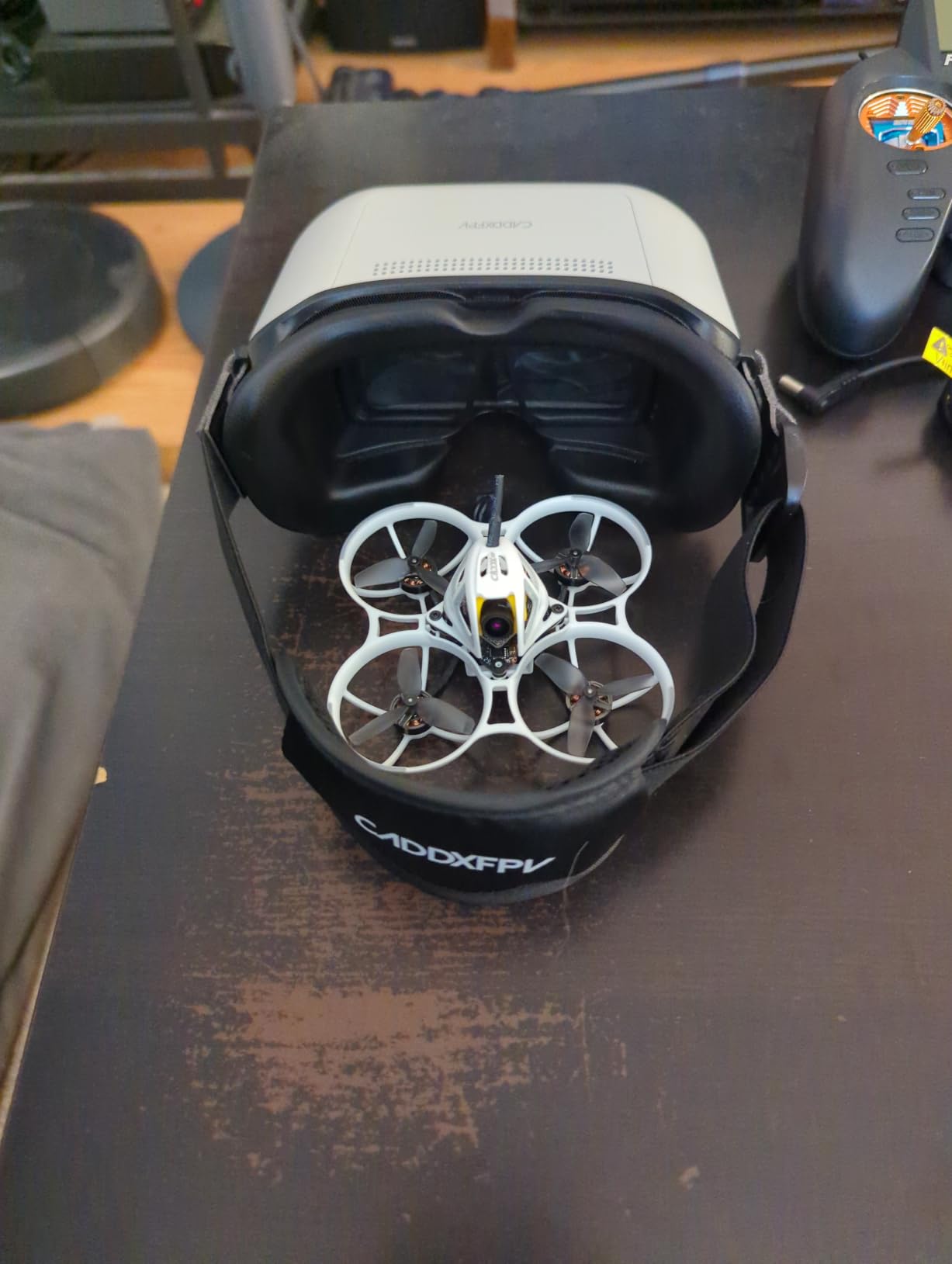
10. CADDXFPV Curve Micro 16 1S – HD Video on a 32g Frame
CADDXFPV Curve Micro 16 1S White FPV Whoop Drone, ELRS, 1080p 120fps, 500mW
32 g weight
1080p/120fps
30ms latency
147 degree FOV
500mW
Pros
- 1080p/120fps video at 30ms latency
- Very light 32g frame that recovers quickly
- Tough one-piece frame with full prop protection
- Up to 500mW video output
Cons
- Radio and goggles sold separately
- About 6 minutes per 1S pack
- Small review base
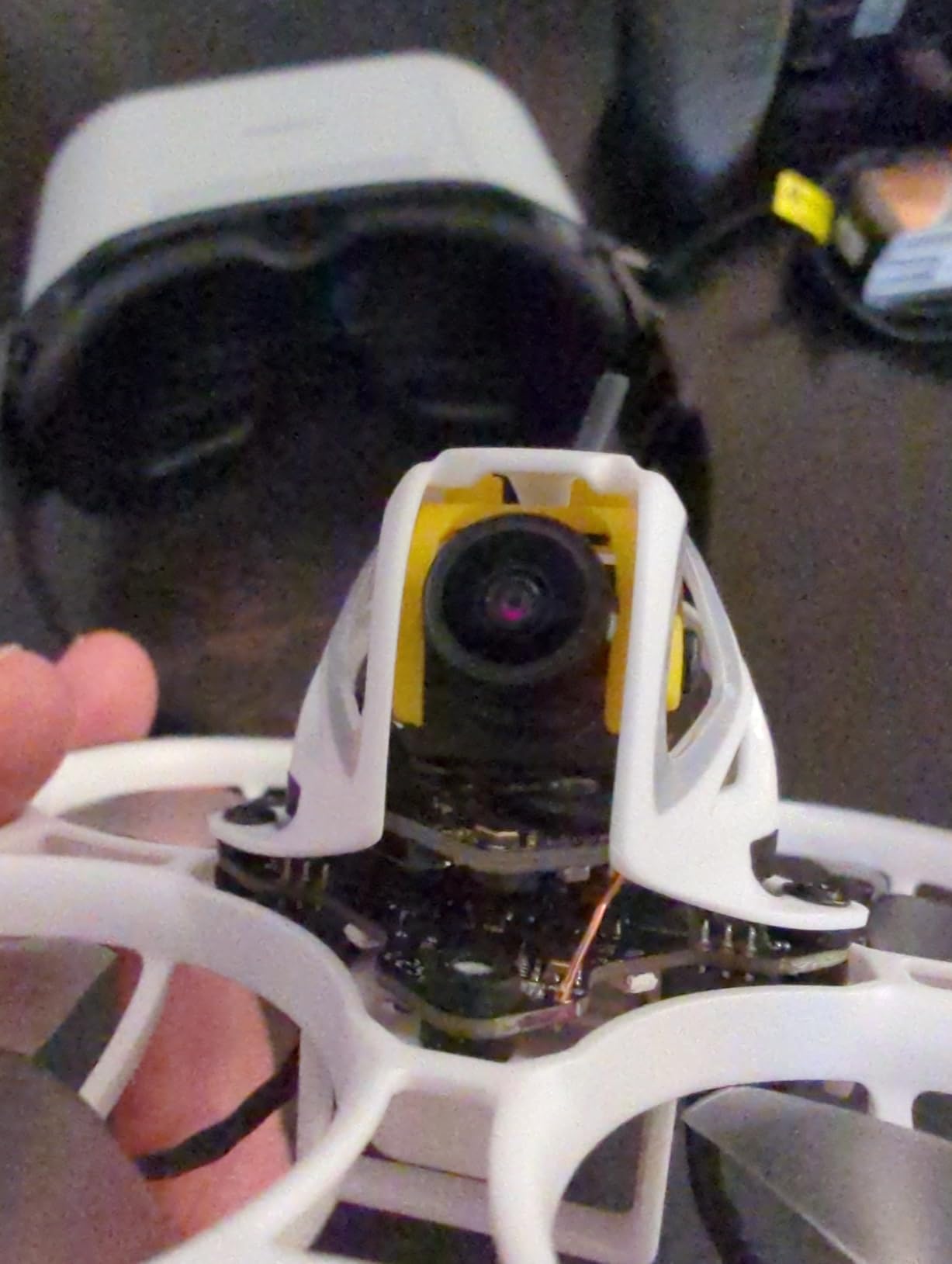
The Curve Micro 16 is the odd one out in this roundup: a 1S whoop that streams 1080p at up to 120fps. The Ascent Lite+ HD system pushes 1080p with roughly 30ms latency and a 147 degree field of view, with synced audio at 60fps, and the video output goes up to 500mW.
At 32g on a 1S pack it is a genuinely small aircraft, and reviewers highlight how quickly it recovers in tight spaces, which is exactly the behaviour you want in indoor gate racing.
Propulsion comes from 1102 22000KV motors with a 12A ESC, and the A30 6-channel connector supports 1S 580mAh and 680mAh packs for about six minutes of flight. A Type-C 6-channel charger is included.
Why HD video matters indoors
In a small room, an analog feed degrades fast. Part of the reason whoop racers move to HD systems is that a sharp 1080p image with a 147 degree field of view makes gate edges readable at speed, and the 30ms latency figure keeps it usable for racing rather than only for cruising.
The one-piece frame with full prop protection is also a strong durability argument in a hobby where canopy and camera damage end the day.
What this does not include
Radio and goggles are sold separately, which keeps the entry cost down but means you need an existing ELRS 2.4GHz setup to fly it at all. The drone pairs with Ascent goggles, Ascent VRX or VRX Pro hardware.
With only four reviews, long-term reliability feedback is limited, and six minutes per pack means planning the pack count before every session.
11. BETAFPV Air65 II – The Lightest Race Practice Platform
BETAFPV Air65 II Brushless Whoop Quadcopter Ultralight for FPV Freestyle
0702 25000KV motors
12A ESC
GF 1219S 3-blade props
320mAh pack
Pros
- Takes hard crashes well and rarely needs repairs
- Comes with spare parts including a canopy
- Flashed to ELRS 4.0.0 and flew out of the box
- Works indoors and outdoors
Cons
- Not beginner friendly without prior piloting experience
- Requires existing FPV goggles and an ELRS radio
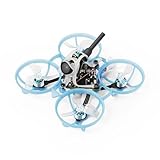
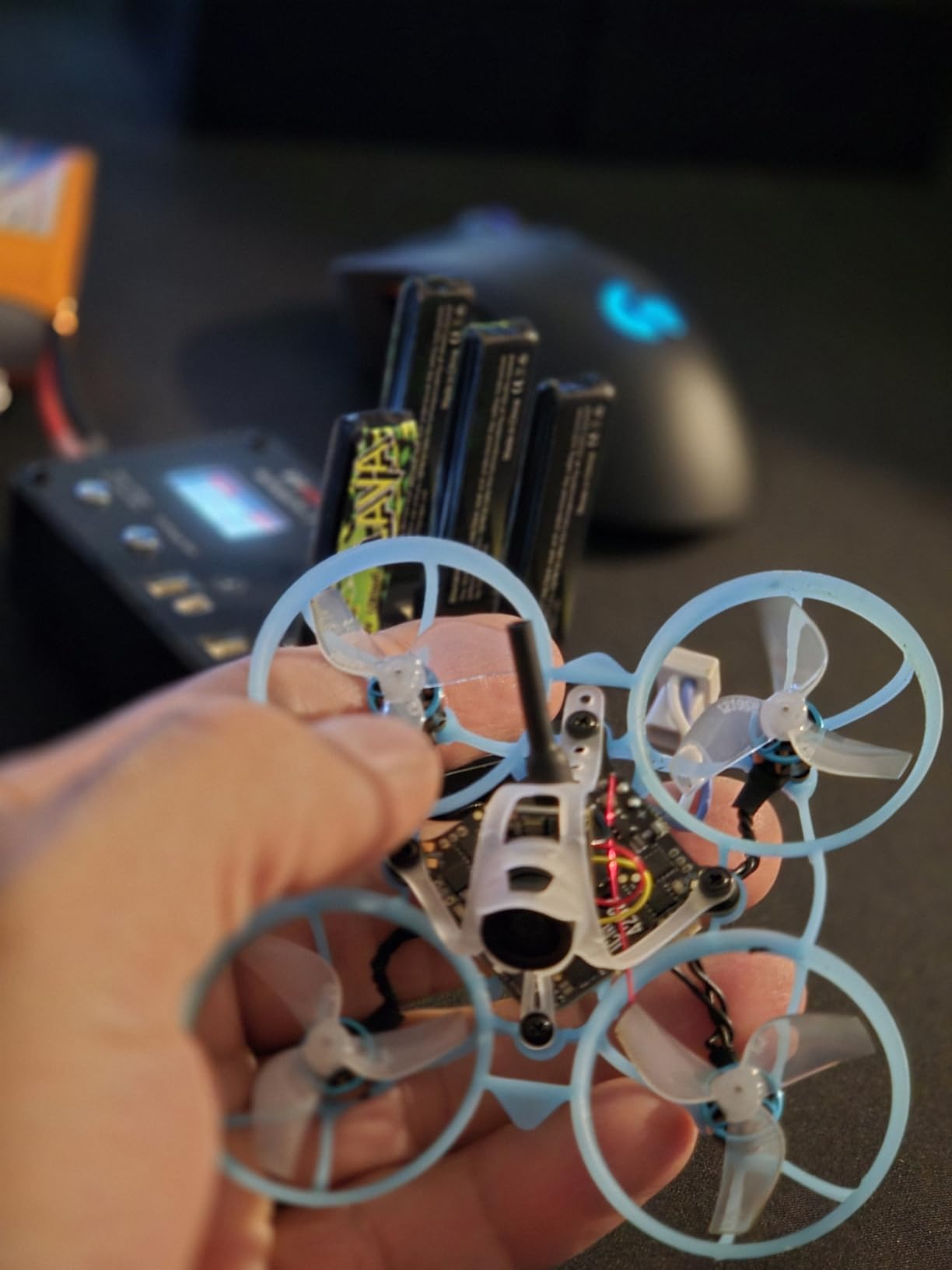
The Air65 II is the smallest brushless whoop here and an inexpensive way to own modern race hardware. Owners describe it as extremely tough, with one canopy replacement across roughly 50 flights, which is a good durability record for a quad this small.
It comes with spare parts including a replacement canopy, which directly answers the biggest complaint in FPV communities: a pilot who crashes hard and finds the part discontinued stays grounded. Owners also report it flies well out of the box after flashing to ELRS 4.0.0.
Propulsion is 0702 25000KV motors with brass bushings and a 0.1mm stator core, running on a Matrix 1S 5IN1 II flight controller with 12A continuous and 18A peak ESC, and it flies GF 1219S 3-blade props on the 320mAh pack.
Why racers buy a 65mm whoop
A 65mm 1S whoop is the legal entry class for indoor MultiGP-style racing, and pilots on r/fpv consistently advise starting at sub-250g because the stick skills transfer and the repair cost is trivial. Practice lines and gate entries learned here carry straight over to a 3-inch or 5-inch.
The Air II canopy and the ultra-light Air65 frame in impact-absorbing PP material, plus a 3-point mounting system with a 1.0mm thickened PCB rated to reduce damage rate by up to 80 percent, are the parts that make that survivability possible.
Where it is the wrong first drone
Owners are clear that it is not beginner friendly without prior piloting experience, and it requires your own FPV goggles and an ELRS radio. It is a step up from a toy, not a first drone.
All six reviews are five star, which is encouraging but a small sample. Treat the durability reports as promising rather than proven.
12. GEPRC DarkStar22 O4 Pro – A Cinewhoop for Warm-Up Flying
GEPRC DarkStar22 O4 Pro CineWhoop Quadcopter (ELRS 2.4G)
127 g weight
4K/120fps
20A AIO flight controller
prop guards
Pros
- 4K/120fps capture with ultra-low latency
- 20A AIO flight controller with stabilization algorithms
- Reinforced frame with shockproof canopy and prop guards
- Simple four-screw assembly
Cons
- Very small review base
- Requires compatible FPV gear
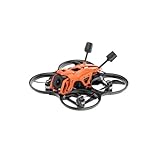
The DarkStar22 sits in the cinewhoop bracket at 127g, which is the middle rung between a whoop and a 5-inch. It is not a race drone, but it is a useful place to move when you want HD footage and prop guards without leaving the 1S to 2S battery world.
Video capture is 4K at 120fps with ultra-low latency, carried on a 20A all-in-one flight controller with integrated stabilization algorithms that owners credit for control in windy conditions. A vibration-minimizing reinforced camera mount keeps the footage usable.
The build is deliberately simple: a four-screw assembly with intuitive LED controls, a reinforced frame, a shockproof canopy and prop guards, with a box that includes props, guards and screws.
Where a cinewhoop helps a racer
Prop guards make it possible to practice tight lines and low passes near objects without ending the session, and the stabilization helps when the wind picks up. It is a reasonable way to keep flying on a day when the track conditions are poor for a bare-frame quad.
It is also a forgiving aircraft to fly casually, which makes it a good companion when you are not chasing lap times.
What to weigh before buying
With only three reviews, all five star, there is very little independent owner feedback, so the rating carries little evidentiary weight. The build is a 20A AIO quad with ELRS 2.4G, and it needs compatible FPV gear to fly at all.
Treat it as a trainer and camera platform rather than a competition entry, since MultiGP classes are defined by weight and prop size and this platform does not map to one.
How to Choose an FPV Racing Drone in 2026
Analog or digital video
Analog gives you lower latency, cheaper goggles and better penetration, which is why outdoor racers still run it. Digital systems such as the DJI O4 Air Unit Pro, HDZero and Walksnail give you a sharp 1080p or 4K feed, but they lock you into one brand of goggles and add a little latency.
The practical rule: race analog or HDZero, freestyle and film digital. The Avata 2 and the two O4 Pro quads in this list commit you to DJI goggles for years, so factor that in before buying.
Whoop, 3-inch or 5-inch
Size dictates everything. A 65mm 1S whoop is the first MultiGP class and the safest place to learn throttle control. A 75mm whoop adds speed and outdoor capability. A 2.2-inch cinewhoop gives HD footage with prop guards. A 5-inch quad is the true racing platform and needs 6S packs, tuning and a spotter discipline the smaller sizes do not.
Skip straight to 5-inch and you will break props, frames and confidence in one bad throttle punch. That advice is repeated constantly on r/fpv.
Frame geometry: deadcat versus true X
True-X frames put the motors at 90 degrees for maximum prop clearance and fast, consistent handling. Deadcat frames pull the front motors back for a tighter, more stable feel at the cost of some agility. Pure racers generally prefer true X or wide-X for gate clearance; freestyle and mixed use favours deadcat, which is what the MARK5 DC in this list is built around.
Motor KV and the 6S question
KV is RPM per volt, so it only means something alongside battery voltage. On 6S racing packs, the band most racers run sits around 2400 to 2600KV, with 2207.5 motors such as the 2450KV class common. Lower KV values like the 1960KV motors in the MARK5 suit 6S freestyle and longer mixed sessions rather than pure race pace.
On 1S whoops the numbers look wildly different, with 20000KV to 28000KV being the normal range, as on the Meteor75 Pro and the Air65 II here.
The receiver trap and what is not in the box
Bind-and-fly quads frequently arrive without a receiver, or with the wrong one. The Nazgul ECO XL5 here comes with a TBS Crossfire NANO receiver when most modern pilots run ExpressLRS, and the Curve Micro 16 comes with neither radio nor goggles. Check the box-contents line carefully before you order, and budget for an ELRS radio and a set of goggles regardless.
Spare parts and repairability
This is the practical criterion most roundups skip. Ask three questions: are arms and the canopy sold separately, are 1102 and 0802 motors available on their own, and is the camera cage a moulded part. The Air65 II comes with a spare canopy, the Meteor75 Pro arrives with spare props and a screwdriver, and the MARK5 has tool-free quick-release arms. That difference decides whether a bad crash costs an evening or a season.
Practice in a simulator first
Ten to twenty hours in Liftoff, Velocidrone or DRL Sim saves more money than any purchase decision. Simulators teach the split-S and power loop that no amount of reading will. Learn the track, learn the rates, then fly the real thing.
Flying legally in the USA
FPV drones are not illegal, but the FAA rules still apply. Over 250g requires registration, and any drone needs a TRUST certificate to fly. Beyond that, the line-of-sight rule applies unless you fly with a spotter who holds the visual observer position, which is why club and field racing matters for FPV specifically. Keep a spotter with you when racing outdoors.
Frequently Asked Questions
What is the best FPV drone for racing?
For a first racing drone, the BETAFPV Meteor75 Pro Matrix is the strongest all-round choice: it is the largest 1S whoop in this roundup, ships with two 1S batteries, a BT2.0 charger and spare props, and uses solder-free motor plugs so repairs need no iron. Absolute beginners should start one size smaller at the 65mm class, and competitive pilots move to a 5-inch quad such as the GEPRC Vapor-D5 once they have stick control.
Are FPV drones illegal in the USA?
No. FPV drones are legal in the United States, but the standard FAA rules apply to them like any other aircraft. Anything over 250g must be registered, every pilot needs a TRUST certificate, and you must maintain visual line of sight or fly with a visual spotter. That last rule is the one that shapes FPV racing, which is why organized clubs and MultiGP events matter so much.
How fast does a 5 inch FPV drone go?
Manufacturer top-speed claims for 5-inch quads are wildly inflated, and a GPS-verified test of this class produced roughly 92 mph rather than the advertised 150 MPH. For racing purposes the number that matters is lap time, not top speed, and pilots report lap-time gains of around 0.3 to 0.5 seconds on standard MultiGP layouts from a motor swap alone in the 2207.5 2450KV class.
Is analog FPV worth it in 2026?
Yes for racing. Analog video still delivers lower latency, cheaper goggles and better signal penetration, which is why outdoor gate racing still runs analog or HDZero. Where analog falls behind is image clarity and recorded footage, and pilots who convert to analog for band or bando flying usually do so specifically because of latency and penetration.
What size FPV drone should a beginner race?
Start with a 65mm 1S whoop, which is the entry class for indoor MultiGP-style racing. Experienced pilots on r/fpv consistently recommend the sub-250g whoop step first because the stick skills transfer directly upward and the repair cost is trivial. Move to a 75mm whoop once you are comfortable, then to a 3-inch or 5-inch bind-and-fly for outdoor gates.
The Verdict on the Best FPV Drones for Racing
The best FPV drones for racing in 2026 are not one drone but a ladder, and the mistake is skipping rungs. The EMAX Tiny Hawk RTF kit gets you flying through goggles in an afternoon. The BETAFPV Meteor75 Pro Matrix is the first one that feels like competition hardware, and the BETAFPV Air65 II is an inexpensive way to practise a 65mm class properly.
Once you have stick control outdoors, the GEPRC Vapor-D5 HD O4 Pro is the strongest 5-inch race platform in this roundup, and the GEPRC MARK5 O4 Pro DC is the one to buy if you fly freestyle and gates on the same batteries. Whichever you choose, buy a spare canopy, a pack of props and a simulator licence at the same time.