
There is a moment every boat owner knows. You crack the cabin hatch after a week of rain, and the smell hits you first — sour, musty, unmistakably like a locker that has been wet for too long. That smell is mold starting to grow on the headliner, and on a boat it never stays in one place. It moves into the wood trim, into the vinyl, into the bedding you sleep under for three weeks at a time.
The cause is simple physics. A closed cabin holds warm, wet air against a hull that is cooler than the air inside it. When that air touches a surface below its dew point, water forms on the metal, the glass, and the joinery. Ventilation helps on a dry day, but in a Florida summer or a Great Lakes October, the outside air is itself near saturation, so opening a hatch just brings more moisture in rather than carrying any out.
That is where the best dehumidifiers for boats come in, and it is where most buying guides go wrong. They list basement units and call it a day. A household compressor dehumidifier on a boat is a bucket waiting to spill, a compressor that quits in cold weather, and a power cord stretched across a cabin where a rolling hull makes it a trip hazard. We sorted through ten options against what a boat actually demands: corrosion tolerance, a power source you have on board, capacity that matches a real cabin volume, and a unit that survives being left running without supervision.
One category note before we get into the picks. Several of the most recommended devices on boating forums, including the Caframo Stor-Dry and the Davis Air-Dryr, are not dehumidifiers in the strict sense. They are convection air heaters that raise the temperature of the air slightly, which raises what the air can hold, which slows condensation. They work, and they are excellent in cool damp lockups. But they do not remove water from the air the way a compressor or thermo-electric unit does, and pretending otherwise is the fastest way to buy the wrong machine for a liveaboard cabin.
Table of Contents
Top 3 Picks for the Best Dehumidifiers for Boats in 2026

Better Boat 4 Pack Hanging Bags
- No power needed
- Unscented charcoal odor control
- Marine-grade
- 4 pack

Our number one pick is the passive one, and that surprises people who assume the answer is a machine with a compressor. For most boats in storage, the passive absorber is the correct starting point, and the Better Boat pack is the version of it with the highest rating and the largest review base we found. For a liveaboard sleeping in a humid cabin, the Davis Air-Dryr 1000 is the one we would install and forget.
All 10 Boat Dehumidifiers at a Glance in 2026
| Product | Specifications | Action |
|---|---|---|
| Better Boat 4 Pack Hanging Bags |
|
Check Latest Price |
 Davis Instruments Air-Dryr 1000 Davis Instruments Air-Dryr 1000 |
|
Check Latest Price |
 Ironwood Pacific Drywave 1000 Ironwood Pacific Drywave 1000 |
|
Check Latest Price |
 STAR BRITE No Damp STAR BRITE No Damp |
|
Check Latest Price |
| SEEKR by Caframo Stor-Dry 9406 |
|
Check Latest Price |
 Ivation IVADM10 Ivation IVADM10 |
|
Check Latest Price |
 Ivation IVADM35 Ivation IVADM35 |
|
Check Latest Price |
 Camco 44280 Camco 44280 |
|
Check Latest Price |
 Eva-Dry EDV-1100 Eva-Dry EDV-1100 |
|
Check Latest Price |
 TABYIK 35 OZ TABYIK 35 OZ |
|
Check Latest Price |
Why a Boat Cabin Gets So Damp
Water vapour is not a leak. It is always present in the air, and the amount it can hold depends entirely on temperature. Warm air can hold far more than cool air. When humid cabin air meets a cool hull panel, cool bulkhead, or window glass, the air cools, hits its dew point, and the excess has to go somewhere, so it condenses on the surface.
On land, a house breathes. Walls and foundations let some of that moisture escape. A boat cabin is a sealed box with a plastic shell, a fiberglass deck, and a lid, so nothing escapes. The moisture goes into soft furnishings and wood instead, and the result is the familiar set of symptoms: black speckling on the headliner, a musty smell in the forepeak, mustiness that returns within a week of a deep clean, and delamination or soft rot in joinery that stays damp far longer than the surface suggests.
The target most owners aim for sits between 40 and 60 percent relative humidity. Below 40 percent you start drying out timber and can open seams, so going lower is not the goal. Above 60 percent, mold, mildew, and corrosion of fittings and electronics become real problems. A cheap digital hygrometer, mounted at seating height in the main cabin and one in the v-berth, tells you in seconds whether you have a problem, and it is the single most useful purchase in this whole topic.
Ventilation still matters, and we are not going to pretend otherwise. Open the hatches and portlights when the outside air is drier than the inside, which in a dry climate or a cool morning is often the case. The problem is that in the climates where boats actually spend their lives — the tropics, the Gulf Coast, the shoulder season on the Great Lakes — the outside air is frequently at or above the humidity you are trying to escape from, and then ventilation stops being a solution and becomes an air exchange.
Do You Actually Need a Dehumidifier on a Boat?
The honest answer depends on whether the boat is stored or lived in, and on how tight the boat actually is. A reasonably well-sealed boat in a cool, dry climate may need nothing more than a couple of absorbers and a hatch cracked on dry days. A YBW member put it plainly: unless you live aboard, a compressor-driven dehumidifier is rarely the answer.
Here is the sequence we use. First, measure with a hygrometer rather than trusting your nose, because musty smells arrive well after the humidity problem starts. Second, close the boat up and check whether humidity climbs overnight with no windows open, which tells you the hull is collecting condensation internally. Third, only then choose a device sized to the space.
For liveaboards, the calculus changes completely. Sleeping in a cabin above 60 percent humidity affects sleep quality, sinuses, and stored bedding, and it is a long-term wood rot problem that gets expensive. If you are aboard for more than a few nights at a time, a quiet unit running continuously is worth the current draw. Several owners on CruisersForum and TrawlerForum describe their thermo-electric unit as the single change that made the boat liveable again, and say they would replace it immediately if it failed.
There is one more alternative worth naming honestly. Owners who run a blown-air diesel heater report dry heat leaving a cabin with no visible mould at all, and that approach does work well on a boat with a heater already installed. It is a different product with a different running cost, and it does nothing for a boat sitting unpowered in a storage yard, so it does not replace a dehumidifier in most cases.
1. Better Boat 4 Pack Moisture Absorber Hanging Bags – Zero Power, Full Coverage
4 Pack Moisture Absorber Hanging Bags, Boat Dehumidifier with Charcoal
Passive absorbent
Activated charcoal
4 bags of 8 oz
84 sq in each
Pros
- No power
- drain
- or refill routine
- Charcoal handles musty odors without fragrance
- Marine-grade formula built for boat and RV storage
- Four bags cover a cabin
- locker
- and heads at once
Cons
- Limited capacity means replacing bags once saturated
- Best in small enclosed areas rather than a whole cabin
Four hanging bags, each holding 8 fluid ounces of passive absorber with activated charcoal, and a shape you can hook anywhere with a screw eye or a cleat. There is no plug, no tank, and no moving part, which makes this the easiest thing on the list to install in a boat you rarely visit. Owners consistently report that the bags pull dampness and the associated smell out of enclosed spaces without any fragrance, which matters more on a boat than in a house.
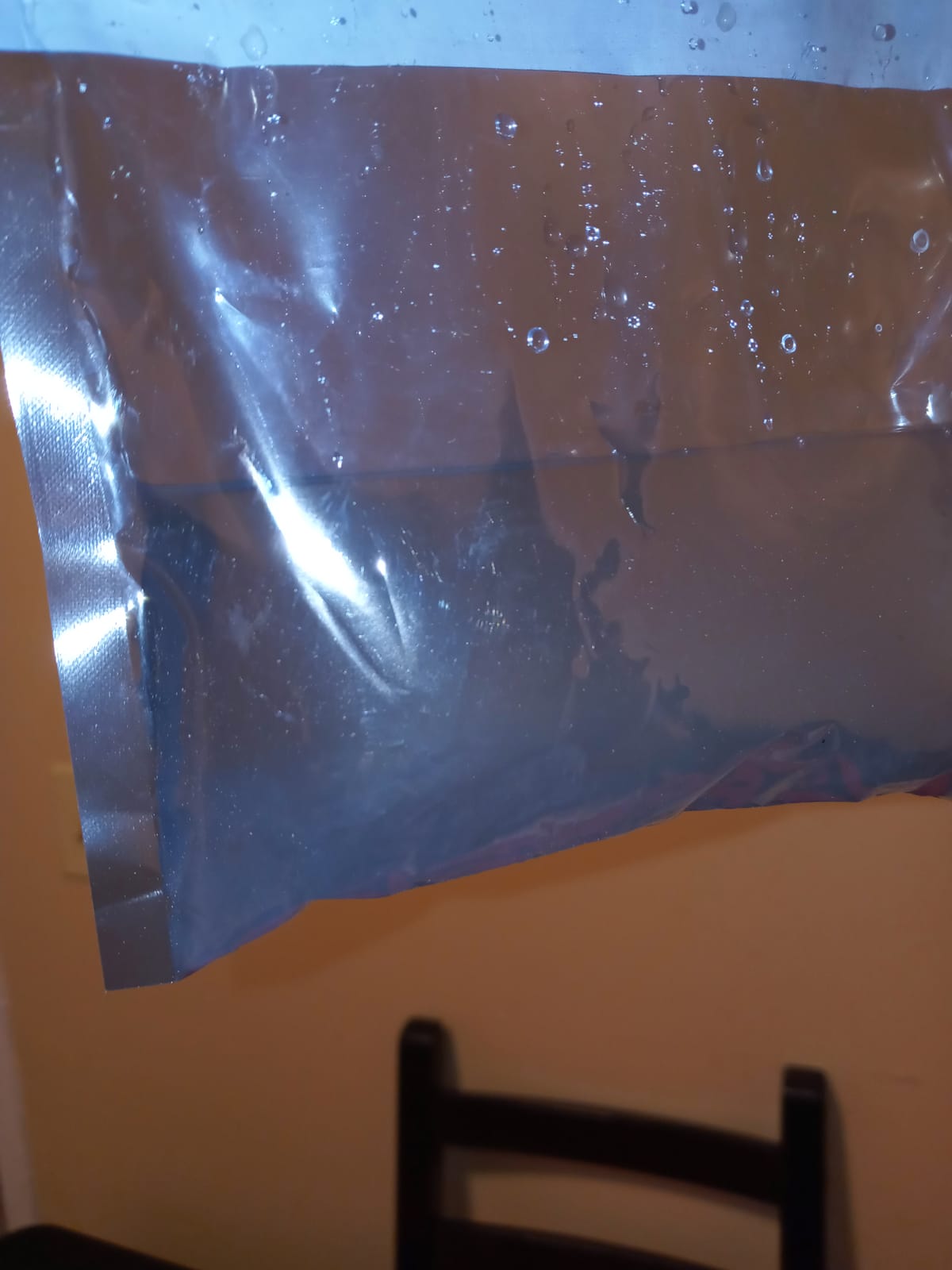
The honest limitation is physics, not manufacturing. A passive absorber is a sealed container of desiccant that slowly dissolves into the collected water, so its capacity is fixed and it must be replaced when it saturates. In a small enclosed locker that might take months. In a large open cabin in a tropical climate, it is not the tool for the job, and anyone selling you a passive bag as a liveaboard solution is overselling it.

What a full pack of bags actually covers
Each bag is rated at 84 square inches of floor area, but collection is not really about floor area, it is about the volume of still, enclosed air the bag can reach. Hung in a closed locker, a head, a dry storage compartment, or the v-berth, one bag does a credible job, and the 4-pack format exists because that is exactly the number of enclosed spaces a small boat has.
When a passive bag is the wrong answer
If your cabin reads above 60 percent humidity every morning, or if you are living aboard, a bag alone will not keep up. It is also wrong for a large open saloon, an engine room, or any space with active airflow, since constant air movement starves the absorber. And a boat visited only occasionally is a poor match, because a bag needs a human to notice it is saturated.
2. Davis Instruments Air-Dryr 1000 – The One You Can Leave Running for Months
Davis Instruments Air-Dryr 1000 Dryer
Convection air warmer
1000 sq ft rated
2.2 lb
Overheat protected
Pros
- No moving parts to wear during long unattended storage
- Very low current draw for 24 hour running
- Thermal cut-off switch for safety
- No water tank to empty
Cons
- Warms air rather than condensing water
- Large footprint for its output
- Best results when placed near what needs protecting
Be clear about what this is. The Air-Dryr 1000 is a 1000 square foot convection air dryer, not a compressor dehumidifier, and it will not fill a tank. It gently warms the air, and warmer air holds more moisture in suspension, which slows the rate at which condensation forms on cold surfaces. In a covered hull or a cool enclosed cabin, that is exactly the mechanism you want.
Boat, RV, and seasonal-home owners report that it clears dampness and musty smell from enclosed spaces, with several reviewers specifically noting how much faster a covered hull and its cover dried compared with passive air drying alone. Reviewers also like that there is no tank to empty, which matters when the boat is not being visited, and the listing carries overheat protection alongside its marine-use designation.
Why the no-moving-parts design matters on a boat
A compressor, a fan bearing, and a float switch are all failure points. This unit has a thermal cut-off switch, a convection loop, and nothing else, which is why it is specified for 24 hour a day operation and marked as safe for marine use. In a storage yard for a season, that is the most valuable property a device can have, and the very low current draw means a small solar charge or modest shore supply covers a long unattended run.
Where it falls short of a real dehumidifier
In a large, open, or very humid space, warming air is far less aggressive than condensing it out, so if your goal is to pull litres of water from a liveaboard cabin this is the wrong tool. It also has a larger footprint than its output suggests, works best when positioned near the specific items you are protecting with doors and hatches open, and adds gentle heat that is pleasant in a cool cabin and unhelpful in a hot one.
3. Ironwood Pacific Drywave 1000 – Gentle Heat for Cool Damp Lockups
Ironwood Pacific Drywave 1000 Air Dryer
Convection air warmer
120 watts
Up to 1000 cubic feet
2.5 lb
Pros
- Designed for boats
- RVs and cabins in cool damp climates
- No moving parts means long unattended run times
- 120 watt draw suits continuous shore power operation
- Thermal cut-off for unattended use
Cons
- Warms air rather than extracting water
- Adds noticeable gentle heat to the space
- Intended for enclosed spaces up to about 1000 cubic feet
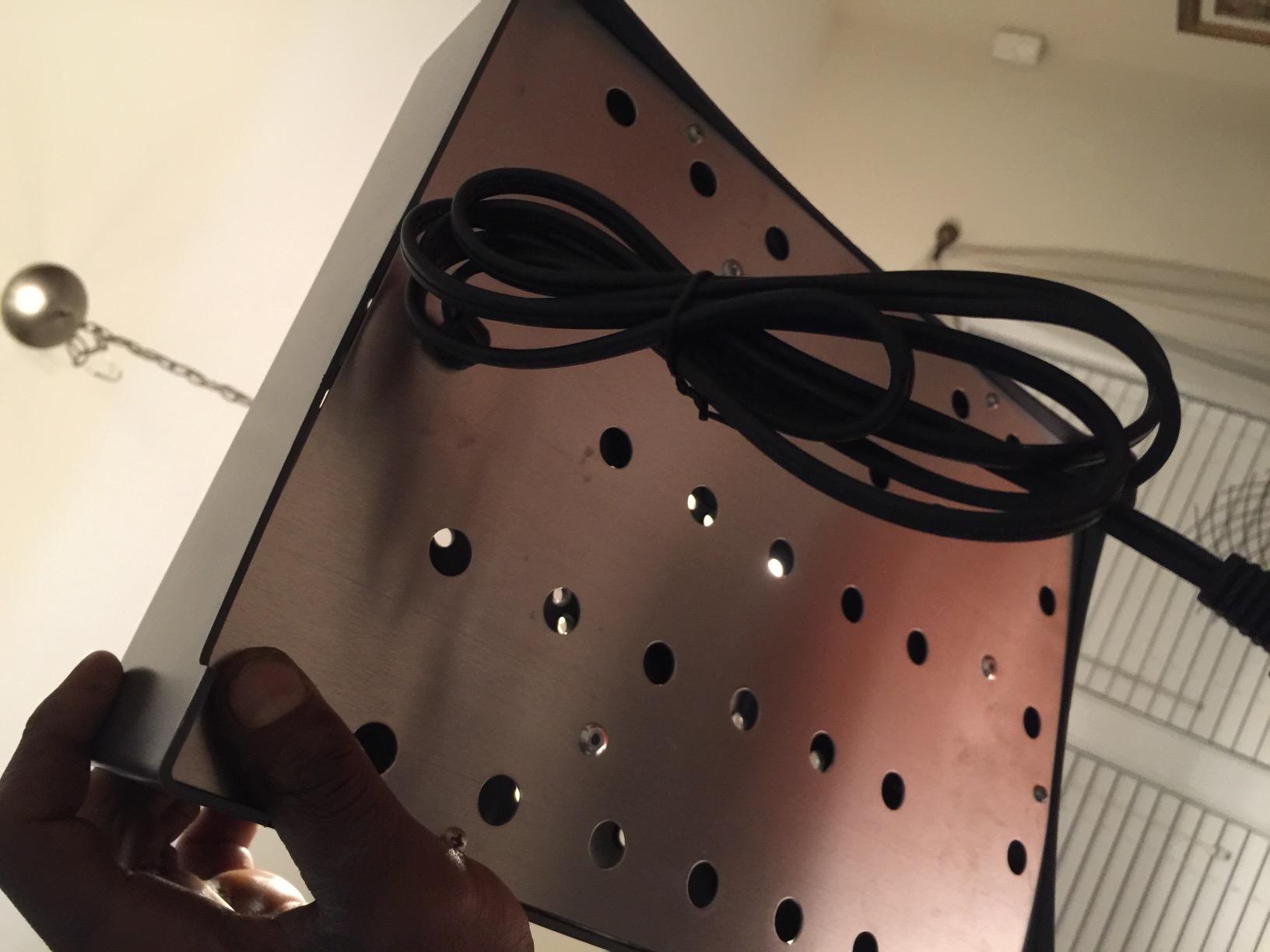
This is the closest sibling to the Davis unit on our list, and the comparison is worth making directly. The Drywave 1000 is specified for enclosed spaces up to 1000 cubic feet, draws 120 watts, uses natural convection with no moving parts, and carries a two-year warranty. It is built by a company whose stated purpose is boats, RVs, and cabins in cool damp climates rather than general home dehumidification, and buyers cite it as an effective way to prevent condensation in enclosed marine spaces.
Drywave 1000 versus Air-Dryr 1000
Both are convection devices with no moving parts, both are rated around 1000 cubic feet of space, and both have thermal cut-off protection. The Air-Dryr is rated by floor area, while the Drywave is rated by cubic volume, draws somewhat more power at 120 watts, and comes with a stated two-year warranty and US manufacture. If you are covering a whole cabin rather than a single enclosed compartment, the volume rating is the more useful number.
Where the heated-air approach stops helping
In a warm, humid liveaboard cabin, adding heat works against you. The Drywave is designed for cool damp conditions, and its own specifications frame the limit: enclosed spaces up to about 1000 cubic feet. Beyond that, or in warm conditions, you want a device that actually condenses.
4. STAR BRITE No Damp – Refillable Absorber for Lockers and Heads
STAR BRITE No Damp Moisture Absorber & Dehumidifier
Passive crystals
16 oz tank
100 sq ft rated
Refillable container
Pros
- No power required
- ideal for long-term storage
- Refillable container cuts ongoing cost
- Protects against musty odors and corrosion
Cons
- Absorption rate is slow compared with powered units
- Needs manual emptying and periodic refilling of the pellets
Star Brite built this one for the marine context specifically, and the listing is explicit that it is ideal for stored boats, RVs, cabins, heads, and lockers. The container is refillable and reusable, moisture deposits safely inside without overflow, and it comes in 12, 16, and 36 ounce sizes so you can match capacity to the space. Owners note that the crystals collect noticeable moisture, reduce musty smells, and protect against humidity stains and corrosion.
Why refillable beats disposable in a storage locker
A disposable absorber is replaced entirely when it saturates, container included. A refillable one keeps the shell and renews only the absorbant, which reduces waste and gives you a consistent, known capacity. In a locker you check four times a year, predictability is worth more than convenience, and matching size to space is straightforward: the 16 ounce version covers around 100 square feet, which lines up with a small locker, a head compartment, or a cabin locker on a modest boat.
Where a passive absorber cannot compete
The absorption rate is slow, and slow by design. If you are living aboard, if the space has significant airflow, or if you need humidity down in days rather than months, this will not get you there, and it does nothing about the underlying condensation problem on cold surfaces. Some owners report collecting less than expected, so treat it as a slow, cheap first layer rather than a solution.
5. SEEKR by Caframo Stor-Dry 9406 – Corrosion-Proof Warm Air Circulator
SEEKR by Caframo Stor-Dry 9406 110V Warm Air Circulator & Dehumidifier – 75W
Aluminum housing
70 watts
110V AC
1000 cu ft per hour airflow
Pros
- Corrosion-proof metal body suits damp marine and storage environments
- Silent operation with a low 70 watt draw for unattended storage
- Handles 1000 cubic feet per hour of warm air circulation
- Two-year warranty
Cons
- Warm air circulation is less effective than compressor dehumidification in larger spaces
- Requires access to 110V power while in storage
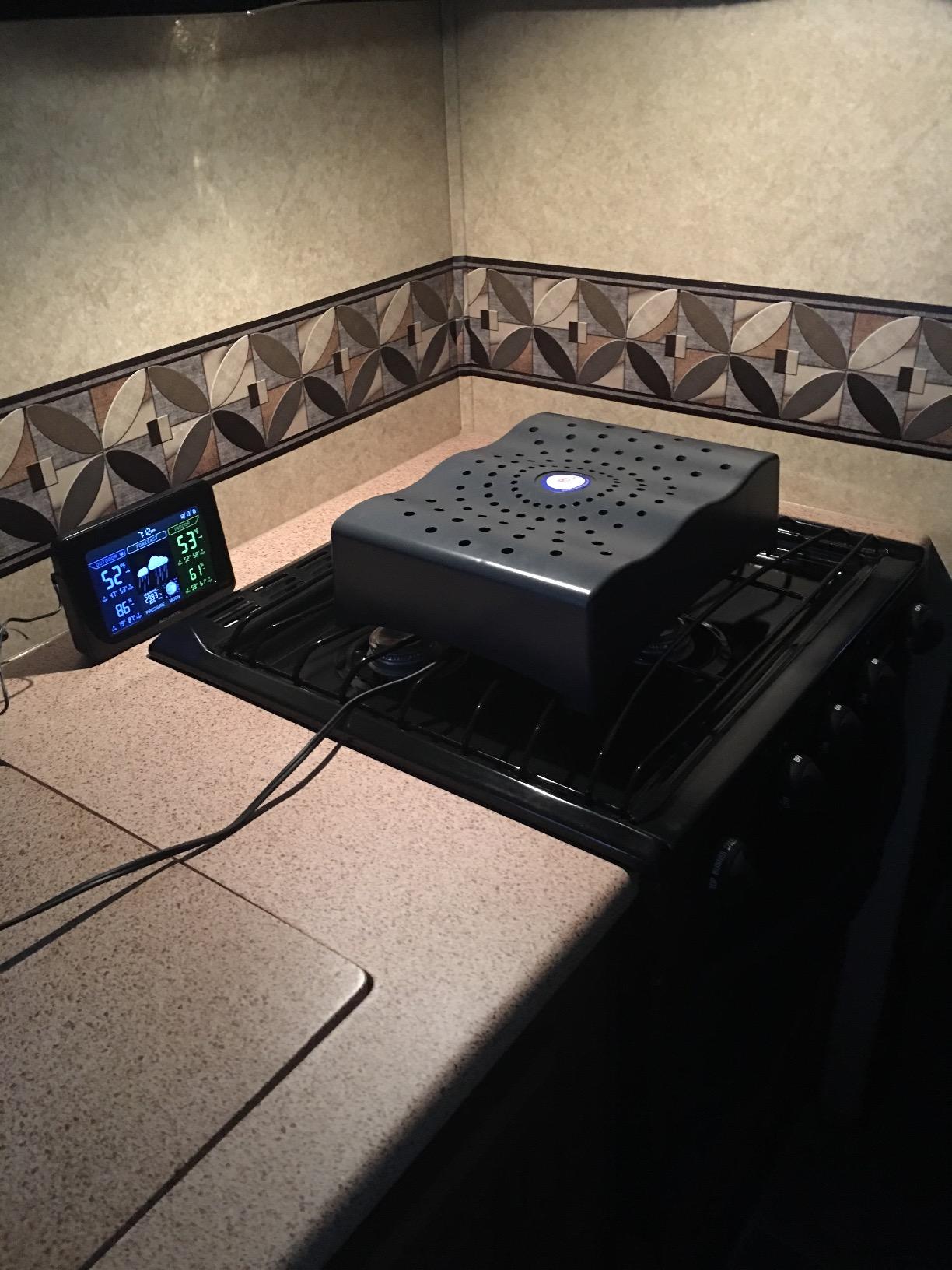
The Stor-Dry 9406 is the one owners credit specifically for its corrosion-resistant construction, quiet running, and low power draw, and the aluminium housing is the detail that matters most in a salty, damp environment where plastic housings eventually go chalky and brittle. It circulates 1000 cubic feet of air per hour, runs on 110V AC, draws 70 watts, and carries a two-year warranty, and owners use it in hulls, cabins, and storage lockers to control condensation quietly for months.
When a convection circulator is exactly right
There is a class of boat where this device is the correct answer on its own: enclosed, cool, consistently damp, and not lived in. That describes a lot of boats in winter storage in the northern states and a lot of dry storage lockers in the tropics, where the problem is condensation forming on cool surfaces and gently raising air temperature directly attacks that mechanism. The 110V requirement is the real constraint: a boat in a yard with no power needs an inverter, a battery, or a solar supply.
Why it is not the answer for a liveaboard
Warm air circulation is a slower, gentler mechanism than condensing water out, and in a large or very humid living space it will not keep the cabin inside your target range. Multiple reviewers make the point plainly that it is less effective than compressor dehumidification in larger or very damp spaces, so treat it as a storage tool. The aluminium housing is also heavier and larger than a plastic passive unit, so it needs a flat, stable surface to sit on securely.
6. Ivation IVADM10 – Compact Peltier Unit for Small Cabins
Ivation IVADM10 Powerful Small-Size Thermo-Electric Dehumidifier – for Smaller Room, Cupboard, Basement, Attic, Stored Boat, RV, Antique Car,White
Thermo-electric Peltier
6 pints per day
17 oz tank
13.5 watts
Pros
- Small enough for boat cabins
- lockers
- cupboards and classic cars
- No moving parts means quiet running and long unattended use
- Removable tank with washable filter and tank-full indicator
- Draws only 13.5 watts
Cons
- Collects less water than compressor models in the same footprint
- Performance drops in cold conditions and very low humidity
- 17 oz tank needs frequent emptying in damp spaces
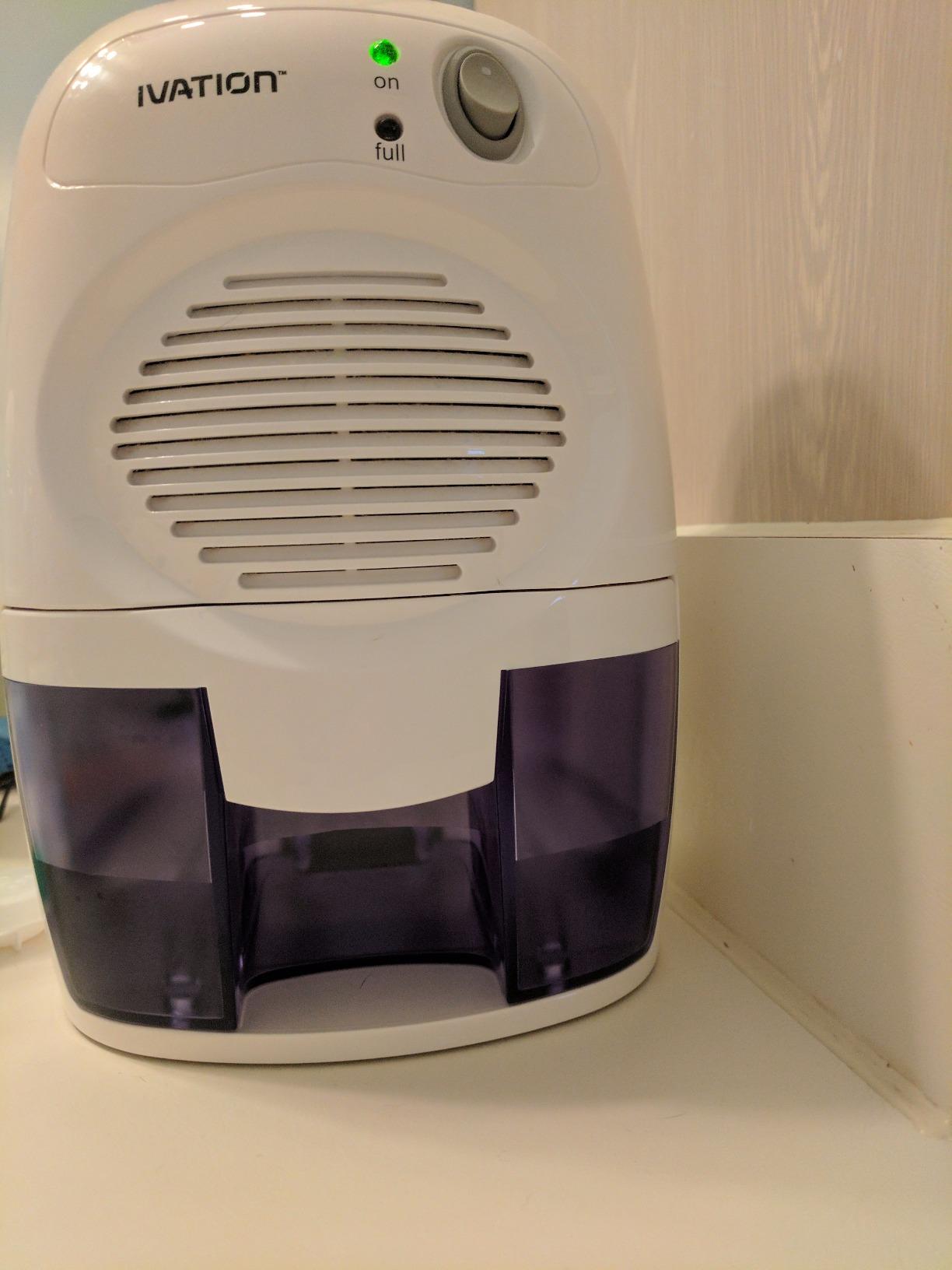
This is a genuine dehumidifier, not an air warmer. The IVADM10 uses a thermo-electric Peltier module with no moving parts to cool a surface below the air’s dew point, so condensation forms and drips into a removable 17 ounce tank. Rated at 6 pints per day and 1100 square feet, it draws only 13.5 watts. Buyers find it well suited to small enclosed areas like boat cabins, RVs, and storage cabinets, and the washable air filter and tank-full indicator with automatic shut-off are the details that matter when you are not standing next to it.
Why thermo-electric suits a sleeping cabin
The whole design goal of a Peltier dehumidifier is low noise and no wear. There is no compressor cycle to hear, no fan bearing to seize after eighteen months, and the 13.5 watt draw means you can run it off a small bank or an inverter without planning around it. For a cabin where someone is trying to sleep, that is a genuinely different proposition from a compressor unit, and it is the same reasoning that makes Eva-Dry peltier units the most frequently recommended name on cruising forums. At 5.1 by 6.1 by 8.7 inches, it also disappears into a locker or behind a bulkhead where a household unit would never fit.
What thermo-electric costs you in output
Thermo-electric units collect less water than compressor models of the same footprint, and 6 pints per day is a peak figure measured in favourable conditions. Reviewers consistently describe real-world collection as modest and best suited to low-volume spaces, which matches the design intent. Cold conditions and very low humidity both reduce output, and the 17 ounce tank needs frequent emptying in genuinely damp spaces.
7. Ivation IVADM35 – More Collection for Bigger Compartments
Ivation IVADM35 Powerful Mid-Size Thermo-Electric Dehumidifier – Quietly Gathers Up to 20 Ounces of Water Per Day – for Bath Room, Basement, Attic, Boats, Rv Ect – for Spaces Up to 2,200 Cubic Feet
Thermo-electric Peltier
20 pints per day
68 oz tank
12 watts
Pros
- Higher water collection than smaller thermo-electric units
- Silent operation with no moving parts suits cabins and berths
- Compact enough for a boat cabin or small basement
- Only 12 watts
- so it is cheap to run continuously
Cons
- Thermo-electric performance drops sharply in cold temperatures
- Rated maximum is at 86 degrees F
- Some owners report less collection than the advertised peak rate
Step up one size and the tank jumps from 17 ounces to 68 ounces while the power draw actually drops to 12 watts. The IVADM35 is rated at 20 pints per day across spaces up to roughly 2,200 cubic feet, which puts it into a different conversation from the small unit: this is the one to consider for a main cabin rather than a locker. Reviewers describe it as a quiet, compact mid-size unit, and at 4.9 pounds it is still small enough to move between cabins.
When the larger tank earns its extra size
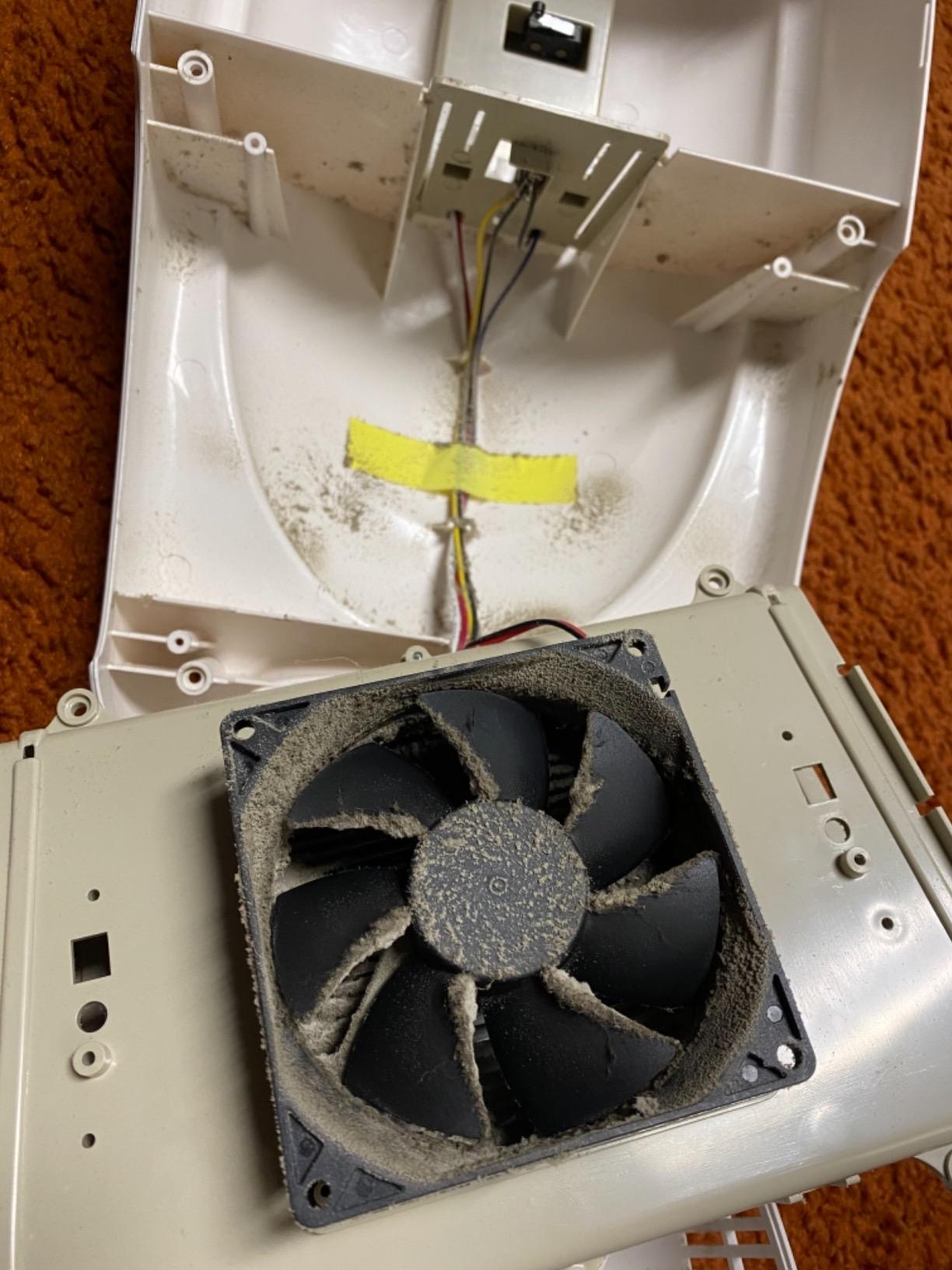
Emptying frequency is the deciding factor. A 17 ounce tank in a damp cabin might need attention every day or two, which quietly assumes someone is there to do it, whereas a 68 ounce tank stretches that considerably. That is what makes this model workable as a set-and-forget device, and the automatic shut-off at capacity with an indicator light means it will not simply overflow if you are late.
Where the mid-size Peltier unit disappoints
The cold temperature limit is the one to plan around. The rated maximum applies at 86 degrees F, and reviewers note that thermo-electric performance drops sharply below that, with actual collection varying by temperature and humidity. Some also report collecting less than the advertised peak rate in real conditions, which is a function of the technology rather than a defect. For consistent litres per day in a large wet space, a compressor unit is the technology you want.
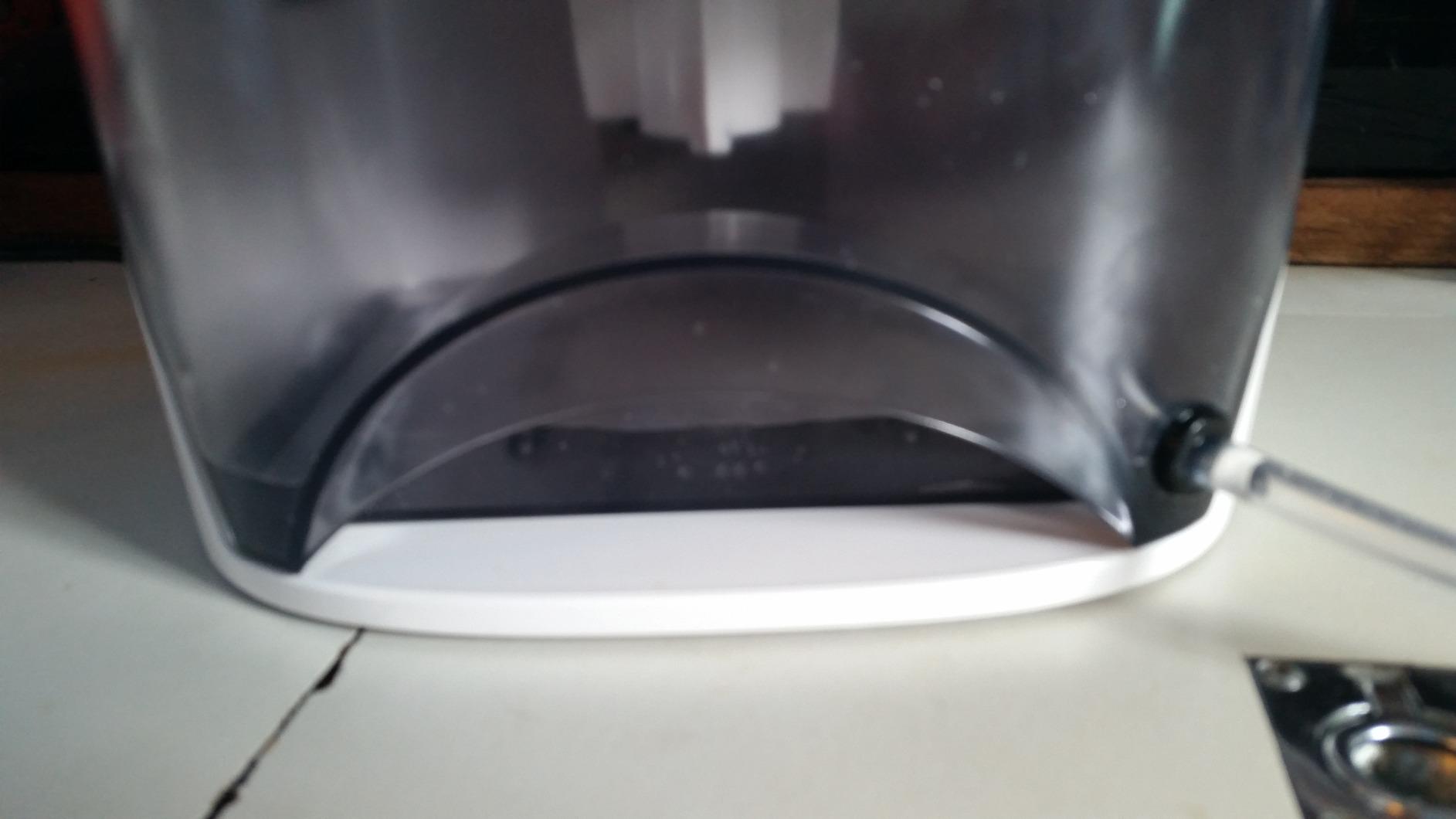
8. Camco 44280 – Refillable Absorber for Lockers and Dock Boxes
Camco Dehumidifier Moisture Absorber – Absorbs Up to 3x Its Weight in Water, Reduces Moisture and Humidity in Offices, Closets, Bathrooms, Kitchens, Boats, RVs and More – Refillable (44280)
Passive absorber
Absorbs 3x its weight
Refillable
100 sq ft rated
Pros
- Absorbs up to three times its own weight in water
- Refillable container can be reused indefinitely with refill bags
- Easy and safe to empty
- Light scent keeps enclosed spaces smelling fresh
Cons
- Some owners report collecting less than the advertised rate
- Scented beads may be unwanted in a confined boat cabin
- Small capacity means frequent emptying in very humid conditions
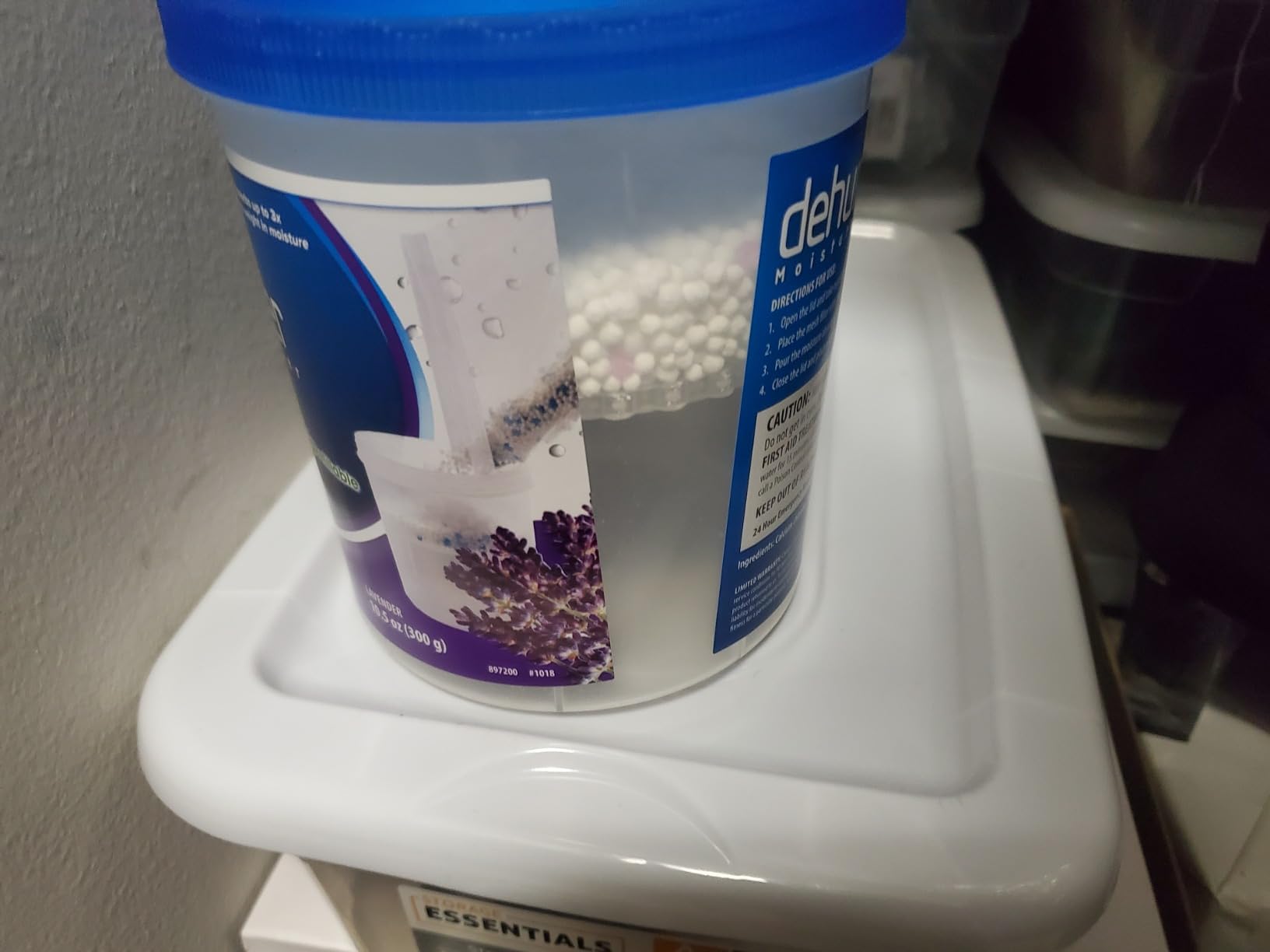
Camco makes this for closets, bathrooms, RVs, and boats, and it is the entry-level durable option here. The unit absorbs up to three times its own weight in water, empties easily and safely, and refills with a dedicated 42 ounce refill bag so the container never has to be replaced. At 4.67 by 4.08 by 4.08 inches it fits anywhere, including dock boxes and rod lockers.
Reviewers use it in closets, bathrooms, RVs, and other confined areas and find it noticeably reduces dampness and musty smell, though a minority report minimal water collection compared with competing passive absorbers.
Why a refillable passive unit makes sense for boat lockers
The container is the durable part and the fill is the consumable, so the ongoing cost is a refill bag rather than a whole new unit. For the places on a boat where moisture problems start — rod lockers, sail lockers, dock boxes, bedding compartments — that is an attractive ratio over a season of storage. It is also completely indifferent to power, with no supply to run, no cord to route, and nothing to secure against a rolling hull.
The scent question and the capacity question
Two honest drawbacks. The fragrance beads are lavender scented, and a scented cabin or head compartment is not something everyone wants to sit with. And several owners report collecting less water than the advertised three-times-weight figure, particularly in high humidity, so a single unit may not keep a larger space in range on its own. If the scent is a dealbreaker, the unscented options on this list fit better.
9. Eva-Dry EDV-1100 – 33 dB and Auto Restart for Small Living Spaces
Eva-Dry EDV-1100 Whisper-quiet 16 OZ Dehumidifier with Auto Shut Off and Restart for small spaces in your Home, RV, Automobile, and Storage up to 122 sq. ft
Thermo-electric
33 dB measured
16 oz tank
Auto shut-off and restart
Pros
- Very quiet at a measured 33 dB for cabins and sleeping spaces
- Auto shut-off and auto restart after power interruptions suit unattended storage
- Compact body fits small lockers and compartments
- Easy tank removal and plug-and-play setup
Cons
- 16 oz reservoir needs emptying every one to two days when humid
- Modest extraction rate means several may be needed for larger spaces
- No drain hose option
- Some earlier units failed when the AC adapter died
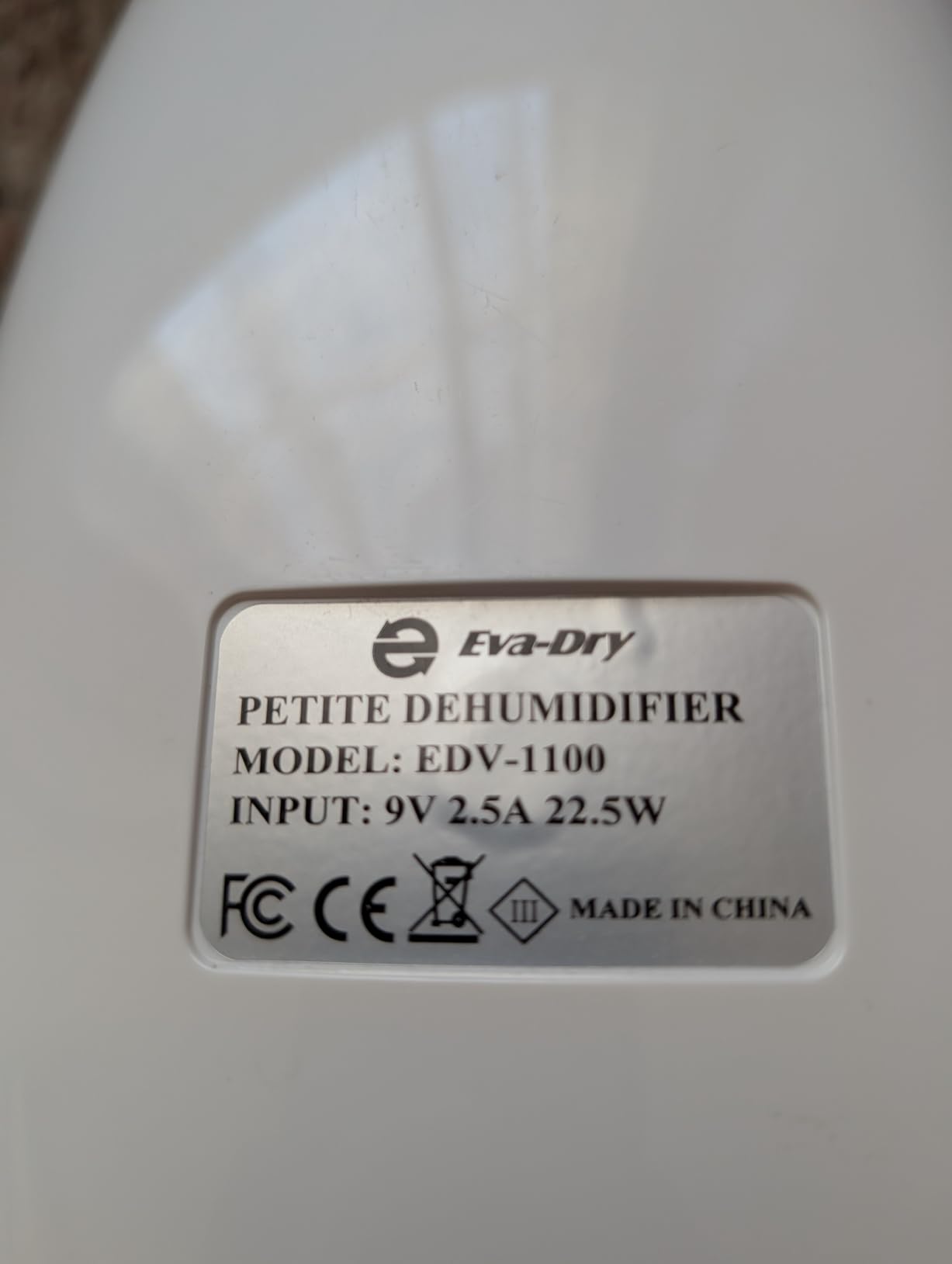
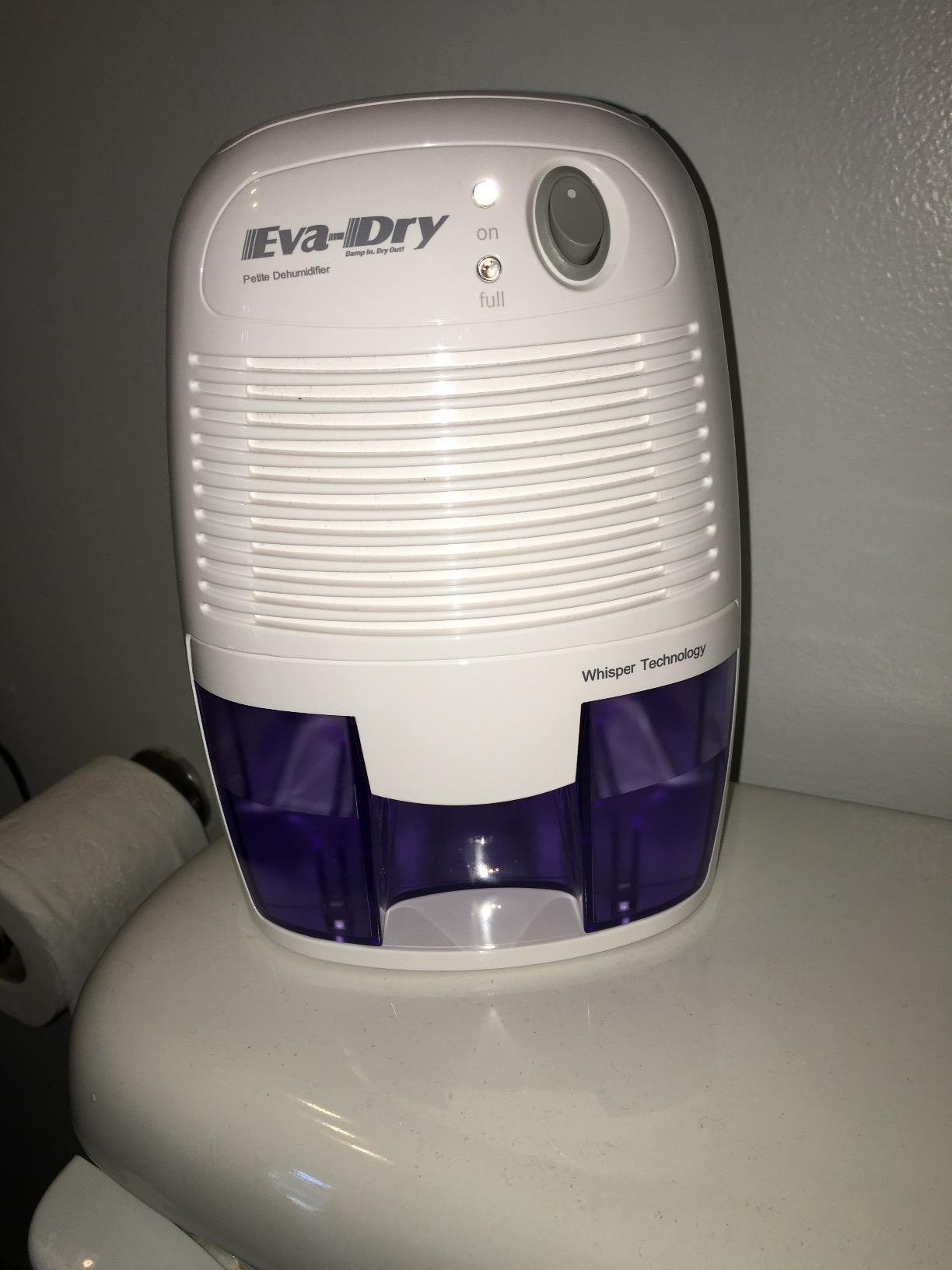
The most heavily reviewed product in this roundup by a wide margin, and the one name that comes up again and again in liveaboard discussions. The EDV-1100 is a thermo-electric unit rated at 0.23 litres per day, with a measured noise output of 33 dB against an average of 53.2 dB for thermo-electric dehumidifiers generally. That number is the reason it appears on so many cruiser berths, because it is close to the noise floor of a quiet cabin at night.
It also auto shuts off with a yellow full light and auto restarts after a power interruption, which is a small feature with large consequences for unattended storage: a boat that loses power and never resumes drying is a boat that comes back damp. Owners across thousands of reviews report units working reliably for years, though a minority find water collection too slow for persistently damp areas.
What 33 dB actually changes on a boat
At 33 dB this device is closer to a soft fan than to an appliance, and it is the quietest figure we can point to with a measured number behind it. A liveaboard trying to sleep cannot ignore a compressor cycling in the cabin, and the difference between roughly 33 dB and roughly 53 dB is the difference between a machine you stop noticing and one you cannot. The auto restart matters more on a boat than in a house, because a unit that does not resume after a power interruption has silently stopped protecting the boat.
The limits you should plan around
The 16 ounce reservoir needs emptying every one to two days in humid conditions, and there is no drain hose option, so that is manual work for as long as you are aboard. The manufacturer also states it is not recommended below 50 degrees F, below 50 percent relative humidity, or in spaces larger than 122 square feet, which is a narrow envelope. The extraction rate is modest, so a larger or wetter space realistically needs more than one unit.
10. TABYIK 35 OZ Peltier – A 28 dB Powered Unit With a Weekly Tank
TABYIK 35 OZ Dehumidifier for Bedroom RV, Quiet with Auto Shut Off, Grey
Peltier thermo-electric
28 dB
1000 ml tank
40 watts
Pros
- Very quiet at 28 dB
- suitable for sleeping quarters
- Large 1000 ml transparent tank with grooved base for easy cleaning
- Removable washable air filter
- Compact body with built-in handle
Cons
- Power supply or durability failures after a few months are reported
- Modest removal rate best suited to small enclosed spaces
- No physical on/off button
- The colour light is unnecessary for some users
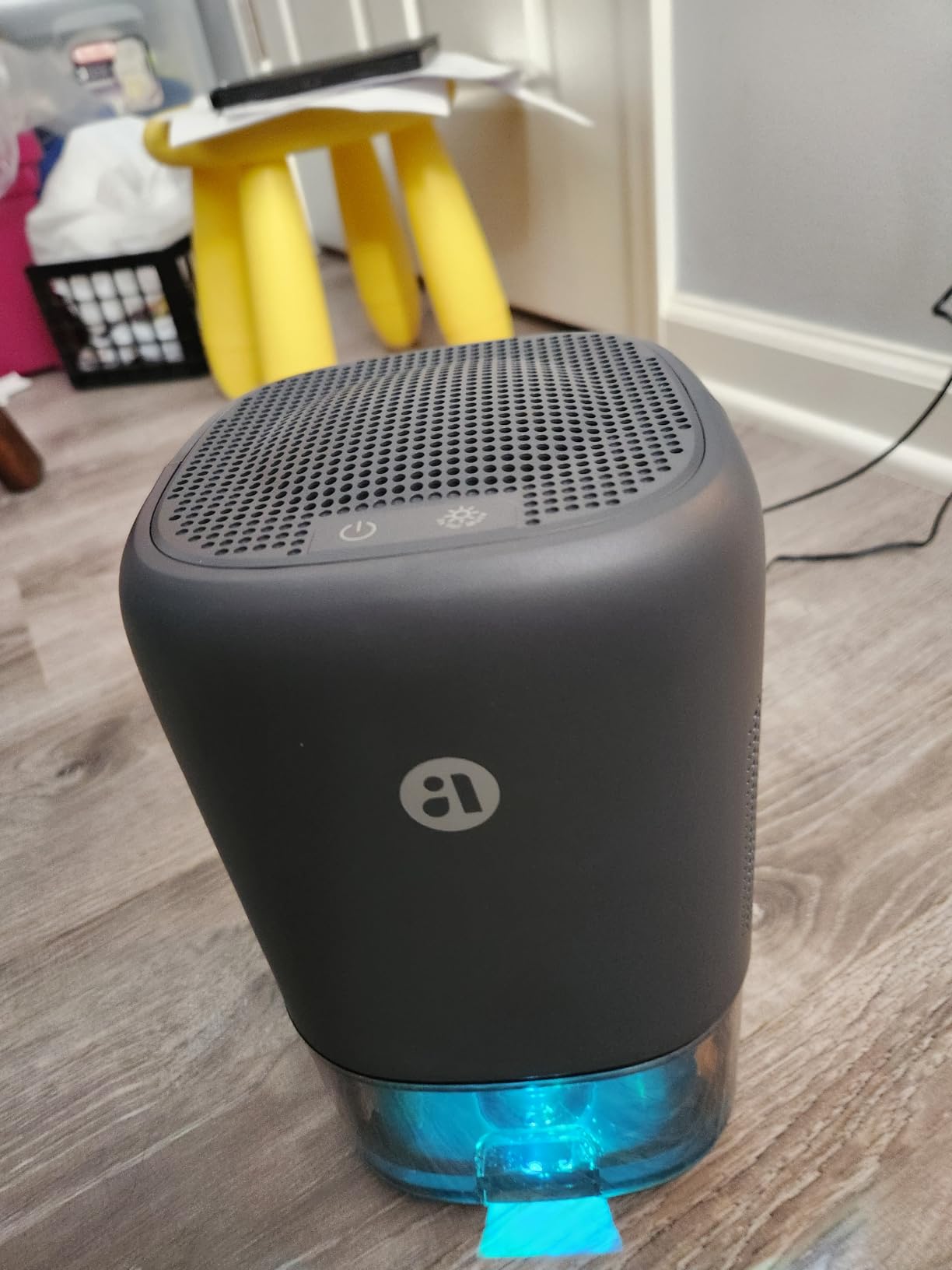
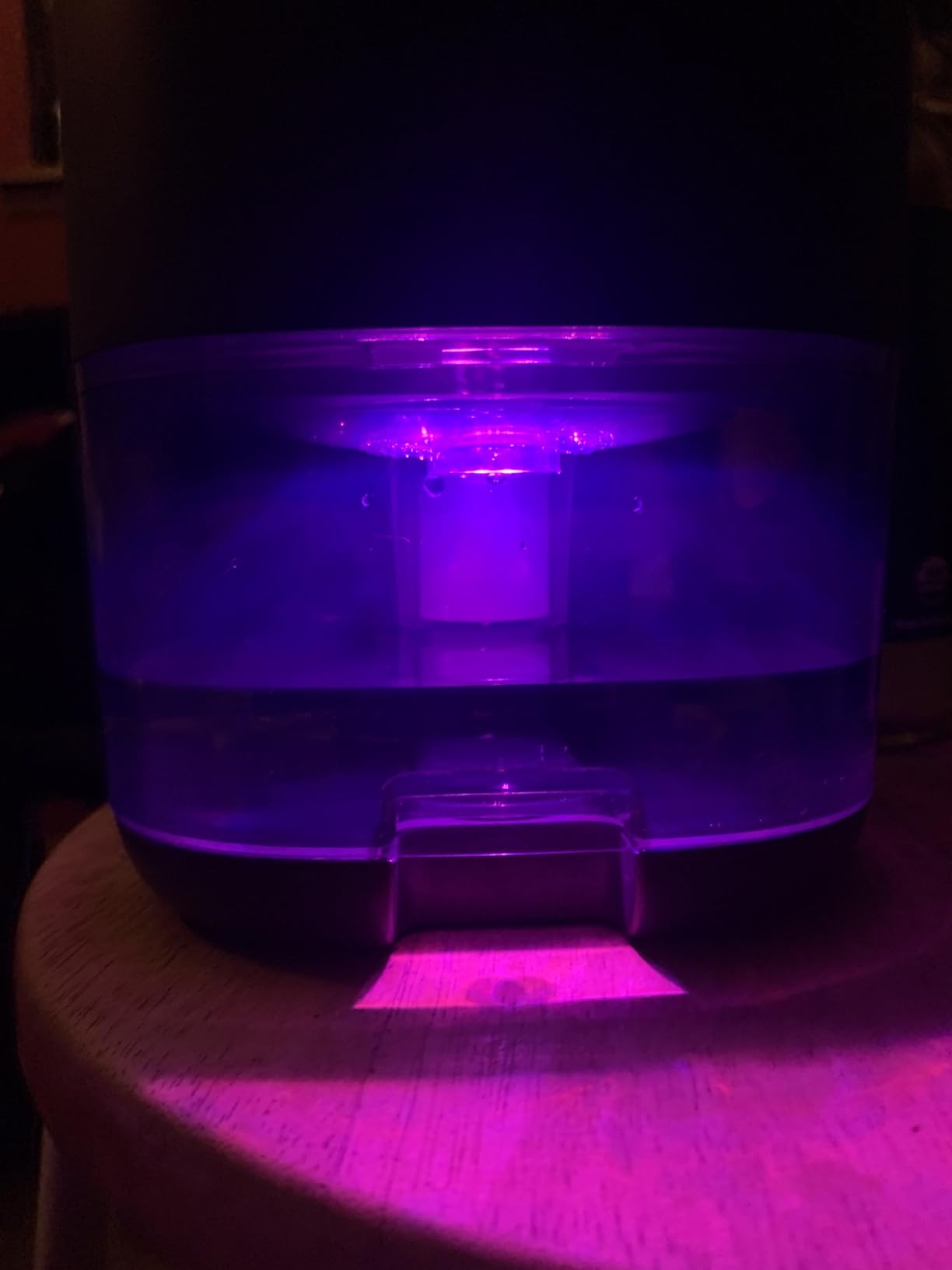
At 28 dB this publishes a lower noise figure than anything else here, and the 1000 ml transparent tank with a grooved base is unusually well thought out for the emptying chore. It collects up to 16 ounces in 24 hours at 86 degrees F and 80 percent relative humidity, shuts off automatically at 700 to 800 ml with a red flashing indicator, and uses no more than 1 kWh per day.
Camper and RV owners find it surprisingly capable for its size, typically emptying the tank about once a week and effectively removing window and closet condensation. The removable air filter, the compact 5.9 by 5.9 by 10.1 inch body, and the built-in handle all make it easy to move between compartments, which is useful on a boat where you may want it in the v-berth one week and the main cabin the next.
How the 28 dB specification compares
This sits below the Eva-Dry’s measured 33 dB, and both are well under the 53.2 dB average quoted for thermo-electric dehumidifiers as a category. For a berth or forepeak where you sleep, that difference is worth having. The trade-off is wattage at 40 watts against 22 watts, so it costs more to run continuously for the same amount of quiet, and the weekly emptying interval owners report is still a meaningful improvement over daily attention.
Where durability questions come up
The recurring criticism is durability. A minority report units that stopped extracting water after a few months, or power supply failures, and several note the absence of any physical on/off control. That last point has a practical consequence: without a physical switch you cannot pair it with a smart plug schedule, so the running pattern is fixed at continuous operation. The two-year manufacturer warranty is the mitigator, and the key is buying a unit with that cover intact rather than a discounted unit of uncertain age.
12V DC vs 110V AC vs Passive: Choosing a Power Source
Power source is the decision that constrains everything else, and it is the one most boat-specific. A unit that needs 110V AC is fine if the boat is plugged in at a marina or a yard with power. It is useless for a boat sitting in a field, at a mooring with no hookup, or in a winter yard where running an extension lead across a lot is both impractical and a risk.
Marine 12V DC would be the natural answer, and it is worth being straight about the market: genuinely boat-rated 12V dehumidifiers remain scarce, and this is the single most common complaint in cruising forums. What people actually do is run a small household unit from a deep-cycle battery and inverter, or use a device that draws so little power that the charging burden is trivial. The 12 watt and 13.5 watt thermo-electric units on this list fall into that last category.
Passive units sidestep the question entirely, which is why they remain the default recommendation for stored boats. If you need to compare quiet, compact consumer dehumidifiers on a smaller scale, our bedroom dehumidifier guide covers the noise and footprint side in more depth.
One rule worth stating plainly: avoid extension cords strung across a cabin. They are a trip hazard in a moving vessel and a fire risk, and a thread on a forum about whether insurers treat unattended electric dehumidifiers as a hazard makes the same point from the other direction. A permanently wired 12V supply or a secured battery setup is the safer version of the same idea.
How Many Pints Per Day Does Your Boat Need?
Sizing starts with volume, not with marketing. Measure the cabin, locker, or compartment you intend to treat, in cubic feet. Our general dehumidifier guide for larger rooms covers the arithmetic in more general terms, but the marine version is simpler because the spaces are small.
For a boat, most people are choosing between three tiers. Under about 100 cubic feet, which covers lockers, heads, and a small forepeak, a passive absorber is genuinely sufficient. Between roughly 100 and 1,000 cubic feet, a typical main cabin, you want a thermo-electric unit and the tank size becomes the deciding factor. Above that, or in a large open saloon, you are into territory where a compressor unit is the right technology.
Two adjustments matter for boats. The volume you should use is the enclosed, still volume, not the whole boat, because air outside the cabin is not the air you are trying to change. And cold surfaces absorb the effect of a small unit, so a cabin with a lot of steel and glass in a cool environment needs more capacity than the volume alone suggests. Finally, check the operating envelope: the Eva-Dry is not recommended below 50 degrees F or in spaces larger than 122 square feet, and the Ivation units are rated at 86 degrees F with thermo-electric output falling away below that.
Where to Put a Dehumidifier on a Boat
Placement does more for results than most people expect. A unit sitting in the middle of a large cabin is working on the same air as the unit in the corner, so put it where the moisture is. The corner where three surfaces meet, the headliner seam, and the base of a bulkhead in contact with the hull are the first places to look when you trace where damp is actually appearing.
For passive absorbers, hook them into enclosed, still volumes: lockers, heads, a dry compartment behind a bulkhead, the v-berth, and the dock box. Avoid open cockpits where airflow starves the absorber. If you are protecting bedding and clothing, that is a locker and a cabin problem rather than a saloon problem, and treating the right two spaces beats treating the whole boat badly.
For powered units, ventilation matters as much as position. An air inlet blocked against a bulkhead will do almost nothing, and a unit in an open saloon cannot dehumidify a closed forepeak next to it. Closing hatches and a cabin sole, then running the unit inside that sealed volume, is the technique that gets the most out of the smallest machine. Once the space is controlled, secure the unit so it cannot slide or tip as the boat rolls — spilled water or pellets in a locker is the failure mode several owners warn about.
If you are also planning how to run and secure gear through a season, our guide to storing small boats and equipment covers the general storage discipline that pairs well with a dehumidifier.
Running a Dehumidifier Unattended on a Boat
Unattended running is the normal case, and it is where product selection actually matters. Look for three things: a thermal cut-off or overheat protection, automatic shut-off when the tank is full, and automatic restart after a power interruption. Every powered unit on this list except the passive ones has at least two of the three, and the Davis Air-Dryr and Ironwood Drywave are built around overheat protection and continuous duty specifically.
Then remove the two things that cause unattended failures. Extension cords across a cabin are the first, because they are a trip hazard and a fire risk on a boat that moves. A secured, low-level supply or a battery-backed setup is the fix. The second is drainage: every tank-based unit in this roundup has a removable tank and no drain hose option, so somebody has to empty it. If the boat will be unvisited for a season, plan the tank capacity around the length of the gap or accept that a passive setup is the honest answer.
Tip-over is the third. A unit that is free to slide on a wet locker sole will eventually be on its side, so secure it. And check the insurance position for your own boat before leaving anything electric running unattended for months, because coverage terms differ and the question gets asked often enough that it is worth a direct answer from your provider rather than an assumption.
Frequently Asked Questions
What is the best dehumidifier for a boat?
For a boat in storage, the best choice is usually a passive hanging absorber pack plus a convection air circulator, because both run unattended for months with no water to empty. For a liveaboard, a quiet thermo-electric unit in the low-30s dB range is the better pick, since it condenses water out of the cabin air without compressor noise. Match capacity to enclosed volume and respect the unit’s temperature limits.
What is the best moisture absorber for boats?
A refillable passive absorber is the best moisture absorber for boats. Refillable containers such as the Star Brite No Damp or the Camco 44280 keep the durable shell and only replace the absorbing fill, which makes them cheaper over a full storage season. Hang them in enclosed spaces such as lockers, heads, the v-berth, and dock boxes, and replace or refill once saturated.
What is the best way to dehumidify a boat?
Measure first with a cheap hygrometer and target 40 to 60 percent relative humidity, since readings tell you what smell cannot. Then close the boat up and run a device sized to the enclosed volume, prioritise the spaces where damp actually appears, and keep the unit secured so it cannot tip as the boat moves. Finally, add passive absorbers in the spaces a powered unit cannot serve, and check the unit on a regular schedule during long absences.
Can I use a regular household dehumidifier on a boat?
You can, but expect problems. Household compressor units are built for flat, stable, dry floors, not for a cabin that rolls and for salt-laden air. The typical issues are a tank that spills when the boat moves, a compressor that stops working in cold off-season conditions, noise that breaks sleep in a liveaboard cabin, and extension cords strung across a cabin becoming a trip and fire hazard. Marine-rated or low-draw units avoid most of these.
Is a dehumidifier or a heater better for a boat?
It depends on the conditions. A convection air heater, such as the Davis Air-Dryr 1000 or the Caframo Stor-Dry, gently raises air temperature so less condensation forms on cool surfaces, which makes it excellent in cool, damp, unheated storage spaces. A true dehumidifier condenses water out of the air, which is what you need in a warm, humid liveaboard cabin. In practice many owners run both at different times of year.
How long can a dehumidifier run unattended on a boat?
Convection air circulators and thermo-electric units are designed for continuous operation, and many owners run them for entire storage seasons. The limiting factor is usually the tank, not the machine: every tank-based unit in our roundup needs manual emptying and none includes a drainage hose, so the real limit is how long the tank lasts at your humidity level. For multi-month absences with no visits, passive absorbers or a scheduled check-back plan are the realistic options.
The Best Dehumidifiers for Boats in 2026: Final Word
Our pick for the best dehumidifiers for boats depends on what your boat is doing, not on which machine is objectively best. The Better Boat 4 Pack of hanging bags is the right starting point for almost any boat because it costs nothing to run, survives being ignored, and covers the four enclosed spaces that start every moisture problem. Add a Davis Air-Dryr 1000 or an Ironwood Drywave 1000 for cool damp storage, and a lot of boats never need anything more.
For a liveaboard, the decision narrows to a quiet thermo-electric unit. The Eva-Dry EDV-1100 at a measured 33 dB is the proven choice with the longest ownership record, and the TABYIK 35 OZ at 28 dB is quieter still with a tank that empties about weekly. The Ivation IVADM35 earns its place when the volume is bigger and the emptying interval matters more than the size.
Whichever route you take, buy a hygrometer first. A few dollars and one afternoon of readings will tell you whether you have a humidity problem worth solving, and that answer saves you from buying a machine that a well-ventilated boat never needed. For more of our marine gear coverage, see our picks for the fishing rod holders for boats.