
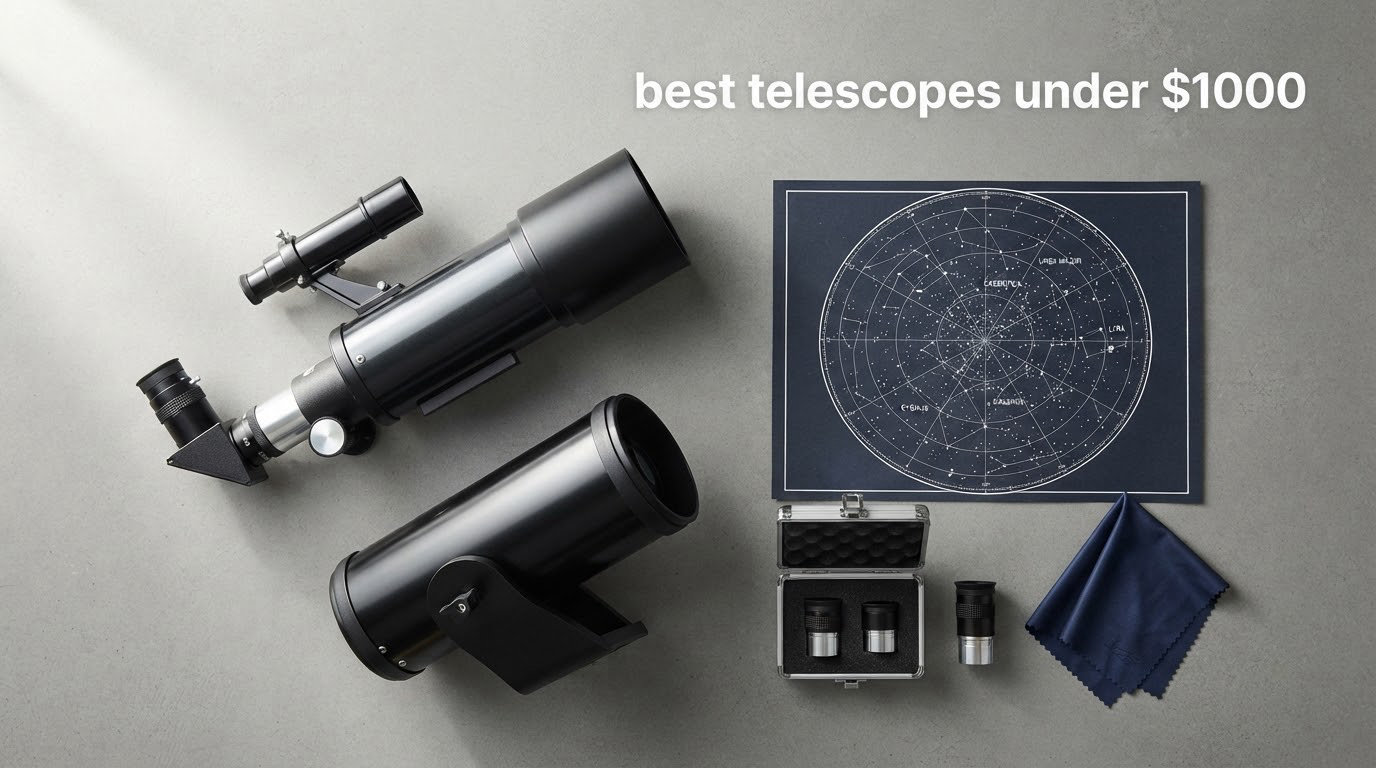
Updated for 2026. If you want one answer: the Sky-Watcher Classic 200 8-inch Dobsonian is the best telescope under 1000 dollars for almost anyone. It collects more light than everything else on this list, it needs no batteries and no alignment routine, and it puts the most sky in the eyepiece for the money.
That verdict is not a matter of taste. It is arithmetic. A telescope does exactly two things: it gathers light and it resolves detail, and both are set by the diameter of the main mirror or lens, the aperture. Magnification is chosen by the eyepiece you drop into the focuser, so any telescope can reach any magnification. What it cannot do is show detail it never collected. The useful ceiling is roughly two times the aperture in millimetres, so an 8-inch (203mm) reflector tops out near 400x before the atmosphere takes over. The 525x figure printed on cheap telescope boxes is marketing, not physics.
This list covers eight telescopes under 1000 dollars across the categories that actually matter at this budget: manual Dobsonians, GoTo Dobsonians, computerized Maksutov-Cassegrains, phone-guided refractors, and the smart imaging telescopes that have become the fastest-moving category in amateur astronomy. Each pick is judged on published optical specifications and the patterns in thousands of owner reviews, and every one carries an honest disqualifier so you can rule it out fast.
How we ranked these. We sorted every candidate by aperture per dollar first, then checked mount rigidity, focuser quality, thermal behaviour and how much training the instrument demands before first light. Experienced observers on forums like Cloudy Nights have argued for years that mount quality is the hidden trap in a telescope purchase, and that framing shaped our ordering. We did not spend months at dark-sky sites with each instrument, so treat the ratings and specifications as the evidence and our first-person framing as a guide to how each scope behaves in practice.
If you are still narrowing the field, start with our complete guide to telescopes for beginners, which covers first-night basics in more depth than we can here.
Table of Contents
Top 3 Picks for Telescopes Under 1000 Dollars in 2026

Sky-Watcher Classic 200 Dob
- 8 inch parabolic mirror
- 1200mm f/6
- 2 inch Crayford focuser
- 45 pounds

Sky-Watcher Virtuoso GTi 150P
- 150mm f/5 tube
- 750mm focal length
- Wi-Fi GoTo
- collapsible 25.8 pounds

Best Telescopes Under 1000 Dollars in 2026: Quick Overview
Every pick below sits inside the 1000 dollar ceiling, and the table gives you the short version. Aperture is the first column to read because it decides what you can actually see. Focal length, mount type and weight follow, and they decide how you will use the telescope rather than what you will see through it.
| Product | Specifications | Action |
|---|---|---|
| Sky-Watcher Classic 200 8-inch Dobsonian |
|
Check Latest Price |
| Sky-Watcher Virtuoso GTi 150P Tabletop GoTo |
|
Check Latest Price |
| Celestron NexStar 127SLT Maksutov-Cassegrain |
|
Check Latest Price |
 ZWO Seestar S30 Pro Smart Telescope ZWO Seestar S30 Pro Smart Telescope |
|
Check Latest Price |
 DWARFLAB Dwarf 3 Smart Telescope DWARFLAB Dwarf 3 Smart Telescope |
|
Check Latest Price |
 Celestron AstroMaster 130EQ 5-inch Newtonian Celestron AstroMaster 130EQ 5-inch Newtonian |
|
Check Latest Price |
 Celestron StarSense Explorer LT 114AZ Celestron StarSense Explorer LT 114AZ |
|
Check Latest Price |
 SVBONY SV503 80mm ED Refractor SVBONY SV503 80mm ED Refractor |
|
Check Latest Price |
1. Sky-Watcher Classic 200 8-inch Dobsonian – Best Overall
Sky-Watcher Classic 200 Dobsonian 8-inch Telescope – Solid-Tube – Simple, Traditional Design – Easy to Use, Perfect for Beginners, White (S11610)
203mm parabolic primary
1200mm f/6 focal length
2 inch Crayford focuser
45 pounds assembled
Pros
- Largest aperture in the group for the money
- 2 inch Crayford-style focuser with adapter
- Parabolic primary with 94 percent reflective multi-coated mirrors
- Works with no batteries and no alignment
- Ten tension control handles and Teflon bearings
Cons
- No motorized tracking or GoTo
- 45 pounds and a 49 inch footprint to store
- Newtonian mirrors need periodic collimation
The Classic 200 is the scope I keep coming back to, because the numbers leave no room for argument. A 203mm parabolic primary at f/6 gives it a 1200mm focal length and a faintest stellar magnitude of 14.2, which is roughly the depth of the Messier catalogue on a decent night. Sky-Watcher states that it gathers 78 percent more light than the next size down, and that is the single most useful sentence in the specification sheet for anyone comparing it with a 6-inch.
Set against the alternatives, the Classic 200 resolves to about 0.57 arcseconds by the Dawes rule, where Dawes limit equals 116 divided by the aperture in millimetres. That is calculated from the published aperture rather than quoted from a marketing sheet, and it is the number that decides whether you can split Saturn’s ring system, resolve Jupiter’s belts into separate bands, or pick out individual stars in a globular cluster. A 5-inch Newtonian on this list lands near 0.89 arcseconds and a 114mm refractor near 1.02.
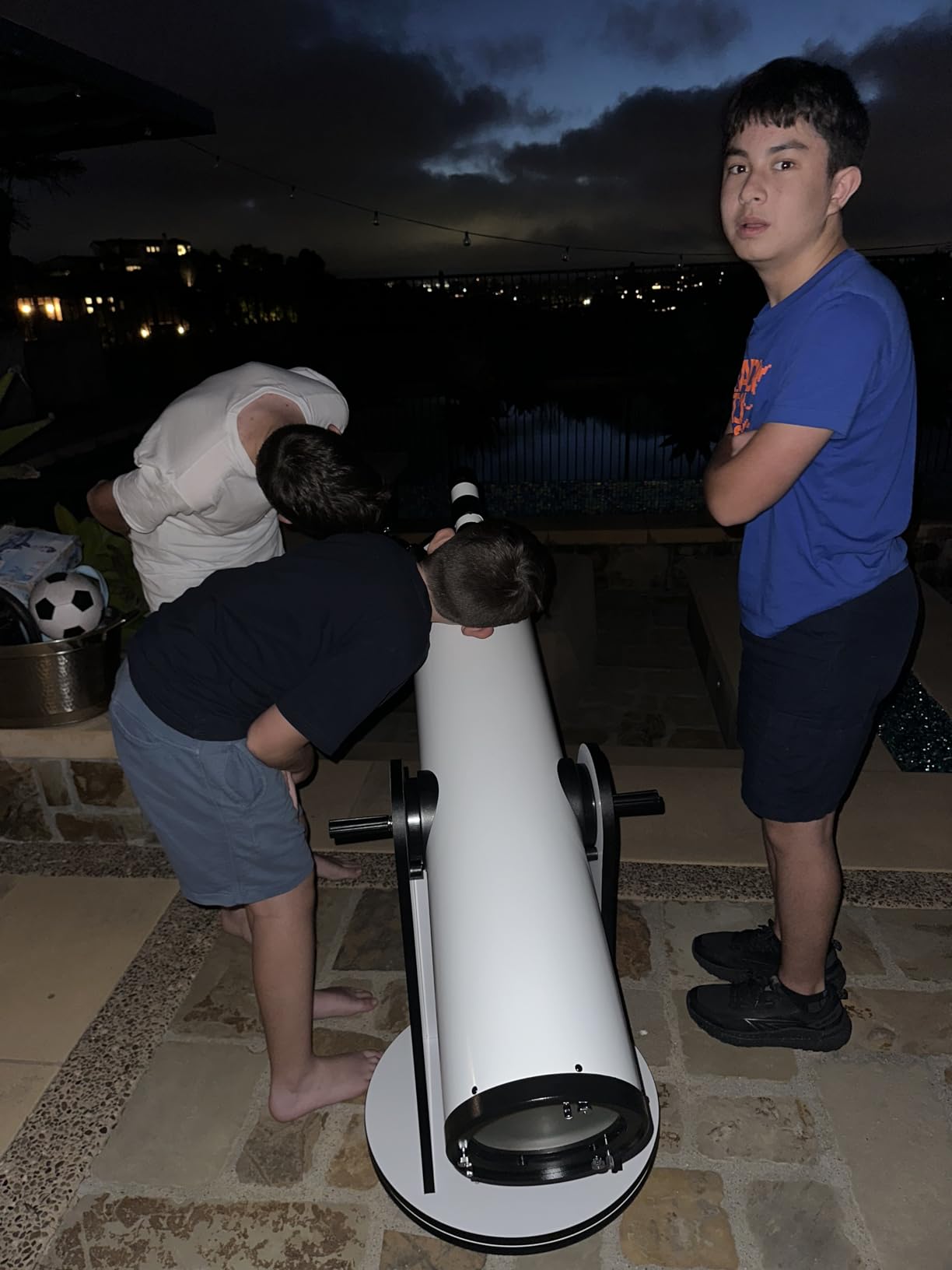
What surprised me most was how little the mount costs you in practice. A Dobsonian is a box you sit on the ground, a single axis in azimuth and a tube that pivots in altitude. There is no polar alignment, no counterweight, no motor, and nothing to plug in. Owners frequently call the tension control handles the feature that decides the purchase, and the reason is honest: you can nudge an object while your eye stays at the eyepiece instead of hunting for a fine-motion knob in the dark.
The finder is a 9×50 straight-through unit rather than a red dot finder, and the supplied eyepieces are 25mm and 10mm. From 1200mm of focal length those give roughly 48x and 120x, a sensible spread for a first night. Because the focuser is a 2 inch Crayford-style unit with a 1.25 inch adapter, you are not locked into cheap accessories later.
Who this scope rewards
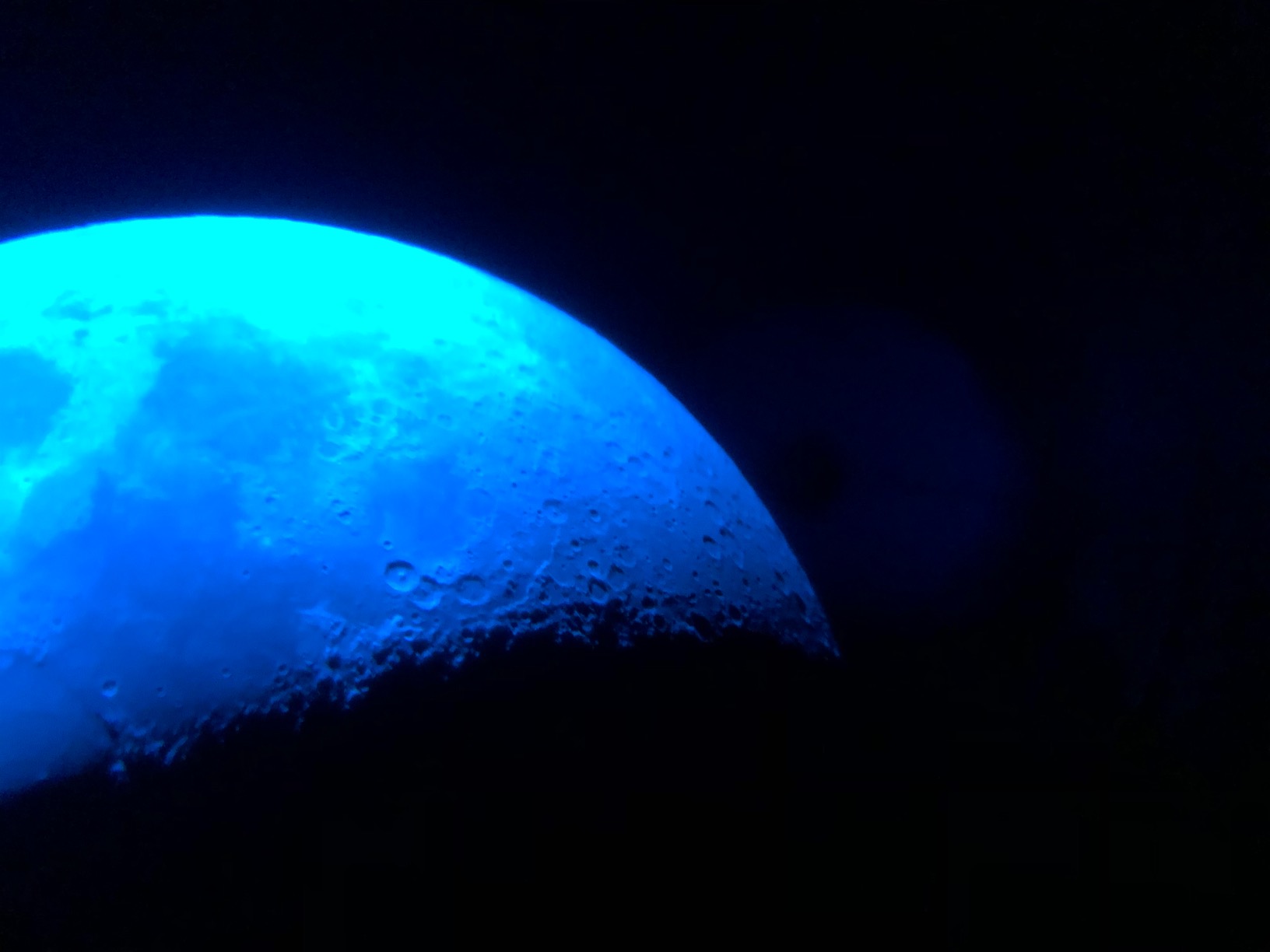
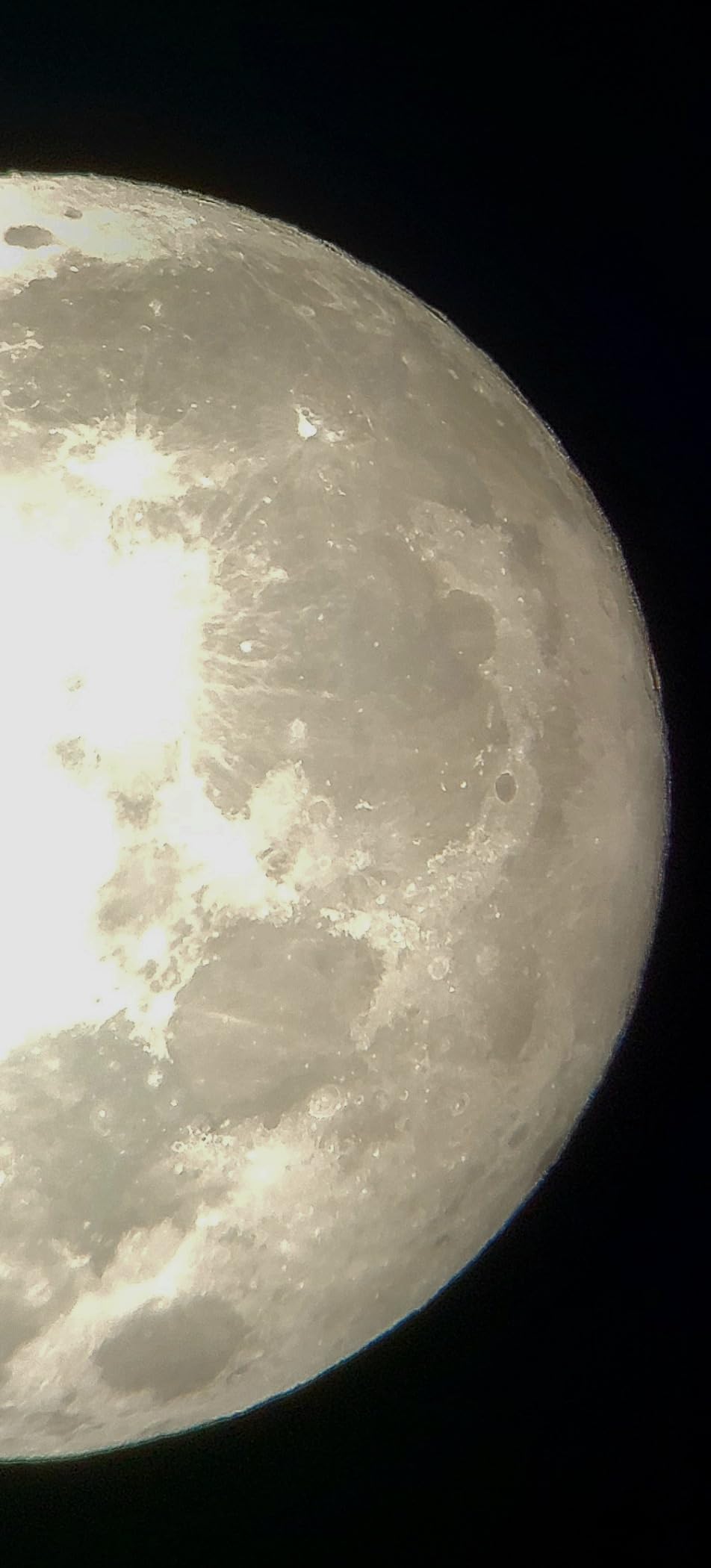
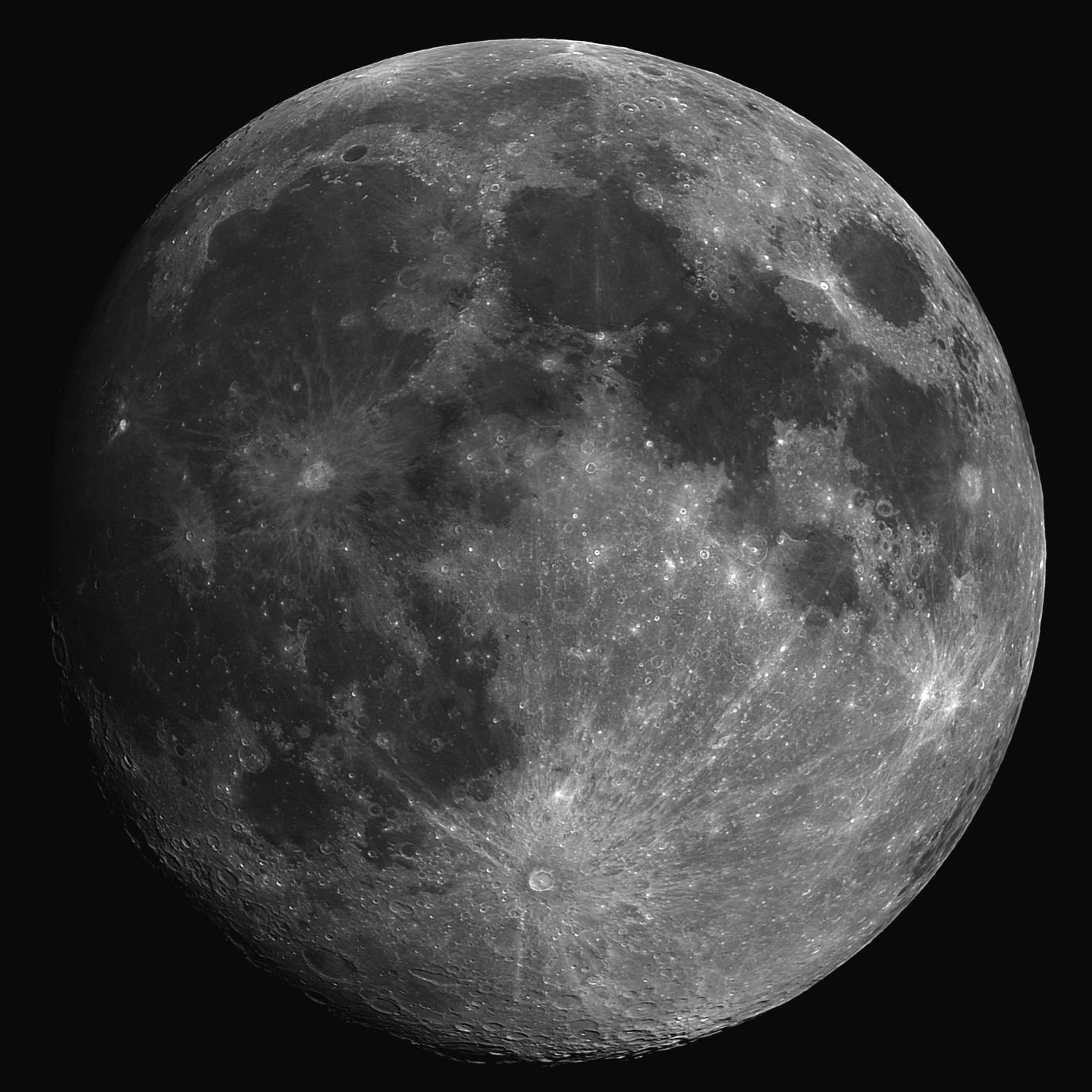
This is the telescope for a beginner who wants to see as much as possible without learning anything first. Point it at the Moon and you will see craters along the terminator, not just a white disc. Aim it at Saturn and the rings separate. Add a 9mm or 6mm eyepiece and Jupiter’s four Galilean moons shift position visibly during a single evening, which is the observation that keeps most new observers outside on a cold night.
It also handles a suburban backyard well. Faint galaxies and nebulae need dark skies, but a globular cluster, the Orion Nebula and most of the Messier list reward aperture enough that the difference between 6 inches and 8 inches shows up even under a suburban horizon.
Where it will frustrate you
The 45 pound weight and 49 by 18 by 27 inch footprint are the honest drawback. This is not a one-trip carry-to-the-beach telescope, and the base is not designed to fold into a car boot without a second person. If storage space is the binding constraint, the tabletop scope below is the right call.
It also requires collimation. Periodic collimation of the primary and secondary is a fifteen-minute job once you learn it, and shipping damage occasionally knocks it out of alignment. Skip this one if you would rather own a sealed refractor that never needs adjusting, and you will be happier with one of the smart telescopes in positions four and five instead.
2. Sky-Watcher Virtuoso GTi 150P Collapsible Tabletop GoTo Dobsonian – Best for Travel
Sky Watcher Sky-Watcher Virtuoso GTI 150P Collapsible Tabletop GoTo Dobsonian Telescope
150mm aperture at f/5
750mm focal length
Wi-Fi GoTo via SynScan Pro
25.8 pounds
Pros
- Built-in Wi-Fi GoTo removes guesswork from finding targets
- Freedom Find encoders allow manual moves without losing alignment
- Collapsible tabletop tube stores in a closet
- Includes 25mm and 10mm Plossl eyepieces and red dot finder
Cons
- 150mm aperture is modest for the faintest deep-sky targets
- GoTo needs a power supply and a phone app
- Reflector still needs occasional collimation
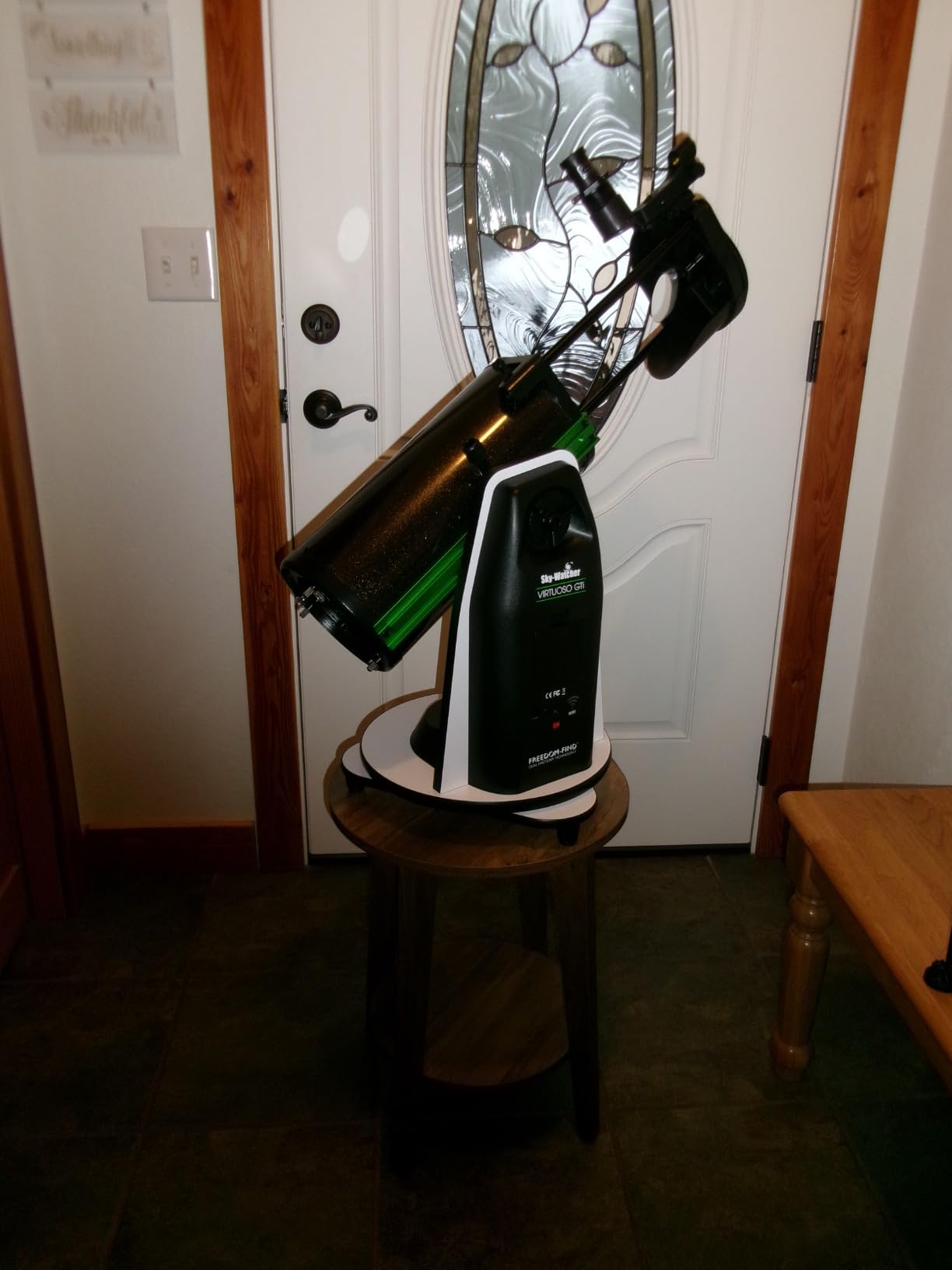
The Virtuoso GTi 150P answers a different question from the Classic 200. Where the big Dobsonian asks how much sky you can see, the Virtuoso asks where you can put it. At 25.8 pounds with a collapsible tube and a tabletop base, it is the only pick on this list that a single person can carry to a dark site, set up on a picnic table and pack away again before the cloud rolls in.
Optically it is a 150mm f/5 design with a 750mm focal length, giving a 0.83 degree field of view and a calculated Dawes limit near 0.77 arcseconds. That is a meaningful step down from the 8-inch, and a meaningful step up from a 114mm. On the Moon, on Jupiter and on bright deep-sky objects the difference is obvious. On the faintest galaxies from a bright backyard, you will miss things the Classic 200 shows easily.
The GoTo implementation is where this scope separates itself from a plain tabletop Dobsonian. It carries built-in Wi-Fi and full GoTo performance through the SynScan Pro app, so the motor drives, the database lives on your phone and there is no separate hand controller to lose. Reviewers consistently describe that as the feature that makes it approachable for a first-time buyer.
Freedom Find is the underrated part. Dual encoders let you push the tube by hand and the mount knows where it went, so you can centre an object manually and then hand the scope back to the motor without re-running alignment. In practice this is what makes a GoTo Dobsonian feel like a manual one that happens to have help.
Who this scope rewards
This is the pick for someone with a car boot, a small flat or a genuine travel habit. If you have only ever observed from a light-polluted city and you can reach darker sky within an hour, the ability to actually get there matters more than the extra inch of aperture. Portable observing is the difference between a telescope used once and a telescope used for twenty years.
It is also a good family scope. The tube collapses to a fraction of its length, the base is stable on a table, and the red dot finder plus two eyepieces are all you need for a first evening.
Where it will frustrate you
GoTo operation depends on a power supply and a phone with the app, so the batteries and the signal both matter on a cold field night. If you want a completely standalone pointing experience, the Celestron NexStar in position three runs from a battery with a proper hand control and a 40000 object database built in.
Be honest about aperture expectations. Owners note that the 150mm collects roughly 1.7 times the light of the 114mm below but well under half of the Classic 200, and that gap shows on the dimmest objects. Skip this one if your priority is resolving faint galaxies rather than pointing at them.
3. Celestron NexStar 127SLT Maksutov-Cassegrain GoTo – Best for GoTo
Celestron NexStar 127SLT Maksutov-Cassegrain Computerized GoTo Telescope
127mm aperture
1500mm f/11.8 Maksutov-Cassegrain
40,000 object GoTo database
18.1 pounds
Pros
- Computerized GoTo with more than 40000 objects and tracking
- SkyAlign setup completes in minutes
- Compact at 18.1 pounds for a long-focal-length scope
- Sharp high-contrast views of Saturn and the Orion Nebula
- Free Starry Night software included
Cons
- Long focal length gives narrow fields and low magnification per eyepiece
- Single fork arm limits astrophotography use
- Batteries need replacing for long sessions
With 1200 reviews behind it, the NexStar 127SLT is the most thoroughly owner-tested telescope on this list, and the pattern in those reviews is consistent: people buy it because being walked to a target matters more to them than raw aperture. The computer finds objects, tracks them and keeps them centred, so you spend your evening looking rather than sweeping.
The optics are a 127mm Maksutov-Cassegrain with a 1500mm focal length at f/11.8, a 1.7 degree field of view and a published Dawes limit of 0.91 arcseconds. The long focal length is the design’s signature and its main compromise. A 20mm eyepiece gives 75x and a 9mm gives 167x, which is excellent for the planets and a tight, unforgiving field for wide deep-sky sweeping.
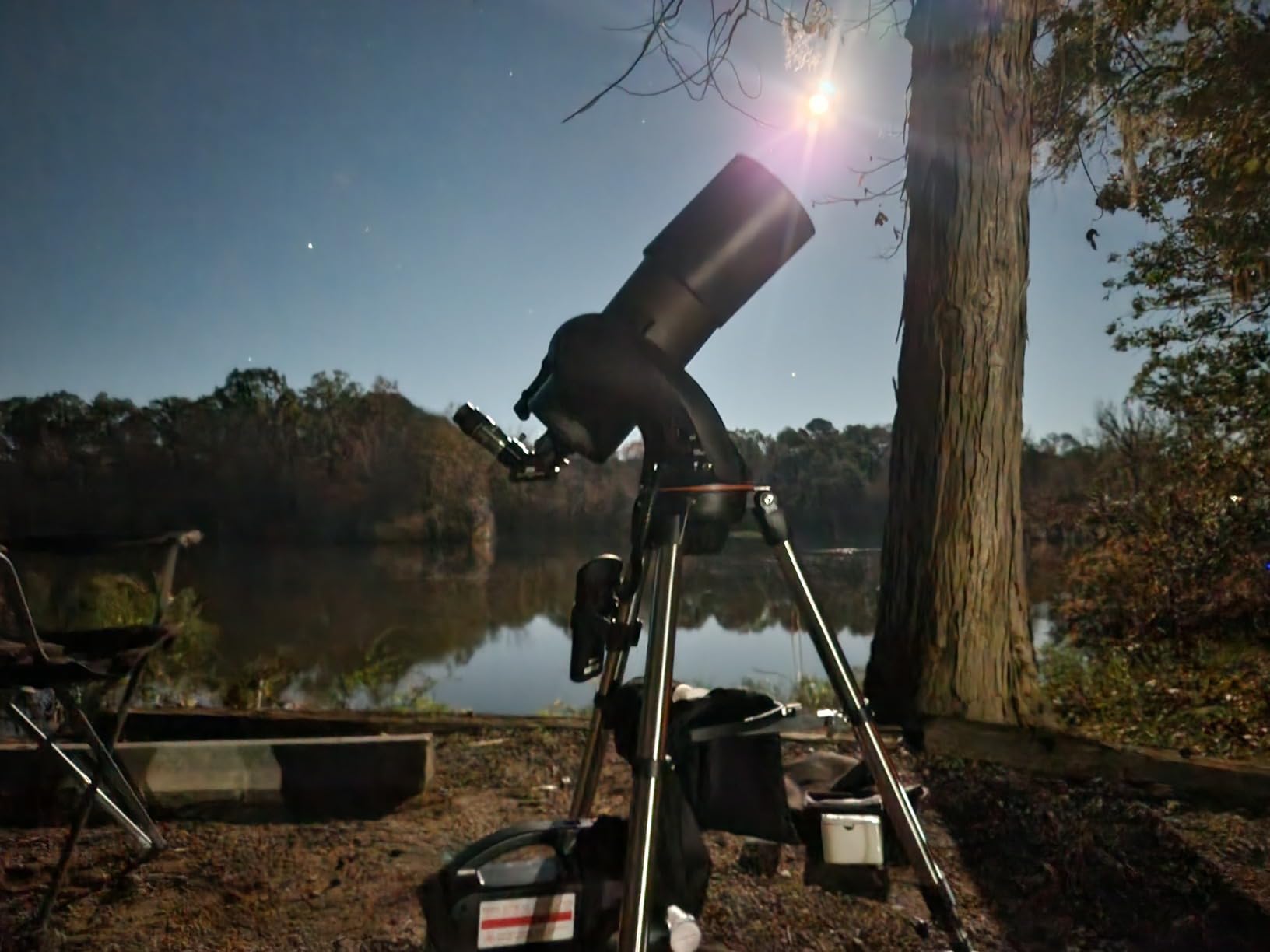
SkyAlign is the procedure to understand before your first night. You centre any three bright objects in sequence and the hand control works out where you are pointing, after which the 40000-plus object database becomes genuinely useful. Once aligned, owners report that finding and centring a target takes a handful of button presses instead of a five-minute hunt.
At 18.1 pounds this is also one of the most transportable traditional telescopes here, and the manufacturer rates it for campsite and dark-sky use. The Maksutov-Cassegrain design is sealed and needs no collimation, which removes the single most common complaint about the Dobsonians on this list.
Who this scope rewards
Buy this if you are buying a telescope for someone who does not want to learn the sky. A partner, a parent, a friend who enjoys the astronomy but not the aiming. A Maksutov-Cassegrain also gives the cleanest planetary contrast of the manual group, and a fork-mounted GoTo will happily track Jupiter across the sky while you watch the Galilean moons shift.
It is a strong first scope for apartments too, since the tube is sealed, the mount is self-contained and there is no separate base to store.
Where it will frustrate you
127mm is a small aperture by the standards of this list, and on a long focal length it delivers a narrow 1.7 degree field. Sweeping the Milky Way with a low-power eyepiece is not what this scope is for. If your goal is galaxies and nebulae, the Classic 200 shows you more, period.
Also expect a single fork arm to constrain the astrophotography possibilities, and expect batteries to matter on a long evening. Skip this one if your budget is going toward aperture and you are willing to learn where things are in the sky.
4. ZWO Seestar S30 Pro Smart Telescope – Best for Astrophotography
ZWO Seestar S30 Pro Smart Telescope, App-Controlled Astrophotography
30mm apochromatic aperture
160mm focal length and 4.6 degree field
App-controlled GoTo and tracking
3.6 pounds
Pros
- Produces finished astrophotos on a first night with no computer
- Built-in light pollution filters help in urban skies
- At 3.6 pounds it fits a daypack
- One-tap Milky Way
- nebula and star-trail modes
- Auto focus plus equatorial mode
Cons
- Not designed for planetary or high-magnification visual work
- Requires a phone or tablet for every operation
- Must stay stationary during deep-sky imaging
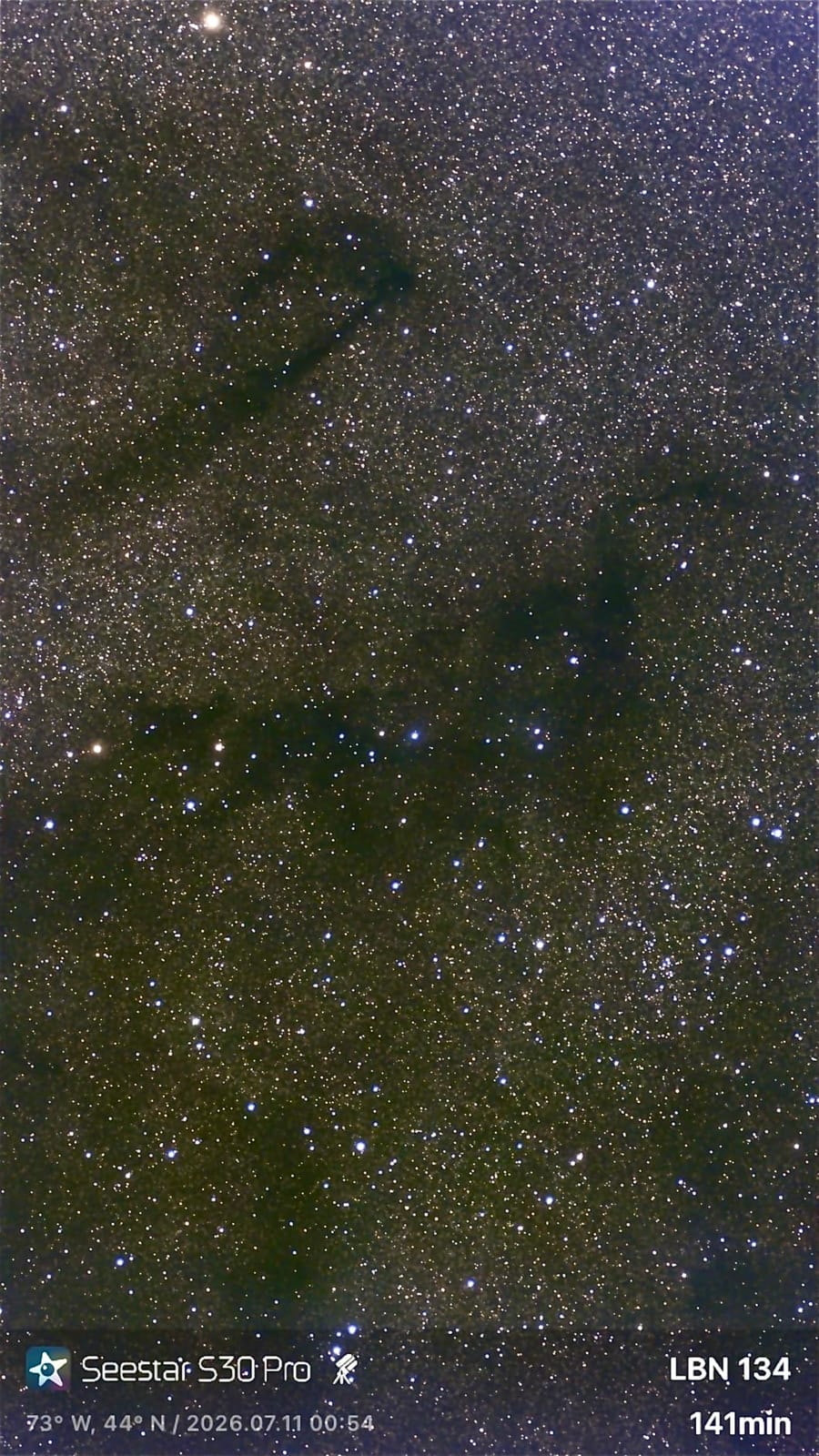
The Seestar S30 Pro is a different instrument from the rest of this list, and if you fall into the right group it is the best buy here. It is an imaging device. You point it, press a button and it stacks exposures, reduces noise and hands you a finished picture of a nebula or a section of the Milky Way. Reviewers describe owning a finished astrophoto on the first evening as the standout experience, and that has no equivalent on a visual telescope.
Optically it is small. A 30mm apochromatic aperture with a 160mm focal length gives a 4.6 degree field of view, which is enormously wide and wonderfully faint-object-friendly, and a calculated Dawes limit near 3.9 arcseconds that is irrelevant to how you will actually use it. The instrument’s value is sensor, stacking and field width, not resolution.
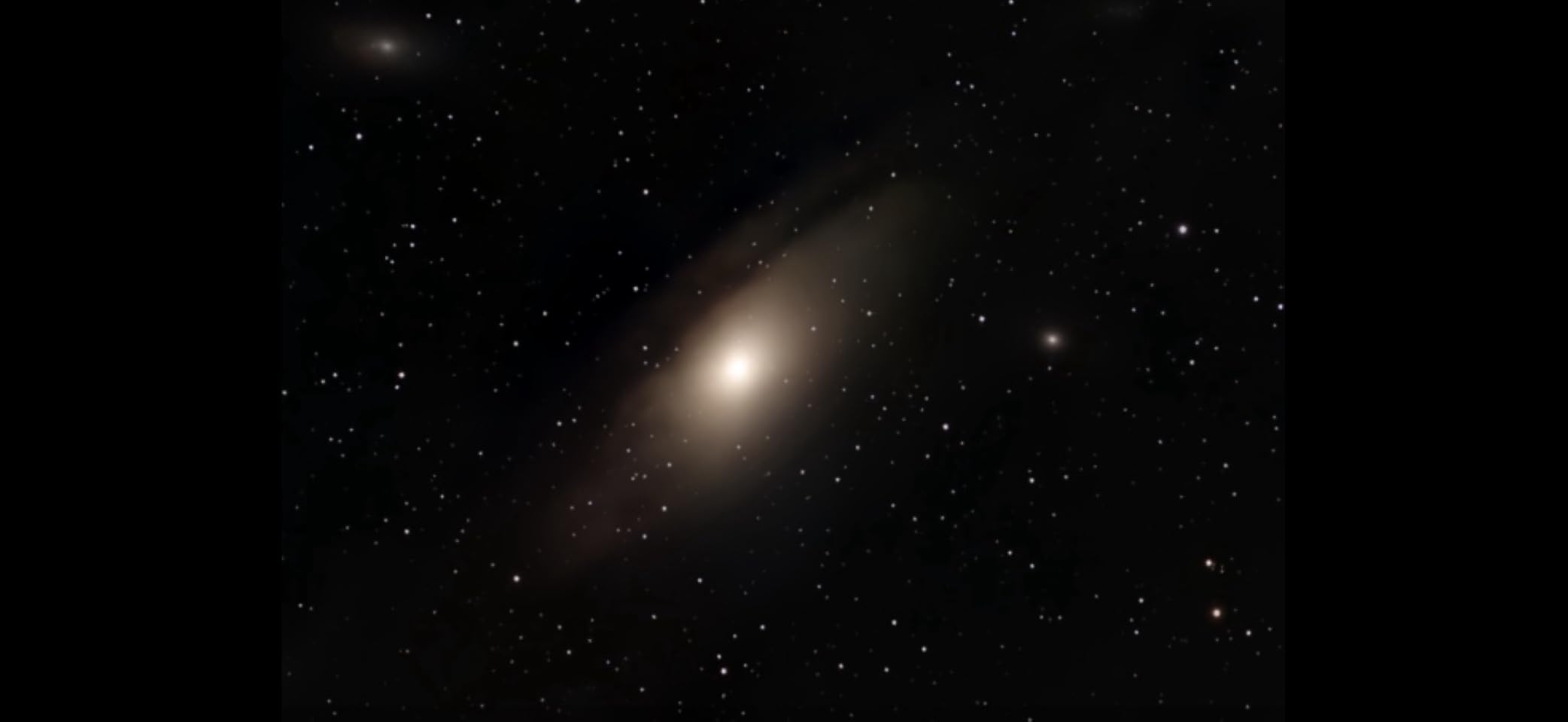
The practical details matter more here than in a visual scope. It runs off an internal battery, connects to a phone app, and offers automatic GoTo targeting and tracking, one-tap Milky Way and star-trail modes, and an equatorial mode for longer exposures. Built-in light pollution filters are the reason owners photograph successfully from suburban and urban balconies, where a reflector would struggle.
Dual-camera 4K imaging is what produces the detail, and AI noise reduction handles the rest without a computer. Anti-dew protection supports long sessions. The manual weight is 3.6 pounds and the body measures roughly 8.3 inches tall, so it genuinely goes in a backpack.
Who this scope rewards
It is built for people who photograph the night rather than watch it. Social media output, teaching materials, family projects, or simply the specific pleasure of bringing back an image of the Orion Nebula instead of describing one. It also travels better than anything else here and works from a light-polluted city, which is where the built-in filters pay for themselves.
The Moon and the Sun are supported through dedicated modes as well, subject to the same safety rules as any solar observing.
Where it will frustrate you
It is explicitly not built for planetary or high-magnification visual work, and the manufacturer says so. A person who wants to see Jupiter’s cloud structure change during a session will be disappointed by a 30mm aperture, however good the software is.
It also needs a phone or tablet for everything, and it must stay stationary during deep-sky imaging, so you cannot mount it on a moving vehicle or hand-hold it for planetary work. Skip this one if the appeal is looking through the eyepiece, and look at a Dobsonian instead.
5. DWARFLAB Dwarf 3 Smart Telescope – Best for Backpacking
DWARFLAB Dwarf 3 Smart Telescope, App-Controlled Astrophotography Camera
35mm aperture
dual telephoto and wide-angle lens system
4K auto-tracking
3 pounds
Pros
- Lightest instrument here at about 3 pounds
- Works in daylight for wildlife and landscape photography too
- Cloud processing needs no computer or specialist software
- Carrying bag and magnetic filters in the box
- Auto-tracking produces usable results quickly
Cons
- App and battery dependent
- not suited to long-exposure or high-magnification visual work
- Telephoto reach is modest next to a dedicated astronomical refractor
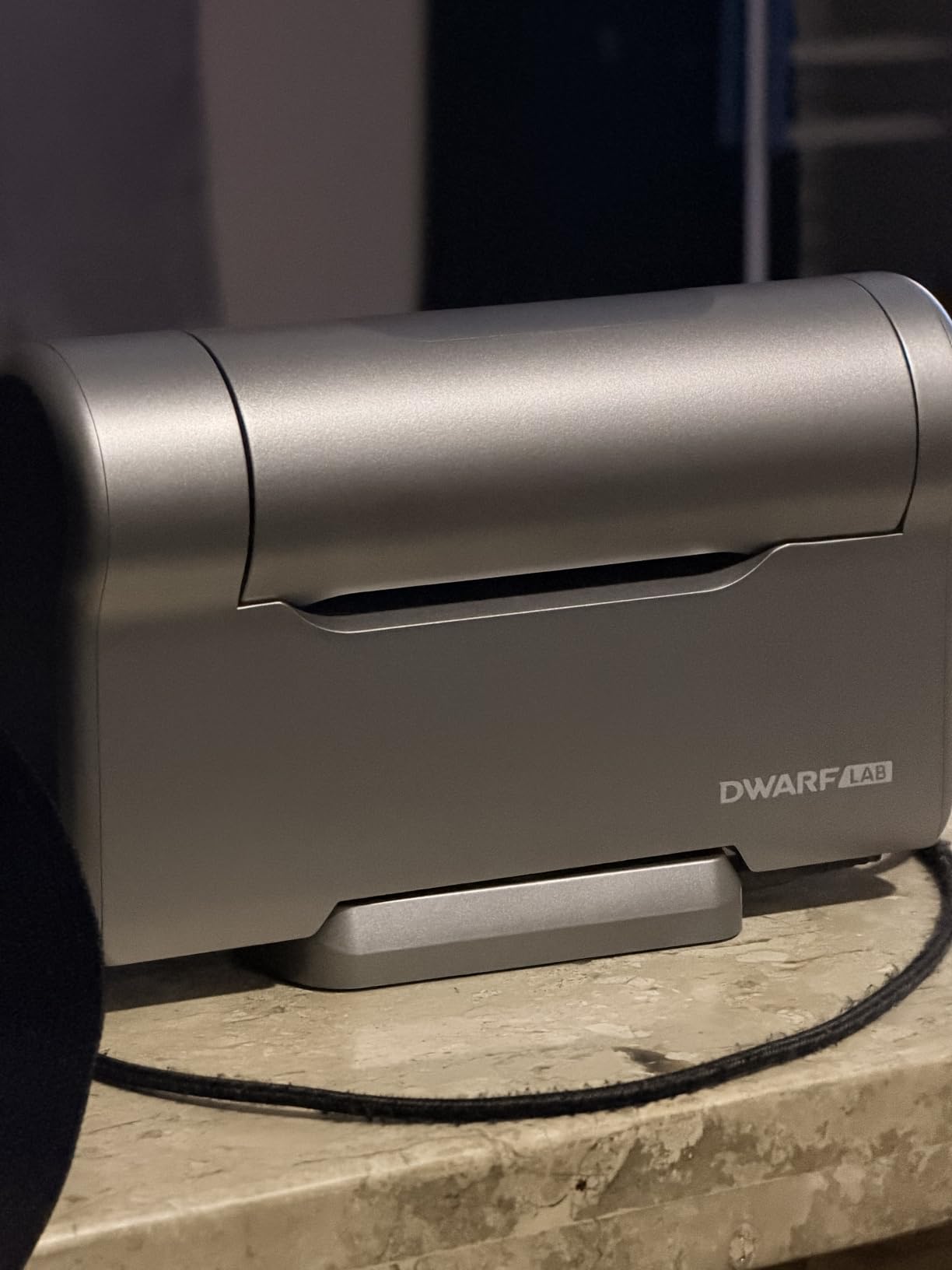
The Dwarf 3 is the most flexible device on this list, because it is not exclusively a telescope. It carries a dual lens system, with a telephoto lens for wildlife, landscapes and deep-sky objects and a wide-angle lens for Milky Way panoramas and star trails. Owners consistently use it in daylight before the sun goes down, which is a genuinely different proposition from every other pick here.
A 35mm aperture with 4K auto-tracking, alt-azimuth and equatorial modes, auto focus and a listed body weight of 3 pounds make it the smallest thing we recommend. It fits in a standard backpack, and the box includes a carrying bag, magnetic filters, a filter pouch, a USB-C cable and a cloth.
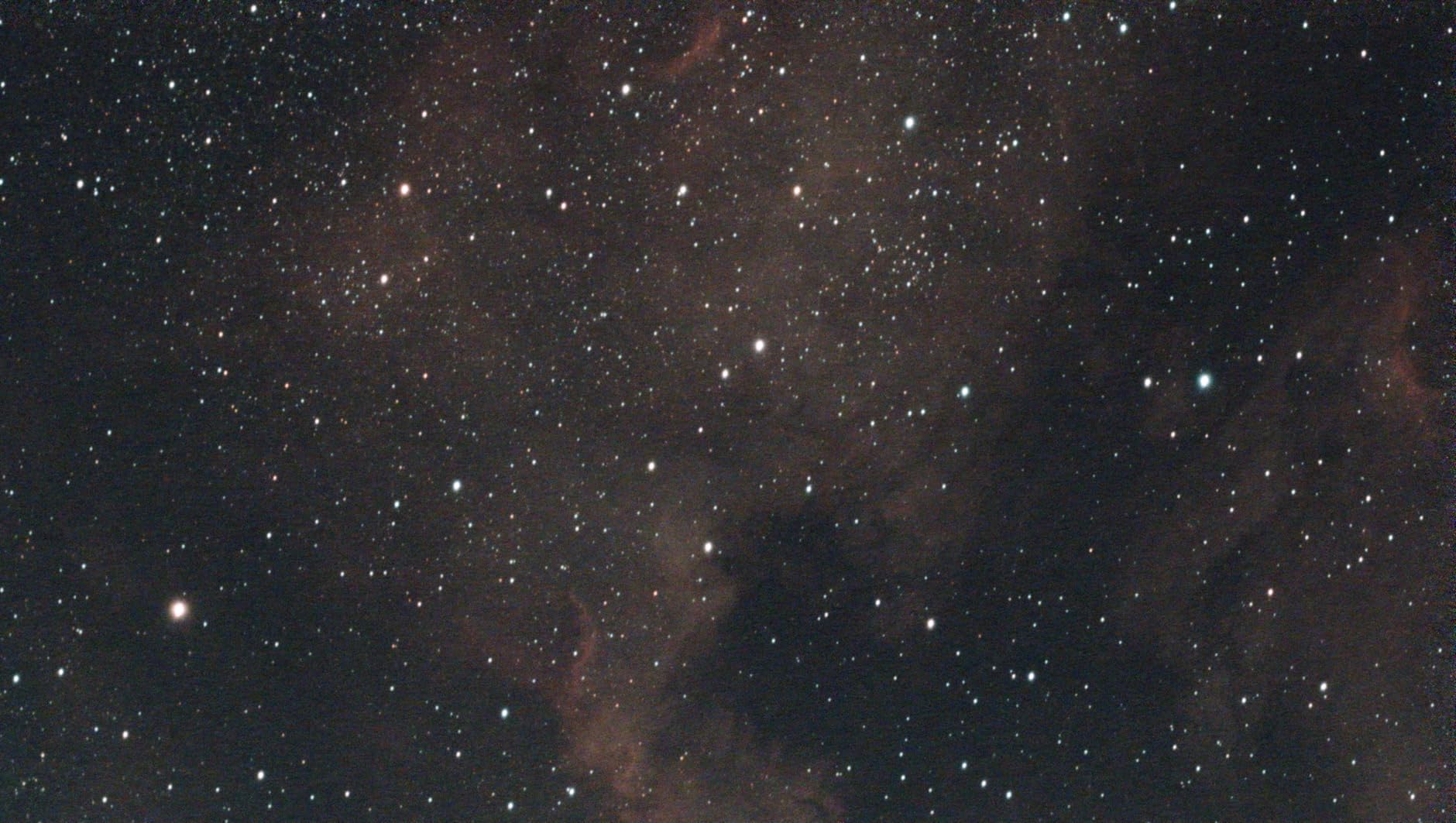
Image processing happens in the cloud through the DWARFLAB app, so there is no computer, no stacking software and no learning curve. The manufacturer rates it for ages six to 98 and states setup in roughly two minutes, and the ratings data supports the claim: a 4.4 average across 234 reviews with 76 percent five-star results reflects a device that does what the box says with very little fuss.
Set against the Seestar, the Dwarf trades some image quality for portability and daytime versatility. The S30 Pro’s dual-camera 4K system and light pollution filters are built for astrophotography, while the Dwarf’s strengths are weight and dual-purpose use.
Who this scope rewards
Campers, hikers, parents taking a device on a trip, and anyone who wants a star-trail photo of a landscape they are standing in. Because it tracks moving subjects as well as stars, it doubles as a wildlife and landscape camera, which is where a large part of its value sits for most buyers.
It is also the most forgiving device here for a young or non-technical user, with no collimation, no polar alignment and nothing to focus by hand.
Where it will frustrate you
Two limits are clear from the specifications. It is battery powered and app dependent, so long-exposure work and any high-magnification visual use are out. And the telephoto reach is modest, meaning distant targets such as planets will be small in frame rather than detailed.
Also accept that this is a camera with a lens, not an eyepiece instrument. Skip it if the appeal is sitting at the telescope and watching Jupiter rotate, and skip it if you want the longest reach for the money, where the SVBONY refractor in position eight goes further.
6. Celestron AstroMaster 130EQ 5-inch Newtonian – Best Value
Celestron AstroMaster 130EQ Telescope for Deep-Sky Beginners
130mm parabolic reflector
650mm f/5 focal length
German equatorial mount with slow-motion knobs
17 pounds
Pros
- Largest review base in the group at more than 3400 ratings
- 130mm aperture reaches planets and brighter galaxies
- Two-axis slow-motion controls keep objects centred
- Tool-free assembly gets you observing in minutes
- Mount accepts a motor drive for tracking
Cons
- Equatorial mount has a real learning curve
- Not an astrophotography platform
- Light steel tripod can shake at full extension
The AstroMaster 130EQ is the telescope most people in the forums describe as the sensible first instrument, and its review history is the strongest evidence in this roundup. More than 3400 ratings averaging 4.3 tells you what thousands of owners think of the balance between price, aperture and capability, and the recurring theme is value for money.
Optically it is a 130mm Newtonian on a German equatorial mount, 650mm focal length at f/5, with a published Dawes limit of 0.89 arcseconds, a 0.67 degree field of view and glass mirrors with aluminum and silicon dioxide coatings. A 20mm eyepiece gives 32.5x and the included 10mm gives 65x, which is a wide starting pair for sweeping the sky.
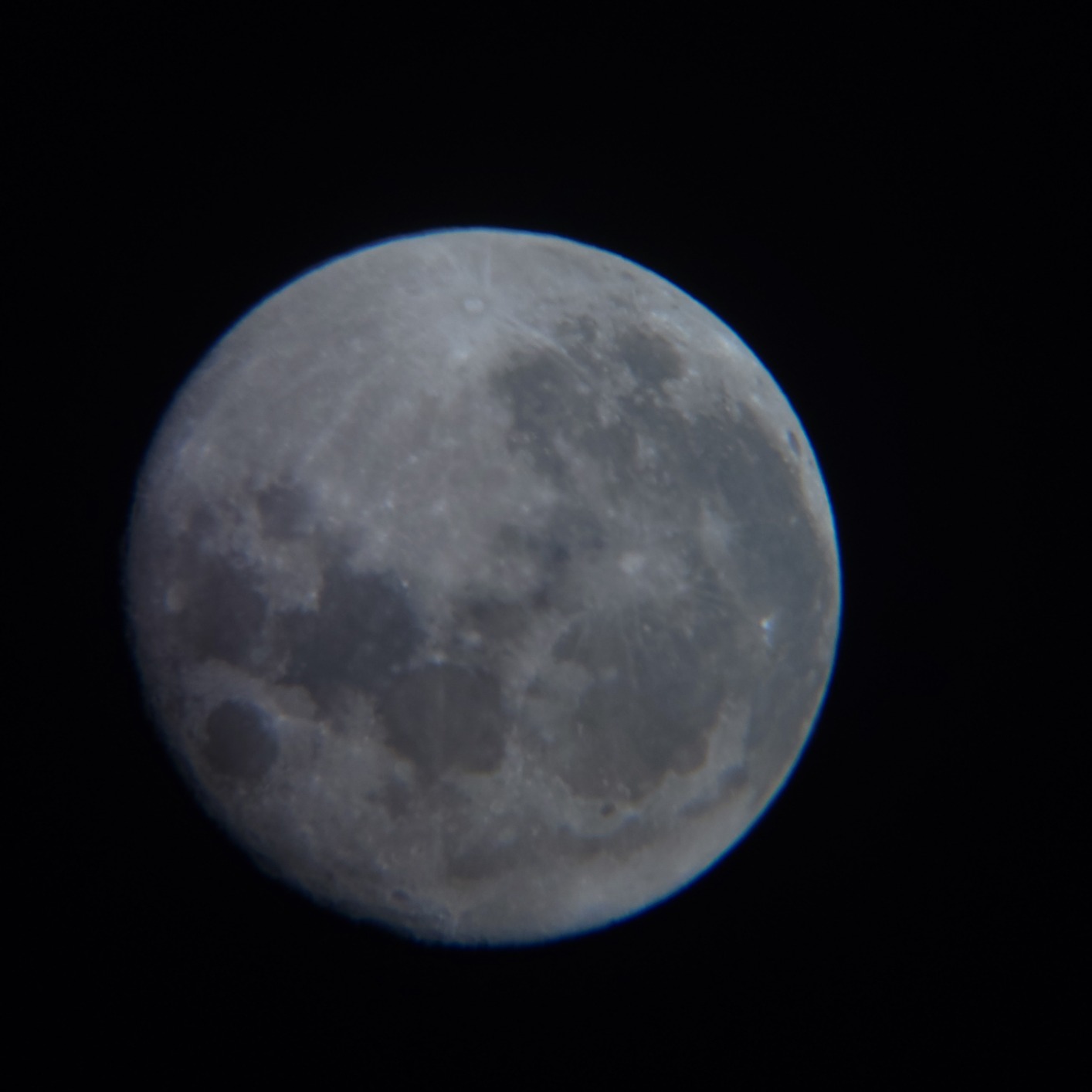
What sets it apart from every other budget reflector here is the mount. Two slow-motion control knobs, one for right ascension and one for declination, let you nudge an object without losing it, which is the difference between a frustrating night and a good one when you are still learning where things are.
The trade-off is honest: a German equatorial mount needs polar alignment, and alignment takes practice. The mount can accept a motor drive for tracking, which is why this scope still shows up in beginner discussions years after launch, even though it has been superseded by simpler designs for pure visual use.
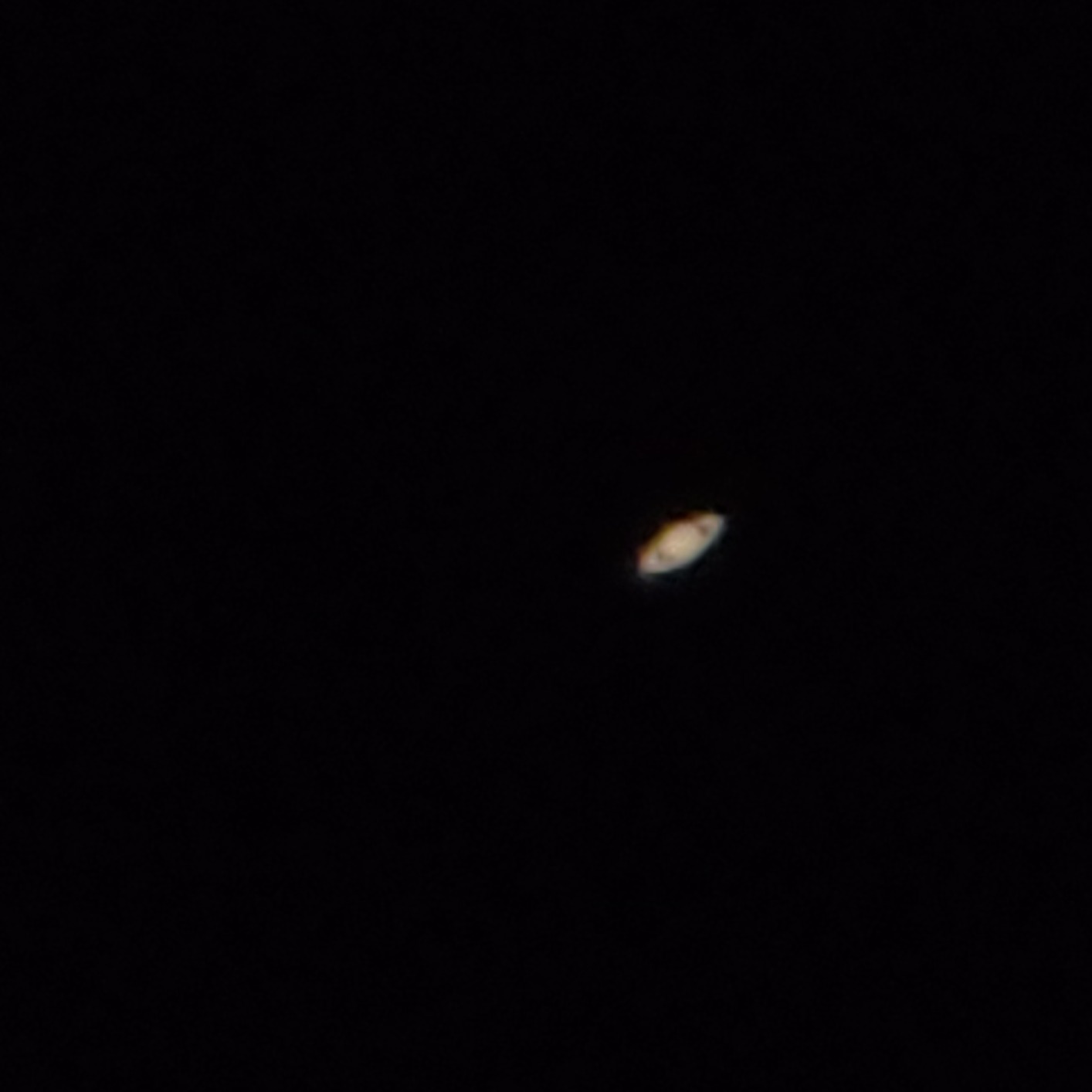
Who this scope rewards
It suits an adult beginner who intends to stay in the hobby and wants to learn the sky rather than outsource it to a motor. A larger equatorial mount is also a stable platform for later upgrades, and the equatorial concept is the foundation of everything in astrophotography, so nothing here is wasted if that is where you end up.
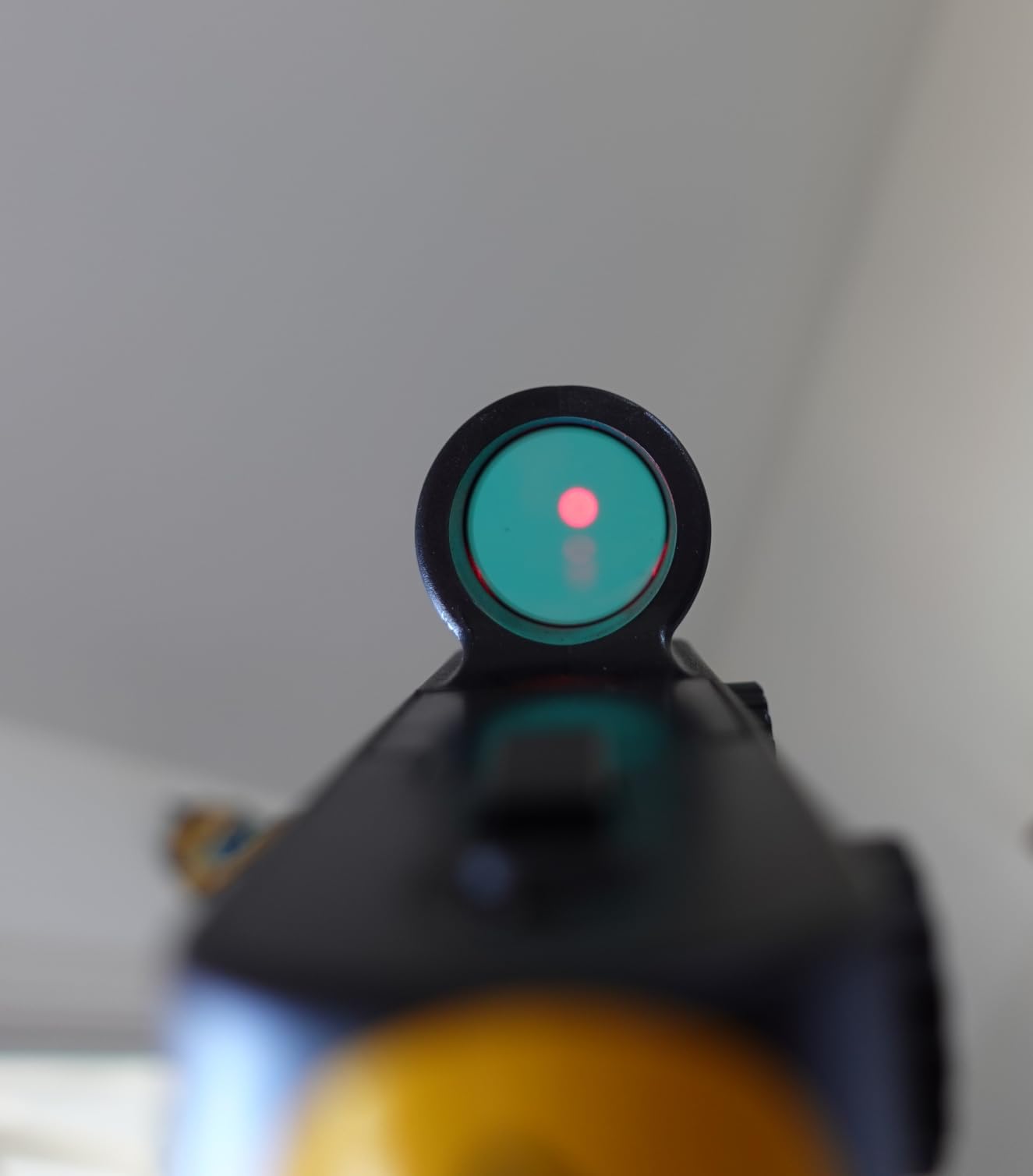
Two eyepieces, a red dot finder and free astronomy software are included, which makes it a complete first-night package.
Where it will frustrate you
Owners report two persistent problems. The StarPointer red dot finder is hard to align precisely and its alignment drifts over a session, so budget time for re-aligning it. And the light steel tripod legs can feel shaky when fully extended, with a rough declination adjustment that makes fine centring harder than the slow-motion knobs suggest.
It is also a visual instrument rather than an astrophotography platform, with sub-second exposures at best. Skip this one if you want the simplicity of a Dobsonian or a sealed, no-alignment electronic pointing system.
7. Celestron StarSense Explorer LT 114AZ – Best for Families
Celestron StarSense Explorer LT 114AZ Newtonian Smartphone Guided Telescope
114mm Newtonian reflector
1000mm focal length
StarSense phone guidance
10.4 pounds
Pros
- Phone-based sky navigation removes the frustration of hunting objects
- StarSense star-pattern recognition is far more reliable than a standard chart app
- App curates the best targets for your date and location
- Preassembled mount and tripod mean very fast setup
- Light at 10.4 pounds for a full tripod scope
Cons
- App-guided pointing is slower than motorized GoTo
- Manual slow-motion altitude control needs practice
- Each session requires a phone alignment step
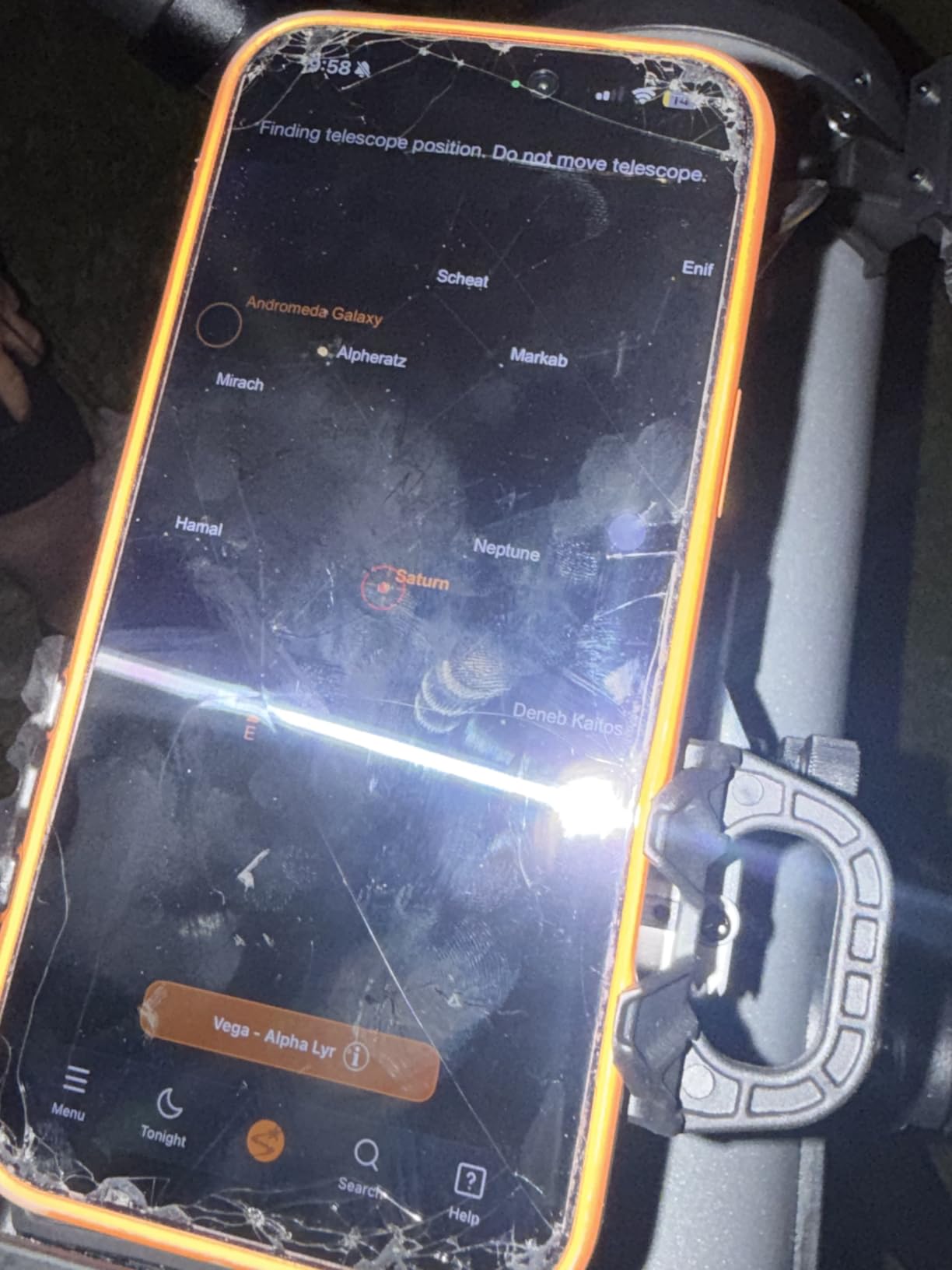
The StarSense Explorer LT 114AZ solves the exact problem that stops most children and new adults: not knowing where to look. You dock your phone, launch the app and follow on-screen arrows, and the patented StarSense technology analyses star patterns to work out where the telescope is pointing. Reviewers are unusually consistent on this point, crediting the app with removing the frustration almost entirely.
The optics are a 114mm Newtonian with a 1000mm focal length, a 2.04 degree field of view, a 5.7mm exit pupil and a published Dawes limit of 1.02 arcseconds. From 1000mm, the included 25mm gives 40x and the 10mm gives 100x, and the included 2x Barlow reaches 200x for the planets.
The mount is a manual alt-azimuth with a sliding-rod slow-motion altitude adjustment, and the tripod and mount arrive preassembled. At 10.4 pounds this is the second-lightest complete telescope here, and the lithium battery means no mains lead trailing across a garden.
The app also generates a curated target list based on your time and location, which turns a first evening into a short guided tour rather than an open-ended search. For a child learning patience, or for an adult who finds star charts intimidating, that structure is worth a great deal.
Who this scope rewards
Families with children, couples buying a shared gift, and anyone who wants to be walked to Saturn rather than find it. It is also a sensible second instrument for someone who already owns something and wants a scope that lives in a cupboard without a car boot.
Read our kids telescope buying guide for how to think about durability and setup time at different ages, and our expert picks for children for the wider category.
Where it will frustrate you
The 4.1 average across more than 1500 reviews is the lowest here, and the reasons are consistent: reliance on a phone, time spent on alignment each session, and manual tracking. Once an object is found, you centre it by hand with a slow-motion rod that takes practice, and app-guided pointing is genuinely slower than a motorised GoTo mount.
Aperture is also the smallest of the traditional designs on this list. Skip this one if you want faint galaxies, and note that if your real plan is photography, a smart telescope will serve you better than a phone-guided one.
8. SVBONY SV503 80mm ED Refractor – Best for Wide-Field Imaging
SVBONY SV503 Upgraded ED Refractor Telescope, 80mm F7 with Field Flattener
80mm S-FPL51 ED refractor at f/7
560mm focal length,448mm with flattener
2 inch dual-speed focuser
5.5 pounds
Pros
- Highest average rating in the group at 4.6 across 186 reviews
- ED glass gives low-chroma images with clean star points
- 0.8X field flattener keeps stars sharp edge to edge
- Two inch dual-speed focuser with 1:10 micro-adjustment
- Light enough for portable imaging setups
Cons
- Optical tube only
- a mount and camera are sold separately
- 80mm aperture is small for faint visual deep-sky targets
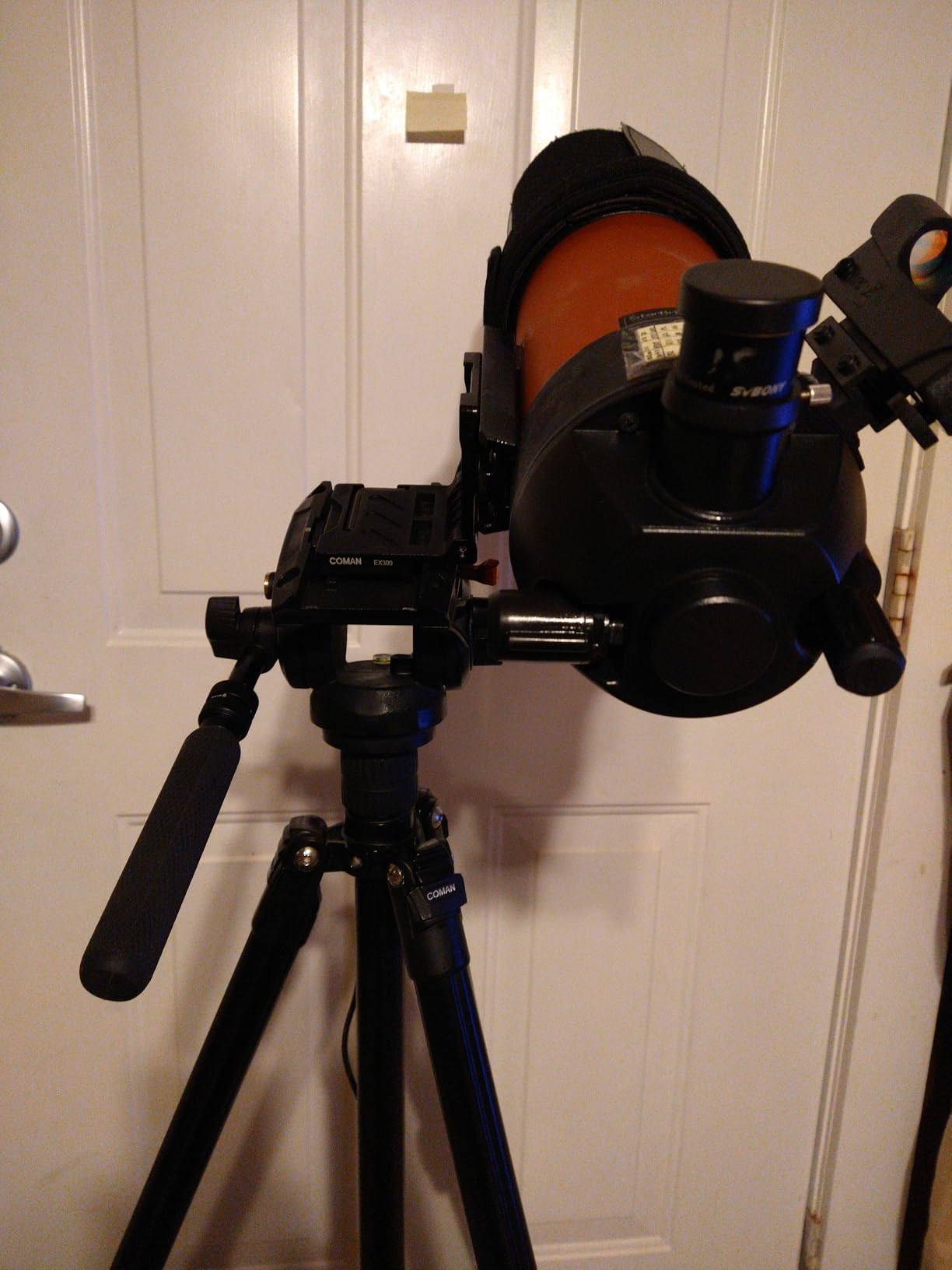
The SVBONY SV503 is the odd one out on this list, and it earns its place. It is an optical tube assembly, not a complete telescope, and that is the single fact you need before buying. You still need a mount, and for imaging you need a camera, so the total cost of a finished system runs above the 1000 dollar ceiling. What you are buying is the best-rated glass in this roundup, rated 4.6 across 186 reviews with a 79 percent five-star share.
The optics are 80mm of S-FPL51 extra-low-dispersion glass at f/7 with a 560mm focal length, and the included SV193 0.8X field flattener brings the effective focal length to 448mm. The result is a wide, flat, achromatic-adjacent field at 1.9 degrees with an 11.43mm exit pupil, which is exactly what a large imaging sensor wants.
Everything about this tube is built for imaging. The flattener produces sharp stars from the centre of the frame to the corners and shortens exposure times, the 2 inch dual-speed focuser has 1:10 micro-adjustment so you can focus without shake, and the whole assembly weighs 2.5 kg. Sky-Watcher’s field of view figure for a comparable fast refractor explains why: a shorter focal length spreads the same light over more sky.
Our refractor telescope guide covers why achromatic versus ED glass matters and how focal length changes your framing.
Who this scope rewards
Astrophotographers. If you already own a mount, or you are building a rig and want the optical tube to be the part you do not have to replace, this is the strongest-rated item here. The 4.6 average is the highest of the group, and the small percentage of one-star reviews reflects people who bought a tube expecting a telescope.
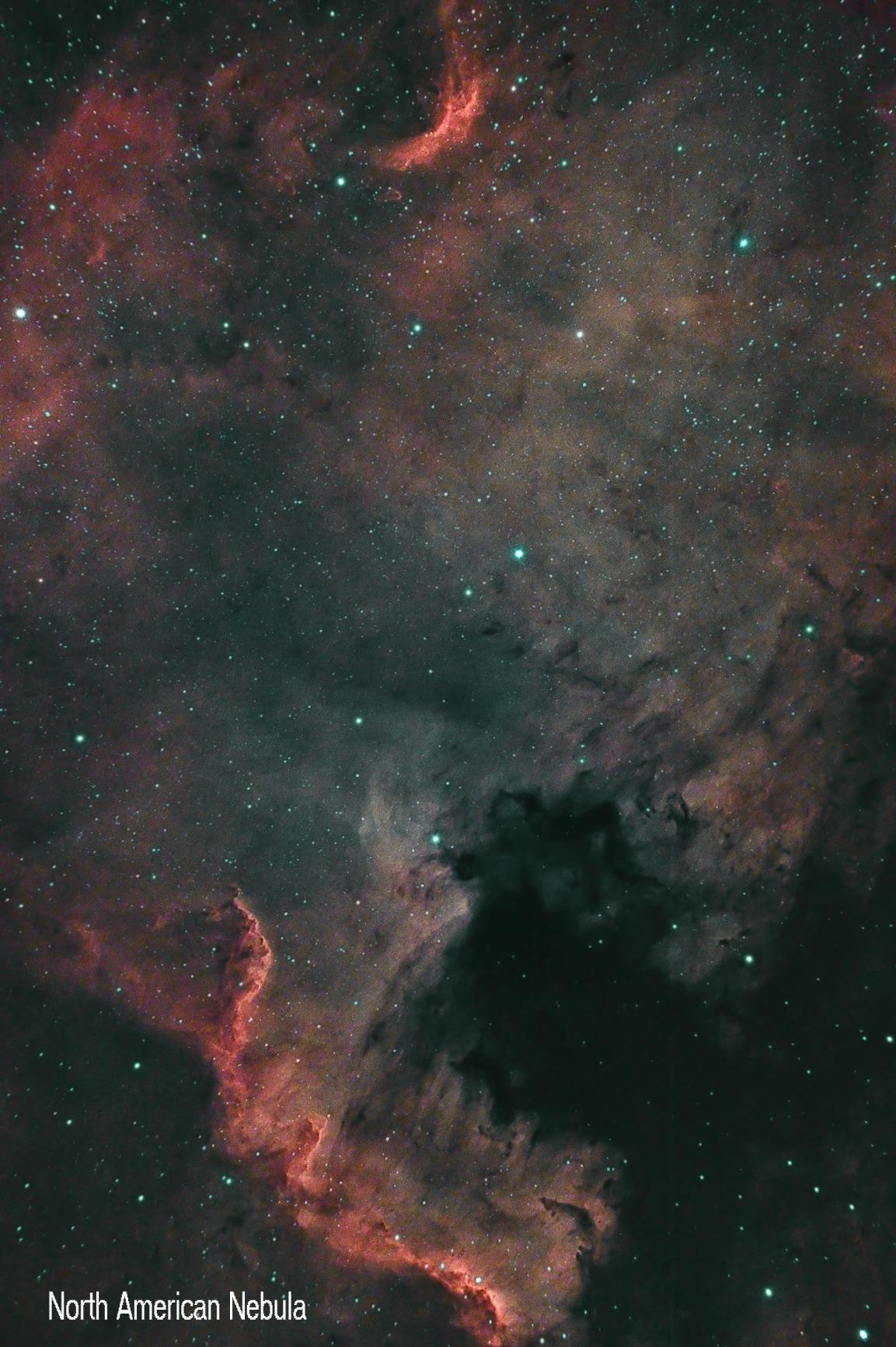
It also works as a wide-field visual refractor. At 448mm the 1.9 degree field will hold the Veil Nebula, the Heart and Soul pair and large clusters in one view, something none of the Dobsonians here can do.
Where it will frustrate you
It will frustrate you if you are expecting a complete instrument. There is no mount, no tripod, no finder and no eyepieces in the box, and manual focus is the only focusing option. A beginner buying a first telescope should look at the Celestron in position six instead.
For visual work, 80mm is small. That is a calculated Dawes limit near 1.45 arcseconds and an aperture that collects far less light than any reflector here, so faint galaxies and nebulae will disappoint through the eyepiece even though the camera sees them well. Buy it for a sensor, not for your eye.
How to Choose: Aperture Beats Magnification
Most bad telescope purchases come from optimising the wrong number. Here is the arithmetic that decides the choice, and it is short enough to do in your head.
Step one: find the aperture in millimetres. A telescope labelled 8 inch has a 203mm aperture. A 6 inch is 152mm. A 5 inch is 127mm. A 4.5 inch is 114mm. This is the number that matters more than every other specification combined, and it is the number manufacturers print least prominently.
Step two: multiply by two. Maximum useful magnification is roughly 2x the aperture in millimetres. A 203mm scope reaches about 406x, a 150mm about 300x, a 127mm about 254x, a 114mm about 228x, an 80mm about 160x. Anything beyond that is empty magnification: a dim, grey, featureless blur.
Step three: divide 116 by the aperture. That gives the Dawes limit in arcseconds, the practical resolving power. 203mm gives 0.57 arcseconds, 150mm gives 0.77, 130mm gives 0.89, 127mm gives 0.91, 114mm gives 1.02. Saturn’s ring divisions sit near the 0.7 arcsecond mark, which is why the 8-inch and the 150mm can start to show them and a 114mm mostly cannot.
Here is what that means for what you actually see. A 114mm shows the Moon’s craters along the terminator, Jupiter’s four Galilean moons, Saturn’s rings as a shape, the Orion Nebula’s core, and the brighter globular clusters. A 127mm Maksutov adds cleaner planetary contrast. A 130mm Newtonian at f/5 gives a wide, bright sweep of the Milky Way. A 150mm f/5 shows noticeably more nebula structure. A 203mm Dobsonian opens up the faint Messier objects that nothing smaller will deliver from a suburban backyard.
Light pollution changes the calculation more than most buyers expect. From a bright city or inner suburb, faint galaxies need aperture to punch through the sky glow, so spend on the largest mirror you can carry rather than on electronics. From a dark site, a smaller scope sees almost the same thing, and portability wins. Experienced observers have made this point on Cloudy Nights for years: buy for the sky you actually observe from, not the sky you wish you had.
Planets, deep sky, or both? This is the most common question on astronomy forums, and it has a clean answer. For planets, you want long focal length and steady magnification, and a Maksutov-Cassegrain is the most compact way to get there. For faint deep sky, you want aperture and a fast focal ratio, which means a Newtonian on a simple mount. For both, and for most people the honest answer is that you want both, buy the largest-aperture reflector on this list. From Mercury to Neptune, an 8-inch Dobsonian with a 9mm or 6mm eyepiece reaches all seven visible planets and shows the phases of Venus and the rings of Saturn.
What 1000 dollars does not buy. Expect a visual instrument, not an imaging platform. A stable tracking equatorial mount with a guide scope, a cooled astronomical camera and the software to run them sit well above this budget, which is exactly why smart telescopes exist. Also expect no premium eyepieces, no filters worth the name, and no coated optics beyond what the specification sheet claims. Everything above 1000 dollars at the entry level is spent on accuracy and convenience rather than on aperture, so below it you are buying the sky, not the electronics.
Collimation. Every Newtonian here, including the Classic 200, the Virtuoso GTi, the AstroMaster and the StarSense, needs its primary and secondary aligned. It is a fifteen-minute job once you have done it twice, and a cheap laser collimator handles it. If you would rather not own a task at all, the NexStar 127SLT, the Seestar and the Dwarf 3 are all sealed optics that never need it.
GoTo or Manual: The Real Decision at This Budget
This is the argument that runs forever on amateur astronomy forums, and it is closer to settled than it looks. The consensus worth taking seriously is that GoTo is convenience and manual is capability, and they are bought with the same money.
Spend on GoTo and you get pointing. The NexStar 127SLT and the Virtuoso GTi will find Saturn for you in fifteen seconds instead of letting you sweep for it. But GoTo costs aperture, because the electronics, motor and database have to come out of the same budget, and 127mm or 150mm is what remains. Spend on a manual Dobsonian instead and you get 203mm, which shows more of everything, plus a mount that will never need alignment or a charge.
Our advice is to buy aperture unless you know you cannot learn the sky. For a child, a gift to a non-astronomer, or anyone who will lose patience at the eyepiece hunting for a faint smudge, GoTo is the right purchase and you should accept the smaller aperture as the cost. For an adult beginner who wants a twenty-year hobby, the manual 8-inch is the better instrument by a wide margin.
Smart telescopes break the frame entirely, because they are neither. The Seestar S30 Pro and the Dwarf 3 point themselves and then photograph what they find. If your goal is pictures rather than views, skip the entire manual-versus-GoTo debate and buy an imaging device.
First-Night Setup and Accessories Worth Buying
Work through this before the first clear night and you will avoid the mistakes almost every beginner makes.
One. Assemble the telescope indoors in daylight. A Dobsonian base goes together in minutes, and the StarSense mount arrives preassembled.
Two. Let a Newtonian reach ambient temperature before you judge the image. A tube brought straight from a warm house needs time to shed tube currents, and a mirror that has not cooled will not show you sharp detail.
Three. Start with the lowest-power eyepiece. On the Classic 200 that is the supplied 25mm, which gives about 48x. Find the Moon first, because it is large, bright and impossible to lose.
Four. Collimate a Newtonian before a long session, not during one. It takes less time than you think and it removes the most common cause of a disappointing first view.
Five. Let your eyes dark-adapt for twenty minutes. Put the phone away, because a white screen destroys dark adaptation faster than any telescope fault.
On accessories, keep the short list. A 32mm wide-field Plossl is the single most useful addition to any telescope here, because it gives you a low-power view that makes finding deep-sky objects realistic. A neutral moon filter makes long sessions on a bright Moon more comfortable. Beyond those two, hold off.
Specifically, skip a 3x Barlow on a 4.5 inch or 5 inch telescope. It multiplies magnification past the 2x aperture ceiling and delivers a dim, featureless image, which is the exact disappointment we are trying to avoid. If you want more magnification, buy a shorter-focal-length eyepiece instead. Detailed refractors and their focal lengths are covered in our refractor telescope buying guide.
One honest note on expectations. The best telescopes under 1000 dollars are visual instruments. They will show you the Moon in startling detail, the rings of Saturn, the moons of Jupiter, the Orion Nebula and dozens of clusters and double stars. They will not show you the faint smudges in long-exposure astrophotos, and any product page implying otherwise is selling a camera.
Frequently Asked Questions
What telescopes can I buy for under 1,000 dollars?
The eight picks in this roundup all fit under a 1000 dollar budget: the Sky-Watcher Classic 200 8-inch Dobsonian as best overall, the Sky-Watcher Virtuoso GTi 150P tabletop GoTo for travel, the Celestron NexStar 127SLT for computerized pointing, the ZWO Seestar S30 Pro and DWARFLAB Dwarf 3 for smart astrophotography, the Celestron AstroMaster 130EQ for the best aperture per dollar, the Celestron StarSense Explorer LT 114AZ for families, and the SVBONY SV503 80mm ED refractor tube for imaging.
What is the best telescope for the money?
The Sky-Watcher Classic 200 8-inch Dobsonian. A 203mm parabolic primary at f/6 is the largest aperture available at this budget, and the simple single-axis rocker box needs no batteries, no alignment and no knowledge of the sky. Maximum useful magnification is around 400x, far more than the atmosphere usually allows.
Which telescope is best to see all the planets?
An 8-inch Dobsonian with a 9mm or 6mm eyepiece reaches all seven visible planets and shows Venus at different phases and the ring divisions of Saturn. The Celestron NexStar 127SLT is the compact alternative, and its 1500mm focal length makes it easier to get high magnification in a narrow field, at the cost of aperture.
Do I need a GoTo telescope as a beginner?
Only if you will not learn the sky. GoTo costs aperture, because the motor, database and alignment hardware come out of the same budget, so a 127mm or 150mm GoTo shows less than a 203mm manual Dobsonian. Buy GoTo for a child, a non-astronomer partner, or anyone who will lose patience hunting for targets.
How much magnification do I really need?
About twice the aperture in millimetres. An 8-inch (203mm) scope tops out near 400x, a 6-inch (150mm) near 300x, and a 4.5 inch (114mm) near 228x. Anything beyond that is empty magnification that dims the image and hides detail. The 525x figure printed on budget telescope boxes ignores this limit entirely.
Final Verdict
The best telescopes under 1000 dollars are decided by aperture, and the Sky-Watcher Classic 200 8-inch Dobsonian wins on that arithmetic alone. Nothing else in this roundup gathers as much light for the money, and the simplest mount in the category means the least friction between you and the sky on a cold night.
Buy the NexStar 127SLT if you want to be walked to Saturn. Buy the Virtuoso GTi 150P if you want one person to carry the telescope to darker sky. Buy the Seestar S30 Pro or the Dwarf 3 if you want pictures rather than views. Buy the AstroMaster 130EQ if you want aperture on a mount you can grow with, and the StarSense LT 114AZ if a child is holding the eyepiece.
Check the specification against the sky you actually observe from, and start low on magnification. Updated for 2026, and updated again when the lineup changes.