
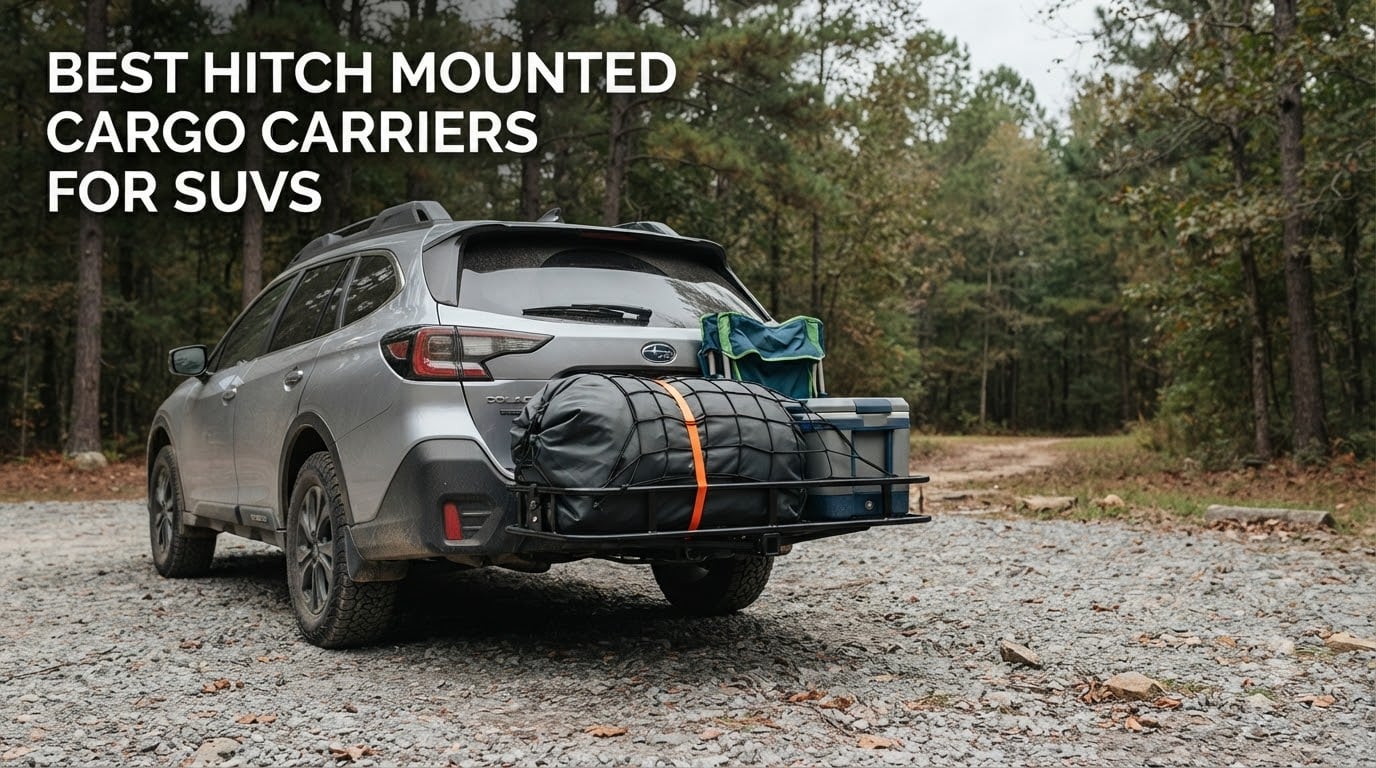
A hitch mounted cargo carrier bolts to the 2 inch receiver on the back of your SUV and turns dead space behind the bumper into a flat load deck. If your SUV already has a Class III or Class IV receiver, you can add roughly 10 square feet of exterior cargo room without spending money on a roof box, losing rear visibility, or paying a fuel economy penalty. That is why these carriers keep showing up in the same conversations as hitch cargo carrier roundups and in threads on r/hondafit and r/rav4club about luggage overflow.
There is one hard constraint that decides everything before you start shopping. You must already own a compatible hitch receiver, and the carrier’s rated capacity has to stay under your hitch’s tongue weight rating. Ignore both and the carrier simply will not fit, or will overload the receiver.
We put 10 of the most-reviewed hitch cargo carriers for SUVs through their paces in 2026, comparing capacity, receiver fit, shank geometry, material, folding or swing-away behaviour, and what owners actually say about noise and sway at highway speed. Nine of these 10 are rated to 500 lb, and eight of those nine are steel, so the differences live in the details: how deep the rails are, whether the shank folds, whether the frame is one welded piece or bolted together, and what hardware actually lands in the box.
Table of Contents
Before You Buy: Check Your Hitch in Three Steps
Measure the opening of your receiver before you compare carriers. Most crossovers and midsize SUVs ship with a 2 inch by 2 inch receiver, which covers every carrier in this roundup except one.
Measure the receiver opening. Slide a ruler or a tape measure into the square opening. A 2 inch by 2 inch receiver accepts all 2 inch shanks. If you measure closer to 1-1/4 inch, you need either the CURT 18110 tray with its sleeve adapter or a new receiver.
Find your hitch class and tongue weight rating. Class III typically means 350 lb of tongue weight and Class IV means 500 lb. The sticker on the receiver or in the glove box door tells you. A 500 lb-rated carrier on a Class III hitch is not automatically unsafe if you keep the real load light, but you should know the number before you load firewood.
Check what else uses the receiver. A carrier and a trailer cannot share the hitch at the same time. If you tow often, read the disqualifier section near the end of this guide before you buy.
If you have no hitch at all, stop and solve that first. We have seen the same pattern in nearly every owner thread we reviewed: people assume the carrier is the expensive part, then discover the receiver is the missing piece.
Top 3 Picks for Hitch Mounted Cargo Carriers for SUVs

MaxxHaul 70107 Steel Basket
- 500 lb capacity
- 22.3 lb unit weight
- 53 x 19.5 in deck
- Fits 2 in receivers

CURT 18153 Folding Basket
- 500 lb capacity
- Folding angled shank
- 60 x 24 in deck
- 6 in side rails

ARKSEN 60 in Folding Carrier
- 500 lb capacity
- Three shank positions
- 60 x 23 in deck
- Folds upright
Best Hitch Mounted Cargo Carriers for SUVs in 2026
| Product | Specifications | Action |
|---|---|---|
| MaxxHaul 70107 Steel Basket |
|
Check Latest Price |
| CURT 18153 Folding Basket |
|
Check Latest Price |
| ARKSEN 60 in Folding Carrier |
|
Check Latest Price |
 WEIZE Carrier with Bag WEIZE Carrier with Bag |
|
Check Latest Price |
 OKLEAD Deep-Rail Carrier OKLEAD Deep-Rail Carrier |
|
Check Latest Price |
 Mockins All-in-One Kit Mockins All-in-One Kit |
|
Check Latest Price |
 CURT 18110 Steel Tray CURT 18110 Steel Tray |
|
Check Latest Price |
 Tow Tuff 2-in-1 Rack Tow Tuff 2-in-1 Rack |
|
Check Latest Price |
 Goplus Aluminum Basket Goplus Aluminum Basket |
|
Check Latest Price |
 VEVOR 60 x 24 Carrier VEVOR 60 x 24 Carrier |
|
Check Latest Price |
1. MaxxHaul 70107 53 in Compact Steel Basket – Best All-Round Pick
MaxxHaul 70107 53″ x 19-1/2″ Hitch Cargo Carrier – Trailer Mount Steel With High Side Rails For RV’s, Trucks, SUV’s, Vans, Cars 2″ Receiver 500-lb Load Capacity , Black
500 lb capacity
53 x 19.5 in steel basket
Fits 2 in receivers
22.3 lb unit weight
Pros
- Holds heavy loads without flexing
- Assembles in 10 to 15 minutes
- Lightest steel basket in this roundup at 22.3 lb
- Works with a cargo bag and hitch riser
Cons
- Sits low on low-hitch vehicles
- Occasional uncoated spots that can rust
- Fastener holes only align if bolts stay loose
This is the carrier we kept coming back to. With 5675 reviews at 4.5 stars, it has the deepest owner base in the category, and the pattern in that base is consistent: people describe a rack that feels welded solid and that has held two 80 lb hay bales without flexing. The frame is alloy steel with a powder coat, and the outer basket measures 53 by 19 by 5 inches with an inner floor of 51 by 17-1/2 inches.
At 22.3 lb it is the only carrier here one person can comfortably lift into a receiver alone. That single fact changes daily use more than any spec on the page. Most owners finish assembly in 10 to 15 minutes with basic tools, and the compact footprint means it clears tight parking spaces and short ramps far better than a 60 inch basket.
The 500 lb rating is a static number, and real dynamic road loads sit far below it. A 500 lb figure is not a licence to load 500 lb of firewood onto a Class III receiver. What the headroom buys you is margin against pothole shock, expansion joints and washboard gravel, which is exactly why we are comfortable recommending it for camping gear and cooler hauls.
Two details deserve a note. The powder coat is not perfectly even, and a small number of owners report light surface rust developing at uncoated spots after a season outside. And because the basket sits close to the ground, a hitch riser or drop-down extension is often the difference between a usable carrier and one that drags on a steep driveway.
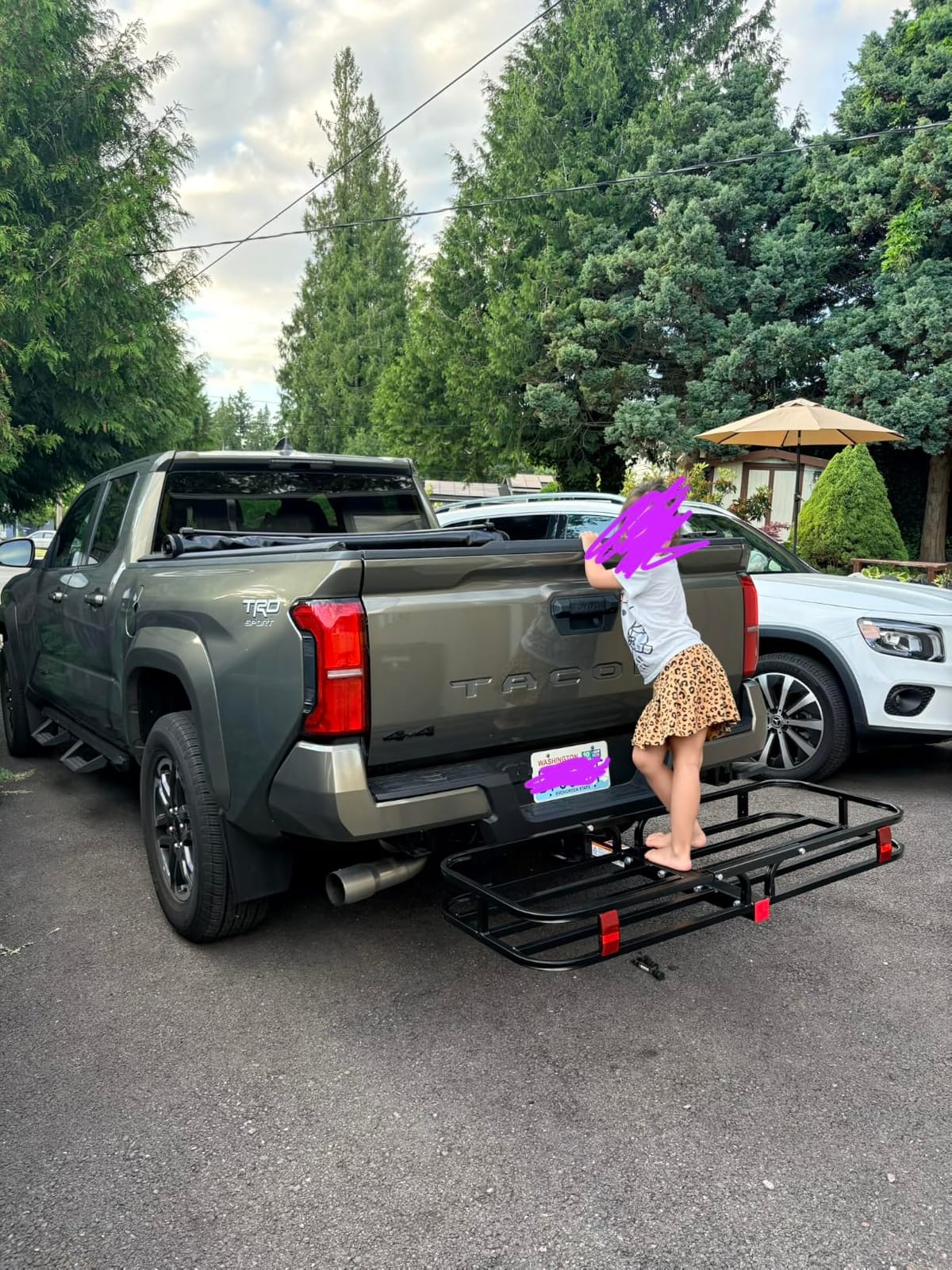
Will the rear hatch still open with this fitted?
On most mid-size and large SUVs, yes. The 53 inch width is narrower than the 60 inch baskets further down this list, which is the single biggest reason it clears tailgates and liftgates that a bigger rack would block. On a vehicle with a split tailgate, verify before you commit, because the narrow footprint helps but does not guarantee clearance.
Owners also pair it with a riser for exhaust clearance on low-hitch vehicles, and a cargo bag on top of the mesh. If your SUV has a factory tow package with a Class III receiver, the capacity margin is comfortable as long as you keep the real load to a fraction of the rating.
Where this basket falls short
The 5 inch rail height is shallow next to the 7 inch rails on the Goplus or the 14.4 inch rails on the OKLEAD. Tall coolers, firewood and soft duffel bags will sit proud of the sides and need a net or straps to stay put on twisty roads. If your load is bulky rather than heavy, look at a deeper rail option.
Assembly has one genuine annoyance: fastener holes only line up if you leave every bolt loose until the frame is squared up, then tighten in sequence. It is a five-minute habit, not a defect, but tell your other hand first. The manufacturer warranty on this one is 90 days, the shortest in the group, so keep your receipt.
2. CURT 18153 Folding Basket – Best Premium Steel Carrier
CURT 18153 Folding Hitch Basket Cargo Carrier, 60″ x 24″, 500 lb
500 lb capacity
60 x 24 in basket with 6 in sides
Folding angled shank
70 lb unit weight
Pros
- Folding shank tilts upright when parked
- Angled shank adds real ground clearance
- Heavy tubular steel carries 250 to 300 lb without sag
- Rear hatch still opens with the rack down
- Reflectors included
Cons
- 70 lb makes this a two-person install
- Hitch pin and stabilizer not included
- Mesh base lets small items drop through
- Minimal reflector coverage
The CURT 18153 is the one we recommend when you want a carrier that disappears when you are not using it. Its folding shank lets the whole 60 by 24 by 6 inch basket tilt upright, and the angled shank lifts the floor away from the bumper for clearance on steep driveways. Owners with 3858 reviews at 4.6 stars describe tubular steel that has held up for eight years without complaint.
Real loads of 200 to 250 lb do not make the frame sag, and the 60 by 24 inch floor holds multiple full-size suitcases side by side, which is the most common family road trip use we hear about. The mesh base keeps larger items from sliding off but will not hold a bag of gravel or a box of hardware screws.
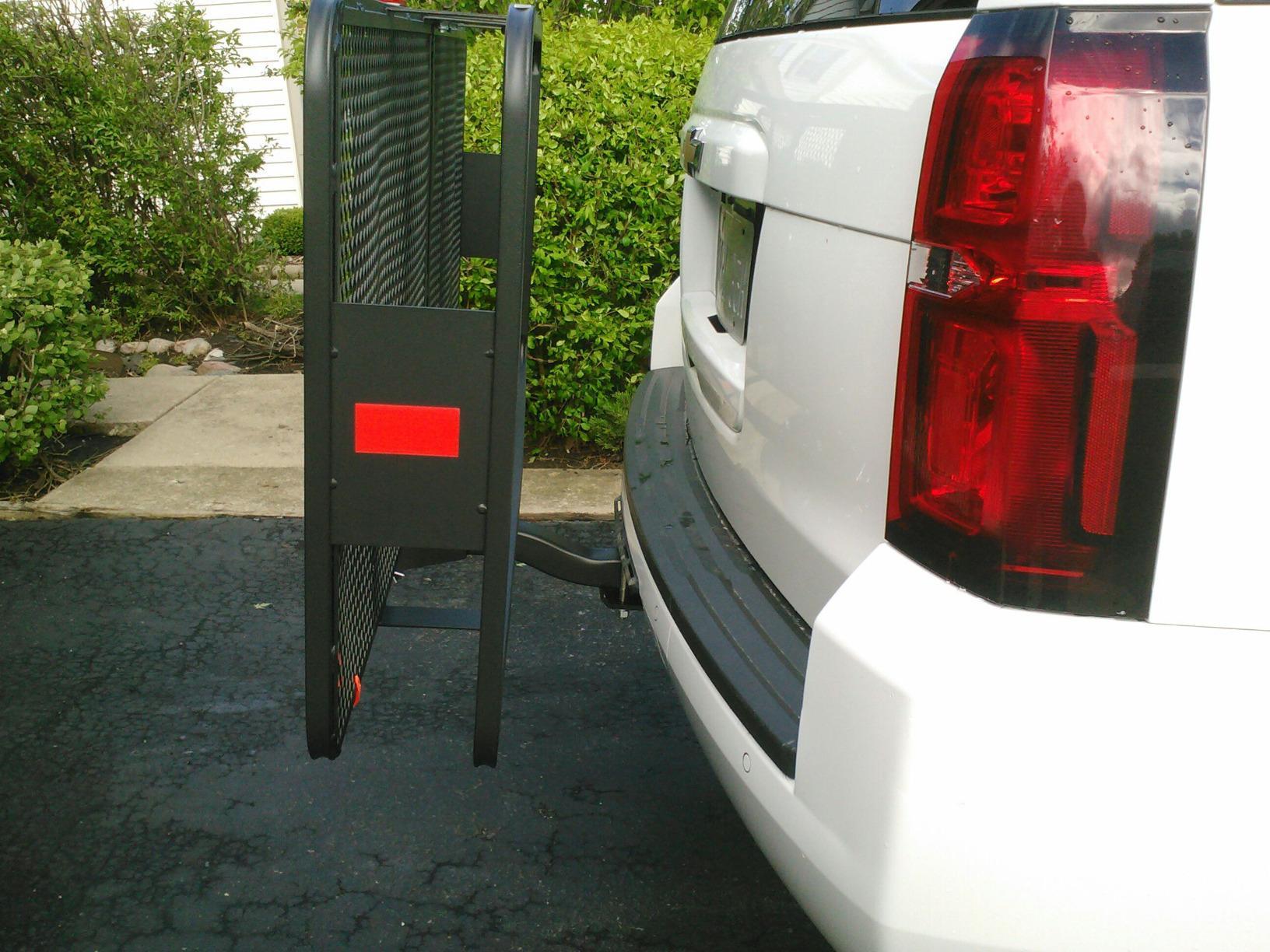
The catch is weight. At 70 lb this is the heaviest carrier in the roundup, and most owners treat installation as a two-person job with a second pair of hands. If you plan to remove it weekly for a tight car park, the lighter folding designs further down will serve you better.
You also have to buy the locking hitch pin and an anti-rattle stabilizer separately. Budget for both before you order, because a carrier running loose in the receiver is the fastest way to generate the clunking that owners on owner forums describe as an automatic disqualifier.
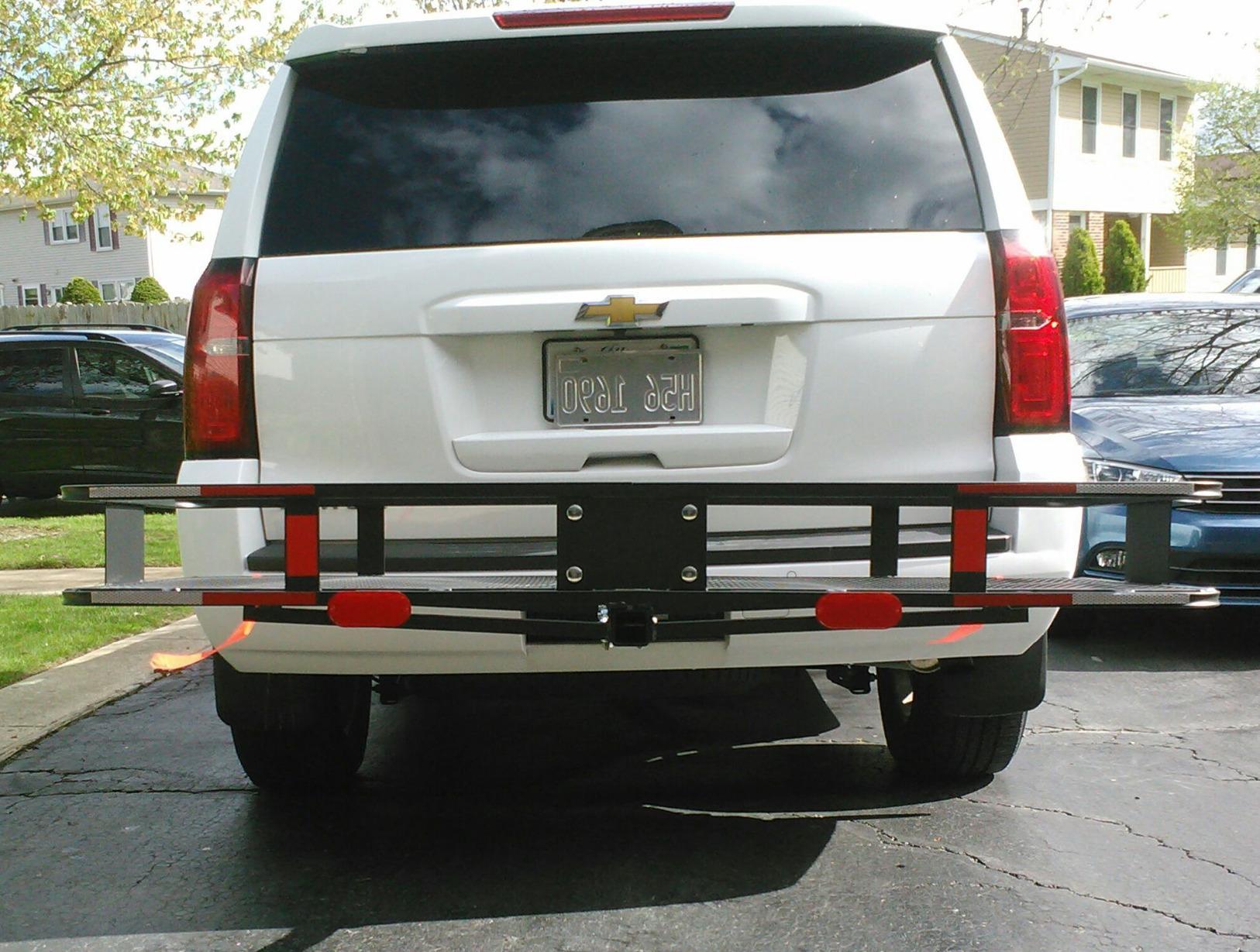
Is 70 lb a problem for a single owner?
If you have a ramp, a workbench at waist height and a second person nearby, no. If you are lifting it over a bumper in a dark parking garage alone, yes, and we would steer you toward the ARKSEN or the MaxxHaul instead. Weight is the one spec that changes with your body and your parking situation rather than with the carrier.
The flip side is that a heavy rack is inherently stable at speed. Mass on the shank resists the vertical bounce that makes lighter racks hum over broken pavement, and the angled shank puts more of that mass ahead of the axle line. For long highway trips with a heavy load, that stability is worth the lift.
What you should buy alongside it
A locking hitch pin with a retainer, and an anti-sway stabilizer that bolts between the shank and the receiver collar. Both are inexpensive relative to the carrier and both directly attack the rattle complaints that show up in nearly every owner thread. Add cam straps with rubber sleeves over bare ratchet hardware to stop steel-on-steel clinking.
The one-year limited warranty is thin, but the mesh base can develop surface rust over years in coastal climates. If you live somewhere salted, treat the mesh with a rust inhibitor before the first winter.
3. ARKSEN 60 in Folding Carrier – Best Value Pick
ARKSEN 60″ x 23″ x 5.5″ Folding Hitch Cargo Carrier
500 lb capacity
60 x 23 in steel basket
Three shank pin positions
Folds upright when not in use
Pros
- Basket is two halves joined by seven bolts
- Snug fit with no bounce on the road
- Three shank positions solve hatch clearance
- Folds nearly flush with the vehicle
Cons
- 42.3 lb usually needs two people
- Thick square tubing blocks some strap hooks
- Light surface rust inside the frame after heavy rain
The ARKSEN is the pick we suggest when you want a wide 60 inch deck with folding stowage at a mid-range price and you care more about the fit than about accessory bundles. It carries 1665 reviews at 4.6 stars with 78 percent of those at five stars, and the most repeated phrase in them is how tight it sits in the receiver.
That fit is not an accident. Owners report a snug, wobble-free mount with no bounce over broken pavement, which is the direct antidote to the clunking complaints that dominate owner forums. The frame is reinforced square steel tubing with a steel mesh base, finished in a black epoxy coat that the manufacturer rates against rust, corrosion, rain and road salt.
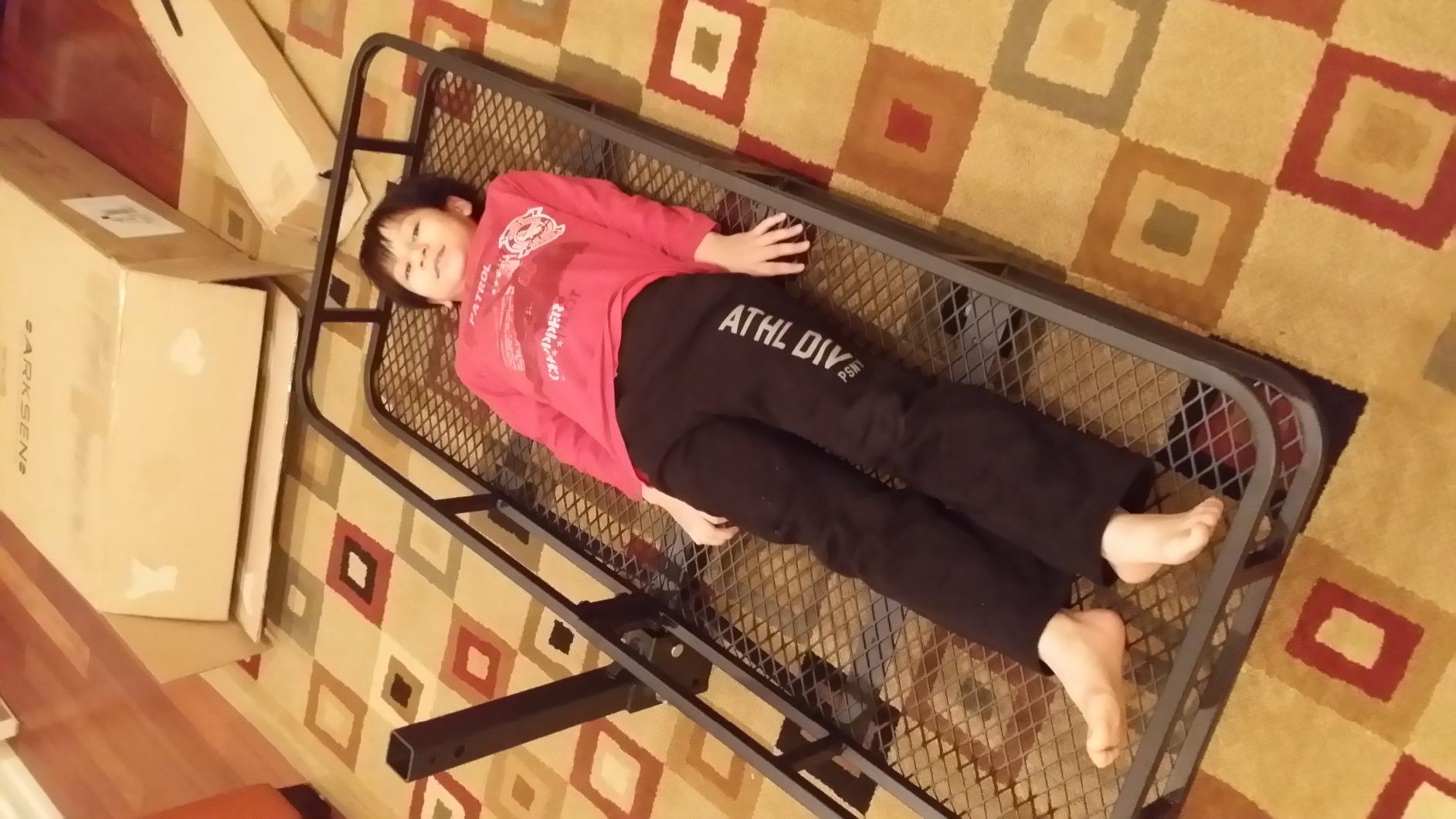
Three shank pin positions are the feature almost nobody else in this list offers. You choose how far the carrier sits from the bumper, and that single adjustment is what lets owners with tight liftgates open the rear hatch. The basket also folds upright and sits nearly flush with the vehicle when empty, which matters in covered parking.
Assembly is the easiest here. The basket is two halves joined by seven bolts, so there is no frame squaring step and nothing to misalign. High-visibility reflectors are included, which is worth noting because several competing baskets ship with a single token reflector or adhesive pads that peel off.
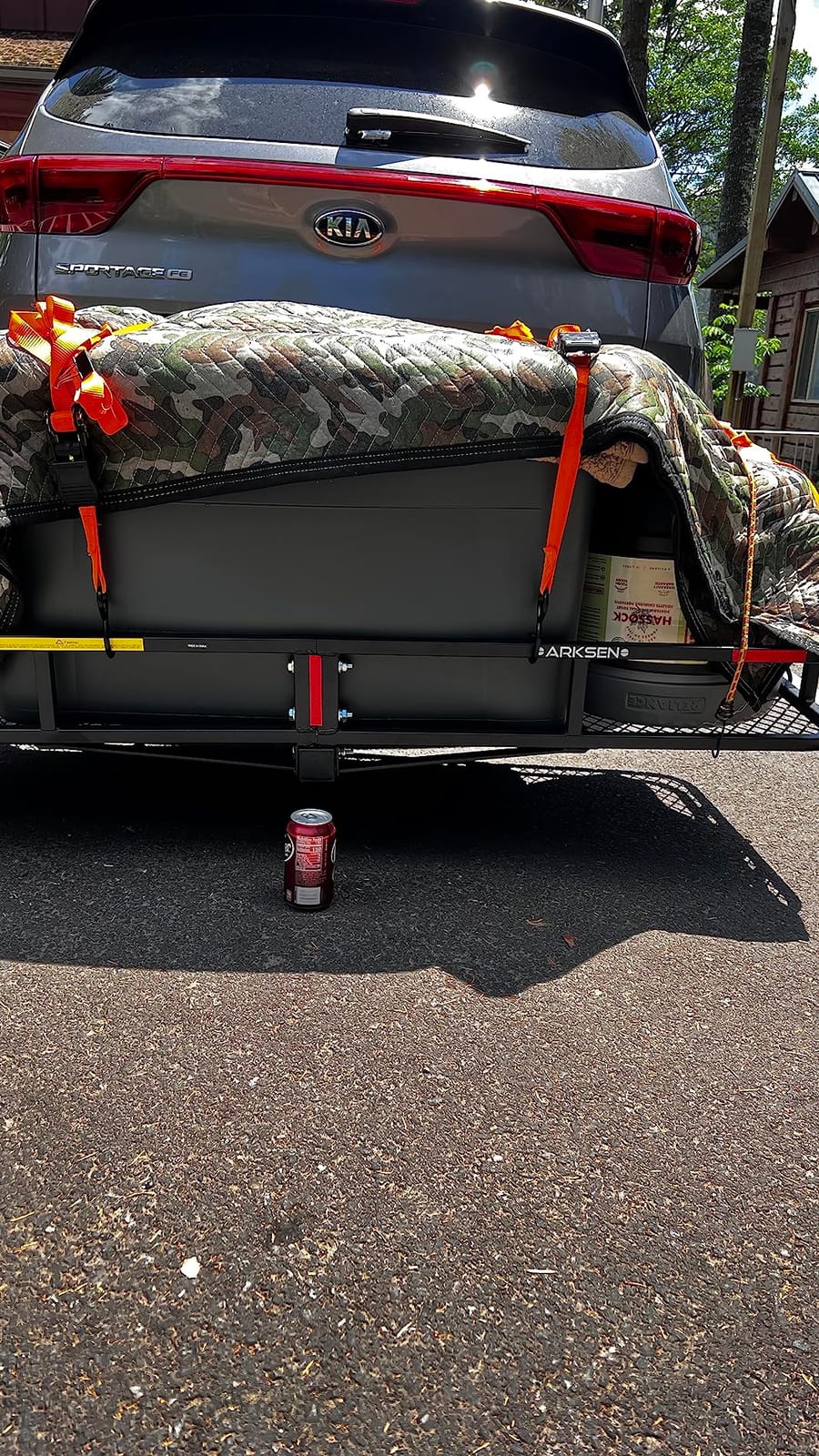
Will the rear hatch open with this fitted?
More often than not, yes, and that is what the three pin positions are for. If your SUV has a low bumper and a hatch that sweeps low, you can move the carrier forward on the shank to buy clearance. A handful of owners also report that an automatic hatch can strike the rails when the carrier is folded upright, so test the folded position in your driveway before you rely on it.
On a low-hitch vehicle the loading height is not as forgiving as the CURT 18153 with its angled shank. If you have a steep driveway or a high lift, check the approach angle with the carrier empty and loaded.
Where the value pick loses ground
At 42.3 lb it is heavy for a folding steel basket, and most buyers report that a second person is needed to lift it onto the hitch. If solo handling matters to you, the aluminum designs later in this list weigh less than half as much.
The square tubing is thick enough that some bungee cords and a number of ratchet strap hooks will not clip on, which is a real annoyance if you secure loads with hardware you already own. Some owners also saw light surface rust inside the frame after sustained rain exposure, so rinse the inside and dry it if you store gear under a cover.
4. WEIZE Folding Carrier with Waterproof Bag – Best All-Weather Bundle
WEIZE Folding Hitch Mount Cargo Carrier Basket 60″ x 20″ x 6″ with Waterproof Bag, Net, Strap, 2-Inch Folding Shank, 500 lbs Capacity Hitch Rack, Steel Construction
500 lb capacity
60 x 20 in basket, about 10 sq ft
Waterproof bag, net and straps included
66.5 lb unit weight
Pros
- Most complete kit for wet climates
- Bag survives multi-day rain and snow
- Frame feels solid with no shimmy
- Folds up and stays secure
- Reflectors and straps included
Cons
- Loud at highway speed when empty
- Bolts loosen without lock washers
- Small gap where the extension joins
- Reflector adhesive is weak
The WEIZE wins on what is in the box. Alongside the 60 by 20 by 6 inch basket you get a 36 by 60 inch elastic cargo net, two 12 ft tie-down straps rated to 2200 lb each, and a waterproof cargo bag with a zipper and Velcro closure. That is roughly the accessory list most owners otherwise assemble piecemeal, and it is why this one ranks in the top two positions in Vehicle Cargo Baskets.
The bag is the reason we picked it for rain and snow. Owners report it holding up through blizzards, sustained rain and cross-country moves without leaking or tearing. The welded steel frame arrives in four sections and gives you roughly 10 square feet of deck, rated to 500 lb with a black powder coat.
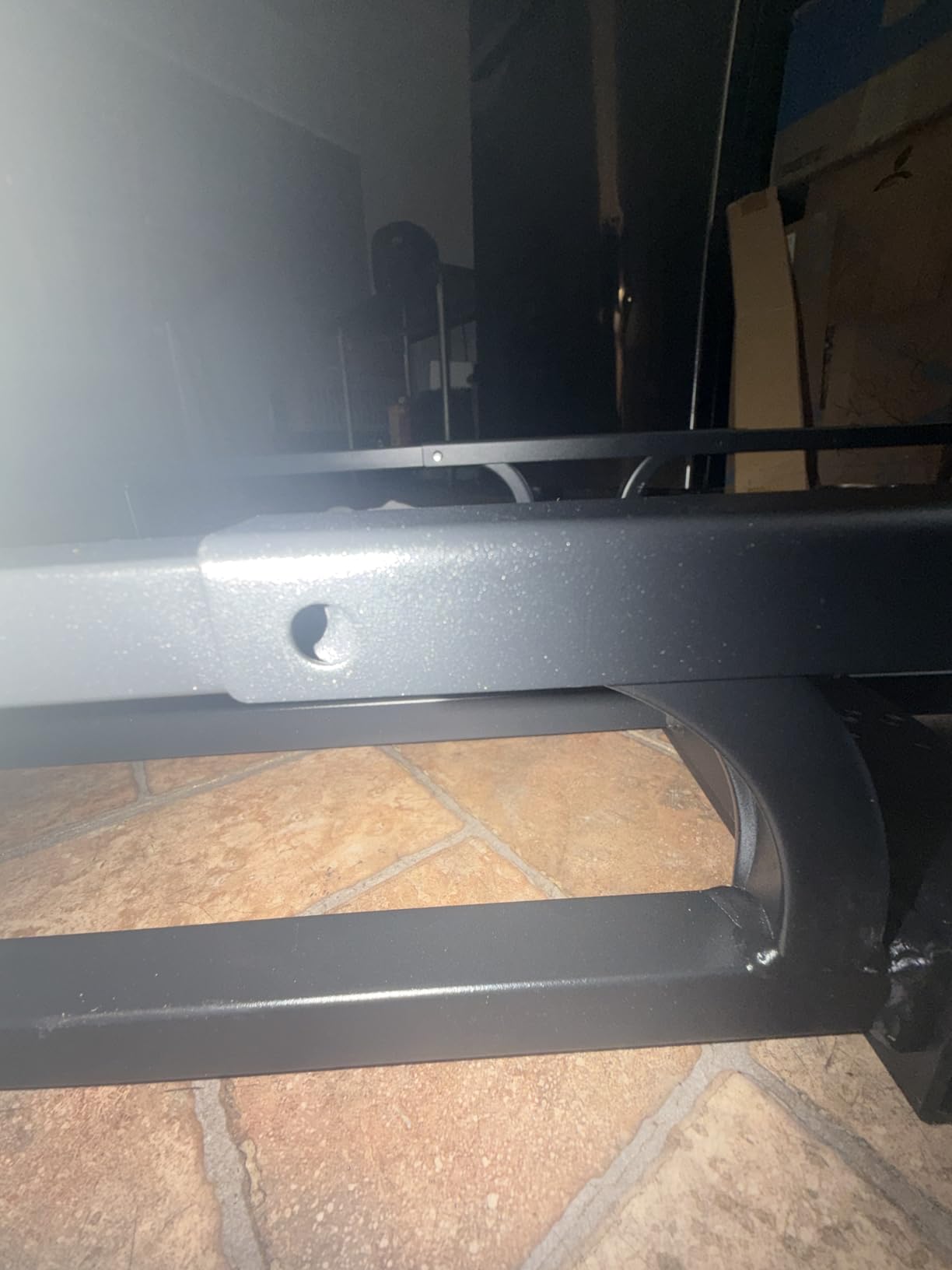
The folding 2 inch shank lets the whole carrier tilt up when you are not hauling. We like the fact that the included straps and net mean you can secure a load properly on the first trip rather than after a hardware run to an auto parts store.
Noise is the honest drawback. Owners specifically report the carrier being noticeably loud at highway speed, especially when empty, because the mesh and the extension bar ring under load. Soft goods, a strap wrap or a cargo bag sitting on the deck dampens it, and adding a stabilizer helps more than most buyers expect.
Do I still need to buy straps and a lock?
You get straps, but you do not get a locking hitch pin. Add one. The reason appears over and over in owner threads: a carrier that can rock in the receiver is the leading source of the metallic clunking that people describe as an automatic no, independent of price.
No lock washers or threadlocker are supplied, so on a long highway run the assembly bolts can loosen. A small pack of threadlocker applied at assembly, plus a quick re-torque after the first 50 miles, solves this permanently for almost no effort.
Where this kit falls short
At 66.5 lb it is the second heaviest carrier in the roundup, and it is not a one-person lift. The centre extension leaves a fore-aft gap in the bars that some buyers read as unfinished, and the bracket design is a nub-and-clamp style rather than a true wrap-around clamp, with screw ends that can sit close to the cargo bag.
Reflector adhesion is the small irritation. Only a few reflectors are supplied, some do not stick well, and the corners can end up unmarked. If you drive at night, add your own reflective tape rather than trusting the supplied pads.
5. OKLEAD 500 lb Deep-Rail Carrier – Best for Bulky Loads
OKLEAD 500 Lbs Heavy Duty Hitch Mount Cargo Carrier 60″ x 24″ x 14.4″ Folding Cargo Rack Rear Luggage Basket Fits 2″ Receiver for Car SUV Camping Traveling
500 lb capacity
14.4 in rails folding to 3.2 in
One-piece welded steel
Hitch stabilizer included
Pros
- Deepest rails in this group at 14.4 in
- One-piece weld has no seam to flex
- Folds down to a 3.2 in profile
- Hitch stabilizer included in the box
Cons
- 64 lb is hard to lift alone
- Deep rails raise the centre of gravity and add sway
- Uneven powder coat can rust at welds
- Only two red reflectors
This is the carrier to buy when you are moving awkward things rather than heavy things. The 14.4 inch tubular side rails are by far the tallest in the group, and they fold down to 3.2 inches when you are not using them. A mesh floor keeps smaller objects from falling through, and the whole platform measures 60 by 24 inches, about 10 square feet of usable deck.
The one-piece welded construction is the other reason owners like it. There is no bolted seam in the middle of the frame to flex or to rattle, which is a different acoustic result from the two-half designs elsewhere in this roundup. The manufacturer warranty runs one year.
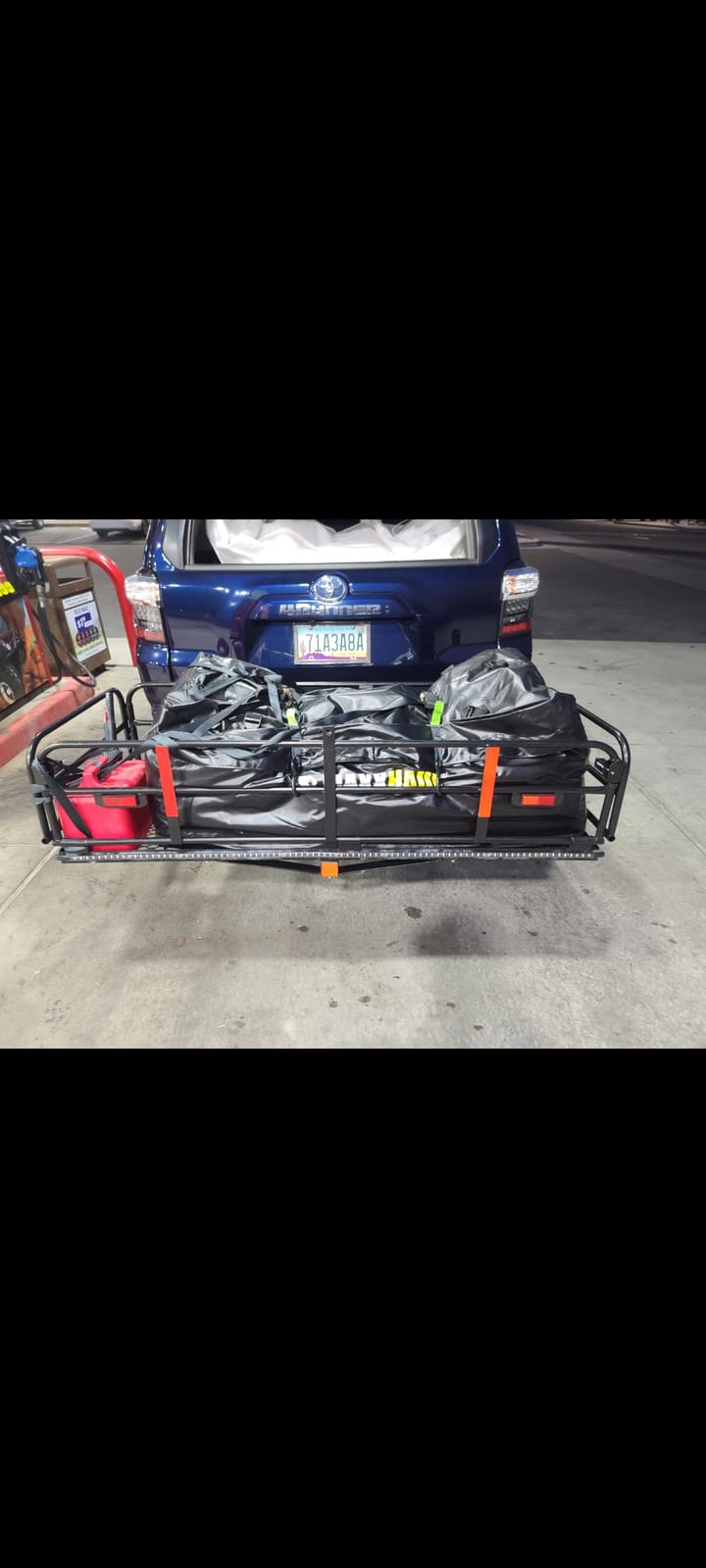
A hitch stabilizer is included in the box, which most competing baskets in this price range leave out. That single part does more for sway reduction than any amount of strapping, and it is the one accessory we would otherwise have told every buyer to purchase separately.
Capacity is 500 lb distributed, and the carrier fits any 2 inch trailer hitch opening. Keep the load centred and even, and check your receiver’s tongue weight rating before you load it heavily. Static capacity is not the same as the load your hitch and your rear suspension are designed to carry.
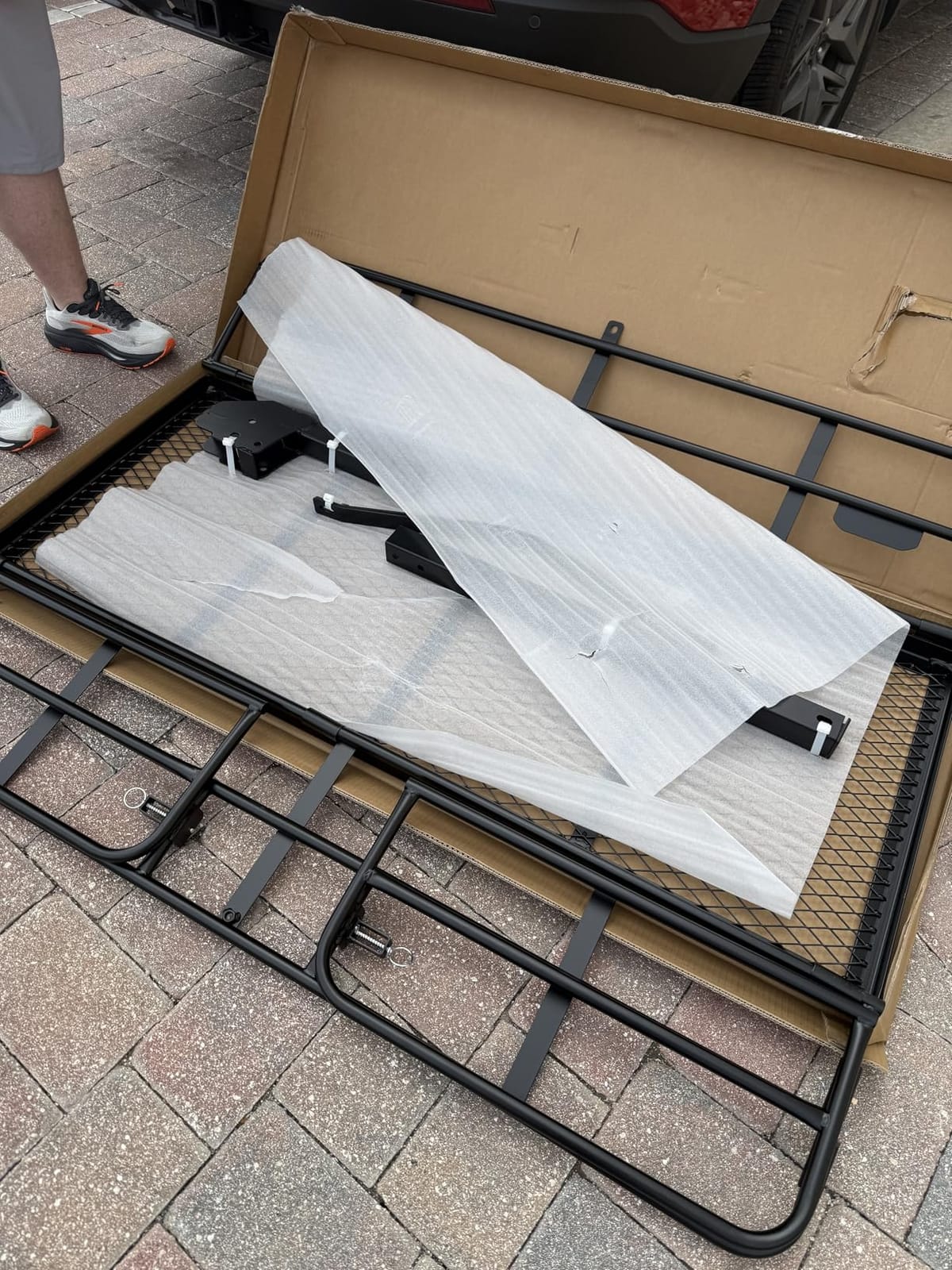
Will deep rails make the load sway?
They can. Tall rails raise the centre of gravity of the loaded carrier, and owners report more sway and more road noise when the carrier is heavily loaded with items that sit high in the basket. The included stabilizer mitigates it, and keeping the load low and centred reduces it further.
For firewood, bulky bins or anything over about 6 inches tall, the containment is worth the trade. For a flat load of suitcases, the shallower baskets are calmer at speed and cheaper to buy.
Where this deep-rail design falls short
At 64 lb it is one of the heaviest carriers here and difficult for a single person to lift onto the hitch. It also has the highest one-star share in the group, which owners attribute mainly to uneven powder coat that lets weld joints show surface rust early rather than to structural failure.
Reflector coverage is limited to two red units, and the folded rails only drop to 3.2 inches, so the folded package is not as flat as a folding-shank basket. Budget for extra reflective tape if you drive at night.
6. Mockins 60 x 24 Carrier Kit – Best All-in-One Bundle
Mockins 60″x24″x6″ Heavy Duty Steel Folding Trailer Hitch Cargo Carrier
500 lb capacity
60 x 24 in steel platform
25 cu ft waterproof bag
10 year limited warranty
Pros
- Keyed hitch lock and stabilizer included
- License plate bracket built in
- Carries 250 to 400 lb without sagging
- Longest warranty in this roundup
- Cargo net and five straps included
Cons
- Pin holes can misalign when folded up
- 64 lb is a two-person lift
- Will not clear a late-model Bronco tailgate
- Paint is uneven at some welds
Almost nothing is missing from this box. You get the 60 by 24 by 6 inch steel platform, a 25 cubic foot soft-shell waterproof bag with welded seams and Velcro-covered zippers, an expandable 36 by 20 inch bungee net, two ratchet straps and three buckle straps, a hitch stabilizer, a keyed hitch lock with two keys, and an integrated license plate relocation bracket.
The plate bracket is the sleeper feature. Every large hitch carrier hides your rear plate, and solving that in the frame avoids buying a separate light and plate kit. The 1002 reviews at 4.6 stars mention the lock, the stabilizer and the bag more than almost anything else.
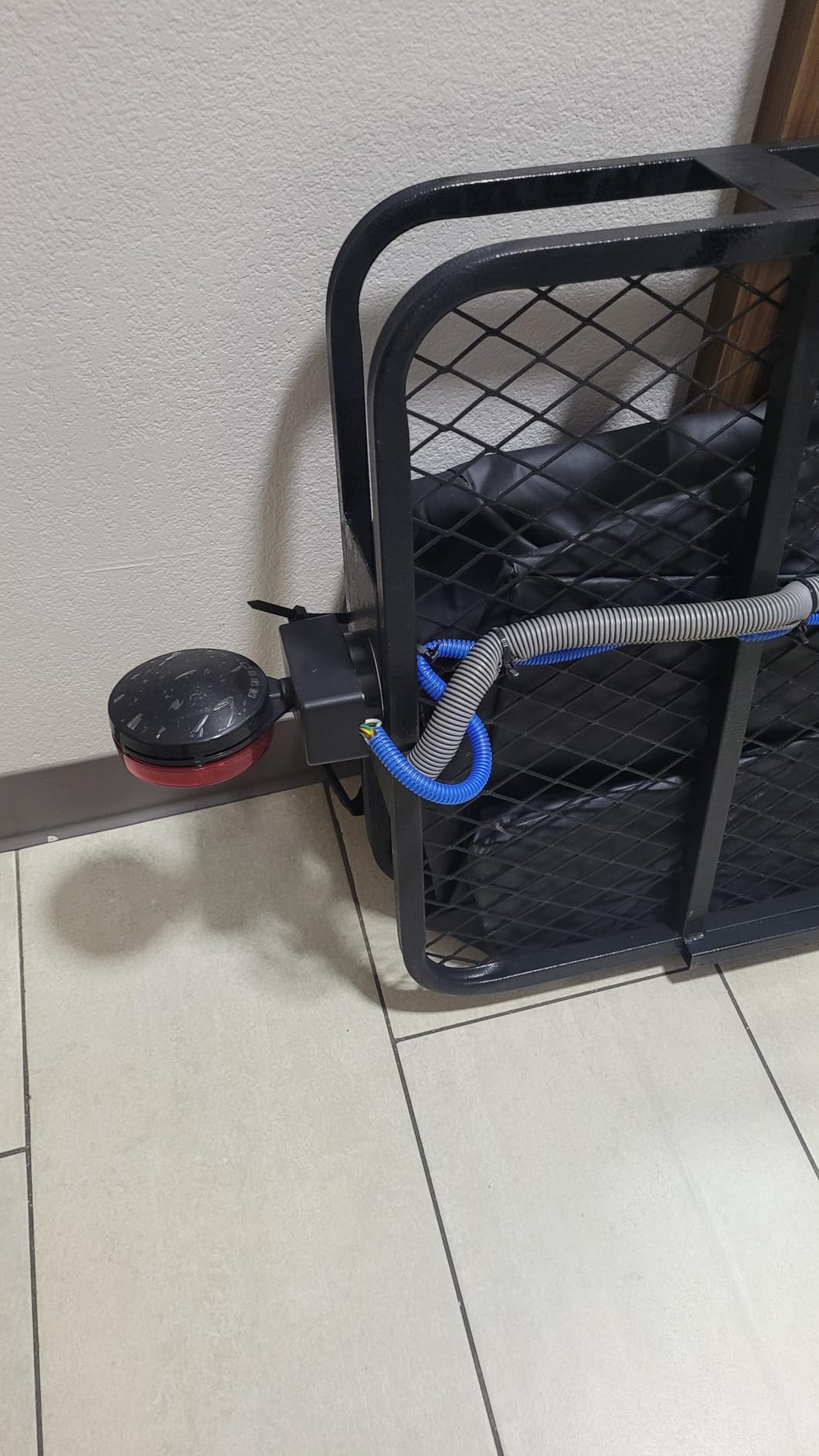
Load performance is genuinely good. Owners report 250 to 400 lb plus a moped platform with no flex across multi-thousand-mile trips, and the 10-year limited warranty is the longest stated in this roundup by a wide margin. The 6 inch side rails are mid-height, taller than a shallow basket and far shorter than the OKLEAD.
The folding shank tilts the rack upright for parking, and on many SUVs the rear hatch still opens when the carrier is down and loaded. Folding works well for storage, but there is one real mechanical complaint we would want you to know about before you buy.
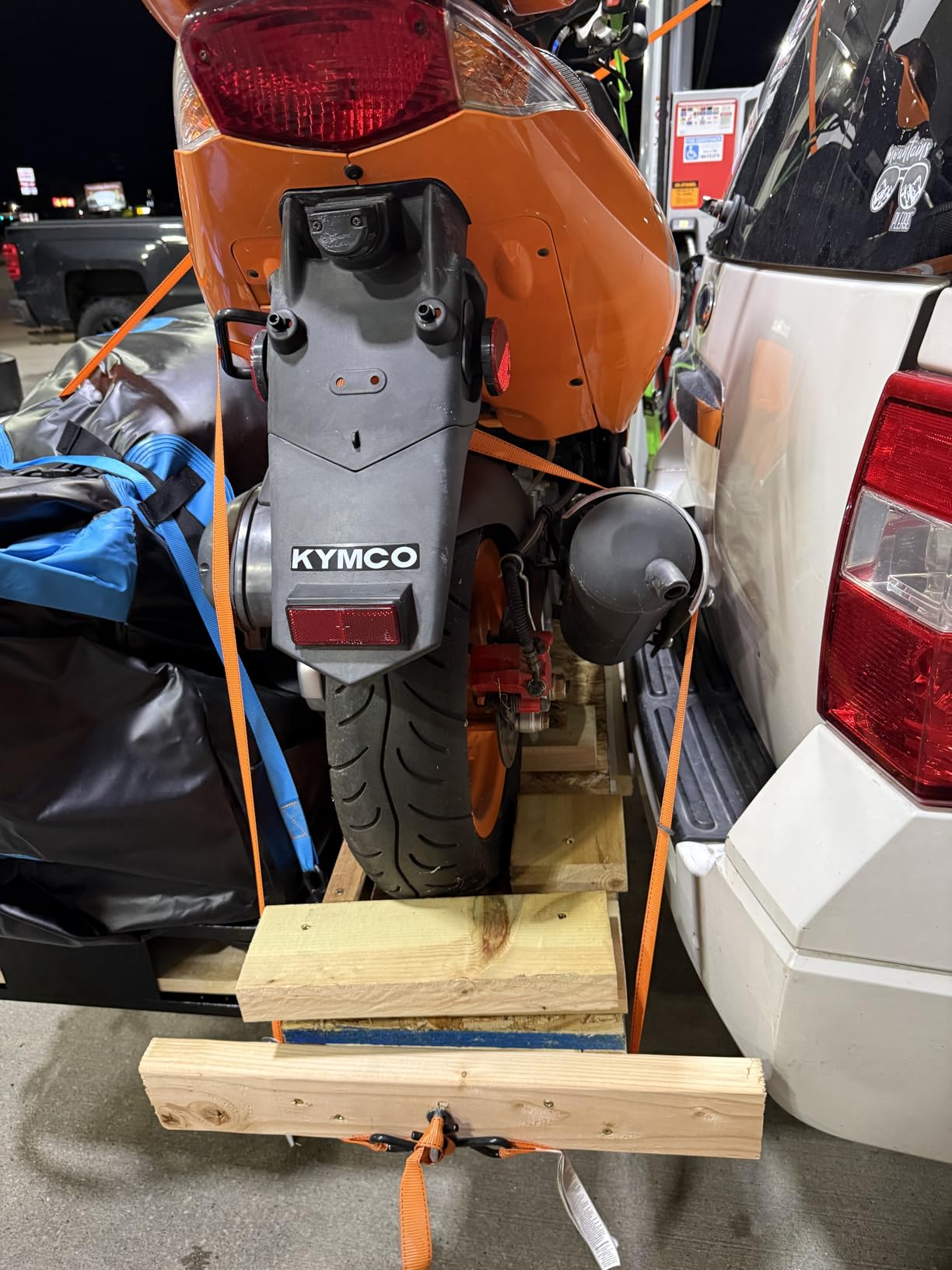
Is the keyed hitch lock worth having in the box?
Yes, and more so on this carrier than most. An open basket is only as secure as its contents, and theft from a basket at a trailhead or in a parking lot is a recurring theme in owner discussions. A keyed pin plus a cargo net that cannot be lifted over the rails is the practical baseline for anything you do not want to lose.
The included net and five tie-down straps mean you can secure a tall load without a second hardware run. One plastic piece on the bag straps has broken for some owners in use, and swapping to metal ratchet straps is a worthwhile upgrade.
Where this bundle falls short
The most cited problem is mechanical, not electrical. When the carrier is folded upright, the locking pin holes can be misaligned, and several buyers had to file the hole or use a hammer to seat the pin. Inspect the fold-up position once at assembly and address it early rather than in a parking lot.
Fitment is the other limit. This carrier will not let a late-model Bronco tailgate open even when empty, and the locking pin does not fit that vehicle. At roughly 64 lb it is also a two-person install, and some owners saw surface rust at weld joints after beach trips.
7. CURT 18110 48 in Steel Tray – Best for Smaller Receivers
CURT 18110 48″ x 20″ Steel Tray Cargo Carrier, 1-1/4″ Shank, 300 lb
300 lb capacity
48 x 20 in open steel tray
1-1/4 in shank with 2 in adapter
30 lb unit weight
Pros
- Lightest steel carrier here at 30 lb
- Angled shank lifts the tray off the bumper
- Sleeve adapter fits most 2 in receivers
- Hitch pin and clip included
Cons
- 300 lb is the lowest rating here
- No side rails so cargo is not contained
- Smaller deck than the 60 in baskets
- Two-piece build needs torque checks
This tray solves a problem the other nine carriers in this roundup ignore. It has a 1-1/4 by 1-1/4 inch shank and ships with a sleeve adapter for 2 by 2 inch receivers, so it fits both the smaller hitch found on many subcompact and compact crossovers and the standard 2 inch opening on a larger SUV. That flexibility is rare in this category.
At 30 lb it is the lightest steel carrier here, so one person can usually lift it into the receiver without help. The angled shank raises the tray off the bumper, and openings around the perimeter double as tie-down points for nets, straps or bungees. A hitch pin and clip are included in the package.
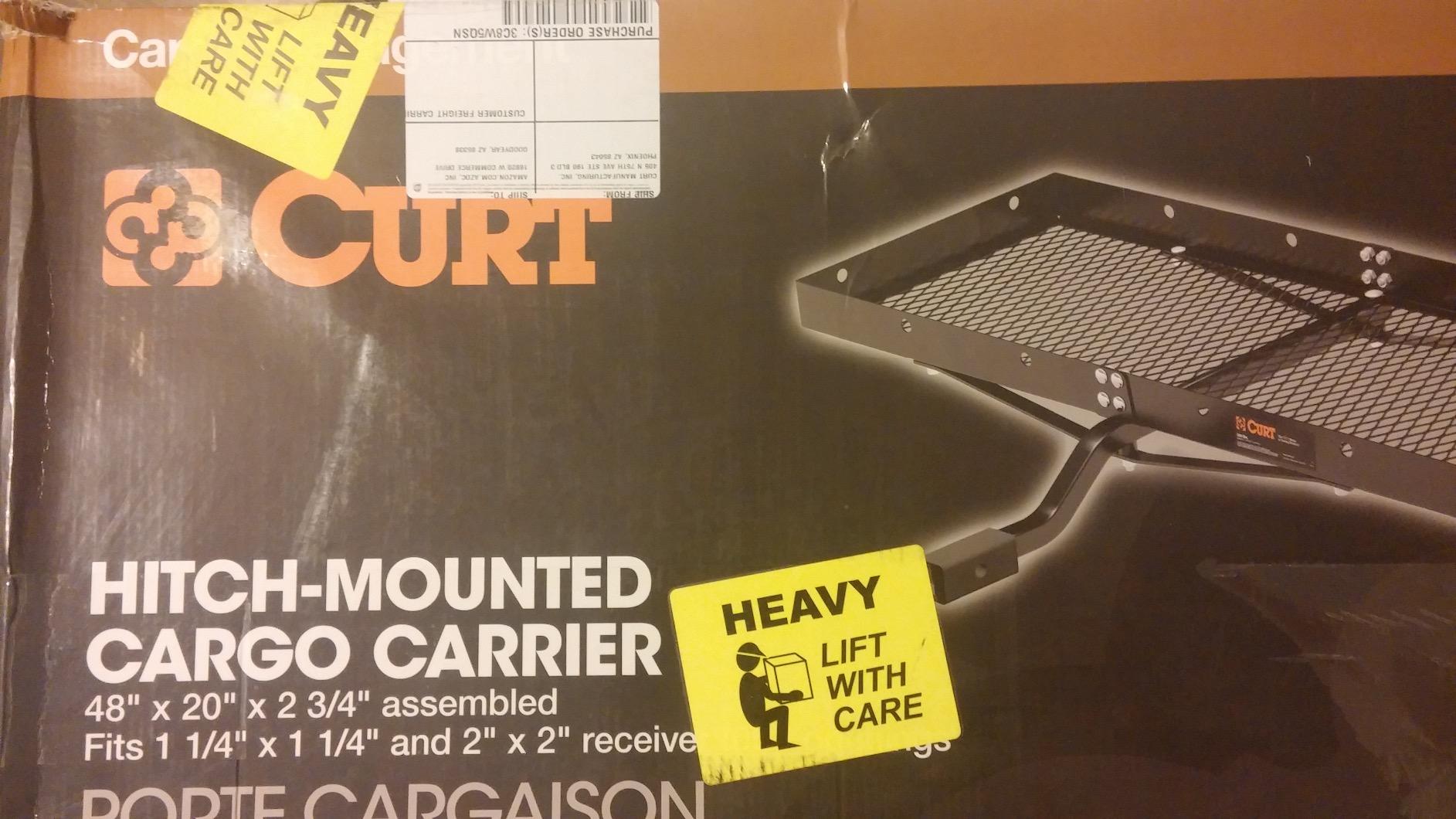
The tray format is genuinely different rather than a smaller basket. It is an open platform with no side rails, which makes it very easy to load bulky, oddly shaped gear that will not sit neatly inside a basket, and it has a lower loading height as a result.
Owners pick it for exactly that combination of light weight and receiver flexibility. With 941 reviews at 4.5 stars, it is well supported, and the one-year limited warranty is standard for the category.
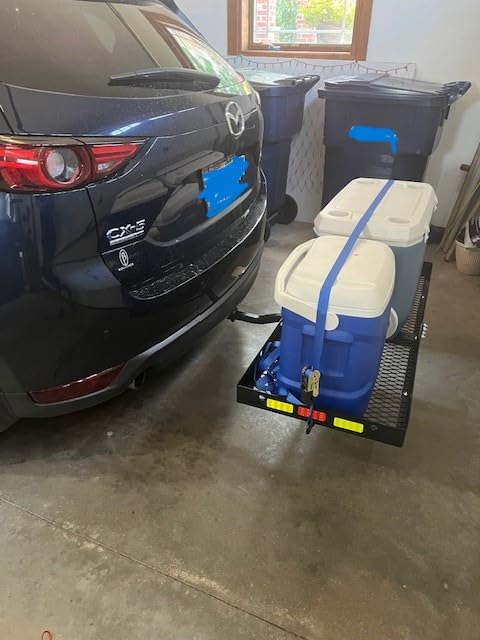
What is the catch with an open tray?
There is no containment. Nothing stops a duffel bag, a cooler or a box from sliding off in a hard turn, so every item needs a net or a strap and the load needs to sit well inside the perimeter. If you routinely haul things that shift, a railed basket is a safer default.
Capacity is the second limit. The 300 lb rating is the lowest in this roundup and well under the 500 lb norm, and the 48 by 20 inch deck is smaller than the 60 inch baskets. For a couple of coolers and a fire ring, that is plenty. For firewood or a generator, it is not.
How do I confirm fitment before ordering?
Measure the receiver opening and check the pin hole alignment before you buy, exactly as the manufacturer instructs. Because this carrier uses a sleeve adapter, the effective position of the tray moves forward relative to a direct-fit shank, so measure your hatch and bumper clearance as well as the opening.
Finally, the two-piece bolt-together assembly means the fasteners need a periodic torque check. That is a five-minute job before each long trip and worth doing on any carrier, but it matters more here because the joint is structural.
8. Tow Tuff 2-in-1 Aluminum Rack – Best for Bikes and Cargo
Tow Tuff Truck Hitch Cargo Carrier – 500 lb Aluminum 2-in-1 Rack, Silver
500 lb capacity
62 x 27 in aluminum platform
Converts to a four-bike rack
Fits all 2 in receivers
Pros
- Converts from cargo platform to bike rack with pins
- Aluminum will not rust
- Four bolts to assemble
- Long deck holds four adult bikes
Cons
- Lowest rating in the group at 4.3
- Weak point for damage and missing hardware
- Platform sits low and can scrape
- No fold-up function
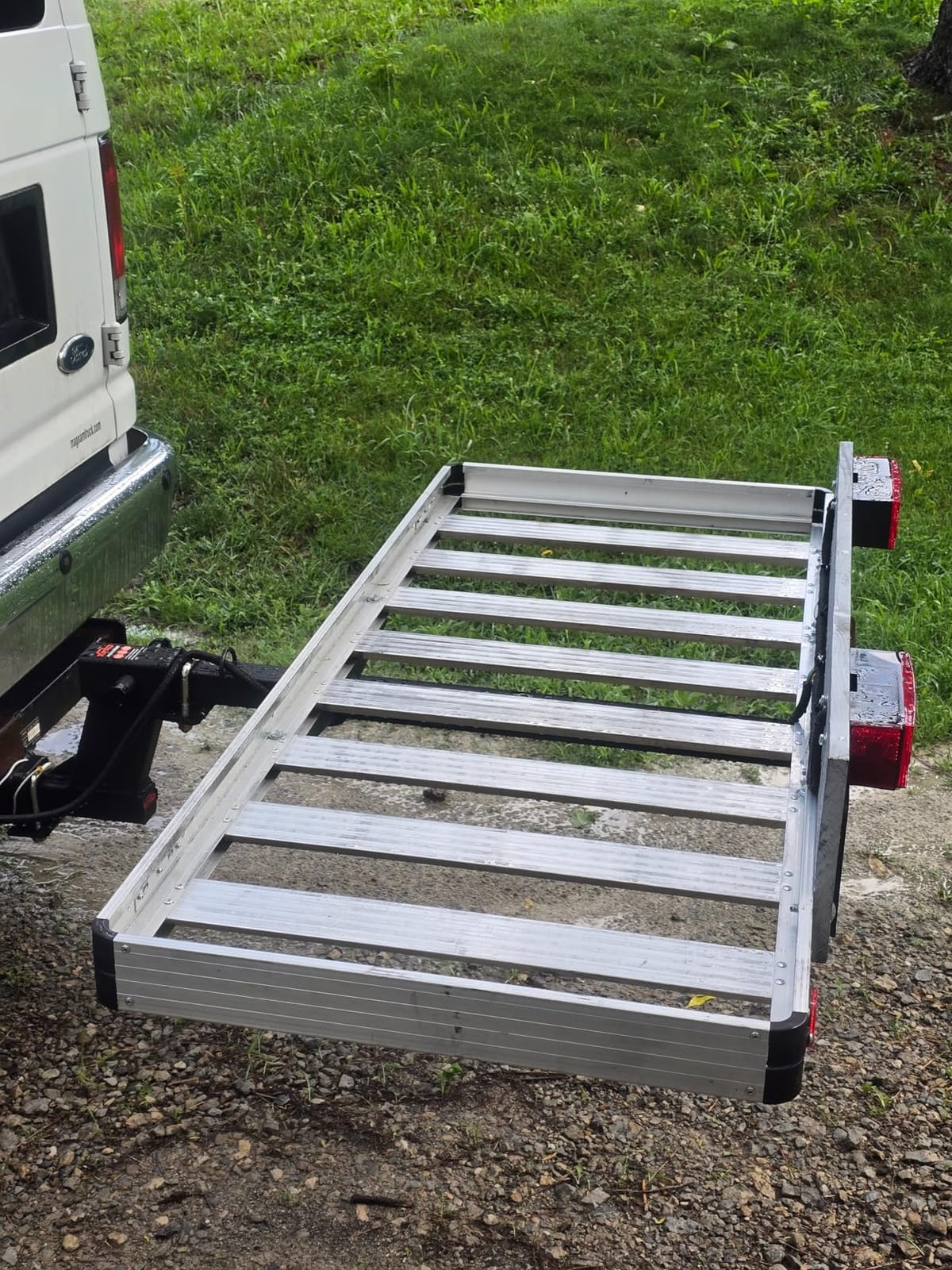
This is the only carrier in the roundup that changes jobs rather than just changing shape. The 62 by 27 by 3 inch aluminum platform converts between a flat cargo carrier and a four-bicycle rack using installation pins, with an adjustable wheel holder and tie-down holes. If you want one hitch-mounted carrier for both a beach trip and a bike trip, the versatility is real and it is the reason this rack exists.
Aluminum is the material advantage. It will not rust, which matters in salted coastal states and for anyone storing gear on a boat trailer or near a beach. The listed weight is 48 lb, though owners report closer to 25 to 35 lb in practice, and assembly is four bolts plus reflectors.
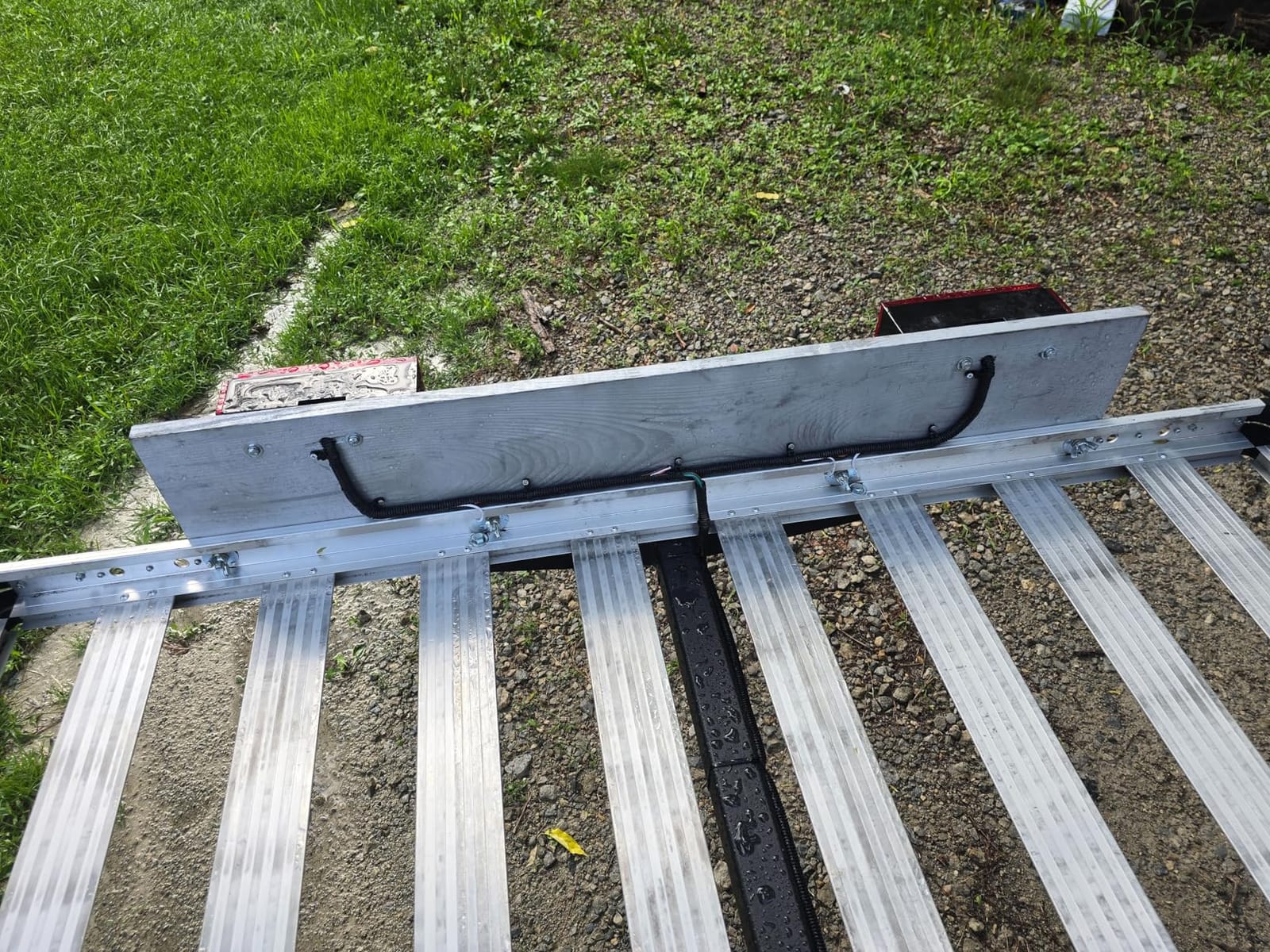
Load performance is fine. At 500 lb rated it carries totes, coolers, a lawn mower or a small motorcycle, and the long 62 inch deck holds four adult bikes or multiple 27 gallon totes stacked two high. Owners report 4000 mile trips hauling bikes and cargo without issue.
The 4.3 rating is the lowest in this group, and the distribution explains it. Most of the one-star and two-star reviews describe parcels arriving with damage or with hardware missing, not structural failure. Functionally the rack performs well when it arrives intact, and several buyers add that an anti-sway stabilizer is effectively required.
Will it clear a steep driveway with a full load?
That is the weakness. There is no fold-up and no raise, so the platform sits low and projects well behind the bumper. Owners report it scraping on dips, curbs and steep driveways, and the 3 inch platform height gives you less than a railed basket to absorb a bad angle. Approach grades are fine; breaks in the road and steep aprons are the risk.
Because there is no fold-up, you also remove it for storage and remove it to hitch a trailer. If your SUV is used for both towing and cargo in the same week, that is a recurring inconvenience the folding baskets do not have.
How does the bike conversion actually work?
Installation pins move the wheel holder into position and the platform becomes a rack, and the same pins return it to a flat deck for cargo. The included single strap has to be woven correctly through the frames or the bikes will wobble, and the wheel holder is too short for 29 inch and 27.5 inch wheels, which sit less securely.
If bikes are your primary payload, a dedicated hitch bike rack is a better tool for the job. We covered the tradeoffs in our guide to the best hitch bike racks and the best bike hitch racks for SUVs. This rack makes most sense when the bike trips and the gear trips are different weeks.
9. Goplus Aluminum Basket – Best Lightweight Carrier
Goplus Hitch Cargo Carrier, Aluminum Hitch Mount Cargo Basket with 500LBS Capacity, Fits 2” Receiver, 60” x 22” x 7” Trailer Hitch Cargo Carrier for Vehicle Car SUV Truck
500 lb capacity at 25 lb weight
60 x 22 in aluminum basket
7 in side rails
Red corners plus two reflectors
Pros
- Lightest carrier here at 25 lb
- Aluminum frame will not rust
- Tallest rails among the 60 in options
- Steel under-support frame resists flex
Cons
- Zinc screws strip and corrode quickly
- Steel shank and base will eventually rust
- Many small screws make assembly tedious
- Can block hatch access on some SUVs
Twenty-five pounds is the number that makes this basket stand out. Every other steel carrier in this roundup weighs 42 lb or more, and the CURT 18153 tips the scales at 70 lb. A single person can install and remove the Goplus without help, which changes how often you will actually use it.
The 60 by 22 by 7 inch basket has the tallest side rails among the 60 inch options here, and owners report holding six or seven sand bags and multiple 27 gallon bins without bending. A steel under-support frame and base add rigidity that the aluminum alone would not provide, and the 500 lb rating is a genuine structural claim rather than a paper one.
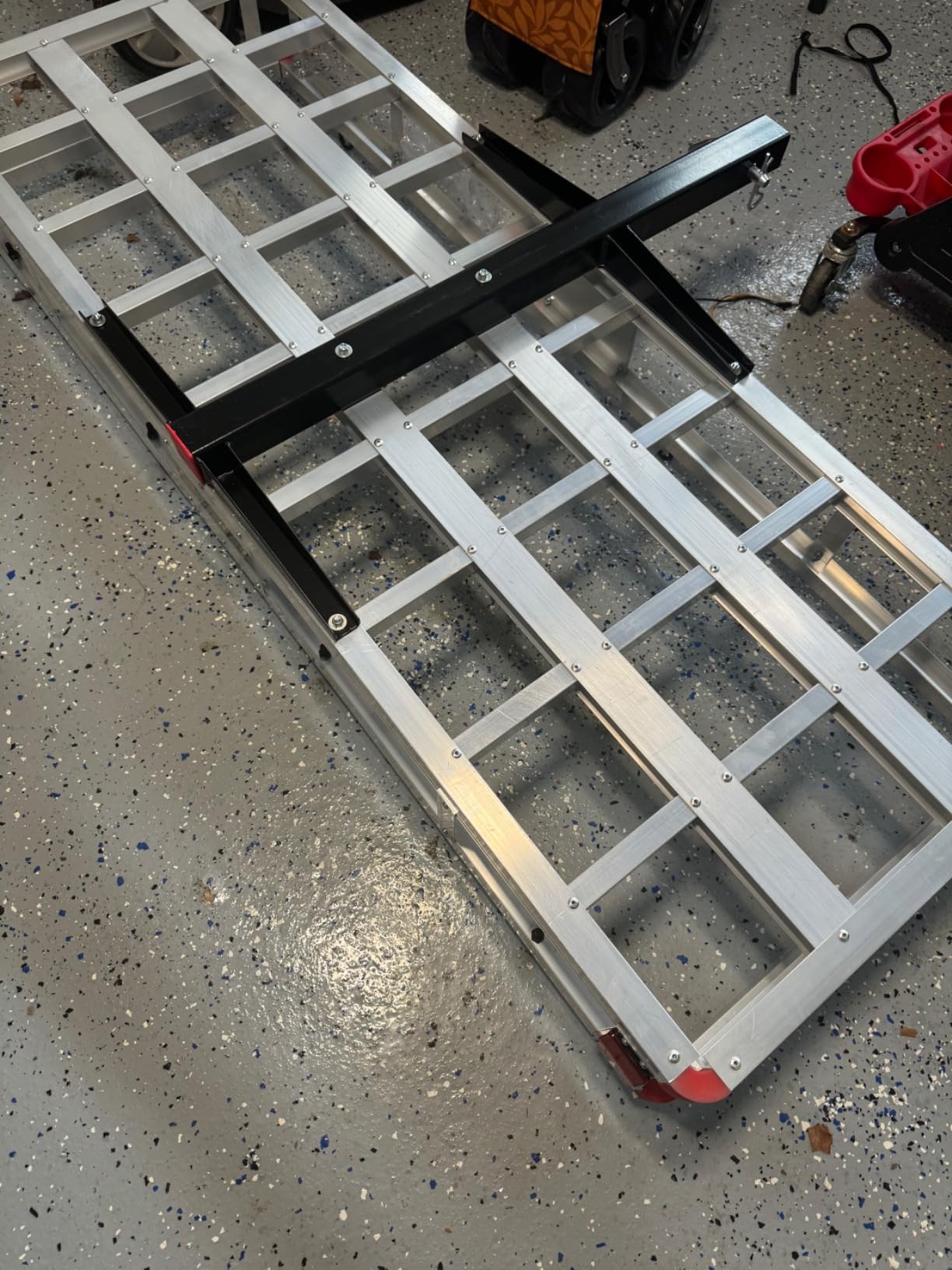
For anyone in a salted coastal state, the corrosion profile is the deciding factor. The aluminum frame does not rust, and the manufacturer recommends a maximum speed of 60 mph, adjustable down according to the weight of the load. Eight red-painted corners and two reflectors handle night visibility.
Assembly is three main parts, so it is quick, but that quickness is deceptive. It uses a large number of small screws and washers, and owners describe it as tedious without a stable work platform.
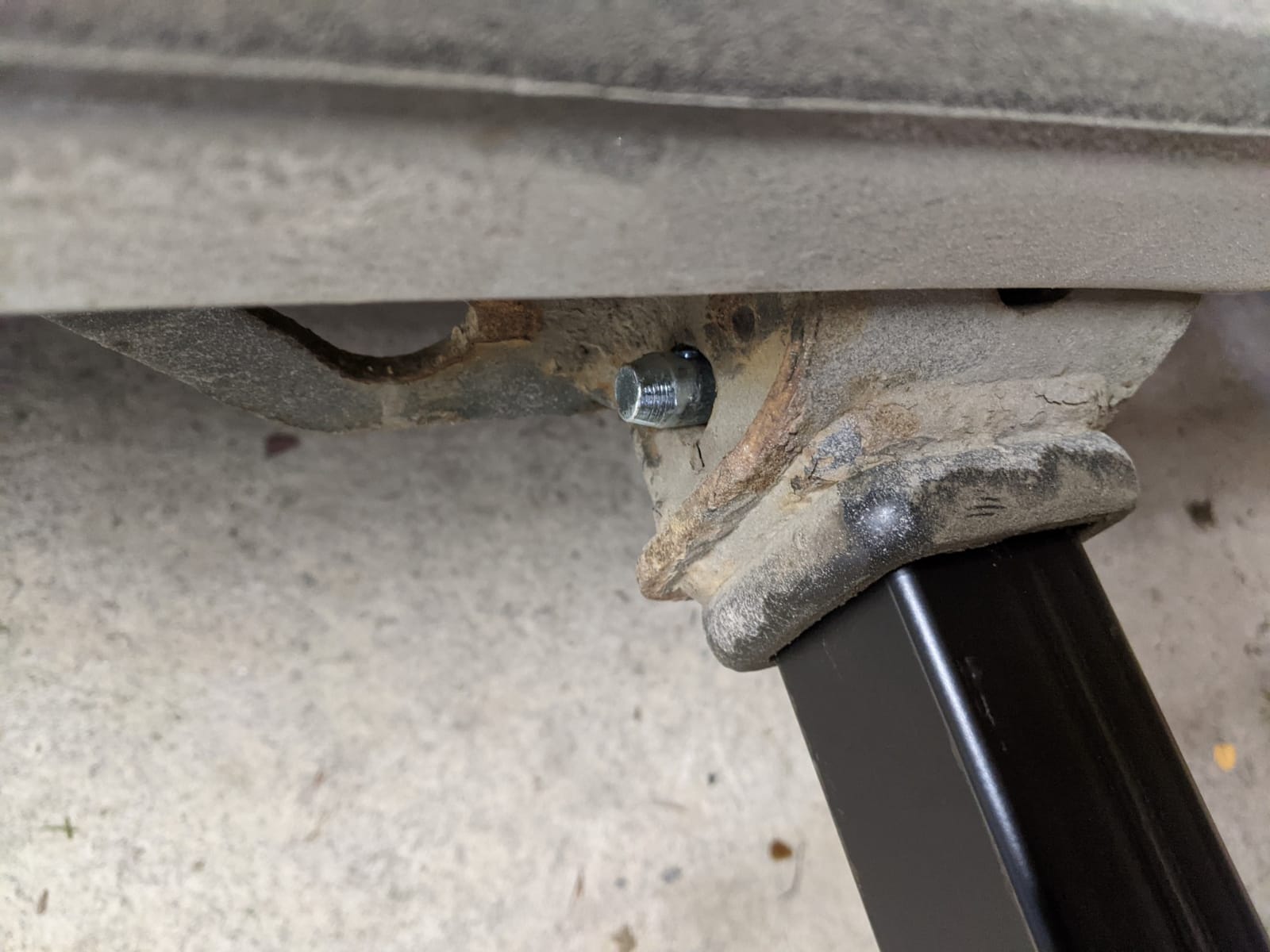
Do I need to replace the supplied hardware?
Probably yes, and this is the single most common complaint in 615 reviews. The included zinc-coated machine screws strip easily and corrode quickly, and a number of owners rebuild the basket with aluminum rivets or stainless fasteners. Budget twenty minutes and a small hardware pack if you want it to last in a wet climate.
The second corrosion point is the black-painted steel shank and base, which owners identify as the weak point for rust even though the basket itself is aluminum. A coat of rust inhibitor on those parts before winter handles it.
Where this lightweight basket falls short
Rear hatch access is the practical limit. Some vehicles need a hitch extension to open the rear door with this carrier fitted, and adding an extension reduces ground clearance further on an already low platform. Check your hatch sweep in the driveway before you commit.
The red corner connectors are plastic and can become brittle with prolonged sun exposure, which matters in a southern state where the basket sits in full sun all summer. The 7 inch rails also mean a taller, more wind-exposed profile than a shallow steel tray.
10. VEVOR 60 x 24 Folding Carrier – Best Included Hardware
VEVOR 60 x 24 x 6 in Folding Hitch Cargo Carrier 500lbs Capacity
500 lb capacity
60 x 24 in Q235B steel basket
5 mm tubes with hook stabilizer
Folds up when not in use
Pros
- Smooth welds with no sharp edges
- Bag stayed dry over 4000 mile trips
- Stable with 350 lb loaded
- Two shank positions for tailgate access
Cons
- Instructions leave a bolt and plate unexplained
- Lock or locking pin sometimes absent
- Lock nuts loosen on long trips
- Fold-up can be blocked by oversized tires
The VEVOR is the pick when you care about build quality per dollar. Owners consistently rate the welds above similarly priced competitors, describing smooth, even beads with no sharp edges, and the 60 by 24 by 6 inch Q235B steel platform uses upgraded 5 mm supporting tubes with a hook stabilizer for stability on bumpy roads.
Reported real-world performance is strong. One owner ran 350 lb of luggage over 1000 miles with no measurable effect on fuel economy, and the included waterproof bag stayed dry through heavy downpours across a 4000 mile trip. With 612 reviews at 4.4 stars, the feedback pattern is consistent.
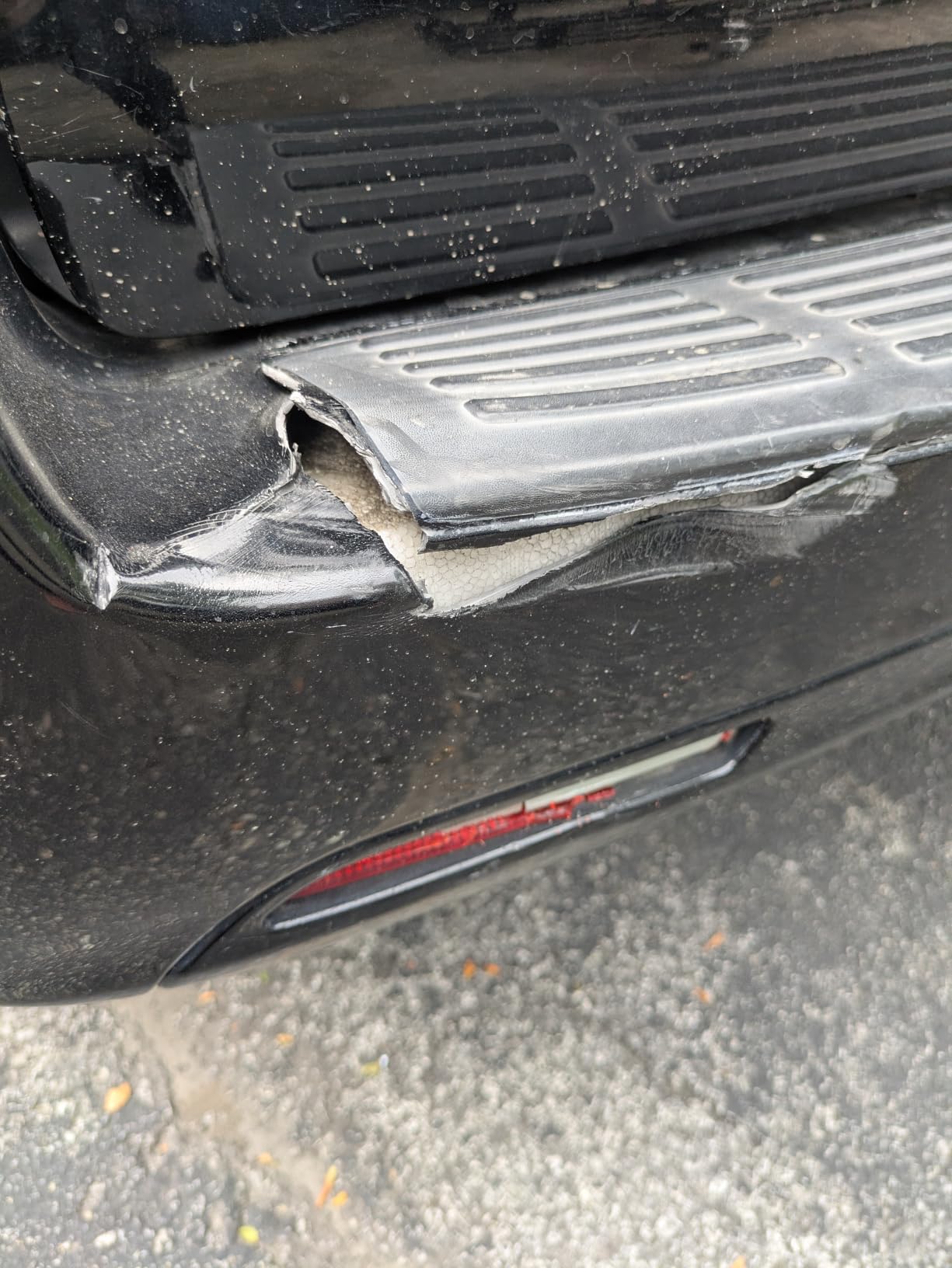
The accessory list is the most complete in the category by count: a cargo net, ratchet straps, a waterproof bag, a coded padlock, four reflective plates, six cargo attachment straps, a hook stabilizer, an assembly hardware set and a storage bag. Two shank positions let you choose a setup where the tailgate still opens, depending on your vehicle.
The black powder coat resists rust, corrosion and weather, and the carrier folds up on the shank when you are not using it. The manufacturer does not state a unit weight, so treat handling as closer to the 60 lb class than the 30 lb class.
Is the documentation a real problem?
It is the most common complaint, and it is a fair one. The included horseshoe bolt and 3 by 3 inch steel plate are not explained anywhere in the manual, so a first-time assembler may end up with two parts and no explanation. Find a walkthrough for those two pieces before you fit the stabilizer, and the rest of the build is straightforward.
Some parcels also arrive with the lock or a locking pin missing from the box, and the lock nuts do not hold as firmly as buyers would like. Re-torque the assembly bolts after the first drive and before every long trip.
Where this carrier falls short
On a high-lift vehicle, the fold-up function can be blocked by oversized tires, which is a fitment quirk rather than a defect but it does limit the storage benefit on lifted trucks and SUVs. Manufacturer fit is also listed as vehicle specific, so buyers on some vehicles need to confirm 2 inch receiver clearance before ordering.
Reflector coverage is four plates, which is better than most in this roundup but still thin for night driving in coastal fog. Add your own tape if you run dark roads regularly.
Hitch Cargo Carrier vs Rooftop Cargo Box
The short answer: for an SUV that already has a 2 inch receiver, a hitch carrier wins on fuel economy, noise, theft visibility and loading height. A roof box wins on weather protection, aerodynamic drag at speed and the ability to carry on a vehicle with no hitch at all.
On fuel economy, the penalty from a roof box is mostly aerodynamic, not weight. A large roof box on a crossbar raises the vehicle’s frontal area and the most commonly cited highway penalty is roughly 2 to 3 mpg, with the effect larger on an SUV than on a sedan. A hitch carrier sits behind and below the vehicle, so the main cost is the added mass, which is usually a fraction of a mile per gallon. One owner in our product research reported 350 lb on a VEVOR carrier over 1000 miles with no measurable fuel economy effect at all.
On noise, the difference is stark. A roof box at highway speed is a major source of wind roar that competes with conversation, which is why roof box owners ask about the quietest roof box at all. A hitch carrier is quiet by comparison, provided the load is strapped with cam straps or rubber-sleeved hardware instead of bare steel on steel. Owners on a Go Fast Forum thread were explicit that clinking and clunking is an automatic disqualifier independent of price, and that is a hitch rack problem with a known fix rather than an inherent roof box penalty.
On security, the picture reverses. A lockable enclosed box on the roof is a hard target, while an open basket behind your bumper is visible from a parking lot, exposed at trailheads and only as secure as its net and its pin. A keyed hitch pin plus a net that cannot be lifted over the rails is the practical baseline.
On clearance, a hitch carrier reduces departure angle and can sit close to the ground on low-hitch vehicles, while a roof box leaves the approach and departure angles alone. A large basket also interferes with rear parking sensors on some SUVs, and we would check before fitting a 60 inch rack behind a bumper with sensors.
On towing, the roof box keeps working when you hitch a trailer and a carrier does not. A roof box also adds roof load, and most SUVs have dynamic roof ratings well below their static number. If your SUV spends weekends on a boat ramp and on a highway, the roof box is the more flexible tool. If it stays on pavement and you own the hitch, the carrier is quieter, cheaper to run and easier to load.
Hitch Cargo Carrier Buying Guide for SUV Owners
Receiver size and hitch class. The AI-generated buying guidance that dominates this search results page puts receiver size first, and it is right. Most crossovers and midsize SUVs use a 2 by 2 inch receiver. Smaller crossovers sometimes ship with a 1-1/4 inch opening, and that is the entire reason the CURT 18110 tray in this roundup ships with a sleeve adapter. Class III receivers are typically rated to 350 lb of tongue weight and Class IV to 500 lb. If you tow, your OEM tow package often sets the ceiling lower than the Class number suggests, so read the sticker rather than the marketing.
Tongue weight overrides carrier capacity. This is the safety point that most pages bury, so we will be blunt: a 500 lb-rated carrier does not mean your SUV can carry 500 lb behind the bumper. The governing number is the tongue weight rating of the hitch and, behind that, the vehicle’s own rating. Exceed it and you are loading your rear axle and hitch beyond design, which affects braking, handling and the hitch pin itself. Most owners never come close to either limit, which is why 500 lb-rated baskets are abundant and universally considered safe. Use the rating as headroom against road shock, not as a target.
Steel or aluminum. Steel gives you the deepest and stiffest baskets for a given price, and the welded frames in this roundup carry heavy loads without flex. Steel is also heavier, and it will show surface rust at weld joints over time in a salted or coastal climate unless you treat it. Aluminum will not rust and can be a fraction of the weight, which is why the Goplus at 25 lb and the Tow Tuff platform are the easiest to install solo. The catch with aluminum is the hardware: zinc screws and painted steel shanks corrode even when the basket does not, so budget for stainless fasteners. If you live somewhere salted and lift your carrier twice a year, aluminum wins. If you haul monthly and want maximum stiffness, steel wins.
Basket, tray or enclosed box. A basket with side rails contains your load and is the right default. A tray has no rails, loads faster with awkward items and costs less, but everything must be strapped. An enclosed box is the most protective and the most expensive, and none of the 10 carriers in this roundup is a fully enclosed box. What our bundles approximate is enclosure: the WEIZE, Mockins and VEVOR all include a waterproof cargo bag that gives you a soft-sided enclosure you can zip over the load, and in practice that handles rain, dust and road grit for most trips.
Folding, swing-away or fixed. A folding shank tilts the carrier upright for storage and for tight parking, and 6 of the 10 carriers here have one. A swing-away carrier pivots away from the vehicle entirely to restore ground clearance on steep terrain. A fixed carrier does neither and is usually the simplest and stiffest design, but you remove it for storage and for towing. Given how often owners in the forums described occasional seasonal use, folding is the feature that pays back fastest for most SUV buyers.
Noise, rattle and sway as a buying criterion. This is the criterion no editorial page on this search converts into a checklist, and it is the one that owners care about most. Look for welded continuous joints rather than bolt-on rails, a snug shank fit with a receiver collar, rubber or cam straps rather than bare steel on steel, and hardware that arrives complete. Read reviews specifically for the word stable. A carrier that bounces in the receiver is a rattle, and a rattle is the fastest way to end an otherwise good ownership experience.
Cost per use. The most common objection to premium carriers is that they will not be used often enough to justify the spend. That is a fair objection, and the honest way to answer it is to divide the purchase cost by the years you plan to keep the vehicle times the trips per year. Someone making four long trips a year for six years has 24 uses to amortise across, and a removable folding design preserves resale value far better than a permanently mounted tray. This is also why we put the 10-year warranty Mockins and the removable aluminum designs ahead of heavier fixed racks for occasional users.
Who should skip it entirely. Three situations rule it out. If you tow heavy trailers on the same receiver, the carrier has to come off every time and the frequent removal cost adds up. If your SUV has only a 1-1/4 inch receiver and you are not willing to replace it, a 500 lb basket is not a realistic option. And if you park in genuinely tight spaces every day, a 60 inch carrier behind a bumper becomes a weekly annoyance that no folding feature fully solves.
Installation and Safe Loading Basics
Confirm the pin hole alignment before sliding in. Measure the opening, then check that the carrier’s pin holes line up with your receiver’s holes. The CURT 18110 needs its sleeve adapter fitted for a 2 inch receiver.
Insert the shank fully and install the pin and retainer. A hitch pin without a retainer or clip is the single most common safety failure in this category. The CURT 18110 and the Mockins kit include one; most others do not.
Torque the assembly fasteners before the first load. Every carrier in this roundup is a bolt-together assembly of some kind. Tighten in sequence after the frame is squared, and add threadlocker to the bolts that carry the load.
Distribute the load low, centred and evenly. High and off-centre loads are what cause sway on the OKLEAD and rattle on the lighter racks. Keep the heaviest items over the axle line and strap the load so it cannot slide.
Use cam straps or rubber-sleeved hardware. Owners on owner forums consistently prefer cam straps with rubber casings over bare ratchet hardware for exactly one reason: steel on steel is the sound you hear at highway speed.
Re-check after the first 50 miles and before every long trip. Walk around the carrier, check bolt tightness, confirm the pin and retainer are seated, and make sure nothing has shifted. Then repeat the walk-around at every fuel stop on a long haul.
If you are adding bikes as well as cargo, we cover load planning and rack selection separately in our hitch bike rack guide. For keeping loose gear inside the cabin while the hitch carries the heavy stuff, our SUV dog car barrier guide covers the same problem from the other side of the cabin.
Who Should Skip a Hitch Cargo Carrier
Skip the whole category if you tow heavy trailers on the same receiver. The carrier has to be unbolted every time, and a swing-away frame still occupies the receiver you need.
Skip it if your SUV has only a 1-1/4 inch receiver and you do not want to replace the hitch, unless the tray style with an included adapter genuinely covers your load. A 500 lb basket will not physically fit.
Skip the heavy fixed racks if you are one person lifting into the receiver. Four of the 10 carriers here weigh 64 lb or more, and a lifting injury costs far more than the upgrade to a 25 lb aluminum basket.
Skip a large basket if you have rear parking sensors, since a 60 inch carrier behind a sensor-covered bumper triggers them constantly and eventually trains you to ignore them.
And skip it if you have no hitch and no intention of installing one. The receiver, not the carrier, is the real purchase, and a roof box is the cheaper path to the same cargo volume if you do not want the receiver.
Frequently Asked Questions
Do I need a 2 inch hitch receiver for a cargo carrier?
Most 500 lb-rated hitch cargo carriers, including all but one in this roundup, need a 2 by 2 inch receiver. Many crossovers and midsize SUVs ship with one, but smaller crossovers sometimes come with a 1-1/4 inch opening. The exception here is the CURT 18110 tray, which has a 1-1/4 inch shank and ships with a sleeve adapter for 2 inch receivers. Measure the opening of your receiver before you order anything.
Is a hitch-mounted cargo carrier better than a rooftop box?
For an SUV that already has a 2 inch receiver, a hitch carrier is usually better. It sits low and behind the vehicle, so the fuel economy penalty is far smaller than the roughly 2 to 3 mpg highway loss people report from a large roof box, and it is much quieter. A roof box wins on weather protection, towing compatibility and use on a vehicle with no hitch. An open basket is also more exposed to theft than a lockable roof box.
Are hitch cargo carriers any good?
Yes, when the fit is right. Owners with thousands of reviews across these 10 models report welded steel frames that hold 200 to 400 lb without flex, and a snug receiver fit that produces no bounce over broken pavement. The recurring complaints are all fixable: a lack of a locking pin, bolts loosening without threadlocker, and clunking from bare steel straps. A locking hitch pin and cam straps solve most of it.
Which brand of hitch receiver is considered the best?
Curt is the most established name in the receiver category, with Class III and Class IV models widely available through truck and trailer retailers, and WeatherTech is a common OEM and aftermarket alternative. The brand matters far less than the class and the tongue weight rating. Confirm that your receiver is 2 by 2 inch, note whether it is Class III or Class IV, and read the tongue weight number before you choose a carrier.
How much weight can a hitch cargo carrier hold?
Carrier capacity and your hitch’s tongue weight rating are two different limits, and the lower one governs. Nine of the 10 carriers here are rated 500 lb; the CURT 18110 tray is rated 300 lb. Your Class III hitch is typically rated around 350 lb of tongue weight and Class IV around 500 lb. In practice most owners carry 100 to 250 lb, and the headroom above that is what absorbs pothole and expansion joint shock.
Are hitch cargo carriers safe?
They are safe when installed correctly. Install the shank fully, use a hitch pin with a retainer or clip, torque the assembly fasteners, and keep the load low, centred and within your hitch’s tongue weight rating. Never exceed the tongue weight rating even if the carrier itself is rated higher. Re-check bolts and pin seating after the first 50 miles and at every fuel stop on a long trip.
Which swing away hitch cargo carrier is the best?
None of the 10 carriers in this roundup is a true swing-away frame, and that is worth knowing before you shop by that label. What is available here is folding-shank and folding-rail designs: the ARKSEN, WEIZE, Mockins, VEVOR and CURT 18153 all tilt the carrier upright, and the OKLEAD folds its 14.4 inch rails to 3.2 inches. If you need full swing-away ground clearance on steep terrain, you are shopping outside this roundup.
Conclusion: Our Top Hitch Mounted Cargo Carriers for SUVs in 2026
The MaxxHaul 70107 is our top pick for hitch mounted cargo carriers for SUVs in 2026 because it does the fundamentals better than anything else in the group: 22.3 lb is the lightest steel weight here, 5675 reviews at 4.5 stars is the deepest owner record we could verify, and owners report a welded-feel frame that carries heavy loads without flexing. For a premium folding steel carrier, take the CURT 18153. For a 1-1/4 inch receiver, the CURT 18110 tray is the only sensible option in this roundup.
Whichever you choose, do the three-step hitch check first, add a locking hitch pin, and strap the load with cam straps rather than bare steel. Those three habits account for most of the difference between a carrier that stays quiet for years and one that ends up in a classified ad.