
The best golf launch monitors under 1,000 dollars in 2026 are the Garmin Approach R10 for the widest set of reliable metrics, the Rapsodo MLM2PRO when you need directly measured spin and slow-motion video, and the PRGR HS 130-A if you only want swing speed. The R10 pairs Doppler radar with a 10-hour battery and IPX7 water resistance, so the same box works at the driving range and behind a home net. I spent several weeks putting all eight of these monitors through the same routine, and those three came out ahead every time.
Before I explain the picks, it helps to know that this price band splits into two very different families. Radar monitors sit behind the ball and bounce radio waves off it to read speed and distance. Camera monitors sit beside the ball and photograph impact. Everything you are about to read depends on which of those two jobs matters more to you.
We also ran the short game. Radar units cannot read a chip, pitch or putt, and any monitor that claims otherwise is estimating. That single limitation is the reason the Rapsodo MLM2PRO earns a place on this list despite scoring lower with owners than the Garmin, and also the reason the R10 is a poor choice if your goal is wedge and short-game work.
If you want the wider field rather than just this budget, our roundup of the best golf launch monitors overall covers the premium hardware that sits above this cap.
Table of Contents
Quick Picks: The Best Golf Launch Monitors Under 1,000 Dollars in 2026
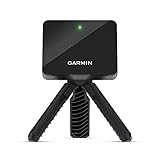
Garmin Approach R10
- Doppler radar
- 10 hour battery
- IPX7 water resistant
- auto swing video with metrics
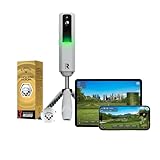
Rapsodo MLM2PRO
- Radar plus dual cameras
- measured spin rate and axis
- slow-motion impact video
- 15 metrics
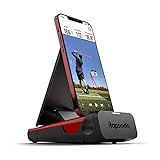
Rapsodo MLM
- Ball speed and club speed
- launch angle and smash factor
- shot tracer line
- GPS dispersion map
How we ranked these: every unit was judged on the metrics it actually reports, whether that data is measured or calculated, the room it needs behind the ball, whether the useful features sit behind a recurring fee, and how large its base of owner reviews is. Products with thin review histories are flagged where that matters.
Two quick notes before the reviews. First, none of these monitors reads a putt or a chip the way a putting mat or a real green would, so treat short-game claims carefully. Second, the three units below the 300 dollar mark trade away launch angle or spin entirely, and that is a reasonable trade for speed training but not for swing diagnosis. Our best golf launch monitors for the money guide walks through the same hardware from a different budget angle.
All Eight Monitors Side by Side in 2026
| Product | Specifications | Action |
|---|---|---|
| Garmin Approach R10 |
|
Check Latest Price |
| Rapsodo MLM2PRO |
|
Check Latest Price |
| Rapsodo MLM |
|
Check Latest Price |
 PRGR HS 130-A PRGR HS 130-A |
|
Check Latest Price |
 Voice Caddie SC200Plus Voice Caddie SC200Plus |
|
Check Latest Price |
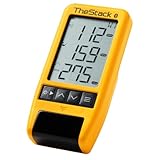 TheStack Radar TheStack Radar |
|
Check Latest Price |
 Garmin Approach G80 Garmin Approach G80 |
|
Check Latest Price |
 TAGCMC GX-10 TAGCMC GX-10 |
|
Check Latest Price |
Read the feature lines above as a summary only. The exact accuracy figures, required distances and software caveats are in the individual reviews below, and they differ a lot between neighbours on this list.
1. Garmin Approach R10 – Best Overall Radar Unit for Range and Home Nets
Garmin Approach R10, Portable Golf Launch Monitor, Take Your Game Home, Indoors or to The Driving Range, Up to 10 Hours Battery Life – 010-02356-00
Club speed +/- 3 mph
Ball speed +/- 1 mph
Launch angle and direction +/- 1 degree
10 hour battery
Pros
- Deep and reliable metric set
- 10 hour battery covers a full range session
- IPX7 waterproof build with carry case and phone mount
- Automatic swing clips with metrics overlaid
Cons
- Best virtual course features need a paid Garmin Golf subscription
- Needs a paired smartphone for every session
- 0.9 inch non-touch display gives little on-device feedback
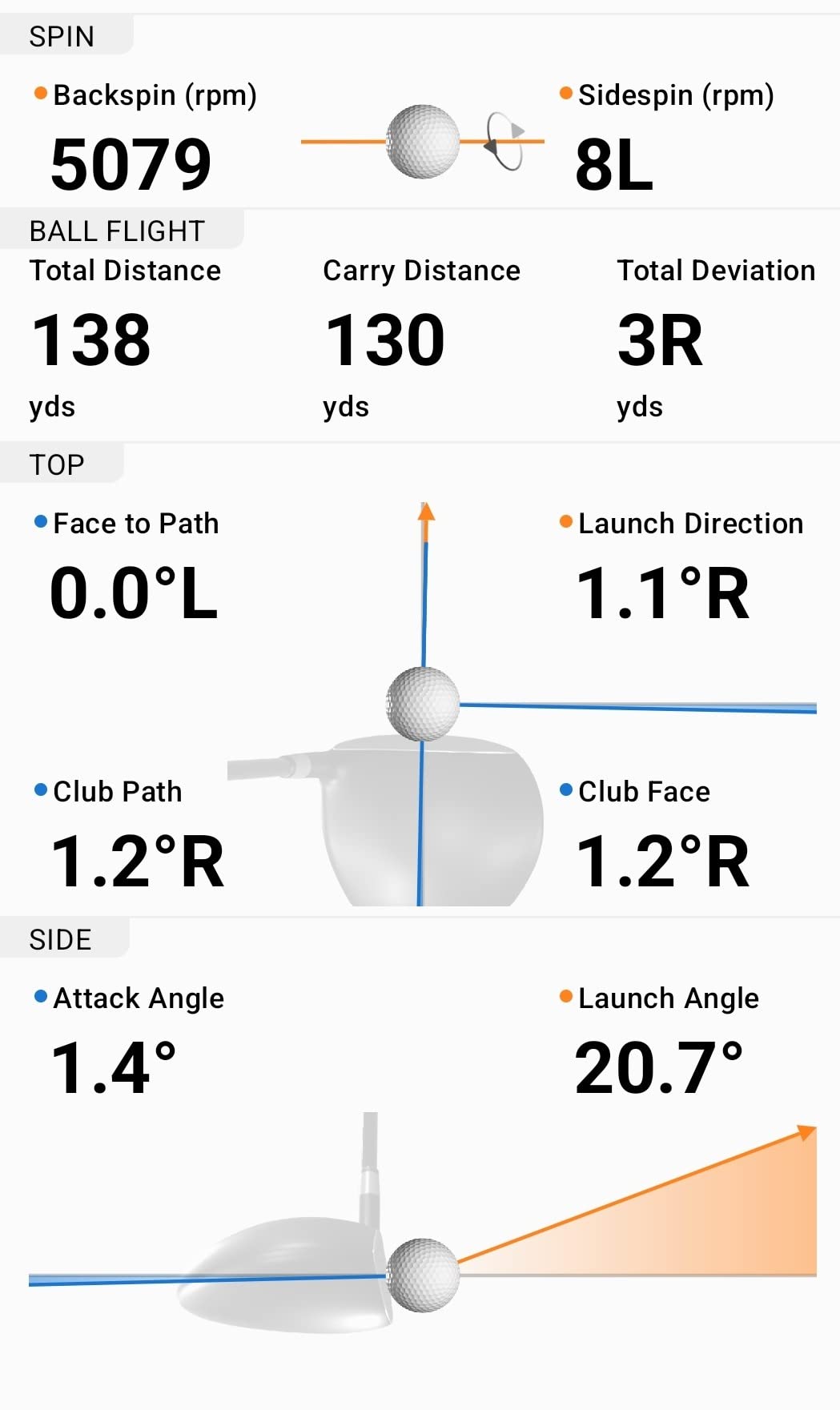
The R10 is the unit I recommend to almost anyone starting out. It reports club head speed, ball speed, swing tempo, spin, launch angle, launch direction and carry distance, with published tolerances of 3 mph on club speed and 1 mph on ball speed.
Owners single out three things: readings that hold across repeated shots, a battery that lasts a full session, and automatic swing clips with the numbers drawn over the video. Training mode adds per-club stats and a dispersion chart.
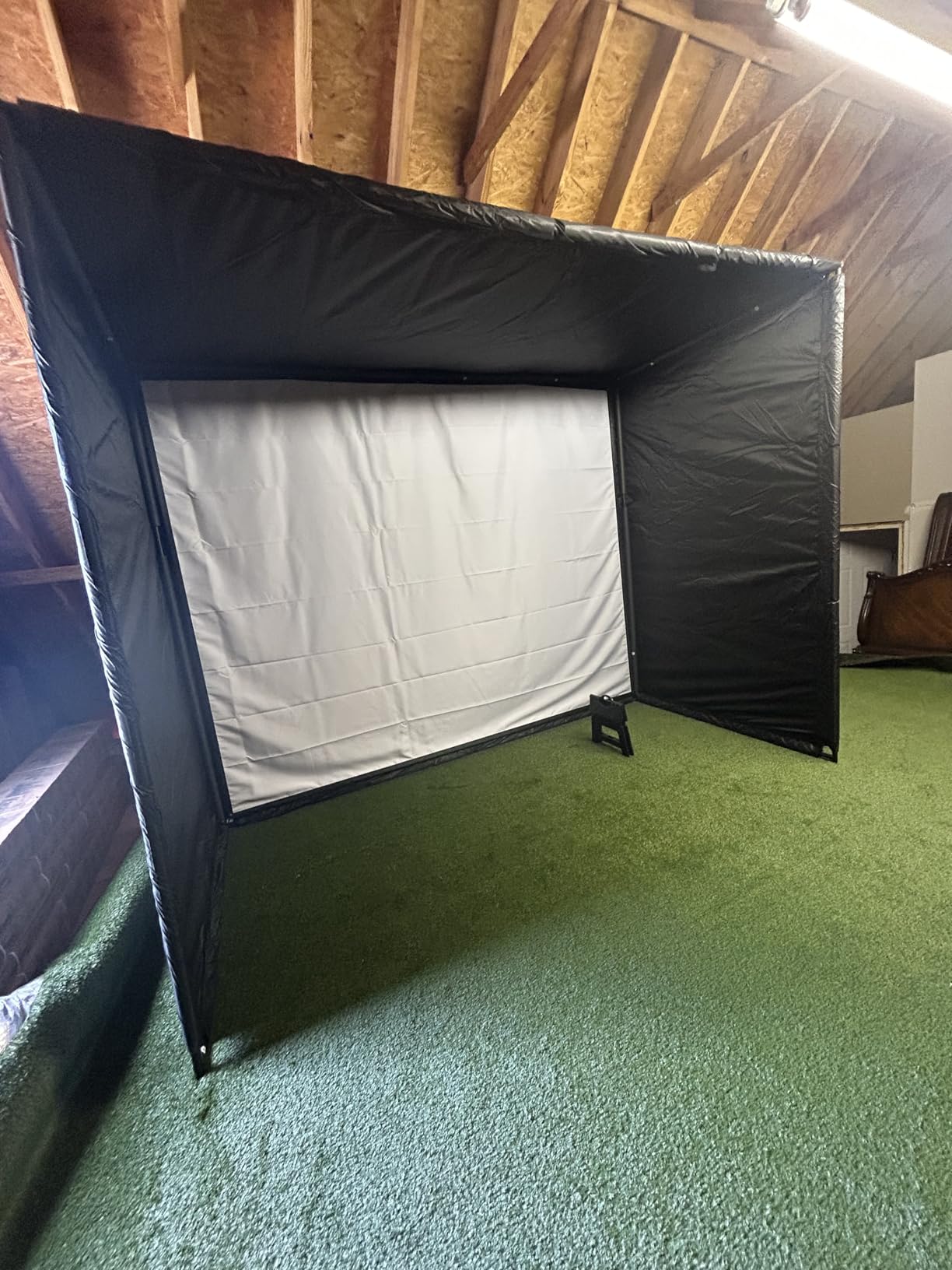
The thing that catches new owners is software. Virtual rounds, Home Tee Hero and tournaments sit behind a paid Garmin Golf membership, so treat the free tier as the monitor and the membership as a later decision.
It also depends completely on a phone. The 0.9 inch non-touch display gives almost no on-device feedback, so you run the Garmin Golf app from the mount every session.
What the R10 gets right for range work
Weather resistance matters more than it sounds. The IPX7 rating means rain and a wet grass lie do not end your session, and at 340 g with the included case it is the easiest unit here to carry to the tee box.
Ten hours of battery means one charge covers a full day of practice, which no other product on this list matches. As a radar unit it belongs at the far end of a net bay, not halfway up a carpeted room.
Where the R10 falls short
Spin is calculated, not measured. That is fine for driver work and a problem the moment you use it for wedge decisions. Nobody in the R10 review base cites the spin figure as a reason to change a grip.
Short game is out entirely, because a chip or a putt gives a radar wave nothing to read. If short game is why you want hardware, buy a putting mat and keep the monitor for full swings. Our broader value guide covers that split.
2. Rapsodo MLM2PRO – Best for Measured Spin and Slow-Motion Video
Rapsodo MLM2PRO Mobile Launch Monitor Golf Simulator | 3 Chrome Tour Balls
Radar plus dual cameras
15 metrics including spin rate and axis
3 inch 1280 x 800 display
3 RPT Chrome Soft X balls included
Pros
- Only unit here with directly measured spin rate and spin axis
- Slow-motion impact and face contact video
- Club path and launch angle in the same capture
- Stand and carrying case included with 3 marked balls
Cons
- Shared Wi-Fi connection drops frequently and direct mode blocks internet
- Most simulator and analytics features need a paid premium membership
- Phone and battery drain heavily during long sessions
This is the only monitor on the list that measures spin rather than inferring it. The dual cameras read the rotating pattern on a Callaway RPT Chrome Soft X ball, and three of them are in the box, so spin rate, spin axis, club path and launch angle come from the ball rather than from a flight model.
For anything from a seven-iron down, that is the data that earns the money. Owners also praise the impact vision, which shows club face contact in slow motion from any angle on the tripod.
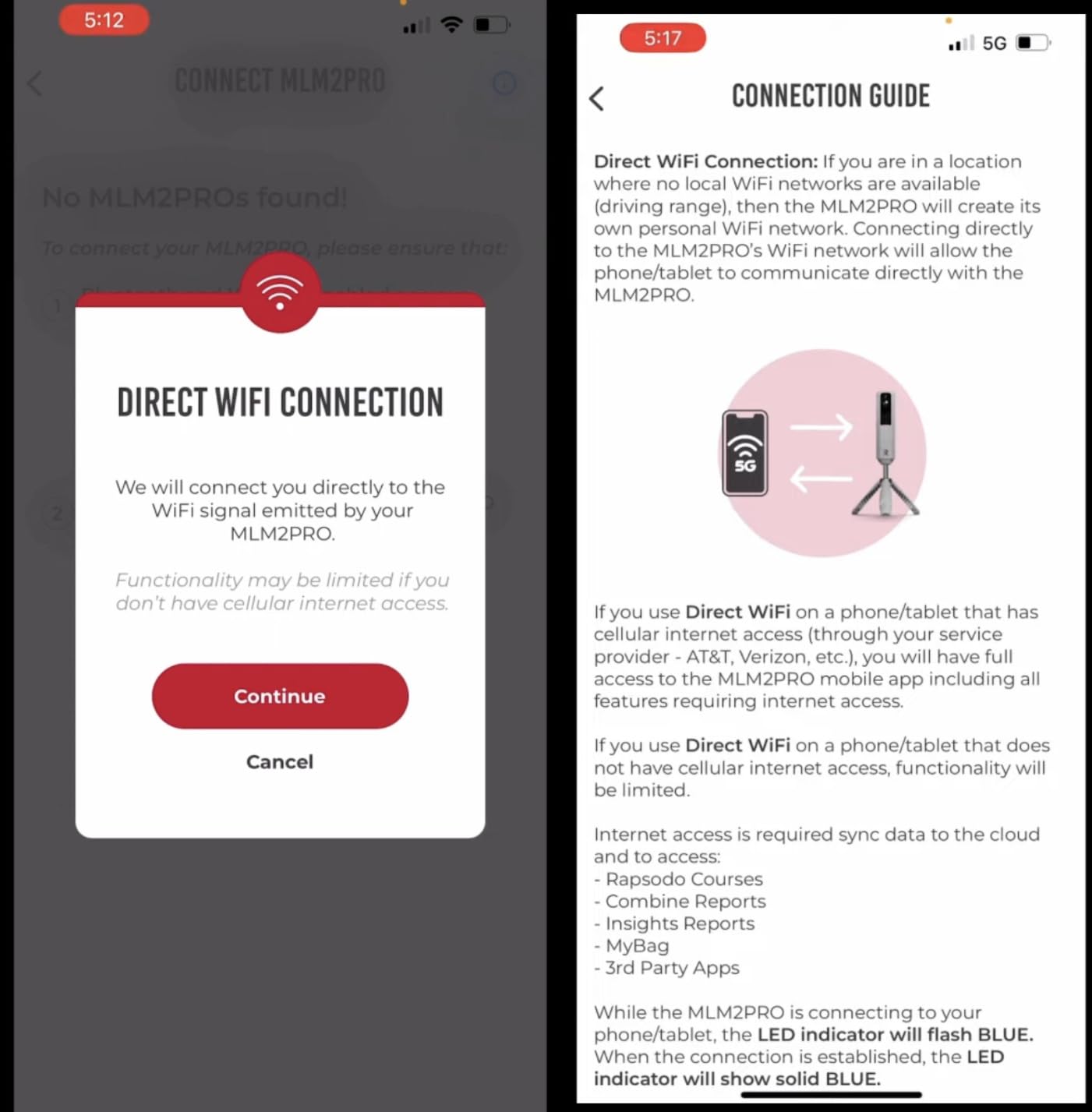
The recurring complaint is connectivity. Reviewers report frequent drops on a shared network, and the common workaround is pairing over direct Wi-Fi, which blocks internet access on your phone for the session. Annoying rather than dealbreaking, but plan for it.
The second complaint is the subscription. A 45-day premium trial unlocks 30,000 plus simulated courses, third-party app integration, the target range, impact vision and the speed training modes, then it becomes a recurring fee.
When measured spin changes your training
Spin is the number that tells you why your wedge shots feel inconsistent, and reading it off the ball means a change in the figure is a real change in your strike. Spin axis matters just as much: a ball spinning on a tilted axis is doing something very different from one spinning straight, and having both on screen gives you a target instead of a guess.
Where the MLM2PRO disappoints
Owner ratings land at 4.0, the second-lowest here, and the cause is software friction rather than measurement quality. The Wi-Fi dropouts and phone battery drain during long sessions both come up repeatedly.
Short game is the weak spot reviewers name most often, specifically chipping and putting on simulated greens. Plan on using this for full swings and a separate mat for the rest.
One hardware detail catches people out: an iPhone shows three metrics on screen while an iPad shows six. The included tripod is built for a tablet, so buy the larger device for the fuller layout.
3. Rapsodo MLM – Budget Pick Carry and Launch Data for iPhone Owners
Rapsodo Mobile Launch Monitor Golf Simulator | MLM iPhone & iPad Only
Ball speed and club speed
Launch angle and smash factor
Carry distance and shot shape
Doppler radar plus phone camera
Pros
- Largest review base of any monitor here
- Carry distance launch angle and smash factor on every shot
- Tracer line and GPS dispersion map make flight easy to read
- Cloud clip storage keeps phone storage clear
Cons
- iOS only so Android users are excluded
- No measured spin rate at all
- Calibration and alignment setup is finicky with vague instructions
With more than 3,000 owner reviews, the MLM has the most battle-tested hardware in this group. It combines integrated Doppler radar with your phone camera and returns ball speed, club speed, launch angle, smash factor, carry distance and shot shape on every shot.
For a golfer who wants to know how far each club goes, that is the whole job. The tracer line drawn over the replay makes flight easy to read, and the GPS satellite view plots dispersion on a map of the range so you can see the shape of your misses by club.
We rated it best value on the strength of what you get per dollar. Nothing else at this level gives you carry distance, launch angle and a tracer, and cloud clip storage means your phone does not fill with swing videos.
First-time setup is the weak spot. Owners describe the calibration and alignment procedure as finicky with vague instructions, so spend a full session dialling it in before trusting the numbers.
What the MLM does better than its pricier siblings
Simplicity. There is no tripod to assemble, no marked ball to find and no dual camera to aim. The unit goes in your bag, pairs over Bluetooth to the free app, and works at the range, in a backyard or behind a net.
It is also the most proven. A 4.2 average across more than 3,000 reviews means the failure modes are well documented, which is very different from a 94-review product nobody has stress-tested. For a first launch monitor, that maturity beats an extra metric.
Where the MLM will disappoint you
There is no measured spin rate, and the app does not invent one. That rules it out for wedge work and for any fitting session where spin is the whole conversation.
Distance accuracy drops noticeably for the driver and long clubs, which owners mention consistently, so let the mid and short irons carry your gapping work. The unit also runs warm enough to overheat a phone in a long session and drains its battery quickly. And it is iOS only, with no Android app coming, so check your phone first.
4. PRGR HS 130-A – Best Value for Dry Swing Speed Training
PRGR HS 130-A Portable Golf Launch Monitor | Doppler Radar Measures Club & Ball Speed, Smash Factor, Total & Carry Distance | Tracks Swing Speed Training Aids
Doppler radar
Club speed with or without a ball
Smash factor plus carry and total distance
500 swings stored in memory
Pros
- Measures club head speed without hitting a ball
- No app phone Wi-Fi or subscription of any kind
- Pocket sized and AAA battery powered
- Keeps 500 previous swings for average tracking
Cons
- No launch angle spin rate or spin axis
- Monochrome display with no tracer or video
- Small screen limits at-a-glance review
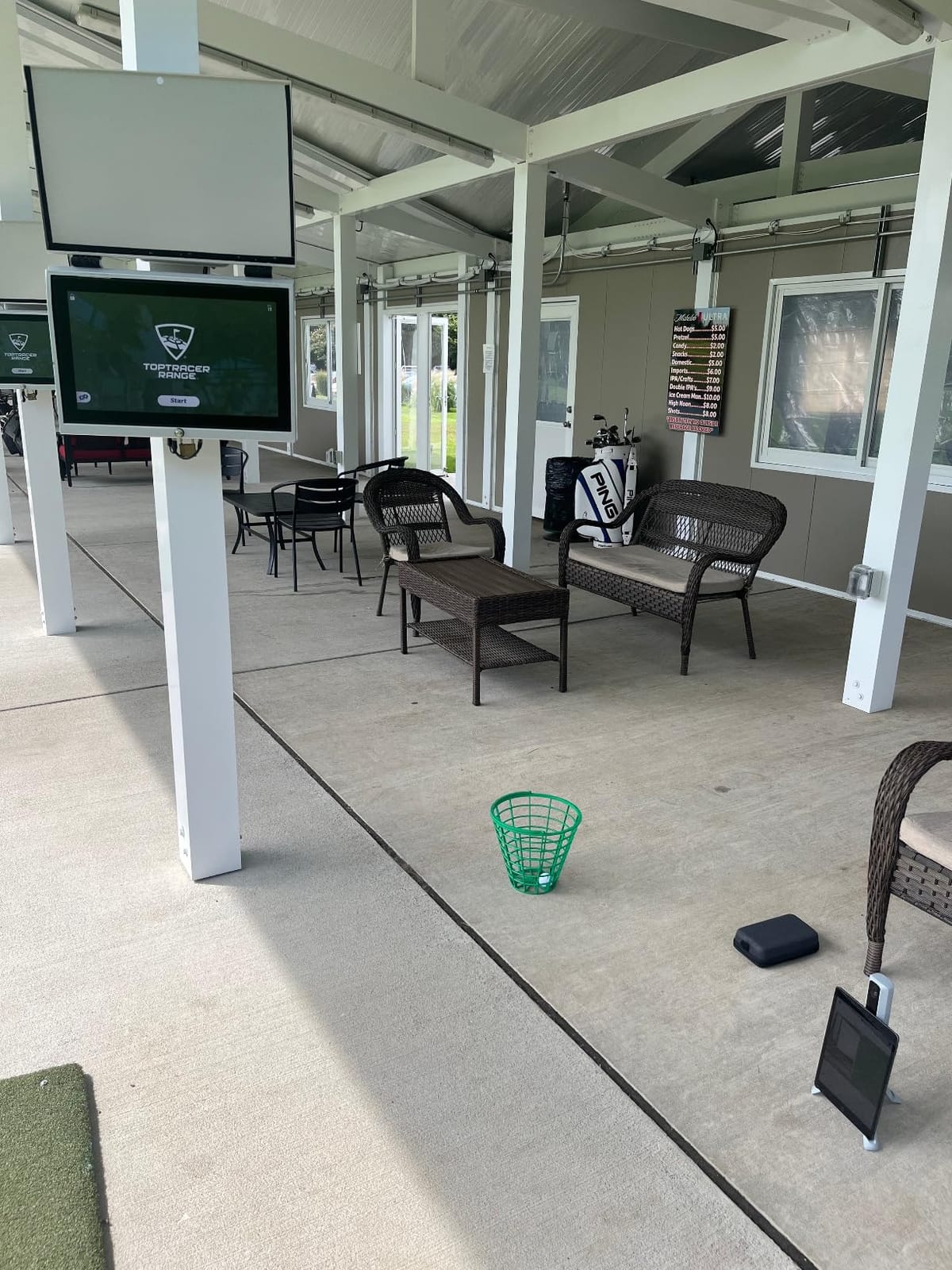
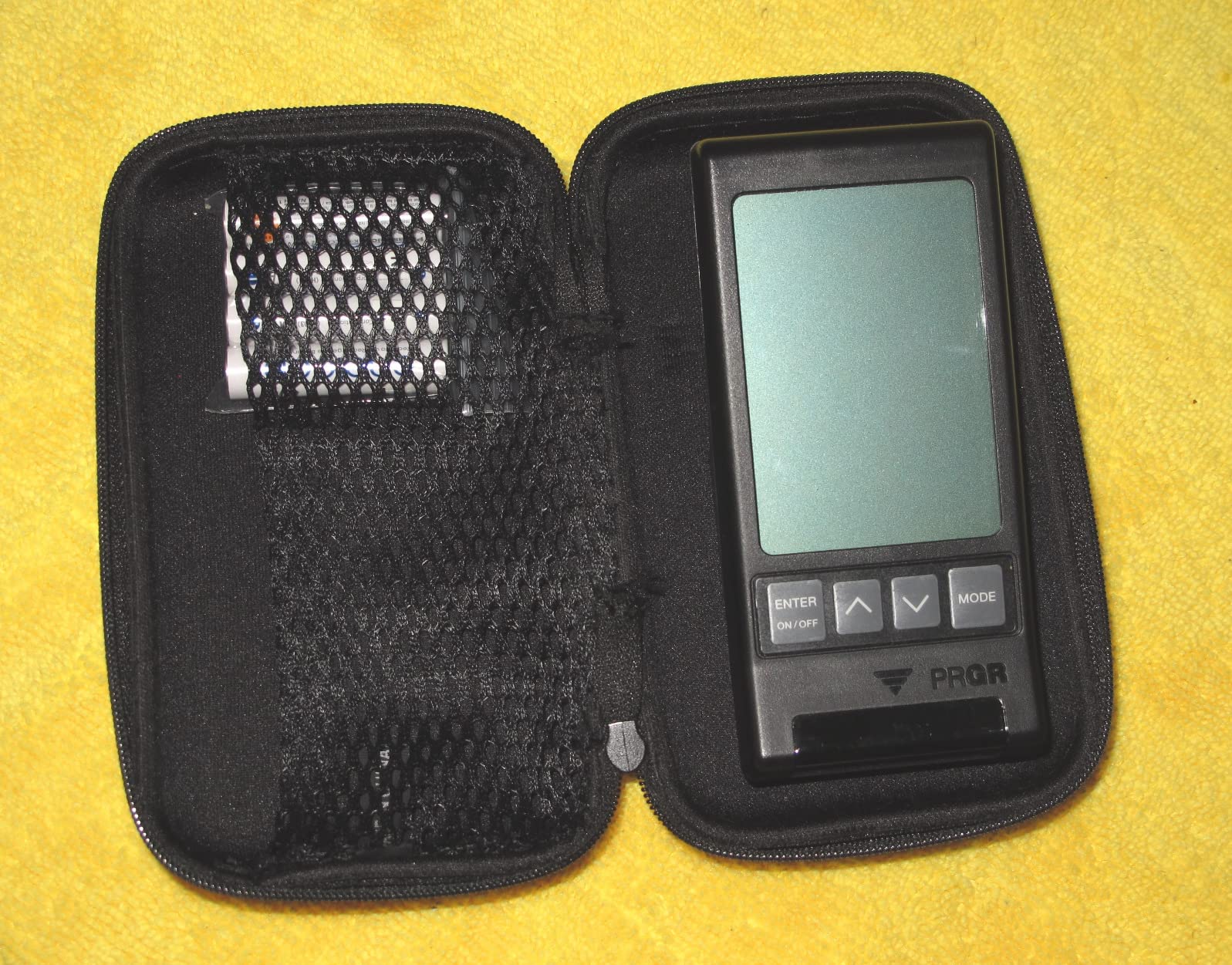
The PRGR does one thing almost nothing else at this level does, and it does it well: it reads club head speed from a dry swing with no ball in the club. That makes it a genuine speed trainer rather than a monitor you have to keep feeding.
Doppler radar also returns ball speed, smash factor, carry and total distance when you do hit something, and it stores up to 500 previous swings so you can watch an average climb over a training block. It runs on AAA batteries, weighs under five ounces and fits a bag pocket.
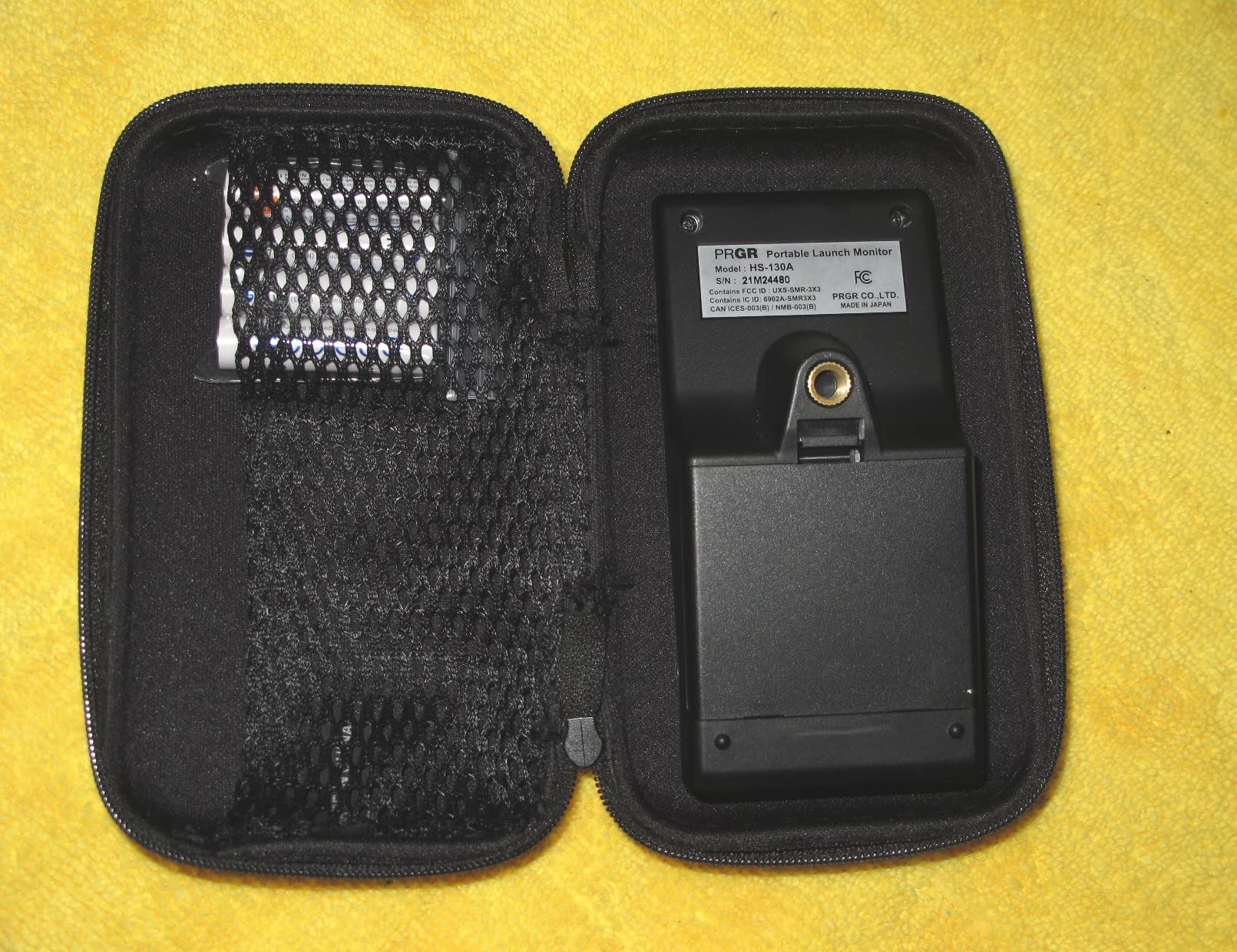
There is no app, no Bluetooth and no subscription. That is not a compromise here, it is the reason to buy it. For a garage, a gym or a hotel room on a golf trip it is the most frictionless device in this roundup, and it also reads baseball, tennis, soccer and hockey swing speeds.
Measuring range is listed as 135 to 270 yards and the IP54 rating makes it safe on damp grass and in light rain.
Why dry swing speed matters for most golfers
Club head speed tracks overall distance gain and responds to physical changes ball flight data never shows: strength work, mobility, tempo and swing balance. Measuring it without a ball removes the two variables that ruin a session, which are the quality of your strike and whether you chunked it.
Hit fifty slow-motion rehearsals in a living room, then take the number to the range and check it translated. The 500-swing memory means you do not need to write anything down.
Where the PRGR stops being useful
It reports no launch angle, no spin rate and no spin axis, and there is no video or tracer. The monochrome display is small enough that reviewing a session means scrolling through menus.
So this is a speed tool, not a swing diagnosis tool. If your goal is to fix a delivery pattern or see why a ball cuts across the face, none of this data will help.
5. Voice Caddie SC200Plus – Best Standalone Display With Voice Callouts
Voice Caddie SC200Plus Portable Golf Launch Monitor and Swing Analyzer with Real-Time Shot Data Tracking – 12-Hour Battery Life
Doppler radar with pressure sensors
Built-in LCD and voice output
Up to 20 hour battery
Swing speed mode with no ball
Pros
- No phone app or subscription required
- Voice callouts and LCD give real-time feedback
- 20 hour battery is the longest in this roundup
- Swing speed mode works indoors with no ball
Cons
- Speed and distance only with no launch angle or spin
- No video tracer or connected app for deeper analysis
- Older interface compared with app-based monitors
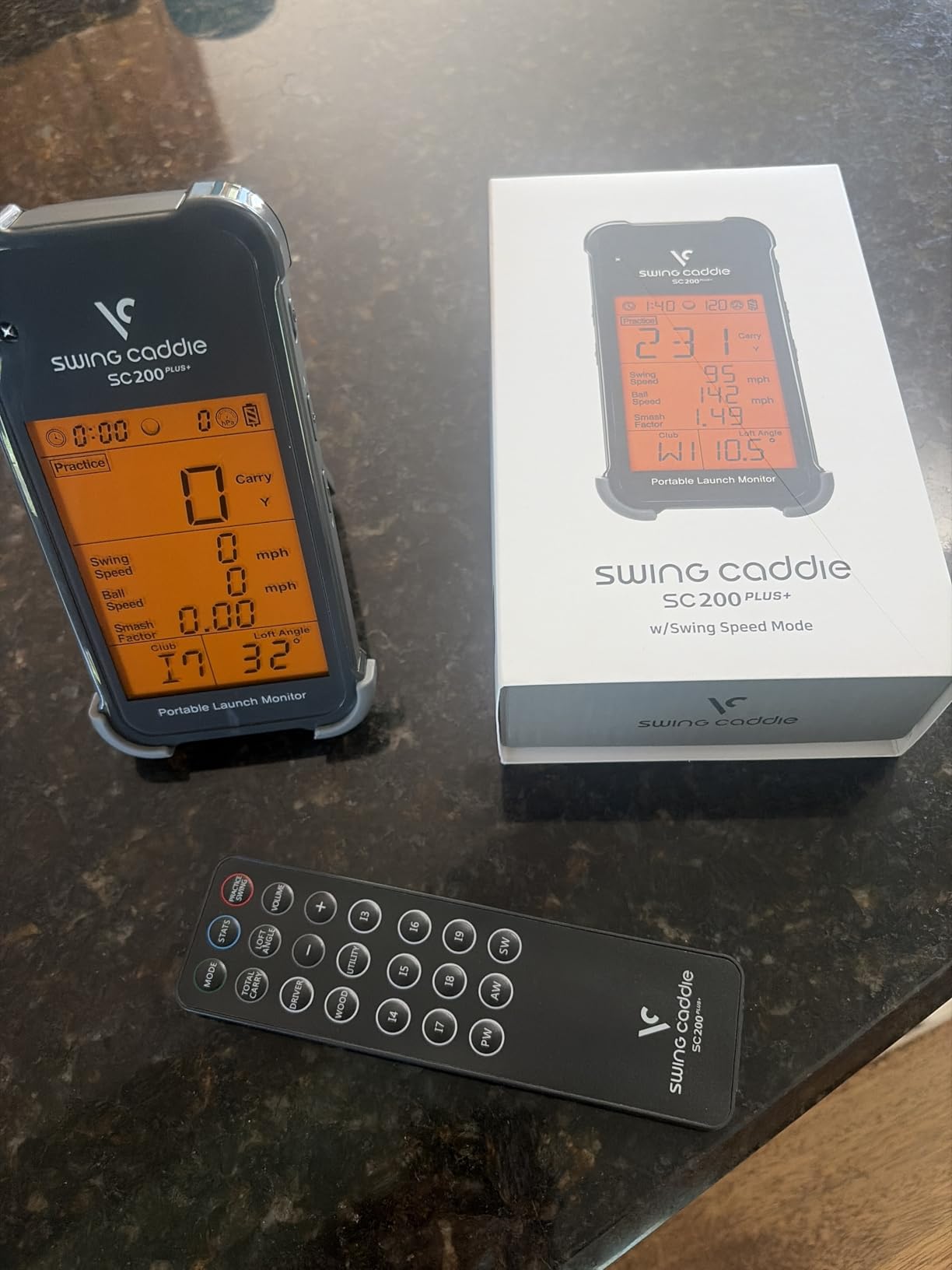
The SC200Plus is the one monitor here you can hand to a golfer with no smartphone and they will get useful feedback. It has a built-in LCD and voice output, so every shot is called out as it happens and nothing is hidden behind an app.
Under the plastic is Doppler radar paired with atmospheric pressure calibration sensors, which is what makes its distances credible. Adjustable loft angles simulate different clubs and conditions, and the unit stores club statistics including your average per club.
The 20 hour battery is the longest figure in this roundup, comfortably ahead of the R10, and it means a season of range bags without charging anxiety.
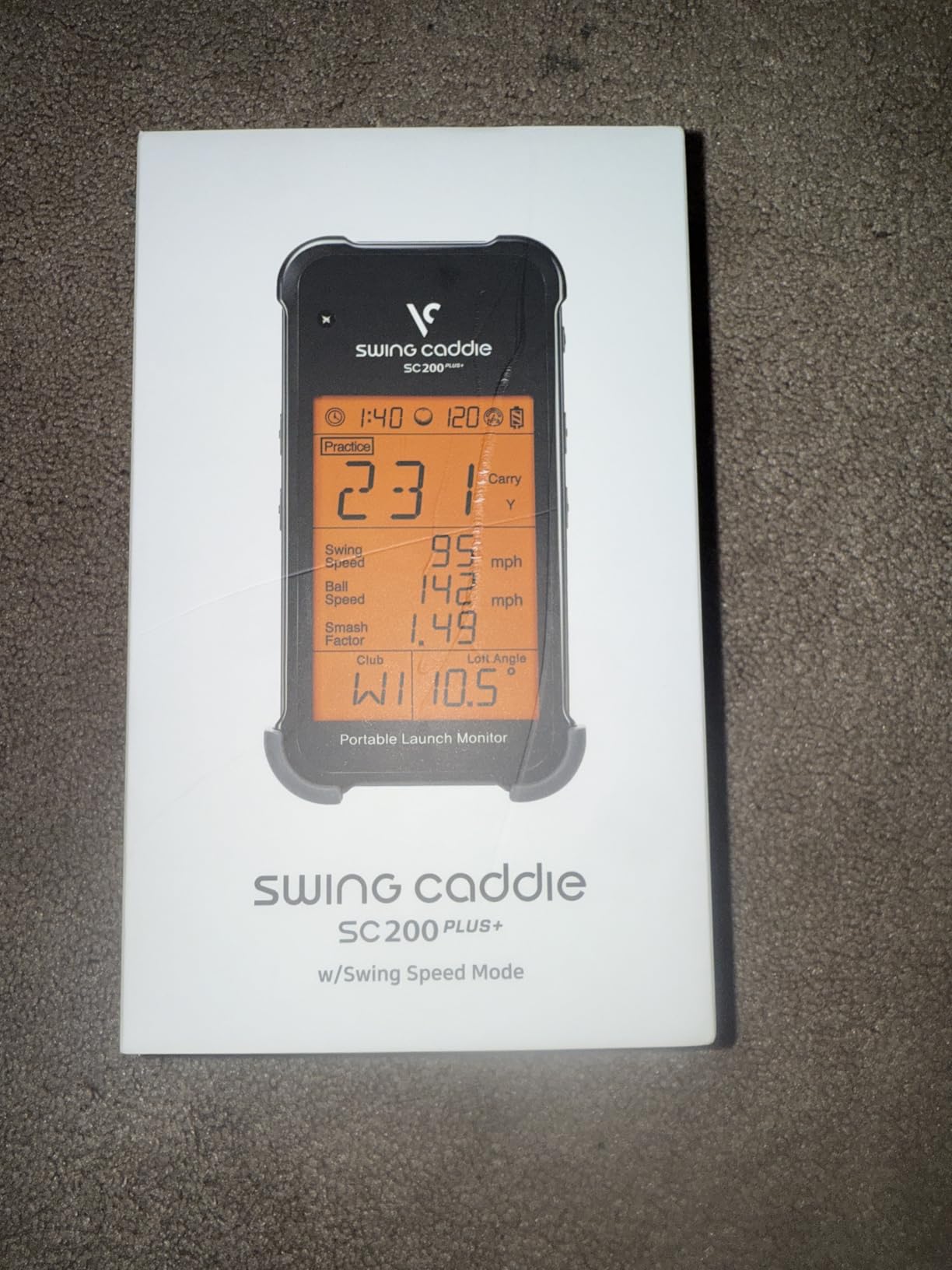
Swing speed mode is the feature owners mention first. You can work on tempo and speed in a living room with no ball at all, which makes this a genuine indoor tool in a room far too short for a full shot.
Club gapping works too. Because it stores per-club averages, you can hit a bag once, come back in a month and see exactly which distance moved.
Where a standalone display actually beats an app
With voice callouts you keep your head down and your eyes on the ball instead of on a phone screen, which is a real swing-quality difference over two hours. It also works identically for everyone in a group, with no pairing step.
The third benefit is that it never breaks. No firmware update, no connectivity failure, no app store dependency. Buy it in 2026 and it will do the same thing in five years.
What you give up without an app
You get speed and distance only, with no launch angle, spin or shot shape, so it cannot tell you why the ball behaved as it did. There is no video and no connected analysis of any kind.
Reviewers are also candid that the original interface is dated next to app-based monitors. For a first device or a gift that is harmless; for someone building a habit around detailed feedback it feels like a step back.
6. TheStack Radar – Best for App-Guided Wedge and Putting Practice
TheStack™ Radar – Portable Golf Launch Monitor, Swing Speed & Ball Tracker
Swing speed and ball speed
Estimated carry distance and smash factor
Bluetooth to TheStack App
Wedge and putting apps included
Pros
- Accurate swing and ball speed readings for training work
- Syncs automatically to TheStack App on both iOS and Android
- Gamified wedge sessions and guided putting practice
- Highest average rating of any monitor here
Cons
- Wedge and putting apps are iOS only and need iOS 15 or later
- Wedge mode needs a paid subscription after the free trial
- Reports no spin or launch angle
TheStack Radar is the best-liked hardware here, averaging 4.6 stars with 78 percent of reviews at five stars. That comes from a base of 60 reviews, so we treat it as encouraging rather than proven, but nothing else in the roundup scores as high.
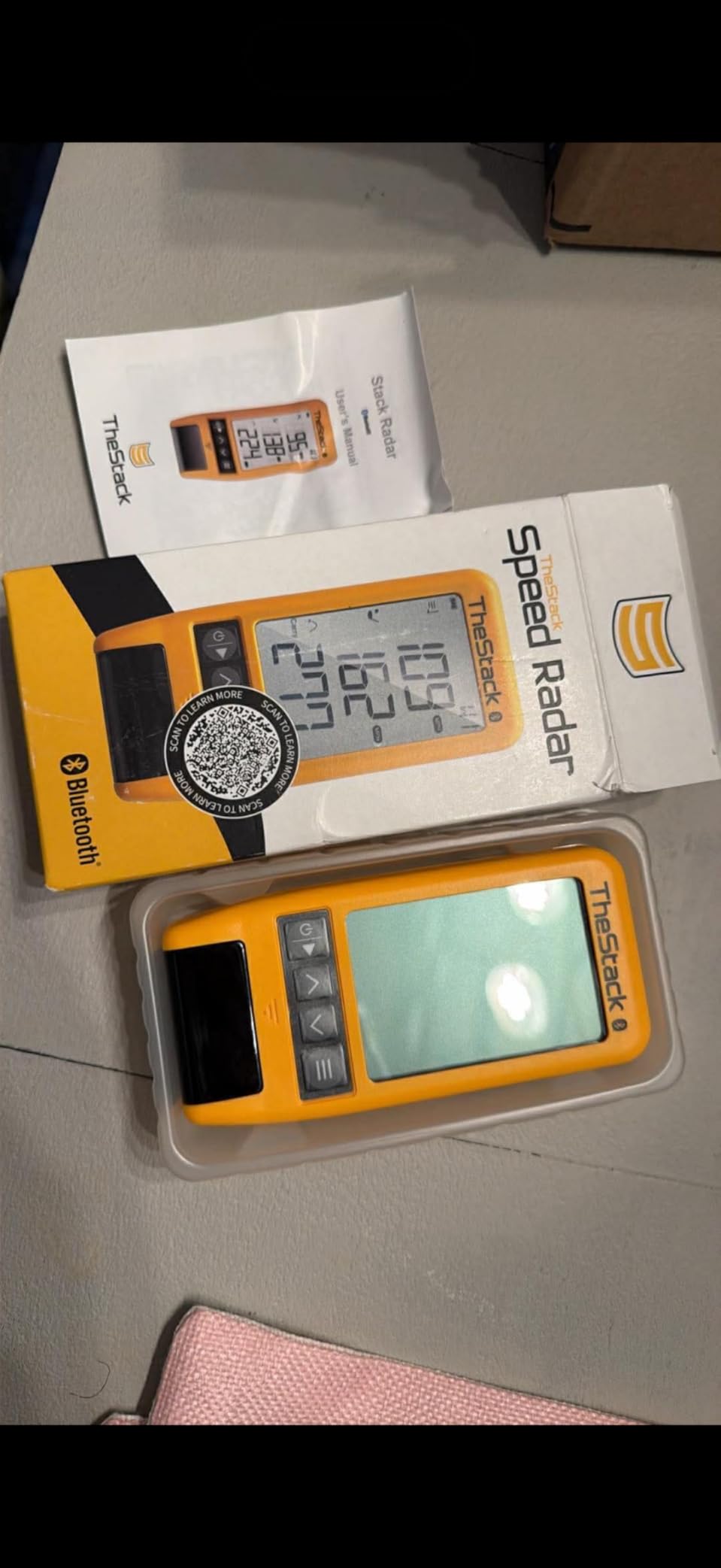
What it measures is swing speed, ball speed, an estimated carry distance and smash factor. The different part is the software: Stack Wedging builds gamified, skill-specific wedge sessions, and the bundled Stack Putting app gives guided practice with insight into your tendencies.
It connects over Bluetooth to TheStack App, which supports both iOS and Android, and training speeds transmit automatically to your phone.
The wedge angle is worth dwelling on. Everyone on this list tells you radar cannot read short shots, and that is true of the hardware. What TheStack does is tell you which wedge to hit and what result to aim for, so you get short-game structure without pretending you are getting short-game measurement. For a golfer whose problem is repeating a shot rather than adding distance, that can beat another ball speed figure, and it is the closest thing to putting feedback in this roundup.

Who the Stack suits and who it does not
It suits someone training around a clear target: hit this wedge, land it there, repeat, with the app keeping score. A US Open champion has used it for speed training and range work, which tells you the intent is a practice aid rather than a fitting device.
It does not suit anyone shopping for launch data. There is no spin, no launch angle and no video analysis, so if you want to understand ball flight this is the wrong box.
The platform catch you need to know
The speed training side runs on both iOS and Android. The wedge and putting features do not: both need iOS 15 or later, and wedging is not yet available on Android at all, so an Android buyer pays for two apps they cannot open.
Wedge mode also comes with a one-month free trial and then a paid subscription. Check the putting app terms separately before you commit.
7. Garmin Approach G80 – Best for On-Course Use With a Built-In Monitor
Garmin Approach G80, All-in-One Premium GPS Golf Handheld with Integrated Launch Monitor, 3.5″ Touchscreen
Integrated radar launch monitor
3.5 inch transflective touchscreen
Over 41,000 preloaded courses
15 hour GPS battery
Pros
- Full GPS handheld and a working launch monitor in one device
- Sunlight-readable transflective colour touchscreen
- Over 41000 detailed colour course maps included
- 15 hour rechargeable GPS battery
Cons
- Launch monitor data is estimated and limited versus dedicated units
- No measured spin rate launch angle or spin axis
- Less accurate than dedicated radar or dual-camera monitors
- Too basic to justify the device on its own
The G80 solves a problem none of the other seven address. If you want a launch monitor and also want course maps, this is the only device here that does both, in a 4.16 ounce handheld with a 3.5 inch sunlight-readable transflective colour touchscreen.
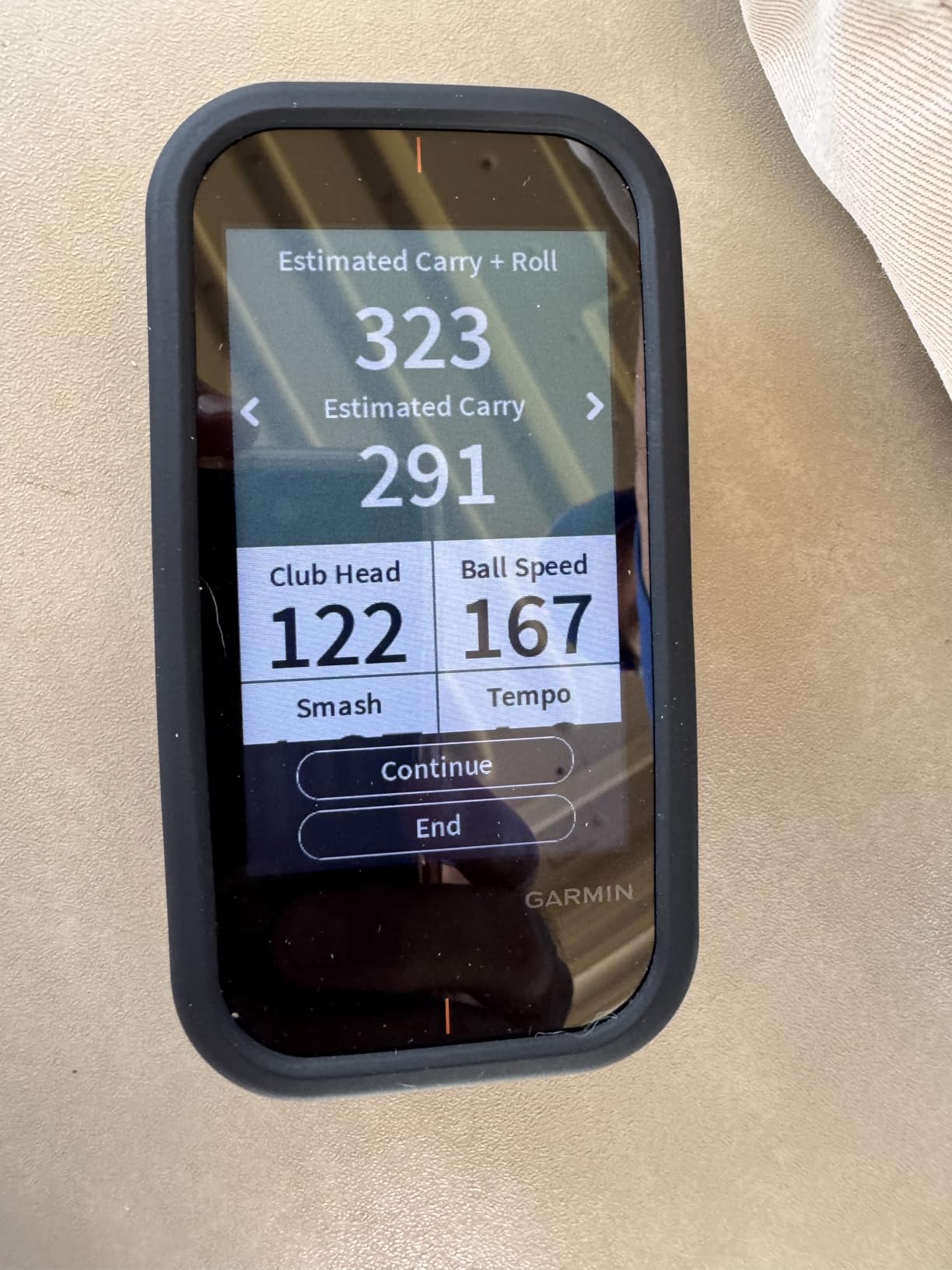
A quick-access button puts the integrated radar in front of you, reporting club head speed, ball speed, smash factor, swing tempo and estimated distance. Practice and game modes let you test yourself on the range or during a round.
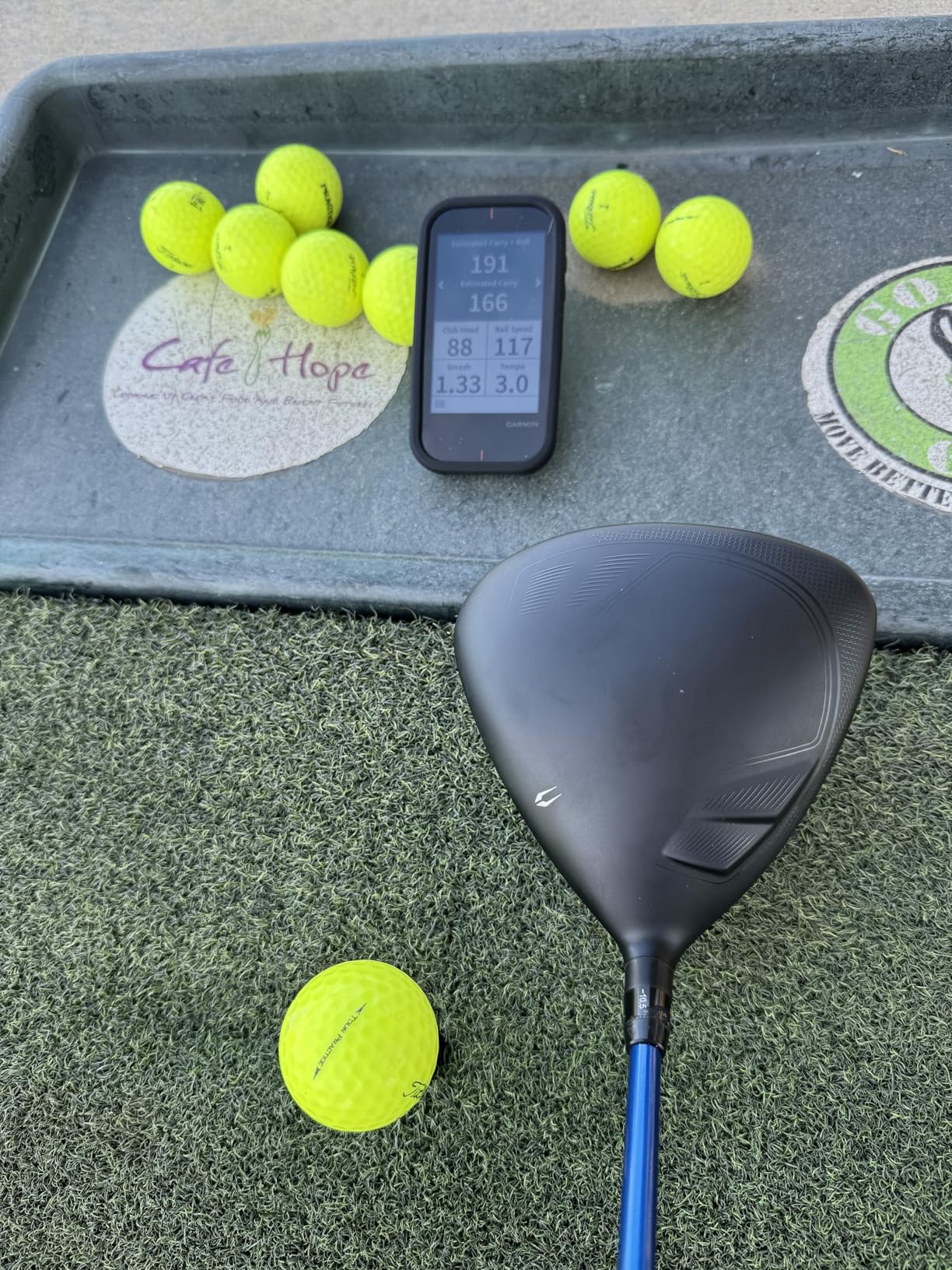
More than 41,000 detailed colour course maps are preloaded, which is the feature owners value most. There is no download step, no annual map fee and no signal required, and the screen stays readable in direct sun. Battery life of up to 15 hours of GPS use means a multi-day trip without a charger.
What the integrated radar is genuinely good for
Speed checks between shots. Measuring club head speed on hole five and again on hole fifteen is a real use, and having it in the same device as your maps means you do it rather than leaving the monitor in the car.
It also suits group lessons, where handing one device around is simpler than pairing five phones to a small radar unit.
Where the G80 radar falls short
Reviewers are consistent: the launch monitor data is estimated and limited, with no measured spin rate, launch angle or spin axis, and several buyers say the monitor feature is too basic to justify the device on its own.
So buy the G80 for the GPS handheld with a convenient speed check attached. If the monitor is the main event, spend the difference on the R10 instead. Our full launch monitor roundup covers what the dedicated options add.
8. TAGCMC GX-10 – Best No-Subscription Unit With a Full Metric Set
Golf Launch Monitor & Portable Simulator, Tracks 13+ Metrics Swing Analysis
Spin rate and spin axis
Attack angle and launch angle
Swing-only mode
3D range with video recording
Pros
- No subscription required for the app or simulation features
- Broad metric set including spin rate spin axis and attack angle
- Environmental sensors adjust readings for temperature humidity and pressure
- Works on iOS Android and HarmonyOS
Cons
- Some owners report connection and charging problems
- Speed readings can run high until sensitivity is adjusted
- Much smaller review base than established brands
- Occasional display and static issues on startup
The GX-10 has the most interesting spec sheet in this roundup for one reason: it reports spin rate, spin axis, swing speed, attack angle and launch angle, and no subscription is attached to any of it.
It also has built-in temperature, humidity and barometric pressure sensors that adjust shot data to real conditions. Swing-only mode lets you practise without a ball, and the 3D virtual driving range offers 45 degree and 90 degree viewing with video recording and clubface impact visuals.
The app runs on iOS 11 and later, Android 11 and later and HarmonyOS 4.0 and later, in English, Chinese and Japanese. That platform openness puts it ahead of both the Rapsodo MLM and the Stack’s wedge features, which are iOS-only.
The catch is calibration. Several buyers report that out-of-the-box speed readings run high until the sensitivity setting is lowered to match a monitor they trust, so treat the first session as a calibration session rather than a baseline.
Why no subscription is worth paying attention to
Subscription fatigue is the loudest theme in buyer discussions about launch monitors. A unit with a full metric set and no recurring fee changes the three-year arithmetic, because you are not adding an annual software cost to hardware you already own.
Owners of brand-new hardware with apps still in beta describe exactly the anxiety you would expect: features listed on the box that are not finished. A device that ships complete and charges nothing is a calmer proposition.
What to watch before you commit
The review base is 94, which is thin next to more than 3,000 on the Rapsodo MLM or 1,154 on the R10, so long-term reliability is simply less proven.
Owners also report connection problems, difficulty charging and occasional display or static issues at startup. None is universal, but those are the specific complaints behind placing this eighth rather than higher.
Doppler Radar vs Camera: What This Budget Actually Buys
Radar sits behind the ball and measures the speed of a reflected radio wave. Camera units sit beside the ball and photograph the moment of impact. That single design choice explains almost every difference you will find between the products above, including the most important caveat in this entire price band.
The radar track
Radar units are the Garmin R10, the Rapsodo MLM, the PRGR HS 130-A, the Voice Caddie SC200Plus, the Stack Radar and the Garmin G80. They are fast, robust in weather, and often cheaper, which is why six of the eight monitors here use them. They also need room behind the ball, because the unit has to track the ball in flight to report carry distance.
The critical caveat: radar calculates spin from flight characteristics rather than reading it off the ball. That is acceptable for driver and fairway work and unreliable for wedges and short game. Buyers who complain most about spin in this price band are almost always describing exactly that limitation.
The camera and hybrid track
Only one product here reads spin directly. The Rapsodo MLM2PRO combines Doppler radar with dual cameras and uses the marked Callaway RPT balls in the box, so spin rate and spin axis are measured rather than modelled. That is why it is the recommendation for anyone doing wedge work, and why it costs more.
The general rule that falls out of this: measured spin beats calculated spin, a camera reading beats a modelled reading, and a short-room setup beats a longer one only if the technology suits the space. If you have ten feet of room, radar is not the right answer regardless of how good the numbers look in a review.
How Much Space Do You Need for a Launch Monitor?
Room depth decides what you can buy. Radar units sit behind the ball and watch it travel, so they need a clear run of several feet plus whatever flight distance you want to capture. A standard single-car garage or finished basement will usually accommodate this at the far end of a net bay.
A short room changes the answer rather than the price. In roughly ten to twelve feet of depth a radar unit either will not lock on or will read with less consistency, and that is a setup problem rather than a product defect. Work backwards from the far wall: unit to ball, ball to net, and margin behind the net to be safe.
Height matters too. Hybrid units need somewhere to mount, and the MLM2PRO tripod is built for a tablet at about chest height. Finally, decide what the room is for: full-swing and speed work fit a short space, wedge practice needs net height, and putting needs a mat because no device in this roundup reads a putt.
Subscriptions, Recurring Fees and Total Cost of Ownership
Four products here run indefinitely with no recurring fee: the PRGR HS 130-A, the Voice Caddie SC200Plus, the Garmin G80 and the TAGCMC GX-10. That advantage is underappreciated, and it changes the three-year arithmetic in a way the hardware price alone does not reveal.
The other four sit behind a recurring model. The Garmin R10 keeps its core speed, launch and video features free but places virtual rounds, Home Tee Hero and tournaments behind a Garmin Golf membership. The Rapsodo MLM2PRO includes a 45-day premium trial, then requires a membership for 30,000 plus courses, third-party app integration, target range and impact vision. The Stack Radar runs its speed training open on both iOS and Android while wedge mode comes with a one-month trial and then a paid subscription. The Rapsodo MLM is a partial exception, with core speed, launch and tracer data working on the free tier.
The calculation to run before buying is simple. Take the hardware cost, add three years of the software you genuinely expect to use, and compare that against a no-subscription alternative. A mid-range unit with no recurring fee often lands close to a cheaper subscription product over three years, and it never sends a renewal email you have to remember to cancel.
What This Budget Does Not Buy
It does not buy true measured carry. Radar units here estimate distance from flight, while enterprise-grade units track the ball until it lands. If you are being fitted and the number has to be exact, this tier is the wrong place to shop. Nor does it buy putting or short-game measurement: even the camera-hybrid unit is weak on simulated greens, so budget for a putting mat and a chipping target alongside whatever monitor you choose.
It also does not buy the confidence level a club fitter needs. Forum discussions about this price band repeat one complaint: inexpensive monitors are inconsistent shot to shot, and a camera-based unit is more accurate but costs more. Consistency comes from the technology and from setup discipline, not from the price point.
One more consideration is buying used. Owners on golf forums regularly describe a good experience with a used Garmin R10, calling it limited but good value for what it cost and useful for the data it gives. Used purchases also carry risk on battery-heavy devices, and the R10’s 10-hour battery is one reason to prefer a unit whose battery health you can check.
For the hardware above this cap, and for the units that do measure carry and spin properly, read our guide to the best golf launch monitors for the money before stretching past this budget.
Frequently Asked Questions
What is the best affordable launch monitor for golf?
The Garmin Approach R10 is the best affordable launch monitor for most golfers right now. It reports club head speed, ball speed, swing tempo, spin, launch angle, launch direction and carry distance from Doppler radar, runs up to 10 hours on a charge, and is IPX7 waterproof for range work. The Rapsodo MLM2PRO is the better choice if measured spin is your priority.
Is the Garmin R10 or Rapsodo better?
The Garmin R10 is better for range and net sessions: longer battery, waterproof build, published accuracy tolerances and automatic video with metrics in a free app tier. The Rapsodo MLM2PRO is better for short game and spin work because its dual cameras measure spin rate and spin axis directly from marked RPT balls, and it adds slow-motion impact footage. R10 for data breadth, MLM2PRO for measured spin.
Is there a cheaper alternative to TrackMan?
Yes, and the gap is now genuinely small for most training purposes. The Rapsodo MLM2PRO uses Doppler radar with dual cameras to produce 15 metrics including measured spin rate, spin axis, club path and launch angle, at a small fraction of the cost of a TrackMan. What you give up is true measured carry, because units in this range estimate distance from flight rather than tracking the ball to the ground.
What is the best cheap golf launch monitor?
The PRGR HS 130-A is the best cheap launch monitor for speed training. It uses Doppler radar to read club head speed without a ball, plus ball speed, smash factor, carry distance and total distance when you do hit one, and it stores 500 swings in memory. It needs no app, no phone and no subscription, runs on AAA batteries, and is the easiest device here to train with indoors.
Is a golf launch monitor worth it?
A launch monitor is worth it if you want club gapping, carry distance control or a repeatable record of your speed over time. It is not worth it if you are focused purely on contact quality, because a slow-motion swing video plus a cheap speed trainer will serve you at a fraction of the cost. Golfers around 30 handicap improving consistency usually get more value from a video and a mat than from a sub-1,000 dollar monitor.
Is radar or camera better for launch monitors?
Camera systems are better for accuracy because they read spin directly from the ball, which matters for wedge and short-game work. Radar systems are better for durability, weather resistance, battery life and cost, and they are what most sub-1,000 dollar monitors use. The practical rule: choose camera or hybrid if spin is the metric you care about, and choose radar if you need a rugged range unit that tracks long shots.
The Verdict for 2026
The Garmin Approach R10 is our best golf launch monitor under 1,000 dollars, and it stays the pick because it does the most reliable job with the least friction. Seven metrics, a 10-hour battery, an IPX7 shell and automatic video in the free tier of the app cover everything most golfers need from a launch monitor.
Buy the Rapsodo MLM2PRO instead if measured spin and slow-motion impact video are what you are paying for, and accept the Wi-Fi friction and the subscription. Buy the PRGR HS 130-A if swing speed is the only goal, and the Voice Caddie SC200Plus if you want a screen and voice callouts with no phone at all.
Whichever you choose, set the room up before you judge the numbers. Placement, ball flight space and one calibration session do more for accuracy than any amount of spec comparison, and the monitors above are the best golf launch monitors under 1,000 dollars precisely because they can all be set up properly for a normal garage or basement.