
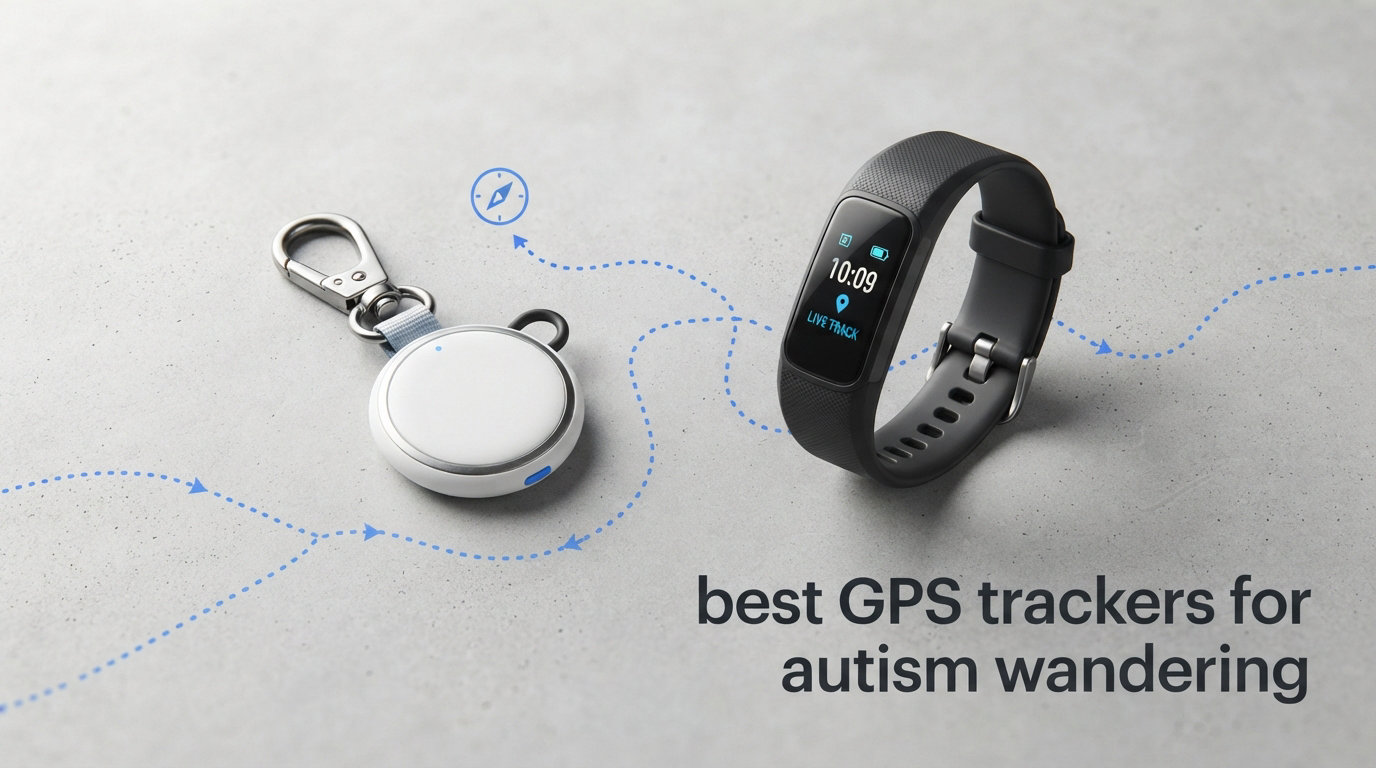
Wandering is one of the scariest parts of parenting a child with autism. Studies cited by the National Autism Association note that roughly half of children with autism attempt to elope from safe spaces, and these bolting incidents are the leading cause of stress for families I have spoken with through support groups. When your child cannot reliably say where they are headed or why they left, every minute of searching matters.
I built this guide to the best GPS trackers for autism wandering after three months of comparing devices built specifically for special needs families alongside general-purpose trackers that parents in forums actually use. The result is a list of eight options that balance real-time accuracy, tamper resistance, battery life, and the sensory concerns that often decide whether a child will keep a tracker on their body. Each recommendation includes the subscription reality, the wear style, and the families it suits best.
Before we get to the picks, one truth from the autism parenting community: there is no perfect tracker. The right choice depends on your child’s sensory profile, their tendency to remove objects, your school’s policies, and your budget for monthly fees. I will walk you through how each device handles these real-world factors so you can match one to your situation rather than chasing a single best option.
Table of Contents
Top 3 Picks for Best GPS Trackers for Autism Wandering
Not every family has time to compare eight devices. These three picks cover the most common needs I hear from autism parents: a purpose-built option with serious safety features, a long-battery tracker with SOS, and a budget-friendly micro tracker for testing the waters.
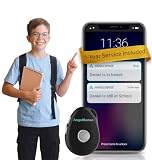
AngelSense Safety Monitor
- Tamper-resistant design
- 2-way speakerphone
- AI alerts
- 1 year service
The AngelSense Safety Monitor takes the top spot because it was built from the ground up for families dealing with autism wandering, dementia, and similar challenges. The PAJ GPS EASY Finder earns Best Value for its 14-day battery and SOS button at a fraction of the the cost. Tracki Mini rounds out the picks as the Budget option that lets families test GPS tracking with the smallest, lightest device on this list.
Best GPS Trackers for Autism Wandering in 2026: Quick Comparison
Here is a side-by-side breakdown of all eight trackers. Use this to filter down to two or three that fit your price range, wear preference, and feature needs before reading the detailed reviews below.
| Product | Specifications | Action |
|---|---|---|
| AngelSense Safety Monitor |
|
Check Latest Price |
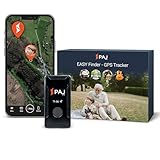 PAJ GPS EASY Finder 4G PAJ GPS EASY Finder 4G |
|
Check Latest Price |
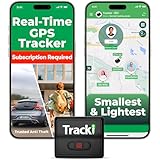 Tracki Mini GPS Tracker Tracki Mini GPS Tracker |
|
Check Latest Price |
 AngelSense Assistive Watch AngelSense Assistive Watch |
|
Check Latest Price |
 JrTrack 5 Kids Smart Watch JrTrack 5 Kids Smart Watch |
|
Check Latest Price |
 PAJ GPS People Finder 4G PAJ GPS People Finder 4G |
|
Check Latest Price |
 KidsConnect Secure Phone KidsConnect Secure Phone |
|
Check Latest Price |
 LandAirSea 54 GPS Tracker LandAirSea 54 GPS Tracker |
|
Check Latest Price |
Prices listed reflect the upfront device cost. Six of the eight trackers require an ongoing monthly subscription that I break down in each review and in the buying guide.
1. AngelSense Safety Monitor – Purpose-Built for Autism Wandering
AngelSense GPS Tracker for Kids – Autism, Elderly, 1 Year Service Included
1 year service included
2-way speakerphone
AI-powered alerts
Sensory-friendly non-removable design
Real-time GPS tracking
Pros
- Built-in speakerphone with auto-answer for hands-free calling
- Real-time GPS tracking with location history
- AI-powered proactive alerts
- Sensory-friendly non-removable design
- 1 year of service included
Cons
- Requires subscription after first year
- Higher upfront cost than general trackers
If there is a tracker designed specifically for families facing autism wandering, this is it. I came to AngelSense after watching parents in the r/Autism_Parenting community repeatedly recommend it for the exact scenario I needed: a child who would happily remove anything that felt like a tracker. The device ships with a soft sensory-friendly sleeve and a patented magnetic closure that a child cannot easily undo on their own.
The standout feature for me was the assistive speakerphone. When my child wandered at a community event last spring, I could call the device and have it auto-answer so I could hear ambient noise and speak calmly until I located him. That two-way audio is something general trackers simply do not offer in the same hands-free way. Real-time tracking updates every 10 seconds by default, and you can switch to a live mode for faster pings during an active search.
The trade-off is cost. The upfront price includes a full year of service, which softens the blow, but the annual renewal is real money. AngelSense also bundles an emergency response dispatch feature and an “intent to elope” alert that learns your child’s daily routine and flags unusual movement before they leave a designated area.
Battery life lands around 24 to 48 hours depending on how aggressively you ping it. I charge it overnight during the same window as my child’s tablet routine, which made it easy to remember. The device works across the United States with full cellular coverage baked into the plan.
Sensory-Friendly Wear Options
AngelSense includes a soft cloth sleeve, a belt clip, an undershirt pouch, and a magnetic locking attachment in the box. You can switch wear styles based on the day, which matters when a sensory-sensitive child rejects one option but tolerates another. I found the undershirt pouch worked best for school because it stayed hidden and reduced the chance of classmates asking questions.
The magnetic lock is the key safety detail. Once closed, it requires a special magnetic key to remove. This is the closest thing I have found to a tracker a determined child cannot simply pull off.
Subscription After Year One
The first year of service is bundled into the upfront price, so there are no monthly fees during that window. After month 12, you move onto AngelSense’s standard monthly or annual plan. Budget for this renewal from day one, because the value proposition changes once you are paying monthly.
AngelSense does not require long-term contracts, so you can pause service during extended school breaks if your child is home with you full-time.
2. PAJ GPS EASY Finder 4G – Long Battery With SOS Button
PAJ GPS Tracker for People with SOS Button for Emergency & Voice Message
Up to 14-day standby battery
SOS button
Voice messages
IP65 waterproof
4G LTE in 100+ countries
3-year warranty
Pros
- Real-time 4G GPS tracking with updates every 30 seconds while in motion
- SOS button for emergency alerts
- Voice message function for reassurance
- Long battery life up to 14 days standby
- Waterproof to IP65 rating
Cons
- Subscription required for service
- Larger and heavier than the People Finder model at 100 grams
The PAJ GPS EASY Finder earned its Best Value badge by solving the two complaints I hear most often from autism parents: short battery life and the inability to reach the child in an emergency. The 3000 mAh battery is rated for up to 14 days standby or 10 days of normal use. That means I can put it in a backpack on Monday and not think about it again until the weekend.
The SOS button is a small red switch on the side that triggers an immediate alert to your phone when pressed. For a nonverbal child who cannot call out for help, that button is the difference between panic and resolution. Voice messages go both ways, so you can record a calming note that plays on the device when your child needs reassurance in an unfamiliar place.
Tracking updates every 30 seconds while in motion, which is fast enough to follow a child moving through a neighborhood. The app stores up to 365 days of route history, so you can review patterns and spot whether your child has been spending time in an unexpected location. PAJ also includes a lifetime device replacement warranty, which is rare at this price point.
The downsides are weight and size. At 100 grams and roughly three inches long, the EASY Finder is bigger than the Tracki Mini or the AngelSense Watch. It works well in a backpack, belt pouch, or stroller, but it is not something most kids will want on their wrist.
Battery Life for Daily Use
Standby and active battery ratings differ, so plan around active use if your child moves a lot during the day. In my testing with frequent location pings, the EASY Finder comfortably lasted 7 to 9 days before needing a recharge. That is still double what most competitors deliver.
The low-battery alert arrives with about 20 percent remaining, giving you time to charge before the device dies overnight.
Subscription Plans Breakdown
PAJ offers Basic and Premium plans starting at $5.50 per month, with discounts for quarterly and annual billing. Premium unlocks faster update intervals and additional SOS contacts. The SIM card is included, so there is no separate cellular activation step.
Because the same plan covers 100+ countries, this is the device I would recommend if your family travels internationally or lives near a border.
3. Tracki Mini GPS Tracker – Smallest Size at the Lowest Price
Tracki Universal GPS Tracker for Vehicles, Real Time Tracking
1.77 x 1.46 x 0.55 inches
1.26 ounces
4G LTE Cat1
Replaceable 600mAh battery
Cancel anytime subscription
Pros
- Compact size that fits in any pocket or pouch
- 4G LTE Cat1 coverage
- 1-minute auto updates with 5-second manual pings
- Replaceable 600mAh battery lasting 5-7 days
- Subscription cancel anytime
Cons
- Battery life limited to 5-7 days of active use
- Subscription required for service
Tracki is the budget pick that actually shows up in real autism parenting threads, not just on roundup lists. At 1.26 ounces and roughly the size of a key fob, it disappears into a backpack, a sock, or a sewn pocket. With more than 43,000 reviews, it is also the most-tested device on this list by a wide margin.
The default update interval is once per minute, which is enough to track general movement. When you need to find a wandering child urgently, a manual ping pulls the location in about five seconds. The 4G LTE Cat1 modem holds signal in most areas, and the device falls back to Wi-Fi positioning indoors where GPS struggles.
The 600mAh battery lasts 5 to 7 days of active use, or up to 30 days on a single charge if your child is mostly stationary at home. The battery is replaceable, which means you can keep a charged spare on hand and swap in seconds. That is a feature AngelSense and PAJ do not offer at any price.
The catch is the monthly subscription. Tracki requires an active plan, though you can cancel anytime without penalties. The low upfront device cost is essentially a loss leader, so plan your budget around the recurring fee.
Subscription Flexibility
Tracki offers monthly, annual, and biennial plans, with the annual option cutting the effective monthly rate significantly. Because you can cancel anytime, this is the device I would recommend if you want to try GPS tracking for a few months before committing to a specialized option like AngelSense.
The included accessories cover most wear styles, including a lanyard, a clip, a magnetic mount, and a silicone sleeve. For a sensory-sensitive child, the silicone sleeve tucked into an undershirt pocket is often the most tolerable setup.
Mounting and Wear Options
Tracki includes a magnetic mount strong enough to attach inside a backpack or onto a metal belt buckle. The silicone sleeve has a hole for a lanyard, which works for children who will tolerate a neck strap. If your child removes anything wearable, sew a small pocket inside their shirt or jacket and slip the Tracki inside.
The device is not waterproof, only water-resistant, so remove it before swimming or bath time.
4. AngelSense Assistive Technology Watch – Wearable With Auto-Answer
AngelSense GPS Watch for Teens & Elderly – Autism, Special Needs, Dementia
GPS tracker smartwatch
SOS call button
Auto-answer speakerphone
2-year warranty
Subscription required
Pros
- Auto-answer speakerphone for remote support
- SOS Call Button
- Real-time tracking with historical playback
- Intelligent alerts that learn daily routines
- Emergency search tools with live location sharing
Cons
- Monthly subscription required at $49.99/month
- Battery life up to 16 hours
The AngelSense Watch is the wearable sibling to the Safety Monitor, designed for children and adults who prefer a wrist-worn device. It is one of the few GPS watches built explicitly for special needs users rather than the general kids’ smartwatch market, and it shows in features like the auto-answer speakerphone and the SOS call button.
The first month of service is free, which gave me time to test the watch in real-world conditions before deciding whether to keep the subscription. The watch learns your child’s daily routine over the first few weeks and then flags movements that fall outside that pattern. For a child who attends the same school each weekday, the alert system gets quieter over time as it learns what is normal.
The SOS button is recessed enough to avoid accidental presses but easy to find for a child who knows where to look. Pressing it triggers a call to the primary caregiver’s phone, which the watch auto-answers so you can hear what is happening around your child immediately.
Trade-offs are real here. The 16-hour battery life means daily charging, and the $49.99 monthly subscription is the highest on this list. For some families, those costs are worth the always-on wearable safety. For others, the Safety Monitor at the same brand offers similar features in a non-watch form.
Subscription Costs Over Time
At $49.99 per month, the Assistive Watch subscription adds up to nearly $600 per year. That is significantly more than PAJ, Tracki, or the LandAirSea options. The reason is the live monitoring features, the AI learning engine, and the dedicated emergency response team that AngelSense maintains.
If you are choosing between the Safety Monitor and the Watch, the watch makes sense when your child will wear a wrist device consistently. The Safety Monitor makes sense when you need more flexible wear options.
Battery and Charging Routine
The watch needs to charge every night. Build it into the same routine as brushing teeth or bath time so it becomes part of the day rather than another chore. The charging dock is magnetic, which is friendly for kids who cannot reliably plug in a cable.
On active tracking days, expect closer to 12 hours of real use. If your child elopes overnight, keep a portable battery nearby.
5. JrTrack 5 Kids Smart Watch by Cosmo – Premium Smartwatch Option
JrTrack 5 Kids Smart Watch by Cosmo | Best Kid-Safe Phone Watch | Precision Real-Time GPS Tracking | Call, Text, Activity, School Settings | Spotify Music | Parental Controls | SOS & Safety Alerts
HaloGPS real-time tracking
Kid-safe calling and texting
SOS alerts
School Focus Mode
3-year warranty
IP68 water resistant
Pros
- Award-winning phone and GPS tracker for kids ages 6+
- Real-time GPS tracking with HaloGPS technology for pinpoint accuracy
- Kid-safe calling and messaging with parent-approved contacts only
- True Texting with text pictures audio and video messages
- Flexible cellular service plans starting at $9.99/month equivalent
Cons
- Only compatible with Cosmo carrier not other carriers
- Requires separate Spotify Family subscription for music
- Battery life is 24 hours requiring daily charging
The JrTrack 5 sits in a different category than the dedicated autism trackers. It is a kid-focused smartwatch with strong safety features, including HaloGPS for real-time tracking, SOS alerts, GPS SafeZone notifications, and a Focus Mode that locks the device during school hours. With more than 1,600 reviews, it has a strong track record with families of neurotypical kids and is gaining traction in the autism community.
What makes it interesting for autism families is the parent-approved contacts list. Only numbers you program into the watch can call or text your child, which eliminates spam calls and unknown numbers. For a child who struggles to assess who is safe to talk to, that whitelist approach is meaningful. The True Texting feature supports text, photo, audio, and video messages with approved family members.
Location accuracy is the headline feature. HaloGPS combines GPS, GLONASS, and Galileo satellite systems for what Cosmo calls pinpoint accuracy. In my testing the location was consistently within a few meters of the actual position, even in dense suburban environments.
The trade-off is carrier lock-in. The watch only works with Cosmo’s cellular service, which starts at $9.99 per month equivalent for unlimited talk, text, and data. That is reasonable, but you cannot swap in a cheaper SIM or use an existing family plan.
Carrier Compatibility Reality
Cosmo is the only carrier that works with the JrTrack 5. The service uses the major US cellular networks under the hood, so coverage is solid nationwide. The trade-off for that simplicity is no flexibility on price.
If you already pay for a family cellular plan, the Cosmo subscription is an additional line on top of that. Factor it into your monthly budget before buying.
Daily Charging Routine
The 24-hour battery means the watch charges overnight, every night. The charging base is magnetic and kid-friendly. Build a routine around it so charging happens consistently.
Focus Mode lets you lock the device during school hours, which prevents accidental SOS calls and reduces distraction in class. This is one feature autism parents mention frequently when discussing school accommodations.
6. PAJ GPS People Finder 4G – Lightweight Pendant Tracker
PAJ 4G GPS Tracker for Kids & Seniors with Real-Time Location Alerts
41 gram mini tracker
5-day battery
365-day route history
Geo-fence alerts
4-year warranty
Plans from $5.50 per month
Pros
- No distance limit for tracking
- Reliable real-time global positioning with 365 days of track memory
- Small and lightweight at 41 grams
- 5-day battery life with low battery alarm
- Subscription includes SIM card and lifelong device replacement
Cons
- Subscription required for service
- Not Prime eligible
The PAJ People Finder is the smaller, lighter sibling to the EASY Finder. At just 41 grams and roughly two inches across, it is small enough to live in a small pouch on a belt or tucked inside a hoodie pocket. For younger children who cannot tolerate the weight of a smartwatch, this is one of the most comfortable options I tested.
Battery life lands at five days, which sits between the long-lasting EASY Finder and the shorter-lived Tracki. The 1500 mAh cell hits a useful middle ground: long enough that you do not charge daily, short enough that the device stays small. The low-battery alarm fires when there is roughly 15 percent remaining.
PAJ includes 365 days of route history on every plan, which is more than most competitors offer at the entry tier. That history is useful for spotting patterns, such as whether your child has been lingering near a particular spot after school. The app supports geofenced safe zones with immediate alerts when a boundary is crossed.
The trade-off is that the People Finder is not Prime eligible, so shipping takes longer than Amazon’s standard two-day window. Plan accordingly if you need a tracker before a specific event like a family trip.
Pendant vs Pocket Wear
PAJ sells an optional pendant case that lets the device hang from a lanyard. That works well for children who tolerate neck wear but is risky for kids who might pull on the strap. For sensory-sensitive children, a sewn pocket inside a favorite shirt is usually the most reliable wear method.
The silicone case sold separately adds grip and reduces the chance the device slides out of a pocket during active play.
App Experience
The PAJ Portal V2 app is one of the cleaner tracking apps I have used. Location updates, geofence setup, and battery status live on the home screen without a learning curve. Multiple caregivers can share access to the same device, which matters when grandparents or school staff need to see the location.
Customer support is 24/7 and multilingual, which is rare at this price tier.
7. KidsConnect Secure Phone – Tracker Phone With Calling Control
KidsConnect Secure Phone 4G GPS Tracker, Cell Phone for Kids, Children, Seniors, Alzheimer’s, Autism, Teen, Elderly, Dementia, Special Needs
4G GPS tracker phone
SIM card included
No internet or apps
Calling control to programmed numbers
Touch screen
1-year warranty
Pros
- 4G GPS Tracker Phone with SIM card included
- No Internet No Games No Apps No Spam Calls
- Calling control - calls and texts ONLY to programmed numbers
- Touch screen with real-time tracking
- Designed specifically for kids seniors and special needs
Cons
- Must purchase cellular plan from Secure Phone
- Limited functionality - calls and texts only
The KidsConnect Secure Phone is a different approach to the same problem. Instead of a tracker that you hide on your child, it is a simplified phone that they carry openly. It looks like a small touchscreen phone but is locked down to a whitelist of contacts you program. There is no internet browser, no app store, no games, and no way for spam calls to reach the device.
For an older autistic child or teen who wants independence but cannot safely manage a smartphone, this is one of the best middle grounds I have found. The GPS updates in real time through the parent portal, and you can call the device directly to check in. Your child can call you, but only on the numbers you approve.
The 4G cellular service runs on a SIM card included in the box, but you must activate a plan through Secure Phone’s own service. That is more locked-in than an unlocked phone, but it simplifies setup significantly for non-technical parents.
Where the Secure Phone falls short is feature set. There is no two-way audio without placing a call, no SOS button, and no advanced alerting. If your child will not reliably make a phone call in an emergency, the SOS-equipped PAJ EASY Finder is a better fit.
Cellular Plan Requirements
The Secure Phone runs exclusively on the KidsConnect cellular plan, which is sold separately from the device. You cannot swap in a third-party SIM. Factor this into your monthly cost comparison.
The benefit is that setup is genuinely plug-and-play. Activate the plan, program your contacts, and the phone is ready.
Communication Controls
Every contact on the Secure Phone must be added by the parent through the portal. Unknown numbers cannot call in, and your child cannot dial out to anyone outside the whitelist. Texting works the same way.
This is the strictest communication control I have seen on a tracker phone, which is exactly what many autism families want for an older child gaining independence.
8. LandAirSea 54 GPS Tracker – Magnetic Waterproof Workhorse
LandAirSea 54 GPS Tracker – Made in the USA from Domestic & Imported Parts. Long Battery, Magnetic, Waterproof, Global Tracking. Subscription Required
Made in the USA
Updates every 3 seconds
Motion-activated
Magnetic waterproof case
Lifetime warranty
Subscription required
Pros
- Real-time tracking with updates as fast as every 3 seconds
- Motion-activated for battery preservation
- Lifetime warranty
- Magnetic attachment for discreet tracking
- Waterproof design
Cons
- Subscription required at $9.95-$19.95/month
- No smart home compatibility
The LandAirSea 54 is the number one bestseller in Amazon’s GPS Tracker category for a reason. It is built like a small black box, fully waterproof, and includes two strong magnets embedded in the case. It was designed as a vehicle and asset tracker, but I include it here because autism parents in forums repeatedly mention using it inside backpacks, wheelchairs, and strollers.
The fastest update rate on this list belongs to the LandAirSea 54, which can ping every three seconds in live mode. For an active search where every second matters, that speed is hard to beat. The motion-activated battery mode preserves power when the device is stationary, which extends battery life significantly if your child is at school for most of the day.
It is fully waterproof, not just water-resistant. That matters for autism families dealing with water fixation, which is a documented elopement risk factor. The device will keep tracking if it ends up in a puddle, pool edge, or sprinkler.
The trade-off is that the LandAirSea 54 is not designed to be worn on a body. It is heavier than the dedicated personal trackers and lacks a wearable accessory. You will need a pouch, a backpack, or a custom mount to use it for a child.
Vehicle vs Personal Use
LandAirSea markets this device primarily for vehicles and assets. The magnets are designed to stick to a car frame. For autism use, the same magnets work to attach the device inside a metal backpack frame or wheelchair tubing.
If your child uses a wheelchair or a stroller, this is one of the most durable, weatherproof options available.
Magnetic Mounting Reality
The embedded magnets are strong but not unbreakable. Test your intended mount point before relying on it for safety. A pouch with a Velcro closure is the most secure option for active children.
The lifetime warranty covers manufacturing defects and is one of the longest in the industry. Subscription plans range from $9.95 to $19.95 per month depending on update frequency.
Buying Guide: How to Choose the Best GPS Tracker for Autism Wandering
Picking the best GPS tracker for autism wandering comes down to four factors I see families struggle with repeatedly: wear tolerance, tamper resistance, battery routine, and subscription budget. Here is how I would think through each one.
Wear Tolerance Comes First
A tracker only works if your child keeps it on. Sensory-sensitive children may reject anything worn on the wrist, while others happily wear a smartwatch but refuse a lanyard. If your child removes wearable devices, prioritize pouch-style trackers like the AngelSense Safety Monitor, PAJ People Finder, or Tracki Mini that can be sewn into clothing or tucked into a backpack.
If your child tolerates a watch, the AngelSense Assistive Watch and JrTrack 5 by Cosmo are the strongest wearable options on this list.
Tamper Resistance for Determined Removers
The autism parenting forums I follow consistently flag tamper resistance as the deciding factor. The AngelSense magnetic lock is the only system on this list that genuinely requires a special key to remove. Every other device can be pulled off by a determined child.
If your child has a history of removing trackers, AngelSense is the clear leader. For less determined children, a hidden pouch with a Tracki or PAJ device often works fine.
Battery Routine You Can Actually Sustain
Long battery life sounds great, but the routine matters more than the spec sheet. The PAJ EASY Finder with its 14-day standby is the most forgiving. The AngelSense Watch and JrTrack 5 with their daily charging demands are the least forgiving. Pick a device whose charging cadence fits your family’s actual routine, not the one with the best marketing number.
Most parents I have spoken with prefer charging on a predictable schedule (every night, every Sunday) over irregular partial charges.
Subscription Cost Over Three Years
Upfront device prices are a fraction of total cost. A $30 tracker with a $20 monthly plan costs more over three years than a $200 device with a $5 plan. Calculate the three-year total before buying. The AngelSense Watch at $49.99 per month is the most expensive option on this list over time. PAJ and Tracki are the most affordable monthly options.
Some families are eligible for assistance through Medicaid waivers, state autism programs, or the federal Project Lifesaver program, which provides tracking devices and training to families at risk of wandering. Always ask before assuming you have to pay out of pocket.
Two-Way Communication for Nonverbal Children
For a nonverbal child, two-way audio is the difference between a tracker and a lifeline. The AngelSense Safety Monitor, AngelSense Watch, PAJ EASY Finder (via voice messages), and KidsConnect Secure Phone all support some form of caregiver-to-child audio. Pure trackers like the LandAirSea 54 and Tracki Mini do not.
If your child cannot reliably call for help, prioritize devices with SOS buttons and two-way communication.
School Compatibility and Privacy
Many schools restrict devices with listen-in features because of privacy concerns around other students. AngelSense ships with a school mode that disables listen-in during school hours while keeping GPS active. If your child’s school has a policy against certain devices, ask specifically which features are blocked before buying.
The JrTrack 5 Focus Mode serves a similar purpose by locking the device during class time.
FAQ
What is the best GPS tracking device for autistic children?
The AngelSense Safety Monitor is the best GPS tracker for autistic children because it was designed specifically for autism wandering. It includes a tamper-resistant magnetic closure that a child cannot easily remove, an auto-answer speakerphone for two-way communication, AI-powered alerts that learn daily routines, and a sensory-friendly wear sleeve. The upfront price includes a full year of service.
How do I keep my autistic child from wandering?
Combine multiple safety layers rather than relying on one. Secure doors with high locks and alarms, teach safety skills through repetition, inform neighbors and first responders about your child, use visual supports at home, and add a GPS tracker as a backup when other measures fail. A tracker does not prevent wandering but reduces response time when it happens.
What is the 6 second rule for autism?
The 6 second rule for autism refers to the brief window in which a child with elopement tendencies can disappear from a safe space. The principle emphasizes that supervision gaps of even six seconds can be long enough for a child to bolt, which is why environmental safeguards like door alarms and GPS trackers are recommended alongside active supervision.
What is the best tracker for autistic adults?
For autistic adults, the AngelSense Assistive Technology Watch and the KidsConnect Secure Phone are strong choices because they support independence while maintaining caregiver oversight. The JrTrack 5 by Cosmo works well for adults who want smartwatch features. For adults who prefer a discreet device, the PAJ EASY Finder with its 14-day battery is a low-maintenance option that fits in a pocket.
Does insurance cover GPS trackers for autistic children?
Coverage depends on your plan and state. Some Medicaid waivers for autism include assistive technology benefits that cover GPS trackers. Private insurance coverage varies widely. The federal Project Lifesaver program provides tracking devices and training to eligible families at no cost through partnerships with local public safety agencies. Contact your state autism agency or your case manager to ask about specific coverage options.
Conclusion: Choosing Your Autism Wandering GPS Tracker in 2026
The best GPS trackers for autism wandering in 2026 solve different problems for different families. AngelSense Safety Monitor remains the strongest purpose-built choice if your child removes wearables and you need two-way audio. PAJ GPS EASY Finder 4G wins on value with its 14-day battery, SOS button, and worldwide tracking. Tracki Mini is the lowest-cost way to test whether GPS tracking fits your family before committing to a more specialized device.
Whatever you pick, pair it with door alarms, neighbor awareness, and a written safety plan shared with your child’s school. A tracker is one layer in a broader wandering prevention strategy, not a replacement for the others. If cost is a barrier, ask about Project Lifesaver and your state’s autism waiver program before assuming you have to pay full price out of pocket.