

If you have ever climbed out of a hot tub with itchy arms, stinging eyes, or skin that smelled like a pool for the rest of the evening, you already know the standard chlorine routine is not built for you. The best hot tub chemicals for sensitive skin are not one miracle product. They are a combination of a lower-load sanitizer, an enzyme or mineral conditioner, and a non-chlorine shock that clears the by-products without adding more.
Hot water opens your pores and strips the natural oils that normally protect your skin. That is why whatever sits in the water reaches you faster than it would in a swimming pool. When the sanitizer level is high, when the pH has drifted, or when body oils and lotions are oxidizing into chloramine, sensitive skin pays for it within minutes of soaking.
We went through ten of the most-reviewed spa treatments on the market, checked what the active ingredients actually are, and matched each one to the type of owner it genuinely suits. Some of the biggest names in the category turn out to be the wrong fit for reactive skin, and a couple of quieter products do more for a rash-prone soaker than anything with a chlorine block on the front of the bottle.
Everything below is written for 2026 spa owners who want clear water without the fallout. We cover the four treatment categories, the water balance numbers that decide whether your chemicals work at all, how to switch systems without draining, and what to look for on a label.
Table of Contents
Why Sensitive Skin Reacts to Hot Tub Water
Most people blame chlorine. Sometimes they are right, but the irritating load usually comes from four separate sources, and only one of them is the sanitizer itself.
Chloramine is the first. When chlorine combines with sweat, skin oil, and lotion, it forms chloramine, which is the compound behind that sharp chlorine smell that clings to your skin and hair. It is also the main thing responsible for the tight, dry feeling and the red eyes. Oxidizers such as potassium peroxymonosulfate exist specifically to break chloramine down, which is why a chlorine-free shock is usually the fastest fix for an irritated soak.
pH drift is the second and the most overlooked. Water that sits below about 7.2 becomes acidic enough to irritate on its own, even with no sanitizer present. Water above 8.0 is caustic and destroys the protective oils on your skin. Either way, out-of-range pH turns a mild chemical exposure into a real one.
Fragrance, dye and preservatives are the third. Owner groups on r/hottub and Pool & Spa Forum repeatedly report that a product marketed as skin-friendly still set them off, and the common thread is fragrance or colorant in the formula rather than the active ingredient. Read the back of the bottle, not just the front.
Biofilm is the fourth and the sneakiest. That slimy layer living inside the plumbing and heater is a bacteria factory that pumps sanitizer demand upward. You end up dosing more chemical than you planned, which defeats the whole purpose of switching to something gentle.
Here is the good news: owners who identify which of the four is causing their symptoms usually fix it with a different product or a different number, not with a stricter avoidance list. Start there before you shop.
Top 3 Picks for Sensitive-Skin Hot Tub Water in 2026

Leisure Time RENU2 Non-Chlorine Shock
- Chlorine-free potassium peroxymonosulfate
- Quick dissolving and pH buffered
- Works with every sanitizer system

FROG @ease Floating Sanitizing System
- Self-regulating float
- No chlorine smell
- Shock only once a month
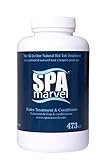
Spa Marvel Water Treatment and Conditioner
- Enzyme based
- Conditions water for sensitive skin
- One bottle covers a month
Quick Overview: Best Hot Tub Chemicals for Sensitive Skin in 2026
All ten products below do something different. Five are oxidizers or conditioners that support a sanitizer, two are self-regulating sanitizer systems, and the rest are mineral or softening treatments. Read the quick overview, then jump to the full review for the one that matches your water.
| Product | Specifications | Action |
|---|---|---|
| Leisure Time RENU2 Non-Chlorine Shock |
|
Check Latest Price |
| FROG @ease Floating Sanitizing System |
|
Check Latest Price |
| Spa Marvel Water Treatment and Conditioner |
|
Check Latest Price |
 HTH Spa 86135 Non-Chlorine Shock Oxidizer HTH Spa 86135 Non-Chlorine Shock Oxidizer |
|
Check Latest Price |
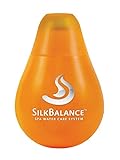 Silk Balance Natural Water Care 4-Month Supply Silk Balance Natural Water Care 4-Month Supply |
|
Check Latest Price |
 ecoone Spa Monthly Conditioner ecoone Spa Monthly Conditioner |
|
Check Latest Price |
 Nature2 Spa Mineral Sanitizer 2 Pack Nature2 Spa Mineral Sanitizer 2 Pack |
|
Check Latest Price |
 AquaDoc Non Chlorine Hot Tub Shock 5 lb AquaDoc Non Chlorine Hot Tub Shock 5 lb |
|
Check Latest Price |
 SpaPure Simply Soft Conditioner SpaPure Simply Soft Conditioner |
|
Check Latest Price |
 ProTeam Gentle Spa Water Softener ProTeam Gentle Spa Water Softener |
|
Check Latest Price |
1. Leisure Time RENU2 Non-Chlorine Shock for the Gentleest Routine
Leisure Time RENU2, Renew Non-Chlorine Shock Treatment, 2.2 lbs
Active ingredient: potassium peroxymonosulfate
2.2 lb granular container
Chlorine free and pH buffered
Pros
- Clears cloudy water and eliminates odors
- Quick dissolving so it does not swing pH
- Works with chlorine bromine ozone and mineral systems
- Over 4900 owners rate it highly
Cons
- Oxidizer only so a sanitizer is still required
- Frequent dosing for larger tubs
The first thing I check on any shock treatment is the active ingredient, and this one is potassium peroxymonosulfate, listed plainly on the label. That single fact is why it earns the top spot for sensitive-skin owners: it does the one job that actually matters for an irritated soak, breaking down the chloramine and body oils that make skin itch, without adding more chlorine to the water.
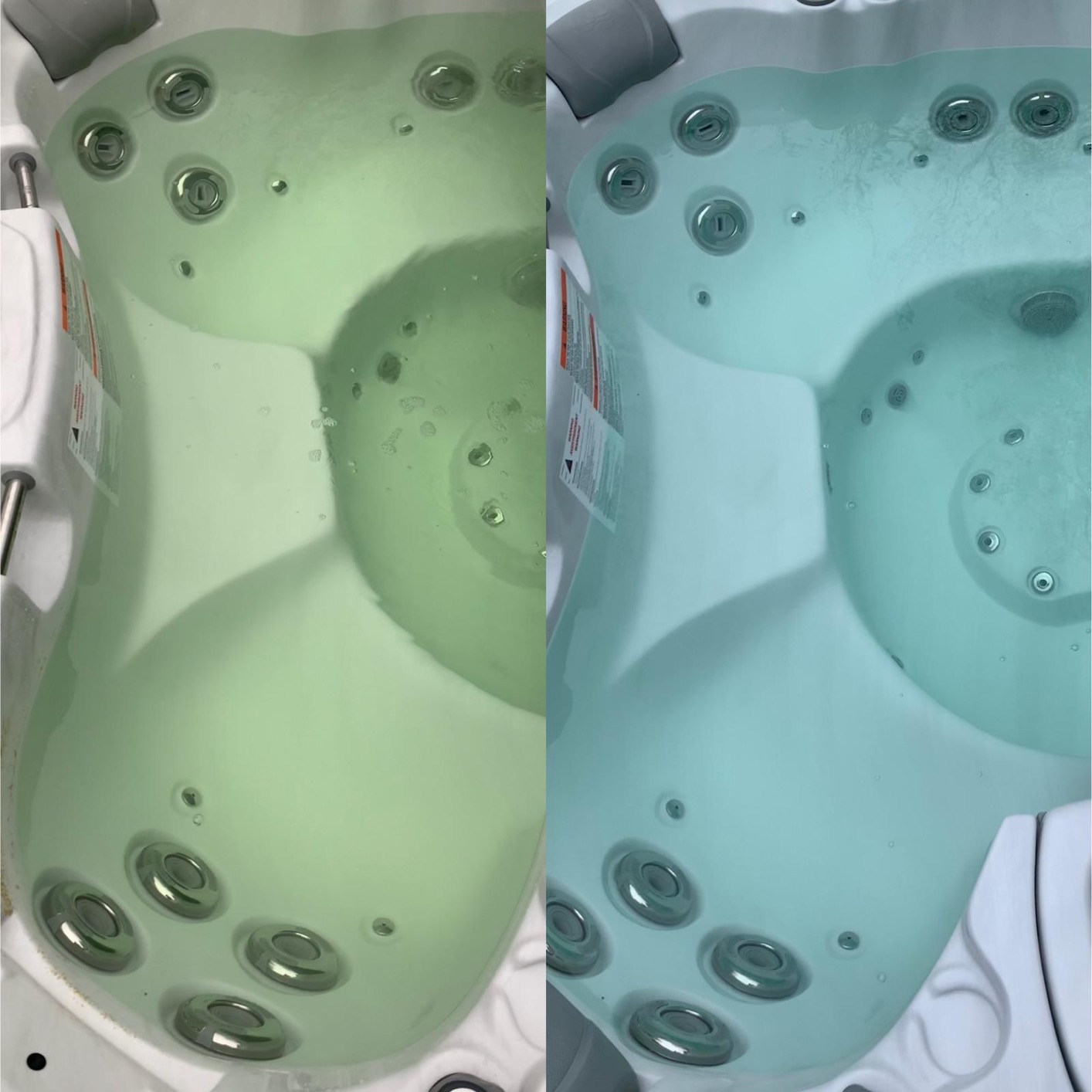
Owners using it as part of a regular weekly routine report water that stays clear and fresh, and there is no chlorine odor after soaking. That last detail matters more than it sounds, because the smell is a direct read on how much chloramine is left in the water and on your skin.
The formula is buffered so it does not swing your pH while it dissolves, which removes one of the most common reasons sensitive skin flares up right after a shock treatment. It is also one of the few products here that works with every sanitizer system on the market, so it slots into a chlorine, bromine, ozone, or mineral setup without a compatibility check.
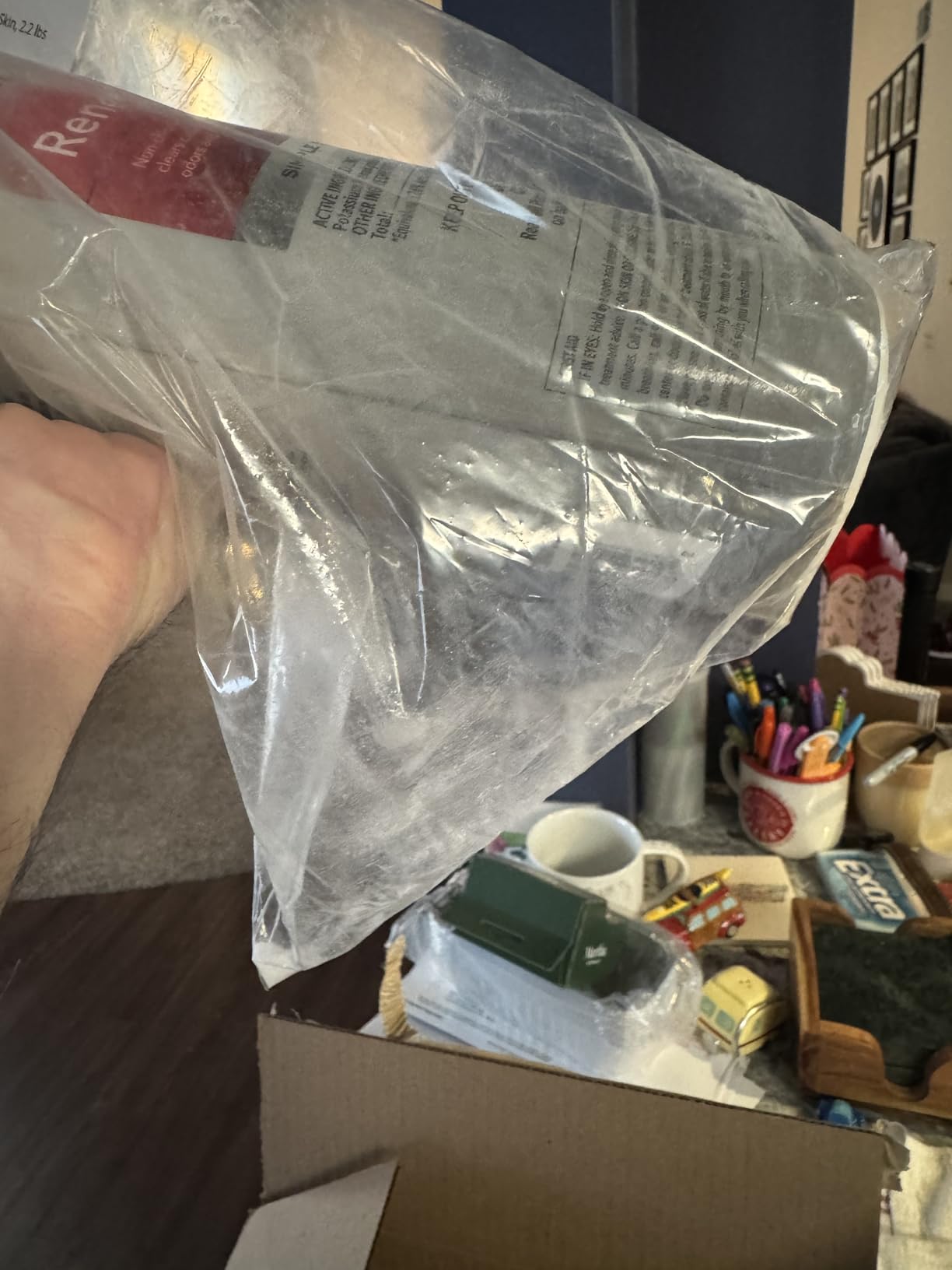
With more than four thousand reviews and an average rating of 4.7, this is the most proven product in the category, and the feedback is unusually consistent. Owners across chlorine and bromine setups describe the same pattern: cloudy water clears, odor drops, and nothing changes in the balance numbers afterward.
The one thing I would flag is that this is an oxidizer, not a disinfectant. It destroys microorganisms and organics but it does not sanitize. You still need a sanitizer at proper levels, which is exactly what we recommend pairing it with below.
For a 500 gallon tub, the practical rhythm is one dose weekly, or after every soak session if you are the only person using it. On a heavily used swim spa, expect to reach for it more often because more body oil means more organic load for it to burn off.
How much should you dose per 1,000 gallons?
Owners using a 1,000 gallon volume, typically a swim spa or a large custom tub, generally work with roughly double the dose used in a standard 300 to 400 gallon spa. The label dose for a standard tub is a small scoop, and the granule dissolves fast enough that you can broadcast it across the surface with the jets running.
Overdosing is not dangerous here in the way over-shocking with chlorine is, but it is wasteful and it can push your total dissolved solids up over time, which dulls water clarity and makes balancing harder. If in doubt, dose to the label for your stated volume rather than eyeballing it.
When can you soak after adding it?
Because there is no chlorine in this product, the usual multi-hour wait before soaking after a chlorine shock does not apply. The granules dissolve quickly with the jets and circulation running, and you can soak once they have cleared and your pH reads in range.
That short wait time is a real advantage for sensitive-skin owners, who often soak later in the evening and do not want to skip the session. Just keep the circulation on until the powder has fully dissolved so nothing settles into the plumbing.
2. FROG @ease Floating Sanitizer for Owners Who Want Zero Daily Dosing
FROG @Ease Floating Sanitizing System for Hot Tubs
Floating self-regulating system
1.2 lb unit, uses SmartChlor cartridges
Weekly shock schedule
Pros
- Put it in and forget it
- No chlorine smell and no faded swimwear
- Float flips over to signal cartridge replacement
- Included test strips help new owners
- Lower ongoing cost than bottled chemicals
Cons
- Cartridge life shortens to about three weeks in heavy-use swim spas
- Very high bather loads may need supplemental chlorine or shock
- Mineral cartridge also needs periodic replacement
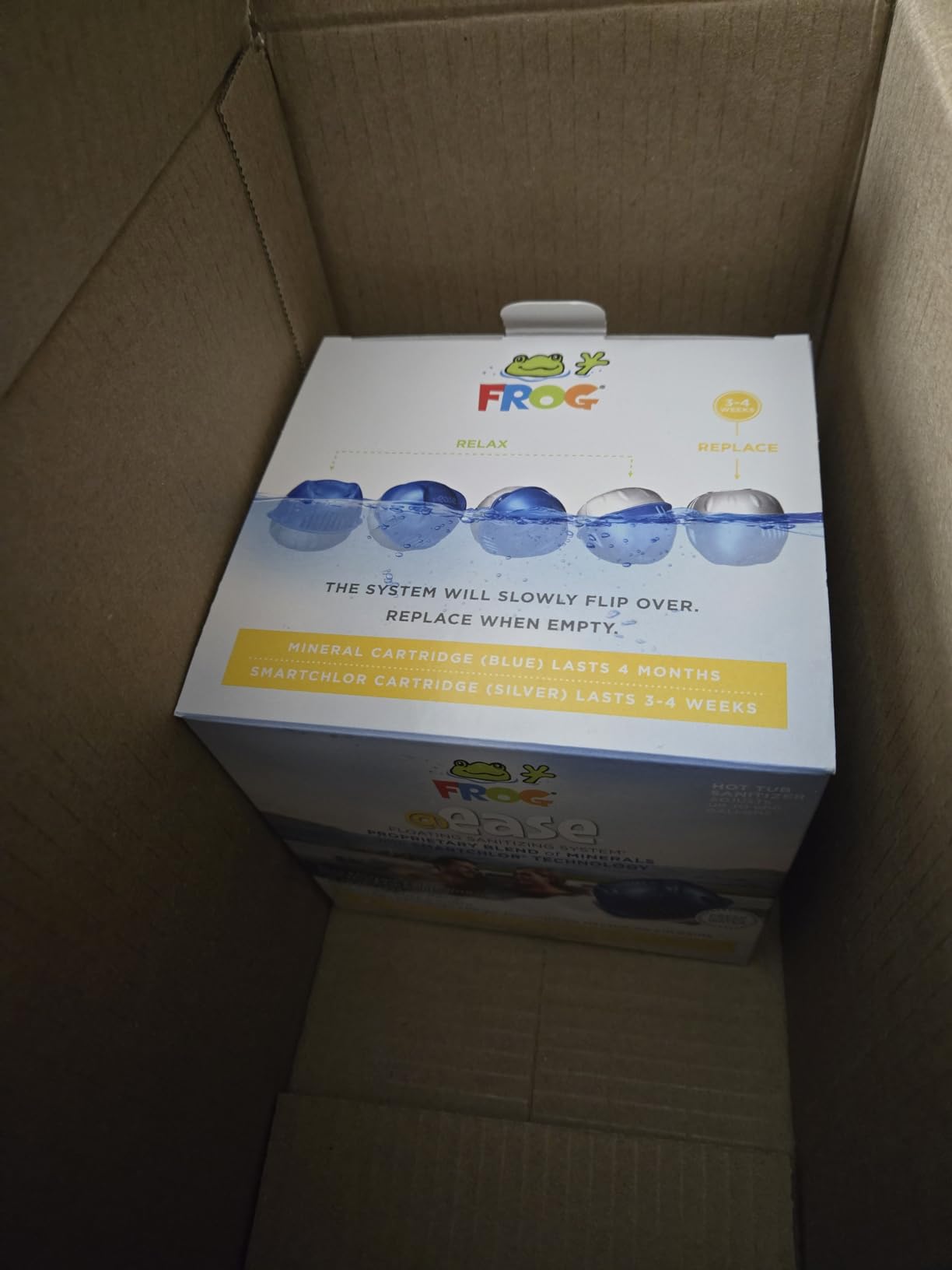
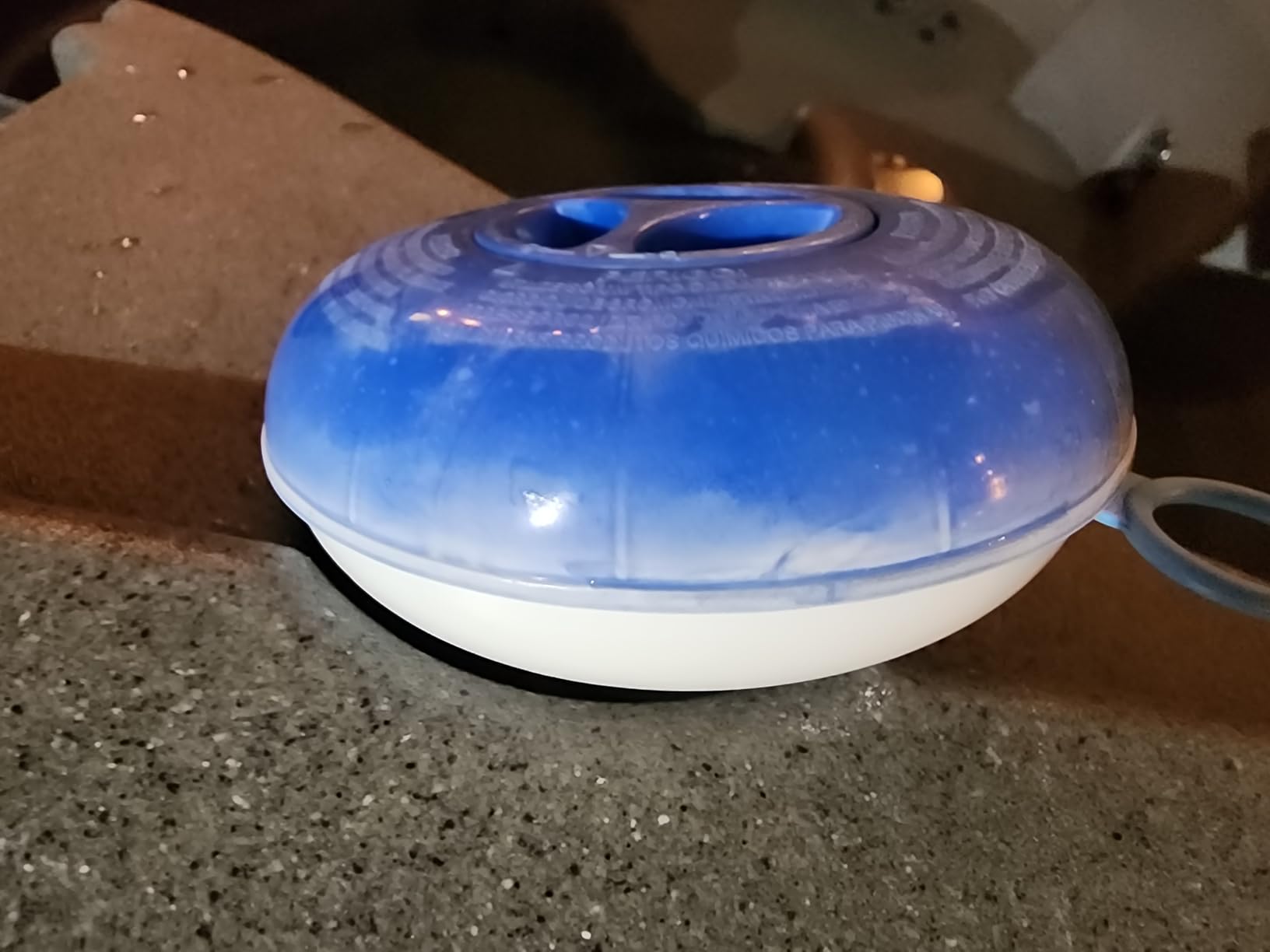
This is the system I recommend when someone tells me they hate measuring chemicals. You drop it in the water and it sits there, self-regulating, releasing sanitizer at a steady rate without you touching it for weeks at a time.
The design detail owners appreciate most is the flip. When the chlorine cartridge is spent, the float turns over, and you know exactly when to replace it rather than guessing from a test strip reading on a Sunday night.
For sensitive skin, the meaningful difference is odor. Owners consistently report no chlorine smell after soaking and no fading swimwear, which points to a lower combined-chlorine load than a traditional chlorine routine produces. Your skin is not reacting to the same amount of residue.
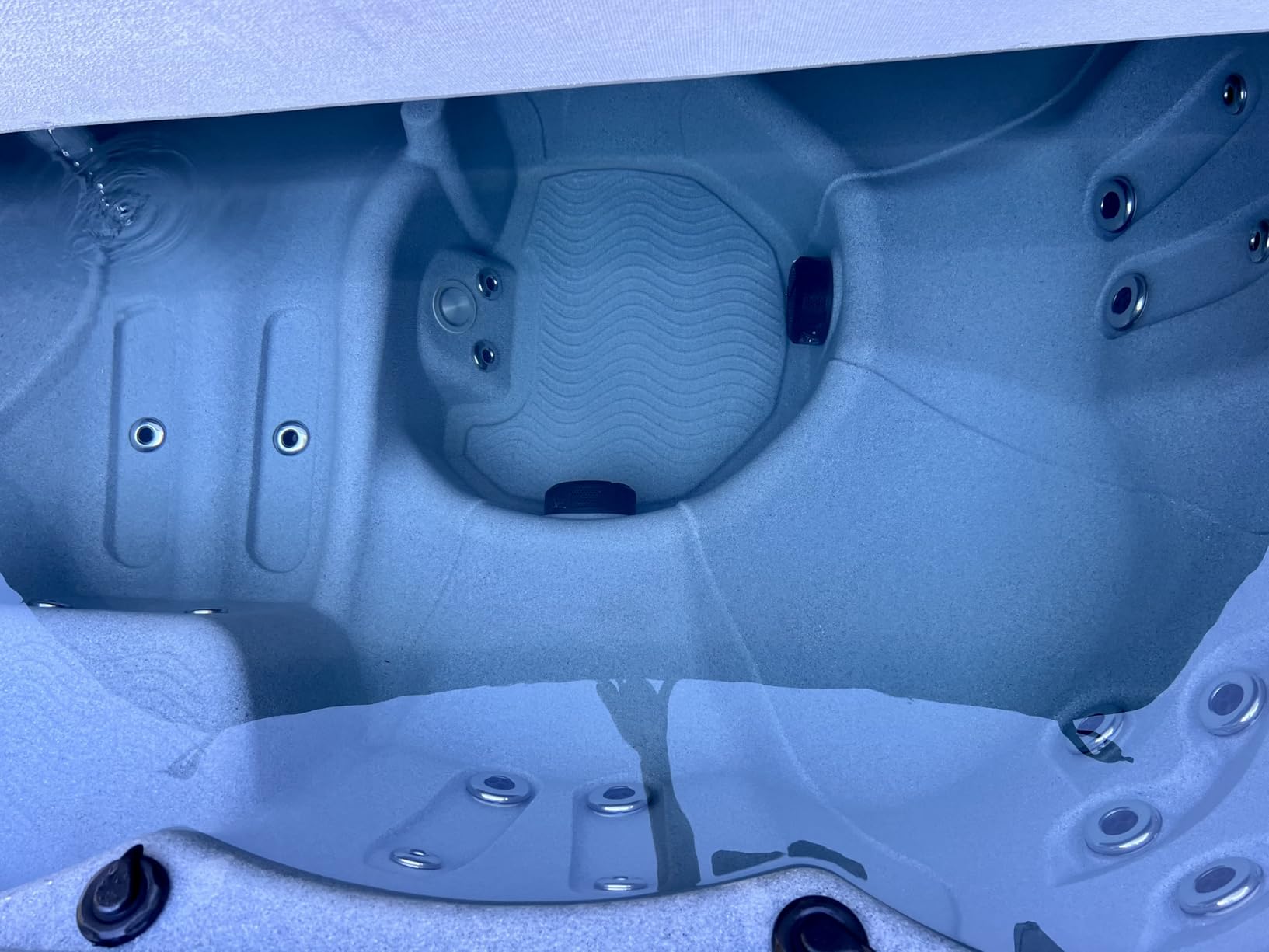
With close to 4,800 reviews and a 4.5 average, this is one of the most widely used floating systems on the market. Buyers consistently describe the same experience: minimal maintenance, water that stays clear, and a routine that takes under a minute a week.
Not everyone has a perfect run with it. In a swim spa where four or five people soak daily, owners report the cartridge depleting in roughly three weeks instead of the advertised span, and some end up adding supplemental sanitizer around heavy weekends.
The float also relies on a blue mineral cartridge that needs replacing on its own schedule. Budget for two consumables rather than one when you work out what the system costs you per year.
Who should avoid a self-regulating float?
If your tub is small, or you soak only once or twice a month, a cartridge float will outlast your usage pattern and you will end up paying for sanitizer that sits unused in the water. Those owners are usually better served by a bottle they dose on demand.
It also takes a little practice to set the flow rate correctly, and an over-adjusted float is a common reason early users feel the system is not holding water. Give it a few soak cycles to dial in.
Can you pair it with a non-chlorine shock?
Yes, and that pairing is the setup we like most for reactive skin. The float handles steady sanitizing while a chlorine-free oxidizer such as the Leisure Time product above clears the chloramine and body oils between uses.
Because the float already sanitizes, you can space your shock treatments further apart than you would with a manual chlorine routine. That means fewer doses of anything per month, which is the point for an eczema or psoriasis sufferer.
3. Spa Marvel Water Treatment for Eczema and Psoriasis Sufferers
Spa Marvel. Water Treatment & Conditioner 16 fl oz (Regular)
Enzyme based liquid
16 fl oz bottle
6 x 3 x 3 inches
Pros
- Marketed for sensitive skin and hot tub rash
- Enzyme based and cuts traditional chemical needs
- Long-term owners report crystal-clear water with little effort
- Customer service praised for troubleshooting
- Bottle covers about a month
Cons
- Can temporarily cloud fresh water on dosing
- May need a large water change if the product has settled
- Conditioning effect can wear off sooner in very hot spas
- Higher price per bottle than most rivals
This is the product owners with diagnosed eczema or psoriasis mention most often, and for a specific reason: it is built around enzymes that digest the body oils and lotion residue which sanitizer alone cannot break down. That is the material that turns into the irritating by-products in the first place.
The enzyme approach means you need less traditional chemical to hold the same sanitation, which is the mechanism behind the reduced irritation owners describe. Several detailed reviews describe hot tub rash resolving after switching to this and keeping a routine.
It also handles balance. The formula works on pH and alkalinity at the same time it conditions the water, so for many owners it replaces a separate balancing step as well as a separate clarifier.
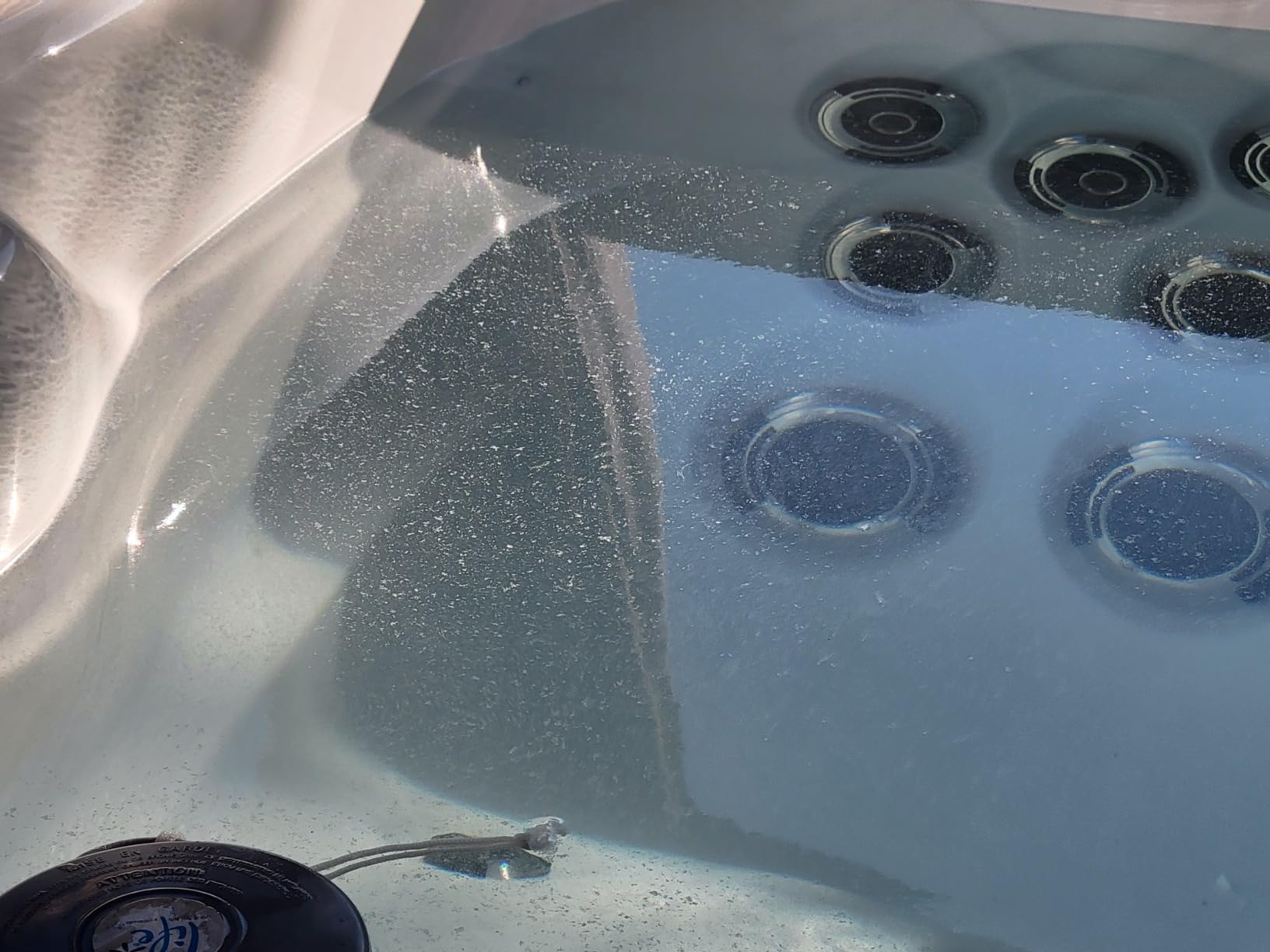
At a 4.6 average across 1,848 reviews, it sits comfortably among the better-reviewed options, and the sentiment is unusually specific: people are not just saying the water is clear, they are saying their skin stopped reacting.
Be aware of the first-dose effect. The liquid is white and slightly cloudy, so adding it can briefly cloud fresh water before it disperses. A handful of owners also found that if their bottle had settled with solid residue at the bottom, they needed a large water change to start clean.
The conditioning effect is not permanent in very hot, high-flow spas. Water at the upper temperature range plus strong jets accelerates the breakdown of the enzymes, so owners in that situation dose more often than the monthly label suggests.
Is it safe for babies and toddlers?
It is formulated to be gentle on skin, hair and bathing attire, which makes it a common choice for grandparents who soak with young children. Skin-contact exposure in a diluted bath is far less of a concern than skin-contact exposure to concentrated undiluted product, which is the real risk with any spa chemical.
Store it out of reach of children regardless, and follow the label dilution. Nothing here is meant to be used undiluted in a soaking tub.
Does it replace chlorine or bromine entirely?
No, and this is where a lot of first-time buyers get it wrong. The enzyme formula reduces how much traditional chemical you need, but you still need a sanitizer reading in the correct range between uses. Think of it as reducing your load, not eliminating it.
Owners who combine it with a self-regulating float report the lowest overall chemical use of any pairing in this roundup.
4. HTH Spa 86135 Non-Chlorine Shock for the Fastest Cloudy-Water Fix
HTH Spa 86135 Non Chlorine Shock Oxidizer, Spa & Hot Tub Chemical Clears Cloudy Water, 2.25 lbs
Powder oxidizer
2.25 lb container, 35.2 oz
Buffered non-chlorine formula
Pros
- Highest average rating in the group
- 88 percent five-star ratings
- Clears hazy or dull water within hours
- No chlorine odor so re-entry is fast
- Fast-dissolving granules with simple dosing
Cons
- Oxidizer only so a sanitizer is still needed
- Plastic container is poor for humid long-term storage
- Must fully dissolve with jets running
This has the highest average rating of anything we reviewed, at 4.8 across 973 reviews, and roughly 88 percent of those ratings sit at five stars. That is worth knowing before you pick anything else in this category.
Where it beats the other oxidizers is speed. Owners describe water going from hazy or dull to clear within hours, frequently overnight, which makes it the pick when you have an event the next day and need water that looks presentable.
It targets the exact compound sensitive skin objects to. The formula reduces odor-causing ammonia and chloramines, which is the same chemistry the Leisure Time product delivers, expressed in a slightly different granule.
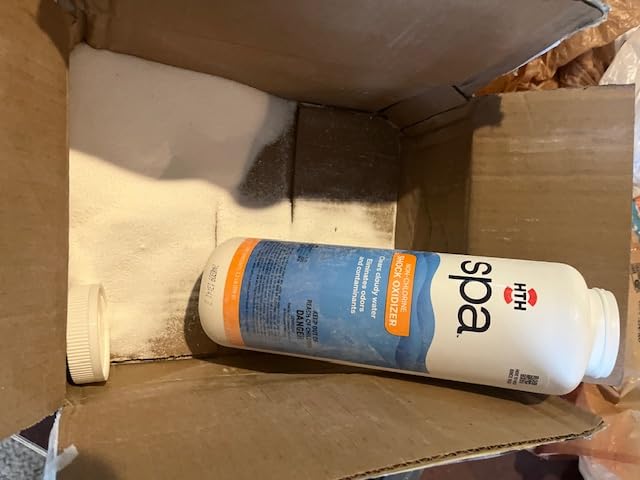
Because there is no chlorine in the formula, you are not waiting out a multi-hour chlorine dissipation period before you get back in. Owners report re-entering as soon as the granules clear, which is a meaningful difference for anyone who soaks for recovery or sleep reasons.
The main real-world complaint is packaging rather than performance. Reviewers note the plastic container does not hold well in a hot, humid equipment room over months of use, so keep it sealed and somewhere dry.
There is one technique that matters: broadcast the granules with the jets and circulation running, and let them dissolve completely before you switch the pump off. Granules that sit in a still tub can settle into plumbing lines and jets.
Is a non-chlorine shock enough on its own?
No, and the label says so. An oxidizer destroys organics, oils, and chloramine, but it does not set a sanitizer residual, which means it cannot protect the water between soaks on its own.
Pair it with a mineral or float system and you get a routine where a chlorine-based product is genuinely optional for most owners. That combination is the closest thing to a chlorine-free hot tub that actually works.
How often should you shock with it?
For a typical two-person spa, weekly is the common cadence and owners report that keeps water clear without any chlorine odor. Heavy-use tubs, or tubs where children soak often, need more frequent dosing because more lotion and more sweat means more organic load.
The 2.25 lb container covers a long stretch at that weekly pace for a standard tub volume. Judge your own pace after two months, because bather load varies so much between households.
5. Silk Balance for One Weekly Dose and No Biocides
Natural Hot Tub Water Care – 4-Month Supply – Weekly Spa Maintenance -Balancer, Clarifier, Conditioner – Simple, Soft, & Safe Water
Liquid 4-month supply, 76 oz
3.5 lb unit
Model p-3001
Pros
- One weekly dose replaces multiple balancing steps
- Free of biocides and harsh regulated ingredients
- Leaves skin and water feeling soft and hydrated
- Protects spa components from corrosion and scale
- Four months of coverage per bottle
Cons
- Higher upfront cost for a four-month supply
- Does not sanitize on its own
- Initial pH and alkalinity must be set first
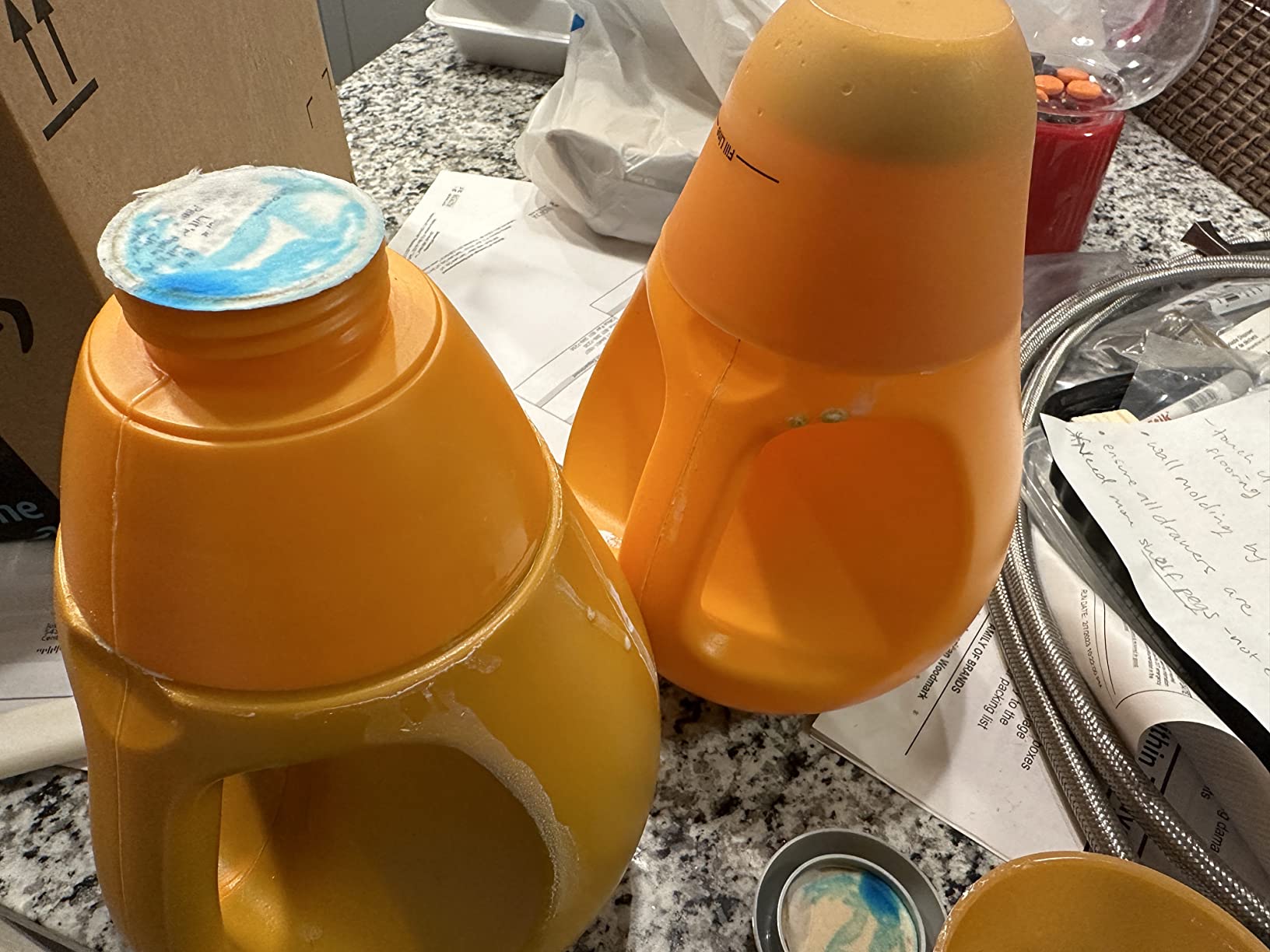
This is the one-dose-per-week product in the roundup, and for owners tired of a shelf full of bottles it is the tidiest answer. One dose holds pH and alkalinity steady once your water is balanced.
For sensitive skin the key line is that it is free of biocides and harsh EPA-regulated ingredients. That is a formulation claim rather than a marketing slogan, and it is why the water feels soft and your skin feels hydrated after a soak rather than tight.
It also works with salt systems, chlorine systems, and bromine systems, so you are not locked into one sanitizer choice to use it.
The preventive angle is underrated. It stops slime and sludge from developing in the first place, and owners report it will not clog filters or leave residue on them, which matters if you are already trying to keep your filter clean enough to hold low sanitizer levels.
Owners also point out that it protects spa components from corrosion and scale, extending the life of parts. In a soft-water region where corrosion is the bigger risk, that alone justifies the bottle.
The main limitation is timing: it does not correct water that is already out of range. You have to set pH and alkalinity on day one, then the weekly dose takes over. Several critical reviews come from customers who expected it to fix existing problems rather than maintain a balanced tub.
How does this compare with the Spa Marvel enzyme formula?
Both reduce your total chemical load and both are aimed at sensitive-skin owners. The difference is frequency and focus. This one is a once-weekly balancer and preventative, while the Spa Marvel product is a monthly enzyme treatment that digests accumulated organics.
Owners who use both report a good result, and the pairing also covers the seasonal gap where a very hot summer week degrades enzyme performance and you still want balance maintained.
Is the four-month bottle the practical choice?
For a tub you use regularly, yes. The 76 oz bottle covers a four-month maintenance cycle for a standard spa volume, and splitting that cost across months makes it competitive with weekly bottled treatments.
If your tub sits unused for stretches, the smaller format makes more sense, because you do not want to be dosing a product that has been sitting warm for months.
6. ecoone Spa Monthly as the Budget Natural Conditioner
EcoOne Spa Monthly | Gentle All-Natural Spa Treatment | Conditioning Hot Tub, Pool, & Spa Cleaner | Above, In-Ground, or Inflatable Hot Tub Cleaner Stabilizes pH & Alkalinity, 8 Oz, (1-Pack)
Liquid and tablet, 8 oz bottle
8.8 ounces
Manufacturer part FBA_ECO8020
Pros
- Natural non-toxic formula aimed at sensitive skin
- One dose per month keeps water soft and clear
- Reduces reliance on harsh traditional chemicals
- Works in above-ground in-ground and inflatable tubs
Cons
- Lowest average rating here at 4.2 with an 11 percent one-star share
- Some owners report it clouds water or fails to clear existing fog
- Can leave shell and floor surfaces slippery
- Dosage instructions described as vague
This is the least expensive product in the roundup and the one with the most sharply mixed reviews, and I want to be upfront about both. At a 4.2 average with 832 reviews, it trails everything else here.
The formula itself is genuinely gentle. It uses organic enzymes and all-natural compounds with coconut oil-based conditioners, and it is designed to be safe for sensitive skin and families prone to rashes.
It stabilizes pH and alkalinity and keeps water soft and foam-free. For an owner who wants to reduce harsh chemical exposure on a tight budget, the concept is right.
Where satisfaction drops is performance on already-foggy water. A meaningful group of owners report it clouds fresh water on dosing or simply does not clear fog that was already present, which sends them back to a separate clarifier or sanitizer.
A few also note it can leave the shell and floor slippery, which matters if you have children climbing in and out. Treat the tub surfaces with a rinse after dosing.
Dosage guidance is described as vague by some first-time buyers. Add one bottle with the jets and blowers running, once a month, and give it time to disperse before anyone gets in.

Is it worth trying on a very small budget?
If your tub is an inflatable or entry-level above-ground model that you use lightly, yes. The monthly dose is affordable and the formulation is among the gentlest here, so the downside is small.
If you have a full-size tub with heavy weekly use, a failed treatment cycle means an extra clarifier and an extra sanitizer dose to recover, which erodes the savings.
Does natural mean it is a sanitizer?
No. It is a conditioner that stabilizes balance and helps your filter capture contaminants. Your tub still needs a sanitizer reading in range, which is a misunderstanding a lot of natural-product buyers make.
Read the active ingredient list before you assume a product is doing more than maintenance. This one names its compounds plainly, which we appreciate.
7. Nature2 Mineral Sanitizer for a Drop-In Cartridge System
Nature2 Spa Mineral Sanitizer 2 Pack W20750 Multicolor
Granular 2 pack
Model W20750
Manufacturer Zodiac
Pros
- Reduces reliance on harsh chlorine chemicals
- Drop-in cartridge fits standard filtration
- Softens water and holds it clear with minimal adjustment
- Average cartridge life of four months
- Two-pack gives you a spare
Cons
- Cartridges need replacement about every three to four months
- Mineral-only sanitizing may struggle with very heavy bather loads
Rather than floating or dosing, this cartridge goes straight into your spa filter. It uses mineral sanitizing action as water passes through the filter, so there is no moving float and no weekly measuring.
Owners consistently report needing far less harsh chlorine chemical to hold the same water quality. That reduction is the entire appeal for someone whose skin reacts to chlorine exposure.
Because it works with existing filtration at all spa flow rates, you are not adding equipment or changing plumbing. That simplicity is what draws most owners to mineral systems.
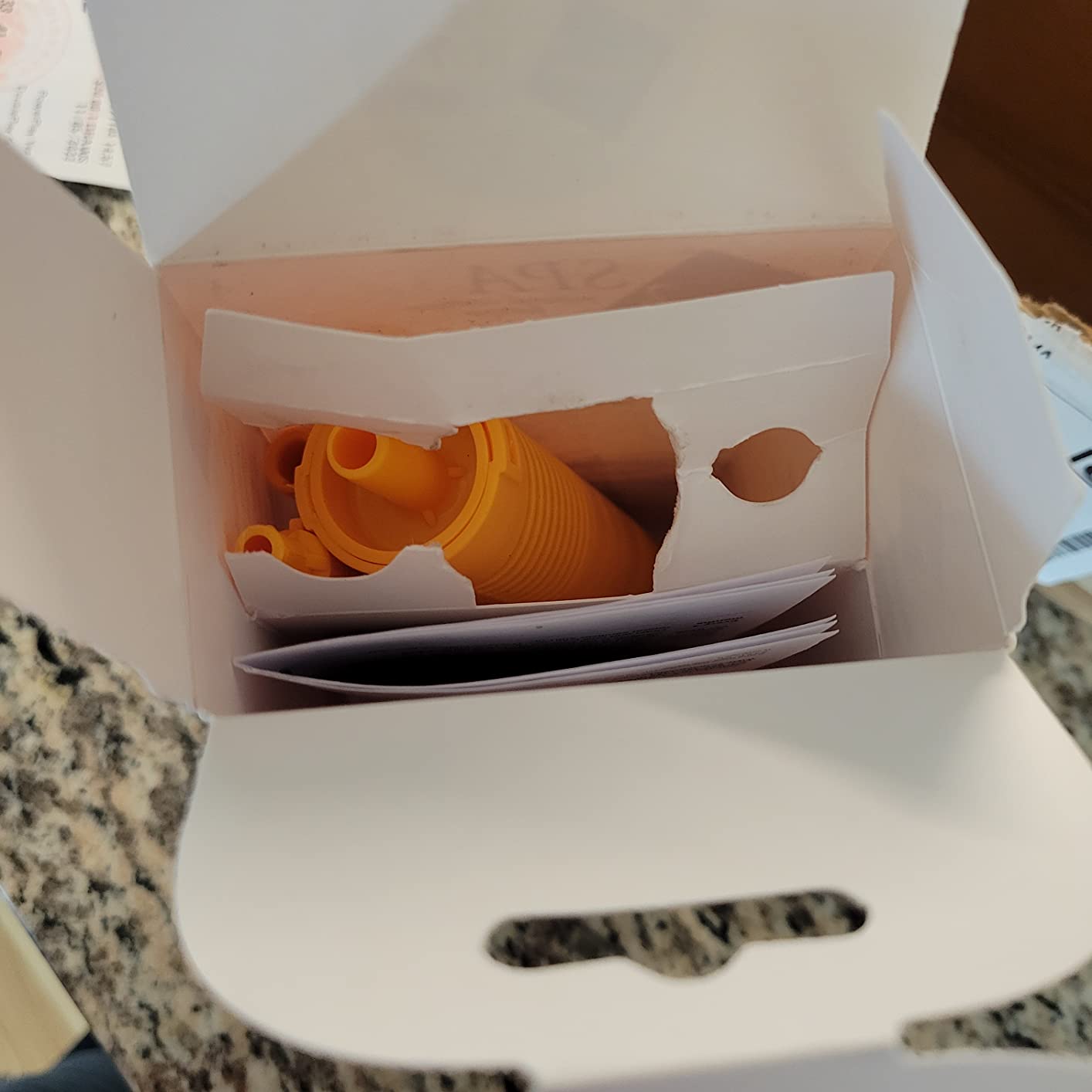
At a 4.7 average across 544 reviews, satisfaction is high for a product with a much smaller review base than the top three. Reviewers confirm it holds water clear and balanced in spas from roughly 150 to 500 gallons.
The cartridge is sized for spas up to 500 gallons. If your tub is larger than that, the mineral contribution alone will not carry the sanitation load and you will need a supplement.
Heavy-use tubs are the other pressure point. Owners with swim spas running several bathers a day report needing periodic chlorine or shock support on top of the cartridge, since no passive system handles that much organic load by itself.
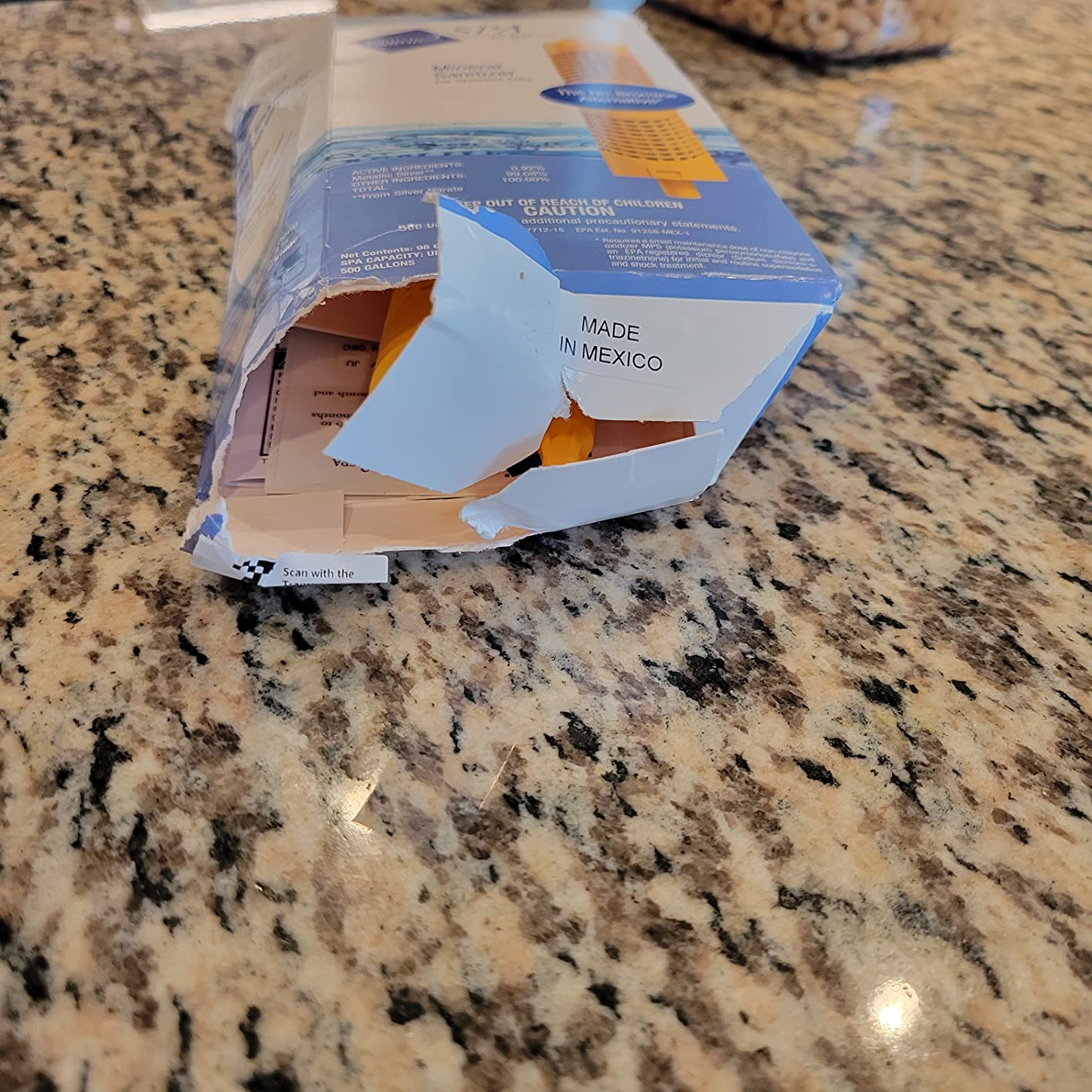
How long does one cartridge really last?
The average stated cartridge life is four months, and most owners report something close to that in normal use. In a high-use tub, plan on three months rather than four.
The two-pack format is worth taking for exactly this reason. Having the spare on hand means you replace it the moment the water starts to shift rather than ordering mid-weekend.
Does a mineral cartridge mean no chlorine at all?
Not for most households. Mineral sanitizing handles a great deal on its own in moderate-use tubs, but most owners still add a non-chlorine oxidizer periodically and keep a sanitizer reading in range as insurance.
Owners in r/hottub report the lowest irritation reports from mineral setups, and those are generally the people soaking once or twice a week rather than running a daily swim spa.
8. AquaDoc Non Chlorine Shock for Strong Odor Problems
AquaDoc Non Chlorine Hot Tub Shock – Enhanced Spa Oxidizer – 5 lb
Oxygen-based powder
5 lb container, 80 oz
Model CSM, made in USA
Pros
- Cuts chlorine odor and chloramine levels
- Breaks down oils lotions and cosmetic residue
- Fast dissolving with no pre-mixing needed
- Five-pound tub covers an extended shocking cycle
- Made in the USA
Cons
- Oxidizer only so a separate sanitizer is still required
- Larger container may be more than a small spa needs
If your specific problem is a persistent chlorine smell that will not go away, this is the product to try. It is an oxygen-based chlorine-free shock that breaks down non-living organic buildup and reduces the chloramines responsible for the odor.
Critically, it does that without raising chlorine levels, so you can use it as an odor treatment without adding to the very exposure that is bothering your skin.
It dissolves quickly with no pre-mixing and can be added while the water is circulating. There is no measuring and no dissolving grit in the bottom of the tub.
At a 4.6 average across 2,485 reviews with 80 percent five-star ratings, this is one of the highest-volume products in the category. The volume itself is useful signal: owners keep buying it because it keeps working.
Reviewers consistently favor it for odor reduction specifically rather than for clarity, so if haze is your main complaint, a clarifier may serve you better. Oils, lotions, and cosmetic residue is the target here.
Like every oxidizer in this roundup, it complements a sanitizer rather than replacing one. The recurring note in reviews is that owners understand this once they read the label, and the ones who got it wrong were disappointed.
Is the five-pound container excessive?
For a standard 300 to 500 gallon spa used once or twice a week, five pounds is more than most owners need in the first year. For a swim spa at 1,000 gallons with weekly dosing, it is exactly right.
Pick the size that matches your volume and usage, because oxidizer keeps indefinitely in a dry container and there is no reason to buy more than you will use within a year.
How quickly does odor improve?
Most owners report a noticeable change within a single dose, with the strongest effect after a soak when there is more organic load for it to work through. A second dose the following week usually settles it.
Run the jets and circulation for a good stretch after adding so the oxidizer actually contacts the organics rather than sitting in one corner of the tub.
9. SpaPure Simply Soft for Simple Water Softening
SpaPure Simply Soft
Liquid, 32 oz bottle
1.5 pounds
pH neutral conditioner
Pros
- Softens water noticeably and helps reduce itchiness
- pH neutral so balance is not disturbed
- Helps keep cloudy water in check
- Low cost per bottle
Cons
- Not a sanitizer and does not replace shock
- Some users still need to top off sanitizer after dosing
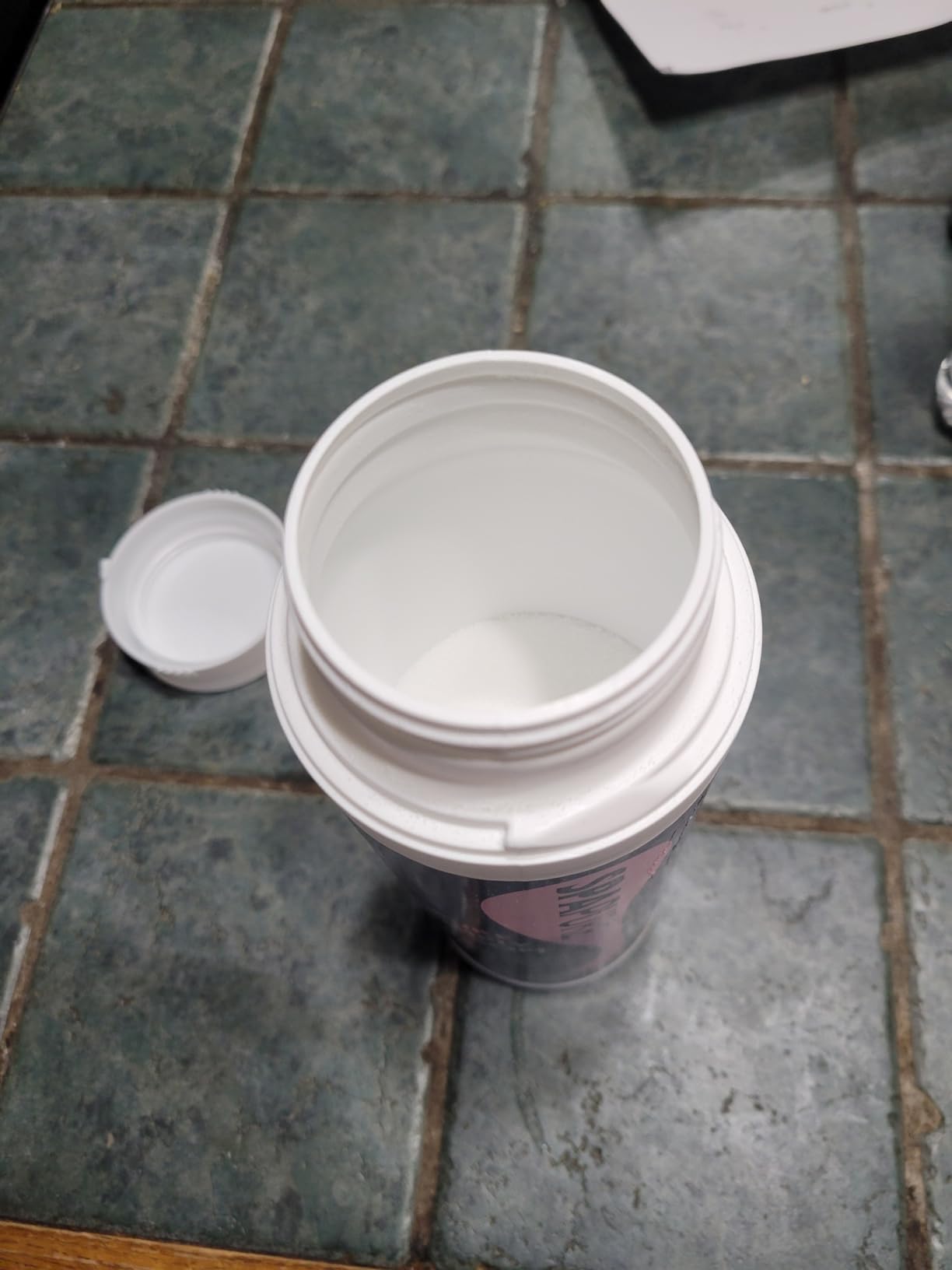
This is the simplest product in the roundup and the lowest-effort one. It is a pH neutral conditioner that softens the water, moisturizes, and improves clarity.
Its most useful property for sensitive skin is that it increases sanitizer activity, which means you can hold an effective sanitizer residual with slightly less product in the water.
Because it is pH neutral, adding it will not push your balance out of range, which is the most common way owners accidentally make their own irritation problem worse.
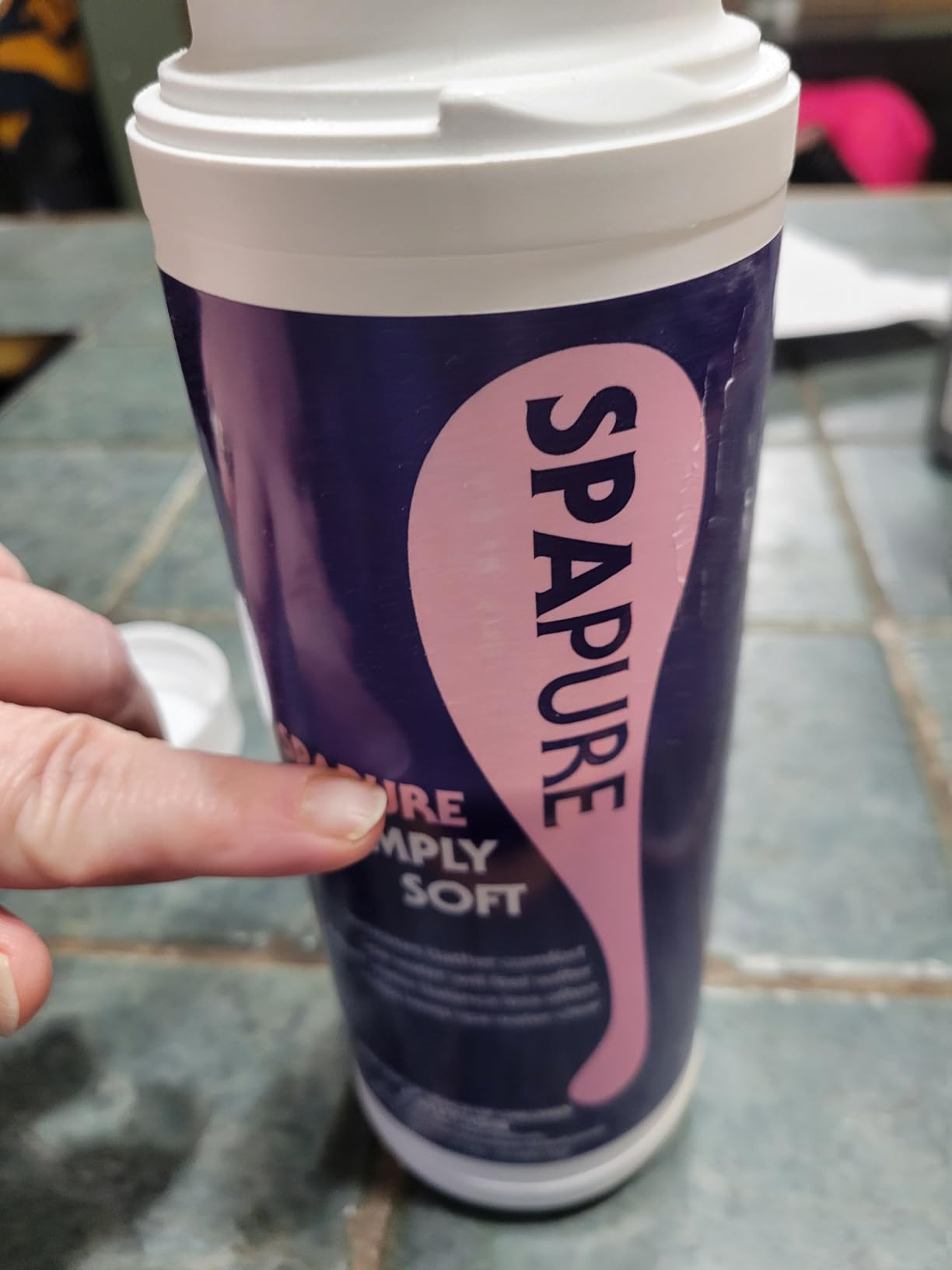
At a 4.5 average across 549 reviews, owners report softer water, less post-soak itchiness and dry skin, and steady clarity with roughly monthly dosing.
It pairs naturally with a mineral or float system, where the sanitizer contribution is already handled passively and the remaining job is simply keeping the water soft and clear.
The honest limitation is that it does not sanitize, does not shock, and does not clear existing cloudiness. A few users found they still needed to top off sanitizer right after dosing.
Is a scented product a problem for reactive skin?
That is a fair question and worth asking before you buy. If your skin reacts to fragrance in general, any scented product is worth testing cautiously rather than assuming it is safe because the active ingredient is mild.
The conditioner itself will not cause a chemical burn, but fragrance sensitivity is common enough in eczema-prone skin that a patch test on a small area of the tub wall, left to dry, is a sensible precaution.
How does this compare with the ProTeam borate softener?
Both target hardness and softness, but they work differently and suit different situations. This one is a liquid conditioner with a fragrance, aimed at softening and sanitizer efficiency in average water.
The ProTeam product uses an oil-free borate formula with no scent and adds scale and scum-line protection, which makes it the better fit for hard well water. If you are not sure which problem you have, this is the safer starting point.
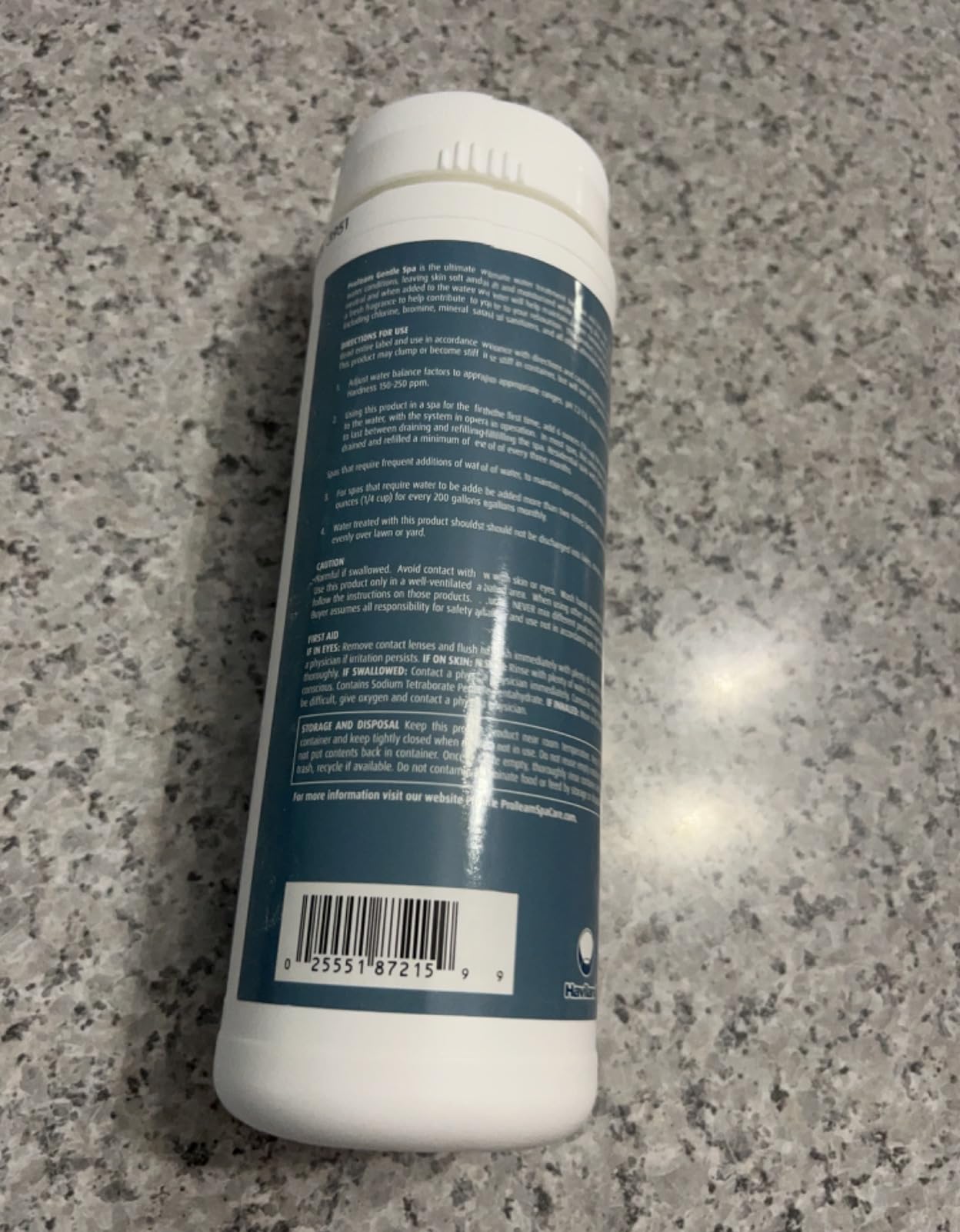
10. ProTeam Gentle Spa Softener for Hard and Well Water
ProTeam Gentle Spa Hot Tub Water Softener & Conditioner 1.5 lb
Granular, 1.5 lb
24 oz unit
Model PT-GS, made in USA
Pros
- Softens hard and well water fast
- pH neutral and oil-free so balance is not disturbed
- Prevents scum lines and scale on shell and jets
- One dose lasts until the next refill
- Sensitive-skin users report less irritation
Cons
- Will not clear already-cloudy water and needs a clarifier
- One reviewer received a caked solid mass instead of powder
- Newer listing with a smaller review base
If you are on well water or in a hard-water region, this is the product built for your specific situation. It softens the water quickly, which is exactly what reactive skin needs when hard water is leaving you tight and dry after a long soak.
The formula is pH neutral and oil-free, so it dissolves fast without disturbing your balance and will not clog your filter. That combination is rarer than it should be among softening products.
It also prevents scum lines and mineral scale on the shell, jets, and waterline, which is a visible benefit on top of the skin benefit.
The dosing guidance is unusually specific and useful: 6 oz per 200 gallons at first use, then 2 oz monthly when topping off. One application lasts until your next full refill, often three months or more.
Owners report less irritation and a less noticeable chlorine effect, which makes sense, because softer water means less mineral content competing with your sanitizer and a more comfortable feel on skin.
It will not clear already-cloudy water. If your spa is currently hazy, treat that with a clarifier or an oxidizer first, then use this to keep hardness in check going forward.
Is it safe with any sanitizer system?
Yes. It works with chlorine, bromine, or mineral sanitizer systems, so it pairs with everything else in this roundup. That flexibility is useful while you experiment and find the right combination.
Because it is pH neutral, you can add it on the same day as a sanitizer or shock treatment without worrying about the two fighting each other.
What should you do if the powder arrives caked?
If you open the container and find a solid caked mass instead of loose powder, do not try to break it up by shaking the tub. Some reviewers received the product in that state, which suggests a packaging failure rather than a formula problem.
Set it aside and get a replacement, because under-dosed or unevenly dissolved softener will not soften your water properly and you may wrongly conclude the product does not work.
The Four Treatment Categories Explained
Every product above falls into one of four categories, and understanding which one you are buying prevents most of the disappointment in this niche. These are also the four categories search engines most often quote when summarising gentle hot tub chemistry.
Bromine is the classic gentle answer, and owners on owner forums describe it as gentler than chlorine without being irritation-free. A minority of sensitive skin users still react. Bromine is slower-acting, so it needs help from an oxidizer to keep up with a busy tub.
Mineral systems use cartridges that sanitize passively as water flows through the filter, cutting your chlorine dependence substantially. The FROG float and Nature2 cartridge in this roundup are the two most established versions. Best for moderate-use tubs, weaker on heavy swim-spa loads.
Enzyme conditioners digest the body oils and lotions that sanitizer cannot break down. Less organic load means less chloramine and less irritation. These are support products, never sanitizers on their own.
Non-chlorine shock using potassium peroxymonosulfate, sometimes written potassium monopersulphate, oxidizes those same organics and breaks down chloramine without adding chlorine. Four products in this roundup fall into this group, and it is the single most skin-friendly change most owners can make.
No single product handles all four jobs. The most successful sensitive-skin routines we found pair a sanitizer system with an enzyme conditioner and a non-chlorine oxidizer on a weekly rhythm.
Water Balance Numbers That Decide Whether Your Chemicals Work
This is where the competitor guidance conflicts, so here is the resolution. Dealer blogs commonly recommend pH 7.4 to 7.6 because they are tuned for equipment protection in warm, evaporative climates. For skin comfort, the target is narrower.
For sensitive skin, hold pH between 7.2 and 7.4. Below 7.2 the water is acidic enough to sting on its own. Above 7.6 the water is caustic, it strips protective skin oils, and it also destroys sanitizer effectiveness, which is how owners end up dosing more chemical and feeling worse.
Hold total alkalinity between 80 and 120 ppm. Alkalinity is the buffer that keeps pH from jumping every time you add something. Under-buffered water is the number one reason a well-maintained spa suddenly goes off-balance.
Keep calcium hardness between 150 and 250 ppm. Too little and the water becomes aggressively corrosive to heaters and fittings. Too much and you get scale on the shell and jets, which harbours biofilm.
For sanitizer residual, most owners hold a 2 to 4 ppm range on whichever system they use, with chlorine toward the lower end and bromine slightly higher. Test before you soak, not after. Balance first, sanitize second, always.
How to Switch Sanitizer Systems Without Draining the Tub
Switching is the question owner groups ask most often, and it is a real problem: you have 400 gallons of chlorinated water and a new system you want to run. A full drain and refill is often a two to three hour job plus refilling time.
Drain as much as you can anyway. Remove and empty a portable tub fully. For a built-in spa, drain to the drain valve as far as it will go and skim the residue.
Replace a good portion of the water. Even a partial change dilutes your existing sanitizer residual and residual byproducts meaningfully.
Shock once with a chlorine-based product to burn off chloramine, then run the jets for an hour so it circulates through the whole system.
Balance before you add anything new. Set pH to 7.2 to 7.4 and alkalinity to 80 to 120 ppm. New products cannot work in water that is already out of range.
Clean the filter and, if the tub has sat, soak the filter overnight in a filter cleaner. Biofilm living in the plumbing will undo a new routine in days.
Start the new system on a low dose and test daily for a week before returning to your normal soak schedule.
One hard exception: biguanide systems such as Baqua Spa cannot be mixed with chlorine or bromine at all, and chlorine contact in a biguanide tub kills the sanitizer outright. If you are moving to a biguanide system, drain and refill completely.
Buying Guide: How to Pick Gentle Hot Tub Chemicals
Start with the active ingredient, not the front of the bottle. Words like natural, gentle, and sensitive-skin friendly appear on products with completely different chemistry behind them. Potassium peroxymonosulfate, organic enzymes, and mineral cartridge systems are three very different approaches.
Second, check the compatibility statement. A conditioner that works with any sanitizer saves you from the incompatibility problems that cause cloudy water and dead cartridges. Most products here list their compatibility plainly.
Third, think in doses per 1,000 gallons, not per bottle. A 1,000 gallon swim spa needs roughly double what a 400 gallon spa uses for the same water condition. Most labels give you a range by volume, and getting this wrong is the most common reason owners over- or under-dose.
Fourth, consider non-chemical support, because no product alone fixes everything. An ozonator or UV-C unit cuts sanitizer demand, a good pre-f filter cuts what reaches the water, and a clean filter removes the biofilm that forces higher dosing in the first place.
Fifth, match the protocol to the condition. For eczema, prioritize a non-chlorine oxidizer and an enzyme conditioner over anything scented. For psoriasis, avoid perfumed products entirely and keep alkalinity in the middle of the range. For a chlorine allergy, go mineral or float-based and use chlorine-free shock only.
Finally, if you are new to spa care, start with the basics in our hot tub chemical kits guide for beginners before optimizing for skin comfort. Getting balance and sanitizing right first makes every gentle product work better.
Seasonal changes matter too. Cold-climate owners keeping a tub through winter should be managing a covered tub with low circulation, and hot-summer owners lose water to evaporation faster, which concentrates every additive. Adjust your dose to your volume, not to the calendar. If your tub sits outside through the cold months, check that your cover and hardware are doing their job with our hot tub cover picks for winter and safe step solutions for older soakers.
Frequently Asked Questions
What chemicals should I use for my hot tub?
Use a three-part system: a sanitizer at 2 to 4 ppm, an enzyme or mineral conditioner to handle body oils, and a non-chlorine shock using potassium peroxymonosulfate for odor and cloudiness. Balance the water first, then sanitize, then condition.
What is the best non-chlorine treatment for a hot tub?
For ongoing treatment, an enzyme conditioner such as Spa Marvel or a natural weekly conditioner such as Silk Balance. For shock specifically, a potassium peroxymonosulfate oxidizer such as Leisure Time RENU2 or HTH Spa 86135. Neither replaces a sanitizer.
What is the best non-chlorine shock for hot tubs?
Leisure Time RENU2 leads on rating and review volume at 4.7 stars across more than 4,900 reviews, and the HTH Spa 86135 scores highest at 4.8. Both clear cloudy water and reduce chloramine without raising chlorine levels. Add with jets running and wait for full dissolution.
Can low pH in a hot tub affect skin?
Yes. Below about 7.2 the water is acidic enough to sting and irritate on its own with no sanitizer present. For sensitive skin, hold pH between 7.2 and 7.4. Dealer guidance of 7.4 to 7.6 favours equipment protection, while the narrower range favours skin comfort.
Why is my hot tub showing no chlorine on my test strips?
Common causes include a test strip left too long in the water, a strip vial that has expired, a pH above 8.0 which strips the reading, sanitizer that has been consumed by a heavy biofilm load, or readings taken right after a non-chlorine oxidizer diluted the residual. Retest with fresh strips in water between 7.2 and 7.4.
What is the best sanitizer system for a hot tub?
For sensitive skin, a mineral or self-regulating float system paired with a non-chlorine oxidizer gives the lowest chemical exposure. The FROG @ease float suits regular soakers and the Nature2 cartridge suits tubs up to 500 gallons. Heavy swim spas still need supplemental sanitizer.
Final Verdict: Which Hot Tub Chemicals Are Gentlest on Skin
After working through all ten, the best hot tub chemicals for sensitive skin come down to a combination rather than a single tub of powder. The single most valuable change almost any owner can make is switching your routine shock to a chlorine-free oxidizer such as the Leisure Time RENU2, which is our top pick for its proven rating and review volume and for breaking down chloramine without adding chlorine.
Pair it with a sanitizer system that lowers your chlorine dependence. The FROG @ease float is the strongest choice for regular soakers who want near-zero daily effort, and the Nature2 cartridge suits tubs up to 500 gallons that want a passive drop-in approach.
Then add conditioning support. Spa Marvel is our premium pick for eczema and psoriasis owners because its enzyme formula attacks the body oils that create irritation in the first place, and Silk Balance covers the maintenance angle with one weekly dose and no biocides.
Whatever you choose, balance first, sanitize second, condition third, and keep pH between 7.2 and 7.4. Those four numbers do more for a sensitive-skin soaker than any single product on the shelf. If you are still reacting after two weeks of steady balance, the culprit is more likely biofilm in your plumbing or fragrance in your conditioner than the sanitizer itself.