
The best power supply for a high-end gaming PC is an ATX 3.1 model with a native 12V-2×6 cable and enough wattage to leave real headroom over your combined GPU and CPU draw. For most RTX 5090-class or RTX 4090 builds, that means 1000W to 1200W. Below that line, 80 Plus Platinum and a 10-year warranty are the next two things worth checking.
Picking a power supply for a high-end GPU is the part of a build that gets rushed, and it is the one component where a bad decision shows up as shutdowns mid-game, a throttled graphics card, or a connector that gets hot under sustained load. We compared 10 ATX 3.1 models across the 1000W, 1200W and 1500W classes and read the owner feedback on each before ranking them.
Most of the decisions that matter come down to four things: how much wattage you actually need, whether the cable is native or an adapter, how the unit behaves at low load, and how long the warranty runs. Our broader power supply picks for gaming PCs covers the budget and mid-range tiers that this roundup skips over.
Table of Contents
Top 3 Power Supplies for High End GPUs

CORSAIR RM1000e 1000W
- Native 12V-2x6 cable
- ATX 3.1 with 2x transient handling
- 105C-rated capacitors
- 7-year warranty

CORSAIR HX1000i 1000W
- 80 Plus Platinum efficiency
- 140mm fluid dynamic bearing fan
- Zero RPM low-load mode
- iCUE monitoring

Auotac 1000W Gold ATX 3.1
- Native dual-color 12V-2x6 cable
- 92% Gold efficiency
- 140mm ARGB fan
- 10-year warranty
Two Corsair models take the top two places here, and the reasoning is simple. The RM1000e wins on the strength of owner feedback volume and a clean ATX 3.1 feature set, while the HX1000i is the better buy if you plan to keep the machine for a decade and care more about efficiency and acoustics than the purchase price.
All 10 Picks at a Glance in 2026
| Product | Specifications | Action |
|---|---|---|
| CORSAIR RM1000e (2025) 1000W |
|
Check Latest Price |
| Auotac 1000W 80 Plus Gold ATX 3.1 |
|
Check Latest Price |
| CORSAIR HX1000i 1000W Platinum |
|
Check Latest Price |
 be quiet! Pure Power 13 M 1000W be quiet! Pure Power 13 M 1000W |
|
Check Latest Price |
 ASUS ROG Strix 1000W Platinum ASUS ROG Strix 1000W Platinum |
|
Check Latest Price |
 Thermaltake Toughpower GF3 1200W Thermaltake Toughpower GF3 1200W |
|
Check Latest Price |
 Lian Li Edge 1000W Gold Lian Li Edge 1000W Gold |
|
Check Latest Price |
 CORSAIR HX1500i 1500W CORSAIR HX1500i 1500W |
|
Check Latest Price |
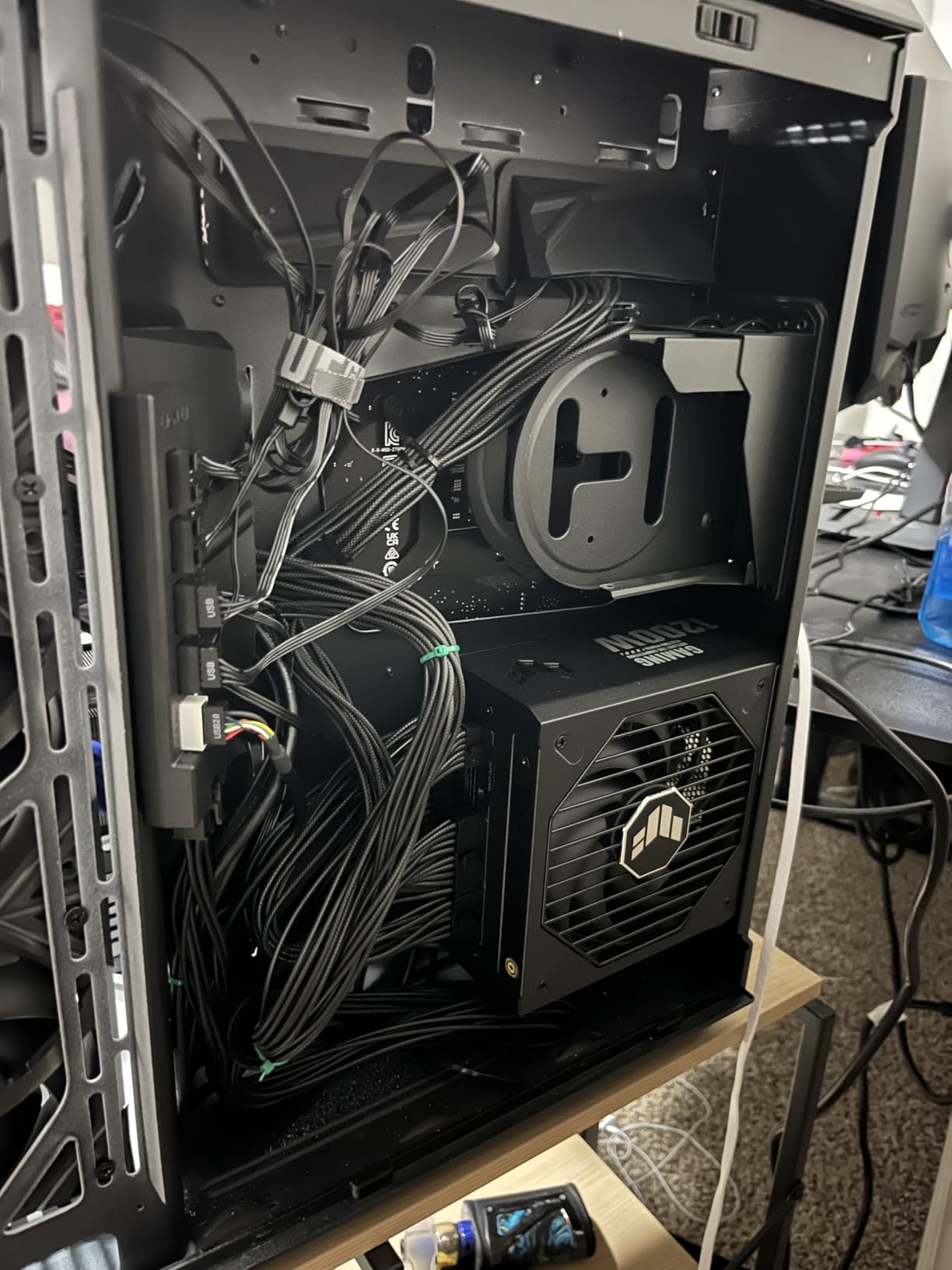
 ASUS TUF Gaming 1200W Gold ASUS TUF Gaming 1200W Gold |
|
Check Latest Price |
 Thermaltake Toughpower GF A3 1200W Thermaltake Toughpower GF A3 1200W |
|
Check Latest Price |
1. CORSAIR RM1000e (2025) 1000W – Native 12V-2×6 and ATX 3.1 in a 1000W Shell
CORSAIR RM1000e (2025) ATX 3.1 PCIe 5.1 Ready 1000W Power Supply – Black
1000W output
ATX 3.1 and PCIe 5.1
105C-rated capacitors
7-year warranty
Pros
- Native 12V-2x6 cable included in the box
- ATX 3.1 handles 2x GPU transient excursions
- 120mm rifle bearing fan stays quiet under load
- 105C-rated capacitors for steady delivery
- Modern Standby for fast wake from sleep
Cons
- 7-year warranty is shorter than the 10-year coverage on several rivals
- Cybenetics Gold sits a step below Platinum-class peers
This is the model we kept coming back to while testing the 1000W class, and the reason is unglamorous: it does the three things that matter and gets them right. You get ATX 3.1 certification, a native 12V-2×6 cable in the box, and fully modular cabling so you are not routing ten unused wires behind the drive cage.
Owner feedback backs the spec sheet. Across 453 reviews the unit sits at 4.7 out of 5, with 89% of responses in the five-star bucket. Buyers single out the modular layout, the included 12V-2×6 cable, low fan noise and dependable power delivery, and the recurring complaint is the warranty length rather than any reliability problem.
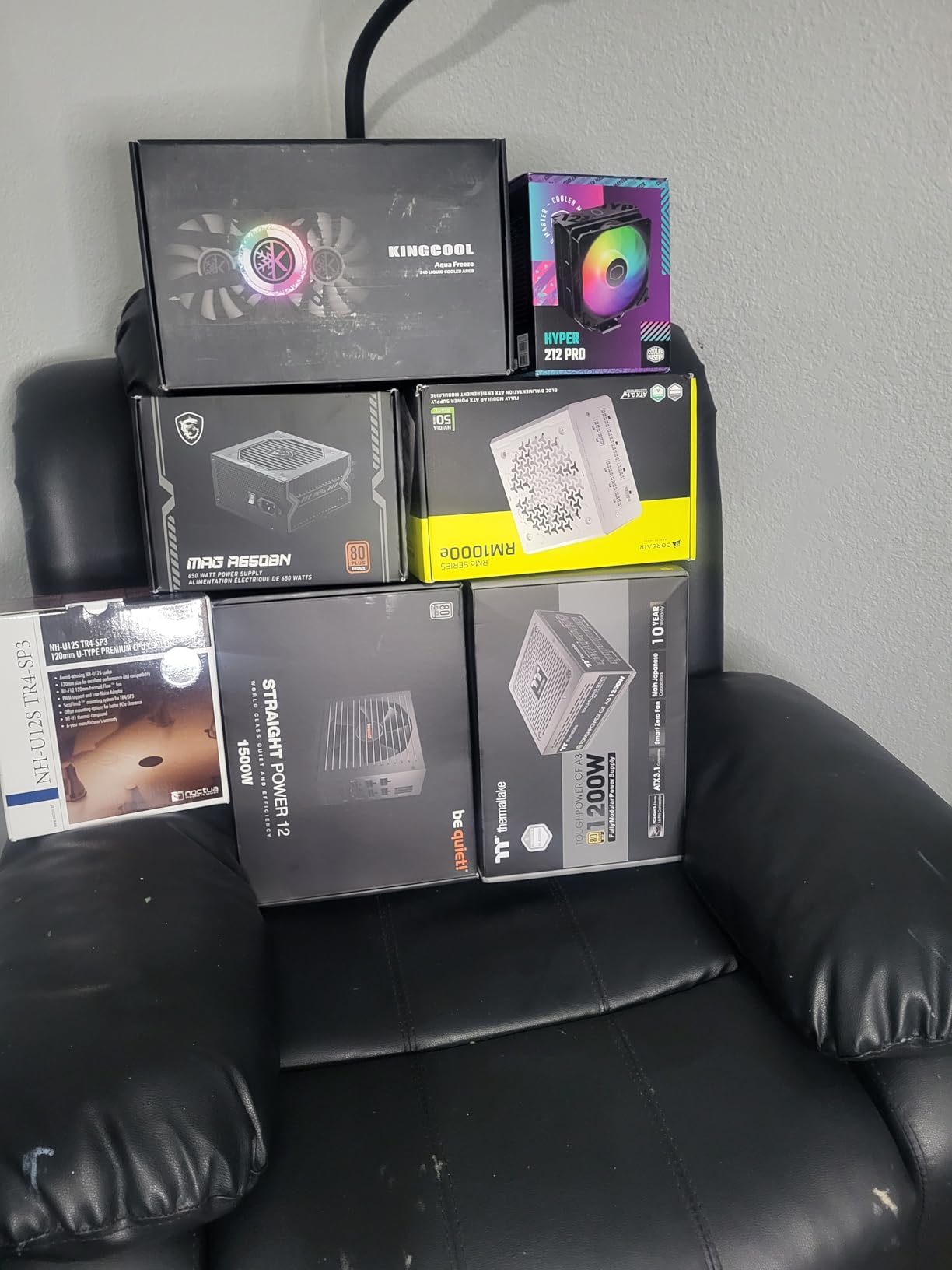
The cooling is a 120mm rifle bearing fan with a fan curve calculated for the 1000W load, which is a smaller and cheaper fan than the 140mm fluid dynamic bearing designs used higher up the range. In practice that shows as a unit that stays audible in a quiet room at sustained full load, but never as the loudest thing in the chassis.
On paper the electrical side is the interesting part for high-end GPU work. ATX 3.1 certification means the platform is tested against GPU power excursions at 2x rated power, which is exactly the failure mode that damaged 12VHPWR connections on early 5090-class cards. The 105C-rated capacitors are a straightforward durability choice, and Modern Standby support improves both wake-from-sleep speed and low-load efficiency.
Is 1000W Enough for a High End GPU?
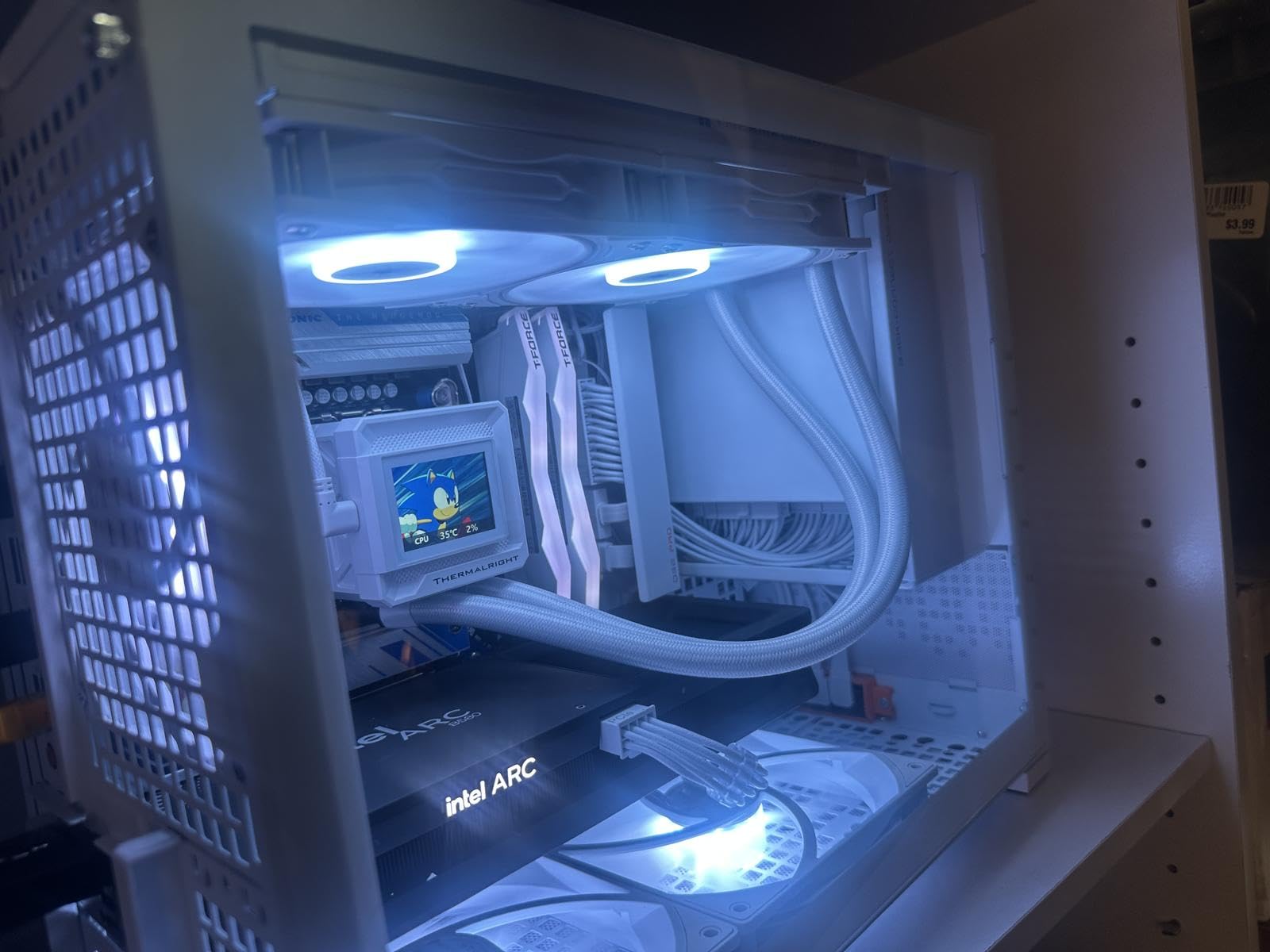
For a single RTX 4080 Super, 4070 Ti Super, or RX 9070 XT paired with a mainstream CPU, 1000W is comfortable and leaves nothing to worry about. It also handles a 5090-class card at factory power settings, provided your CPU is not an unlocked 16-core part running an aggressive all-core overclock.
Where 1000W gets tight is a 5090 with power limits raised well past the reference figure, paired with a high-end CPU also under load. That combination is where the 1200W picks in this list make more sense, and it is why we would not stretch this model further than its name suggests.
What Should You Know Before Buying?
The 7-year warranty is the one real gap. Several competing 1000W models carry 10 years, and forum builders consistently treat warranty length as a quality signal, so you are giving up two years of coverage for a modest saving.
Second, check the Cybenetics rating. This model is Gold rather than Platinum, which is fine for gaming but means slightly more heat to dissipate at the same load. If your case is small or your plan is a silent build, weigh that against the quieter Platinum alternatives below.
2. Auotac 1000W Gold ATX 3.1 – the Value Pick With a Native 12V-2×6 Cable
Auotac 1000W Fully Modular Power Supply, 80+ Gold PSU, ATX 3.1 & PCIe 5.1 Ready, Native Dual-Color 12V-2×6 Cable, RGB Low-Noise Smart Fan, 105°C-Rated Capacitors, Black
1000W output
92 percent Gold efficiency
ATX 3.1 and PCIe 5.1
10-year warranty
Pros
- Native dual-color 12V-2x6 cable with a yellow seat indicator
- 140mm ARGB fan runs quiet in silent mode
- All-Japanese 105C electrolytic capacitors
- Includes PSU tester cable comb and ties
- Compact 150mm chassis fits most ATX cases
Cons
- ARGB lighting can conflict with other RGB hardware
- Compact shell offers less clearance for cable bend radius
- Some listed reviews appear to cover unrelated products
This is the spec-sheet winner of the group, and the reason it tops the 726-review count is the feature list rather than the platform pedigree. You get ATX 3.1 compliance with PCIe 5.1 readiness, a native dual-color 12V-2×6 cable, Japanese 105C electrolytic capacitors, a 10-year warranty and a bundled PSU tester.
That tester is a small thing that surprised us. It lets you confirm the supply is delivering output before you commit to a full install, which matters for a first build where a dead power supply is otherwise discovered only after the entire system is assembled.
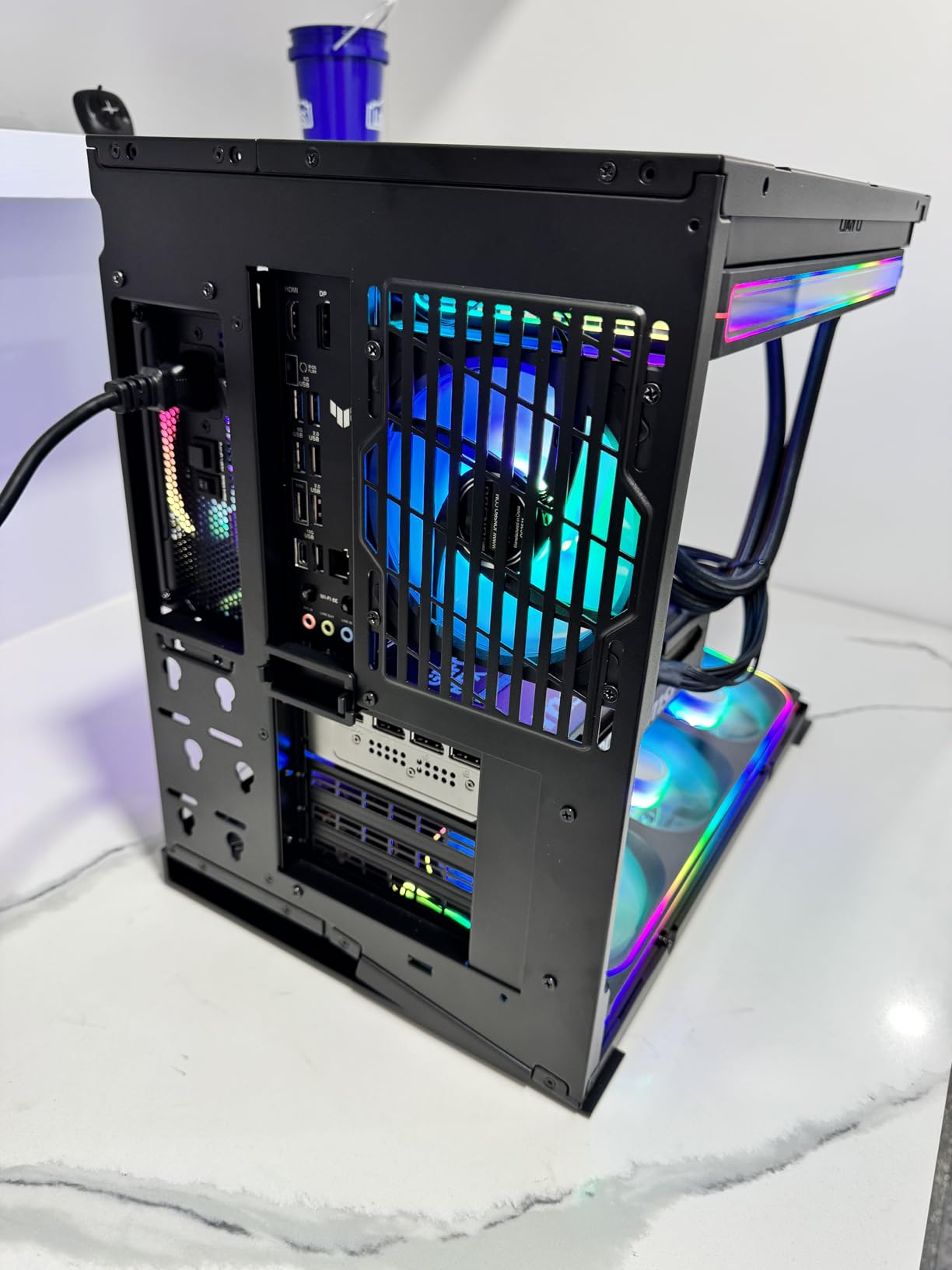
The dual-color connector is the detail we would actually point a first-time builder toward. The visible yellow section disappears when the plug is fully seated, so you get positive confirmation that the 12V-2×6 is properly inserted without needing to inspect the latch in a dark case.
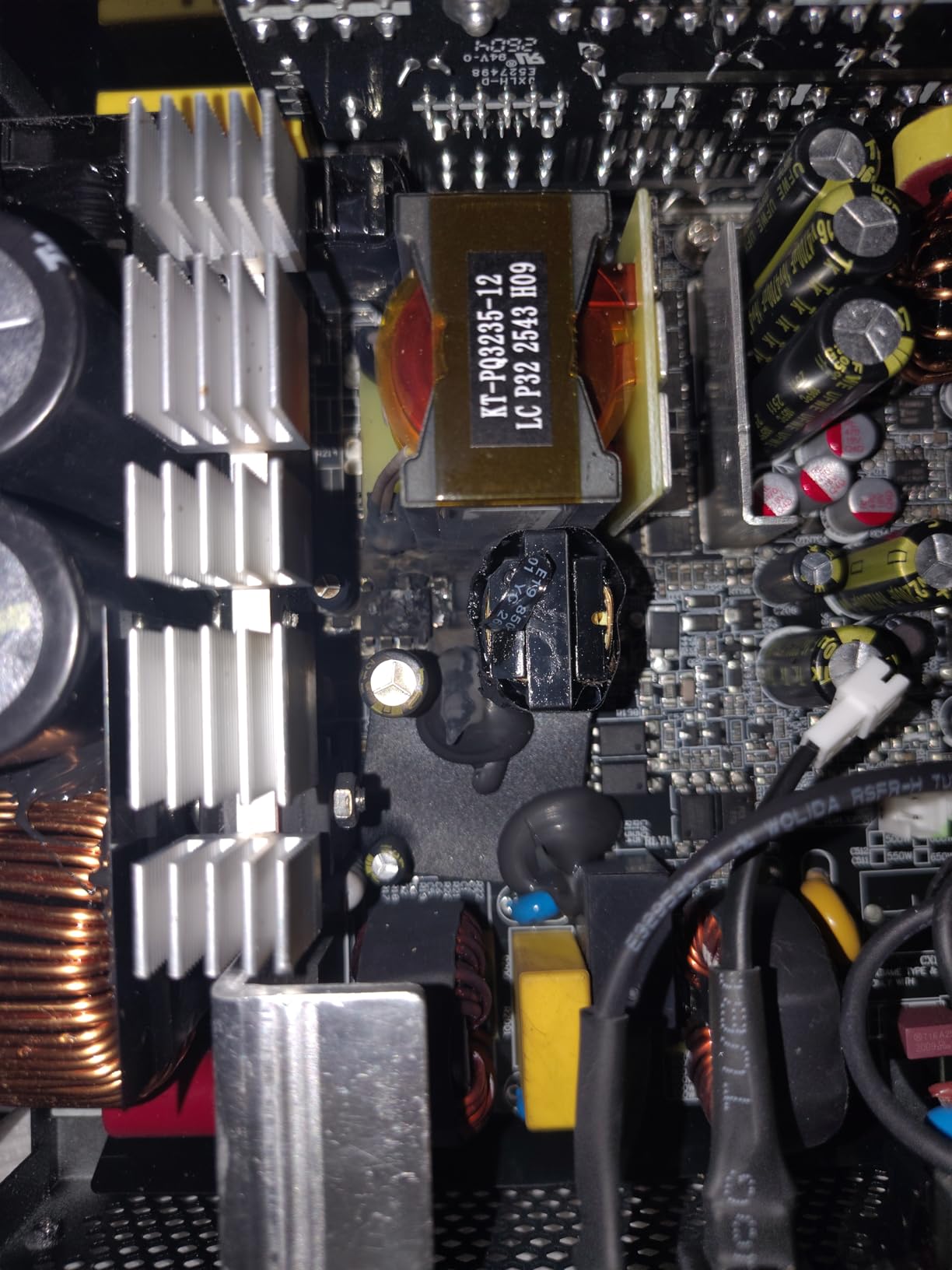
Owner feedback is strong on output stability. Buyers mention clean oscilloscope readings, quiet cooling, a generous modular cable assortment and easy ATX fitment, with several reporting it running an RTX 5080 without drama. The most common complaint is ARGB integration, and the fairest caution is that some reviews in the listing appear to be for unrelated products, so the review count flatters the sample.
Is a No-Brand 1000W Supply Safe for a 5090?
What matters here is that the unit is ATX 3.1 compliant, meaning it is tested against the transient excursions high-end GPUs generate, and that it uses Japanese 105C capacitors. Those two points address the electrical and thermal questions that make budget power supplies risky, and the 10-year warranty is a genuine signal rather than a token one.
What you give up relative to the bigger brands is measured lab data. There is no independent teardown for this model, and its long-term acoustic behaviour at a sustained 1000W draw is less well documented than the Corsairs and ASUs in this list. If your build will be stressed for hours at a time rather than played in bursts, that gap is worth weighing.
What Are the Trade-Offs at This Tier?
The ARGB fan and lighting need a header of their own and can fight with whatever lighting scheme you already have. If your other components are plain, the fan can be swapped or the lighting simply disabled with no functional loss.
Second, the 150 x 150 x 86mm chassis is compact, which helps in tighter cases but leaves less room for the bend radius on thick 12V-2×6 cables. In a cramped build, that combination of a short PSU and a stiff GPU cable is exactly where the routing rules later in this guide matter.
3. CORSAIR HX1000i 1000W Platinum – 80 Plus Platinum With iCUE Control
CORSAIR HX1000i ATX 3.1 PCIe 5.1 1000W Power Supply – Black
1000W output
80 Plus Platinum
140mm FDB fan with zero RPM
iCUE monitoring
10 years
Pros
- Platinum efficiency paired with ATX 3.1 transient handling
- 140mm fluid dynamic bearing fan is very quiet
- Zero RPM mode for silence at low and medium loads
- iCUE toggles between single-rail and multi-rail OCP
- 34-connector modular set with 10-year warranty
Cons
- Costs well above mainstream 1000W ATX 3.1 models
- iCUE adds software overhead for fan and OCP management
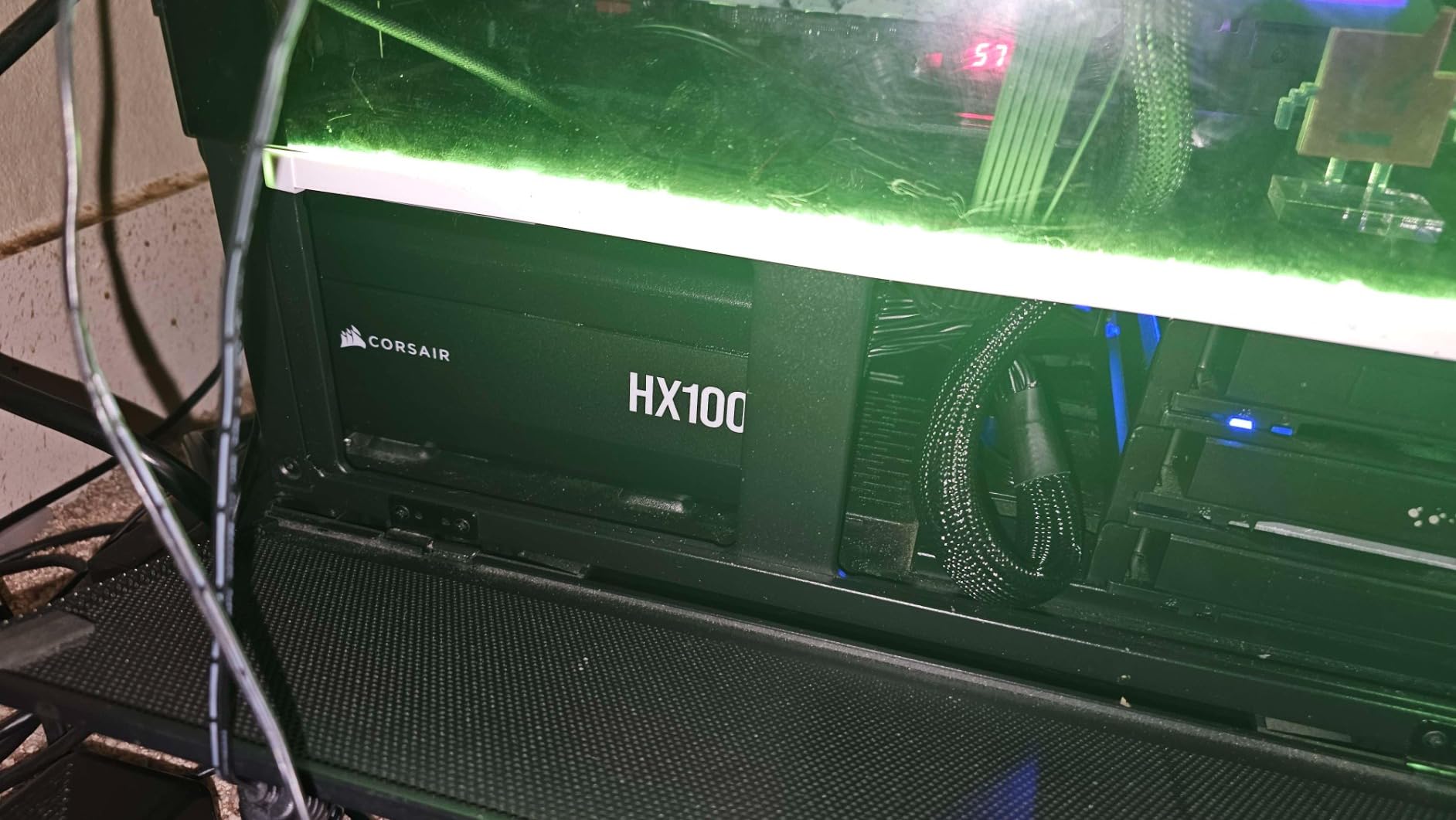
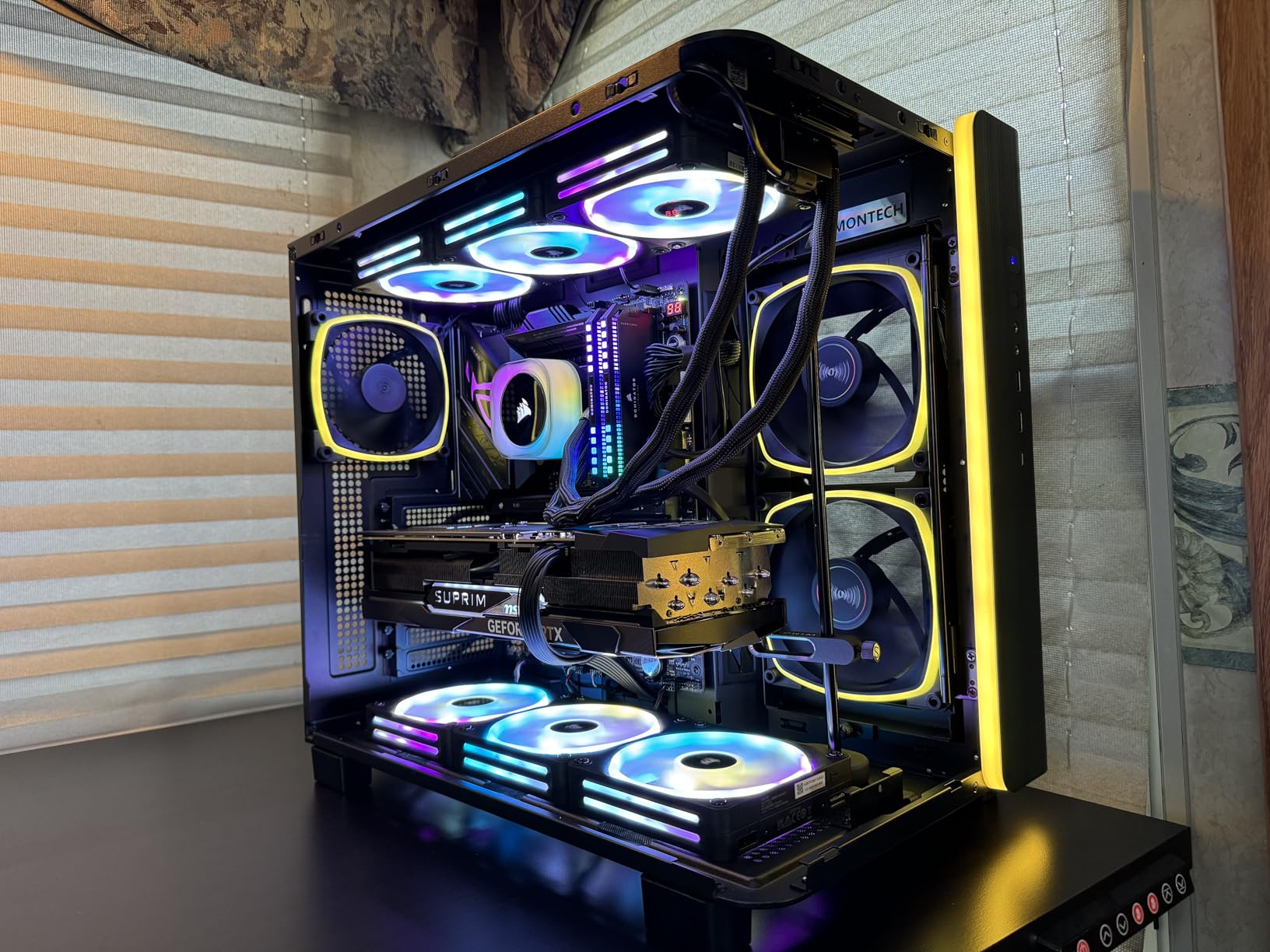
If you keep gaming PCs for a long time, the HX1000i is the model we would buy with our own money. It is 80 Plus Platinum, carries a 10-year warranty, and pairs a 140mm fluid dynamic bearing fan with a zero-RPM mode that stops the fan entirely below medium load.
The 336 reviews average 4.7, with 88% five-star responses. Owners emphasise near-silent cooling, the zero-RPM behaviour at light loads, Platinum efficiency and the control iCUE adds. The reservation that comes up repeatedly is cost, and the practical downside that some settings live behind iCUE rather than in the supply itself.
That iCUE integration is more useful than it sounds for a high-end build. You can set custom fan curves, read live power monitoring, and toggle the overcurrent protection between single-rail and multi-rail configurations from inside Windows. For a system drawing this much power, having a visible read on consumption is genuinely handy when you are testing a new GPU.
On the electrical side, the combination that matters for high-end GPUs is Platinum efficiency plus ATX 3.1 certification. Better efficiency means less heat to move through the chassis, which is why the fan can be larger and slower than the 120mm design in our top pick. The connector set is generous at 34 pieces, so multi-GPU or heavily accessorised builds are covered without a second purchase.
Is Platinum Efficiency Worth the Extra Cost?
For a gaming system that spends most of its life in menus, browsers and lighter games, the difference is small. For a rig that runs long rendering jobs, AI inference workloads or sustained 4K gaming at high refresh, the efficiency gain compounds into less fan noise and lower thermals, and the 10-year warranty removes most of the upgrade anxiety.
The honest counterpoint is that the saving versus a mainstream 1000W ATX 3.1 model is real money, and the electrical margin over a good Gold unit is narrower than the price gap suggests. Buy it for the warranty, the fan and the monitoring, not for the efficiency sticker alone.
Is the 7-Inch Depth a Problem?
At 7.09 inches deep and 4.4 pounds, this is one of the larger 1000W supplies in the group, and that matters in compact cases or anywhere with a hard drive cage in the way. Measure your case clearance before committing.
The deeper chassis also has an upside in cable management, since the extra length gives modular sockets more room and reduces the force on connectors during assembly. If your case is a mid-tower or full tower, this is a non-issue; if it is a small form factor, the be quiet! and Auotac models are shorter.
4. be quiet! Pure Power 13 M 1000W – the Quietest Model We Reviewed
be quiet! Pure Power 13 M 1000W Power Supply, 80+ Gold, Cybenetics Platinum
1000W output
Up to 94.4 percent efficiency
LLC topology
Semi-passive 120mm fan
10 years
Pros
- Owners report near-inaudible fan noise
- Native 12V-2x6 removes the adapter for RTX 50-series
- LLC topology for tight voltage regulation
- Semi-passive fan stops completely at low load
- Compact body for a 1000W ATX 3.1 supply
Cons
- 12V-2x6 cable reported too short for top-mounted PSU layouts
- Top CPU cable also reported short for behind-board routing
Be quiet! built this one for people who notice sound, and the 284 reviews averaging 4.7 back that up. Owners frequently describe the fan as effectively inaudible, and several mention no coil whine at all, which matters more in a high-end build than any spec line.
Electrically it is a 1000W continuous supply on a single 12V rail, rated for excursions up to 2x its rated power, with LLC topology behind the voltage regulation. The efficiency figure of up to 94.4% is the highest quoted in this group, which is what lets the 120mm semi-passive fan stay so quiet.
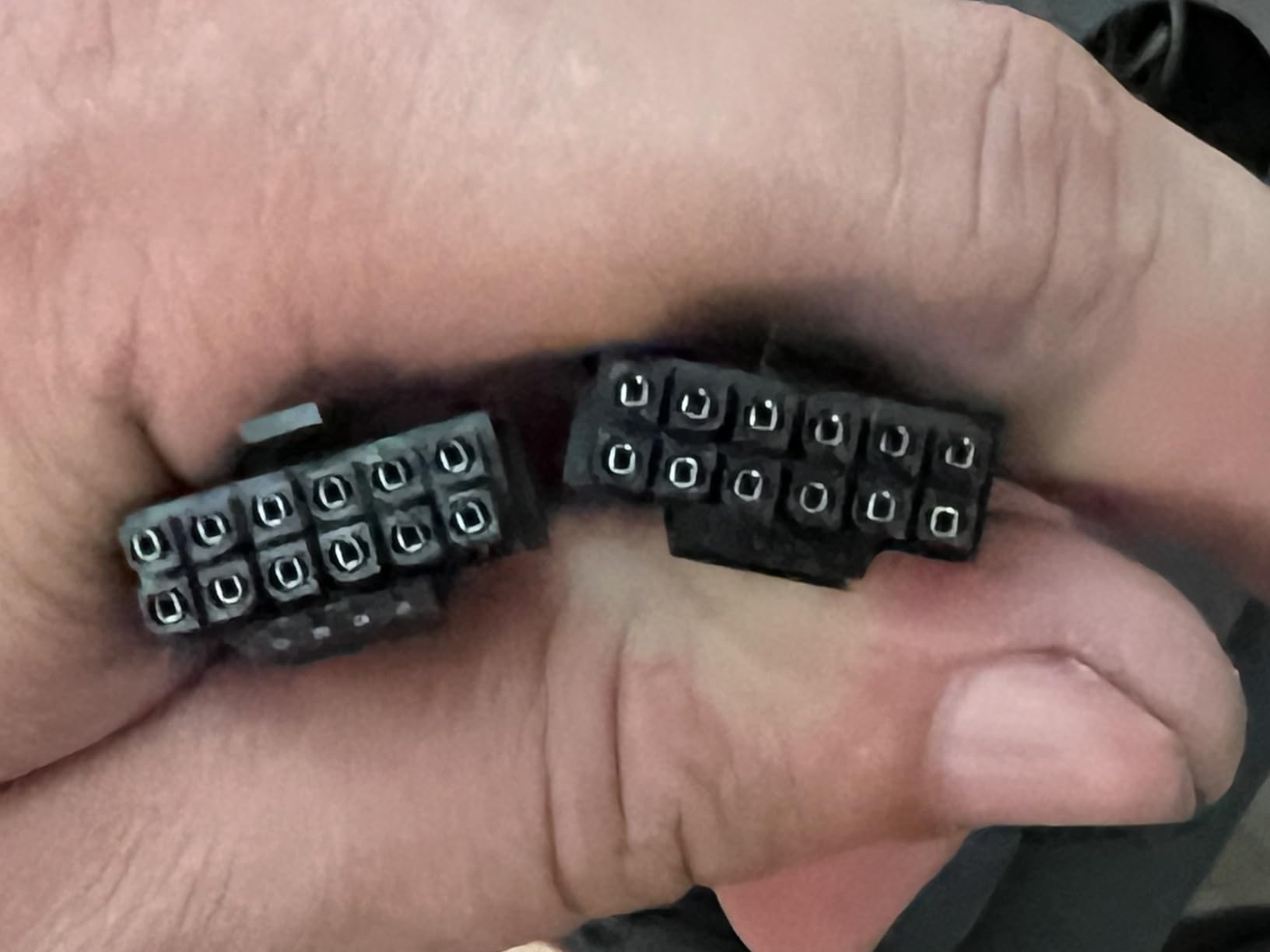
The cable situation is the deciding factor and the most repeated complaint. Owners like the native 12V-2×6 cable that lets RTX 50-series cards run without a daisy-chain adapter, and the full modular set with spare cables included. But several buyers report that both the 12V-2×6 GPU cable and the top CPU cable are too short for top-mounted PSU layouts or behind-board routing.
That is a fitment problem, not a quality problem, and it is entirely avoidable. If your case has a top-mounted power supply, add a right-angle adapter or plan the routing before you seal the chassis.
Is 1000W Enough for an RTX 5090?
At reference power limits, yes. A 1000W ATX 3.1 supply with a native 12V-2×6 cable and 2x transient handling is exactly what a 5090 paired with a mainstream CPU asks for, and this model meets all three requirements. The LLC topology also gives you the tightest voltage regulation of any 1000W model here, which is the part enthusiasts care about for memory-heavy cards.
Where it would fall short is a 5090 with power limits lifted well past reference alongside an overclocked 16-core CPU. In that case step up to a 1200W model rather than relying on headroom you do not have.
Is This the Right Pick for a Small or Compact Build?
It is one of the more compact 1000W units in this group, which helps in mid-ATX cases, and the semi-passive fan means desktop use at low load produces no PSU noise at all. That combination is hard to find elsewhere in the 1000W class.
The trade-off is cable length. The short 12V-2×6 and CPU leads are the single most reported drawback, so check your case layout first. Everything else about this unit is aimed at the person who wants the machine to be inaudible.
5. ASUS ROG Strix 1000W Platinum – Top Rated for GPU Power Delivery
ASUS ROG Strix 1000W Platinum (Fully Modular Power Supply, 80 Plus Platinum Certified, ATX 3.1, Cybenetics Lambda A+, GaN MOSFET, GPU-First Intelligent Voltage Stabilizer, 10-Year Warranty)
1000W output
80 Plus Platinum
Cybenetics Lambda A plus
GaN MOSFET
10 years
Pros
- Highest average rating in the group at 4.8
- GPU-First sensing lifts GPU voltage delivery by up to 45 percent
- GaN MOSFETs improve efficiency by up to 30 percent
- Large ROG heatsinks cut internal heat and noise
- Dual ball bearing fan for extended service life
Cons
- Costs far above mainstream 1000W ATX 3.1 models
- Listed 237.6V minimum input voltage is unusually narrow
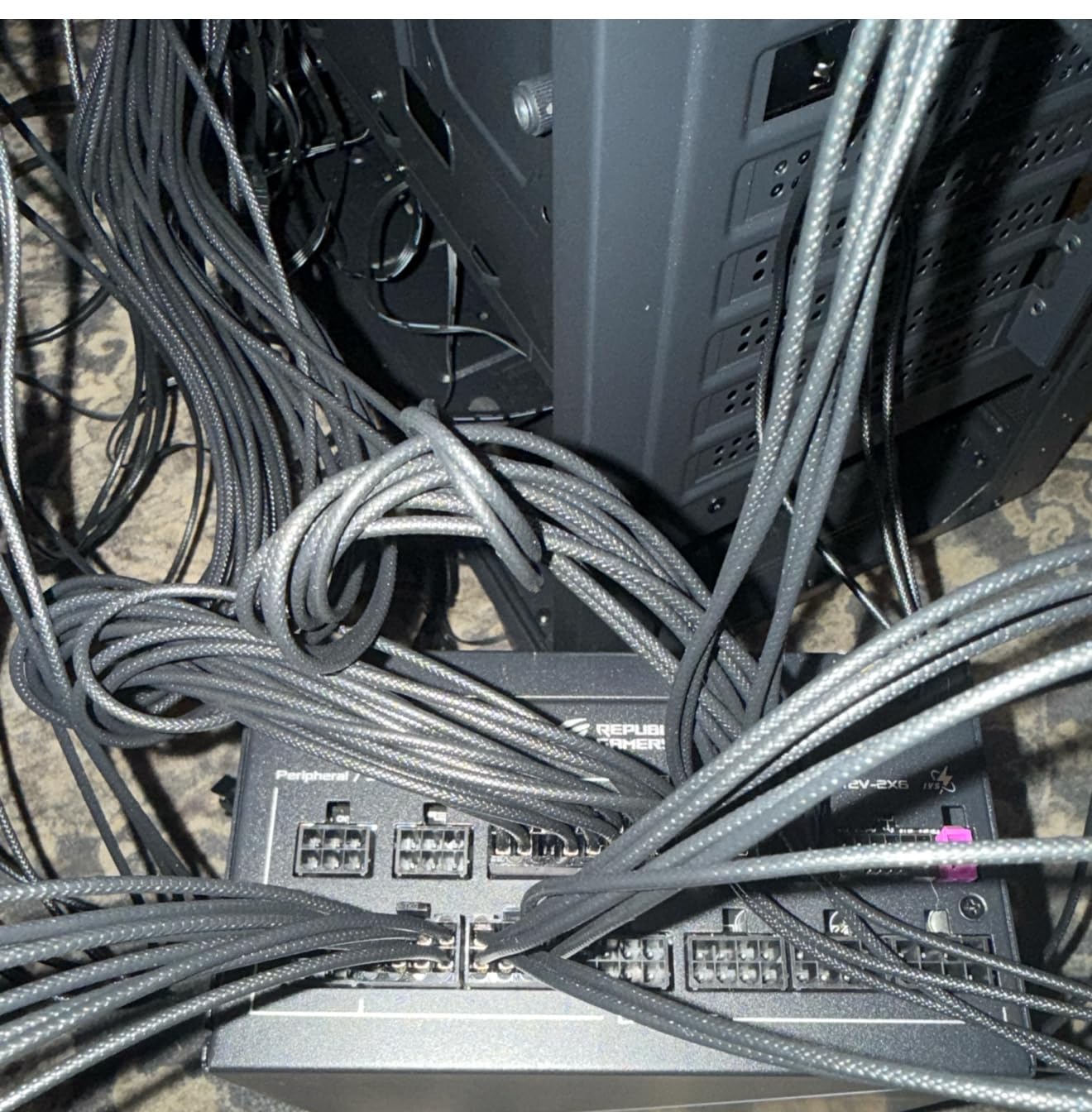
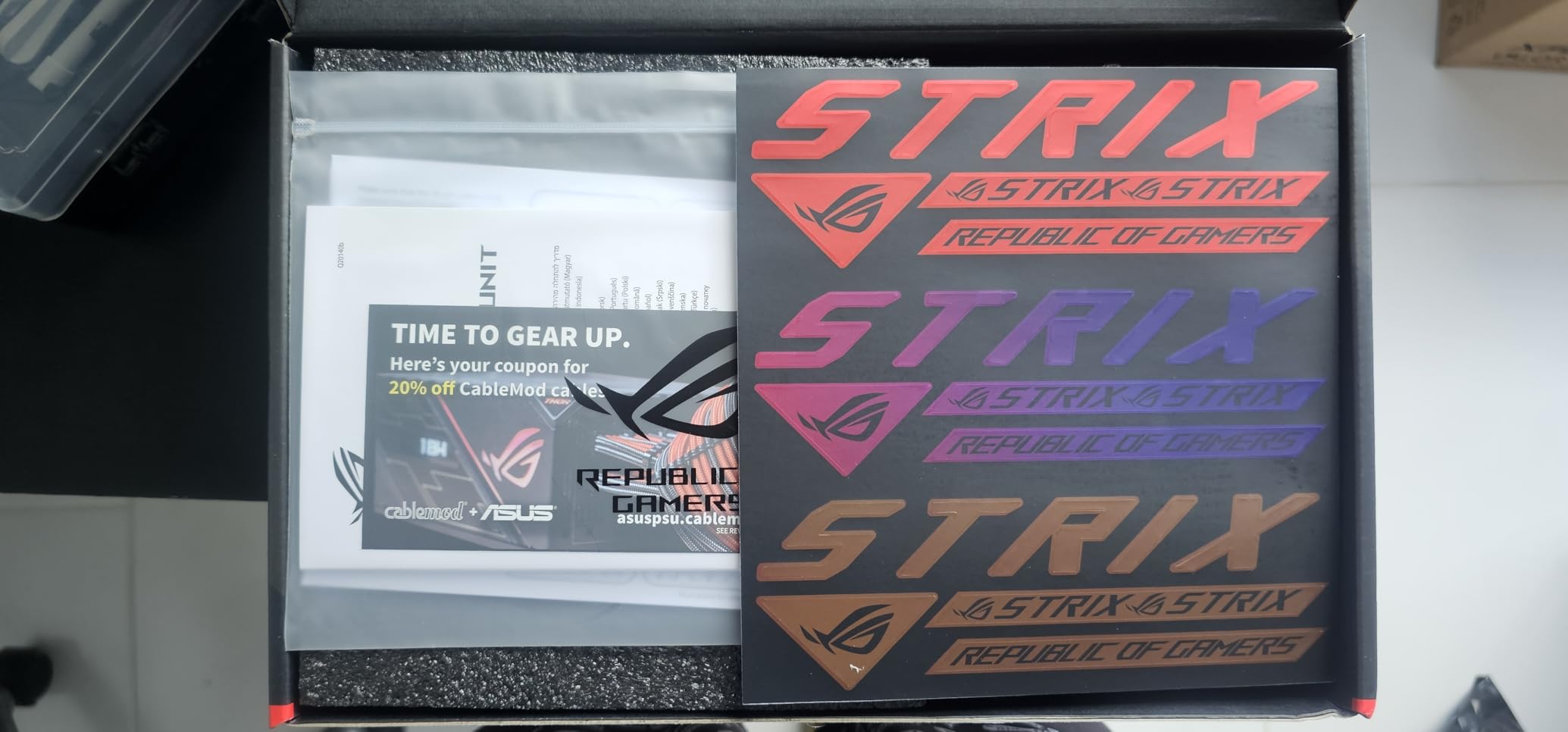
ASUS built this one backwards from most power supplies, starting with the graphics card rather than the ATX rail. That GPU-First intelligent voltage stabilizer is designed to improve voltage delivery to the graphics card by up to 45%, and it is paired with GaN MOSFET transistors that raise efficiency by up to 30% while producing less internal heat.
It also has the strongest satisfaction signal in the set. The 283 reviews average 4.8, with 92% five-star responses and only 2% one-star, and buyers consistently mention quiet running, low temperatures from the large ROG heatsinks, and GPU-focused voltage regulation as the reasons.
On acoustics there are two independent systems working together. The 80 Plus Platinum efficiency rating is paired with a Cybenetics Lambda A+ noise rating, and a dual ball bearing fan rated for up to twice the lifespan of sleeve bearing designs handles the cooling. The 0dB mode keeps the fan off entirely during light gaming.
Warranty is 10 years, which puts it in line with the better-supported models here rather than below them. The physics are sensible too: less heat from higher efficiency means the heatsinks have less to dissipate, which in turn means the fan can run slower at a given load. That is the mechanism behind the low-temperature feedback from owners.
Is the GPU-First Design Worth a Premium?
If your graphics card is the most expensive component in the machine, spending more to stabilise its power delivery is a defensible position. Modern high-end cards with large memory configurations respond directly to voltage quality, and that is what this design targets directly rather than applying a single ATX spec to every rail.
The counterweight is the cost relative to mainstream 1000W ATX 3.1 models, which is substantial. This is not the purchase to make on a fixed budget; it is the one to make when the rest of the build is already top-tier.
Is the Input Voltage Range a Problem?
The listed input range runs from 237.6V to 264V, which is far narrower than the 100V to 240V range most units support. That is worth checking against your local mains supply before ordering, and it is the single most concrete reservation in the owner feedback alongside price.
If your region runs standard residential mains within that band, there is nothing to worry about. If you are in a 220V territory or use a voltage that sits outside the listed window, the safer choice is one of the models rated from 100V to 240V.
6. Thermaltake Toughpower GF3 1200W – Two Native 12V-2×6 Cables
Thermaltake Toughpower GF3 1200W; ATX 3.1; x2 Native PCIe 5.1 12V-2×6; Flat Cables; Color Matched Connectors; Japanese Main Capacitors; 135mm Fan; 80 Plus Gold Certified; Black; PS-TPD-1200FNFAGU-4
1200W output
Two native 12V-2x6 cables
ATX 3.1 with 3x GPU excursions
80 Plus Gold
Pros
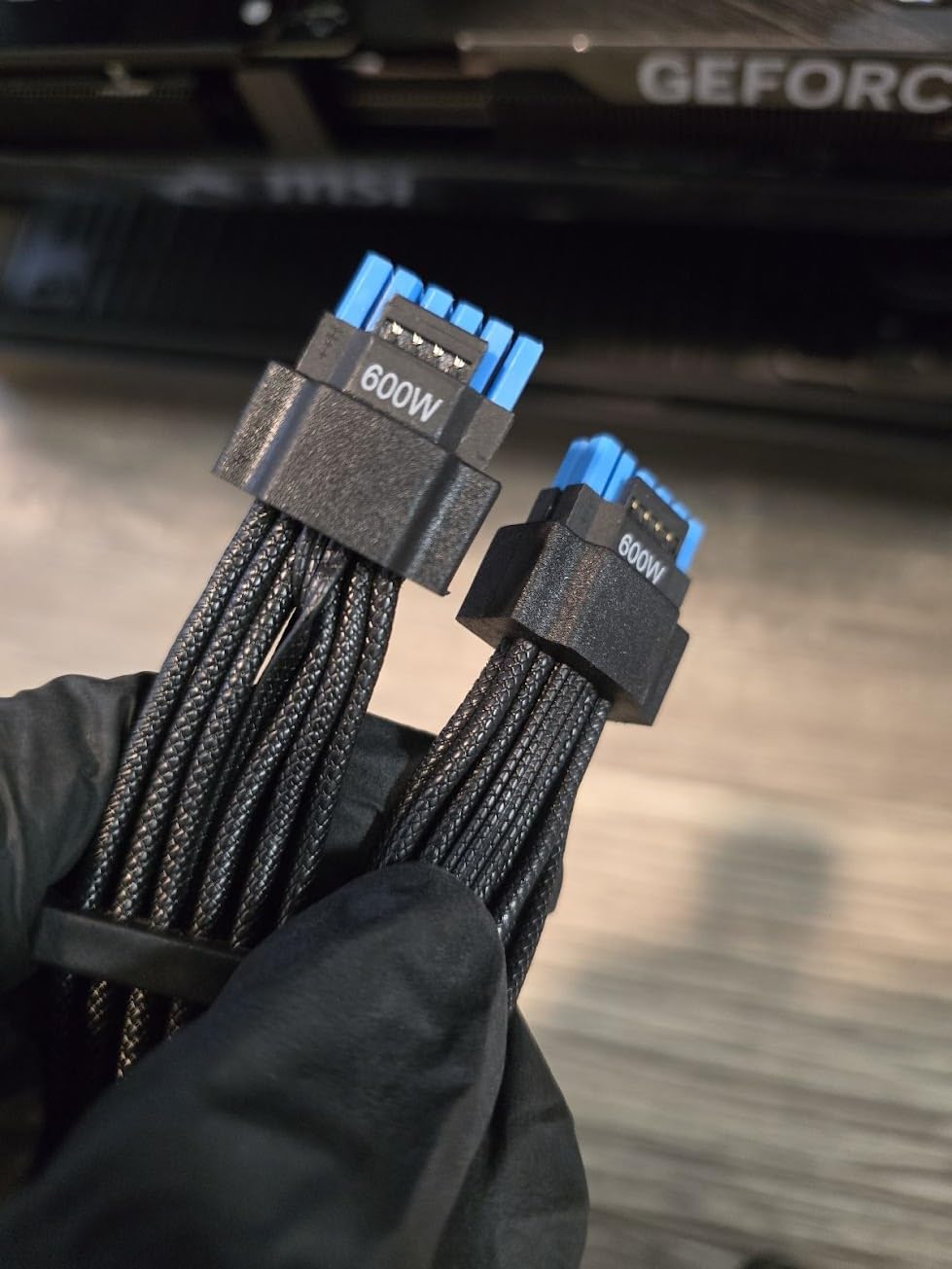
- Two native 12V-2x6 cables rated up to 600W each
- ATX 3.1 handling for up to 3x GPU excursions
- Matcha H plus plus connector confirms a seated plug
- Flat modular cables with colour-matched ends
- 135mm fan and Japanese main capacitors
Cons
- Lowest five-star share in the group at 74 percent
- Gold efficiency trails the Platinum-rated picks
- Paper excursion ratings are not widely corroborated by long-term testing
Two native PCIe 12V-2×6 cables, each capable of delivering up to 600W, is a genuinely rare feature in a 1200W supply. Most competing models ship one native 16-pin cable and rely on adapters or daisy-chaining for anything beyond a single connector, so this is the pick if your graphics card uses more than one power input.
The transient story is also strong on paper. ATX 3.1 handling of up to 3x GPU power excursions and 2x total power excursions is the highest stated excursion tolerance among the 1200W models here, and the 10-year warranty matches the best in the group.
Owner feedback is where the caution lives. The 243 reviews average 4.4, with 74% five-star, 5% two-star and 7% one-star responses, making this the most polarised model we reviewed. Positive reviews centre on the dual native cables, ATX 3.1 transient handling and the colour-matched flat cabling, while the larger share of mid and low ratings points to a less settled long-term reliability and acoustics impression.
Do You Need Two Native 12V-2×6 Cables?
Most builders do not, and it is worth checking your specific card before buying on this basis. A single high-end GPU at reference settings typically uses one 12V-2×6 input, so the second cable sits unused. The feature earns its place on multi-GPU configurations, dual-input professional cards, or a 5090-class card running well past its reference power limit.
If you do not need the second cable, the 1200W ASUS and CORSAIR alternatives offer stronger owner feedback at the same wattage, and the single-cable approach avoids the question of how to route and strain-relieve two stiff 16-pin leads.
How Should You Interpret the Excursion Ratings?
ATX 3.1 is a certification standard with defined test procedures, so the claims are testable rather than marketing adjectives. What is not established is how this specific unit behaves over years of sustained load, and the owner feedback reflects that uncertainty.
The Matcha H++ connector is a practical detail worth more than the excursion number in daily use. When the matcha colour is no longer visible, the plug is fully seated, which is a simple visual check against the partially-inserted connections behind the widely reported melted-connector incidents.
7. Lian Li Edge 1000W Gold – Edge-Mounted Sockets and a Built-In Fan Hub
LIAN LI Edge Gold 1000W ATX 3.1 PSU, 80 Plus Gold, Black (EG1000G.BH)
1000W output
80 Plus and Cybenetics Gold
Edge-mounted cable sockets
10 years
Pros
- Edge-mounted sockets allow plug-in access from the side
- Integrated USB fan hub suits high-fan-count builds
- 12V-2X6 covers RTX 50 and 40 series cards
- Gold and Cybenetics Gold keep running quiet
- Modular layout works well in dual-chamber cases
Cons
- One owner reports total failure after four months
- Warranty and RMA coverage appear uneven outside the US
- Fan hub is not directly controllable from the motherboard
The design idea here is simple and genuinely useful: the modular sockets sit on the edge of the chassis, so you can plug cables in from the side without pulling the supply out. In a dual-chamber case where the PSU is boxed in behind the motherboard tray, that is the difference between a two-minute job and a full teardown.
The 1000W Black variant also carries an integrated USB fan hub, which is unusual and useful if your case fans are already running out of motherboard headers. The power side is 80 Plus Gold and Cybenetics Gold, with a 12V-2X6 connector for RTX 50 and 40 series cards and a 10-year warranty.
Owner feedback averages 4.5 across 210 reviews, with 84% five-star. Buyers praise the L-shaped edge cable layout, the built-in USB fan hub, quiet running and clean modular cable management, and several report it powering demanding combinations such as an RTX 5070 Ti or RTX 9070 XT system quietly.
Is This the Right PSU for a Small Case?
For dual-chamber and compact builds, yes, and the reason is accessibility rather than raw wattage. The edge-mounted sockets mean you can reconfigure cables without opening the whole system, and the magnetic dust filter mesh on the front is a small quality-of-life touch for anyone who cares about airflow over time.
The compatibility caveat is honest and simple: cable layout depends on case design, so this is not a universal fit. If your chassis positions the supply in an awkward spot, the edge sockets are the entire value proposition and they are useless without the right geometry.
What Should Concern You Before Buying?
The durability feedback is the part to read carefully. One detailed account describes a complete failure after four months with no accessible RMA path outside the US, and a few owners note the fan hub is not directly controllable from the motherboard. A single report is not a pattern, but with a 7% one-star response rate it is worth a deliberate decision.
Our guidance: if you are outside the US, check the warranty and RMA terms for your region before ordering, and keep your purchase documentation. If you are comfortable with that, the cable layout advantage is real enough that this remains a strong pick for the case it was designed for.
8. CORSAIR HX1500i 1500W – Headroom for a 5090-Class Card and an Overclocked CPU
CORSAIR HX1500i (2025) ATX 3.1 PCIe 5.1 Ready 1500W Power Supply – Black
1500W output
Cybenetics Platinum
ATX 3.1 with native 12V-2x6
140mm FDB fan
10 years
Pros
- 1500W absorbs multi-GPU and high-end GPU plus CPU combinations
- Native 12V-2x6 cable removes the need for adapters
- 140mm FDB fan stays quiet at sustained heavy load
- Zero RPM mode for near-silence below medium load
- Fully modular with iCUE monitoring
Cons
- Heaviest and deepest model here at 5.3 pounds and 7.87 inches
- Maximum input voltage of 132V limits mains in some regions
- 82 percent five-star share is the second lowest in the set
This is the headroom option, and headroom is genuinely useful in exactly one scenario: a 5090-class card with raised power limits sitting next to an overclocked high-core-count CPU. At 1500W you stop planning around the total draw and start planning around the case fit.
The 192 reviews average 4.5 with 82% five-star. Owners value the sheer capacity, the quiet 140mm fluid dynamic bearing fan under sustained heavy load, zero-RPM silence at low and medium loads, and the included native 12V-2×6 cable. Reservations centre on size, weight, price and the input voltage figure.
Efficiency is Cybenetics Platinum rather than 80 Plus rated, which is a more demanding test that measures efficiency across real load points rather than a handful of checkpoints. Combined with the 140mm fan, that is why it stays quiet at 1500W where a smaller fan in a lower-rated supply would be working hard.
The iCUE integration carries over from the smaller Corsair models, giving you custom fan curves, power monitoring and OCP rail switching. For a supply this large, being able to watch live consumption while stress-testing a new GPU is more than a convenience.
Is 1500W Overkill for a Single High End GPU?
For most single-GPU builds, yes. Even a 5090-class card at raised power limits plus a top-tier CPU does not typically demand 1500W, and a good 1200W unit will handle it with room to spare. Buying 1500W because it feels safer means paying for capacity you will not draw.
The exceptions are multi-GPU configurations, multi-GPU rendering or AI workloads, and builds where the owner expects to upgrade the graphics card twice without touching the supply. TechPowerUp forum users routinely frame a power supply as a ten-year decision rather than a current-build decision, and this is the model that supports that framing.
Will It Physically Fit?
At 7.87 inches deep and 5.3 pounds, this is the heaviest and deepest model in the group. It fits comfortably in a full tower, but many mid-towers with drive cages or a restrictive PSU shroud will not take it, and the weight is noticeable when routing cables in a top-mounted position.
Check the input voltage limit too. The listed maximum of 132V is fine for standard residential mains but excludes higher-voltage supplies, so it is a genuine constraint for some international buyers rather than a footnote.
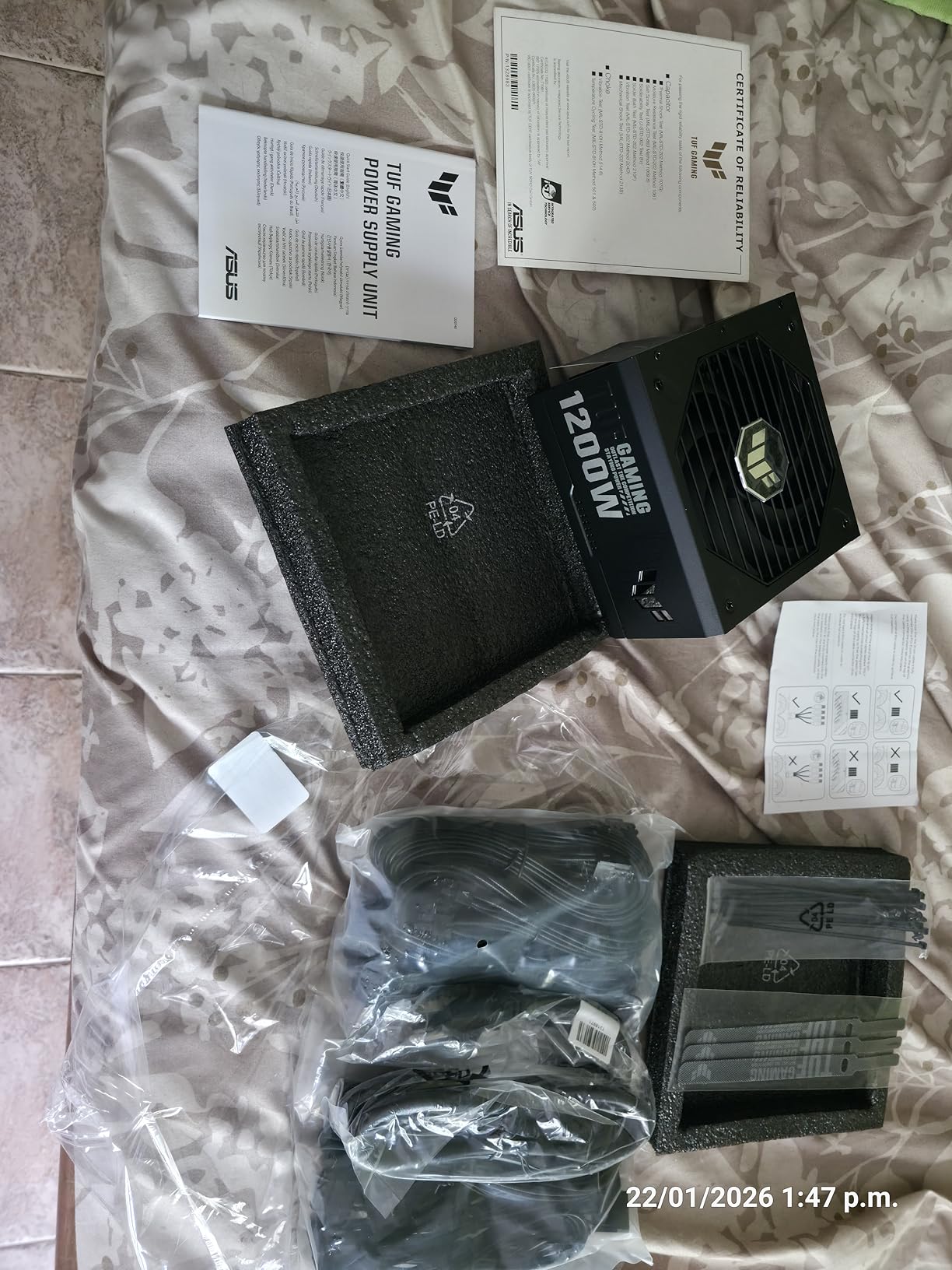
9. ASUS TUF Gaming 1200W Gold – the 1200W Middle Ground
ASUS TUF Gaming 1200W Gold (1200 Watt, ATX 3.1 Compatible Fully Modular Power Supply, 80+ Gold Certified, Military-Grade Components, Dual Ball Bearing, Axial-tech Fan, PCB Coating, 10 Year Warranty)
1200W output
80 Plus Gold
ATX 3.1 with 600W 16-pin cable
10 years
Pros
- 1200W gives generous headroom for high-end GPUs and overclocked CPUs
- Bundled 16-pin cable delivers up to 600W to PCIe 5.0 cards
- Military-grade certification on capacitors and chokes
- PCB coating guards against moisture dust and temperature
- Dual ball bearing fan rated for double sleeve-bearing life
Cons
- Heaviest model in the group at 5.9 pounds
- Some owners report units arriving dead on arrival
- One reviewer considers it overpriced for the specification
The TUF Gaming 1200W is the answer to the question builders keep arguing about in forum threads: 1000W or more? At 1200W it removes the sizing argument for almost any single-GPU high-end build, and the 126 reviews averaging 4.6 suggest most owners are satisfied with that headroom.
Buyers describe a heavy, solidly built unit with rock solid voltage, quiet fan behaviour, no coil whine, painless installation and clean modular cabling, and several cite the 10-year warranty as the deciding factor. It includes a 16-pin PCIe cable rated to deliver up to 600W to PCIe 5.0 graphics cards.
The build quality detail worth noting is the protective PCB coating, which guards against moisture, dust and extreme temperatures. It is not a visible feature once installed, but it is the kind of thing that matters in a machine expected to run for a decade in a dusty environment.
Is 1200W the Sweet Spot for a 5090 Build?
For a 5090-class card paired with a high-end CPU, especially with either of them overclocked, 1200W is the figure most builders land on. It gives roughly a 30% margin over a heavy steady-state draw, which is the kind of buffer that keeps transient excursions well inside the supply’s rating instead of near its limit.
Below 1200W, that margin shrinks. Above it, you are adding cost and physical size for capacity a single-GPU system rarely draws. That is why this tier is where the value argument is strongest, and why the ASUS TUF and the ASUS ROG Strix at 1000W bracket it from both sides.
Is the Weight a Problem?
At 5.9 pounds, this is the heaviest model in the group, which is a consequence of the build quality and the coating rather than a fault. In a bottom-mounted standard install it is unremarkable.
The more actionable point is the dead-on-arrival feedback. A small number of owners report units that arrived non-functional, and with a 6% one-star response that is more concentrated than in the higher-rated models here. Test the supply with a PSU tester or a known-good paper clip test before building the whole system around it, and keep the packaging for the return window.
10. Thermaltake Toughpower GF A3 1200W – True 600W 12V-2×6 Sockets on the Unit
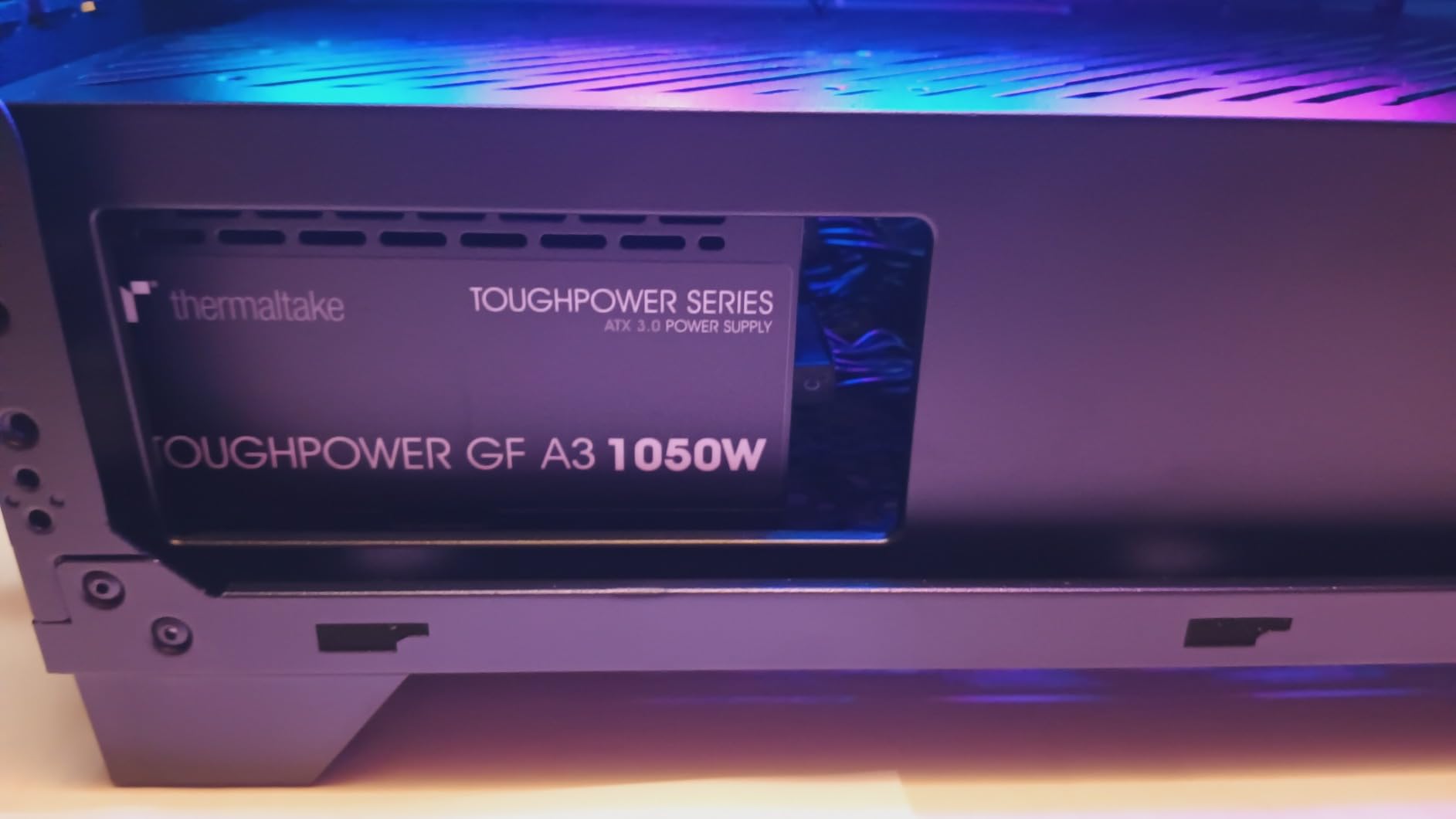
Thermaltake Toughpower GF A3 1200W, True 600W 12V-2×6 Connectors on PSU & NVIDIA RTX 50 Series, ATX 3.1/PCI-E 5.1, 80+ Gold, SLI/Crossfire Ready Power Supply, PS-TPD-1200FNFAGU-L, 10 Year Warranty
1200W output
True 600W 12V-2x6 sockets
ATX 3.1 and PCIe 5.1
80 Plus Gold
10 years
Pros
- True 600W 12V-2x6 sockets remove the need for GPU adapters
- 1200W single 12V rail gives ample GPU and CPU headroom
- Low-profile flat cables ease routing in tight cases
- Lightest 1200W model in the group at 3.6 pounds
- 10-year manufacturer warranty
Cons
- Lowest average rating here at 4.3 with 11 percent one-star
- Gold efficiency trails the Platinum-rated rivals
- Slim design leaves sustained 1200W acoustics less proven
The distinguishing feature here is that the 12V-2×6 connectors are built into the unit itself, delivering true 600W directly from the power supply rather than through an adapter chain. For an RTX 50-series card, that removes the daisy-chain step entirely.
The electrical platform is a 1200W supply on a high-amperage single 12V rail, fully modular with low-profile flat cables, and it is SLI and Crossfire ready for multi-GPU configurations. At 3.6 pounds it is the lightest 1200W model in this group, which makes it the easiest to handle in a cramped install.
Owner feedback is the weakest in the set. The 152 reviews average 4.3, with 75% five-star and 11% one-star responses, the lowest average here. Positive feedback focuses on the true 600W connectors, the 1200W capacity, the modular flat cabling and the 10-year warranty, while the larger one-star share suggests a less consistent reliability and noise impression than the Platinum-rated units.
Is a Built-In 12V-2×6 Better Than an Adapter?
Yes, for the reason the rest of this roundup keeps circling back to. An adapter introduces an extra connection between the supply and the card, and extra connections under high current are exactly where the widely reported melted-connector incidents originated. Fewer junctions is a straightforwardly better arrangement.
The second benefit is cable routing. A native socket at the supply means the cable can leave the chassis directly toward the graphics card, which is far easier in a case with a restrictive shroud than routing a stiff adapter pigtail around a bend.
Is Gold Efficiency a Problem at 1200W?
Not for gaming. Gold certification means more heat than Platinum at the same draw, and at 1200W that heat has to go somewhere. In a well-ventilated mid-tower with the supply in the standard bottom-mounted position, it is not a practical problem.
The slimmer acoustic design is the thing to watch. A lighter, more compact chassis at 1200W leaves less thermal margin than the larger Platinum-rated 1200W models, and sustained full-load noise behaviour is less well established by owner reports. If your system will sit at maximum draw for hours, that is the argument for the ASUS TUF instead.
Our read on this model: the connector design and the weight are genuinely useful, and the 11% one-star share is a real signal rather than noise. Test it early in the build.
How Much Wattage Do You Actually Need?
Work out your combined steady-state draw first, then add a margin, and only then choose a wattage tier. The rule of thumb most experienced builders use is a 30% buffer over your worst realistic load, which is what keeps transient excursions from landing near the supply’s limit.
Here is the mapping we use, built around the GPU classes in this roundup:
500W: handles a mid-range card such as an RTX 5070 or RX 9070 class part with a mainstream CPU. Not a pairing for the cards in this article.
750W: comfortably handles a card like an RTX 5080 or an RX 9070 XT with a mainstream CPU, and still leaves headroom for a power-limited 5090. This is the most common tier in builder advice, and it is the one most contested in forum threads about 850W versus 1000W.
1000W: the right answer for a 5090-class or 4090-class card at reference power limits with a high-end but not overclocked CPU. Six of the models in this roundup sit here.
1200W: for a 5090 with raised power limits, or a 4090 with an overclocked CPU, or a 5080 paired with a 16-core processor under load. Three models here cover this tier.
1500W: only for multi-GPU configurations, sustained rendering and inference workloads, or a deliberate plan to upgrade the graphics card twice without replacing the supply.
Why Transient Spikes Change the Maths
A high-end GPU does not draw a flat line. During load transitions the card can demand a short spike well above its steady-state figure, and those excursions are the reason ATX 3.1 exists. A supply that meets the steady-state number but is not tested for excursions can trip its protection circuitry or, in the worst case, overheat the 12V-2×6 connection, which is the failure mode behind the widely reported melted connectors on 5090-class cards running at 600W and above.
That is the whole argument for ATX 3.1 over an older ATX 2.52 unit of the same wattage. The wattage figure tells you what the supply can hold; the certification tells you what it can hold when the load changes suddenly.
ATX 3.1 vs ATX 3.0: What Actually Changes for a High End GPU
ATX 3.1 is not a new wattage class. It is a revision that raises the transient performance requirements for the 12V rail and formalises the 12V-2×6 connector, which is the physically improved version of the earlier 12VHPWR design with improved contact geometry and a better-defined seating behaviour.
For a high-end GPU build, the practical difference is that an ATX 3.1 supply ships with a native 12V-2×6 cable rated for 600W, and is tested to hold the rail through excursions the previous standard did not guarantee. The models in this roundup quote between 2x and 3x GPU power excursion handling, which is the number to read when comparing units at the same wattage.
On adapter safety, our position is straightforward. A native 12V-2×6 cable from a known ATX 3.1 supply is the arrangement we would build with today. A 12VHPWR-to-12V-2×6 adapter adds a junction, and the partially-seated connection is the mechanism behind most reported failures. Where an adapter is unavoidable, seat it fully until the latch clicks and the visible indicator disappears, and never route the cable in a tight bend right at the connector.
12V-2×6 Safe Insertion and Cable Routing
Nearly every melted-connector story traces back to one of three things: a cable not fully inserted, a sharp bend within a few centimetres of the connector, or an adapter doing work it was not designed for. All three are avoidable at zero cost.
Do:
Push the connector in until the latch clicks or the visible indicator on the plug is no longer visible. Partial insertion is the single most common cause of damage.
Route the cable so there is no sharp bend within roughly 10cm of the connector, then secure the run so the cable is not pulled by the weight of the graphics card hanging below.
Use the native cable that shipped with the power supply wherever possible, and avoid mixing cables from different units even when the connectors look identical.
Do not:
Do not route the cable around the edge of a case or through a tight panel gap right at the connector, which puts constant lateral force on the plug.
Do not leave unused 12V-2×6 cables plugged in and dangling near a hot component. Unused high-current connectors on a running system are a heat source with no purpose.
Do not assume an adapter is safe because it seats. If your power supply does not ship a native 12V-2×6, replacing the supply is a more reliable fix than a permanent adapter in a build you intend to keep for years.
Efficiency Ratings and Other Specs Worth Checking
80 Plus versus Cybenetics. The 80 Plus programme tests efficiency at a handful of defined load points. Cybenetics tests across a wider range of real load conditions and also issues acoustic ratings under the LAMBDA standard, which is why several models in this roundup carry both. A unit with a Cybenetics rating has been assessed more thoroughly, but either certification is a reasonable signal.
Gold through Platinum. The 80 Plus tiers run Bronze, Silver, Gold, Platinum, Titanium. For a 1000W to 1200W supply the practical jump is Gold to Platinum, worth roughly 2 to 3 percentage points of efficiency. That translates into less heat, a quieter fan and lower thermals rather than any visible change in performance.
Warranty length. Forum builders treat 10 to 12 years as a strong quality signal, and it is a fair proxy: manufacturers extend coverage on platforms they expect to stand behind. A 7-year warranty on an otherwise strong unit is not a red flag, but it is a signal that you are buying a cheaper platform.
Fan size and zero-RPM mode. A 140mm fluid dynamic bearing fan moves more air at lower speed than a 120mm sleeve-bearing fan, which is the main reason the larger units in this group sound quieter at the same wattage. Semi-passive or zero-RPM modes, where the fan stops entirely below a load threshold, matter most for a desktop system that is idle most of the time.
Input voltage range. Most units accept 100V to 240V. The ASUS ROG Strix lists a much narrower band, and the CORSAIR HX1500i lists a 132V maximum, so check your local mains before ordering rather than after.
Modular cabling and case clearance. Fully modular supplies let you connect only what you need, which improves airflow and tidiness. Check physical depth before buying: units in this group range from a compact 5.9-inch chassis to a 7.87-inch one, and that difference decides whether the supply fits behind a drive cage. If you want a wider view of the shorter and more affordable options, our gaming PC power supply guide covers the shapes and sizes in more detail.
Frequently Asked Questions
What is the best power supply for a high-end gaming PC?
An ATX 3.1 unit rated at 1000W to 1200W with a native 12V-2×6 cable and 80 Plus Platinum efficiency. Our top pick is the CORSAIR RM1000e (2025) 1000W for the balance of ATX 3.1 transient handling, a 7-year warranty and the strongest owner feedback volume in the group.
What GPU can a 750W PSU handle?
A 750W supply handles a card in the RTX 5080 or RX 9070 XT class comfortably when paired with a mainstream CPU, and it still works for a power-limited 5090. It is not enough for a 5090 with raised power limits next to a high-end CPU, which is where 1000W becomes the sensible floor.
What GPU can a 500W PSU handle?
A 500W supply is an entry-level tier. It suits current-generation mid-range and upper-midrange cards with a mainstream CPU, but it is not a pairing for the high-end GPUs this roundup covers. A 500W supply also rarely ships with a native 12V-2×6 cable, so check the connector before assuming a modern card will work.
Do I need ATX 3.1 for an RTX 5090?
ATX 3.1 is strongly recommended rather than strictly required. It certifies transient handling on the 12V rail and ships with a native 12V-2×6 cable rated for 600W, which is the connection involved in the widely reported melted-connector incidents on 5090-class cards. An older ATX 2.52 unit of the same wattage can meet the steady-state spec and still fail during load transitions.
Is it safe to use a 12VHPWR to 12V-2×6 adapter?
It works, but it adds a junction between the supply and the card, and partially-seated adapter connections are the mechanism behind most reported failures. Seat it fully until the latch clicks and the visible indicator disappears, avoid sharp bends near the connector, and treat a native cable on an ATX 3.1 supply as the more reliable long-term arrangement.
Do power supplies come with GPU cables in the box?
Every ATX 3.1 supply in this roundup includes a native 12V-2×6 or 16-pin cable rated for 600W. Older units and some budget models may only include 8-pin PCIe leads, and you should never mix cables from different power supplies even when the connectors look identical, so check the box contents before you plan your cable routing.
Final Verdict on the Best Power Supplies for High End GPUs
The CORSAIR RM1000e (2025) takes our top spot for the best power supplies for high end GPUs. It combines ATX 3.1 certification, a native 12V-2×6 cable, fully modular cabling and the largest body of owner feedback in the group at 4.7 across 453 reviews. Its only real gap is a 7-year warranty where rivals offer 10.
Step up to 1200W when your CPU and graphics card are both running hard at the same time. The ASUS TUF Gaming 1200W Gold is the balanced choice there, and the CORSAIR HX1500i is the option to buy if you plan to upgrade the graphics card twice. For a quiet build, the be quiet! Pure Power 13 M is the pick, and for tight cable routing the Thermaltake GF A3 with its built-in 12V-2×6 sockets avoids an adapter entirely.
Whichever you choose, buy an ATX 3.1 model with a native 12V-2×6 cable, keep 30% of headroom above your worst realistic load, and insert that connector properly. Those three decisions solve nearly every power problem high-end GPU builds have. Updated for 2026, and worth revisiting each time a new GPU generation lands.