
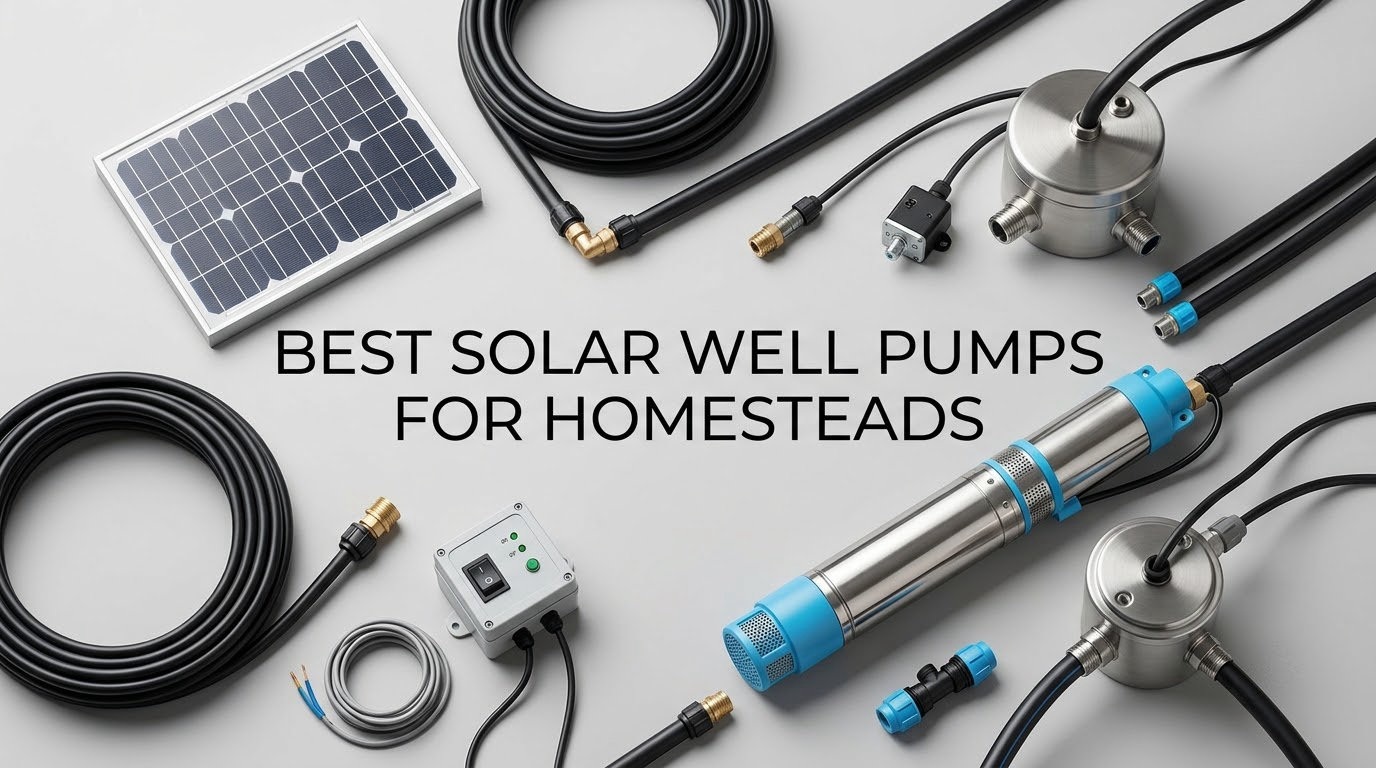
A solar well pump is a DC pump driven straight from photovoltaic panels, usually through an MPPT controller that matches panel output to the motor, and it lifts water from a well into a storage tank during daylight hours with no grid power and, in most cases, no batteries. That last part is what makes solar well pumps interesting to homesteaders: the water sits in a tank until you need it, so the pump only has to work when the sun is out.
We spent the last few months sorting through the solar well pump market for a piece aimed squarely at homesteads, where water demand is not a shower and a kitchen tap. It is a herd drinking at dusk, a drip line running forty feet down a hillside, a garden in July, and a household on the same well. Every pump below was judged on lift versus flow, build material, controller quality, warranty reality and how much written feedback owners have actually posted.
The honest headline is that most solar well pumps are excellent at moving a moderate amount of water a long way up a well, and mediocre at moving a large amount of water quickly. Two of the pumps in this group put out under 2 GPM, which is plenty for troughs and drip irrigation and useless for a lawn sprinkler. Two more push 8.8 GPM with a 213 ft lift rating, which is a genuinely different class of hardware. Knowing which class your homestead needs is the whole game, so the whole house water filter guide pairs well with the sizing section at the bottom of this page.
Table of Contents
Top 3 Solar Well Pumps for Homesteads in 2026

ECO-WORTHY 100W Solar Kit
- 100W panel paired with 12V submersible pump
- 1.6 GPM flow with 230 ft max lift
- Runs direct from panel or 12V battery

JENENSERIES 500W 48V Pump
- 500W 48V DC 3 inch submersible
- 7.9 GPM at 393 ft max head
- MPPT controller with LED status display

ZHFEISY 370W 24V Pump
- 8.8 GPM from a 370W copper motor
- 213 ft max head
- Built-in MPPT so no battery needed
How a Solar Well Pump System Works
Four components do all the work, and understanding each one is what stops you from buying a pump that cannot lift out of your well.
Solar panels convert sunlight to DC electricity. Their wattage sets the ceiling on how much power the pump can ever see, and a shaded panel takes a far bigger hit than a shaded roof would.
An MPPT pump controller tracks the panel’s maximum power point and converts that output to the voltage the motor needs. It is the difference between a pump that labours through a partly cloudy afternoon and one that keeps its flow.
A submersible or surface pump does the lifting. Submersible pumps sit inside the casing below the water line; surface pumps sit on the pad beside the well and are the usual choice for shallow wells, ponds and cistern transfer.
A storage tank collects everything the pump moves during the day. Gravity or a small booster pump delivers it on demand afterwards. No batteries required is the default, and the tank is doing the same job a battery bank would.
One detail homeowners on forums tend to get wrong: a pressure tank is not a storage tank. A 60 gallon pressure tank holds roughly 30 to 40 usable gallons once you subtract what stays in the bladder, which is enough to run a tap or a shower for a while and nothing like a full evening of household use. If you want water after sundown, you want a gravity tank, and the size of that tank is your autonomy budget.
All 12 Solar Well Pumps Compared in 2026
| Product | Specifications | Action |
|---|---|---|
| ECO-WORTHY 100W Solar Kit |
|
Check Latest Price |
| JENENSERIES 500W 48V Pump |
|
Check Latest Price |
| ZHFEISY 370W 24V Pump |
|
Check Latest Price |
 HYYKJ-US 370W 24V Pump HYYKJ-US 370W 24V Pump |
|
Check Latest Price |
 ECO-WORTHY 12V 96W Pump ECO-WORTHY 12V 96W Pump |
|
Check Latest Price |
 ECO-WORTHY 24V 230ft Pump ECO-WORTHY 24V 230ft Pump |
|
Check Latest Price |
 ZYIY 12V 200W 3in Pump ZYIY 12V 200W 3in Pump |
|
Check Latest Price |
 Siftary 750W 48V Pump Siftary 750W 48V Pump |
|
Check Latest Price |
 Tuhorse 370W Complete Kit Tuhorse 370W Complete Kit |
|
Check Latest Price |
 FXEIPOL 210W Control Box Kit FXEIPOL 210W Control Box Kit |
|
Check Latest Price |
| Josbuynls 370W 24V Pump |
|
Check Latest Price |
 DRRSBRP 12V 180W Pump DRRSBRP 12V 180W Pump |
|
Check Latest Price |
1. ECO-WORTHY 100W Solar Well Pump Kit – Best All-Round Starter Kit
ECO-WORTHY Solar Well Pump Kit – 100W Solar Panel with 12V Deep Well Water Pump for Off-grid Living or Irrigation, Farm & Ranch-DELIVERY IN 2 PARCELS One
100W panel with 12V submersible pump
1.6 GPM flow, 230 ft max lift
Plastic and stainless steel build
Five-year panel service
Pros
- Complete kit pairing a 100W panel with a 12V deep well pump
- Rated for lifts up to 230 ft
- Runs directly from the panel or from a battery and controller
- Suited to off-grid installs where long wiring runs are impractical
- Five-year service on the panel and one-year service on the pump
Cons
- 1.6 GPM limits volume for large herds or gardens
- Panel output falls directly with light and cloudy days cut water volume
- Panel is sensitive to partial shading
Everything you need to get water moving arrives in one box, which is rarer than it should be in this category. The pump drops into the well, the panel goes on a south-facing roof or a pole, and you connect two wires. For a first solar well pump on a homestead this is the least frustrating starting point, and the 230 ft lift rating gives you plenty of room if your well is deeper than you planned.
The flow figure of 1.6 GPM is the honest catch. Run it for a full day of good sun and you have a few hundred gallons, which fills troughs and keeps drip irrigation alive. It will not run a pressure tank through a household’s evening, and the 0.13 hp motor is not the answer if you have a hundred head of cattle to water through a dry August.
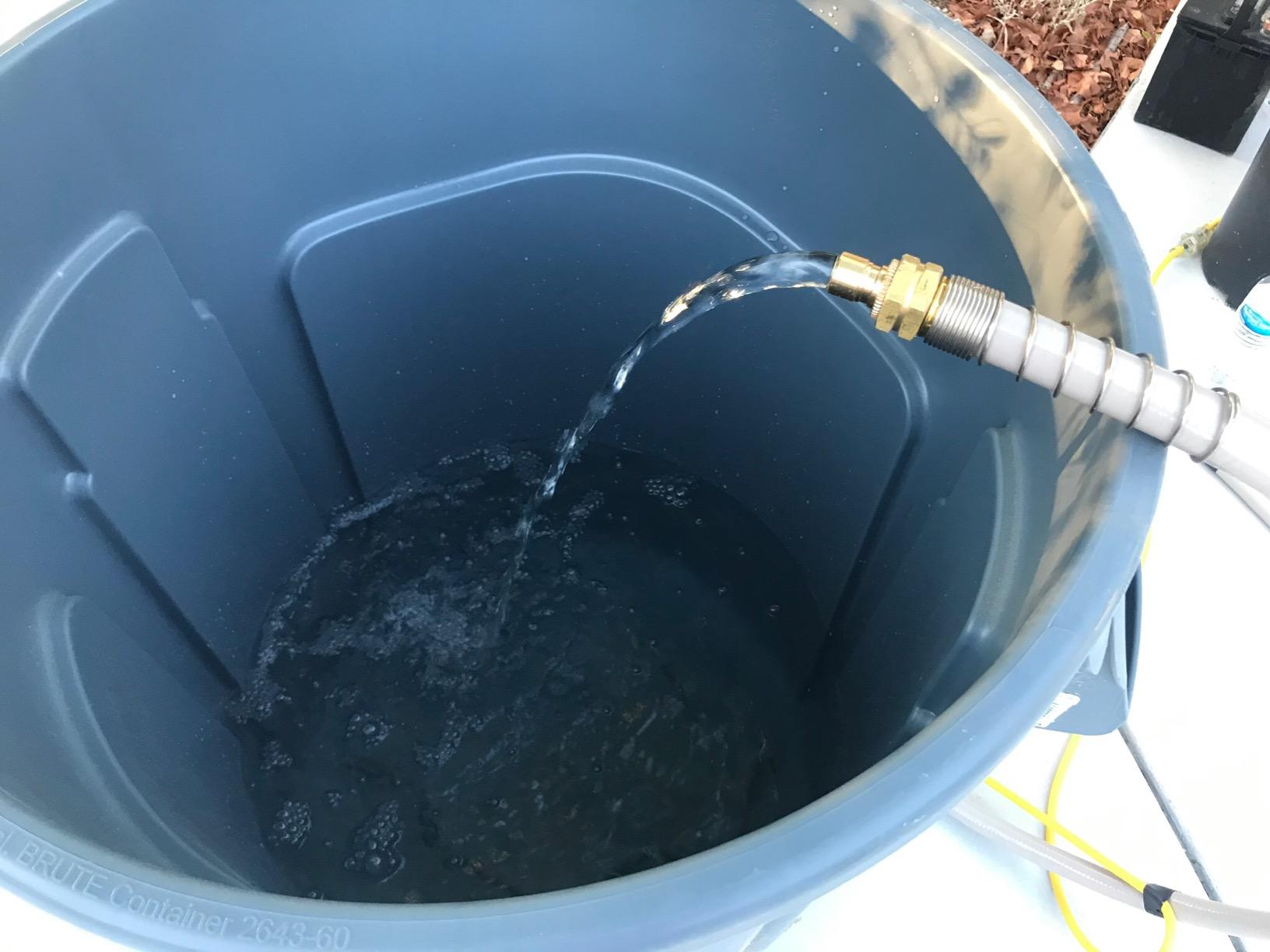
Owners consistently describe it as a straightforward off-grid solution with adequate lift for shallow to mid-depth wells, and the ability to add a battery later is called out as a real advantage. The rating distribution shows 65 percent five-star with a meaningful 10 percent one-star tail, and no single failure mode dominates the negatives.
That means the complaints are about the ends of the range rather than the middle. If you need more than low-volume drip and trough filling, the flow ceiling is a wall you will hit, not a limitation you can grow out of. If you are on a shallow well with a small herd or a market garden, the ceiling sits well above what you need.
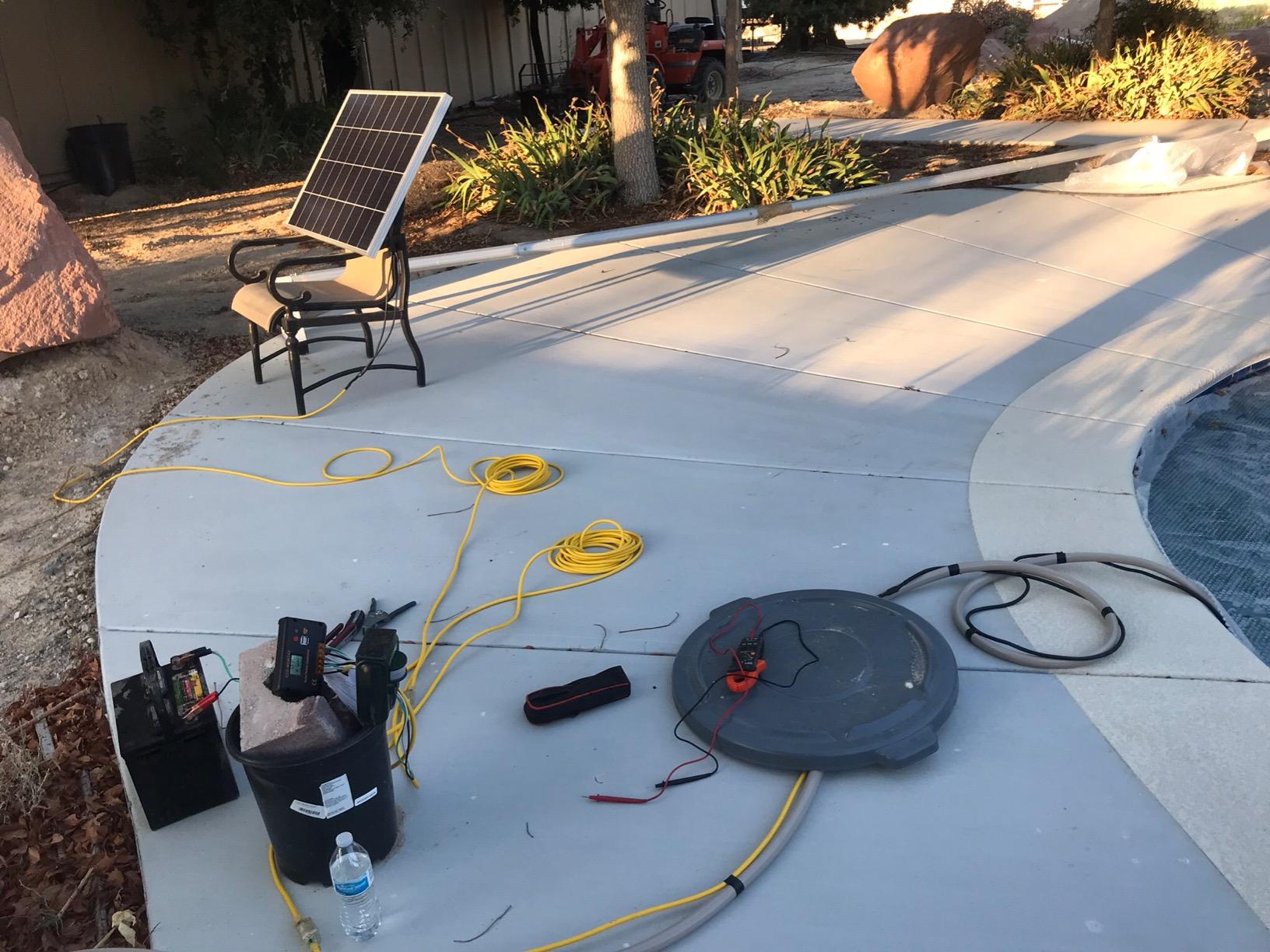
What you get for a single 100W panel
The pump runs at whatever the sun gives it, so output tracks light intensity through the day. On a clear June day you will see it ramp up after mid-morning and taper before sunset.
On an overcast stretch the panel still produces something, just not much. That is where a tank earns its place, and where a battery bank only becomes worth it if you genuinely need water at night every night.
Where it falls short on a working homestead
Shadow is the quiet enemy. A single branch across the panel in the afternoon can cost you more production than a whole day of thin cloud, so site the array where nothing grows into it.
For a herd that drinks several hundred gallons a day, or a garden that needs irrigation through a hot afternoon, 1.6 GPM is the binding limit. Plan a larger pump for that, or plan on a second pump on a separate well.
2. JENENSERIES 500W 48V Solar Water Pump – Best for Deep Wells
JENENSERIES Pump 500W DC 48V Solar Water Pumps, Max head 393ft,7.9GPM Flow,3 inch Solar deep well submersible Pumps with MPPT controller float switch kits for home or farm
500W 48V DC 3 inch submersible
7.9 GPM at 393 ft max head
MPPT controller with LED display
Automatic dry-run shutoff
Pros
- Deep 393 ft max head paired with 7.9 GPM flow
- MPPT controller maintains output under cloud cover
- Water shortage sensor shuts the pump down automatically
- Brushless permanent magnet motor with NSK bearings
- Float switch kit included for automation
Cons
- 48V DC architecture demands a substantial panel array
- Battery-backed operation adds meaningful system cost
- 12 percent of ratings are one-star
This is the pump for a homestead that has a genuinely deep well and no interest in arguing with a pump that cannot reach the water. The 393 ft maximum head rating is the second deepest here, and unlike the shallow-lift budget units it pairs that reach with 7.9 GPM rather than giving up all of its flow to get it.
The MPPT controller is the most-praised feature across the reviews. Owners comparing it against plain PWM controllers report steadier output in changing light, and the LED status display means you can tell at a glance whether the pump is pumping, throttled by dry-run protection or simply waiting for sun. For unattended operation on a remote pasture, that visibility is worth more than it sounds.
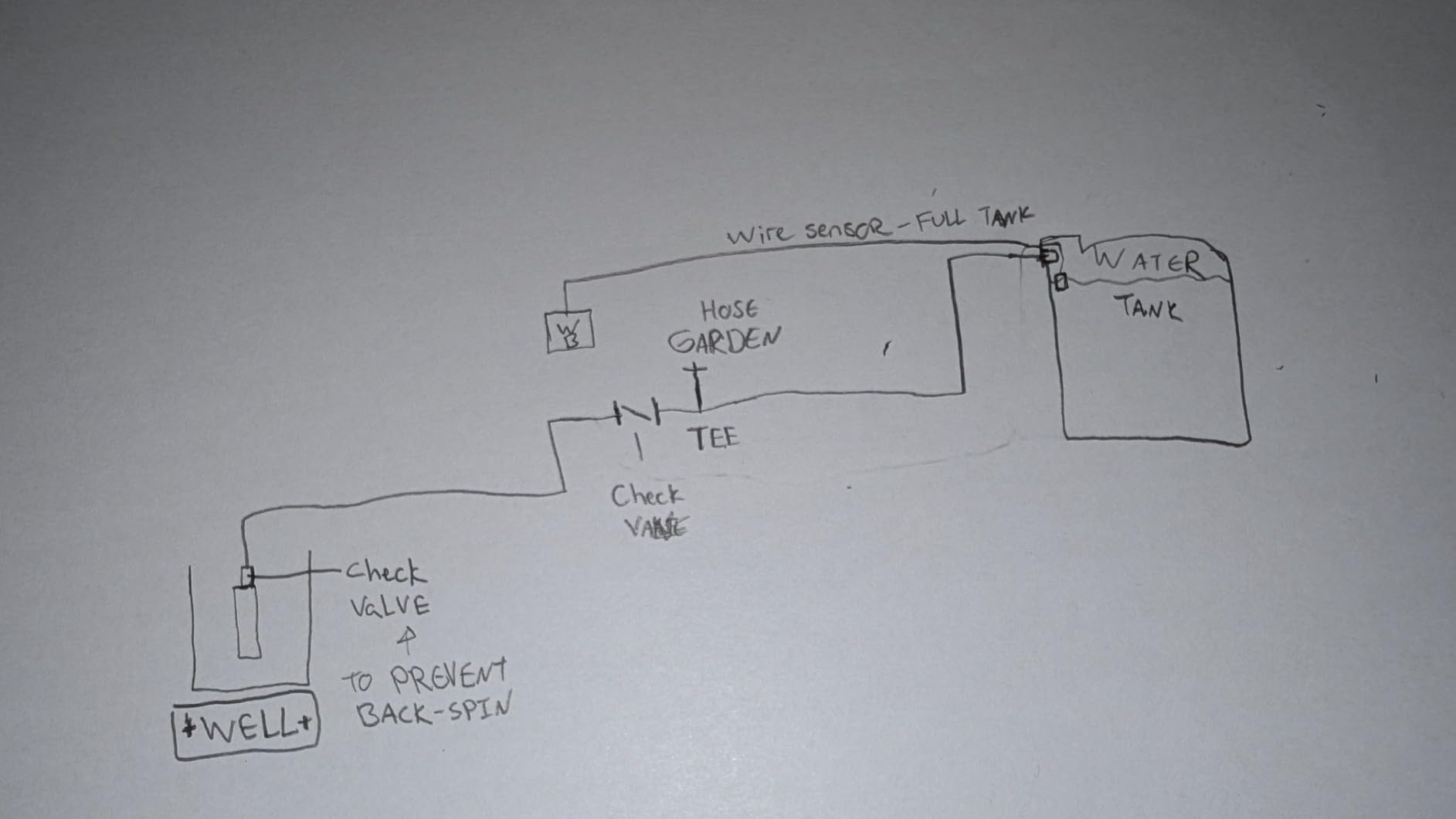
Construction is 304 stainless steel with NSK bearings and a permanent magnet brushless motor, and the pump weighs 18 pounds. That is a serious piece of hardware, not a garden accessory, and it is sized to sit inside a 3 inch borehole. The 9.8 ft extension cable is short, so plan on additional cable and a proper splice for anything deeper.
Criticism concentrates on system complexity rather than the pump. A 48V DC bus means a real solar array, a matching controller and heavier wiring, and anyone who wants night or heavy-cloud pumping is adding a battery bank on top. One in twelve ratings is a single star, which is a normal tail for a product at this price tier.
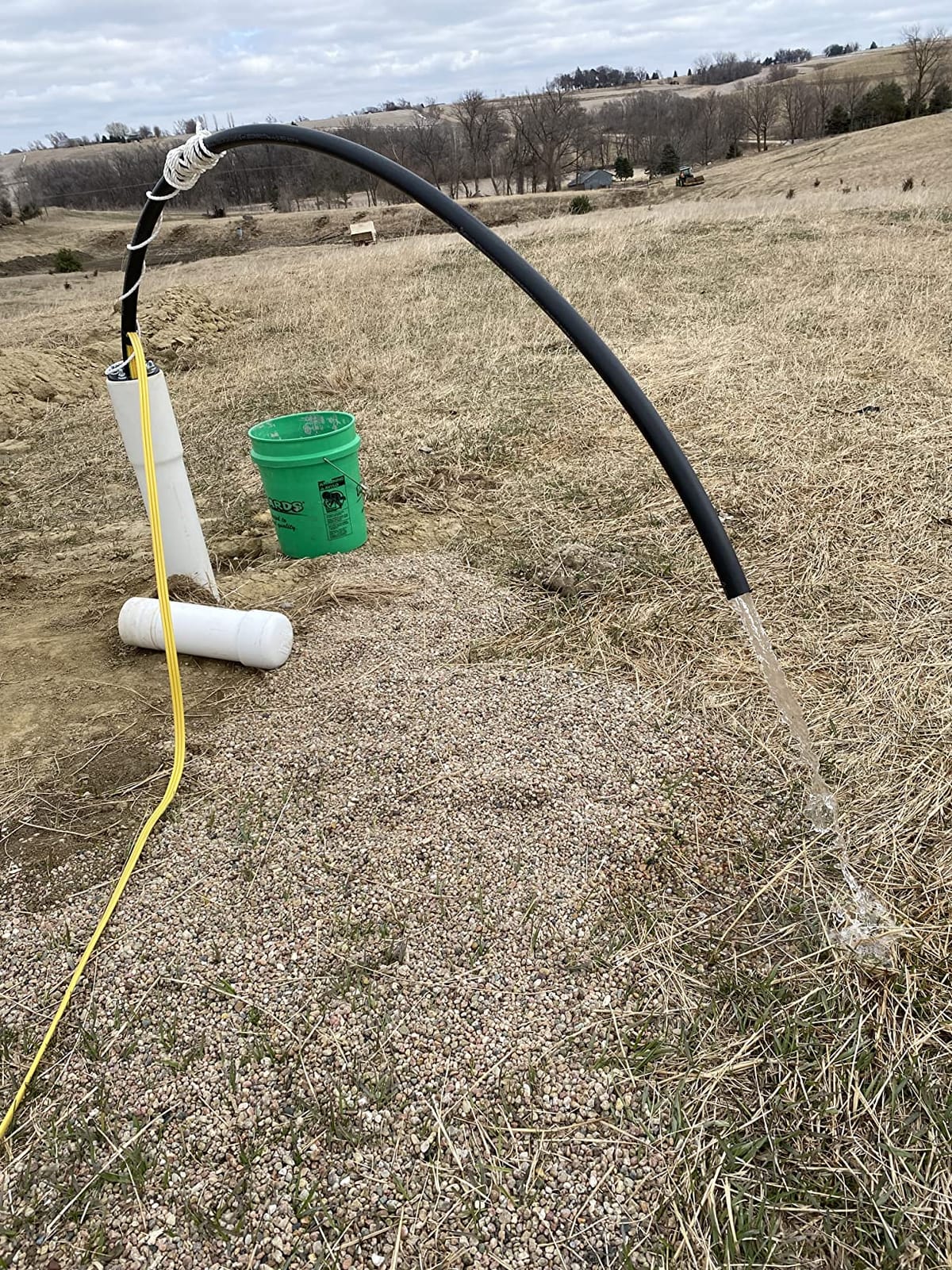
What the 393 ft rating actually means
That figure is total dynamic head at zero flow, not a promise of 7.9 GPM at 393 ft. The two numbers trade against each other along the pump curve, so at high lift the flow falls substantially.
It does mean the pump will not deadhead and burn out at your well depth. The deeper your casing, the more the available flow drops, and the more panel wattage you need per gallon.
When 48V is worth the extra wiring
48V systems carry current at half the voltage of 24V for the same power, which means thinner cable and lower line loss over the long run from panel to wellhead. On a wide homestead where the array is far from the casing, that saving is genuine.
If your well is shallow and close to the array, 24V is simpler and cheaper, and the performance gap mostly disappears. Choose 48V for depth and distance, not for output you are not using.
3. ZHFEISY 370W 24V Solar Submersible Pump – Best for High Flow on a Small Budget
370W 24V DC Solar Submersible Deep Well Pump, 8.8GPM Flow, 213FT Head, Solar Auto Circulating System, 1” Stainless Steel Water Pump for Irrigation, Home, Industrial, 10FT Copper Power Cord
370W 24V brushless copper motor
8.8 GPM at 213 ft max head
Built-in MPPT, no battery required
304 stainless steel with strainer
Pros
- Strong 370W pure copper brushless motor with a high-precision rotor
- Built-in MPPT auto-circulation runs it straight off panels
- 304 stainless steel body resists rust and corrosion
- Over- and under-pressure protection with automatic restart
- Compact 3 inch by 20 inch body fits narrow casings
Cons
- Only four reviews
- so long-term durability is largely unproven
- Strainer screen can clog in newly drilled wells with heavy sediment
- Small 10 ft cord limits placement without an extension
On paper this is one of the strongest flow figures in the whole group, with 8.8 GPM at a 213 ft head rating on 370 watts. The built-in MPPT solar auto-circulation system is the detail that separates it: it connects directly to panels in good conditions with no battery and no external controller, which is exactly the setup a new homestead install wants.
Specification-wise it is a deep well pump designed for 1 inch and larger wells, with a 304 stainless steel body and a stainless inlet strainer screen to filter debris. Over-pressure and under-pressure protection handles the pump and it restarts automatically once conditions normalise.
The problem is evidence, not hardware. Four reviews is a sample too small to establish anything about durability, and a high headline flow number on a thin review history is not a reason to bet your water supply on it. The 4.7 rating is encouraging rather than proven.
Owners do highlight the built-in MPPT circulation as the standout feature precisely because it removes the battery question in sunny conditions, and reviewers appreciate the stainless body and debris strainer. The caveat they raise is real: new wells producing granular sediment need an added gauze screen or the strainer clogs.
Why the built-in MPPT matters
A controller built into the pump means one less box to mount, wire and weatherproof. The pump simply tracks whatever the panel is producing and adjusts its speed to match.
The trade-off is that you lose the fine control a standalone controller gives you. There is no display, no float switch input as standard, and less room to add a battery later without changing how the system is wired.
Where the sample size bites
A pump that sits submerged season after season earns its reputation slowly, and four recent reviews do not get you there. Ask yourself whether you would be comfortable pulling this pump at 60 ft after two winters.
If you are buying for a garden or a backup cistern rather than a household main supply, the risk is smaller and the flow is genuinely useful. For a primary well pump, look for a longer review history at similar specs.
4. HYYKJ-US 370W 24V Stainless Steel Deep Well Solar Pump – Best Value
Stainless Steel Submersible Deep Well Solar Water Pump DC 24V 370W
370W 24V DC copper motor at 2850 RPM
8.8 GPM flow, 213 ft max lift
Polished stainless steel housing
Automatic overheat shutoff
Pros
- High-flow 8.8 GPM output from a 370W pure copper motor
- 213 ft max lift from a compact 3 inch by 20 inch body
- Polished stainless resists rust and corrosion
- Automatic overheat protection prevents motor damage
- Simple install: submerge
- connect and pump
Cons
- About 11 percent of ratings are one-star
- Hanging holes and filter need periodic attention in silty water
- Sold as pump outlet and manual only
- panel and controller sold separately
Eight point eight GPM at this power level is unusual, and the 213 ft rating means it can reach water in a properly drilled homestead well rather than only a shallow hand-dug one. The motor is a 0.37 kW pure copper DC unit spinning at 2850 RPM, and the whole thing weighs 10 pounds, which makes it easy to lower and retrieve on a rope.
With 102 reviews behind it, this is the pick with real evidence under the same spec sheet. Owners consistently credit the combination of stainless durability and flow for the money, and the narrow 3 inch diameter is repeatedly cited as the reason it fits in tight casings. Automatic thermal shutoff gets specific thanks for unattended solar duty.

The distribution is broad but positive, at 58 percent five-star. Criticism is mostly about build consistency across units and the fact that you buy the pump on its own. There is no panel and no controller in the box, which is fine if you already have an array and terrible if you do not.
The 4 inch body is rated for submersion to 131 feet, and the precision filter plus hanging holes need periodic attention if your water carries silt. Both are routine maintenance items, not faults, but they belong in your mental list before installation.
How it compares to the same-spec alternatives
There is at least one other 370W 24V pump in this group with an identical 8.8 GPM and 213 ft rating. The difference here is the review history and the polished stainless finish that wipes clean after a season in the water.
If you can get the same flow number and lift from a pump with a hundred reviews behind it, take that over one with four. It costs nothing extra and buys you a body of field reports.
What the missing pieces mean for installation
A bare pump means you are assembling the rest yourself: a panel sized to the pump, an MPPT controller with a matching voltage, and enough cable to reach your wellhead. That is a plus for people adding a second pump to an existing system.
It also means the responsibility for matching voltage lands on you. Buy the controller for the pump’s rating rather than the other way around, and use the largest wire gauge you can afford to keep line loss down.
5. ECO-WORTHY 12V 96W Submersible Well Pump – Best for Small Wells and Quiet Operation
ECO-WORTHY 12V DC Submersible Well Water Pump with 10ft Cable, Water Flow 1.6GPM, Max Lift 100ft/30m, 96W Deep Well Pump for Irrigation, farm, ranch, home
12V DC 96W pump with 10 ft cable
1.6 GPM flow, 100 ft max lift
Connects to a 200W panel or 12V battery
Quiet inline linear motor
Pros
- Quiet operation and over 100 psi at moderate lift in real installs
- Inline linear motor design is more reliable than cheaper 90 degree kink pumps
- Very easy to install with leads to panel controller or battery
- Works well for modest demand and off-grid backup duty
- 366 reviews confirm consistent real-world performance
Cons
- Thermal cutout trips often when run at high pressure
- Some owners report duty cycle degrading after 100-200 hours
- 4.09 inch diameter may not pass a side-saddle fitting
- Voltage drop over long cable runs needs heavy gauge wire
This is the most heavily reviewed pump in the group by a wide margin, and its feedback is unusually specific. Multiple owners with wells in the 30 to 100 ft range confirm strong output, which for a 1.6 GPM pump is a meaningful amount of water filling a livestock trough over an afternoon.
The inline linear motor layout is repeatedly praised for being quieter and more reliable than the cheaper 90 degree kink pumps it replaced. Owners with homes close to the well notice that difference first. At 6.3 pounds and 4.09 inches across, it also fits casings that reject bigger pumps.
Two negative themes dominate the reviews and both are actionable. The internal thermal cutoff cycles at high pressure, and running the pump at a lower operating point resolves it. The second is declining duty cycle after roughly 100 to 200 hours, which is why the installation advice matters so much here: use the largest wire gauge affordable, because low supply voltage is implicated in early failure.
Warranty response is reported as responsive when issues do arise. It also accepts tractor, lawn mower or car batteries, and the pre-drilled lifting hole above the pump means you pull it with rope and never by its wire.
Why the review count matters more than the spec sheet
When two pumps list the same flow and lift, the one with 366 owners describing their install is the safer bet. You inherit their fixes: wire gauge, operating pressure, battery type.
That is the difference between buying a pump and buying a pump plus a year of someone else’s troubleshooting. It is the main reason this is the pump we recommend most often for a small well.
Where the low-pressure ceiling shows up
Over 100 psi at moderate lift sounds impressive until you try to run a standard lawn sprinkler, which wants far more pressure than this pump delivers steadily. Troughs, drip lines and household pressure are its comfort zone.
If your plan involves irrigation that runs for hours, multiply your daily gallons requirement by the hours you want it done and check whether a 1.6 GPM pump can finish before the sun goes down.
6. ECO-WORTHY 24V 230ft Submersible Deep Well Pump – Best for Long Lifts on a Budget
ECO-WORTHY 24V Submersible Deep Well Water Pump with 10ft Cable 1.6GPM 4” 5A, Max Lift 230ft/70m, DC Pump/Alternative Energy Solar Battery Farm & Ranch Submersible Deep Well Pump
24V DC submersible pump, 1.6 GPM
230 ft max lift rating, 96W
200W panel or 24V battery operation
Fits 4-1/8 inch wells and larger
Pros
- Low-voltage DC design is cheaper and more reliable than 220V well pumps
- Verified to pump 300-600 gallons a day from one solar panel
- Handles 60-100 ft of head with steady low flow
- Manufacturer and seller support reported as responsive with free replacements
- Simple two-wire connection to panel controller or battery
Cons
- Thermal overload cycles above about 24 VDC without a buck converter
- Water intrusion into the motor housing is the most common failure report
- Very low pressure
- not suitable for lawn sprinklers
- Barb-style outlet can work loose under high head pressure
This is the deep-lift option for a homestead that needs to reach far down a casing but does not need volume. At 1.6 GPM with a 230 ft lift rating, it will pull from depths that stop most of the other pumps in this list, and it works in wells of 4-1/8 inch diameter and larger as well as in ponds and rivers.
Reviewers treat it as a dependable budget pump, and several note they abandoned 220V pumps for low-voltage units because they are cheaper and more reliable to run off a panel. Verified reports of 300 to 600 gallons a day from a single panel give you a realistic planning number for a small holding.
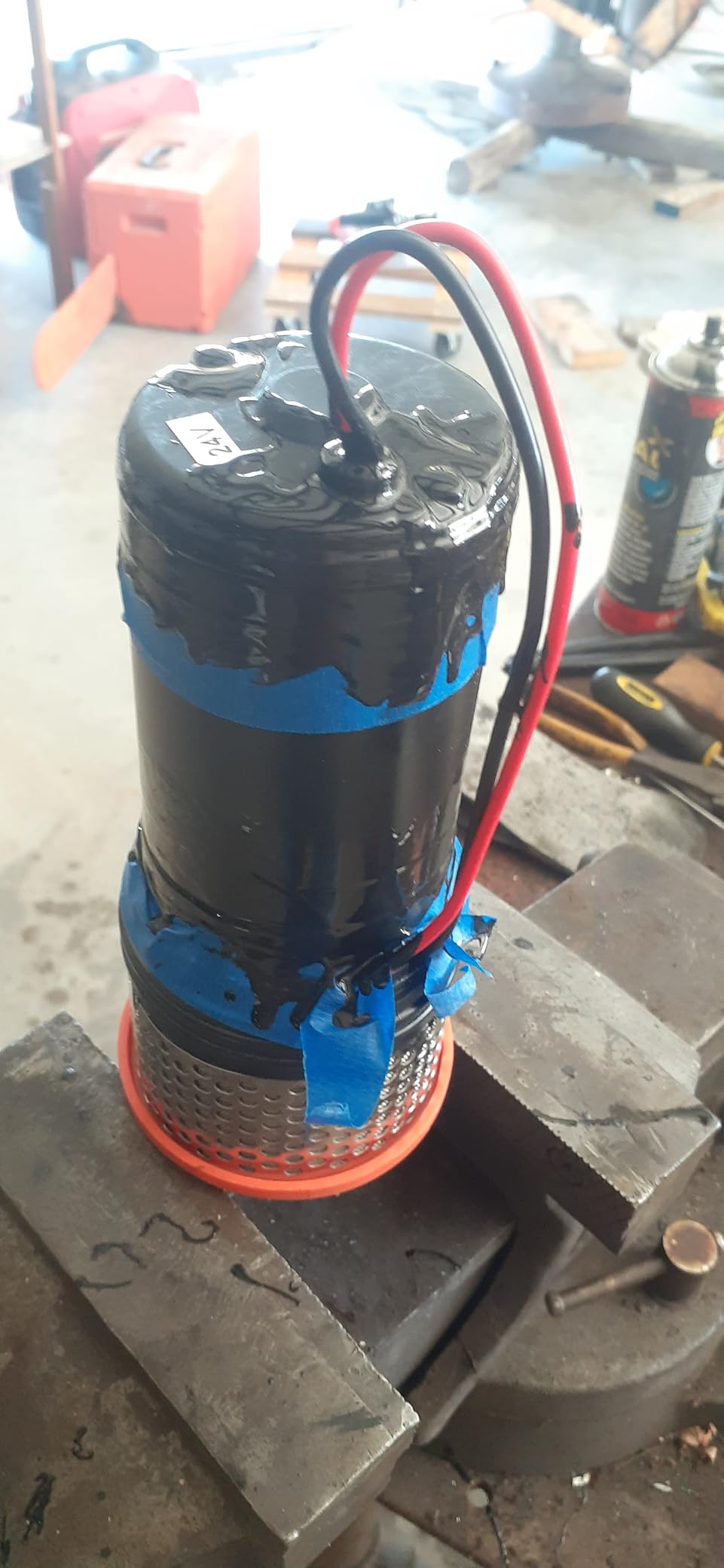
The most valuable finding across 148 reviews concerns voltage tolerance. The rated operating range is roughly 20 to 36 VDC, but above about 24 VDC the thermal overload begins cycling every few minutes. On a 24V battery bank that charges to around 28 VDC, owners who inserted a regulated 24V 20A DC-DC buck converter between controller and pump eliminated the cycling completely.
That single fix is the difference between this pump being useful and being returned. Water intrusion into the motor housing is the other recurring complaint, and one owner resolved a repeat failure by sealing the housing with Flex-Seal. Expect low pressure and size your irrigation accordingly.
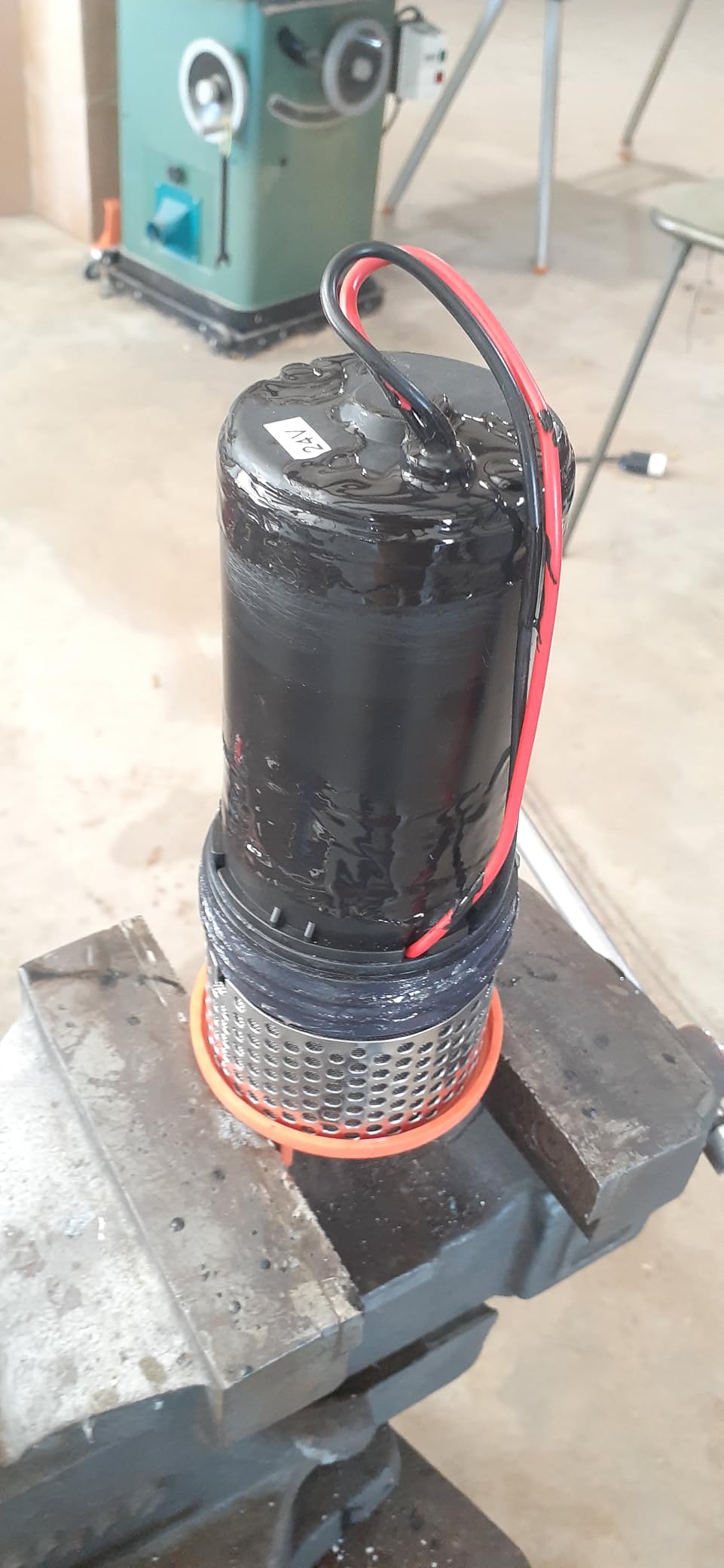
The buck converter question
If you run this pump straight off a panel, the controller regulates the voltage and the cycling problem largely stays out of the way. The moment you add a battery bank, the charging voltage climbs and the thermal overload starts cycling.
A regulated DC-DC converter is a small addition to the install that removes an entire failure mode. It is the single most useful piece of advice in this product’s review history.
What low pressure rules out
Trough filling, drip irrigation, garden watering and a remote cabin are all within reach. A lawn sprinkler, a washing machine and a household expecting 20 GPM are not.
Some owners also report the barb-style outlet working loose under sustained high head pressure, so clamp it. Warranty coverage past three months becomes technical support with parts charged, which is worth knowing before you commit.
7. ZYIY 12V 200W 3 Inch Bore Submersible Pump – Best for Transfer Duty
ZYIY 12V Deep Well Submersible Pump 200W DC Solar Power 3″ Bore Stainless Steel Submersible Deep Well Pump High Lift 131ft Pressure Well Water Pumps for Home,Industrial,Irrigation Use,1″ Outlet
12V 200W brushless submersible
131 ft max head rating, 1 inch outlet
3 inch bore stainless body
Oil-filled motor with copper wiring
Pros
- Compact 3 inch bore fits narrow wells and casing
- Stainless steel body with copper wire and oil-filled motor
- Useful lift for wells around 80 ft without a generator
- Lightweight and small enough to transport easily
- Runs acceptably from a single 12V panel and battery bank
Cons
- Draws close to 17 amps
- draining a battery bank faster than expected
- Real-world flow well below the advertised 10 GPM in some installs
- Several owners report failure within about six months
- Impeller quality described as low
The 3 inch bore and 15.7 inch frame mean this pump drops into tight casings that reject almost everything else here, and the lightweight stainless build makes it easy to move between a well, a pond and a remote pasture. The listed 131 ft head rating is enough for most hand-dug and shallow drilled wells.
Positive reviews focus on the lift-to-size ratio. Owners pull water from 80 ft wells without a generator, and the top threaded outlet accepts standard hose or pipe, which makes it convenient for pond transfer and tank filling as much as well work.
Feedback is sharply split, and the negative side raises two concrete engineering concerns. Multiple owners measure roughly 17 amps of draw, which empties a battery bank in about half an hour on an overcast day rather than the hours they expected. Second, the 10 GPM claim does not hold under measurement, with at least one owner timing under four gallons per minute.
Several reviews also report units failing within six months or less, and note that the impeller is adequate for transferring water rather than for real lift. Treat this as a portable transfer pump with lift capability, not as a high-flow well pump.
Reading the current draw before you buy batteries
A pump that pulls 17 amps on a 12V system is asking a lot of a small battery bank. Multiply that draw by the hours you want to run it and you can size the bank yourself before ordering.
If you plan to run it straight from panels with no battery, the draw matters less. The panel supplies what it can and the pump simply stops when the light drops.
Where the spec sheet and the reviews diverge
Advertised flow at zero head is not flow in your well. Every pump in this group lists its best number, and this one has the widest gap between that number and what owners actually measure.
Ask yourself whether the 131 ft rating is doing real work in your setup. If your well is 40 ft deep, you are leaving most of the specification unused and paying for head you do not need.
8. Siftary 750W 48V Solar Deep Well Pump – Best for Very Deep Wells
Solar Water Pumps 48V 750W DC, 3 inch Solar Deep Well Submersible Pumps with MPPT Controller, Max Head 492FT, 7.9GPM, Solar Water Pump 48V DC for Agricultural Irrigation, Farm Water Supply
750W 48V DC 3 inch submersible
492 ft max head at 7.9 GPM
16A MPPT controller with float switch
Dry-run sensor and LED status display
Pros
- Deepest lift specification in this comparison at 492 ft
- 16A MPPT controller adjusts output for cloud cover and changing light
- 304 stainless body with permanent magnet brushless motor
- Water shortage sensor and float switch for unattended operation
- LED display gives a real-time status readout
Cons
- Only two reviews
- so field reliability is essentially undocumented
- 48V system requires a large panel array and battery bank
- Category placement is inconsistent across marketplaces
With a 492 ft, 150 metre maximum head at 7.9 GPM on 750 watts, this is the deepest-lifting pump in the comparison by a clear margin. If your homestead well is a properly drilled deep well that nothing cheaper will reach, this is the specification that answers the problem.
The 16A MPPT controller is the piece that makes that head number usable in the field. It dynamically adjusts panel output for cloud cover and changing light rather than running at a fixed voltage, and the LED display shows real-time operating status. Dry-run sensing combined with a float switch means it can run the tank unattended without over-pumping a shallow well.
Both reviews available are positive, and that is genuinely all the evidence there is. Two reviews cannot tell you how a 750W pump holds up after three winters, and the review count is far below anything else here.
That is the honest framing: this is a specification-led pick. The 304 stainless body, quality bearings and permanent magnet brushless motor are the right components for a deep submersible, and the kit includes the MPPT controller, cables and installation accessories with a one-year free return policy.
Why 492 ft of head changes the power budget
Head is the single most expensive thing a pump has to overcome. Every foot of additional lift multiplies the energy needed to move the same gallon, and the power goes into pressure rather than flow.
Deep-lift systems also need thicker cable, heavier arrays and longer runs from panel to wellhead. The pump is the part you can read a spec sheet for; the rest of the system is where deep-well budgets actually go.
What two reviews can and cannot tell you
Two owners confirming a pump works tells you it works. It does not tell you how the flow curve holds at 300 ft, whether the controller stays cool, or how the bearings feel after a hard season.
If you buy this, buy it with a return window you are willing to use, and log flow and motor temperature through your first full season so you have data your supplier does not.
9. Tuhorse 370W Solar Submersible Kit – Best Complete Kit
Tuhorse 2″ 370W Solar Submersible Deep Well Pump with 200 Watts(2x 100W) Solar Panel, 100 feet 12 Gauge Electric Cable, Complete Kit
370W 2 inch submersible with 2x 100W panels
100 ft of 12 gauge cable included
6 GPM at 10 ft tapering to 1.7 GPM at 100 ft
Soft-start control box
Pros
- Complete kit with pump
- two panels
- control box and 100 ft of 12 gauge cable
- Published flow curve at each head depth makes sizing predictable
- Soft-start control box with 3-phase AC output protects the motor
- 304 stainless steel pump and motor enclosure
- Lightweight 8.5 lb pump that is easy to lower
Cons
- Only one review exists
- so field performance history is almost absent
- Highest price in this comparison
- The 100 ft cable and two panels may be overkill for a shallow well
- Sold as a fixed bundle that cannot be adjusted
Everything arrives in one box: the pump, two 100W A-grade panels, a control box and 100 feet of 12 gauge three-conductor submersible cable. The 2 inch pump fits a 2-1/2 inch ID well or larger and discharges through a 1/2 inch NPTF fitting, and the whole pump weighs 8.5 pounds, which makes lowering it into a casing a one-person job.
What makes this kit worth reading carefully is the published flow curve. Based on six hours of peak sun, it gives 6 GPM at 10 ft, 5.3 at 30 ft, 4.3 at 60 ft, 3 at 90 ft and 1.7 at 100 ft, with daily production estimated between 612 and 2160 gallons. That is the kind of transparency that lets you size the pump to your well before you buy it rather than after.
The control box takes DC input and produces three-phase AC output with soft starting, which protects the motor on startup and lets the permanent magnet brushless motor run at variable speed. The pump and motor enclosures are 304 stainless steel, and spare parts are listed as available for two years.
A single five-star review is the entire evidence base, so the rating says very little about reliability. Judge the bundle cost against assembling the same components separately, and note that the fixed bundle means you cannot change the panel or cable quantity if your well turns out to be shallow.
Why a published flow curve changes the conversation
Most sellers quote a single flow number that is measured at zero head. A curve tells you what you get at your actual depth, which is the number your water bill and your herd size depend on.
Use the 6 hours of peak sun assumption as your planning baseline rather than an optimistic one. Multiply the curve figure at your depth by six and you have a realistic daily gallon estimate.
When the fixed bundle works against you
If your well is 30 ft deep, two 100W panels and 100 ft of cable are more than the job needs, and you are carrying the difference forever. Bundles make sense when the extras are close to what you would have bought anyway.
They also make sense when you want a working system on a weekend. Nobody wants to learn MPPT charging profiles while holding a pump at the bottom of a casing.
10. FXEIPOL 210W Solar Submersible Pump with Control Box – Best for Unattended Operation
FXEIPOL Deep Well Submersible Pump, 3″ 362.47Ft Head Solar Pump, 396.26 Gal/H Flow Stainless Steel Well Pump with Control Box, Deep Well Water Pump for Farmland Irrigation, Breeding Water
210W brushless DC pump, 396 Gal/h
Automatic control box included
Solar primary with battery backup
Stainless steel and aluminum body
Pros
- Control box enables fully automatic daytime operation without supervision
- Stainless steel and aluminum polished body resists corrosion and wear
- Dual power supply runs solar first with battery backup for cloudy periods and night
- 210W brushless DC motor with a 0.75 inch spout
- Installer reports confirm good performance on deep wells
Cons
- Only one review
- so long-term durability is unverified
- Head rating conflicts between the listing title and the feature description
- 0.75 inch spout limits flow relative to 1 inch outlet pumps
- Flow suits smaller plots rather than large acreage
The control box is the whole argument here. It runs the pump automatically when the sun comes up and stops it when it goes down, which means a trough or a garden bed fills without anyone driving out to check on it. The box includes an English manual and tapes in the box alongside the pump itself.
The dual power supply is unusual in this category. Solar runs it as primary with battery backup for cloudy days and night operation, which gives you something the pure panel-fed pumps here cannot do without adding a separate bank and controller yourself.
The single review came from an irrigation installer, and it is informative rather than promotional. They report the pump handling deep wells with strong flow across a good amount of acreage and specifically call out the control box as reliable.
There is one thing to settle before ordering. The listing headline claims 362.47 ft of head while the feature description states 262.47 ft maximum head, and that 100 ft gap matters enormously for a deep well. Confirm the true lift rating with the seller in writing.
Automatic versus float-switch control
A dedicated control box handles the sunrise-to-sunset logic for you. A float switch does the same job but depends on the pump stopping when the tank is full, which relies on the pump’s own head behaviour.
Both work. The control box approach is more predictable when the tank level and the well level are doing different things on a dry week.
Sizing around a 0.75 inch spout
At 396 Gal/h, roughly 6.6 GPM, this pump covers a small property well. The narrower spout is the flow bottleneck, so an irrigation zone of any size takes a few hours rather than minutes.
Pair it with a manifold and zones rather than a single wide lawn run, and it will comfortably cover gardens, small plots and livestock watering.
Questions to ask the seller
Get the real maximum head in writing before the pump is ordered, because the listing gives two numbers 100 ft apart and you cannot verify which is right from a photograph.
Ask what the control box does when the battery bank is empty, and whether the pump has any dry-run protection beyond the tank level sensor.
11. Josbuynls 370W 24V Solar Screw Deep Well Pump – Best for Irrigation Setups
Solar Water Pump Deep Well, DC 24V 370W Stainless Steel Screw Pump 213ft Lift 2850 RPM Flow Deep Well Submersible Solar Water Pump Farm Ranch Irrigation Pump Kit
370W 24V pure copper motor at 2850 RPM
213 ft max lift, 2000 L/h flow
0.5 HP rated to 131 ft submersion
2.76 inch by 21.46 inch body
Pros
- Polished stainless steel body resists cracking and wear over time
- 0.37 kW pure copper DC motor at 2850 RPM for strong pumping performance
- 213 ft maximum lift suits irrigation
- landscaping and washing
- Compact 2.76 inch by 21.46 inch body fits narrow casings
- Rated for submersion to 131 ft in streams
- lakes and deep wells
Cons
- Only four reviews and no detailed customer text to analyse
- Kit includes pump
- outlet and manual only
- panel and controller sold separately
- Long narrow 21.46 inch body needs adequate casing depth
At 2000 L/h, or about 5.3 GPM, with a 213 ft maximum lift on 0.5 horsepower, this sits in the useful middle of the range. It will run drip zones and light irrigation on a real homestead, and the 2.76 inch diameter fits narrow casings that rule out almost every other high-lift pump here.
The motor is a 0.37 kW pure copper DC unit running to 2850 RPM, in a polished stainless steel body designed to resist cracking and ageing. Rated submersion to 131.23 feet, it works in streams, lakes and deep wells, which makes it a genuine transfer and lift pump rather than a well-only unit.
The honest limit is evidence. There are four reviews and no written customer text to draw on, so treat this as a specification-led choice rather than an experience-led one. The 5.0 rating across four reviews tells you very little.
One detail worth weighing: the kit contains the pump, an outlet and a manual, with the panel and controller sold separately. The silver 2.76 by 21.46 inch body stores easily in a truck bed, but a long narrow pump does need enough casing depth below the drawdown point to sit fully submerged.
Where 5.3 GPM changes your irrigation plan
Between the sub-2 GPM budget pumps and the 8.8 GPM heavy hitters, this is the flow that covers a market garden or a small field without an enormous array. A drip zone running an hour uses a manageable share of a day’s output.
It is also the flow that keeps a livestock trough topped up through a hot afternoon without the pump cycling on and off all day.
Buying a bare pump versus a bundle
Buying the pump alone gives you freedom to pair it with an array and controller you already own, or to size both to your own well. The trade is that you own the whole design decision.
If you are starting from nothing, a bundle removes the guesswork. If you are adding a second pump to an existing solar install, a bare pump is often the more sensible purchase.
12. DRRSBRP 12V 180W Submersible Deep Well Pump – Budget Pick
12V Submersible Deep Well Pump 180W, Stainless Steel 4.4GPM 98ft Lift Solar Powered, Pure Copper Motor IP68 for Farm Ranch Garden Irrigation Livestock Pond River, 55ft Electric Cord
12V 180W submersible pump
4.4 GPM flow at 98 ft lift
Pure copper motor with IP68 sealing
55 ft cable with lifting rings
Pros
- Entry-level pricing while still offering 4.4 GPM and 98 ft of lift
- Pure copper motor with IP68 sealing for water ingress protection
- Long 55 ft power cable with lifting rings included for deep well setups
- Stainless steel and copper construction
- Suited to ponds
- rain barrels
- canals
- gardens and farms
Cons
- Only four reviews
- all recent
- so reliability history is thin
- Listed as corded electric rather than explicitly solar
- Stainless steel at this price point may not match heavier pumps
- No written customer review text to analyse
Four point four GPM at 98 ft of lift is a useful set of numbers for a first solar pump, and this is the entry-level way to get them. The pure copper motor carries IP68 sealing for water ingress protection, which is the single feature that matters most for a pump living submerged.
The 55 ft power cable with lifting rings is more generous than most pumps at this level, where a 10 ft lead is common. That length is enough for a shallow well or a pond, drum or barrel setup without you immediately buying extensions.
It is listed for clear water applications: ponds, rain barrels, lakes, canals, reservoirs, gardens, lawns, farms and residential supply. At 8.9 pounds it is light enough to move between locations without a second person.
The caveats are real. Four recent reviews with no written text means the assessment rests on specifications, and the power source is listed as corded electric rather than explicitly solar, so confirm compatibility with your panel and controller before you commit.
Confirming the power source before ordering
A 12V DC pump fed by a panel with an appropriate controller is straightforward, but a listing that says corded electric leaves room for doubt about what the manufacturer expects on the input side.
Ask for the operating voltage range, then match it to your controller’s output. A mismatch between the two is the difference between a pump that runs and one that trips its protection.
Where a budget pump earns its place
Supplemental duties are where this class of pump makes sense: filling a livestock trough from a pond, keeping a garden alive through a dry spell, or backing up a main well during a repair.
For a primary household supply, the thin review history is a reason to look one tier up. For a seasonal job, it is a very reasonable way to start.
Solar Well Pump Buying Guide: Sizing Your System
Sizing a solar well pump is four numbers, and once you have them the choice between these twelve gets easy. The mistakes we see repeatedly are picking a pump on flow alone and discovering the head problem at the wellhead, or picking a pump that meets the demand but needs more panel than the site can support.
Step 1: work out your total dynamic head
Total dynamic head is the total pressure the pump must overcome, and it has three parts. Start with static lift, which is the vertical distance from the water table to the discharge point. Add drawdown, which is how far the water level falls while the pump is running. Then add friction loss in the pipe, check valve and fittings, plus any elevation change if you are pumping uphill to a tank.
Static lift is easy. Drawdown is not, and it is the number that catches people out on a permeable homestead well. A pump rated at 213 ft will happily run all day at 40 ft, and will produce almost nothing at 200 ft. Match the pump’s curve to your head at its operating point, not its headline number.
Step 2: count your daily gallons
Livestock dominate homestead demand. A cow in hot weather drinks far more than one in mild conditions, and a herd’s peak demand usually lands in the late afternoon, which is the worst possible time for a solar-only pump without storage. Chickens, goats and pigs use less per head but keep troughs topped up more often.
Add your garden next. Drip irrigation is dramatically more efficient than spray, and a market garden set up on drip will use a fraction of what the same footprint would take on a sprinkler. Household use is the smallest line of all, and it is the one most sensitive to pressure, so a 1.6 GPM pump can serve a household fine and still be unable to fill a stock tank in a reasonable window.
Then divide your daily total by your usable peak sun hours. A pump producing 1.6 GPM over six effective hours moves roughly 576 gallons a day in good conditions. Size the array for your real winter sun, not your best June afternoon.
Step 3: match panel wattage to the pump
Rough rule of thumb across this group: a low-voltage pump around 100 to 200W is comfortable with a single 200W panel, while the 48V units at 500W and 750W want several hundred watts each and a controller rated to match. The controller is not optional, and a PWM controller on a pump designed for MPPT will produce noticeably less water in the same sun.
Step 4: decide between a storage tank and batteries
A gravity-fed storage tank sized to your daily demand gives you a day of autonomy with no battery chemistry, no maintenance and no replacement schedule. It also works with a pump that only runs in daylight, which is the cheapest and most reliable arrangement available.
Batteries earn their place when you need water at night every night, or when you need pressure on demand rather than gravity. If you go that way, match the bank to the pump’s voltage, and use a regulator between the charge controller and any low-voltage pump whose thermal overload cycles under a charging voltage.
Limitations to know before you buy
No night pumping without storage. A pump that only runs when the panels are producing means zero water after sundown unless a tank is holding it, and pressure tanks only hold a fraction of what people expect.
Cloudy-day output drops, and multi-day overcast stretches are the real anxiety. On the r/SolarDIY forum, users planning cloudy-season autonomy recommend thinking in days of storage rather than hours.
There is no pump-down control on most of these pumps, so a well that cannot support the pump’s drawdown will simply run dry. The two pumps with water shortage sensors here are the exception worth paying up for on a shallow well.
Adding a second pump to an existing deep well is also more complicated than vendors suggest. On r/SolarDIY, experienced users warn against it unless the well has proven capacity and at least a 6 inch casing, because two pumps in the same casing fight each other.
Winterization and freeze protection
The pump itself is underwater and does not care about winter. Everything above ground does. Insulate and heat-trace the supply line between the wellhead and the tank, because a frozen line in January means no water and a repair in the worst conditions of the year.
Protect the controller box and any junction above the frost line, keep the panel clear of snow accumulation, and shut down or drain any exposed piping at a cabin that is unheated for weeks at a time. Forum threads on diysolarforum.com repeatedly raise winter operation questions, and the consistent answer is that freeze protection is plumbing work, not electrical work.
If you are also treating that water, run it through a whole house well water filter after the pressure tank, and size your seasonal pump duties against the same sunlight you sized the well pump against.
For anyone moving water around a property rather than out of a well, our guide to the best pool pumps tested and ranked covers the pump categories you would use for ponds and cistern transfer instead.
Frequently Asked Questions
Can you power a well pump with solar?
Yes, but only a DC pump designed for it. An AC well pump on a standard 220V circuit needs an inverter and a large battery bank to run at all. A DC solar well pump runs directly from photovoltaic panels through an MPPT controller, which matches the panel’s output to the motor and pumps during daylight hours only.
What are the disadvantages of a solar water pump?
Four things stand out. There is no night pumping without a storage tank, since most units stop when the sun goes down. Cloudy days reduce output, and a multi-day overcast stretch can leave you short. Most have no pump-down control, so they will run a shallow well dry. And the low-volume models produce roughly 1.6 GPM, which suits drip and troughs but not lawn sprinklers or whole-house demand.
Are solar well pumps any good?
For livestock watering, drip irrigation, garden use and remote water supply, yes. The DC pumps here run quietly, use stainless steel bodies, and the reviewed models have service lives measured in seasons rather than months. The limitation is flow, not reliability. If your demand is under a few hundred gallons a day, a 1.6 GPM pump is genuinely sufficient.
How deep can a solar well pump go?
It depends on the model and the wiring. Units in this comparison are rated from 98 ft up to 492 ft of maximum head. Remember that max head is measured at zero flow, so real output falls as depth increases. Match the pump curve to your actual static lift plus drawdown, and confirm the pump diameter fits your well casing.
How many solar panels do you need to run a well pump?
A low-voltage pump around 100 to 200W is comfortable with a single 200W panel. The 500W and 750W 48V units in this group need several hundred watts each and a matching MPPT controller. Head matters enormously, because every extra foot of lift multiplies the energy needed per gallon. Size for your worst winter sun rather than your best June afternoon.
Do solar well pumps need batteries?
Usually not. The standard arrangement is panels, MPPT controller, pump and a storage tank, with gravity or a small booster pump delivering water on demand. Batteries become worth adding when you need water at night every night or when you need pressure rather than gravity flow. Note that a pressure tank is not a substitute, since a 60 gallon pressure tank holds only about 30 to 40 usable gallons.
How do I calculate the size of a solar well pump for my system?
Add up daily demand from livestock, garden and household, divide by your usable peak sun hours to get the flow rate you need, and add static lift plus drawdown plus pipe friction to get your total dynamic head. Then pick a pump whose curve delivers that flow at that head, and size the panel array to the pump’s wattage at your real winter sun.
The Verdict for Your Homestead
Start with the ECO-WORTHY 100W kit if you want a working system this weekend and your demand is modest. Step up to the JENENSERIES 500W if your well is deep and you want dry-run protection and an LED you can read from the truck, and take the HYYKJ-US 370W when you want 8.8 GPM with a hundred reviews behind it.
Whichever one you choose, size the head before the flow, size the panels for winter, and buy the storage tank in the same order. That is the whole difference between a solar well pump that works year-round and one that works in August. As we noted in our solar buying guide, the cheapest component in a system is rarely the one that limits it.
We update this roundup through 2026 and revisit the ratings as review histories grow, because the five pumps here with the thinnest evidence are exactly the ones most likely to change position.