
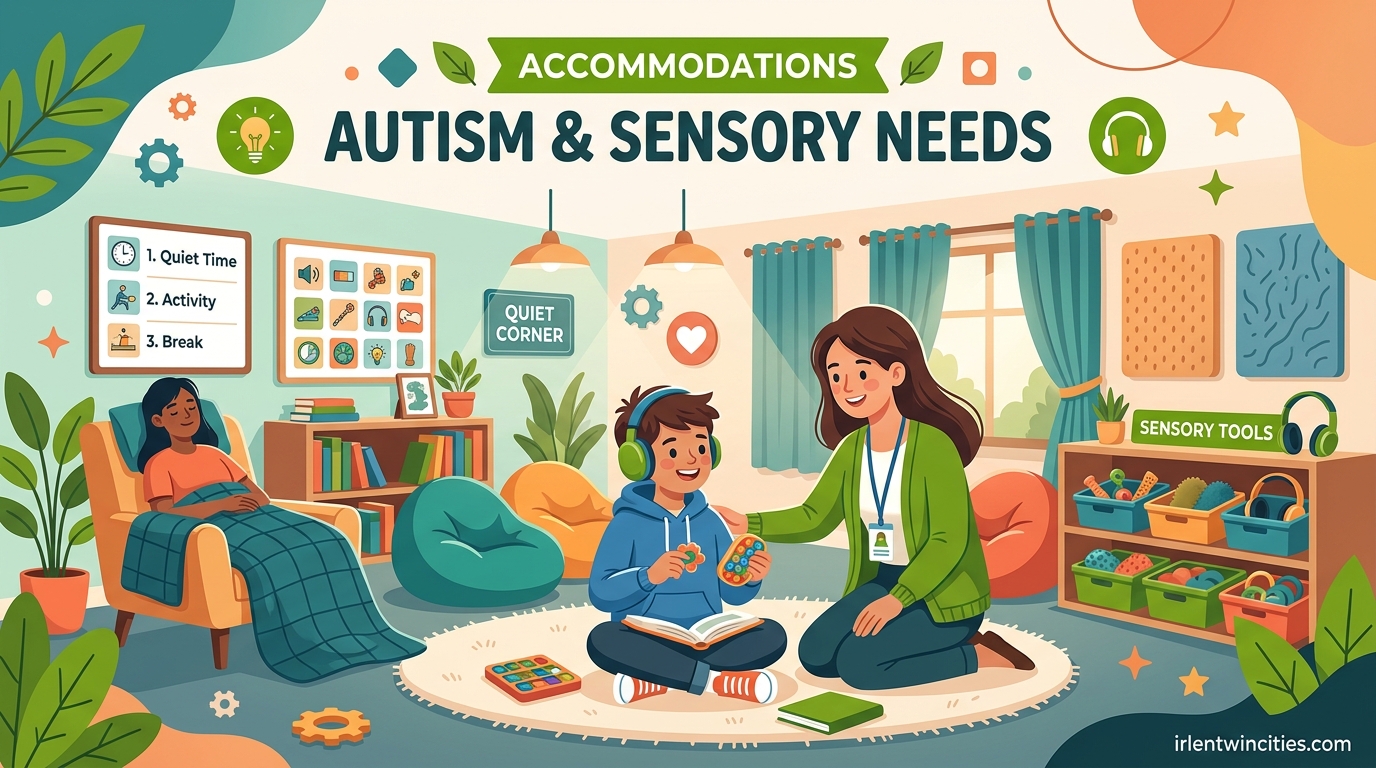
Navigating the school system as a parent of an autistic child can feel overwhelming. You want your child to succeed, but you may not know what supports are available or how to request them. 504 accommodations for autism and sensory needs provide a legal framework that ensures your child receives the tools they need to access education on equal terms with their peers.
In this guide, I will walk you through everything you need to know about Section 504 plans. You will learn what accommodations are available, how to request them, and strategies to ensure they are actually implemented in your child’s classroom. Whether you are just starting the 504 process or looking to improve an existing plan, this information will help you advocate effectively for your child.
Table of Contents
What Is a 504 Plan?
A 504 plan is a formal document created under Section 504 of the Rehabilitation Act of 1973. This federal civil rights law prohibits discrimination against individuals with disabilities in programs that receive federal funding, including public schools.
Understanding Section 504 of the Rehabilitation Act
Section 504 requires schools to provide a Free Appropriate Public Education (FAPE) to students with disabilities. This is accomplished through reasonable accommodations that remove barriers to learning. Unlike special education services, 504 plans do not provide specialized instruction. Instead, they level the playing field by changing how the student accesses the general education curriculum.
The law covers any student who has a physical or mental impairment that substantially limits one or more major life activities. For autistic students, this often includes major life activities such as learning, concentrating, communicating, and social interaction. Schools must evaluate students who are suspected of needing accommodations, even if the parent has not formally requested an evaluation.
Who Qualifies for a 504 Plan?
Students with autism spectrum disorder qualify for 504 plans when their condition substantially impacts their ability to learn in a traditional classroom setting. This includes students with sensory processing disorder, even if they do not have an official autism diagnosis. Many parents ask, “Can you get a 504 for sensory processing disorder?” The answer is yes. Sensory processing challenges can qualify as a disability under Section 504 when they significantly affect learning.
A 504 plan may be appropriate when your child needs accommodations to access education but does not require the intensive special education services provided through an Individualized Education Program (IEP). Students who are academically performing at grade level but struggle with sensory issues, social interactions, or executive functioning may benefit most from a 504 plan.
504 Plan vs IEP: Key Differences
Understanding the difference between a 504 plan and an IEP helps you choose the right path for your child. An IEP falls under the Individuals with Disabilities Education Act (IDEA) and provides specialized instruction through special education services. A 504 plan falls under civil rights law and provides accommodations for students to access the general education curriculum.
Here are the key differences parents should understand:
- IEP: Requires a child to have one of 13 specific disability categories and need specialized instruction. Services are individualized and may include pull-out support from special education teachers.
- 504 Plan: Covers any disability that substantially limits a major life activity. Provides accommodations, not specialized instruction. Students remain in general education classrooms with support.
- Evaluation Process: IEPs require comprehensive evaluations by a team including special education professionals. 504 evaluations can be less formal but must identify the accommodations needed.
- Review Requirements: IEPs must be reviewed annually with formal meetings. 504 plans should be reviewed periodically, typically annually, though the process is less rigid.
Some students benefit from starting with a 504 plan and transitioning to an IEP later if their needs become more complex. Other students may have both documents simultaneously, though this is less common. The right choice depends on your child’s specific needs and the level of support required.
504 Accommodations for Autism and Sensory Needs
When parents ask what 504 accommodations for autism are available, they often receive vague answers. This section breaks down specific accommodations by category so you can identify which supports would help your child most. These accommodations address the unique sensory, behavioral, and learning needs that autistic students experience in school settings.
Environmental Modifications
The physical classroom environment can either support or hinder an autistic student’s ability to learn. Environmental modifications change the space to reduce sensory overload and create a more accessible learning environment.
Consider requesting these environmental accommodations:
- Preferential seating: Seat your child away from distractions like doors, windows, buzzing lights, and high-traffic areas. Front-row seating helps with focus, while some students do better near the teacher’s desk for support.
- Alternative seating options: Allow use of wobble stools, exercise ball chairs, or standing desks. Some students benefit from a theraband around chair legs for sensory input while seated.
- Lighting adjustments: Seat the student away from fluorescent lights when possible. Some classrooms allow natural lighting or dimmer settings during independent work time.
- Reduced visual clutter: Minimize decorations on the student’s desk or in their immediate work area. Visual clutter can be as distracting as noise for some autistic students.
- Access to a calming corner: Designate a specific area in the classroom or nearby where the student can take breaks when feeling overwhelmed.
One parent shared that moving her son to a seat away from the classroom door “made an immediate difference in his ability to focus during independent work time.” Small environmental changes often have significant impacts.
Sensory Tools and Supports
Sensory tools help students regulate their sensory systems while remaining in the classroom. These accommodations acknowledge that autistic students often need additional sensory input or protection from overwhelming sensory experiences to concentrate on learning.
Effective sensory accommodations include:
- Noise cancelling headphones: Allow the student to wear headphones during independent work, tests, or when classroom noise becomes overwhelming. Specify that these can be used “whenever needed” rather than only during certain activities.
- Fidget tools: Permit the use of stress balls, fidget spinners, or other tactile tools during listening times. Some students benefit from having multiple fidget options available.
- Chewing accommodations: Allow gum, chewable jewelry, or other oral sensory tools if your child seeks oral input.
- Weighted lap pads or compression vests: These provide deep pressure input that many autistic students find calming. The 504 plan should specify when and how long these can be used.
- Sensory diet breaks: Scheduled breaks that provide specific sensory input the student needs, such as heavy work activities, stretching, or time in a sensory room.
A common concern parents express is whether these tools will make their child stand out. In practice, many teachers normalize fidget tools by making them available to all students. This reduces stigma while ensuring your child’s needs are met.
Movement and Break Accommodations
Many autistic students need movement to regulate their nervous systems and maintain focus. Movement breaks are not rewards for good behavior. They are necessary accommodations that prevent overwhelm and support sustained attention.
Request these movement-related accommodations:
- Scheduled movement breaks: Allow the student to take brief breaks every 20-30 minutes. These might include walking to the water fountain, doing wall push-ups, or using a swing in the occupational therapy room.
- Sensory room access: Permission to use the school’s sensory room or calm down area when feeling overwhelmed. Specify who will supervise and how the student requests this break.
- Brain breaks: Short, structured movement activities during transitions between subjects or after sitting for extended periods.
- Permission to stand: Allow the student to stand at their desk or move around the classroom perimeter during lessons as long as they are not disruptive.
- Flexible bathroom breaks: Permit the student to use the bathroom whenever needed without raising their hand or asking permission, which can create anxiety.
Parents consistently report that movement breaks dramatically improve their child’s ability to stay regulated throughout the school day. One parent noted that after adding scheduled breaks, her daughter’s afternoon meltdowns decreased by half.
Classroom and Learning Accommodations
Beyond sensory supports, autistic students often need accommodations that change how instruction is delivered, how they demonstrate knowledge, and how they organize their work. These autism classroom accommodations address learning differences without changing the curriculum content.
Instructional Supports
Instructional accommodations change how teachers present information to make it more accessible for autistic learners. These supports help students process, understand, and retain classroom content.
Effective instructional accommodations include:
- Visual schedules: Provide daily or weekly visual schedules that help the student understand what is happening and when. This reduces anxiety about transitions and unexpected changes.
- Written instructions: Supplement verbal instructions with written directions or visual checklists. Many autistic students process written information more effectively than auditory input.
- Advance notice of changes: Alert the student in advance when the daily routine will change, such as assemblies, substitute teachers, or fire drills.
- Breaking assignments into chunks: Divide large projects or multi-step assignments into smaller, manageable parts with clear deadlines for each component.
- Nonverbal signals: Establish a signal system between teacher and student for needs like “I need a break” or “I don’t understand” without requiring the student to speak up in front of peers.
Visual supports are particularly powerful for autistic students. A picture schedule or written checklist often eliminates the need for constant teacher reminders and builds the student’s independence.
Testing and Assignment Accommodations
Testing accommodations ensure that assessments measure what the student knows, not how their autism affects their test-taking ability. These accommodations are among the most commonly requested and granted in 504 plans.
Consider these testing and assignment accommodations:
- Extended time: Provide 50% extra time or double time on tests and quizzes. This is one of the most commonly granted accommodations for autistic students.
- Quiet testing location: Allow the student to take tests in a separate room, library, or quiet area away from the regular classroom.
- Reduced distraction environment: Test in a small group setting or with dividers between desks to limit visual distractions.
- Breaks during testing: Permit the student to take short breaks during long tests to regulate and refocus.
- Alternative formats: Allow oral responses, use of a word processor, or speech-to-text software for written assignments and tests.
- Chunking long assignments: Break tests into sections administered over multiple days or class periods.
Parents report that extended time and quiet testing environments make the biggest difference for their children. One parent shared that after receiving these accommodations, her son’s test scores improved by 23% because he was no longer rushing due to anxiety.
Organization and Executive Functioning Support
Many autistic students struggle with executive functioning skills like organization, planning, and time management. These accommodations provide external supports that compensate for these challenges.
Helpful organization accommodations include:
- Graphic organizers: Provide templates for organizing thoughts before writing or breaking down complex tasks.
- Assignment notebooks or planners: Use a consistent system for tracking homework and long-term projects. Some students benefit from teacher-initiated planner checks.
- Extra set of textbooks: Keep a second set of books at home to eliminate the need to remember to bring materials back and forth.
- Organizational check-ins: Brief daily or weekly meetings with a teacher or support staff to review organization systems and upcoming assignments.
- Written homework instructions: Provide clear, written directions for homework rather than verbal instructions that may be forgotten.
- Prioritization support: Help the student identify which assignments are most important when multiple tasks are due.
These accommodations often benefit the entire classroom. When teachers post written assignment directions, all students have a reference to check rather than asking repeated questions.
Behavioral and Social Interaction Supports
Social situations and emotional regulation present significant challenges for many autistic students. These accommodations address behavioral support, social skills development, and self-regulation strategies.
Self-Regulation and Emotional Support
Autistic students often need explicit support to develop self-regulation skills. These accommodations provide tools and strategies for managing emotions and returning to a calm, ready-to-learn state.
Key self-regulation accommodations include:
- Break cards: Allow the student to use a card or signal to request a break when feeling overwhelmed without needing to explain verbally.
- Calming strategies instruction: Teach specific techniques the student can use when dysregulated, such as deep breathing, counting, or progressive muscle relaxation.
- Access to calming tools: Permit the student to keep personal calming items at their desk, such as a favorite small object, stress ball, or textured item.
- Soft start arrival: Allow a flexible arrival window of 5-10 minutes to reduce morning transition stress. The student can arrive when the hallway is less crowded.
- Warning before transitions: Provide advance notice before activities end or locations change. Some students need 5-10 minute warnings to prepare mentally.
The break card system is particularly effective. It gives the student autonomy to recognize their own needs and take appropriate action before escalation occurs.
Social Skills and Communication Accommodations
Social interactions can be a major source of stress for autistic students. These accommodations provide supports that make social situations more predictable and manageable.
Consider these social interaction supports:
- Peer buddy system: Assign a peer partner for group work, transitions, or lunch to reduce social anxiety.
- Social stories: Provide written or visual explanations of social situations, routines, or expected behaviors for new or challenging situations.
- Communication supports: Allow alternative communication methods when verbal speech is difficult, such as writing, using a communication device, or gesturing.
- Role-playing opportunities: Provide structured practice for social situations the student finds challenging, such as asking for help or joining a group activity.
- Structured recess or lunch support: Offer organized activities during unstructured times or a quiet alternative to the cafeteria or playground.
Social stories are especially helpful for preparing students for events like field trips, fire drills, or substitute teachers. Knowing what to expect reduces anxiety significantly.
Transition Support
Transitions between activities, locations, or grade levels are often particularly difficult for autistic students. These accommodations address the specific challenges transitions present.
Helpful transition accommodations include:
- Advance warning system: Use timers, verbal countdowns, or visual signals to prepare the student for upcoming transitions.
- Transition objects: Allow the student to carry a specific object during transitions between classes or activities to provide continuity and comfort.
- Early dismissal from class: Permit the student to leave class 2-3 minutes early to avoid crowded hallways during transitions.
- Transition buddy: Pair the student with a peer or staff member who walks with them during transitions.
- Safe person identification: Identify specific staff members the student can seek out when feeling overwhelmed or needing support.
Parents consistently report that transition support prevents many meltdowns. One parent shared that allowing her son to leave class two minutes early “eliminated the daily hallway overwhelm that used to derail his entire afternoon.”
How to Request and Implement a 504 Plan
Understanding what accommodations your child needs is only the first step. The 504 evaluation process can feel intimidating, especially for parents who are new to special education systems. This step-by-step guide will help you navigate the process with confidence.
Step 1: Request a 504 Evaluation
The first step is submitting a written request for a 504 evaluation. While verbal requests can start the conversation, a written request creates documentation and triggers specific timelines the school must follow.
Write a letter or email to the school’s 504 coordinator, principal, or special education director. Include your child’s name, your concerns about their educational needs, and a clear request for a 504 evaluation. Mention any diagnoses your child has and specific challenges you have observed at school. Keep a copy of your request with the date sent.
Once the school receives your written request, they must respond within a reasonable timeframe, typically 30-45 days. They cannot refuse to evaluate your child without providing specific reasons in writing. If the school denies your request, they must inform you of your right to appeal.
Step 2: Prepare for the 504 Team Meeting
The 504 team meeting is where accommodations are discussed and decided. Proper preparation helps you advocate effectively and ensures your child’s needs are accurately represented.
Before the meeting, gather these documents:
- Medical or diagnostic records related to autism or sensory processing disorder
- Previous school records, report cards, or teacher observations
- Examples of homework or tests that show your child’s challenges
- Notes about specific incidents or patterns you have observed
- A list of accommodations you believe would help, organized by category
- Input from your child about what helps them at school
During the meeting, take notes about what is discussed and decided. Ask for clarification if you do not understand something. The team should include you, a teacher, an administrator, and someone who can interpret evaluation data. You may bring an advocate or support person if you wish.
Ask specific questions about how accommodations will be implemented. Who will be responsible for providing each accommodation? How will substitute teachers be informed? What happens if an accommodation is not working? Getting these details in writing prevents confusion later.
Step 3: Monitor and Review the Plan
A 504 plan is a living document that should change as your child’s needs change. Regular monitoring ensures accommodations are actually being provided and are effective.
Schedule check-in meetings with your child’s teacher every few weeks during the first months of the plan. Ask specific questions about which accommodations are being used and how they are working. Request adjustments if something is not effective.
Keep a log of any times accommodations are not provided. If the teacher forgets to give extended time on a test or denies a requested break, document the date and details. This documentation is important if you need to request a plan review or file a complaint.
504 plans should be reviewed at least annually, but you can request a review anytime. Many parents find that plans need adjustment after the first semester as everyone learns what works best. Do not hesitate to ask for a meeting if your child’s needs change or accommodations are not being followed.
Parent Advocacy Strategies That Work
Creating a 504 plan is only the beginning. Many parents find that getting accommodations written on paper is easier than ensuring they happen in the classroom every day. These advocacy strategies come from parents who have successfully navigated the system.
Build positive relationships with teachers from the start. Approach conversations collaboratively rather than confrontationally. Teachers are more likely to implement accommodations when they understand how they help and feel supported in providing them.
When accommodations are not being followed, document the issue first. Then request a conversation with the teacher to understand why. Sometimes teachers simply need reminders or clarification. If the problem continues, escalate to the 504 coordinator or administrator with your documentation.
Include your child in the process as appropriate for their age and abilities. Older students should understand their accommodations and advocate for themselves. One parent shared that teaching her son to say “My 504 plan allows me to use headphones” empowered him to speak up when he needed support.
Connect with other parents who have gone through the process. Online communities and local support groups provide valuable insights about what works in your specific school district. Hearing that another parent successfully requested a specific accommodation gives you confidence to ask for the same.
Remember that you know your child best. If an accommodation is not working or your child needs additional support, trust your instincts and request a plan review. The 504 process is designed to be flexible and responsive to your child’s changing needs.
Frequently Asked Questions
Can you get a 504 for sensory processing disorder?
Yes, students with sensory processing disorder can qualify for a 504 plan. SPD can qualify as a disability under Section 504 when it substantially limits major life activities such as learning, concentrating, or communicating. You will need documentation from a medical professional or occupational therapist showing how sensory issues impact your child’s ability to access education.
What are 504 accommodations for autism?
504 accommodations for autism include environmental modifications like preferential seating and reduced lighting, sensory supports such as noise cancelling headphones and fidget tools, learning accommodations including extended time and visual schedules, and social supports like peer buddies and break cards. The specific accommodations depend on your child’s individual needs and challenges.
What is the 10 second rule for autism?
The 10 second rule for autism refers to giving students approximately 10 seconds to process and respond to questions or instructions before repeating or rephrasing. This accommodation recognizes that autistic students often need additional processing time. Some students may need even longer, such as 30 seconds to a minute, depending on their individual processing speed.
What reasonable adjustments can I ask for autism?
Reasonable adjustments for autism in school include extended time on tests, quiet testing locations, sensory tools like fidgets and headphones, movement breaks, visual supports, preferential seating, flexible assignment deadlines, and communication accommodations. What is reasonable depends on your child’s specific needs and what removes barriers without fundamentally altering the curriculum.
Conclusion
504 accommodations for autism and sensory needs create a foundation for school success. When properly implemented, these supports remove barriers that prevent autistic students from accessing education while allowing them to learn alongside their peers. The accommodations you request should reflect your child’s unique sensory profile, learning style, and social-emotional needs.
Remember that you are your child’s most important advocate. Trust your knowledge of what helps your child thrive, and do not hesitate to request accommodations that address their specific challenges. The 504 process exists to ensure every child has equal access to education, and your persistence in securing appropriate accommodations makes a lasting difference in your child’s school experience.
If you are just beginning this journey, start by documenting your child’s needs and submitting a written request for evaluation. Connect with other parents who have walked this path. With the right accommodations in place, your child can focus on learning rather than struggling against an environment that was not designed for their needs.