
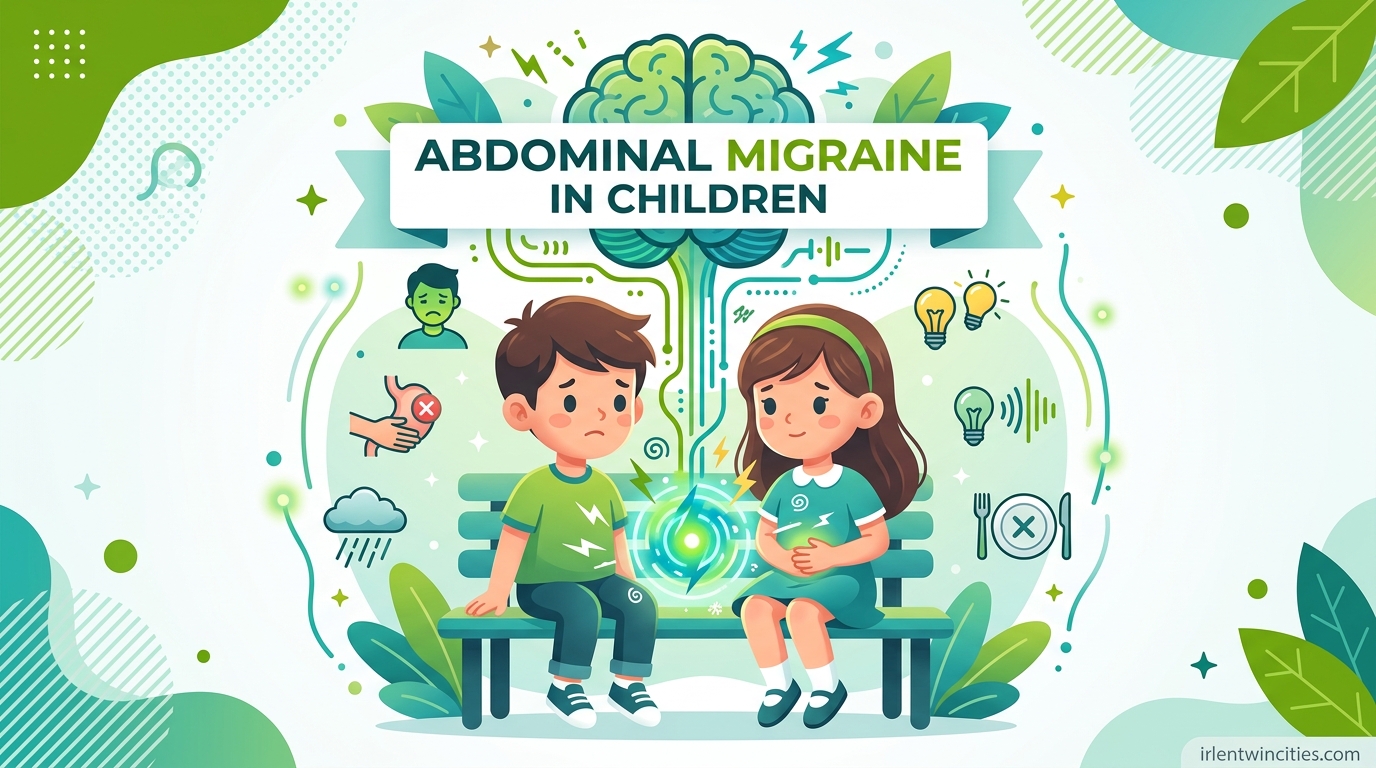
It’s 3 AM and your child is curled in a ball, clutching their stomach. This is the third time this month. You’ve been to the pediatrician twice, heard “it’s probably a stomach bug” or “maybe they’re anxious about school,” but something doesn’t feel right. You’re not imagining things, and you’re not alone.
Abdominal migraine in children affects 2-4% of school-aged kids, yet it takes an average of 2-4 years for most families to get a diagnosis. I’ve spoken with dozens of parents who’ve been exactly where you are—dismissed by doctors, confused by conflicting information, and worried sick about their child’s recurring pain. This guide will help you recognize what parents often miss about abdominal migraine, so you can advocate faster and more effectively for your child.
Table of Contents
What Is Abdominal Migraine in Children?
Abdominal migraine is a neurological condition that causes recurrent episodes of severe stomach pain in children, typically accompanied by nausea, vomiting, and pallor, without head pain. It’s not “just in their head” and it’s not attention-seeking behavior. This is a real medical condition that involves the same neurological mechanisms as migraine headaches—the pain just manifests in the abdomen instead of the head.
The condition most commonly affects children between ages 3-10, with the average onset around age 7. What makes abdominal migraine different from typical stomach issues is the pattern: episodes come and go, lasting anywhere from 2 to 72 hours, with complete recovery between attacks. Your child is fine one minute, doubled over in pain the next, and then back to normal once the episode passes.
Many parents tell me they felt something was “off” about their child’s stomach pain for months or years before anyone put the pieces together. One parent described it perfectly: “It looked like a stomach virus, but it kept happening at the same time each month. Always on weekends. Always in the early morning. That pattern was the clue everyone missed.”
What Parents Miss: 7 Early Warning Signs
After reviewing hundreds of parent experiences and medical cases, I’ve identified seven specific things that parents—and even doctors—often overlook when trying to identify abdominal migraine in children. These subtle patterns and early warning signs can help you recognize the condition much earlier.
1. The “Completely Fine Between Episodes” Pattern
This is the single biggest clue parents miss. With stomach viruses, food poisoning, or other gastrointestinal issues, there’s usually a gradual recovery period. Your child might eat less for a few days, seem tired, or have lingering symptoms. But with abdominal migraine, children return to 100% normal between episodes. They’re eating well, playing actively, and have zero symptoms. This dramatic on-off pattern is a hallmark of the condition.
2. Early Morning Timing
Many abdominal migraine episodes happen in the early morning hours, often waking the child from sleep. Parents tell stories of children waking up around 4-6 AM with pain, while the rest of the day they might be fine. This timing pattern is significant because it relates to sleep cycles and cortisol levels, but it’s easy to dismiss as “maybe they ate something bad yesterday.”
3. The Family History Connection
Abdominal migraine has a strong genetic component. If you or your partner have migraines (with or without headache), or if there’s a family history of migraine, your child’s risk increases significantly. One study found that 60-90% of children with abdominal migraine have a family history of migraine. Yet doctors rarely ask about this during initial stomach pain evaluations, and parents don’t always make the connection between their headaches and their child’s stomach pain.
4. Pallor and Behavior Changes Before Pain
Many children exhibit subtle warning signs before the pain hits. They might become unusually quiet, withdraw from activities, or their skin might look pale or grayish. Parents often notice “something just wasn’t right” in the hour before symptoms escalated. These prodromal symptoms are classic migraine features, but they’re easy to miss if you’re not looking for them.
5. Pain Centered Around the Belly Button
The location of the pain matters. Abdominal migraine typically causes midline pain centered around the navel (periumbilical pain). Children might point directly to their belly button when asked where it hurts. This is different from the lower abdominal pain of appendicitis or the burning pain of acid reflux. But many parents don’t realize the specific location is a diagnostic clue.
6. Absence of Fever and Diarrhea
What’s NOT there matters as much as what IS there. Abdominal migraine rarely causes fever, diarrhea, or respiratory symptoms. If your child has recurrent stomach pain but never runs a fever, never has diarrhea, and never has a runny nose or cough along with it, that’s a significant clue. Yet parents often focus on what IS happening (the pain, vomiting) rather than what ISN’T.
7. The “Not Quite Right” Parental Instinct
This one isn’t a symptom—it’s your gut feeling. Time and again, parents tell me they knew something more was going on, even when doctors suggested it might be anxiety, attention-seeking, or “just one of those things.” That instinct is usually right. One parent shared: “I was told I was making it up for attention. Discouraging how often I was told I was faking. But I knew my child, and I knew this wasn’t normal.”
Recognizing Abdominal Migraine in Children: A Complete Symptom Guide
Understanding the full spectrum of abdominal migraine symptoms can help you identify patterns and communicate more effectively with your child’s healthcare providers. The symptoms can vary by age, and younger children may express themselves differently than older children.
Core Symptoms
The hallmark symptom is moderate to severe abdominal pain, typically described as dull or aching rather than sharp or cramping. The pain is usually located in the midline, around the belly button area, and it’s intense enough to stop normal activities. Children might curl up, lie still, or want to be held during episodes.
Associated symptoms include nausea (present in up to 80% of cases), vomiting (occurring in about 70% of cases), and loss of appetite. You might notice your child refusing favorite foods or saying they feel “sick to their stomach” even before the pain becomes severe.
Visual and Behavioral Changes
Pallor (unusual paleness) is one of the most specific signs of abdominal migraine. Parents often describe their child looking “ghostly white” or “grayish” during episodes. Dark circles under the eyes may appear more prominent. These visual changes can be quite striking—one parent said her daughter “looked like she’d seen a ghost” during attacks.
Behavioral changes are common too. Children might become lethargic, withdrawn, or unusually irritable. Some want to be left alone in a dark, quiet room (similar to adult migraine behavior), while others become clingy and want to be held. Many children with abdominal migraine also experience sensitivity to light (photophobia) and sound (phonophobia), even if they can’t articulate these sensations.
Duration and Frequency Patterns
Episodes typically last between 2 and 72 hours, with most falling in the 4-12 hour range. The pain often builds gradually, peaks, and then gradually subsides. Between episodes, children are completely symptom-free, which is a key diagnostic feature.
Frequency varies widely. Some children experience episodes monthly, others weekly, and some have sporadic attacks every few months. Many parents notice patterns related to stress (school starting, exams, social events), sleep disruption, or hormonal changes in older children.
Age-Specific Presentations
Children ages 3-5 may have trouble articulating their symptoms. They might say their “tummy hurts” point to the belly button, cry inconsolably, or simply become very quiet and withdrawn. Vomiting is more common in this age group, and they may refuse to walk or want to be carried constantly.
Children ages 6-8 can usually describe their pain more specifically. They might compare it to something familiar (“it feels like someone’s squeezing my tummy”) and can point to the exact location. This age group often shows more obvious behavioral changes and may express fear about the episodes.
Children ages 9-12 might worry about missing school or activities and may try to “push through” symptoms. They’re more likely to notice patterns and triggers themselves. Some in this age group begin experiencing head pain along with or instead of abdominal pain, signaling a transition to classic migraine.
What Doesn’t Happen
It’s equally important to know what abdominal migraine doesn’t cause. Fever is rare (unless there’s a coincidental illness). Diarrhea is uncommon. Unlike gastrointestinal infections, there’s no contagious period—other family members don’t “catch” it. And unlike chronic conditions like inflammatory bowel disease, there’s no weight loss or growth failure. The absence of these “red flag” symptoms actually supports an abdominal migraine diagnosis.
Abdominal Migraine vs. Stomach Virus: What Every Parent Needs to Know
This is the confusion that delays diagnosis for countless families. Is it a stomach bug or something more? Let me break down the key differences that can help you distinguish between abdominal migraine and stomach viruses.
Pattern vs. Incident
A stomach virus is typically a one-time incident. Your child gets sick, recovers over several days, and that’s it—maybe they catch another bug months later, but each illness is separate. Abdominal migraine is about patterns—recurrent episodes that look similar each time and follow a predictable pattern over weeks or months. If you’re thinking “this feels familiar” or “we’ve been here before,” that pattern recognition is crucial.
Duration Differences
Stomach viruses usually cause symptoms that persist for days. Your child might feel unwell for 3-7 days with gradually improving symptoms. Abdominal migraine episodes are shorter—typically lasting hours, not days—and when they end, they end abruptly. One parent described it: “One minute she was curled in pain, the next she was asking for breakfast. That instant turnaround was unlike any stomach virus I’d ever seen.”
Fever: The Key Distinguisher
Stomach viruses almost always cause fever, at least for the first day or two. Abdominal migraine rarely does. If your child has had recurrent severe stomach pain but has NEVER had a fever with it, that’s a significant clue pointing away from infection and toward abdominal migraine.
Gastrointestinal Symptoms
Stomach viruses typically cause diarrhea, often along with vomiting. Abdominal migraine causes vomiting but rarely diarrhea. The absence of diarrhea in recurrent stomach pain episodes is another clue.
Contagion Factor
Stomach viruses spread through families. If your child is sick, chances are good that siblings, parents, or classmates will catch it too. Abdominal migraine is not contagious—it doesn’t spread to anyone else, no matter how close the contact. If you’ve had multiple “stomach bugs” that ONLY affect your child and never anyone else, that’s suspicious for abdominal migraine.
Recovery Pattern
After a stomach virus, children typically recover gradually over several days. They might eat less for a while, seem tired, or have mildly loose stools for a week. After an abdominal migraine episode, recovery is complete and rapid. Children bounce back to normal almost immediately, with no lingering symptoms or appetite issues.
Comparison Summary
| Feature | Abdominal Migraine | Stomach Virus |
|---|---|---|
| Pattern | Recurrent episodes over months | One-time illness |
| Duration | 2-72 hours per episode | 3-7 days of symptoms |
| Fever | Rarely | Commonly |
| Diarrhea | Rarely | Commonly |
| Contagious | No | Yes |
| Recovery | Complete and immediate | Gradual over days |
| Family history | Often positive for migraine | Not relevant |
Common Triggers That Set Off Abdominal Migraines
Understanding what triggers abdominal migraine episodes can help you prevent attacks or reduce their frequency. While triggers vary from child to child, several common themes emerge from parent experiences and medical research.
Stress and Emotional Factors
Stress is the most commonly reported trigger for abdominal migraine. This doesn’t mean the pain is “all in their head”—it means that stress activates the same neurological pathways that cause migraine attacks. School stress, test anxiety, social conflicts, or even exciting events (like holidays or birthdays) can trigger episodes. One parent noticed her son’s attacks always happened the Monday after returning from weekend visitation with his father—the transition stress was the trigger.
Sleep Disruption
Changes in sleep patterns are powerful triggers. This includes getting too little sleep, getting too much sleep, or irregular sleep schedules. Many parents report episodes after sleepovers, vacations, daylight saving time changes, or during periods of poor sleep hygiene. The early morning timing of many attacks suggests a connection between sleep cycles and migraine activation.
Dehydration
Inadequate fluid intake, especially during hot weather or active play, can trigger episodes in susceptible children. Some parents notice attacks after intense sports activities, hot days at the park, or periods when their child simply wasn’t drinking enough water.
Food Triggers
While food triggers are less common for abdominal migraine than for headache migraine, some children are sensitive to certain foods. Common culprits include processed meats containing nitrates (hot dogs, bacon), foods with MSG, aged cheeses, chocolate, and excessive caffeine. Some children react to food dyes, particularly red and yellow dyes. Keeping a food diary can help identify individual triggers.
Environmental Factors
Weather changes, particularly barometric pressure shifts before storms, can trigger attacks in some children. Strong smells, bright or flickering lights, and loud noises are also reported triggers. Some children seem sensitive to temperature changes or transitions between seasons.
Hormonal Changes
For girls approaching puberty, hormonal fluctuations may trigger episodes. Some parents notice patterns related to menstrual cycles in pre-teen and teenage girls. Even in younger children, hormonal shifts during growth spurts can influence migraine patterns.
Identifying Your Child’s Triggers
The most effective way to identify triggers is through a migraine diary. Track episodes along with sleep patterns, stress levels, food intake, activities, and environmental factors. Over time, patterns may emerge that help you predict and prevent attacks. Remember that triggers can be cumulative—a child might handle one trigger fine but succumb to an attack when two or three triggers combine.
Getting a Diagnosis: Navigating the Medical System
The diagnostic journey for abdominal migraine averages 2-4 years from first symptoms to diagnosis. That’s unacceptable, and it’s exactly why I’m writing this article. Understanding the diagnostic process can help you navigate it more efficiently and advocate effectively for your child.
Diagnostic Criteria
Doctors use the International Classification of Headache Disorders (ICHD-3) criteria to diagnose abdominal migraine. To meet the diagnosis, your child must have experienced at least 5 episodes of abdominal pain lasting 2-72 hours, with the pain located in the midline (around the belly button), accompanied by at least two of these symptoms: nausea, vomiting, loss of appetite. Additionally, episodes must be separated by symptom-free periods, and symptoms cannot be better explained by another condition.
Tests to Rule Out Other Conditions
There’s no specific test for abdominal migraine—diagnosis is made by ruling out other conditions and identifying the characteristic pattern. Your doctor may order various tests depending on your child’s specific symptoms. Common tests include blood work to check for inflammation, anemia, or infection; stool tests to evaluate for parasites or blood; urine tests to check for urinary issues; and imaging studies like ultrasound or CT scan to examine abdominal organs.
These tests can feel overwhelming and expensive, but they’re necessary to rule out serious conditions like appendicitis, inflammatory bowel disease, kidney stones, or other gastrointestinal disorders. One parent shared: “We jumped from doctor to doctor until we found one who would listen and help. The testing process was exhausting, but finally having answers made it worth it.”
Finding the Right Doctor
Many families start with their pediatrician, who may initially evaluate for more common conditions. If symptoms persist or don’t fit typical patterns, request a referral to a pediatric gastroenterologist or pediatric neurologist with experience in migraine. You don’t need a referral for all specialists, depending on your insurance, so don’t be afraid to seek one out yourself if you’re not getting answers.
Documenting Symptoms Effectively
Before any medical appointment, prepare a detailed summary of your child’s symptoms. Include frequency and duration of episodes, pain location and severity, associated symptoms, what helps during episodes, what makes episodes worse, family history of migraine, and any patterns you’ve noticed related to triggers. Bring this written summary to appointments—doctors appreciate organized information, and it ensures nothing gets forgotten in the moment.
Questions to Ask Your Doctor
Come prepared with specific questions. Good starting points include: Could this be abdominal migraine? What other conditions need to be ruled out? What tests do you recommend and why? What should I do during an episode? What are the red flags that would require emergency care? Are there preventive measures we should try? What medications might help, and what are the side effects? When should we consider a specialist?
Dealing with Dismissal
Unfortunately, many parents encounter dismissal from medical professionals who suggest anxiety, attention-seeking, or “just one of those childhood things.” If you feel dismissed, trust your instincts. One parent’s advice: “If your gut says something is wrong, keep pushing. Keep a detailed symptom diary. Take photos if your child looks visibly different during episodes. Record videos if they’re in pain and consent to it. Document everything. You are your child’s best advocate.”
Remember that you know your child better than anyone. If a doctor doesn’t take your concerns seriously, find another doctor. It’s not disrespectful to seek a second opinion—it’s responsible parenting when your child’s health is at stake.
Treatment and Management: Helping Your Child Feel Better
While there’s no cure for abdominal migraine, multiple treatment and management strategies can help reduce episode frequency and severity. The most effective approach is typically multi-faceted, combining lifestyle modifications, preventive measures, and acute treatments.
Lifestyle Modifications
Consistent sleep routines are crucial. Aim for the same bedtime and wake time daily, even on weekends. Most school-aged children need 9-11 hours of sleep. Avoid sleep deprivation and irregular schedules, as both are common triggers. Many parents find that improving sleep hygiene significantly reduces episode frequency.
Hydration matters. Ensure your child drinks adequate water throughout the day, especially during hot weather and physical activity. The exact amount varies by age and size, but a good rule is that urine should be pale yellow—not dark, which suggests dehydration.
Regular meals help stabilize blood sugar and prevent hunger, which can be a trigger for some children. Avoid long gaps between meals, and try to include protein and healthy fats to sustain energy. For children with identified food triggers, avoidance is obvious—but work with a healthcare provider to ensure nutritional needs are met while eliminating trigger foods.
Stress Management Techniques
Teaching children age-appropriate stress management techniques can reduce episode frequency. Deep breathing exercises, progressive muscle relaxation, guided imagery, and mindfulness practices can all help. For school-age children, talking through worries and developing coping strategies for academic and social stress is valuable. Some children benefit from working with a child psychologist who specializes in pain management or chronic illness coping strategies.
Acute Treatment During Episodes
During an active episode, comfort measures come first. A quiet, dark room can help, as many children are sensitive to light and sound during attacks. A cool compress on the forehead or abdomen may provide relief. Offer small sips of water or electrolyte solution if vomiting occurs, but don’t force food or drink during the peak of an episode.
Over-the-counter pain relievers like acetaminophen or ibuprofen may help, though they’re often less effective for abdominal migraine than for other types of pain. Never give aspirin to children due to the risk of Reye’s syndrome. Anti-nausea medications, either over-the-counter or prescription, can reduce vomiting and help children feel more comfortable.
Preventive Approaches
For children with frequent or severe episodes, preventive medications may be recommended. These include medications originally developed for migraine headaches, such as cyproheptadine (an antihistamine), amitriptyline (an antidepressant that also prevents migraine), or propranolol (a beta-blocker). These medications are used at lower doses for children than for adults, and they typically require several weeks to become effective.
Cognitive behavioral therapy (CBT) has shown promise in reducing migraine frequency in children by helping them manage stress and develop coping skills. Biofeedback, which teaches children to control bodily functions like heart rate and muscle tension, can also be effective.
School Accommodations
Many children with abdominal migraine benefit from school accommodations. A 504 plan or individualized health plan can ensure your child’s needs are met. Common accommodations include: unlimited access to the bathroom and water fountain; permission to go to the school nurse when symptoms start; excused absences for migraine episodes without penalty; extended time for assignments and tests; a quiet place to rest during episodes; and flexibility with physical education requirements.
Work with your child’s school nurse, teacher, and administration to develop a plan that supports your child’s education while managing their health condition. Communication is key—ensure all staff who work with your child understand abdominal migraine and your child’s specific needs.
Red Flags: When Stomach Pain Needs Immediate Attention
While abdominal migraine is not life-threatening, some symptoms indicate conditions that require emergency evaluation. Knowing these red flags can help you recognize when to seek immediate medical care rather than waiting for a scheduled appointment.
Emergency Red Flags
Seek emergency care immediately if your child experiences: severe abdominal pain that causes them to double over or prevents walking; pain that’s progressively worsening rather than coming and going; pain that’s localized to the lower right side (suggesting possible appendicitis); blood in vomit or stool; high fever (over 102°F) along with abdominal pain; significant dehydration signs (no urine for 8+ hours, dry mouth, no tears when crying); severe headache with neck stiffness; confusion or altered mental status; or significant weight loss without trying.
Symptoms That Require Prompt Re-evaluation
Contact your child’s doctor promptly if: episodes become more frequent or severe; new symptoms develop that weren’t present before; pain location changes significantly; episodes start lasting longer than usual; preventive strategies stop working; or your child experiences new symptoms between episodes.
Remember that abdominal migraine is a diagnosis of exclusion—meaning other conditions must be ruled out first. If your child’s symptoms change or evolve, repeat evaluation may be necessary to ensure nothing new has developed. Trust your instincts if something feels different or wrong.
Long-Term Outlook: What to Expect as Your Child Grows
Here’s the good news that every parent needs to hear: most children with abdominal migraine eventually outgrow it. Research shows that 60-70% of children with abdominal migraine no longer experience episodes by adolescence. The condition typically resolves on its own over time, often as children enter their teenage years.
However, there’s an important transition to be aware of: many children who “outgrow” abdominal migraine later develop classic migraine headaches. Studies suggest that up to 70% of children with abdominal migraine will develop migraine headaches in adolescence or adulthood. This doesn’t mean the condition has returned—it means the underlying migraine tendency is expressing itself differently. Knowing this pattern can help you and your child recognize and address headaches early if they develop.
A small percentage of people continue to experience abdominal migraine episodes into adulthood. While less common in adults, abdominal migraine is a recognized condition that can be managed effectively with the same strategies used in childhood. One adult who experienced abdominal migraine as a child shared: “Still get them as an adult and migraine abortives help relieve some symptoms. Knowing what it is makes all the difference in managing it.”
The long-term prognosis for children with abdominal migraine is generally good. With proper management and support, most children lead normal, healthy lives without limitations from this condition. Early diagnosis and intervention may improve outcomes and reduce the transition to headache migraine, though research in this area is ongoing.
For families struggling through frequent episodes, it can be hard to imagine this ever getting better. But parent after parent confirms: it does get better. One reassured parent shared: “It consumed most of my childhood. Schools viewed it as ‘behavioral issue’ or ‘attention seeking.’ But I outgrew it, and my daughter is outgrowing it too. There is hope.”
Frequently Asked Questions About Abdominal Migraine in Children
What triggers abdominal migraines in kids?
Common triggers include stress and anxiety, sleep disruption, dehydration, certain foods (especially processed meats with nitrates, MSG, and food dyes), weather changes, and hormonal fluctuations. Each child’s triggers are unique, so keeping a migraine diary can help identify individual patterns. Many children have multiple triggers that combine to cause an episode.
Is migraine inherited from parents?
Yes, abdominal migraine has a strong genetic component. Studies show that 60-90% of children with abdominal migraine have a family history of migraine. If you or your partner experiences migraines (with or without headache), your child’s risk increases significantly. However, having a family history doesn’t guarantee your child will develop abdominal migraine—it just increases the likelihood.
Can abdominal migraine cause fever?
Rarely. Fever is not a typical symptom of abdominal migraine, and its presence suggests an infectious process rather than migraine. If your child experiences recurrent stomach pain with fever, other causes should be investigated. However, it’s possible to have abdominal migraine and develop an unrelated fever from a coincidental illness.
How long do abdominal migraines last?
Abdominal migraine episodes typically last between 2 and 72 hours, with most falling in the 4-12 hour range. The pain often builds gradually, peaks, and then gradually subsides. Between episodes, children are completely symptom-free with no lingering effects. This dramatic on-off pattern is a key diagnostic feature that distinguishes abdominal migraine from other gastrointestinal conditions.
What’s the difference between abdominal migraine and cyclic vomiting syndrome?
While both are childhood migraine variants, they differ in primary symptoms. Abdominal migraine primarily causes abdominal pain with nausea and vomiting as secondary symptoms. Cyclic vomiting syndrome primarily causes severe, recurrent vomiting with abdominal pain as a secondary symptom. Both conditions share triggers and treatments, and some children experience features of both conditions.
Are abdominal migraines linked to autism?
There’s no direct causal link between abdominal migraine and autism spectrum disorder. However, children with autism may experience gastrointestinal conditions more frequently than neurotypical children, and they may have difficulty communicating their symptoms. If your child has autism and shows signs of abdominal pain, work with healthcare providers who understand both conditions to ensure proper evaluation and treatment.
Will my child outgrow abdominal migraine?
Most children with abdominal migraine outgrow it by adolescence. Research shows that 60-70% of children no longer experience episodes in their teenage years. However, up to 70% of children with abdominal migraine later develop classic migraine headaches. This represents a transition in how the underlying migraine tendency expresses itself, not a continuation of the same condition.
How do I handle school when my child has frequent episodes?
Work with your child’s school to develop accommodations through a 504 plan or individualized health plan. Common accommodations include unlimited bathroom access, excused absences for episodes without penalty, a quiet place to rest, and flexibility with assignments. Communicate regularly with teachers and the school nurse about your child’s condition and needs. Most schools are willing to work with families once they understand the condition.
Conclusion: Trust Your Instincts and Advocate for Your Child
Abdominal migraine in children is real, it’s painful, and it’s frequently missed—but it doesn’t have to take years to diagnose. By recognizing the patterns parents often miss, understanding the symptoms that distinguish abdominal migraine from stomach viruses, and advocating effectively within the medical system, you can help your child get the diagnosis and treatment they need much sooner.
Remember the key points: abdominal migraine causes recurrent episodes of severe stomach pain centered around the belly button, lasting 2-72 hours, with complete recovery between attacks. It’s often accompanied by nausea, vomiting, pallor, and family history of migraine. What makes it different from stomach issues is the pattern—the recurrent nature, the absence of fever and diarrhea, the complete recovery between episodes, and the family history.
If something feels off about your child’s recurring stomach pain, trust that instinct. You know your child better than anyone. Document symptoms, track patterns, and don’t accept dismissive answers from healthcare providers. Seek specialists who understand abdominal migraine, and push for the evaluation your child deserves. You are your child’s best advocate, and your persistence can make all the difference in their diagnosis and treatment.
Most importantly, remember that there’s hope. The majority of children with abdominal migraine outgrow it, and effective management strategies exist for those who continue to experience episodes. You’re not alone in this journey—countless other parents have walked this path and found answers. Your child can feel better, and you can help make that happen.
Medical Disclaimer: This article is for informational purposes only and does not constitute medical advice. Always consult with a qualified healthcare provider for diagnosis and treatment of medical conditions. If your child experiences severe abdominal pain or any emergency symptoms, seek immediate medical attention.