
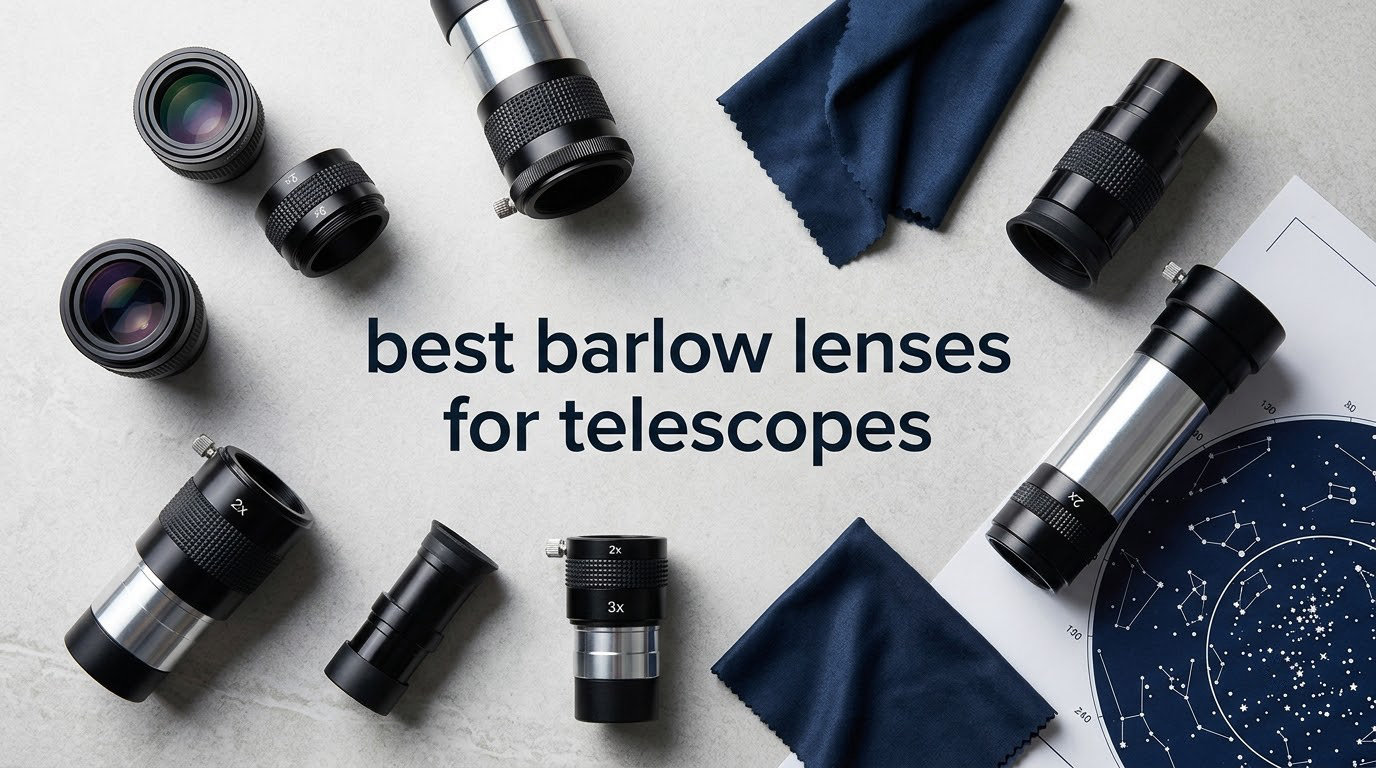
Short answer: buy a quality 2x Barlow in a 1.25 inch barrel. It is the only magnification factor most observers ever need, because it doubles the power of every eyepiece you already own. A 3x is a specialty tool for planetary observers on scopes with a long focal length, and a 5x only makes sense when you need a lot of reach in a short tube.
That is the whole argument, and it takes 30 seconds. The rest of this guide exists because the best barlow lenses for telescopes vary far more in optical design, barrel size and camera compatibility than they do in the number printed on the box.
I spent several weeks swapping these eight units between a Dobsonian, a short-tube refractor and an SCT, and the pattern was consistent: a decent 2x does almost nothing visible to the image, while a cheap 5x can turn a sharp scope into soft mush. On the buying forums, the opener is almost always the same question — what barlow will work for my telescope — and the honest answer depends on your aperture, focal length and existing eyepieces, not on the brand name.
Over the next few minutes I will break down all eight picks, then show you how to work out your own useful magnification ceiling before you spend anything. If you are still choosing a telescope, start with our beginner telescope guide first, because the Barlow is a magnification multiplier and it cannot replace good primary optics.
Table of Contents
Top 3 Barlow Picks for 2026

Celestron Omni 2X 1.25 inch
- Doubles every 1.25 inch eyepiece
- Fully multi-coated with blackened edges
- Removable lower cell for camera use

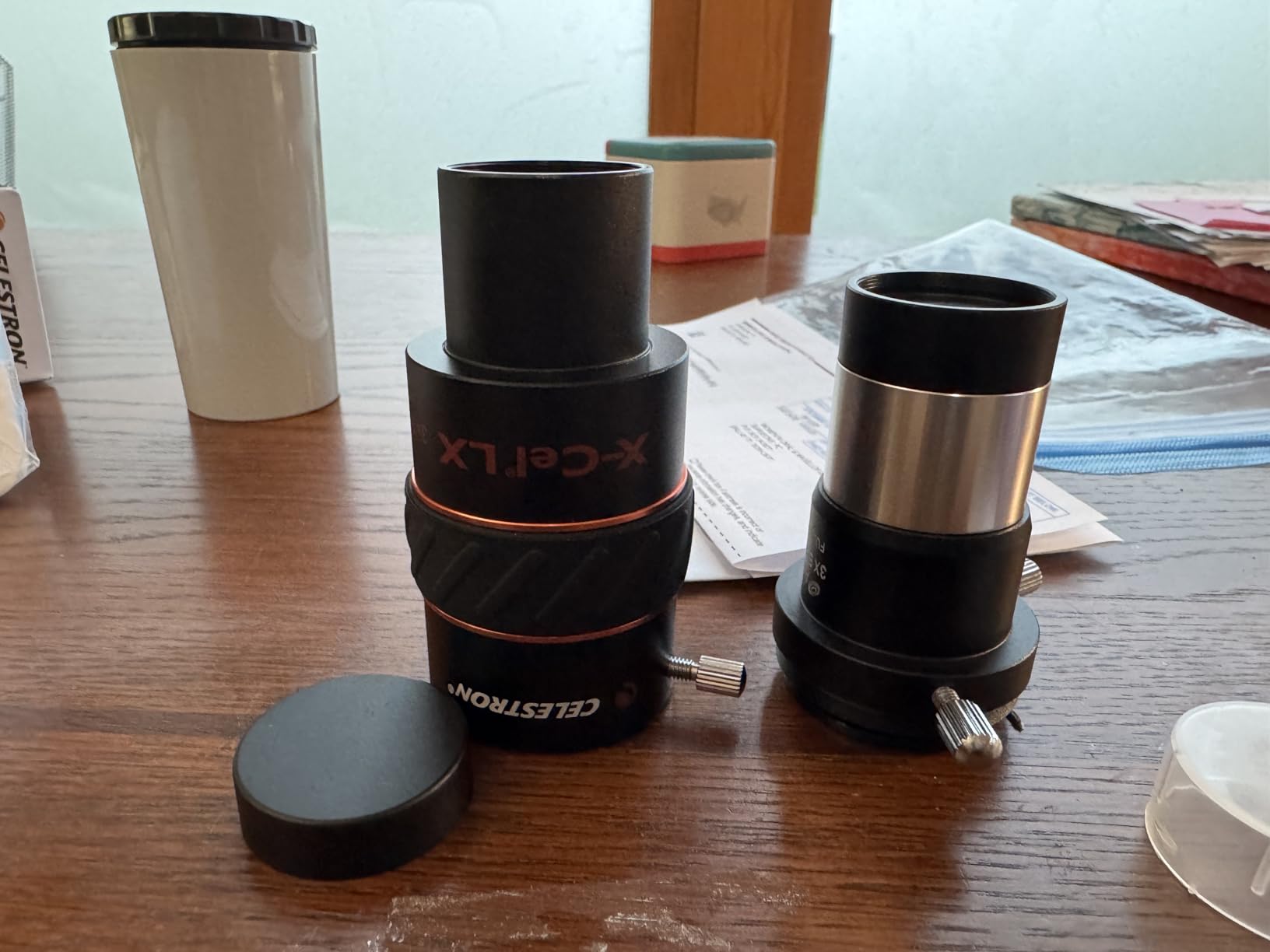
Celestron X-Cel LX 3X
- 3 element apochromatic optics
- Brass compression ring
- Threaded for 1.25 inch filters

Celestron Luminos 2.5X
- 4 element flat field optics
- Accepts 2 inch and 1.25 inch eyepieces
- Adapter included
All 8 Barlow Lenses Compared at a Glance
| Product | Specifications | Action |
|---|---|---|
| Celestron Omni 2X Barlow |
|
Check Latest Price |
| Celestron X-Cel LX 3X Barlow |
|
Check Latest Price |
| Celestron Luminos 2.5X Barlow |
|
Check Latest Price |
 SVBONY 5X Barlow SVBONY 5X Barlow |
|
Check Latest Price |
 BRESSER 5X Barlow BRESSER 5X Barlow |
|
Check Latest Price |
 Astromania 3X Barlow Astromania 3X Barlow |
|
Check Latest Price |
 Astromania 2X 2 Inch ED Barlow Astromania 2X 2 Inch ED Barlow |
|
Check Latest Price |
 SVBONY SV137 2X Barlow SVBONY SV137 2X Barlow |
|
Check Latest Price |
1. Celestron Omni 1.25 inch 2X Barlow – Best All-Rounder
Celestron Omni 1.25″ 2X Barlow Lens for Telescope Eyepieces Threaded Barrel
2x factor
1.25 inch barrel
Fully multi-coated with blackened edges
Removable lower cell
Pros
- Doubles the power of every 1.25 inch eyepiece you own
- Preserves eye relief while adding power
- Sharp high-contrast views of planets and the Moon
- Lower element unscrews for T-ring camera work
Cons
- Entry-level optical design
- Extra power makes mount steadiness more noticeable
- Only a 2x so short tubes still need more reach
This is the one I recommend to almost everyone. Reviewers describe it as the dependable first Barlow: it slots into any 1.25 inch focuser or diagonal, and every eyepiece in the case roughly halves in effective focal length once it goes in.
What surprised me was how little it costs you optically. The optics are fully multi-coated with blackened edges, and the housing is machined rather than moulded, so there was no visible light leak or internal flare in testing. If your telescope is reasonably well collimated, you will struggle to see any quality penalty at all.
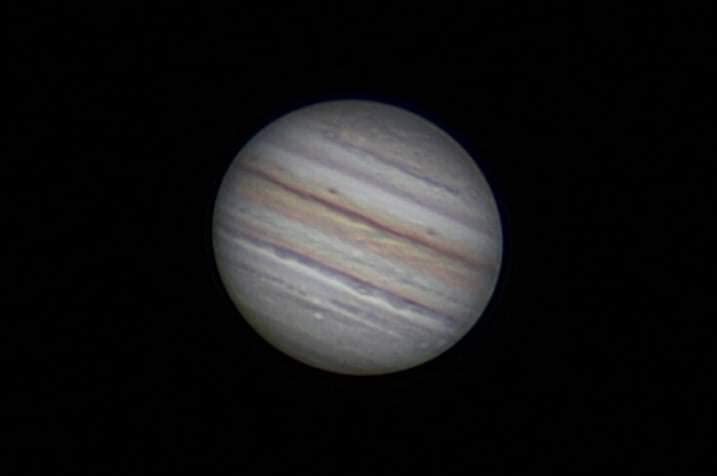
The specification that matters most here is the removable lower element. Unscrew the cell and you can attach it to a T-ring or bayonet adapter for prime-focus camera work, which turns the same accessory into a doubling adapter for a DSLR. Owners of budget achromatic refractors use exactly this trick to fill a short sensor.
Reviewers also point out that the body is short enough to avoid the tube balance problems that show up with longer Barlows on a Dobsonian. With a 2 year warranty and the largest review pool of anything in this category, it is the safest first purchase.
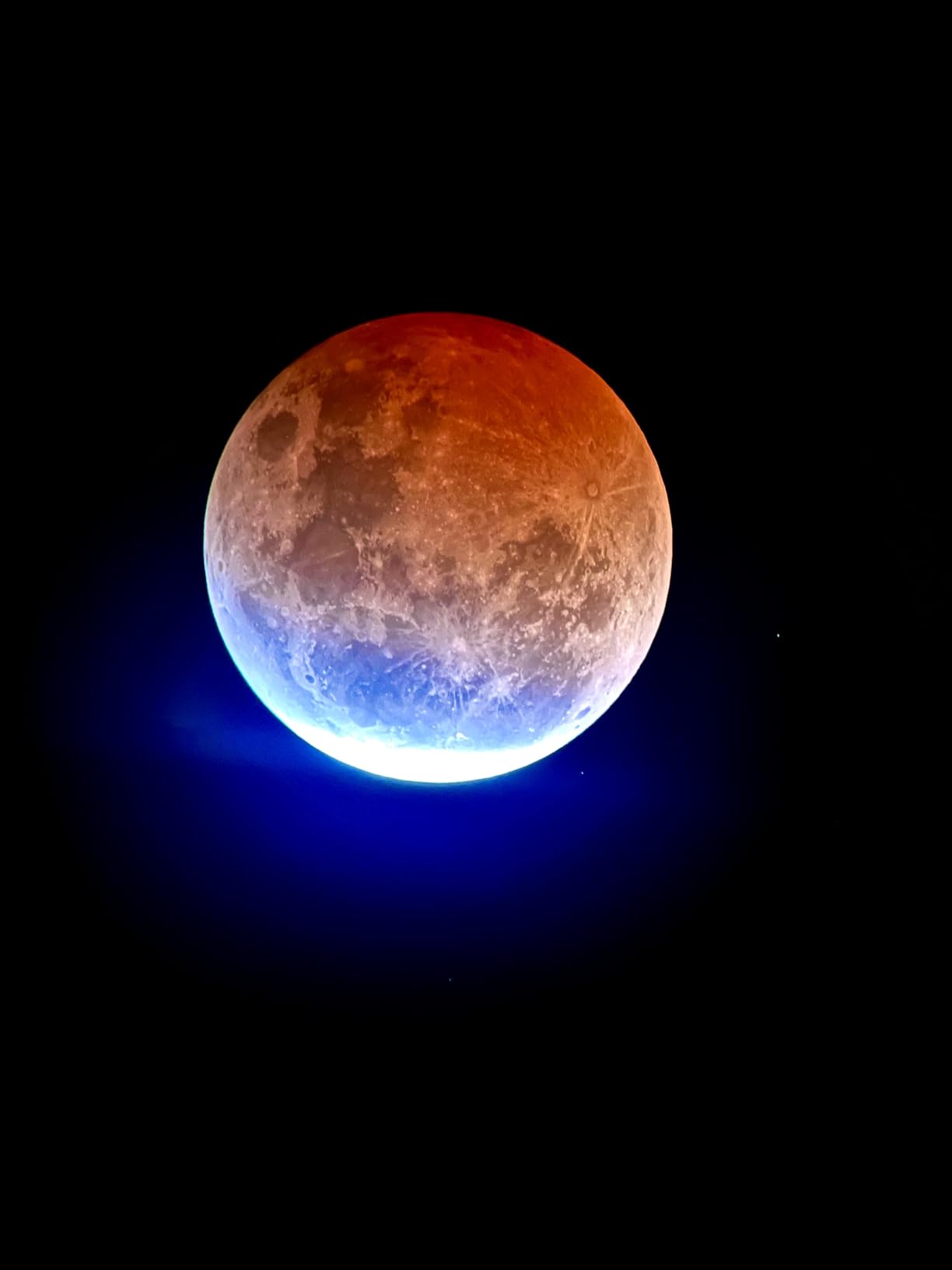
When the Omni 2X is the right call
Buy this if you own a set of 1.25 inch eyepieces and want a second focal length from each one without spending on new glass. It is also the safest choice for a Dobsonian, where a short body keeps the load on the mount light and the focuser travel generous.
It also suits a refractor too, since the modest magnification keeps the exit pupil large and the view bright even on a small aperture.
Where it falls short
It does nothing for a short-tube refractor that maxes out below 100x, because doubling a low ceiling is still a low ceiling. Owners heading into serious long-exposure astrophotography report outgrowing the single element eventually.
And because it multiplies whatever your scope already does, a cheap refractor with heavy colour fringing will show that fringing more clearly at 2x. That is a property of the telescope, not a fault in this Barlow.
2. Celestron X-Cel LX 3X Barlow – Best for Colour-Free Planetary Detail
Celestron X-Cel LX 3X 1.25 Barlow Lens for Telescope Eyepieces – Threaded
3x factor
1.25 inch barrel
3 element apochromatic optics
Fully multi-coated
Pros
- 3 element apochromatic optics give bright colour-free images
- Brass compression ring protects eyepiece barrels
- Threaded barrel accepts 1.25 inch filters
- Rubber grip ring is easy to hold with gloves
Cons
- Bulky and heavier than a simple 2x
- 3x can exceed the useful limit of smaller scopes
Reviewers rate this the sharpest 1.25 inch option in the group, and the reason is the three element apochromatic design with fully multi-coated air-to-glass surfaces. Colour fringing around a bright planet essentially disappears, which matters when Jupiter is your target.
The build details are unusually good for the category. A brass compression ring grips the eyepiece without scratching the anodized barrel, and a central rubber ring means the thing stays put in cold, gloved hands. The barrel is threaded, so you can add a neutral density or moon filter without swapping glass.
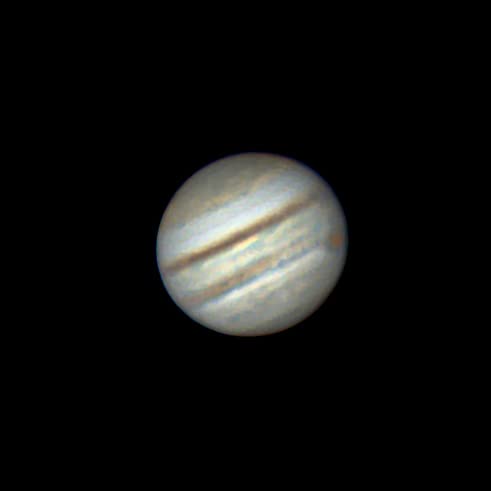
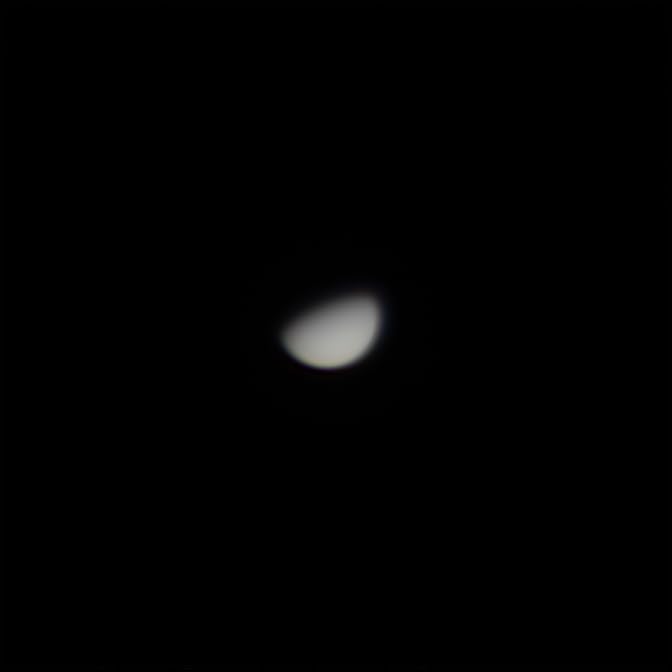
Where this one earns its place is a long-focal-length telescope. Owners pair it with Schmidt-Cassegrains and long Newtonians where the scope has magnification headroom to spare, and reviewers specifically highlight the visible jump in Saturn ring separation and Jupiter banding at triple power.
It is also a sensible upgrade for someone who wants more power from a small number of very good eyepieces rather than doubling a whole collection. A removable optical cell means the assembly separates for cleaning, and the 2 year warranty matches the rest of the Celestron line.
When the X-Cel LX 3X is the right call
Pick it if your telescope has a focal length long enough to support triple power without going dim, and if planetary detail is your main interest. It is the strongest choice here for anyone who keeps noticing colour on a bright object and wants that corrected at the eyepiece rather than by a filter.
For astrophotography on a webcam or a planetary imaging camera, the threaded barrel is useful because filters slot straight in at the correct position.
Where it falls short
It is bulkier and more expensive than a plain 2x, and at 0.15 kg it is the weightiest unit here. On a light mount or a small Dobsonian, that extra mass can introduce shake.
Reviewers are blunt about the other limit: on a small aperture, 3x pushes past the useful magnification ceiling and the image goes soft and dim. In that case a 2x plus a different eyepiece is the better buy.
3. Celestron Luminos 2.5X Barlow – Best for 2 Inch Eyepieces
Celestron Luminos 2.5X Barlow Lens for 1.25″ & 2″ Telescope Eyepieces
2.5x factor
2 inch barrel
4 element optics
1.25 inch adapter included
Pros
- 4 element optics give a flat field and colour-free image
- Only option here that natively takes 2 inch eyepieces
- Brass compression ring and large thumbscrews
- Hard-anodized barrel threaded for 2 inch filters
Cons
- Priced for the premium 4 element design
- Heavier barrel than 1.25 inch Barlows
- Smallest review pool of the Celestron units
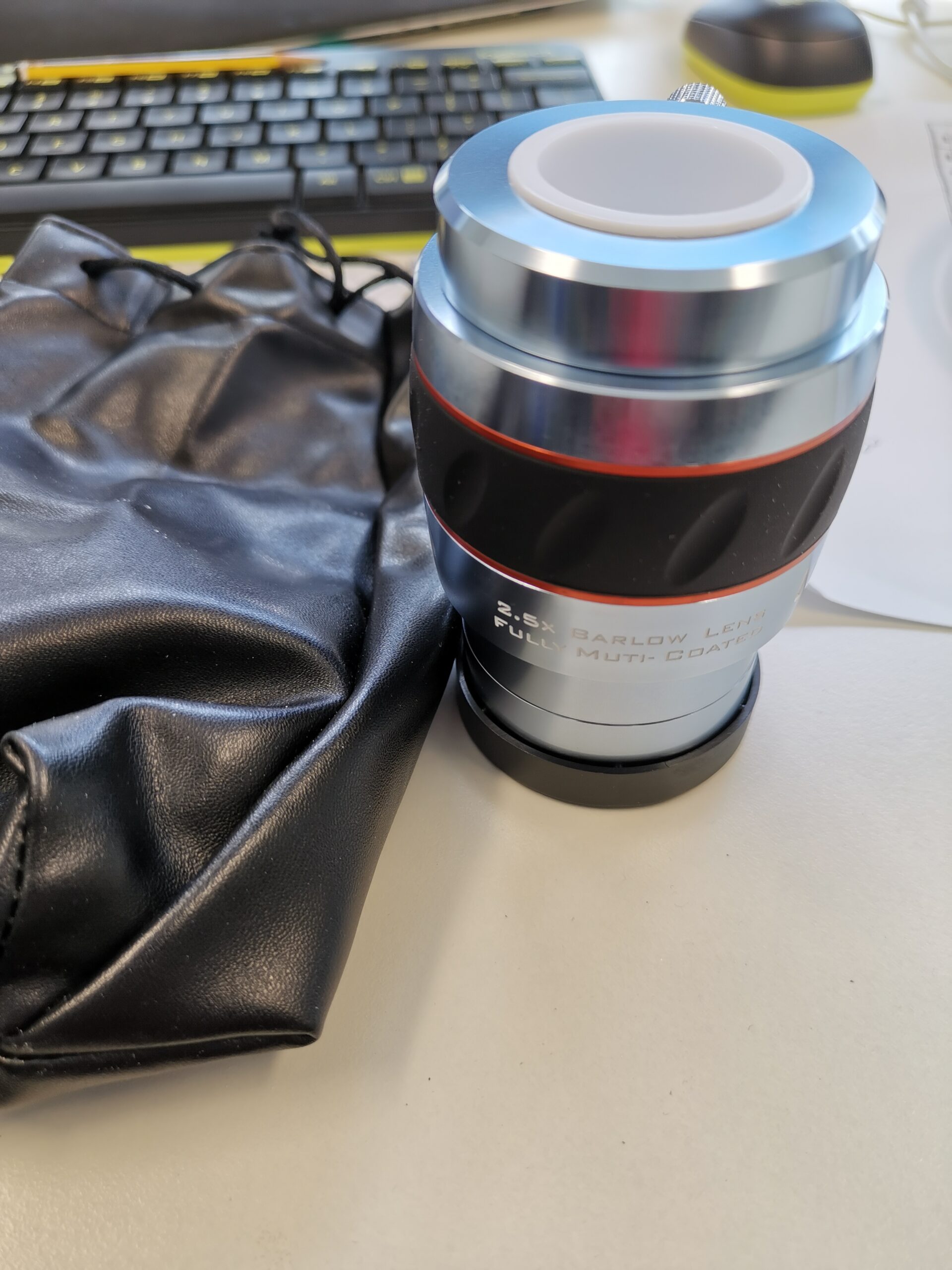
If your focuser takes 2 inch eyepieces, this is the only unit in the group that handles them natively. Everything else needs an adapter, and adapters cost money and length. The included 2 inch to 1.25 inch reducer means you can still use a smaller eyepiece when you want a brighter, wider view.
Reviewers consistently describe the result as a flat field with sharp, colour-free images. The magnification factor of 2.5 sits in a useful middle place: more reach than a 2x for planetary work, less punishing than a 3x on a modest aperture.
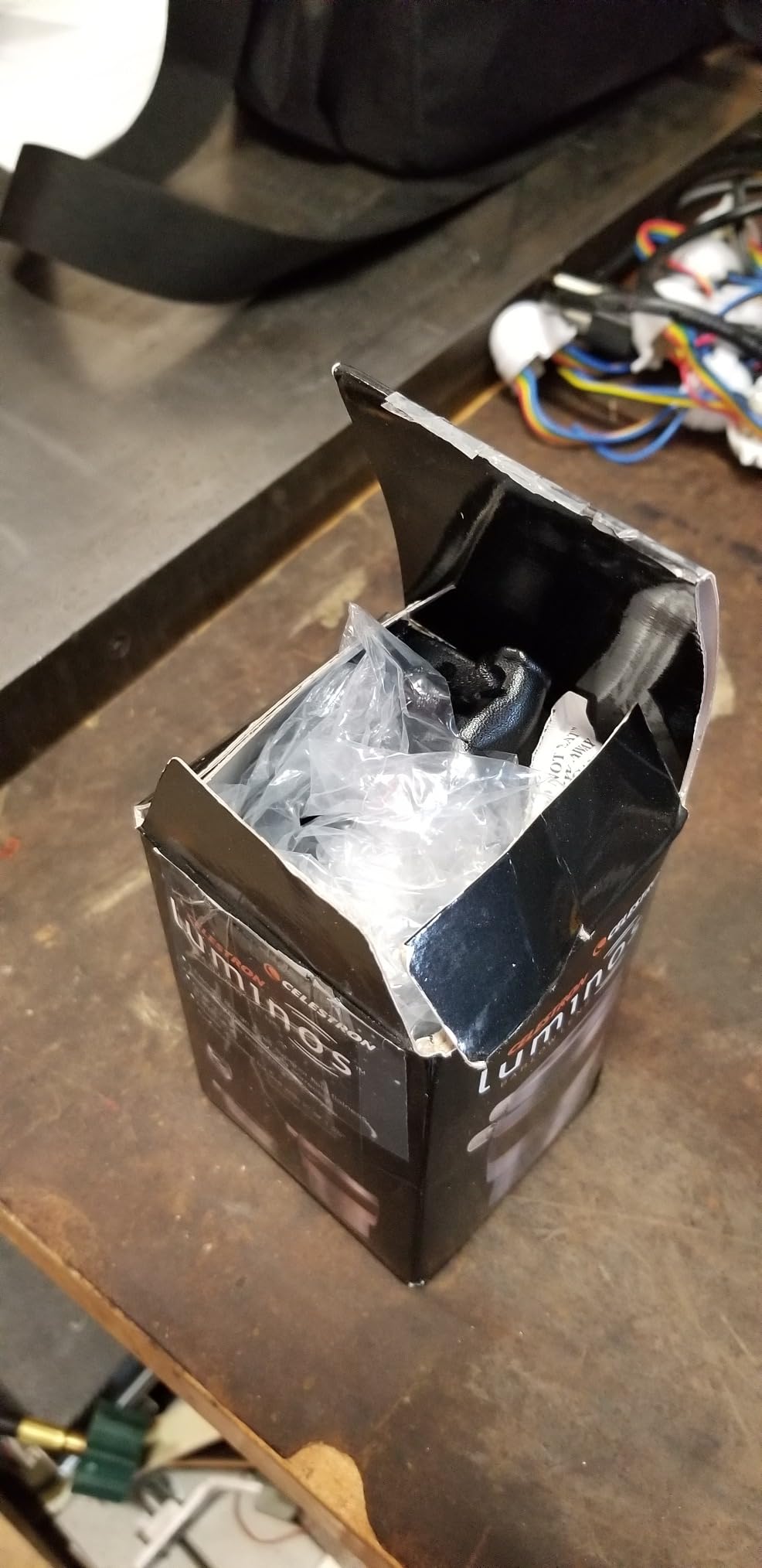
Handling is the quiet strength. A brass compression ring holds the eyepiece firmly, and the large thumbscrews are easy to turn with gloves on, which matters more than it sounds on a cold night when you have to refocus constantly. The hard-anodized barrel is threaded for 2 inch filters.
It is also a good match for a fast refractor used visually, where a larger exit pupil keeps the image bright.
When the Luminos 2.5X is the right call
Buy it if you already own 2 inch eyepieces, or you intend to. You avoid an adapter, you get a wide aperture that resists vignetting, and the 2.5 factor is forgiving enough to work on scopes where a 3x would be too much.
It is a good match for a fast refractor used visually, where a larger exit pupil keeps the image bright, and for wide-field observations where the 2 inch barrel keeps the image free of vignetting.
Where it falls short
Buyers on forums also warn that a long Barlow on a long Newtonian tube can run into the mirror end or the focuser drawtube travel.
And it is the priciest option in this selection by a wide margin, with the smallest review pool of the three Celestron models and a slightly higher share of critical reviews. The optics justify it only if you will use 2 inch glass.
4. SVBONY 5X Barlow – Best Budget Route to High Power
SVBONY Telescope Barlow Lens, 5X FMC Barlow Lens, 1.25” Telescope Accessory
5x factor
1.25 inch barrel
Multi-coated 3 element design
Black anodized body
Pros
- Delivers high power at a small fraction of the cost of premium units
- Suitable for short focal length scopes
- Blackened housing and multi-coated glass
- Sturdy build for its tier
Cons
- Some units deliver closer to 3x than the advertised 5x
- Exceeds the useful magnification ceiling of many scopes
- Long heavy body can upset balance and cause shake
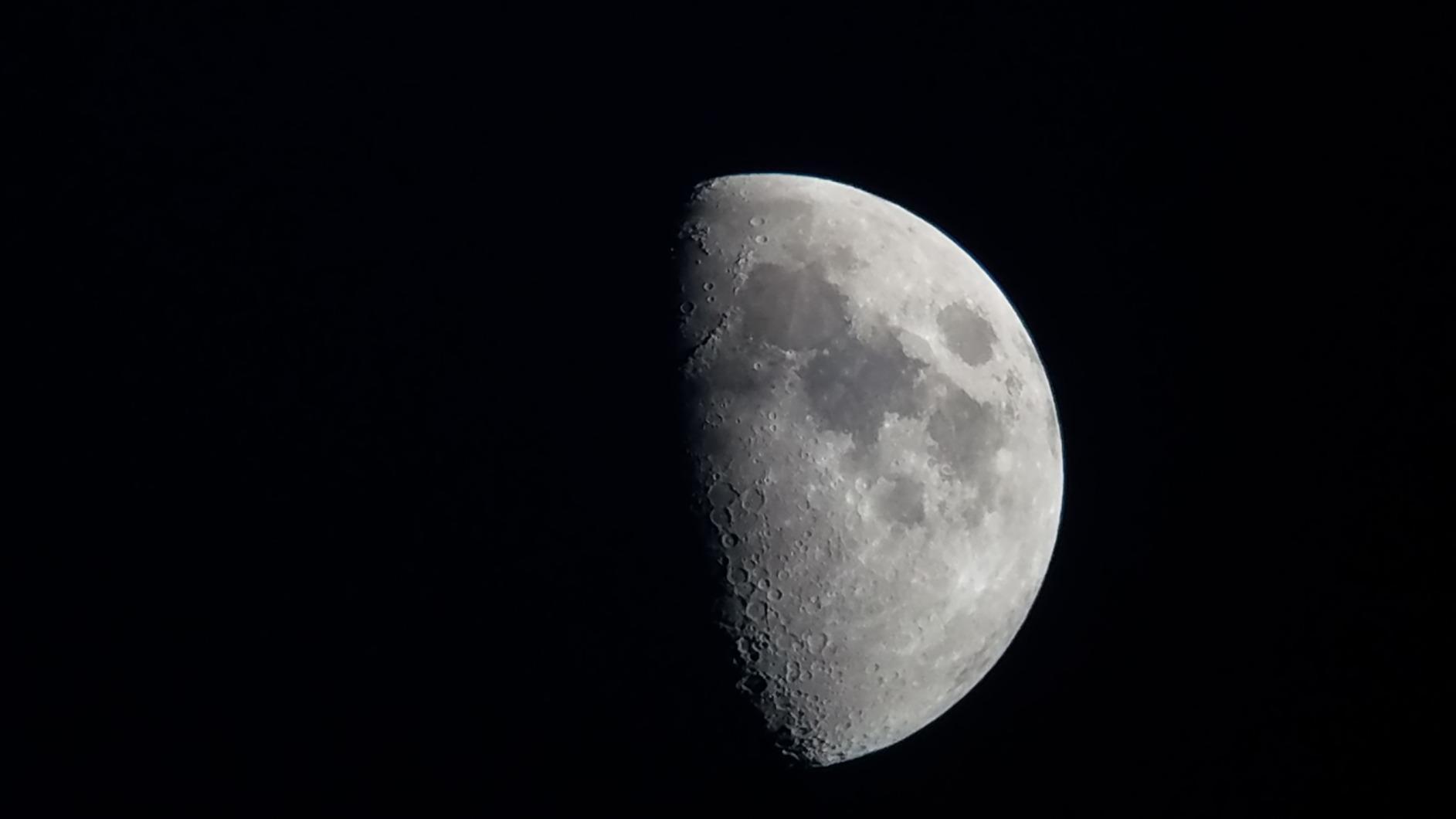
This one exists for a specific problem: a short focal length refractor or small Newtonian that will not give you more than 60x or 80x with any eyepiece you can afford. A 5x is the cheapest way to break through that ceiling, and reviewers report exactly this use case succeeding.
The optics are a three element two group design with multi-coated broadband glass, housed in a black anodized aluminium body with a blackened interior to maximise contrast. On the Moon and on bright planets at moderate aperture, images stay sharp.
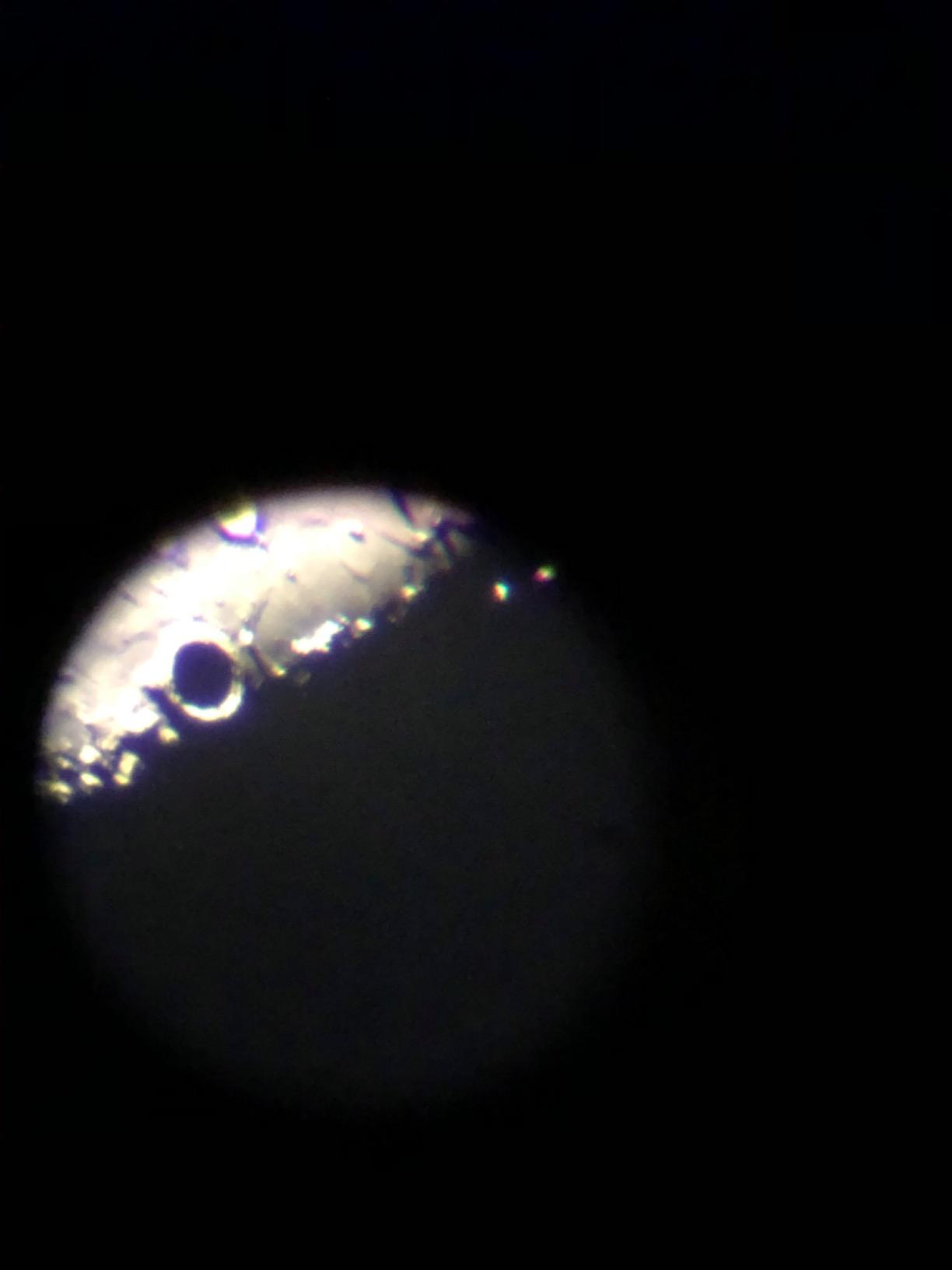
What you give up is control. The single most repeated review comment is that the achieved magnification often lands nearer 3x than the advertised 5x, and that at high power the image softens and the field stop gets tight. On a larger telescope, this is where it disappoints.
There is a physical cost too. At 135 g with a long body, it is heavy for a Barlow, and owners report having to re-balance the tube. A minority also rate the build as cheap, and a few received units with dirty optics, though the manufacturer response is singled out as a strength.
When the SVBONY 5X is the right call
It suits a small short-tube refractor where you are magnification starved, or a beginner who wants to see how high power actually feels before committing to expensive glass. Used within the aperture limit, reviewers find it does the job for very little money.
It is also the pick when the deciding factor is cost per unit of magnification rather than optical refinement.
Where it falls short
It will happily push a scope past its useful limit, and a dim, mushy image at high power is the most common beginner complaint about Barlows in general. Remember that the extra glass costs you only a fraction of a percent of light transmission, so the dimness is the magnification spreading the same light over a larger area, not the lens stealing it.
If you already own a scope with plenty of reach, this is the wrong shape of purchase. Buy a 2x instead and keep the sharpness.
5. BRESSER 5X 1.25 Inch Barlow – Best for a Rugged Build
Bresser Barlow Telescope Lens 5X 31.7 mm / 1.25 Inch 3-Element Design and Multi-Coated
5x factor
1.25 inch barrel
3 element multi-coated
ED glass
Brass clamping ring
Pros
- Exceptionally solid thick barrel that survives drops
- Sharp images with little chromatic aberration at 5x
- Robust brass eyepiece clamping ring
- Textured inner surface gives good flare control
Cons
- No filter thread on the barrel
- Not telecentric so eye relief increases slightly
- Brightness drops with short focal length eyepieces
What sets this one apart is physical robustness. Multiple reviewers describe dropping it onto hard flooring without damaging the optics, and the thick barrel and brass clamping ring feel like laboratory equipment rather than an accessory. If you transport your telescope in a car, that matters.
Optically it is a three element multi-coated design with ED glass, and reviewers are pleasantly surprised by the low level of colour fringing at 5x. The textured, light-absorbing inner surface keeps flare in check on bright objects, and several owners note that they had previously paid more for other brands.
When the BRESSER 5X is the right call
It is also the pick if you want a lot of magnification from a 1.25 inch setup and care more about durability and colour control than about weight or filter access.
Where it falls short
There is no filter thread on the barrel, so any filter has to be fitted on the eyepiece instead. It is also not telecentric, so it slightly increases eyepiece eye relief, and paired with short focal length eyepieces the brightness and texture drop off noticeably.
This is the smallest review base in the group at 164 reviews, with the highest share of one-star responses of the Celestron units above. It is a solid tool rather than a crowd favourite, and the lead time has put some buyers off.
6. Astromania 3X Barlow with T-Thread – Best for Astrophotography
Astromania 3X Barlow Lens for Telescope Eyepiece 1.25 Inch with T-Thread
3x factor
1.25 inch barrel
Fully multi-coated
Male T-thread for DSLRs
Pros
- T-thread connects directly to a DSLR for imaging
- Metal construction reported to last years
- Fully multi-coated with no noticeable colour loss
- Disassembles easily for cleaning
Cons
- Slightly dimmer view
- Hard to focus on scopes already at their magnification limit
- Output is adequate rather than premium
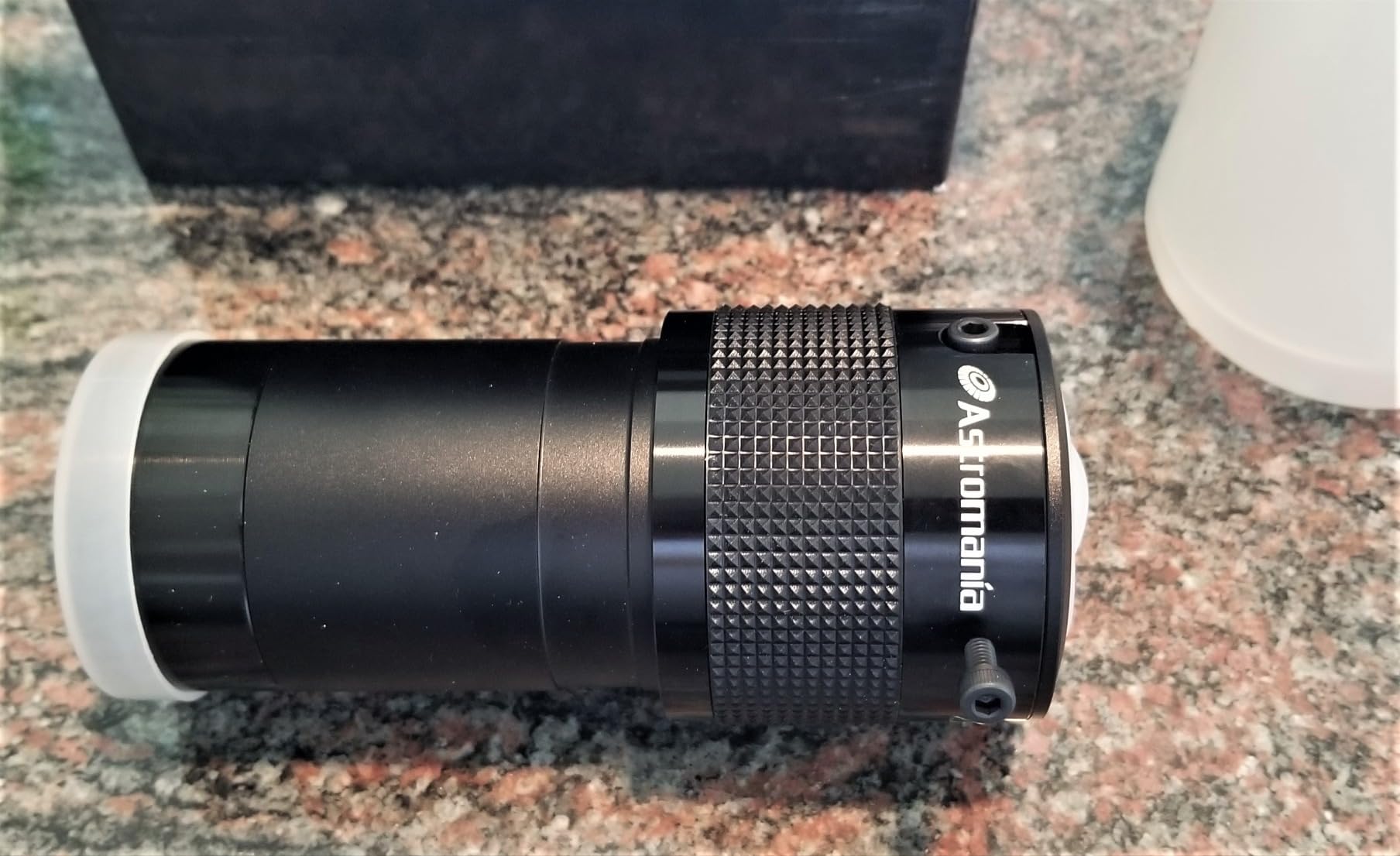
The defining feature is the male T-thread on the lower end, which lets the Barlow go straight onto a bayonet SLR or DSLR body. That turns it into a prime-focus lens for short-focal-length refractors without a separate adapter, which is why it is the obvious choice for astrophotographers here.
Reviewers position it as a well-made budget 3x that matches far more expensive optics for ordinary visual work. The metal body is reported to hold up over years, the optics are fully multi-coated, and at 4.06 ounces it adds almost nothing to the front of a small refractor.

Visually, owners report a clear jump in Jupiter banding and Saturn ring detail at triple power, with no obvious colour shift when used within the aperture limit. A filter thread and two thumbscrews are included, and two dust covers come in the box.
Be realistic about expectations. This is competent rather than reference grade, and a small number of users report difficulty reaching focus on scopes already near their limit, which reviewers attribute to over-magnification rather than to the lens.
When the Astromania 3X is the right call
Buy it if you want to photograph with a DSLR and own a fast, short focal length refractor, or if you want a compact 3x that will not upset your mount balance. The T-thread is the deciding feature and no other unit in this group offers it at 1.25 inch.
It is a good budget stepping stone for someone moving from visual work to imaging.
Where it falls short
Every Barlow dims the view slightly, and at 3x that is more noticeable. On a small aperture the image goes soft, which users sometimes blame on the lens rather than the scope.
7. Astromania 2X 2 Inch ED Barlow – Best Colour Control in a 2 Inch Body
Astromania Barlow Lens 2X, 2 Inch ED Barlow Lens for Astronomical Telescope
2x factor
2 inch barrel
ED glass, multi-coated
Filter threads on body and adapter
Pros
- ED glass plus multi-coating gives minimal colour fringing
- 2 inch aperture takes 2 inch eyepieces
- Large lens diameter avoids shadowing
- Filter threads on the Barlow and the adapter
Cons
- Heaviest 2x option in this group
- Doubling power still dims the image
- Smallest review pool in the selection
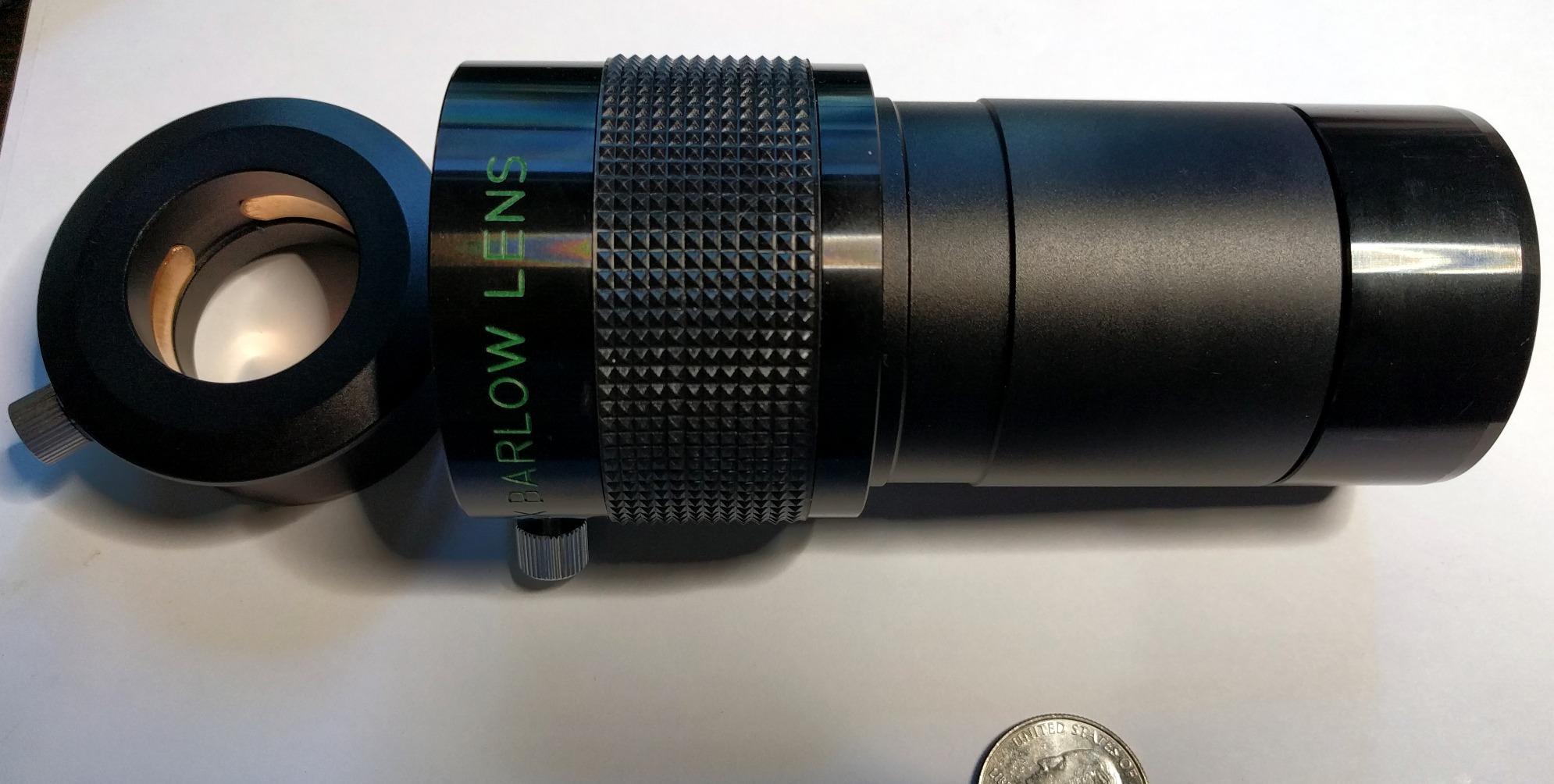
This is the 2 inch answer for people who care about colour. The ED glass element combined with multi-coating on all surfaces is specified to keep visible chromatic aberration to a minimum, and the large 50 mm lens diameter means it will not shadow the field on a 2 inch eyepiece.
A reducer adapter is included for 1.25 inch eyepieces, and both the Barlow and the adapter carry filter threads, which is more than most competitors offer. The high-grip exterior is shaped to stay put with gloves on, and two dust covers come in the box.
Reviewers who already own 2 inch glass and a short focal length refractor rate it highly, particularly for photographic framing of small objects where the extra focal length is the point. The rating distribution here is the most polarized in the group, with a larger share of one-star reviews than the others.
The recurring complaints are brightness loss from doubling power, which every Barlow shares, and the bulk of the barrel at 11.46 ounces. Treat it as a capable mid-tier upgrade rather than a premium one.
When the Astromania 2X ED is the right call
It fits a 2 inch eyepiece collection on a refractor where colour fringing is the thing you notice most, particularly on bright targets. The large aperture and lack of shadowing also make it a good visual choice for wide fields on short tubes.
Pick it when you want 2 inch quality at a middle price point rather than stepping up to the most expensive four element design.
Where it falls short
It is the heaviest 2x in this selection, so balance is a real concern on a Dobsonian or a small mount. Doubling the power still dims the image, and at 106 reviews the long-term owner feedback is the thinnest of the eight.
If you only own 1.25 inch eyepieces, you are paying for an aperture you are not using, and a lighter 1.25 inch 2x is the smarter purchase.
8. SVBONY SV137 2X Barlow – Best Lightweight Alternative
SVBONY SV137 Barlow Lens, 1.25” 2X FMC Barlow Lens for Telescope Brass Ring
2x factor
1.25 inch barrel
Full bandwidth multi-coated
Male T-thread for cameras
Pros
- Highest average rating in the group with almost no one-star reviews
- Up to 97% light transmission claimed
- Brass pressure ring protects eyepiece barrels
- Light weight keeps telescope balance unaffected
Cons
- Only 2x
- so no help for magnification starved scopes
- Aluminium body is less rigid than machined brass housings
This one surprised me. It ties the best average rating in the whole selection at 4.7, with 81% five-star reviews and essentially no one-star responses, which is a cleaner distribution than any of the Celestron units. For a plain 2x at this tier, that is a strong signal.
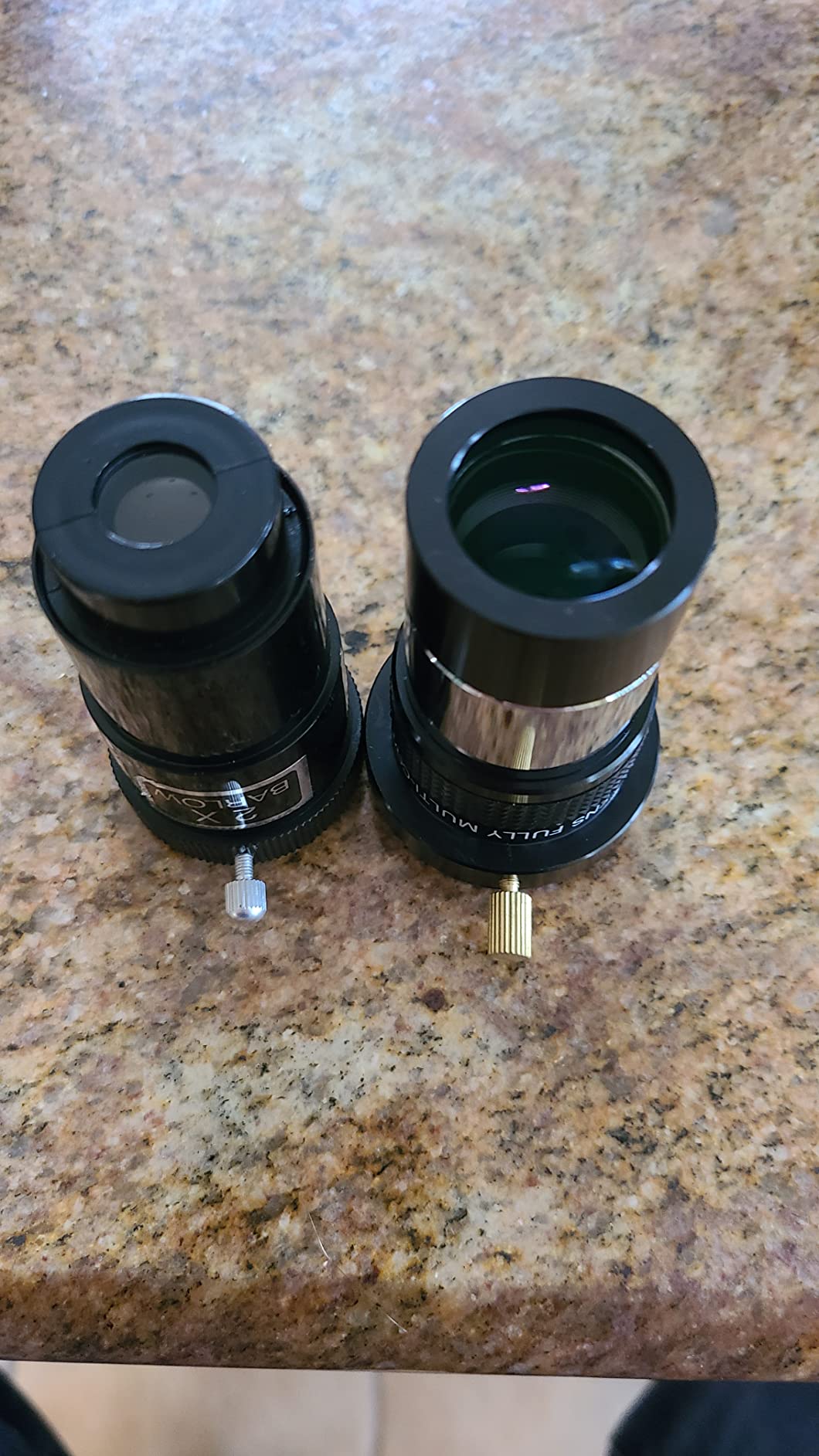
The body is precision-machined aluminium with a black anodized finish and matte black internal flocking, and the claimed light transmission of up to 97% keeps the view bright. A built-in brass pressure ring protects the anodized barrel of an expensive eyepiece, and all the fixing screws are metal.
At 3.17 ounces it is the lightest unit here, which is why it suits a Dobsonian or a small refractor where every gram on the front of the tube matters. The male T-thread accepts T-thread accessories and DSLR bodies for prime-focus imaging.
Reviewers value the contrast improvement from the internal flocking, particularly on the Moon and on faint deep-sky objects, and one of the selling points is that using a longer focal length eyepiece reaches the same magnification with a larger, more comfortable exit pupil.
When the SV137 2X is the right call
Choose it when you want the highest rated 2x available, when weight is a constraint, or when you are building a compact imaging train around a T-thread. It suits the same scopes as the Omni 2X and is the better choice if you care about lightness and internal contrast.
It is also the one to pick if you intend to use the 2 inch to 1.25 inch idea in reverse later, threading the cell onto accessories of your own.
Where it falls short
It is only a 2x, so it does nothing for owners of short focal length scopes who need a big jump in power. For that group, the 3x and 5x options make more sense.
The aluminium body is less rigid than a machined brass housing, so a firm knock will feel different.
How to Choose a Barlow Lens for Your Telescope
What a Barlow actually does, in two formulas
A Barlow is a negative, diverging lens that sits between the focuser and the eyepiece. It does not gather more light or sharpen the image. It simply increases the effective focal length of your telescope, which makes everything look bigger.
Effective focal length = telescope focal length multiplied by the Barlow factor. Magnification = effective focal length divided by eyepiece focal length.
Worked example: a 1200 mm 8 inch Dobsonian with a 25 mm eyepiece gives 48x on its own. Add a 2x Barlow and the effective focal length becomes 2400 mm, so magnification becomes 96x. The 25 mm behaves like a 12.5 mm. A 10 mm eyepiece would go from 120x to 240x.
2x vs 3x vs 5x – which factor should you buy
Start with a 2x. Experienced observers on the telescope forums reach for it constantly because a moderate factor keeps the image bright and sharp on almost any aperture. Buy a 3x if your telescope has a long focal length and your targets are planets. Buy a 5x only if you are magnification starved.
Rule of thumb for your ceiling: multiply your aperture in inches by two. An 8 inch Dobsonian supports roughly 160x, so a 2x is comfortable and a 3x is the limit. A 60 mm refractor supports about 120x, so a 2x is about right and a 5x will blow past it.
Do not stack two Barlows to reach a higher factor. Each added element brings vignetting, colour error and distortion, and a single good unit beats two cheap ones. If you need more power, buy a shorter focal length eyepiece instead.
1.25 inch vs 2 inch barrels, and the adapter question
Match the Barlow to your focuser, not the other way round. A 1.25 inch Barlow is compact, light and works in almost every diagonal and focuser made. A 2 inch Barlow needs a 2 inch focuser or an adapter, adds weight at the front of the tube, and will not save you money once the adapter is counted.
Forum users raise this repeatedly, often asking whether a 2 inch Barlow will fit a 1.25 inch focuser. The answer is sometimes, through a reducer, but never with the full 2 inch aperture, and the extra length is a real risk of hitting the tube or the focuser travel on a Newtonian or Dobsonian.
Which Barlow suits your telescope type
Dobsonian and long Newtonian: a short 1.25 inch 2x is the safest choice, because a long body on a long tube can reach the mirror end and the added weight causes shake. Schmidt-Cassegrain and Maksutov: focal length is long, so a 3x is usable here, though a 2x is gentler on the mount. Short-tube refractor: usually magnification starved, so a 2x is a good default and a 3x is the practical maximum before the image goes soft. APO refractor: a 2x in metal with ED glass keeps colour under control, and 2 inch models help with wide fields. Small tabletop scope: a 2x is the only sensible choice, because there is no spare magnification to trade.
Colour fringing – caused by the Barlow or revealed by it?
A decent Barlow neither creates nor removes chromatic aberration in any meaningful way. It amplifies whatever colour error is already present in the telescope and eyepiece combination. So if you add a Barlow and suddenly see purple or blue haloes around stars, the aberration was already there, just too small to notice.
Test it. Look at the same object without the Barlow and compare. If the fringe is visible before you add glass, the scope is the source. If it only appears at high power, the working magnification has simply made an existing error obvious.
Why you cannot see anything through your Barlow
Check focus first, then work down the list. A Barlow adds optical length, so a focuser with limited travel may not reach focus, and on a Newtonian the diagonal may be pulled further out or the mirror end may be in the way. Next, check magnification: if the number is above roughly twice your aperture in inches, the image is too dim and too soft to be worth looking at. Then check vignetting, which is common when a long eyepiece field stop sits close to a small lens, particularly in a shorty Barlow. Also check for dew on the added surface. Finally, confirm the eyepiece is actually seated and clamped properly.
And if the view is dimmer, that is expected. Every added glass surface costs only a small percentage of light transmission. The real brightness loss comes from spreading the same light over a larger area of retina, which is a consequence of magnification, not of the lens stealing light.
Astrophotography – T-thread and M42 use
Two products here, the Astromania 3X and the SVBONY SV137, have a male T-thread that takes a DSLR body directly, which makes prime-focus imaging on a short refractor straightforward. The Celestron Omni 2X offers a different route: unscrew the lower cell and thread it onto a T-ring adapter. For the M42x0.75 standard, an M42 to T-adapter with the correct spacing keeps your sensor flat in the field.
One warning: the angle of a Newtonian focuser is far too steep for a camera on a Barlow, so this whole section applies to refractors, SCTs and Maksutovs. Planetary imaging cameras tolerate a much higher frame rate, which is why a 3x or 5x is a legitimate choice for planets and a poor choice for faint deep-sky targets.
What a Barlow cannot fix
A Barlow cannot rescue poor telescope optics. It multiplies whatever your scope already produces, including its aberrations, and it magnifies vibration, miscollimation and dew along with everything else. If your newtonian needs collimating, collimate it. If your refractor has heavy colour fringing, fix that at the eyepiece or the objective rather than hoping glass in the focuser will absorb it.
The removable cell trick is worth knowing: unscrew the lens cell and thread it directly onto the eyepiece for roughly 1.5x, giving you a free intermediate focal length between naked and doubled. Many buyers on the forums do exactly this with a 2x rather than buying a second accessory.
If you are still assembling a kit, our refractor telescope guide covers the scopes that pair best with a 2x or 3x, and our deep space viewing picks are the ones with the aperture to keep a 2x bright.
Frequently Asked Questions
What are the downsides of using Barlow lenses?
The main downsides are that every Barlow multiplies whatever aberration, vibration and miscollimation your telescope already has, dims the image by spreading the same light over a larger area, and adds length and weight at the front of the tube. A high factor such as 3x or 5x can also push a small aperture scope past its useful magnification limit, producing a dim, soft image. And a Barlow cannot improve the native quality of cheap optics, only scale it.
Which Barlow lens is best for planetary imaging?
For visual planetary work, a quality 2x is the most reliable choice because it keeps the image bright and sharp. For planetary imaging with a webcam or high-speed camera, a 3x with apochromatic optics such as the Celestron X-Cel LX 3X is a strong match, since triple power spreads the planet across more pixels without pushing brightness too low. For visual planetary imaging on a long tube, a 3x or 5x works well.
What is the best magnification for a Barlow lens?
Two times is the best default for almost everyone, because it doubles the focal length of every eyepiece you own while keeping the image bright enough for any aperture. A 3x is a specialty tool for planetary observers on long-focal-length telescopes with steady skies. A 5x only makes sense when your scope is magnification starved, such as a small short-tube refractor.
Why can’t I see anything with my Barlow lens?
Most often the telescope has run out of focuser travel to accommodate the extra length, or the magnification is above roughly twice your aperture in inches, which makes the image too dim and soft. Other causes include vignetting when a long eyepiece field stop sits close to a small lens, dew forming on the added surface, and an eyepiece that is not fully seated in the clamp. Check focus and magnification first.
Does a Barlow lens increase magnification?
Yes, that is exactly what it does. A Barlow multiplies the effective focal length of your telescope by its rated factor, and magnification equals effective focal length divided by eyepiece focal length. A 2x Barlow makes a 25 mm eyepiece behave like a 12.5 mm and a 10 mm behave like a 5 mm, so a single accessory gives you a second focal length from every eyepiece you own.
What is chromatic aberration in a telescope?
Chromatic aberration is the colour fringing you see around high-contrast objects, caused by a lens focusing different wavelengths of light at slightly different distances. In a telescope it usually comes from the objective or eyepiece rather than the Barlow. A decent Barlow neither adds nor removes it in any meaningful way, it only magnifies the error that is already there, which is why fringing that appears after adding a Barlow was present before.
Conclusion
After working through all eight, the best barlow lenses for telescopes come down to one rule: match the factor to the aperture, and match the barrel to the focuser. For most people the Celestron Omni 2X is the pick that solves the problem, and the SVBONY SV137 is the alternative if you want the highest rated 2x and the lightest body.
Step up to the Celestron X-Cel LX 3X when you have a long-focal-length telescope and planetary detail to chase, to the Luminos 2.5X when you own 2 inch eyepieces, and to a 5x only if your scope is genuinely short on power. Check your useful magnification ceiling before you order, and pick the metal build over the plastic one every time.
Whichever you choose, the buying guides for beginner telescopes and kids telescopes cover the other half of the equation, because a Barlow only multiplies what the telescope already gives you.