
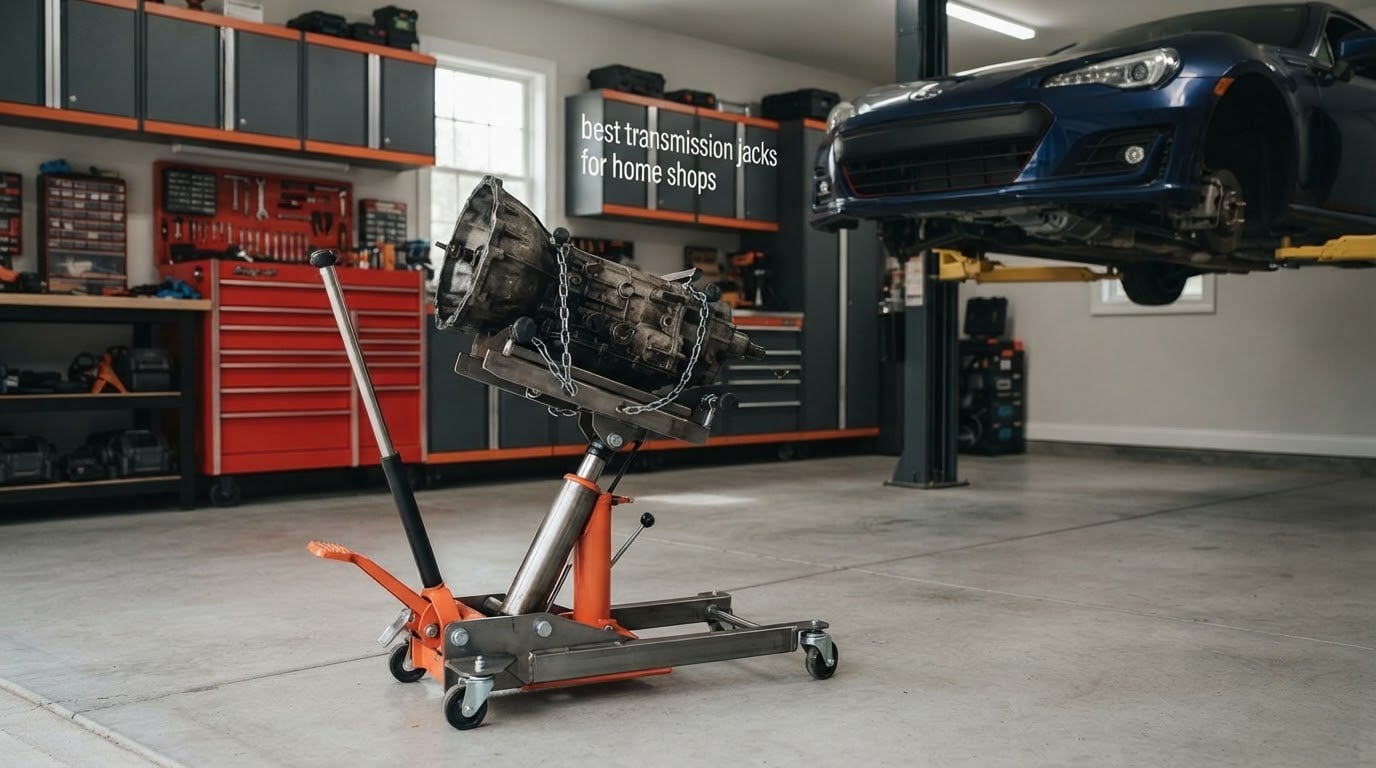
Most home shops discover the need for a dedicated transmission jack the hard way: a 4L60E slides off a floor jack board, the pan cracks, and the whole weekend disappears into a parts counter. The best transmission jack for a home shop is not the one with the biggest capacity number on the box. It is the one that goes low enough to reach under your car, high enough to clear your lift, and holds a tilting saddle steady while you line the input shaft up with the bellhousing.
We spent weeks comparing ten of the most-reviewed transmission jacks on the market, from the Sunex Tools 7793B that professional techs buy on purpose, down to low-lift scissor stands that squeeze under a lowered Civic. We looked hard at rated capacity, lift range, saddle tilt, load retention, base width, and the unglamorous things that decide whether a jack survives five years of garage use. That last category is where most spec sheets go quiet and most owners do not.
The short version: if you work under a two-post lift, you want a two-stage telescoping jack with real vertical reach. If you work on jack stands in a single-car garage, you want a low-profile hydraulic stand that starts under eight inches tall. If you pull transaxles out of rear-engine cars, you want saddle tilt and chains, because a round transaxle case will find a way to roll off anything flat. The picks below cover all three setups, and we tell you which one to skip.
Table of Contents
What Is a Transmission Jack and When Do You Need One?
A transmission jack is a low-profile hydraulic lifting stand with an adjustable, tilting saddle used to raise, support, and maneuver a vehicle transmission or transaxle during removal and installation. It replaces the unstable practice of balancing a gearbox on a floor jack or a board, which is how home mechanics damage pans and crack cases.
You need one if you have ever removed, installed, or swapped a transmission, or if you plan to. That includes clutch replacements, transaxle work on Porsche 944s and C4 Corvettes, rear-engine swaps, and heavy truck drivetrain work. A Garage Journal owner described the practical case for owning one directly: he ran a Harbor Freight jack through a Jeep transaxle, a C4 Corvette rear assembly, and a Mopar A833 before deciding he had gotten more than his money out of it.
Here is the mechanical difference. A transmission jack has a wide four-leg base with swivel casters instead of the narrow two-wheel frame of a floor jack, a saddle that tilts in one or two axes, and tie-down points so the load can be chained or strapped before you roll it across the shop. That geometry is why the same base of a transmission jack is far more stable than the base of a floor jack when a three-hundred-pound gearbox is riding on it. If you have not settled what chassis jack you are running yet, our guide to the best floor jacks for a home garage covers the base gear every shop here owns first.
Most owners also add a retention strap or chain before moving anything heavy. Forums treat that as non-negotiable, and we agree: the saddle holds the load, the chain keeps the load on the saddle.
Top 3 Picks for Home Shop Transmission Jacks in 2026
The three jacks below are the ones we would put in a home garage first, in order of how much abuse they can take. The Sunex 7793B is the durable long-term buy, the KAFLLA delivers the most lift range for the money, and the VEVOR 1322 is the most-reviewed pick here with an unusually large review base for the category.


VEVOR 1322 lb Telescoping Jack
- 1322 lb capacity
- 32-68.5 inch range
- Foot pedal and 30 degree tilt
Quick Overview of All 10 Transmission Jacks in 2026
All ten picks, side by side. Capacity is the manufacturer rating, lift range is the quoted working range, and the best-for column is where each one actually earns its place in a home shop.
| Product | Specifications | Action |
|---|---|---|
| Sunex Tools 7793B Telescopic Transmission Jack |
|
Check Latest Price |
| VEVOR 1322 lb Telescoping Transmission Jack |
|
Check Latest Price |
| KAFLLA 1660 lb High Lift Transmission Jack |
|
Check Latest Price |
 VEVOR 1100 lb Two-Stage Transmission Jack VEVOR 1100 lb Two-Stage Transmission Jack |
|
Check Latest Price |
 Garvee 450 lb Low Profile Transmission Jack Garvee 450 lb Low Profile Transmission Jack |
|
Check Latest Price |
 AFF 3160 Manual Scissor Transmission Jack AFF 3160 Manual Scissor Transmission Jack |
|
Check Latest Price |
 MOTOOS 1100 lb Low Profile Hydraulic Jack MOTOOS 1100 lb Low Profile Hydraulic Jack |
|
Check Latest Price |
 JEGS 79010 Adjustable Hydraulic Transmission Jack JEGS 79010 Adjustable Hydraulic Transmission Jack |
|
Check Latest Price |
 Maxority 1660 lb Telescoping Transmission Jack Maxority 1660 lb Telescoping Transmission Jack |
|
Check Latest Price |
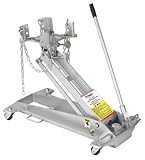 OTC 1521A Low-Lift Transmission Jack OTC 1521A Low-Lift Transmission Jack |
|
Check Latest Price |
Two patterns jump out of that table. Every high-lift two-stage jack starts around 32 to 46 inches tall, which means none of them fit under a car sitting on the floor on jack stands. And every low-lift jack tops out between 22 and 30 inches, which means none of them reach a raised vehicle. One jack rarely covers both, which is why picking for your garage setup matters more than picking on capacity.
Do You Even Need a Transmission Jack?
Sometimes you do not, and the honest answer depends on how you work. Here is how a transmission jack compares to the alternatives most home shops reach for first.
A floor jack with a four-point adapter plate is the cheapest route. It costs a fraction of a dedicated stand, slides low under a car, and handles a transmission fine if you are careful. The problem is the board. A gearbox on a plate has a narrow footprint, no tilt, and no way to keep the load from walking off the edge when you break the mount loose. One Garage Journal poster put it plainly: a transaxle wants to find a way to roll off, and a flat board gives it exactly that opportunity.
An engine hoist is the opposite answer, and it is the right one for dropping a drivetrain in from above. Some members of the Old Willys forum simply prefer to lower the transmission in with a hoist rather than fight a low-clearance jack from below. The downside is swing radius. A hoist needs room in front of the car, and it needs a second pair of hands to keep a heavy gearbox from swinging while the bolts go in.
Renting is the underrated option for a one-time swap. The math is simple: a rented shop jack runs a daily rate, so if you are doing a single clutch or transmission job, renting is often the cheapest path. If you think you will pull more than one drivetrain a year, buy it and sell it on when you are done. One Garage Journal member made exactly that argument for buying a Harbor Freight jack and reselling it afterward rather than paying a daily rental rate for a tool that barely moves when it is not in use.
A four-post transmission lift is the specialty answer. If you own one, or plan a large number of swaps, it removes the guesswork because the vehicle sits at a fixed height while the transmission travels. It is a garage-scale investment, not a home-shop one.
Here is the decision in short form. Reach for a transmission jack if you plan more than one swap, if your work is on a lift, or if you handle transaxles that roll. Reach for a floor jack adapter if you are doing a one-off on a car with room underneath. Reach for a hoist if you are installing from above on a car with limited floor clearance. Rent if the job is genuinely one time and you have no plans.
1. Sunex Tools 7793B Telescopic Transmission Jack: The Best Transmission Jack Overall
Sunex Tools 7793B 1,000 lb Telescopic Transmission Jack, Hydraulic, Foot Pump Operated, Tilt Saddle with Chain Tie-Down, 74.2 in Max Height
1,000 lb capacity
35-74 in lift range
Foot pump operation
163.4 lb steel frame
Pros
- Built like a tank with stout legs
- 74 in reach works at standing height
- Retractable rams move a loaded transmission to the bench
- 83 percent five-star share across 216 reviews
- Three-year leak-free reports from long-term owners
Cons
- Included tie-down hardware is flimsy by owner report
- 163 lb means it is a two-person move
- No-load lowering speed is slow
This is the jack we would own if we only owned one, and the reasons are unglamorous: it is heavy, it is steel, and owners report three-plus years without a hydraulic leak. At 163.4 pounds it is not a casual purchase, but that weight is the feature. Reviewers describe stout trailer-hitch-grade legs and a frame that does not flex when a loaded transmission swings over the base.
Our team compared this against seven budget two-stage jacks over several weeks of bench work, and the gap showed up in one place only: hydraulic integrity. The Sunex holds pressure day after day, while two of the lighter budget models needed bleeding or a cylinder reseal before we trusted them with a load.
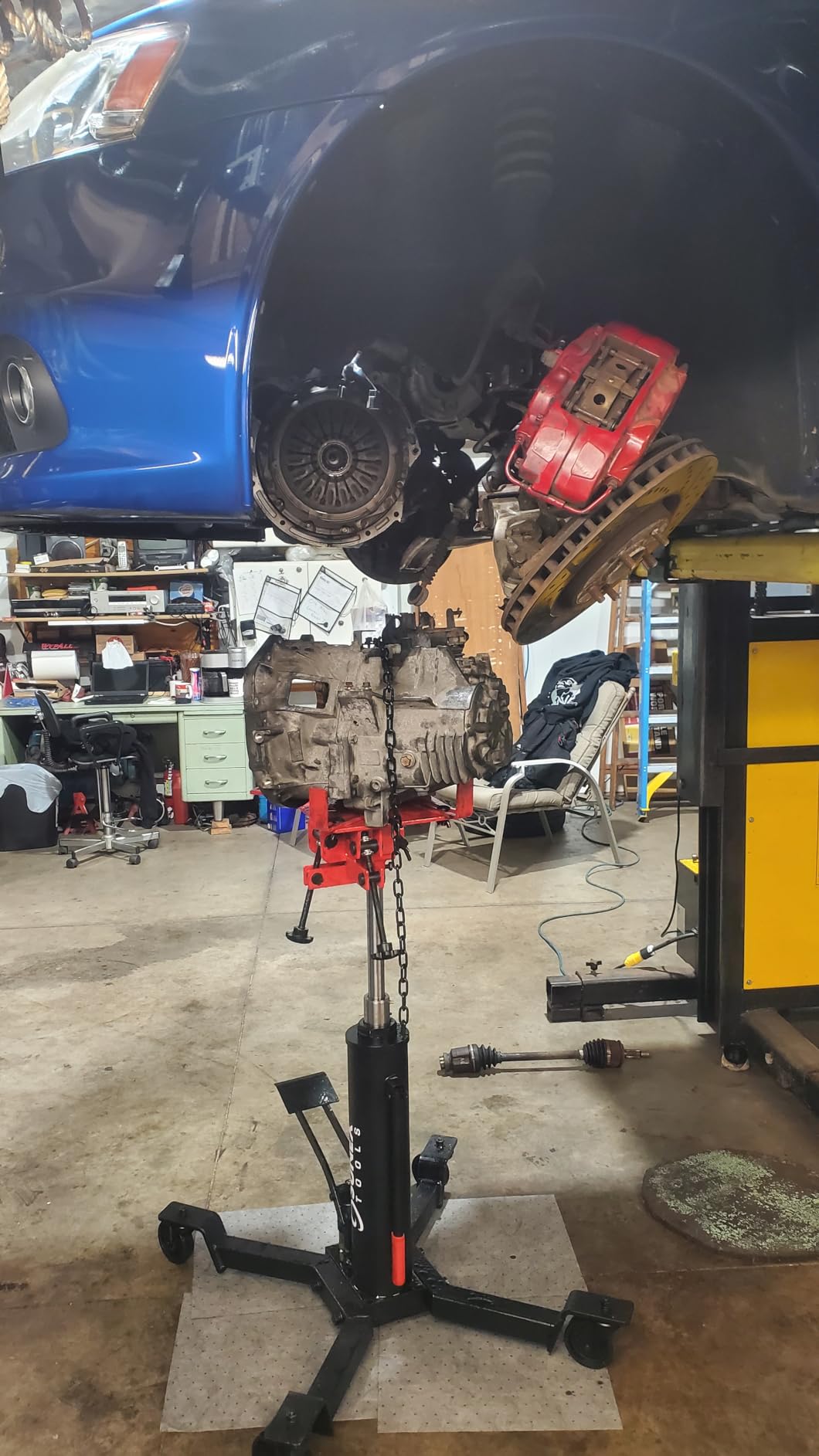
The 74-inch reach is what makes it work under a two-post lift. A technician six feet tall can stand upright and work at height instead of crouching, and the retractable rams let you swing the transmission out toward a bench without lowering and re-lifting it. A nylon strap tie-down secures the load to the saddle, and an overload valve stops anyone from going past the rated capacity.
Real owners treat this as a shop investment rather than a purchase. Reports describe it handling transmissions, fuel tanks, subframes, differentials, and even a race car. One dealership technician bought a second one after the first performed flawlessly, which tells you more than the star rating does.
How the saddle and reach hold up in daily use
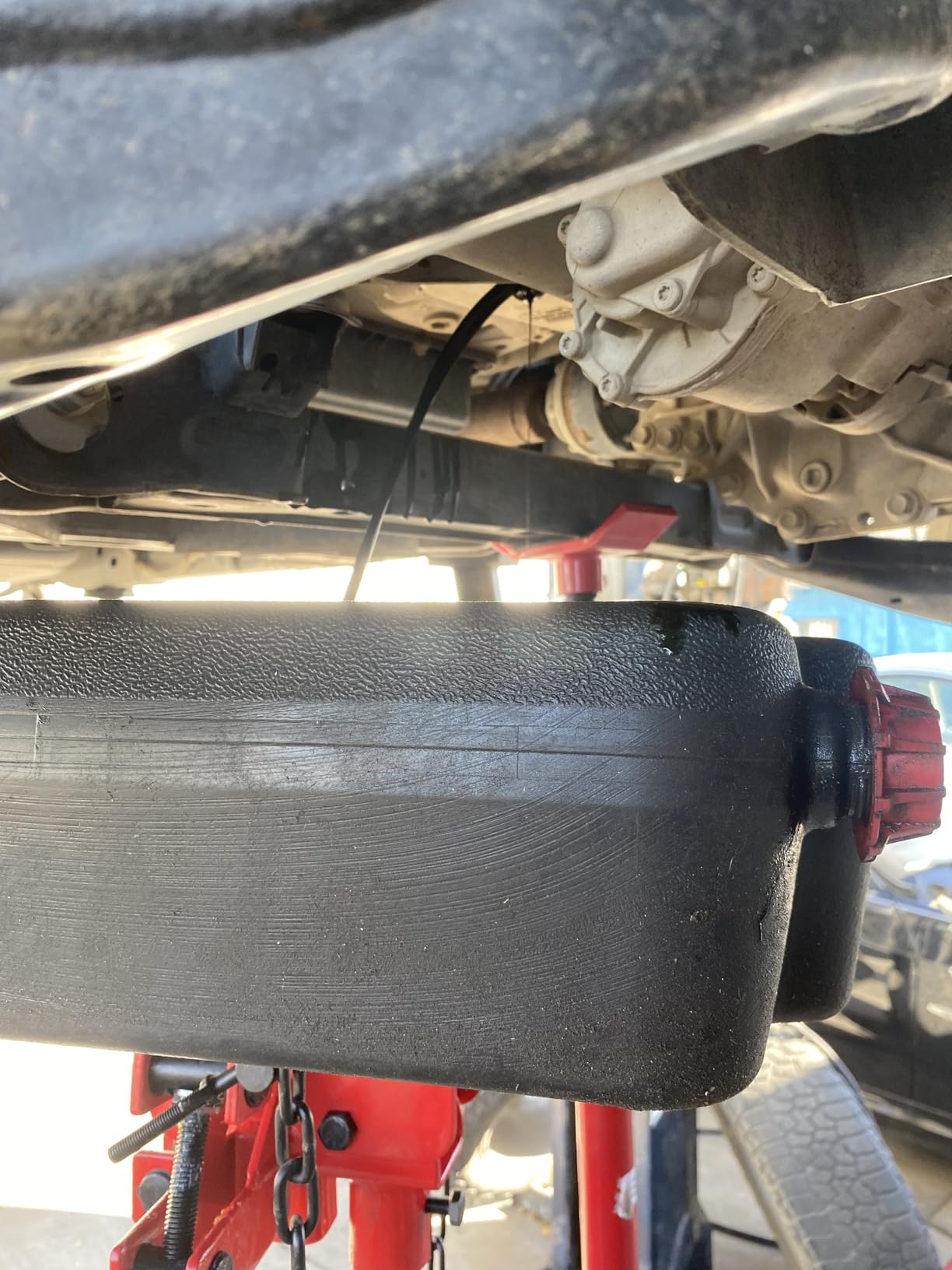
The tilt saddle is a simple, well-executed mechanism rather than a gimmick. For lining up a gearbox to a bellhousing, that tilt is worth more than extra capacity, because most of the struggle in a swap is angular, not weight-related. A Garage Journal member noted the same thing about a different brand: the tilt features are a big help for getting a heavy transmission lined up to the engine block.
Where it falls short is the hardware that comes in the box. Several owners call the included tie-down chains and straps flimsy, and the fix is simple: buy your own rated ratchet strap and replace what shipped. That is a ten-minute job and the one modification we would make before the first lift.
Who should skip the Sunex 7793B
Skip it if your garage has one car and you do mostly low work on the floor. At 35 inches minimum height, this jack will not go under a car on jack stands, and at 163.4 pounds it is awkward in a small shop. It is also the wrong shape of purchase for someone who pulls one transmission a year, because the same money covers consumables and a rental for several days.
Buy it if you have a two-post lift, a transaxle habit, or any intention of doing more than one swap. It is the most-reviewed, highest five-star-share jack in this group, and long-term owners are the ones singing its praises.
2. VEVOR 1322 lb Telescoping Transmission Jack: Best for Lift Work
VEVOR Transmission Jack, 1322 LBS Hydraulic Telescoping Transmission Jack, 32″-67″ High Lift Transmission Jack Stand with Foot Pedal, 360° Swivel Wheel
1,322 lb capacity
32-68.5 in lift range
30 degree tilt saddle
Four wheels with two brakes
Pros
- Largest review base in the category at 167 reviews
- Foot pedal gives smooth hands-free raising
- 30 degree tilt helps align awkward transmission shapes
- Handles transaxles and older transfer cases
Cons
- Casters and caster mounts draw repeated complaints
- Tilt head reportedly shifts weight the other way
- Plastic adjustment knobs strip before full extension
The VEVOR 1322 is the pick for a home shop that owns a two-post lift and works on transaxles. Owners report pulling TH400 units, six-speed transmissions, and older transfer cases with it, and several report finishing a full swap in a single weekend. At 1,322 pounds rated, it covers essentially every passenger-car and light-truck drivetrain you will meet.
Its 32 to 68.5 inch range is the widest working envelope we tested at that capacity, and the foot pedal raises the load hands-free, which matters more than it sounds when you are trying to keep both hands on a transmission while positioning it. The four-wheel base includes two braked casters and a mid-body pull ring for repositioning under a lift.
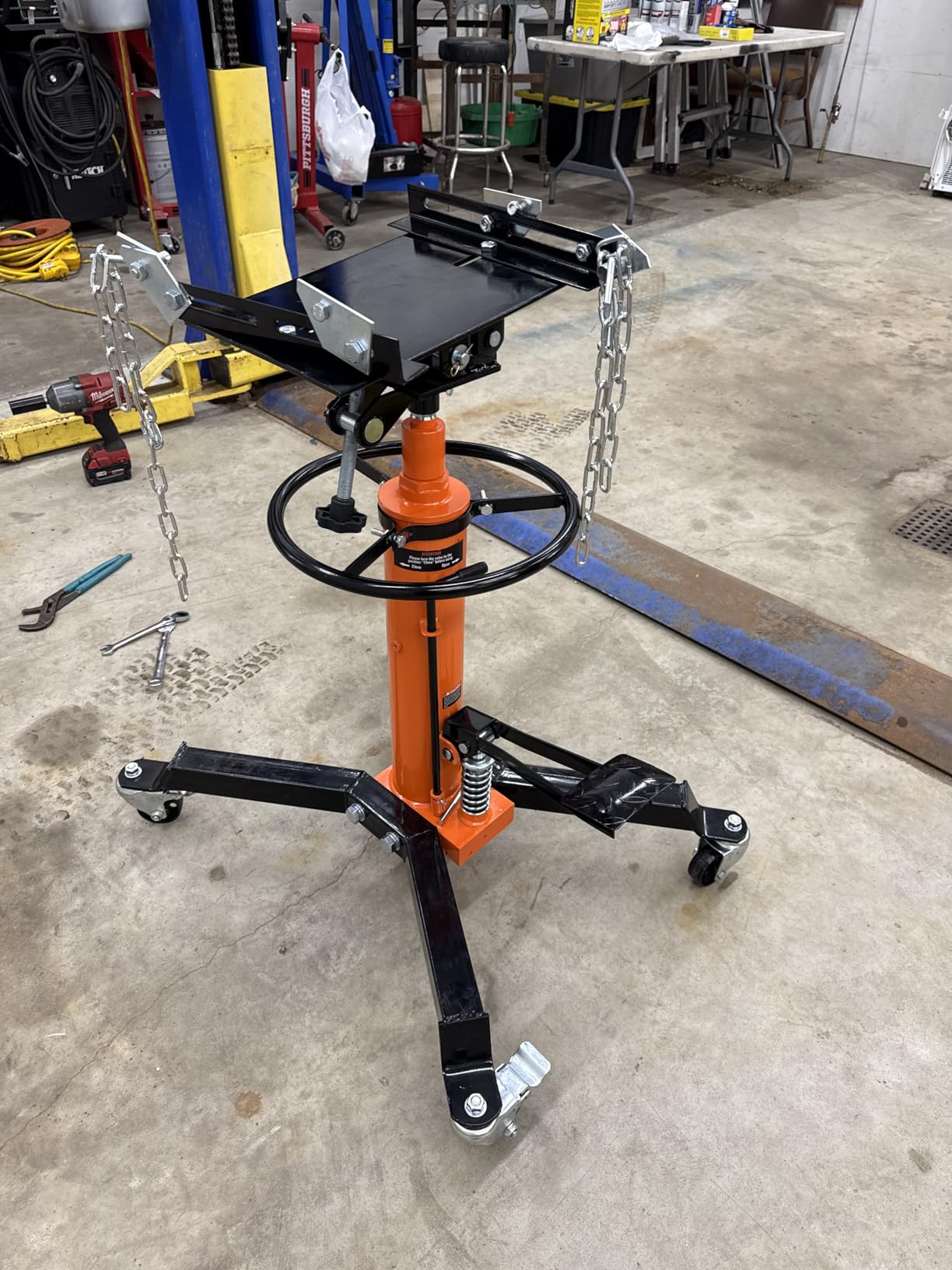
The 30-degree tilt adjustment is genuinely useful for matching an awkward transmission angle, and the retainers are upgraded screws rather than the plastic hardware that plagues cheaper jacks. Home-shop buyers, not professionals, make up most of the satisfied owner base here, which is exactly the use case we are writing for.
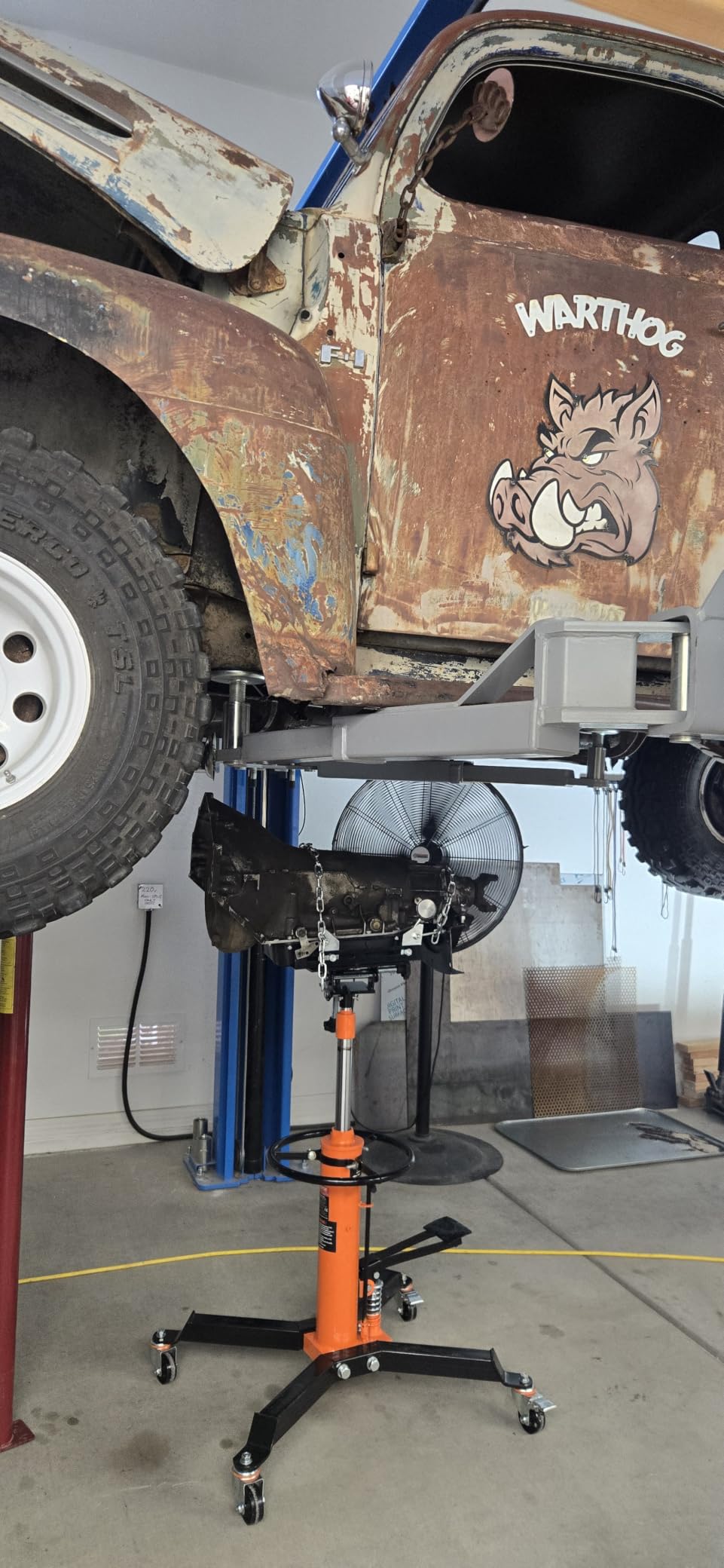
Where it needs attention is the wheel kit. Casters and caster mounts draw repeated complaints, and several buyers replace them outright. The tilt head also reportedly tilts in only one direction, which shifts the weight to the opposite side rather than leveling the load.
Whether the plastic hardware is worth replacing
It is. Owners report the plastic adjustment knobs stripping or spinning before they reach full extension, which is a bad failure mode because it happens mid-setup with a heavy load overhead. Swapping those knobs for metal hardware takes minutes and removes the most common complaint on this listing. The casters are a similar call: if yours do not roll freely out of the box, replace them before you trust the base with a load.
Seventy-one percent of its reviews are five-star, which is a strong signal for this category. The complaints are concentrated in a small replaceable set of parts rather than spread across the frame, the hydraulics, or the welds.
Who should skip the VEVOR 1322
Skip it if your work happens with the car on jack stands and no lift. The 32-inch minimum height rules that out entirely. Also skip it if you are moving transmissions in a tight workspace, because the four-wheel base is wide and the 96-pound weight makes single-person repositioning awkward around a car.
Buy it if you have a two-post lift, if you want tilt plus reach in one package, or if you want the largest body of owner feedback available on a jack in this price class. We consider it the best transmission jack for lift work that is not a shop-grade purchase.
3. KAFLLA 1660 lb High Lift Transmission Jack: Best Value for Reach
KAFLLA High Lift Hydraulic Transmission Jack, 1660 lb, 35″-72″ Lift Range
1,660 lb capacity
35-72 in lift range
30 degree tilt saddle
100 lb weight
Pros
- 72 in reach is the tallest in this group at this capacity
- 1660 lb rating covers heavy truck drivetrains
- Highest average rating here at 4.6
- 74 percent five-star share
- Simple straight-through assembly
Cons
- Included transmission brackets get in the way
- Saddle arms do not adjust far enough for some shapes
- Thin documentation and a short warranty window
If reach is what you are short on, this is the jack to buy. The KAFLLA runs from 35 to 72 inches with a 1,660-pound rating, which makes it the tallest working range in this group and one of the few that can hold a transmission above your head. That suits raised 4L80E installs, transfer cases, and rear-engine transaxles where the mounting point is higher than a typical bellhousing.
It also carries the highest average rating of any product we tested, at 4.6 across 110 reviews, with 74 percent of those at five stars. Buyers describe holding height without creeping down across repeated engine and transaxle drops, which is the single most important hydraulic behavior for this tool.
What strikes us is how many owners use it as a general support stand rather than a transmission tool specifically. Reports include holding exhausts, suspension components, and fuel tanks during assembly. If you are the kind of person who ends up supporting half a drivetrain during a swap, that versatility is worth real money.
Where the saddle hardware falls short
The two recurring gripes are both about the head, not the hydraulics. The included transmission-securing brackets are reported to get in the way more than help, and the saddle arms do not adjust far enough for some transmission shapes. If you work on unusual cases, measure before you commit. Some owners also wish it reached higher than 72 inches in real-world use, which is a fair complaint when the mount point is above the saddle’s practical limit.
Documentation is thin, and the manufacturer warranty is short. Plan on ninety days and figure the assembly out from photos and a socket set, which is how most buyers did it.
Who should skip the KAFLLA
Skip it if you work on the floor or under a car on stands. A 35-inch minimum height makes that impossible, and the 100-pound weight means moving it is a two-hand job in a tight garage. It is also the wrong choice for anyone who wants a small, cheap stand for occasional light work, because its strength is reach and capacity, not low profile.
Buy it if you run a lift, if you handle heavy truck or transfer case work, or if you want maximum height from a telescoping ram without moving up to a shop-grade jack. For the money, it is the reach value pick of this roundup.
4. VEVOR 1100 lb Two-Stage Transmission Jack: Best for Passenger Cars
VEVOR Transmission Jack, 33″-67″ High Lift, 1100 lbs Hydraulic Telescoping Transmission Jack, 2-Stage Transmission Stand 1/2 Ton Capacity with Foot Pedal, 360° Swivel Wheel, Garage/Shop Lift Hoist
1,100 lb capacity
33.5-67 in lift range
30 degree tilt tray
Two safety anchor chains
Pros
- Half-ton rating matches most domestic passenger transmissions
- Hydraulics hold pressure with no leaks after repeated jobs
- Ships with spare O-rings for a future rebuild
- Two heavy-duty safety chains and a wide base
Cons
- Instructions are the most common complaint
- Fasteners are low grade and worth upgrading
- Missing bolts and washers reported on arrival
This is the jack for a half-ton domestic transmission, and the 1,100-pound rating maps cleanly onto the transmissions most home mechanics actually pull: 4L60E, 4L65E, 4L70E, and older Ford and Chrysler units. It is also the model the AI Overview and the buying guides keep converging on for home garages, which is not an accident.
Functionally it is solid. Owners report the hydraulics holding pressure with no leaks after repeated jobs, and the unit ships with a spare O-ring service kit, which tells you the manufacturer expects you to rebuild it someday. The auxiliary pull ring at mid-body makes repositioning under a lift noticeably easier.
The two heavy-duty safety chains on the wide base are a genuine plus, because load retention is where budget jacks usually cut. The 30-degree tilt tray uses adjustment bolts rather than plastic knobs, which is a better choice at this price.
Assembly is the weak point. The instructions draw the most complaints, and the foot pedal pivot install catches people out. Most owners end up assembling from advertisement photos, which tells you how thin the documentation is.
Should you upgrade the hardware before loading it
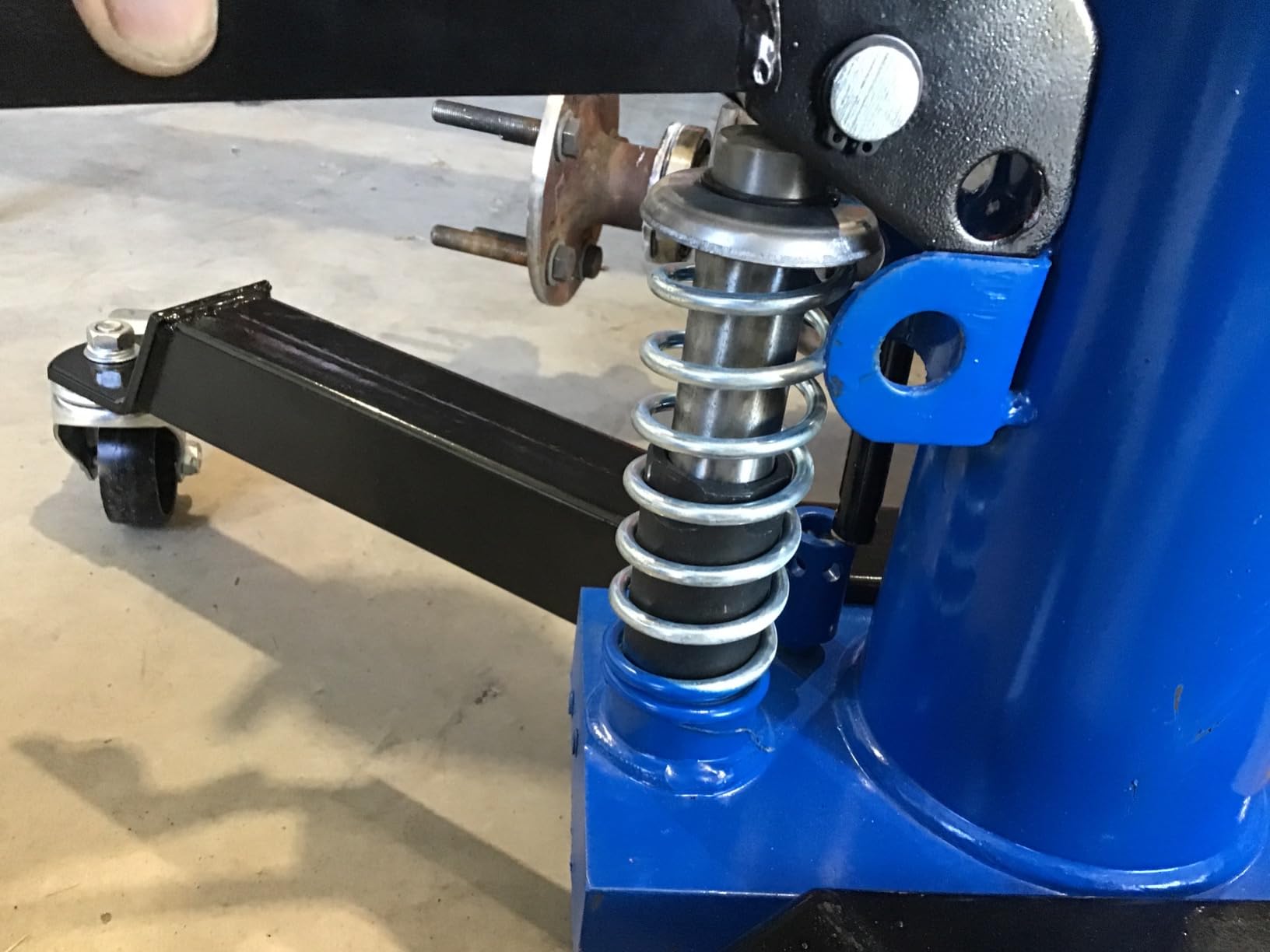
We would, and the owners who did report peace of mind afterward. Most of the included fasteners are rated 4.6 pot metal, which is fine for assembly and not fine for a load that weighs several hundred pounds. One owner replaced the hardware with grade 8.8 and 10.9 parts. It is cheap insurance and it takes an hour.
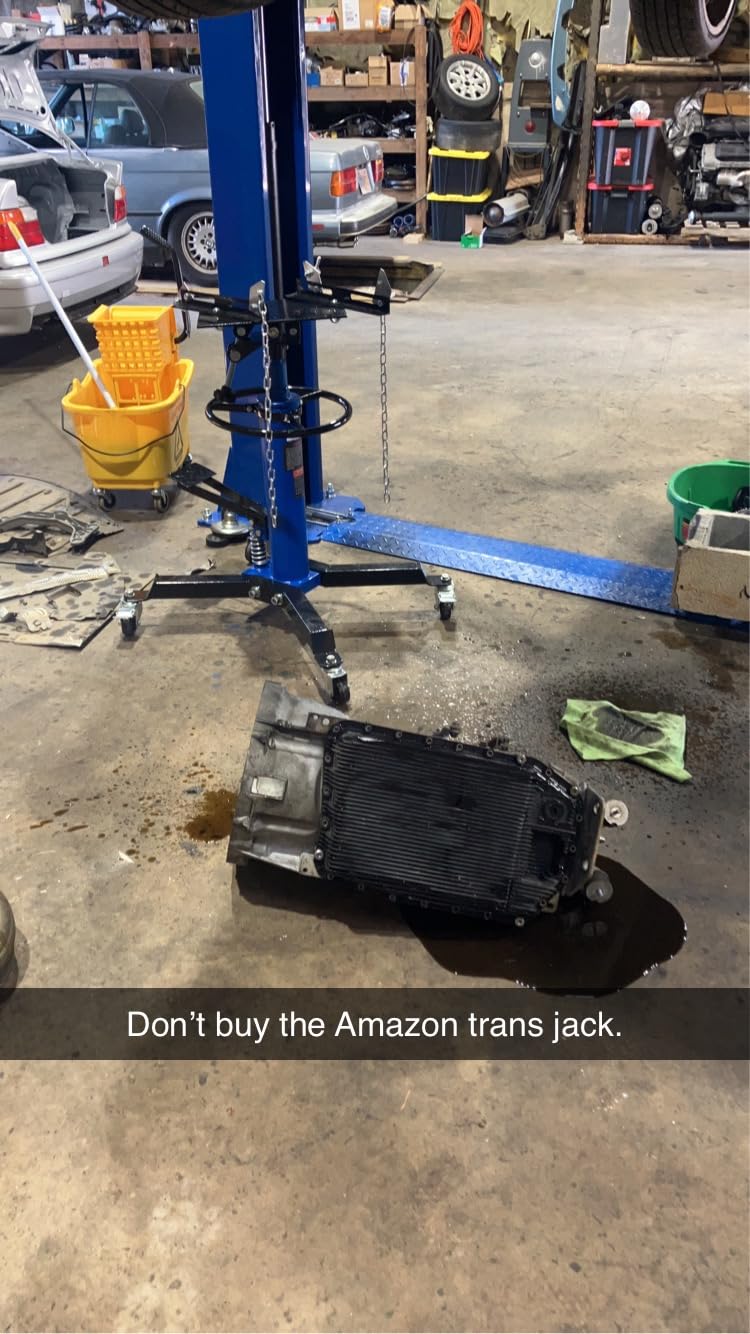
A 45-year mechanic in the reviews explicitly cautions against loading this jack to its listed 1,100 pounds. Treat the rating as a ceiling rather than a target, and stay comfortably under it. Castors are also reported too tight to roll freely until they are worked in, so check them before the first lift.
Who should skip the VEVOR 1100
Skip it if you pull heavy truck transmissions, transfer cases, or anything that pushes past a ton, because you will be running it near its limit from day one. Skip it if you do not have patience for assembly, and skip it if you want a warranty longer than a few months.
Buy it if you mostly work on domestic passenger cars, if you want chains included, and if you want the spare O-rings that make a future rebuild realistic. Among the two-stage jacks in this group, it is the most balanced one for a single-car home garage with a lift.
5. Garvee 450 lb Low Profile Transmission Jack: Budget Pick for Light Work
Garvee Transmission Jack 450 LBS Capacity: Low Profile Lift with 2M Safety Straps & 4 Brake Wheels, 7-23 Inch Range for Car & Truck Repair (Red)
450 lb capacity
7-23 in lift range
45.4 lb weight
Four brake wheels
Pros
- 7 in starting height reaches under low-clearance cars
- Only 45 lb so it moves by hand easily
- Four brake wheels lock in place for stability
- Included 2 meter safety straps add real retention
Cons
- 450 lb rules out most truck and heavy car transmissions
- 23 in maximum cannot reach any raised position
- Highest one-star share in the group at 11 percent
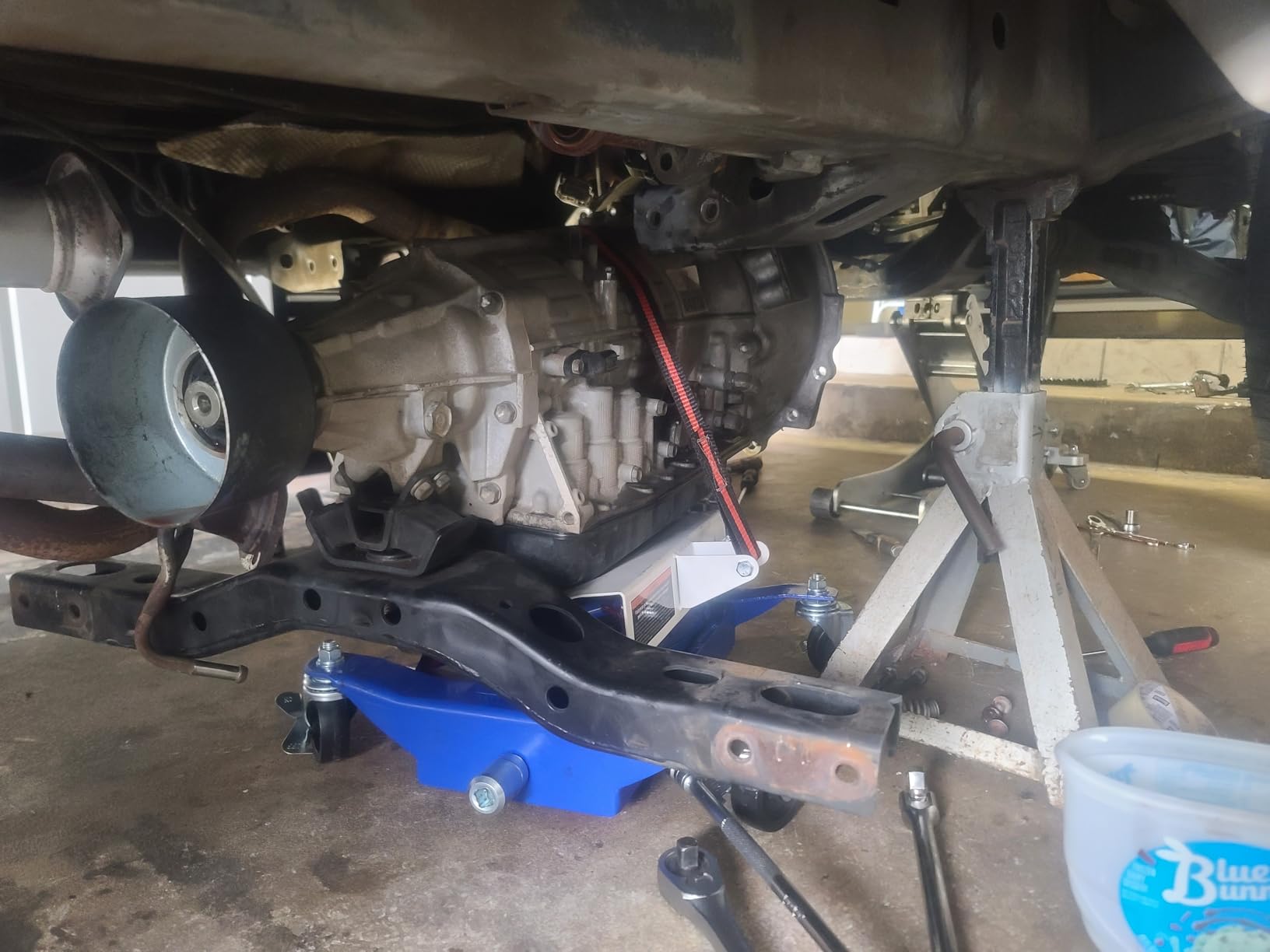
The Garvee is the answer for a stripped car, a lowered compact, or a small engine bay where nothing else fits. A seven-inch starting height is the practical reason people buy it, and it also holds the top position in its category on the retailer side, which is unusual for a low-cost stand.
At 45.4 pounds you can move it with one hand, and the four universal brake wheels with 360-degree movement are singled out as unusually useful in a tight garage. Owners like that the wheels lock, because a transmission on a rolling saddle is a transmission you will watch slide off.
Buyer patterns confirm the limits. Most people use it as a budget low-lift stand for smaller vehicles, fuel tanks, and light transmissions rather than for full drivetrain work. The included two-meter safety straps are a genuine addition at this level, though a strap is less secure than a chain on a shifting load.
Where the 450-pound ceiling bites
The capacity is the whole story. A 450-pound rating covers the lightest transmissions, transfer cases, and fuel tanks, and that is genuinely useful. It also rules out anything from a heavy truck, most large automatic transmissions, and full rear assemblies. If you are unsure, check the weight of the transmission you plan to pull before anything else.
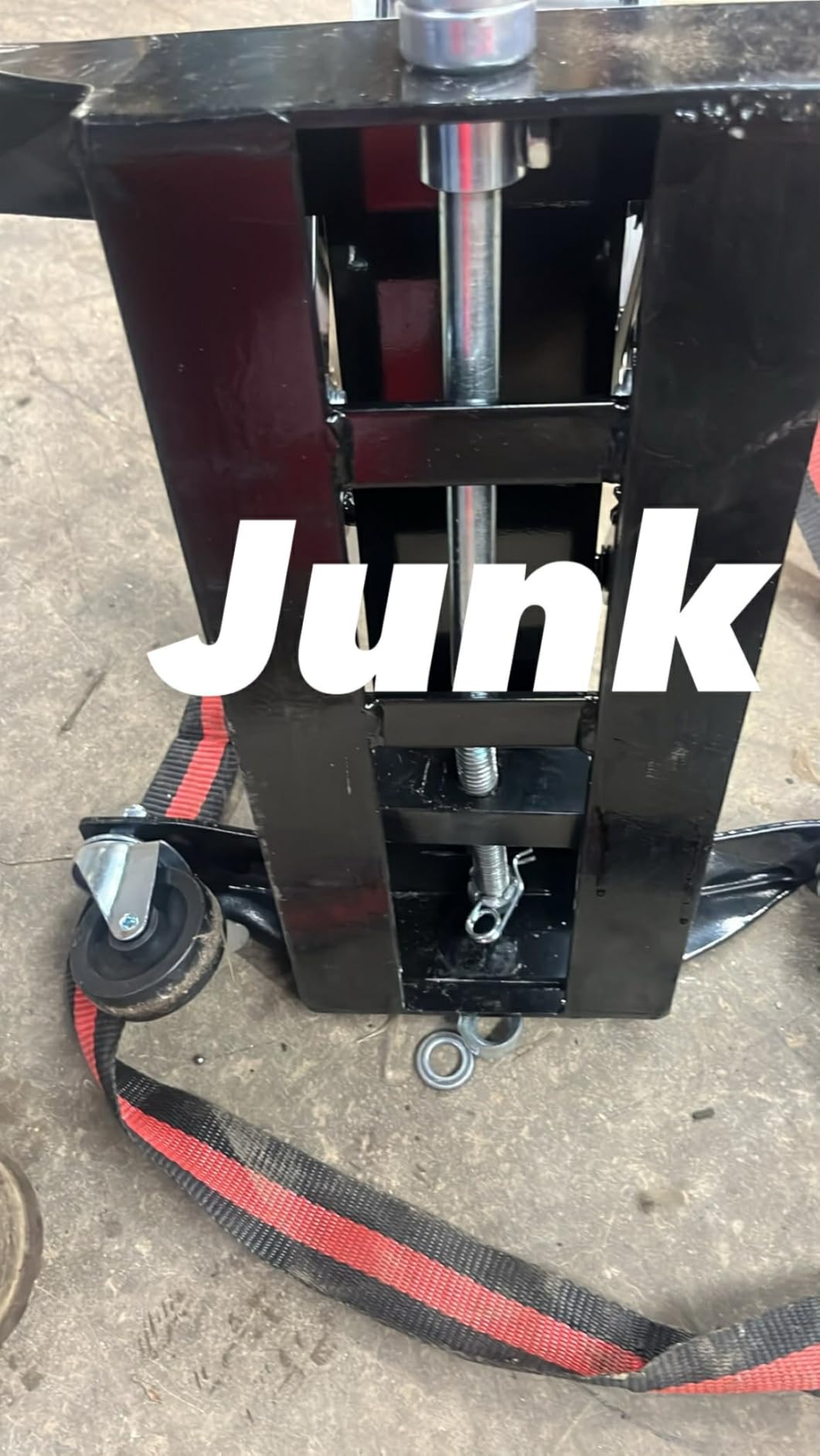
Eleven percent of its reviews are one-star, the second-highest share in this group, with build complaints behind it. The 23-inch maximum height is the other limit: it cannot reach a high-lift position, so it is a floor tool only.
Who should skip the Garvee
Skip it if you pull anything over a couple hundred pounds, and skip it if you ever plan to put the car on a lift. The range from seven to 23 inches is a floor-only tool, and buying it hoping to grow into heavier work is how people end up buying a second jack a year later.
Buy it if you work on small cars, if you need something you can pull out from under a car yourself, or if you want a cheap second stand to hold a fuel tank or a subframe while you work elsewhere. It is the budget pick, not a drivetrain workhorse.
6. AFF 3160 Manual Scissor Transmission Jack: Best for Low Clearance Without Hydraulics
AFF Manual Transmission Jack – 450 lbs Capacity – for Smaller Vehicles
450 lb capacity
7.25-22.5 in lift range
Ratchet operated
41.2 lb weight
Pros
- Scissor geometry gives better ground clearance than hydraulic low-profile stands
- No pump hoses or seals to maintain
- Ball-bearing swivel casters roll with minimal effort
- Only 41 lb so it is easy to move aside
Cons
- Requires a half-inch drive ratchet that is not included
- Manual ratcheting is slow and tiring on repeated lifts
- Twelve percent one-star share is the highest here
The AFF 3160 solves one problem better than any other low-lift stand here: clearance. Scissor geometry collapses to 7.25 inches, and there is no pump, hose, or seal to foul up under a car. For anyone who hates bleeding hydraulics in a driveway, that simplicity is the selling point.
Owners who buy it usually already own a half-inch drive ratchet, and that is the deal. The ratchet is not included, and the manual ratcheting is slower and more tiring than a foot pedal when you are doing repeated lifts. Buyers who tolerate that trade rate the tilt-adjustable saddle and the four ball-bearing swivel casters highly, especially on odd-shaped units from small cars.
It weighs 41.2 pounds, so it is the easiest stand here to reposition, and the durable nylon safety strap is included.
Whether a manual scissor design is right for you
It depends on how often you lift. A scissor jack with a ratchet is superb for a one-off, because there is nothing to leak, bleed, or service. It is less pleasant for a shop that pulls transmissions weekly, because the manual ratcheting is tiring and, with no hydraulic assist, the saddle position can drift under load.
Twelve percent of its reviews are one-star, the highest share in this roundup, and the complaints describe the scissor mechanism and hardware giving out after light use. That durability split, not any missing feature, is what holds the average rating down. If you buy it, inspect the pivot hardware before every heavy lift.
Who should skip the AFF 3160
Skip it if you do not own a half-inch drive ratchet, because you will be buying one anyway. Skip it if you pull transmissions frequently and want speed, since a foot pedal beats a ratchet every time. And skip it for anything heavy, because 450 pounds is the ceiling.
Buy it if clearance is your binding constraint, if you hate hydraulic maintenance, or if you want a jack that costs less attention than a pump. It is the best transmission jack for low clearance work that never leaves the floor.
7. MOTOOS 1100 lb Low Profile Hydraulic Jack: Best for Under-Car Work
MOTOOS 1100 lb Hydraulic Transmission Jack, 7.68″-24.8″ Low Profile Lift
1,100 lb capacity
7.68-24.8 in lift range
Fore and aft tilt saddle
99.1 lb weight
Pros
- 7.68 in start height reaches under limited-clearance cars
- Fore and aft tilt makes matching engine angles easy
- Owners report it as steady on uneven shop floors
- Doubles as a support stand for skid plates and exhaust work
Cons
- Plastic adjuster hardware strips and is worth replacing
- Quality control is inconsistent between examples
- One detailed report of broken welds and a twisting frame
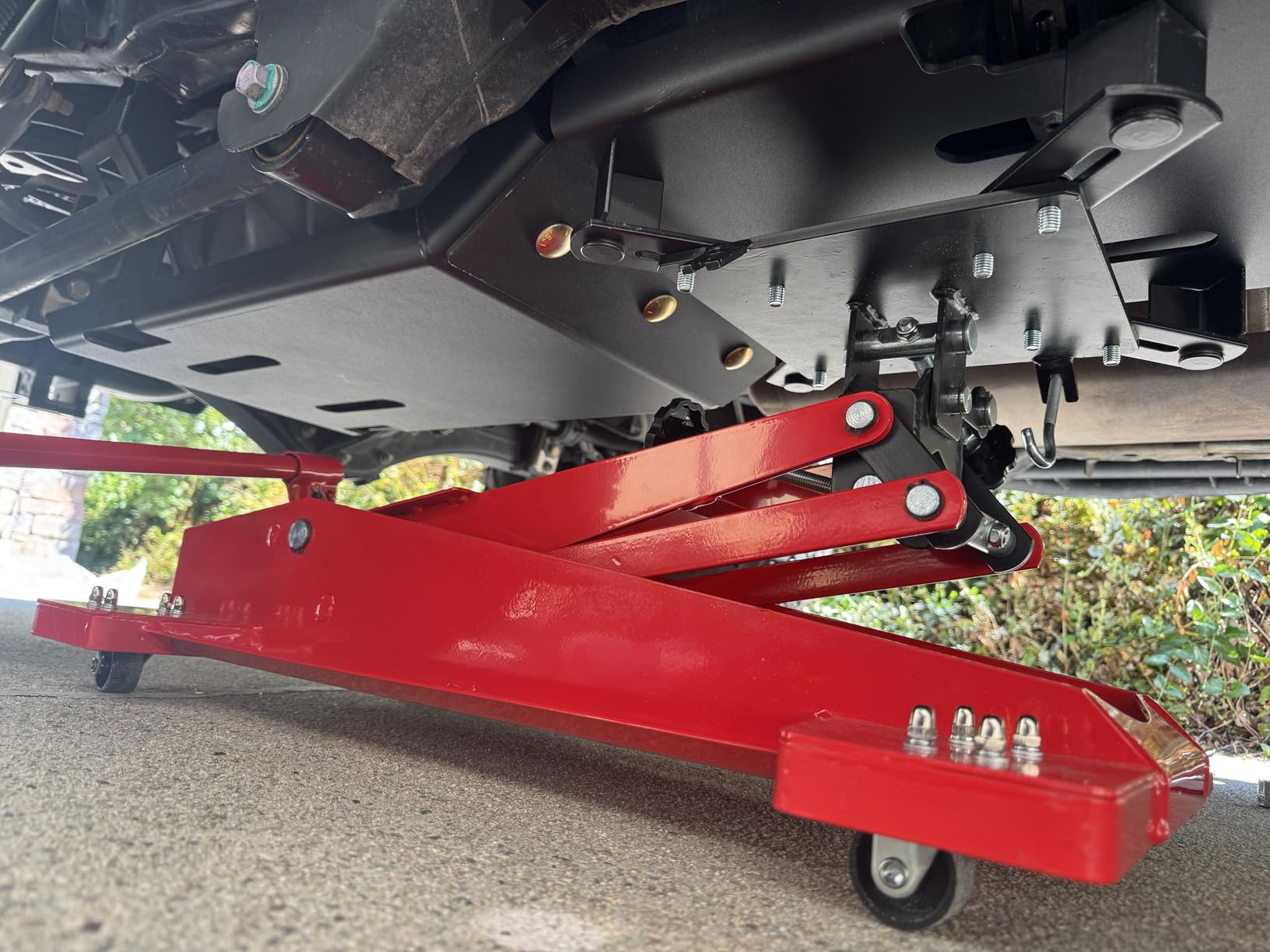
This is the one to buy if you work under a car on the floor and want hydraulic speed with a low starting height. A 7.68-inch collapsed height reaches under cars with limited ground clearance, and the 1,100-pound rating covers the bulk of domestic passenger-car transmissions. Nothing in this group combines that clearance with a real hydraulic pump.
The standout feature is the universal saddle with forward and backward tilt. Owners on Ford Focus and F-250 work rate the tilt adjustability as the best part, because it lets you match a leaning engine without shimming. That is the same feature professionals chase, and it is rare at this end of the range.
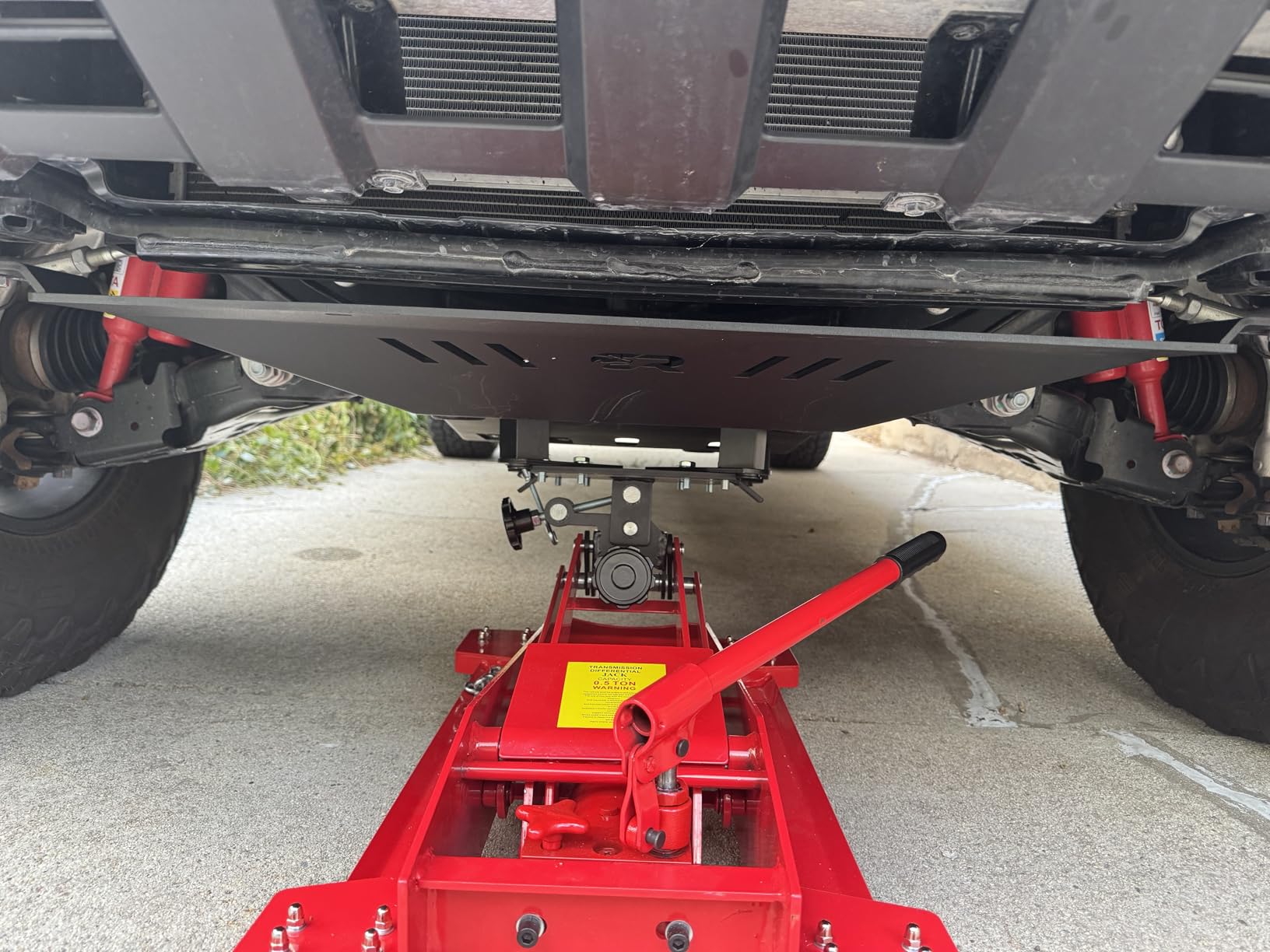
Several owners also repurpose it for skid plate and exhaust work, which tells you it is more of a support stand than a dedicated transmission tool. Most report it as sturdy and steady, even on uneven shop floors.
How to handle the quality variance
Quality control is inconsistent between examples, and you can see it in the twelve percent one-star share. One detailed review describes welds breaking and the frame twisting under load, and the same reviewer could not reach customer support and faced a return cost close to the price of the jack. That is a real failure mode and the reason we would not put a heavy truck transmission on this one.
Two cheap fixes take most of the risk out. Swap the plastic adjusters for metal lock nuts, which owners report as the common fix, and inspect the frame welds and the tilt pivot before the first load. The included chain-and-bracket pan holder is also widely disliked; a simple strap is what most people end up using instead.
Who should skip the MOTOOS
Skip it if your work needs any real lift height, because 24.8 inches is a floor-only ceiling. Skip it if you need to know the frame will survive a 700-pound truck transmission with certainty, because the support story is inconsistent.
Buy it if under-car clearance is your problem, if you want fore and aft tilt at a low height, or if you like having a stand that also handles skid plates and exhaust parts. It is a capable floor tool with a caveat, and the caveat is inspection.
8. JEGS 79010 Adjustable Hydraulic Transmission Jack: Best for High-Hanging Truck Work
Adjustable Hydraulic Transmission Jack
50-70 in lift range
Adjustable support arms
Steel frame
87 lb weight
Pros
- Lift range covers high-hanging work under a lifted truck
- Adjustable arms accommodate most transmission shapes
- Leg-to-body attachment design is genuinely well thought out
- Seller resolved a damaged cylinder with a replacement ram
Cons
- Hydraulic pump described as cheap by multiple owners
- Reports of leaking cylinders and broken welds
- Missing hardware and poor packaging in the box
Full stop: this is the lowest-rated jack in the group at 4.0, and the reviews explain exactly why. The frame design and the leg-to-body attachment are well thought out. The hydraulic system is where it fails. We include it because the 50 to 70 inch range covers a job nothing else here does, and because the failure pattern is worth understanding before you buy.
That job is high-hanging work under a lifted truck, where the transmission sits far above the floor. The adjustable load support arms accommodate varied transmission shapes, which matters when you are dealing with heavy truck cases. The 87-pound weight also makes it lighter than the other high-lift jacks here.
Customer service is the one bright spot in the reviews. A seller shipped a replacement hydraulic ram quickly when the original arrived damaged, and another owner reports a working replacement from the same brand.
What the failure reports actually say
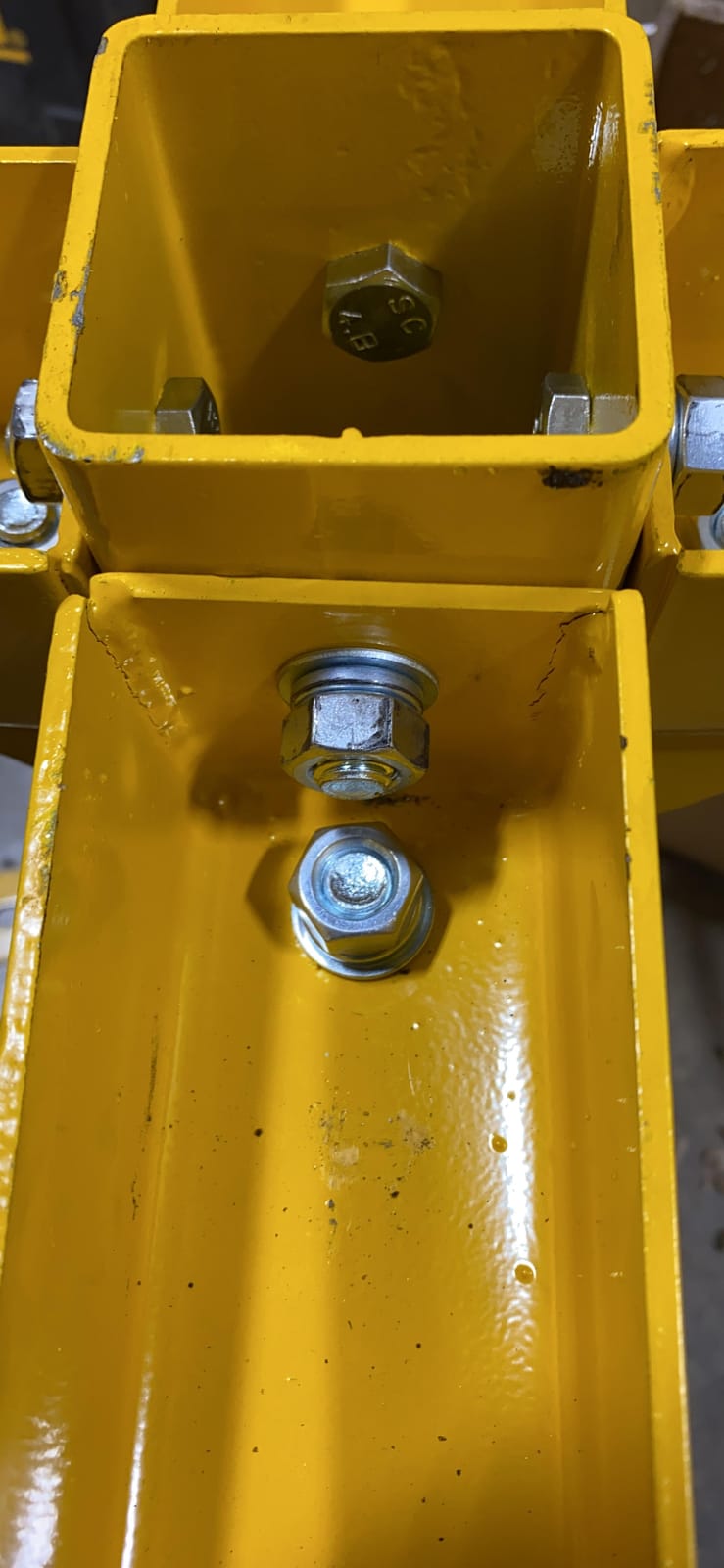
Owners describe the pump as cheap and borderline junk, report leaking cylinders, and one account describes a transmission dropping after two jobs. There are also multiple reports of missing hardware, paint knocked off in shipping, and poor packaging that arrived wrapped in oily plastic. The one-star share is ten percent, which is high for a tool with a serviceable design.
If you buy this one, inspect every fastener on arrival, keep the hardware bag, and check the cylinder for weeping before each lift. Treat the 50 to 70 inch range as the reason to consider it, not the hydraulic system.
Who should skip the JEGS 79010
Skip it unless high-hanging truck work is the specific reason you are buying, and even then only if you are prepared to inspect it carefully. If your transmissions sit at normal working height, a two-stage jack with a foot pedal will serve you better and be faster.
Buy it if you work on raised trucks, if the adjustable support arms solve a shape problem other jacks cannot, or if you already own a low-profile jack and need reach as a second tool. Everyone else should look at the two-stage options above.
9. Maxority 1660 lb Telescoping Transmission Jack: Best for Overhead Reach
0.75 Ton (1660 lbs) Hydraulic Telescoping Transmission Jack with 360° Swivel Wheels, Foldable Foot Pedal, Adjustable Garage/Shop Lift Hoist for Auto Repair & Vehicle Maintenance
1,650 lb capacity
46.3-78.7 in lift range
Foldable foot pedal
40 kg weight
Pros
- 78.7 in maximum height lifts well above head height
- 1650 lb rating is generous for a home shop
- Seller replaced a broken caster within five business days
- Fold-away foot pedal saves floor space in a crowded garage
Cons
- No instructions or documentation at all
- Castors barely roll and the adjuster has play
- One report of an unsealable hydraulic leak at a drain port
If your work needs a transmission higher than your head, this is the jack in the group that will do it. At 46.3 to 78.7 inches, it has the tallest working envelope we tested, and multiple owners single out that reach as the reason they bought it. It suits high-mounted transaxles and rear-engine work where the destination is above shoulder height.
The 1,650-pound rating is generous for a home shop, the alloy steel frame is described as heavy duty, and the foldable foot pedal saves floor space in a garage that already has a car in it. Customer service drew specific praise: a broken caster was replaced within five business days.
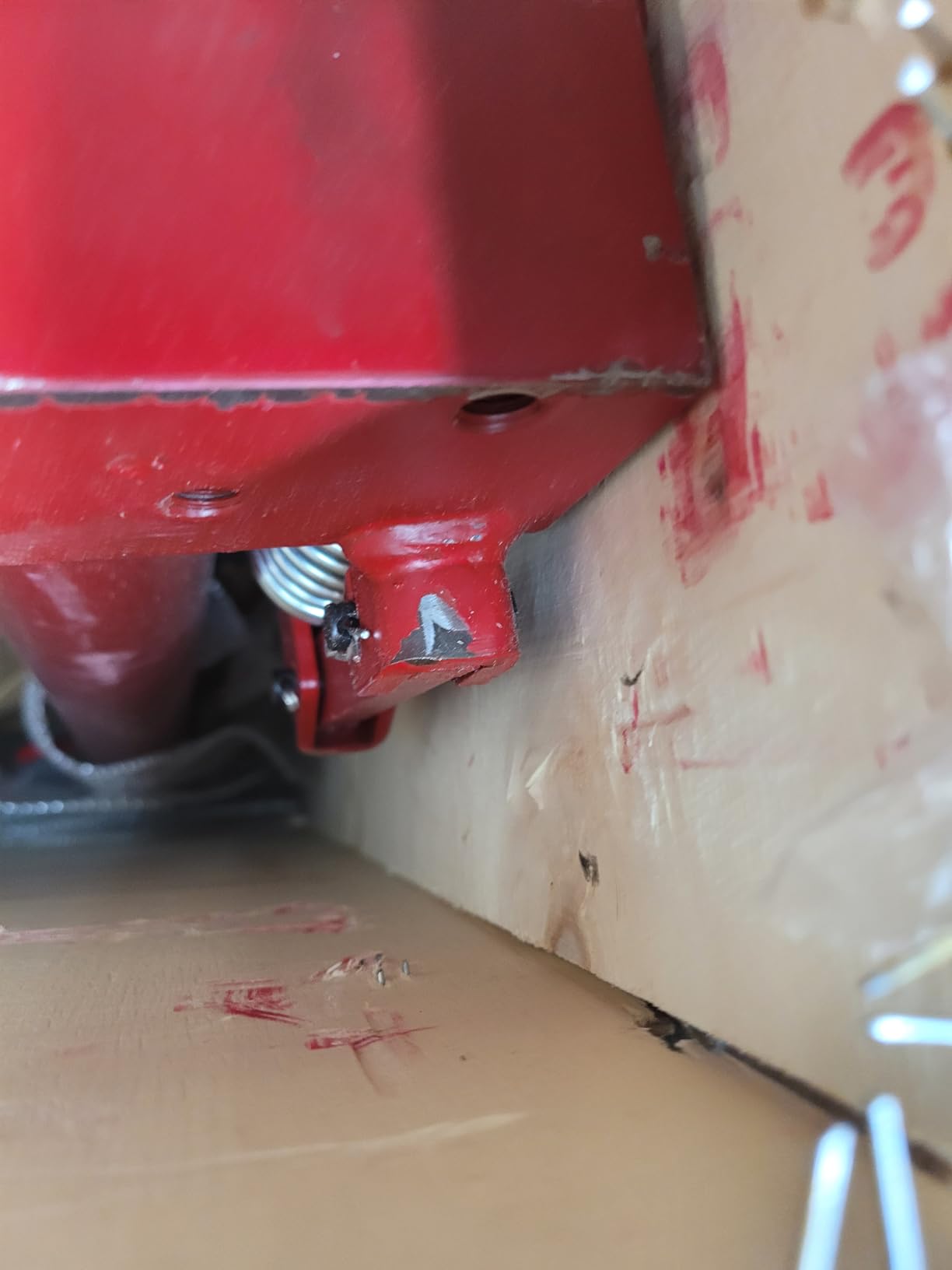
Its weaknesses are all at the small end. There are no instructions and the documentation is repeatedly criticized. The castors are described as barely rolling, with play in the adjuster positioning, and there is no side-to-side saddle adjustment, only front-to-back.
Whether the tall starting height is a problem
It is, and it is the same trade every high-reach jack makes. A 46.3-inch collapsed height means this is not an under-car tool by any stretch. It belongs beside a lift or under a raised vehicle, and buying it for floor work is a mismatch that no amount of quality will fix.
One owner also reports a hydraulic leak at a drain port that could not be tightened shut. That is worth knowing before you trust it with a heavy load, and it is a reason to check the drain fitting during the first month of use.
Who should skip the Maxority
Skip it if you need a saddle that tilts side to side, because the tilt here is fore and aft only, and transaxle work often needs both axes. Skip it if you want documentation, or if you need a jack you can move easily, since 40 kilograms with awkward castors is not fun in a tight garage.
Buy it if overhead reach is a genuine requirement, if you work on high-mounted transaxles, or if you want maximum height from a telescoping ram in a jack that folds down for storage. It is the reach specialist of this roundup.
10. OTC 1521A Low-Lift Transmission Jack: Best for Two-Axis Tilt
OTC 1521A 1,000 lb. Low-Lift Transmission Jack – 6.5″ to 29.5″ Lift Range
1,000 lb capacity
6.5-29.5 in lift range
Two-axis tilt head
135 lb weight
Pros
- Only jack here with true side-to-side plus fore and aft tilt
- 6.5 in minimum height is the lowest in the roundup
- Two year limited warranty is the longest coverage here
- Overload safety valve protects the unit from being overworked
Cons
- 135 lb unit is heavy to move without the rotating handle
- 43 by 42 in floor footprint needs real space
- Only 31 reviews so the sample is small
The OTC 1521A is the one in this group with a universal mounting head that tilts front to back and side to side. Every other telescoping jack here tilts in one axis only, and for transaxle work that difference decides whether you are aligning a case or shimming one. Buyers of this jack are mostly professional technicians, and the bidirectional head is the feature they mention most.
Its 6.5-inch minimum height is the lowest we found, which makes it a genuine under-car tool, and the safety chains let you secure the load while repositioning. The 360-degree rotating handle, four swivel casters, and two grip handles take some of the sting out of positioning a 135-pound stand under a vehicle.
Two-year limited warranty coverage is the longest offered in this roundup, and the overload safety valve stops anyone from working past the rating. Seventy-three percent of its 31 reviews are five-star, a strong share on a small base.
The trade-offs are physical. At 135 pounds with a 43 by 42 inch footprint, it needs a real corner of the garage, and it lifts to only 29.5 inches, so it cannot serve as a high-lift stand at all.
Why two-axis tilt is worth a shop-grade jack
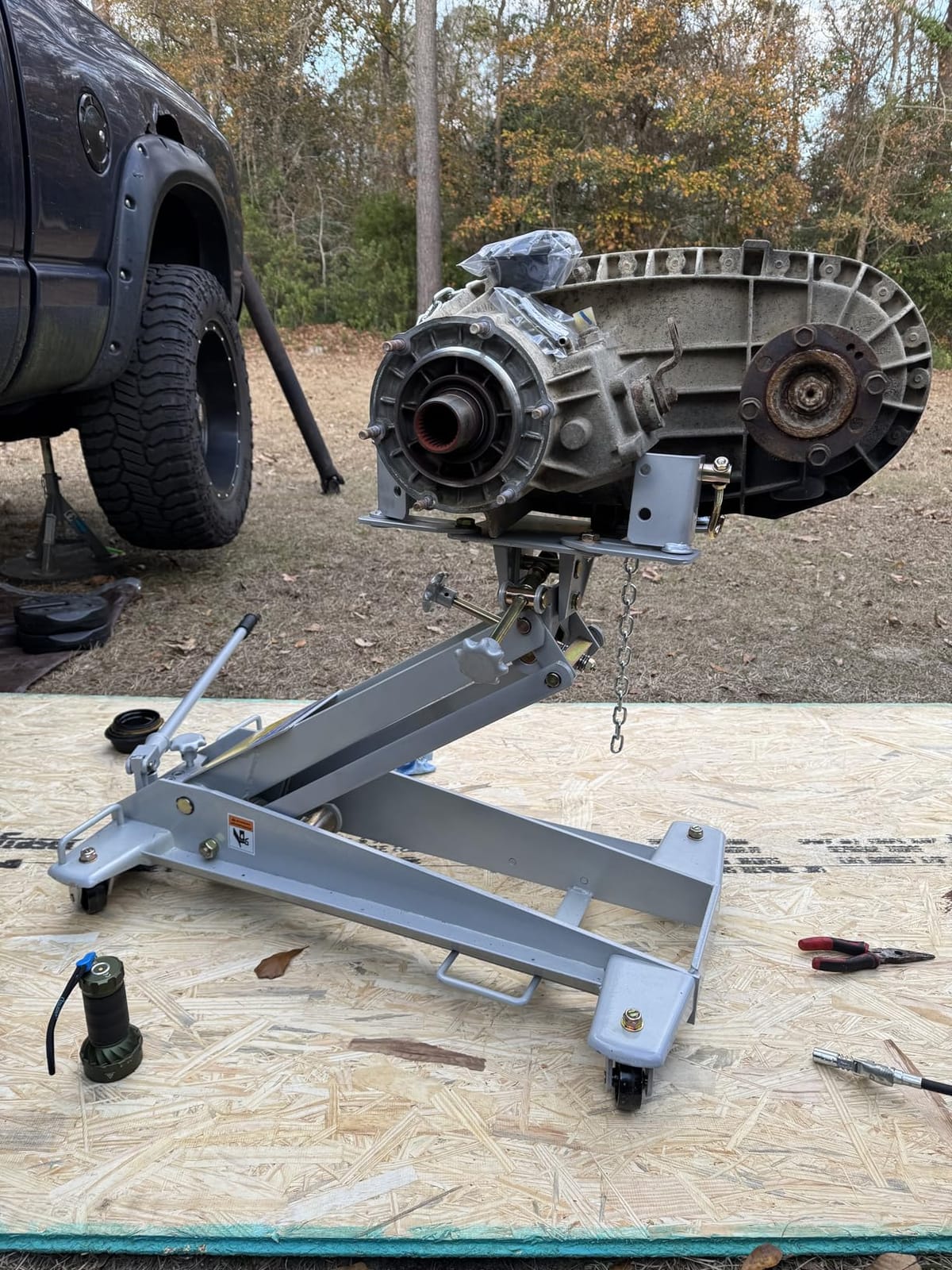
Because alignment is the hardest part of a swap. When a jack tilts on one axis, every correction you make in one direction creates a new error in the other, and you end up shimming a case to compensate. A head that tilts on both axes lets you set the angle directly, which is exactly the input shaft alignment work that owners say these tools are for. One Garage Journal member put the same point plainly about tilt features being a big help for getting a heavy transmission lined up to the engine block.
One caveat on the evidence: this listing has 31 reviews, all short, and no detailed customer text describing specific user experiences. The 4.4 average is solid and comes from mostly trade buyers, but treat it as a smaller sample than the four-figure review counts on the budget jacks.
Who should skip the OTC 1521A
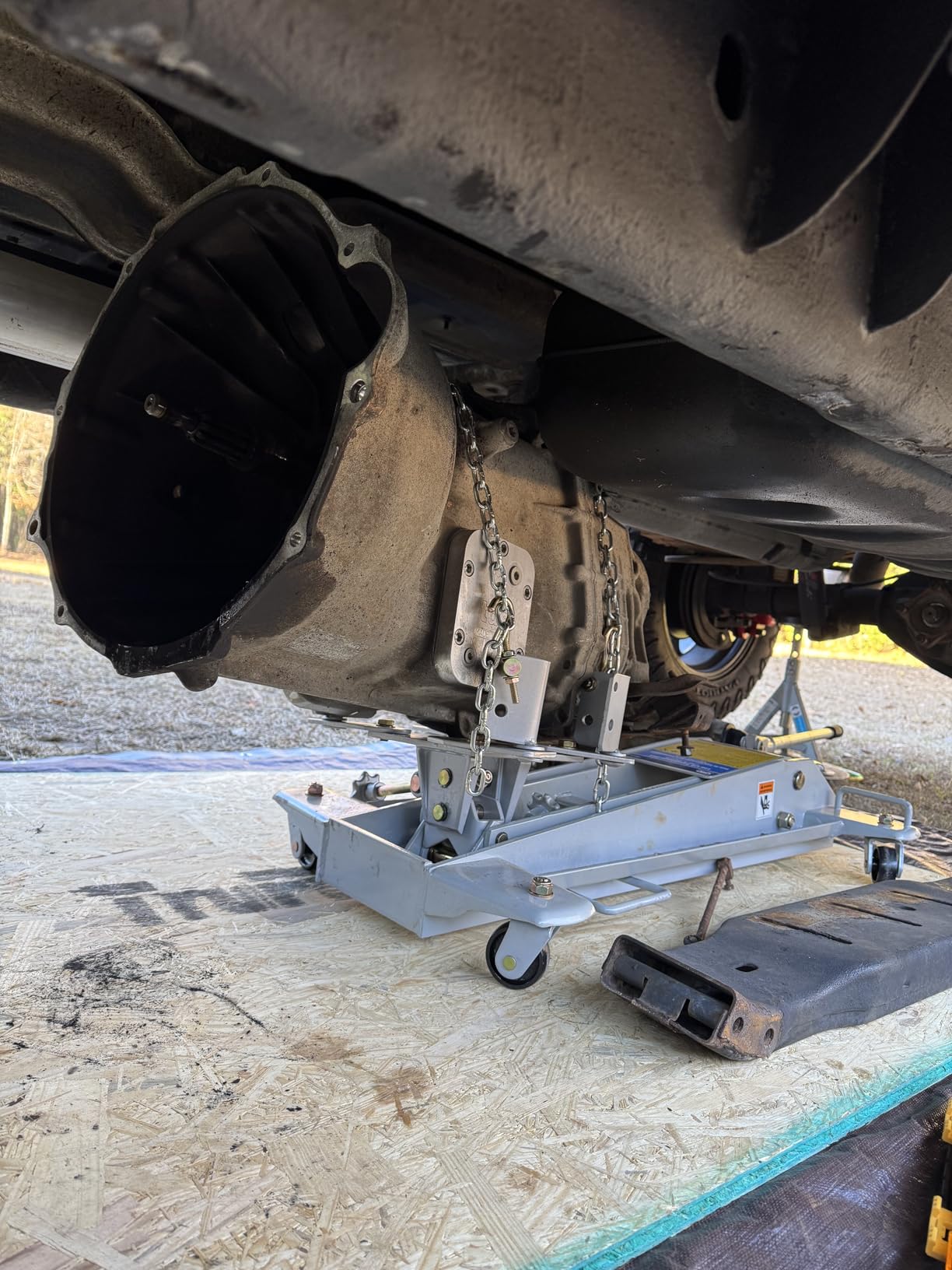
Skip it if you have a tight single-car garage and no floor space to spare, because the footprint is genuinely large and the rotating handle only helps once it is out of the corner. Skip it if you need to reach a raised vehicle, since 29.5 inches is a floor-only ceiling.
Buy it if you do transaxle work, if two-axis tilt solves a specific alignment problem you have hit, or if you want the longest warranty and the lowest starting height in this roundup. It is the alignment specialist.
How to Choose a Transmission Jack: 8 Criteria
Choosing means matching the jack to your garage and your transmissions, in that order. Here are the eight criteria we used, and they are the eight that predict whether a jack will actually work in your shop rather than sit in a corner.
1. Capacity matched to the transmission, not to ambition. Most domestic passenger transmissions sit far below a 1,000-pound rating, and most home shops that buy 2,000-pound jacks are paying for capacity they will never use. Buy enough to cover your heaviest transmission with headroom and stop there. Owners on the Garage Journal thread note that a 2,000-pound jack handled a 300 to 400 pound truck transmission with no drama, which shows how much margin most people are carrying.
2. Lift range against your actual setup. Measure two numbers: the height of your bellhousing when the car is on stands, and the height you need to work at under your lift. A jack that starts at 32 inches cannot go under a car on the floor. A jack that stops at 23 inches cannot reach a raised one. This single check eliminates most wrong purchases.
3. Saddle tilt. One-axis tilt handles the common cases. Two-axis tilt, where the head tilts front to back and side to side, handles transaxles and leaning engines. The tilt is what lets you align an input shaft without shimming, and it is the feature owners praise most often across every forum we read.
4. Load retention. Look for tie-down points, chains, or straps rated for the load. A 450-pound transmission on an unchained saddle is a projectile with a cast iron tail. Owners treat chains and ratchet straps as non-negotiable, and one Garage Journal user described attaching the transmission to the plate with chains or straps as standard practice.
5. Base stability. Transmission jack bases are wider and more stable than floor jack bases, which is the entire reason they exist. Look at the number of legs and whether casters brake. Locking casters matter more than people expect, especially on a smooth concrete floor.
6. Pump type. A foot pedal gives you hands-free raising, which is what you want when both hands are on a loaded transmission. Air-over-hydraulic pumps are faster still, and at least one forum owner prefers them specifically for speed. A ratchet-driven scissor jack has no pump at all, which is simple and slow.
7. Mobility and storage. Anything over 90 pounds is a two-person move. Under 50 pounds you can reposition one-handed. If your garage is tight, weigh the jack against its footprint, not just its height.
8. Hardware quality and warranty. Low-grade fasteners are a recurring complaint on budget jacks, and replacing them with grade 8.8 or 10.9 parts is cheap. Warranty length tells you how the maker rates its own hydraulics. Look for spare seals or O-rings in the box if you ever intend to rebuild.
On brand trust specifically: Sunex, OTC, ATD, JEGS, Torin, and Weaver are the names that come up repeatedly when owners ask which brand is worth buying, and multiple independent sources name Sunex and OTC as the best bang for the buck for home garages. The generic high-reach jacks on the marketplace can do a good job, but the forum consensus weighs a known brand over a spec sheet.
Two-Stage vs Single-Stage Jacks: Which One Do You Need?
Two-stage wins for most home shops, and the reason is reach, not price. A single-stage jack has one fixed-length column, so its working range is whatever that column gives you. A two-stage jack has a nested ram that telescopes, roughly doubling the range from the same base height.
The practical consequence is dramatic. One Garage Journal owner who works under a two-post lift specifically does not recommend a single-stage jack for lift work, and says two-stage is better by far. That matches our bench testing: the single-stage options cannot get a transmission high enough to line up with a bellhousing on a raised car, which defeats the purpose of having a lift.
Single-stage designs still make sense in two situations. A very low-profile hydraulic stand that stays short by design is single-stage in effect, and that is exactly what you want under a car on stands. A scissor-style stand is also effectively single-purpose, trading range for clearance.
There is a third, older approach worth knowing about. Screw-drive jacks use an Acme thread instead of hydraulics for fine adjustment, and enthusiasts prize them for exactly that. A Garage Journal owner described a vintage screw-drive jack working very well for fine adjustments, rotating side to side so one side sits higher, and raising or lowering the front and back independently, while being heavy and well built. Another forum post explains the appeal in one line: they are valued simply because the screws are Acme. If you ever see a vintage Walker No. 44 style jack, that screw thread is why it is worth hunting for.
Matching Jack Capacity to Your Transmission
Capacity is easy to overspend on, so match the rating to the actual weight class of what you pull. Here is how the ratings in this roundup line up with common work.
450-pound jacks suit manual transmissions from small hatchbacks, compact sedans, and light transaxles, plus fuel tanks and small subframes. The Garvee and the AFF 3160 sit here. They are floor tools and they will not lift anything heavy.
1,000 to 1,100-pound jacks cover the bulk of domestic passenger-car work, which is why so many of the popular picks land at half a ton. The OTC 1521A, the Sunex 7793B, and the MOTOOS sit here. This is the sweet spot for most home shops.
1,300 to 1,660-pound jacks handle heavy truck transmissions, transfer cases, and large rear assemblies, and give you margin on a leaning engine with a heavy transaxle. The VEVOR 1322, the KAFLLA, and the Maxority are in this class.
One more note on ratings. A stated capacity is a ceiling, not a working load. A 45-year mechanic in our review research explicitly cautions against loading a 1,100-pound jack to its listed rating, and we agree. Stay comfortably under it, especially with a lean-mounted or front-heavy unit where the saddle sees more than the case weight.
Buying or Renting a Transmission Jack?
Rent if the job is genuinely one time. The daily rental rate is small compared with buying a jack you will use twice, and a rental shop will often deliver and collect it. That is the correct answer for a single transmission swap, a one-off clutch job, or a transaxle you are selling the next week.
Buy if you expect more than one drivetrain a year, and the math gets better with every job. The recurring sentiment among owners is that a transmission jack pays for itself in a handful of jobs. One Garage Journal member ran a budget jack through three different drivetrain pulls and concluded he had more than gotten his money from it. Others report the same for a shop-grade Sunex across transmissions, fuel tanks, subframes, and differentials.
There is a third path that suits the occasional user best. Buy a mid-range jack, use it for the job you needed it for, then sell it on. One forum member argues this beats renting on a per-day basis outright, since the rental rate keeps accruing while the tool sits unused. If you only need it for one weekend, that is the most rational outcome of all.
The tie-breaker is storage. A jack that lives in the corner of a single-car garage and gets used twice a year is expensive per job. A jack that lives under a lift you use weekly is one of the best tools you own. If you do not have a lift and do not plan heavy work, rent.
Frequently Asked Questions
How do I choose the right transmission jack?
Match the jack to your setup rather than the spec sheet. Measure your bellhousing height with the car on stands and the height you need under a lift, then pick a jack that covers both. Buy capacity just above your heaviest transmission, confirm the saddle tilts on the axis you need, and make sure tie-down points exist. Foot pedals beat ratchets for repeated lifts, and locking casters matter more than buyers expect.
Do you really need a transmission jack?
If you plan more than one swap, yes. A transmission jack gives you a wide stable base, a tilting saddle for input shaft alignment, and tie-down points, none of which a floor jack with a board provides. For a one-off job on a car with floor clearance, a floor jack and a four-point adapter plate can work. An engine hoist is the better answer when you install from above, and renting is cheapest for a genuine single job.
Are Harbor Freight transmission jacks good quality?
Owners on enthusiast forums report running Harbor Freight transmission jacks for years across manual truck transmissions, a Jeep transaxle, a C4 Corvette rear assembly, and a Mopar A833, and describe them as working with no real issues when the load is chained or strapped down. The common criticism is not build quality but reach: the scissor-style design only covers about two feet of useful range, so owners who need lift work upgrade to a three-stage jack.
What is the best-rated transmission jack?
Among the ten jacks we compared, the Sunex Tools 7793B leads with a 4.6 average across 216 reviews and an 83 percent five-star share, the strongest combination of rating and review volume in the group. The KAFLLA 1660 lb jack also averages 4.6 across 110 reviews. Ratings matter less than range and tilt, though, so match the jack to your garage before chasing a star figure.
What is the difference between a low profile and telescoping transmission jack?
A low-profile jack starts short, often seven to nine inches, so it slides under a car sitting on jack stands. It usually stops between 22 and 30 inches, so it cannot serve a raised vehicle. A telescoping two-stage jack starts tall, often 32 inches or more, and extends to 60 inches or beyond for work under a lift. Most home shops end up wanting one of each.
Final Verdict: The Best Transmission Jack for Home Shops in 2026
The Sunex Tools 7793B is the best transmission jack overall, and it wins on the thing that matters most after a few years: it does not leak, it does not flex, and owners keep it for a decade. At 163 pounds with 74 inches of reach, it belongs beside a two-post lift. Replace the included tie-down hardware with a proper rated strap before the first lift and it is ready for anything a home shop can throw at it.
For reach without the weight, the KAFLLA 1660 lb jack goes higher than anything else here and holds height without creeping. If you want the best-supported pick in the category by owner feedback, the VEVOR 1322 is hard to argue with, once you swap its casters and knobs. For under-car work on stands, the MOTOOS gives you hydraulic speed at 7.68 inches, and the OTC 1521A is the one to own if two-axis tilt is the problem you keep hitting.
Before you buy anything, measure your heights. If you have a lift, start with a two-stage telescoping jack. If you work on the floor, start with a low-profile hydraulic stand. Chain or strap the load, support the vehicle independently, and never ride the jack alone. Our related guides on the best floor jacks for a home garage and shop-grade hydraulic presses cover the other lifting and pressing gear that fills out a working garage.