
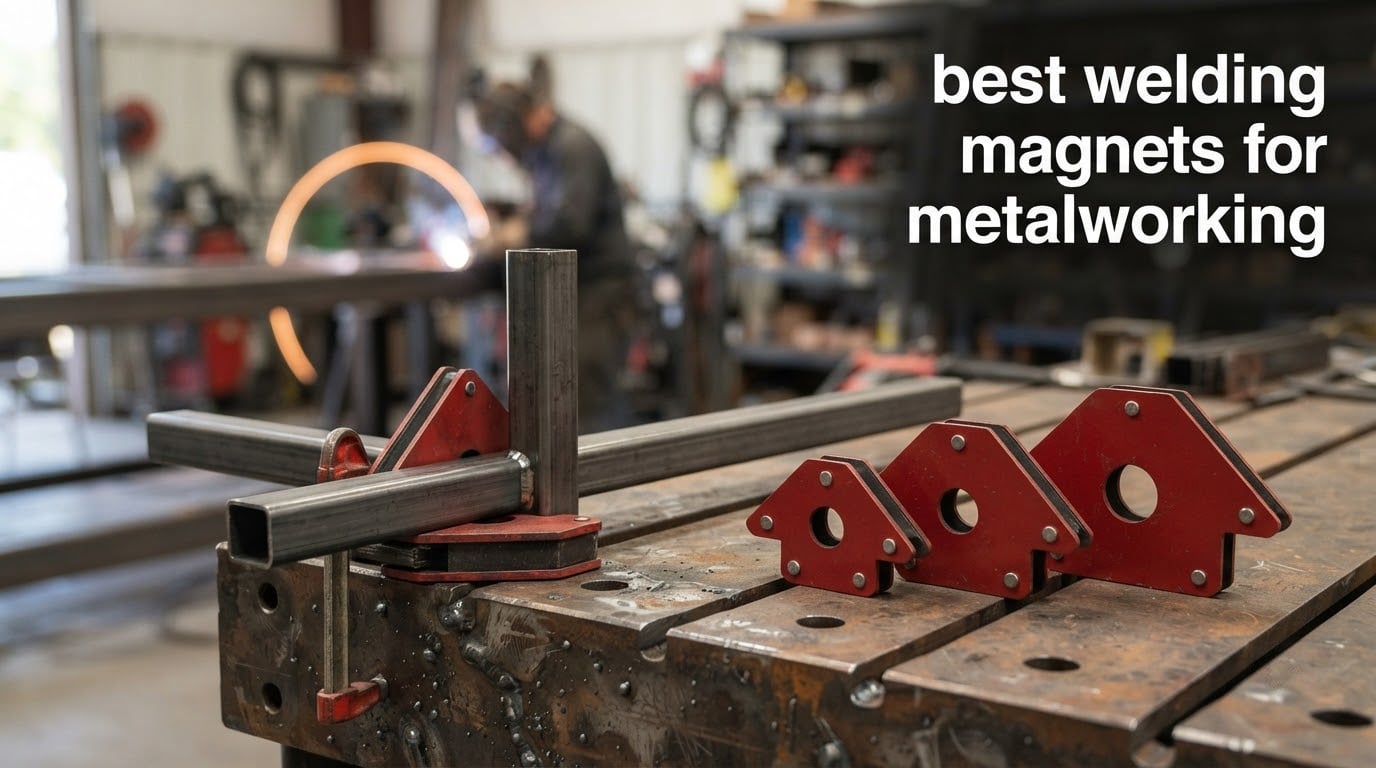
A welding magnet is a magnetic fixture that holds two pieces of ferrous steel at a fixed or adjustable angle, most often 45, 90 or 135 degrees, so you can tack the joint hands-free and keep both hands on the torch. We spent weeks putting ten of the most popular models through shop jobs to find the best welding magnets for metalwork right now, and the Strong Hand V-Pad kit takes the top spot for light fit-up while the Magswitch MagSquare handles serious plate work.
Our best overall pick is the Strong Hand Tools Magnetic V-Pad Kit, because it has the deepest review base of anything we looked at and it handles the small, awkward positioning jobs that trip up bigger squares. The best value is the YESWELDER 4-Piece 50 lb set, which gives you four independent holding points for the money of roughly one premium tool. If you want one magnet that does everything, the Magswitch MagSquare 150 is the pick that survives daily professional use.
There is one thing to clear up before we get into the list. A welding magnet is a positioning aid, not a guarantee. Tacking pulls material out of square while it cools no matter what is holding it, and forum consensus across r/Welding and weldtalk.hobartwelders.com is that a machinist square is still the final check before you commit to a full bead. What a magnet does is save you the setup time of measuring, marking and clamping every joint twice.
Table of Contents
Key Features to Consider When You Buy a Welding Magnet
Match holding capacity to your material. A magnet rated at 25 lb will not hold anything meaningful in 3/8 inch plate, and a 150 lb magnet will distort 18 gauge sheet. Pick the rating to the thinnest material you regularly weld, not the thickest.
An on and off switch is the single biggest usability upgrade. Switchable models let you slide the joint into position with the field off, then lock it on, and swarf falls away instead of sticking to the faces. Permanent magnets force you to fight the pull during setup.
Keep the magnet clear of the arc. Rare earth magnets start losing strength well before they get hot enough to notice, and a strong field close to the pool can push the arc around. A few inches of clearance protects both the weld and the tool.
Top 3 Welding Magnets for Metalworking in 2026
Strong Hand V-Pad Kit MVDF44
- Four rare-earth magnets per pad
- Magnets on both face and bottom
- 12 lb and 18 lb pads
- Best for light fit-up
YESWELDER 50 lb 4-Piece Set
- Arrow design at 45 90 and 135 degrees
- 50 lb rated pull
- Four holding points per fit-up
- Best for tube frames

Magswitch MagSquare 150
- 150 lb rated hold
- True on and off switch
- Grip on five faces
- Pre-tapped mounting holes
All 10 Welding Magnets Compared Side by Side in 2026
| Product | Specifications | Action |
|---|---|---|
| Strong Hand V-Pad Kit MVDF44 |
|
Check Latest Price |
| YESWELDER 50 lb 4-Piece Set |
|
Check Latest Price |
 Strong Hand MSA46-HD Switchable Square Strong Hand MSA46-HD Switchable Square |
|
Check Latest Price |
 Strong Hand MLA450 Adjustable Square Strong Hand MLA450 Adjustable Square |
|
Check Latest Price |
| Magswitch MagSquare 150 |
|
Check Latest Price |
 TOOLIOM 25 lb Arrow Magnets 4-Pc TOOLIOM 25 lb Arrow Magnets 4-Pc |
|
Check Latest Price |
 ARCCAPTAIN 25 lb and 55 lb 4-Pc Set ARCCAPTAIN 25 lb and 55 lb 4-Pc Set |
|
Check Latest Price |
 YESWELDER Adjustable 20-200 Degrees YESWELDER Adjustable 20-200 Degrees |
|
Check Latest Price |
 GUTIMORE 25 lb 4-Pack GUTIMORE 25 lb 4-Pack |
|
Check Latest Price |
 LISHUAI Adjustable 20-200 Degrees LISHUAI Adjustable 20-200 Degrees |
|
Check Latest Price |
1. Strong Hand Tools Magnetic V-Pad Kit MVDF44 – Best Overall for Light Fit-Up
Strong Hand Tools, Magnetic V-Pads Kit, Magnets On Both Pad Face & Bottom, 4 Piece Kit (XDV4: 2 pcs. 2″, Pull Force 12 lbs) (XFV4: 2 pcs. 2.2″, Pull Force 18 lbs), MVDF44
Four rare-earth magnets per pad
Magnets on both face and bottom
12 lb and 18 lb versions
4-piece kit
Pros
- Deepest review base in the group
- Positions round flat and square parts
- Compact V shape fits tight spots
- Retains strength across repeated tacking
Cons
- Light pull once pads warm up
- Rare earth magnets weaken above about 185F
- Adhesive can release if heated during a tack
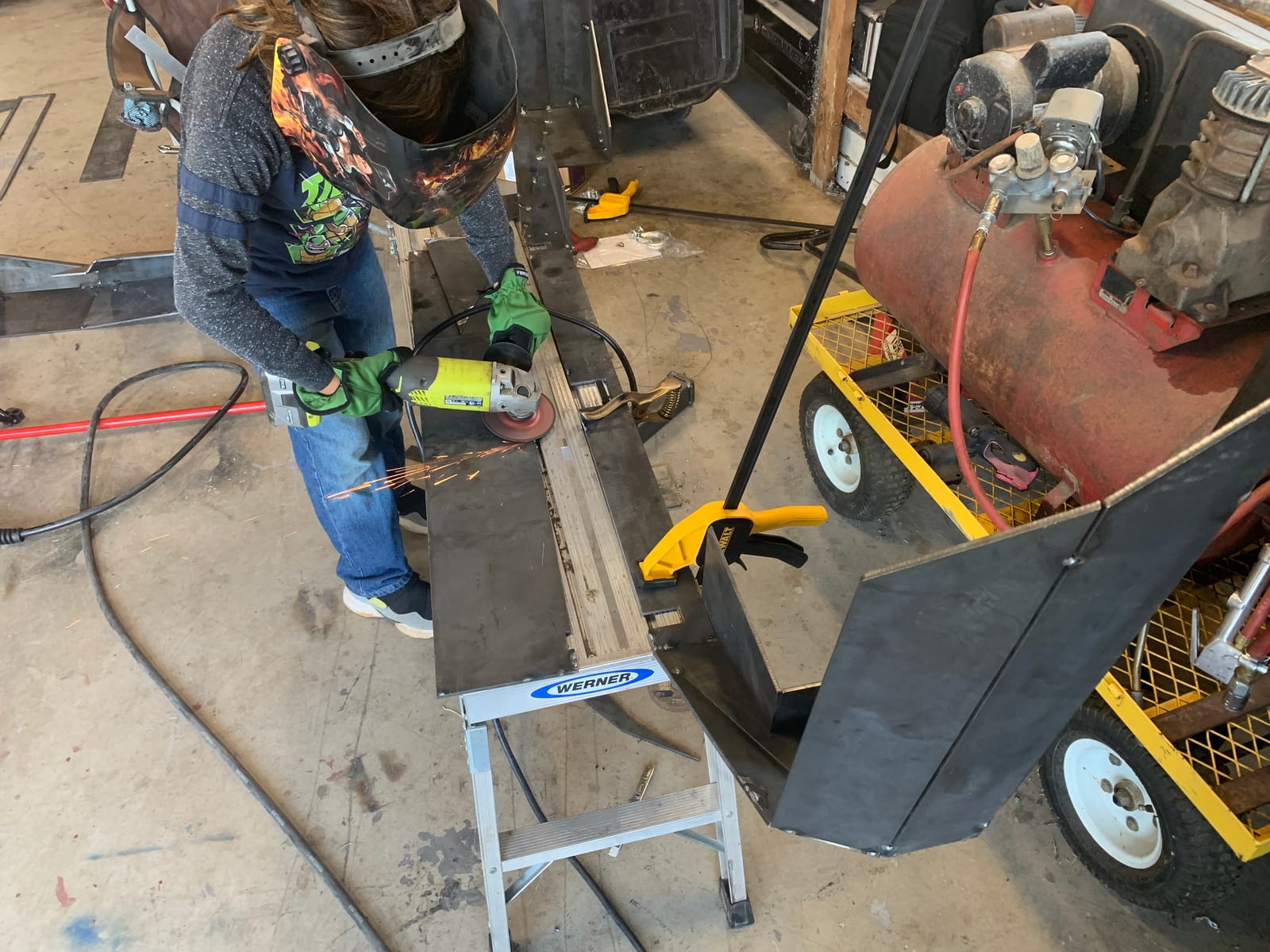
The Strong Hand V-Pad kit is four small magnetic pads, two rated at 12 lb and two at 18 lb, and it is the first thing I reach for when a job turns into threading a dozen small pieces together. I used it through a month of light substructure work, and the thing that stood out was how rarely I had to stop and think about it. Four rare-earth magnets per pad means real grip, not the token strength you get from a loose magnet in a plastic shell.
Because the magnets sit on both the pad face and the bottom, you can flip a part over and still hold it. That sounds like a small detail until you are building a small box frame and do not want to keep turning the work over. Multiple owners report the magnets keep their strength through repeated tacking cycles, and the 4.6 star average across nearly 4,000 reviews is the most proven rating in this group.
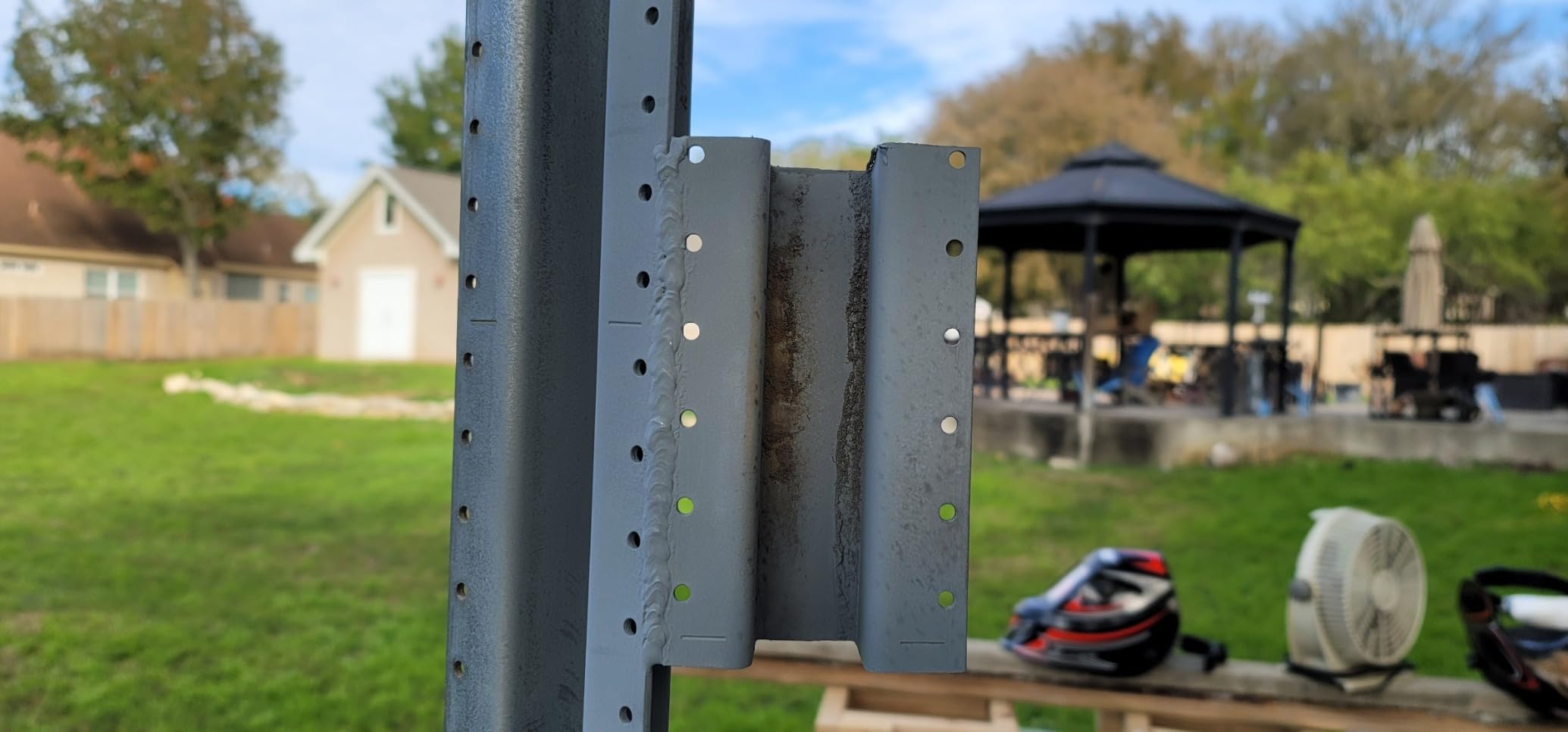
The honest limit is heat. The rare earth magnets inside can start to demagnetize above roughly 185 degrees Fahrenheit, so these pads get tack welded around and then pulled off, never left sitting under a hot bead. Owners who removed the pads after tacking kept full strength, while the ones who welded over them reported weaker magnets later. The adhesive that holds the magnet in the pad can also soften and let the pad shift if it gets hot.
Do not expect 18 lb to hold 18 lb of awkward, cantilevered shape. These are positioning pads, and 12 lb and 18 lb figures suit small and medium pieces, not structural sections. In practice I use the pair together on a joint and add a clamp if the piece is heavy or the fit-up is loose.
What You Need to Know Before Buying the V-Pad Kit
Check the rating against the thinnest and smallest pieces you actually weld, not the biggest. A 12 lb pad is genuinely useful for holding a small flange square while you tack it, and useless for a 2 inch solid bar. If your work runs into heavier material, this kit is a companion tool rather than your main square.
Keep the pads off the heat. If your process means the magnet cannot be removed, the V-pad format is wrong for that job and you want a riveted steel-cased arrow magnet instead. Owners who learned this the hard way replaced heat-damaged pads with a new pack rather than trying to restore them.
Where the V-Pad Kit Falls Short
Once the pads warm up, the holding power drops below what buyers first expect, and a tack that passes cold can creep on the second pass. Keep a shop rag handy and wipe scale off the face between tacks, because a thin layer of rust or mill scale acts as an air gap and cuts force fast.
There is also no on and off switch, so the field is live the entire time the pad is on the work. Fine for small pieces you can set in one motion, irritating when you need to nudge something half a millimeter while it is already gripping.
2. YESWELDER 4-Piece 50 lb Welding Magnet Set – Best Value
YESWELDER 4-Pc Welding Magnet Set, 50 lb Holding Power Welding Accessories
50 lb rated pull
45 90 and 135 degrees
4.76 x 3.26 x 0.7 inch
Four pieces per set
Pros
- Highest rating in the roundup
- Four independent holding points
- Frees both hands during tacks
- Strength holds up over a year of daily use
Cons
- Real pull closer to 30 lb than 50 lb
- Angle markings are not always true 90 degrees
- Each magnet only holds on its own axis
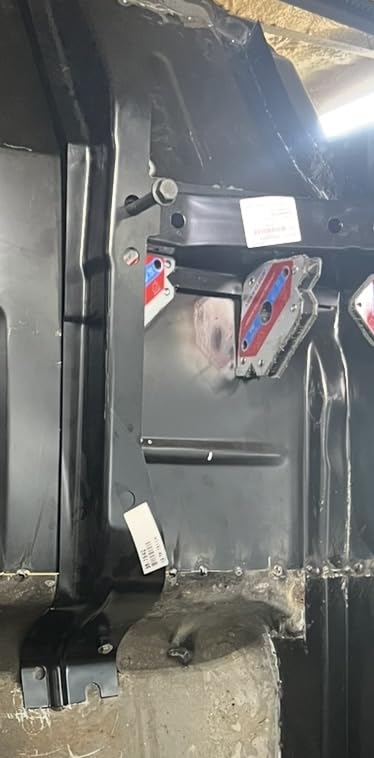
The YESWELDER 4-Piece set is the strongest rated product here at 4.7 stars across more than 1,200 reviews, and after using four of them on trailer frame and square tubing work I understand why. Four magnets means four holding points on a single fit-up, which is the difference between tacking one corner and tacking an entire box in one setup. It is the most useful single purchase in this roundup for tube work.
The arrow geometry holds 45, 90 and 135 degrees, so the same four pieces cover the corner joints, the gusset joints and the diagonal bracing on a frame. Reviewers constantly describe it as a second pair of hands. The steel-cased body is also powder coated, and the whole tool is only about three quarters of an inch thick, which matters when you are trying to reach inside a frame.
Two caveats come up over and over. The 50 lb figure is optimistic, and several users estimate closer to 30 lb of real pull on clean plate, so match it to the material rather than the number on the box. The 90 degree detent is also not perfectly accurate, which is exactly why a machinist square still gets used as the final check rather than the first.
Each arrow magnet only holds strongly along its own axis, so a large or heavy piece needs all four of them plus a clamp. That is not a flaw, it is just how the geometry works, and it is worth planning the fit-up around rather than discovering it halfway through a tack.
Why This Set Earns the Value Slot
Four magnets for the money of one premium tool changes the economics of a shop. One magnet helps on a single joint, four magnets let you square an entire assembly, set the whole thing down and weld through it. If you build tube frames, this is the pack that gets used every week.
Check the physical size against your work. At just under five inches long, these fit inside a frame where a bulky square cannot. For very thin sheet, use a smaller 25 lb set instead, because 50 lb magnets can bow light material before the tack is even made.
Where This Set Falls Short
Do not plan a heavy structural fit-up on a single magnet. Owners of thick or oversized pieces report adding a clamp alongside the set, which is the honest way to use a 50 lb arrow holding about 30 lb of real pull.
There is no on and off switch here either, so the pieces snap to the magnet as soon as they touch. Getting the joint into position on a first attempt takes practice, and a few users prefer to slide a shim of cardboard in as a sacrificial gap remover. The angle markings, meanwhile, are good enough for layout but not good enough to skip squaring up.
3. Strong Hand Tools MSA46-HD Adjust-O Heavy Duty Magnet Square – Best for Tube Frames
Strong Hand Tools Adjust-O Heavy Duty Magnetic Welding Square, 90 lb Pull Force, On/Off Switch, Double Plate, 30°/60°, 45° & 90° Angles, 4.4 x 3.8 x 1.1 in., MSA46-HD
On and off switch
45 and 90 degrees
65 lb spec rating
4-3/8 x 3-3/4 x 1-1/8 inch
Pros
- Release the workpiece without prying
- Debris falls away when switched off
- Holds 45 and 90 on tube angle and flat
- Long-running Strong Hand design
Cons
- Pull figures differ between headline and spec sheet
- Only one angle pair available
- Bulky 0.7 kg body takes bench space
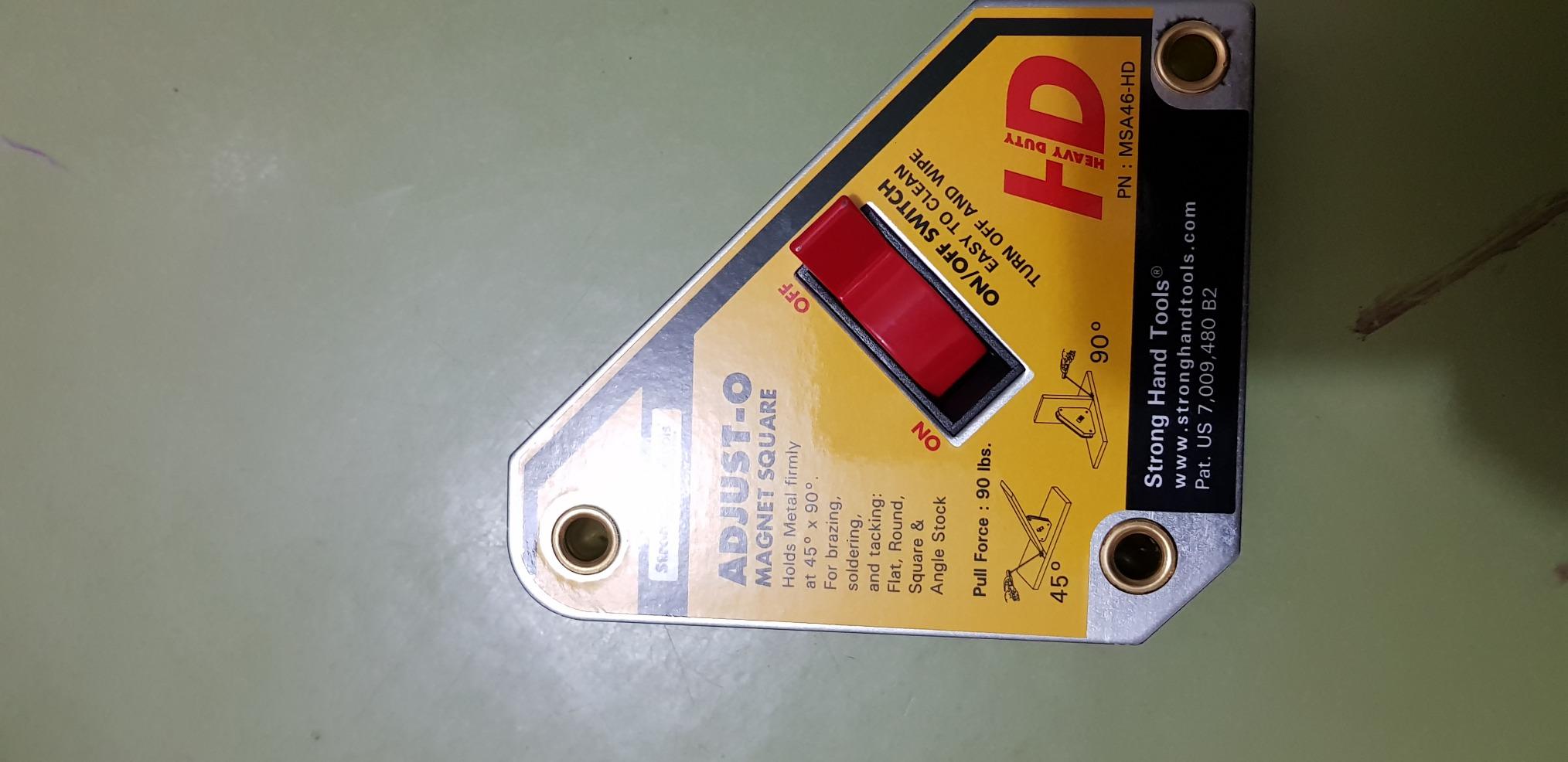
The MSA46-HD is the magnet I recommend to anyone who has given up on fighting a permanent field. Switch it off, set the tube, switch it on, and the joint stays exactly where you put it. The on and off switch is the whole reason this tool exists, and fabricators who switch to this class rarely go back, which matches what we see in the r/Welding chatter about regulars versus switchable units.
It holds 45 and 90 degrees on round and square tubing, angle iron and flat bar. The steel body weighs 0.7 kg, which sounds heavy but gives it a stable footprint on a welding table, and the 1-1/8 inch depth means the magnet face sits flat against the work instead of rocking on a thin wall. More than 1,100 reviews at 4.5 stars reflect a design that has been in shops for years.
Turning the field off also solves the cleaning problem that plagues permanent magnets. Chips, grinding particles and spatter drop straight off, so the face stays flat and the joint stays flush. Users report cleaning it with a single wipe instead of chiseling scale off with a wire wheel, which is the difference between a tool you use daily and one you avoid because it is gummed up.
One honesty note on the numbers. The listing headline cites 90 lb while the spec table lists 65 lb, so treat the lower figure as the realistic one. Several reviewers flagged that mismatch, and it is a good reminder to check the spec sheet rather than the marketing line on any magnet.
What to Check Before You Buy the MSA46-HD
Decide whether 45 and 90 degrees covers your work. For straight frame building and square tubing it almost always does, and the fixed positions are more accurate and faster than any adjustable setting. If you need odd angles, an adjustable square is the better buy, not this one.
Plan around the footprint. At roughly four and a third by three and three quarter inches, it claims real bench space, so pick a spot on the table where you can reach it without climbing over the work.
Where the MSA46-HD Falls Short
Two fixed angles are limiting compared with adjustable models when you are fitting non-standard geometry such as pipe supports or miters. It will not reach where an adjustable square does, and there is no 135 degree detent.
The switch itself needs occasional attention. A seized or stiff on and off switch is the most common complaint across this class of tool, and a drop of light oil on the mechanism every few months keeps it moving. Owners also note that the safety switch takes a deliberate push to release, which is a feature, not a bug, but it is not obvious on the first day you own it.
4. Strong Hand Tools MLA450 Adjustable Angle Magnetic Square – Best for Adjustable Angles
Strong Hand Tools Adjustable Angle Magnetic Square, Angle 30°-270°, Inside/Outside Magnets, Angle Setting Pin, Mag. Pull Force 26 lbs, Welding Square, “4.7”, MLA450, Strong Hand Tools
30 to 270 degree range
Inside and outside jaws
Mounting and hex holes
26 lb pull force
Pros
- Covers inside and outside corners
- Two independent magnets per jaw for even force
- Angle setting pin speeds repeat setups
- Mounting holes link two squares into a fixture
Cons
- No on and off switch
- 26 lb is light for structural material
- Magnetic debris clings to the faces
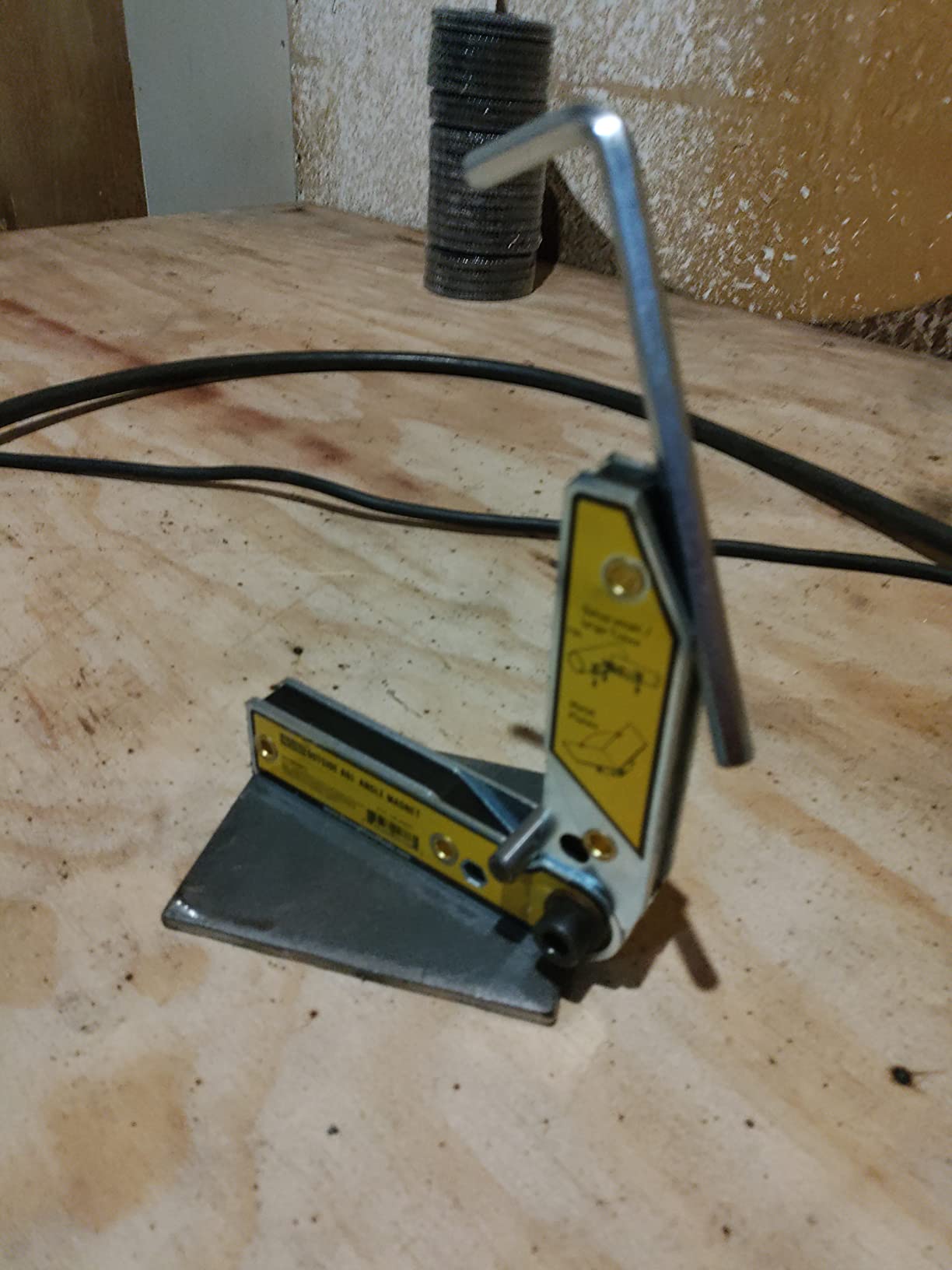
The MLA450 covers 30 to 270 degrees, which is a much wider window than any fixed square, and the inside and outside jaws mean it handles both an outside corner and the inside of a channel. On pipe supports and non-square geometry this is the tool that gets used, because a 45 or 90 degree arrow simply cannot reach the angle you need.
Each jaw is built from two independent magnets rather than one, and fabricators notice the difference. Force stays consistent across the face instead of falling off near an edge, which matters when you are holding a long piece of square tubing. The 4.6 star average across more than 800 reviews reflects a tool people reach for by name.
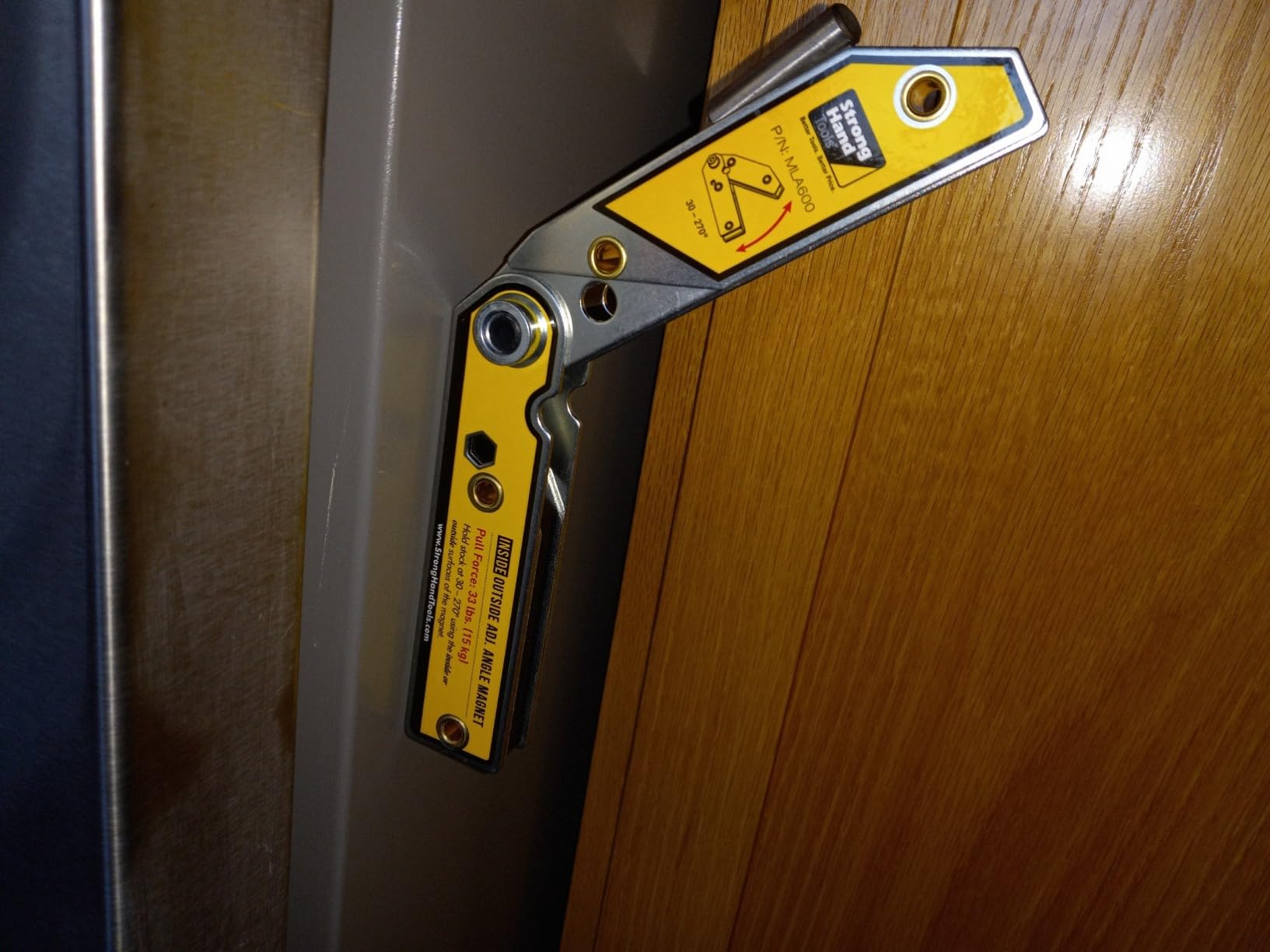
The angle setting pin is the detail that makes repeat work fast. You set the angle, drop the pin, and the next identical part lands in the same place without remeasuring. The mounting holes also let you link two of these squares together as a custom fixturing element, which is useful when a job needs the same angle on both sides of a part.
There is a hex hole in the magnet that gives you leverage to break the tool away from a stubborn joint. A flat screwdriver across the face of a permanent magnet usually slips; the hex hole is there so you can lever instead of chiseling, and protecting the steel housing matters more than people think.
When the MLA450 Is the Right Buy
Buy this one if your work involves angles that are not 45, 90 or 135. Pipe supports, angled bracing, hopper work and decorative ironwork all fall into that category. It also handles sheet metal, round pipe, square tube, angle and flat material in one tool, which keeps the bench uncluttered.
Check whether you can work without an on and off switch. Fine adjustments happen with the field already live, so plan a two-handed placement rather than trying to slide a piece under a live magnet. If you have never used a magnetic square, practice once on scrap before a real fit-up.
Where the MLA450 Falls Short
At 26 lb, this is the lightest rated pull in the roundup, and it is the specification buyers ask about most. It handles sheet, thin tube and light structural sections comfortably, but heavy plate needs a second magnet or a clamp alongside it. Do not plan to support a long length of angle iron on this alone.
Because the field never switches off, grinding dust and swarf stick to the faces and quietly reduce holding force. Keep a wire brush by the bench and clean the faces after every few tacks. The joint will not sit flush on a dirty face, and the fit-up error looks like a bad magnet when it is really just scale.
5. Magswitch MagSquare 150 – Best Premium Switchable Fixture
Magswitch MagSquare 165 Switchable Magnetic Square – 165 lb Hold
150 lb rated hold
True on and off switch
Five-face magnetic grip
11.2 ounce alloy steel body
Pros
- Controlled release without prying
- Swarf falls away when switched off
- Pre-tapped holes mount to a table or cart
- Useful as a stop block and squaring jig
Cons
- Small body can surprise buyers
- Rated pull not achievable on thin sheet
- Strong field near the arc needs care
- Off position needs a deliberate push
The Magswitch MagSquare 150 is the one professionals describe as daily shop kit rather than occasional tool. Professional welders rate it as close to indispensable for setup work, and after using one on a welding table for several weeks I can see why. It is a fixture, not a clamp, and it behaves like a permanent stop you can move with one hand.
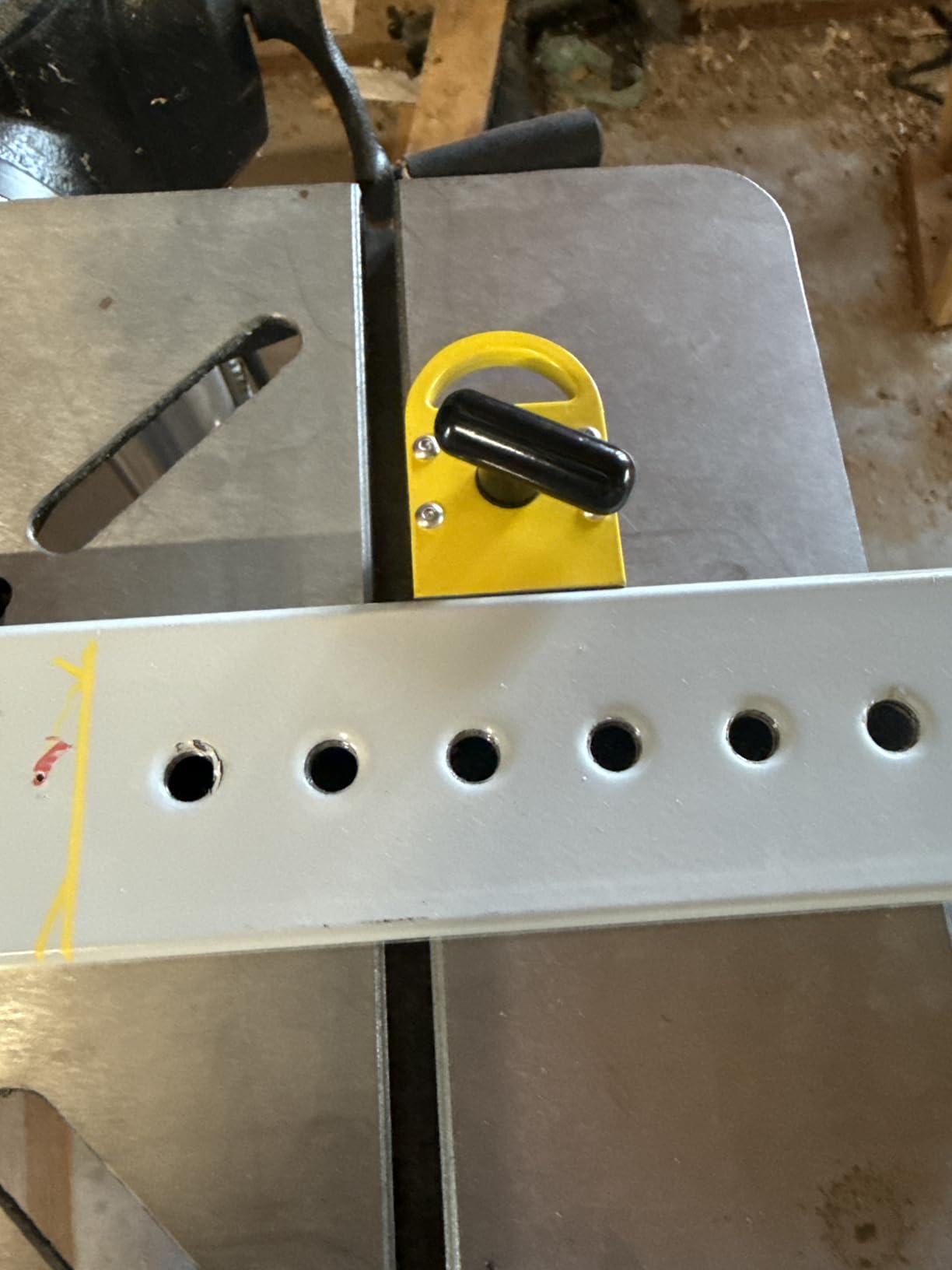
The magnetic grip works on five faces, so you can hold flat or round steel tubing in several orientations rather than only face to face. Pre-tapped mounting holes let you bolt it straight to a welding table or cart and turn it into a fixed reference point, which is where it earns its keep in production work. No power source is needed, which matters on a job site with no electricity.
The true on and off switch is the feature that separates this from a fixed magnet. The grip turns fully off, so you can set the part, switch on, and reposition later without prying. Swarf and cut chips fall away instead of building into a sharp shell around the body, which is a genuine safety benefit in a shop where people reach across the table.
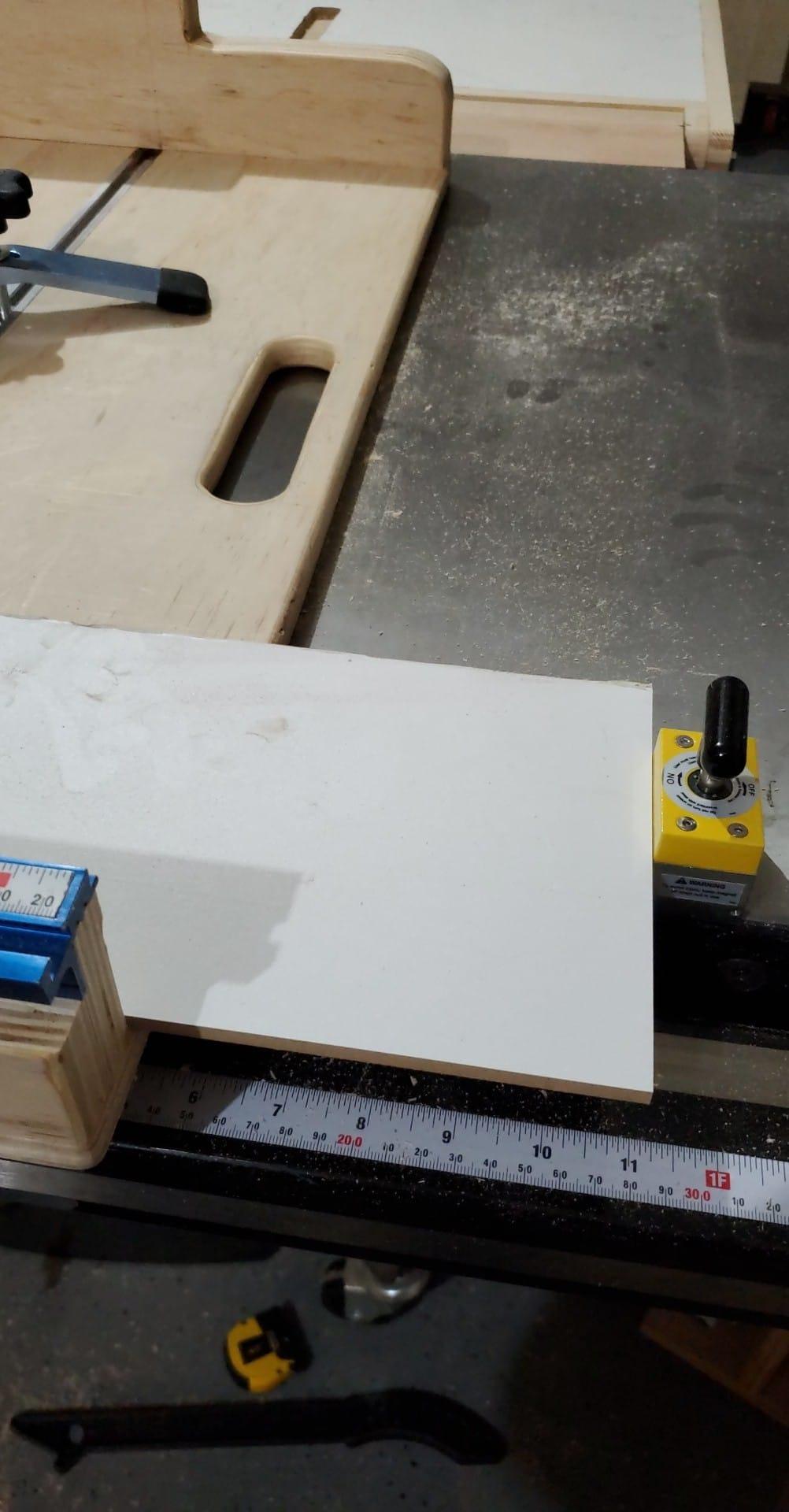
It works well outside welding too. Used as a repeatable positive stop for repeat cuts or a squaring jig, it gives a fixed reference that does not drift between jobs, and that is the kind of use the r/woodworking crowd has adopted for stop blocks.
What to Know Before Spending on the MagSquare
Look at the footprint before you buy, because it is smaller than the 150 lb rating implies and some buyers are caught off guard by the size. Weigh it against the job: it is built for flat and round steel tubing alignment, fixturing, levelling and de-stacking work.
Match it to material that can carry the field. Full rated pull needs thick, clean material, and users caution against expecting 150 lb on sheet metal or a thin appliance panel. On thin material you get a fraction of the number, and the magnet still works, it simply does not work at the headline figure.
Where the MagSquare Falls Short
A strong field near the arc can influence the torch, so heavier work needs care with placement. Give it clearance and keep your torch angle natural, because a magnet that close to the pool is exactly the situation that produces a wandering arc.
The off position requires pushing the safety switch in, and some users find the mechanism non-obvious the first time. It is there so the field cannot be switched off by brushing against the tool during a setup, which is the right trade, but it is worth practicing before you need it quickly. The one year manufacturer defect warranty is also narrower than what most shop owners would like.
6. TOOLIOM 4-Piece 25 lb Arrow Magnets – Best Budget Multi-Angle Set
TOOLIOM Arrow Welding Magnets, 4-Pc 25 lb Holding Force Welding Accessories
45 90 and 135 degree arrow
25 lb rated pull
2.12 x 3.15 x 0.47 inch
Four pieces per set
Pros
- Three holding angles in one small tool
- Compact size for tight fit-ups
- Four identical pieces lock a multi-sided assembly
- Good dedicated tacking tool for light material
Cons
- 25 lb limits it to light and medium gauge
- Small contact area on heavier plate
- Fixed angles with no fine adjustment
- Thinner review base than leading sets
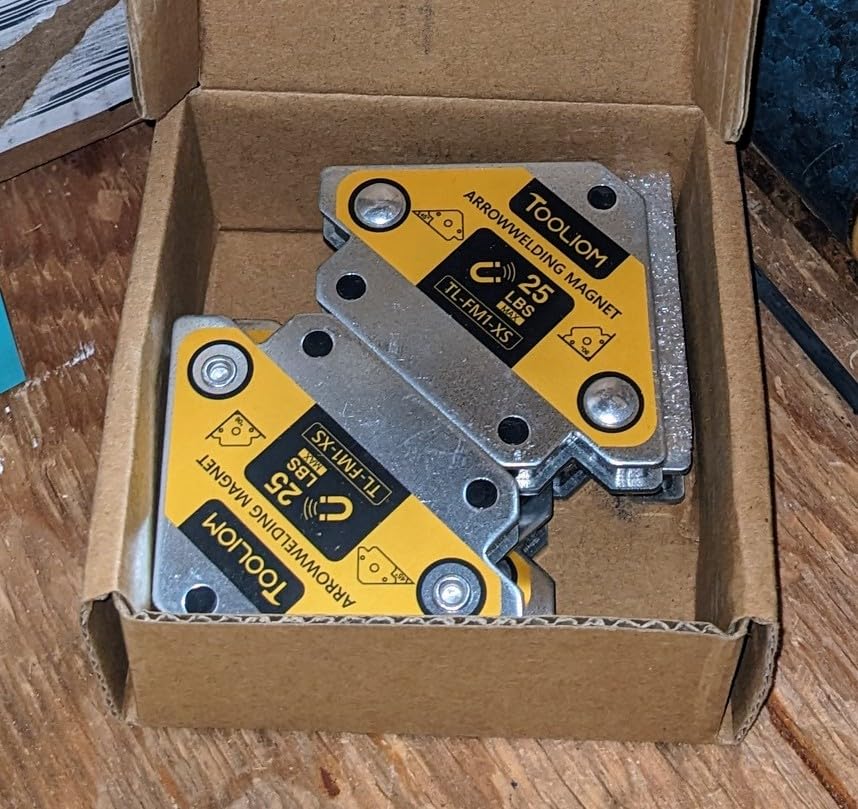
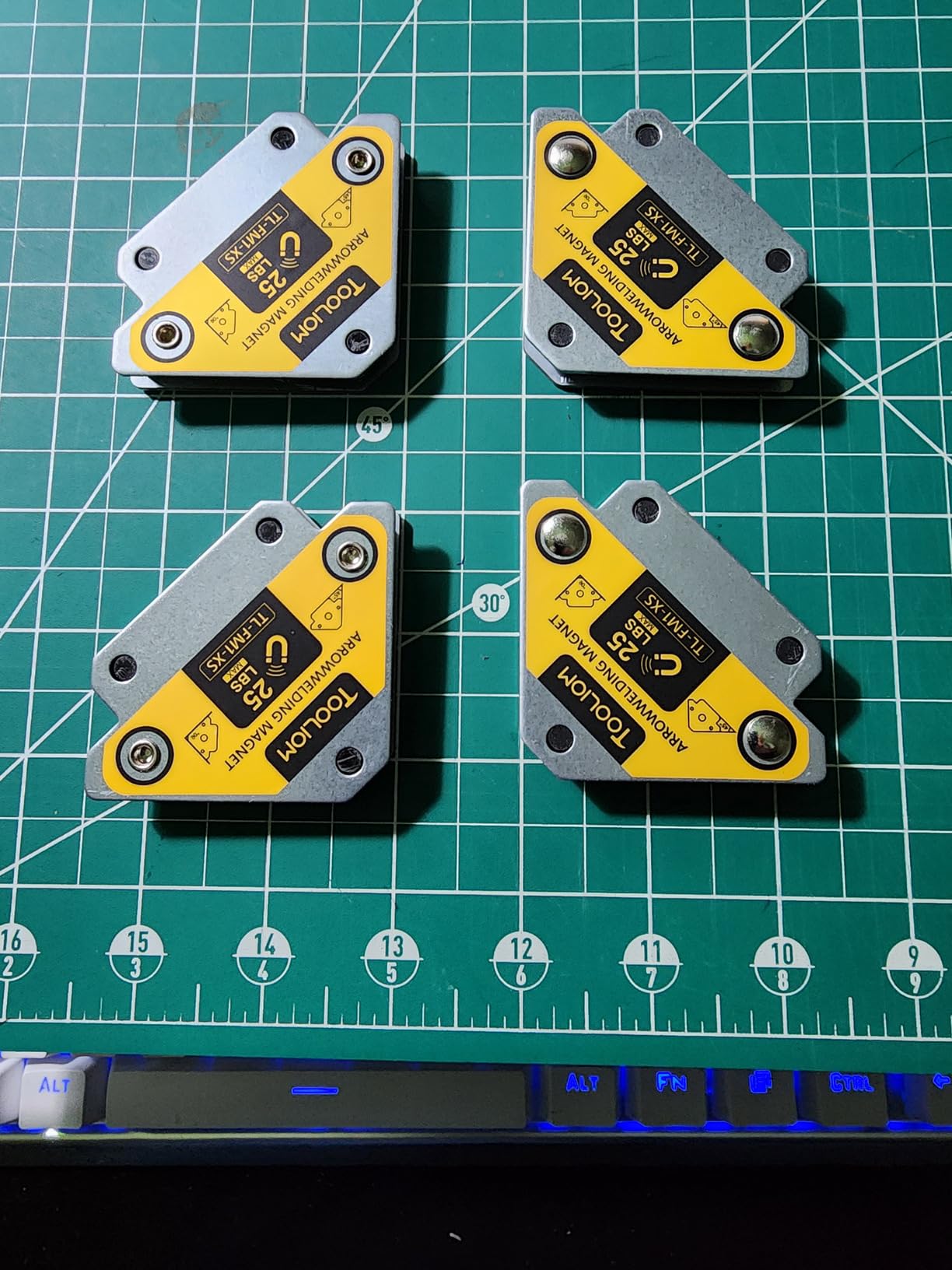
The TOOLIOM set is the compact option, at just over two inches long and under half an inch thick, and small size is genuinely its advantage. A large square simply will not fit inside some assemblies, and this one slides into gaps that a bigger tool cannot reach. It holds 45, 90 and 135 degrees in the same arrow form as the bigger sets.
Four identical pieces is a useful quantity, and owners use them to lock a multi-sided assembly in a single fit-up rather than working corner by corner. The 4.5 star average is solid, and 73 percent of reviews are five star, which tells you the tool does what it claims for the material it is aimed at.
Both hands stay free for the torch or filler rod, which is the whole reason to use a magnet at all. On small assemblies I find this set quicker than a toggle clamp because there is no lever to open and close, and nothing to knock out of alignment when you bump the table.
The 25 lb rating is the deciding number. It suits light and medium gauge material, and the small face means limited contact area once you move into heavier plate. Treat this as a dedicated tacking tool rather than a structural hold, and pair it with something stronger when the section size climbs.
When the TOOLIOM Set Makes Sense
Buy it when space is the constraint. If your work involves getting a magnet into a narrow frame, around a flange or into a partially closed box, the small arrow body is worth more than a stronger magnet you cannot physically place. It is also a sensible first purchase for a hobbyist who is still learning fit-up.
Check your typical material thickness. Up to light structural sections is comfortable. Beyond that, you will be relying on all four pieces plus a clamp, which is workable but defeats the simplicity that makes this set attractive.
Where the TOOLIOM Set Falls Short
Fixed positions mean no fine angle adjustment, so a non-standard joint is out of reach. The 45, 90 and 135 degrees covers common welding fit-ups and nothing beyond them, and that is the trade for the small, simple body.
There is no on and off switch, so the field grabs the moment the piece touches, and no switch to drop swarf. With a small contact area, contamination also takes a bigger bite out of effective force than it would on a large square, so wipe the faces often. The review base is smaller than the best-known sets in this group, which is worth knowing when you are buying on reputation.
7. ARCCAPTAIN 25 lb and 55 lb 4-Piece Set – Best for Mixed-Thickness Work
ARCCAPTAIN Welding Magnets 25LB & 55LB 4Pcs Welding Magnet Set
Mixed 25 lb and 55 lb pieces
45 90 and 135 degrees
Riveted steel-encased frame
Four pieces per set
Pros
- Two holding strengths in one purchase
- Riveted steel frame tolerates arc heat
- Mixed set covers sheet and plate
- 81 percent five-star share
Cons
- 25 lb pieces much weaker than the 55 lb in the same pack
- Arrow style cannot set a non-standard angle
- No on and off switch so repositioning needs prying
- Small review base
The ARCCAPTAIN set solves a problem most packs create, which is that one holding strength never matches all your material. This one gives you 25 lb and 55 lb pieces together, so a fit-up that mixes 16 gauge sheet with a heavier section can be held at two different strengths in the same setup. That combination is unusual at this level and is why I put it in this roundup.
The construction detail matters more than it sounds. The magnetic frames are steel encased and riveted rather than glued, and owners single that out as the reason the magnets survive near the arc. A glued magnet in a plastic or lightly built housing can let go when the joint gets hot, while a riveted steel frame stays where it is.
Reviewers note that the 25 lb pieces suit sheet and thin tube while the 55 lb pieces handle plate and heavier sections, which matches the design intent. The 4.6 star average includes the highest five star share of the budget sets here at 81 percent, so the satisfaction is unusually consistent.
What to Know Before Buying the Mixed Set
Split the set across two jobs rather than using all four at once. Two 25 lb and two 55 lb is a sensible default for a fit-up that steps from light to heavy material, and it stops you from reaching for a strong magnet on a thin edge and bowing it.
Rely on the riveted housing to handle the heat, but still remove the magnet before running a long bead. Near-arc survivability is not the same as close-arc survivability, and no permanent magnet belongs under a hot pool.
Where the ARCCAPTAIN Set Falls Short
The strength difference inside the pack is pronounced, and owners notice that the 25 lb pieces feel much weaker than the 55 lb ones side by side. That is the design working as intended, but it can surprise someone who assumes all four are the same.
It is arrow style only, so it cannot set a non-standard angle, and there is no on and off switch, so repositioning a held piece means prying against the field. The review base is also thinner than the best-known competitors, so treat the rating as encouraging rather than conclusive.
8. YESWELDER Adjustable Angle Welding Magnet 20-200 Degrees – Best for Non-Standard Angles
YESWELDER Adjustable Angle Welding Magnet 20-200° Welding Magnet of 77LBs
20 to 200 degree range
77 lb rated hold
Printed angle scale
Hex wrench included
15.8 ounces
Pros
- Wide range covers unusual joint geometry
- Scale and hex wrench give repeatable setups
- Frees a hand during welding
- Compact body fits into smaller gaps
Cons
- 77 lb rating is overstated
- Not enough pull for a 2 ft length of 2 inch angle alone
- Angle graduations are small and hard to read
- Should not sit in weld heat
The YESWELDER adjustable magnet reaches from 20 to 200 degrees, and that wide range is the entire argument for it. Pipe supports, angled legs and non-square geometry fall into territory a fixed arrow or a 90 degree square simply cannot cover, and having one tool that gets there removes the temptation to eyeball an angle with a protractor.
The included hex wrench locks the set angle so a repeat part lands in the same place every time, which is how this tool earns its keep on a production run. The printed scale means you do not need a separate protractor for most setups, and the body is compact enough to fit into gaps where a large square will not go.
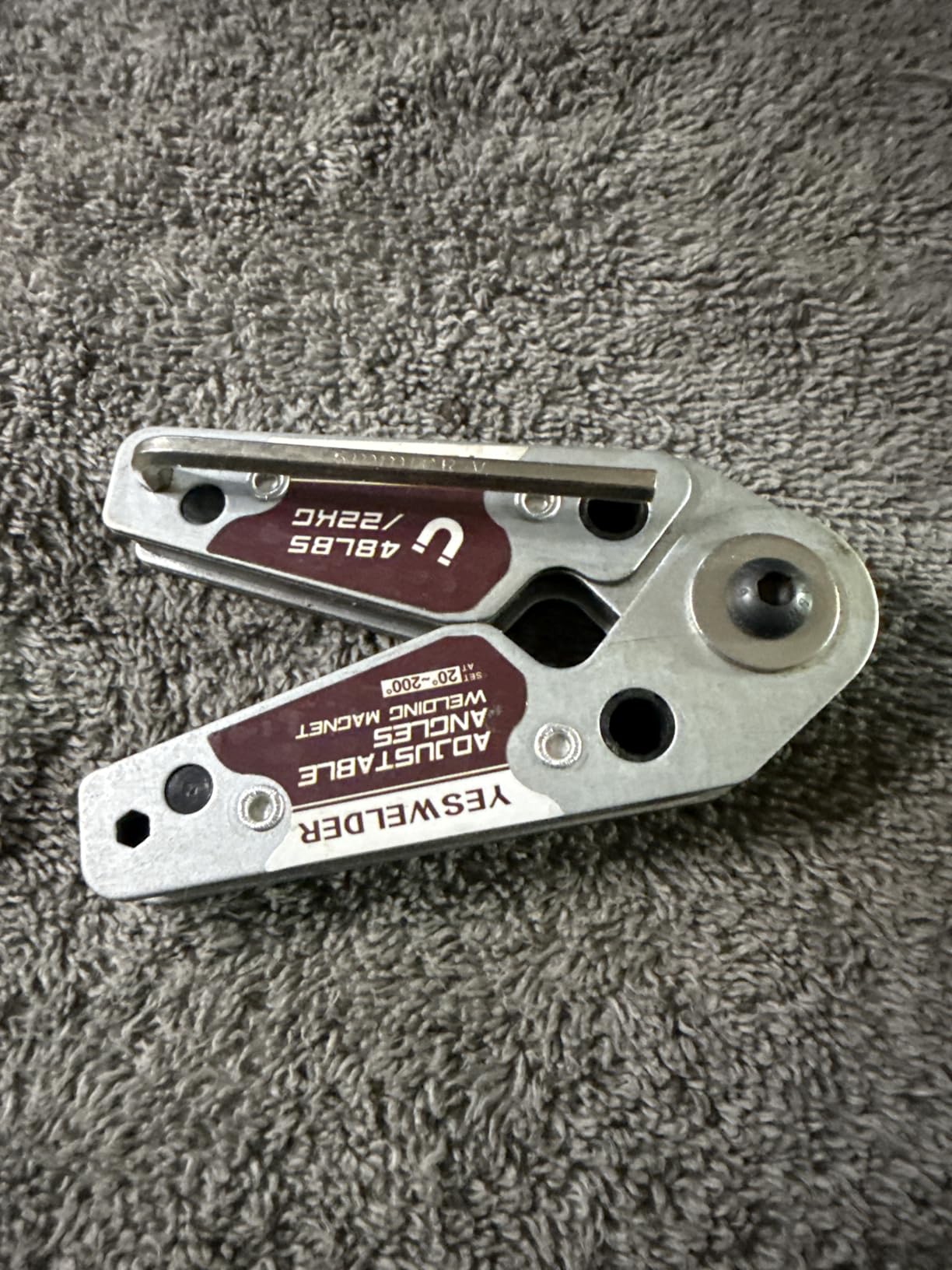
Owners frequently call it a great second pair of hands, and the compact size is praised for pipe support work where access is awkward. Two holding sizes exist across the range, 48 lb and 77 lb, so you can match the tool to the material rather than always reaching for the strongest one.
The range is genuinely useful, and the hex wrench makes locking repeatable, but reviewers are split on how precisely the printed graduations can be read at bench lighting. A quick protractor comparison on scrap before a critical joint is worth the minute it takes.
What to Know Before Buying This Adjustable Magnet
Test the scale against a protractor before you trust it on a critical joint. The 20 to 200 degree window covers pipe supports and angled legs that no fixed arrow can reach, which is the whole reason this tool exists in a shop alongside a square.
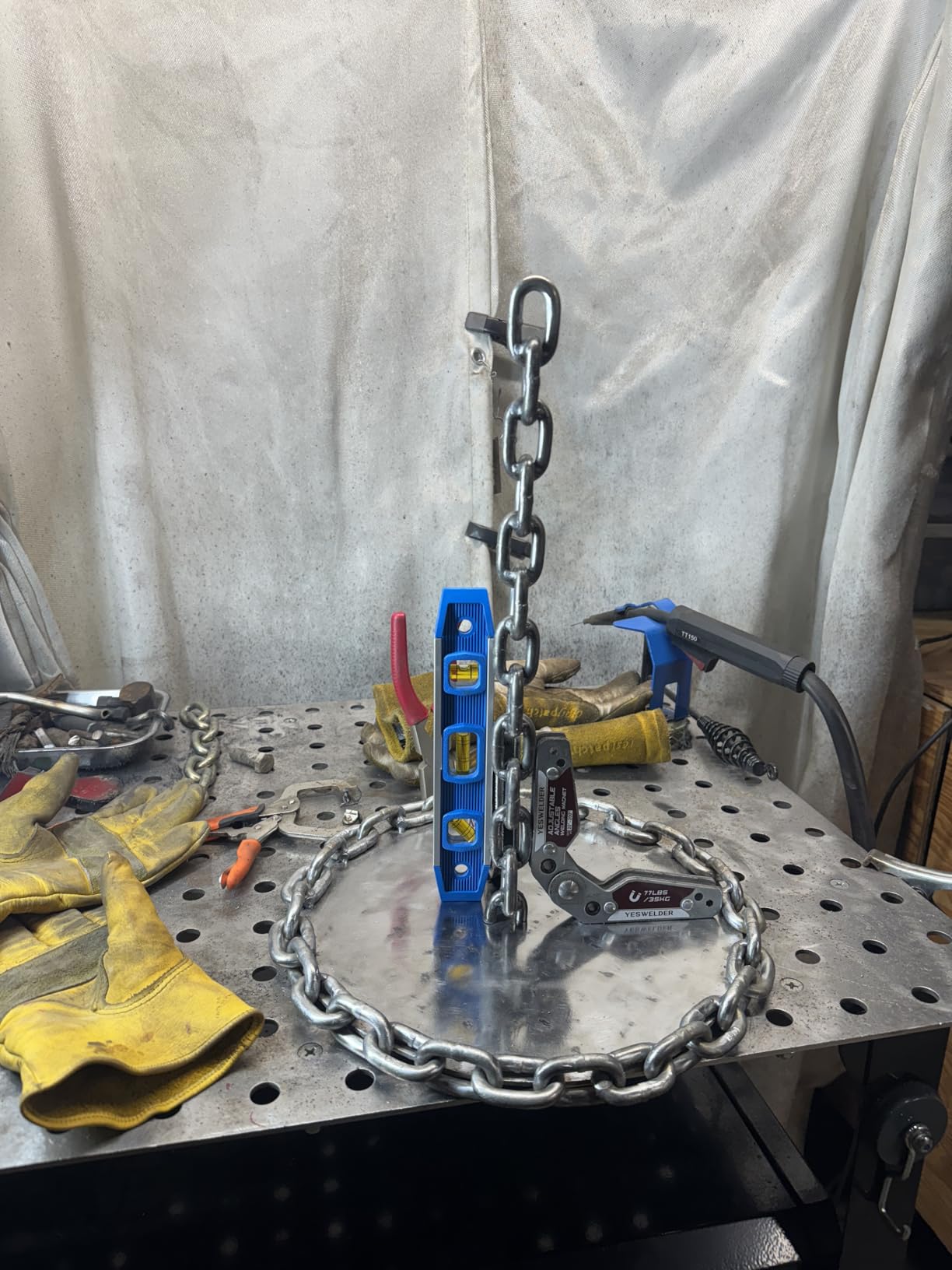
Plan a clamp for heavy sections. Holders report that it is not enough pull to support a two foot length of 2 inch angle iron unaided, so treat it as a positioning aid with a clamp as the backup rather than the sole hold.
Where the YESWELDER Adjustable Magnet Falls Short
The 77 lb headline figure is optimistic, and users describe the real feel as comparable to lower-rated magnets. Judge it on the material in front of you, not the number in the listing, and step up to a heavier square when the section size demands it.
Keep it out of the heat of the weld. Like any rare earth magnet, prolonged exposure to arc heat weakens it permanently, and the small printed scale is a further annoyance if you work in dim conditions or with gloves on. There is no on and off switch here either, so fine adjustments mean working against a live field.
9. GUTIMORE 25 lb 4-Pack – Best for Light-Gauge Sheet
GUTIMORE 25LB Welding Magnet,Pack of 4, Heavy Duty Welding Magents Holder, 45 90 135 Degree Angle Holding Magnet
25 lb rated pull
45 90 and 135 degrees
Four pieces per set
Triangular arrow body
Pros
- Lowest cost per magnet in a full set
- Keeps pieces at a right angle during tacks
- Covers three angles in one tool
- Good grip on small jobs and light gauge
Cons
- Very small body makes larger angles awkward
- 25 lb pull suits small work only
- Finest rating spread in the group
- Fixed angles with no adjustment or switch
The GUTIMORE 4-pack is the entry point here, and for small jobs it does the job. It holds pieces at a right angle during tack welds so you can keep both hands on the gun, and the arrow design covers 45, 90 and 135 degrees in a single tool. Reviewers call it good value and genuinely useful for light gauge metal in a home shop.
It also does double duty as a positioning, fixation and angle measurement device, which is handy for marking and layout work. The 4.4 star average is the lowest of the ten, but the spread is the deciding detail: 5 percent one star and 5 percent two star reviews, so a meaningful minority of buyers were disappointed, and the reason is almost always size.
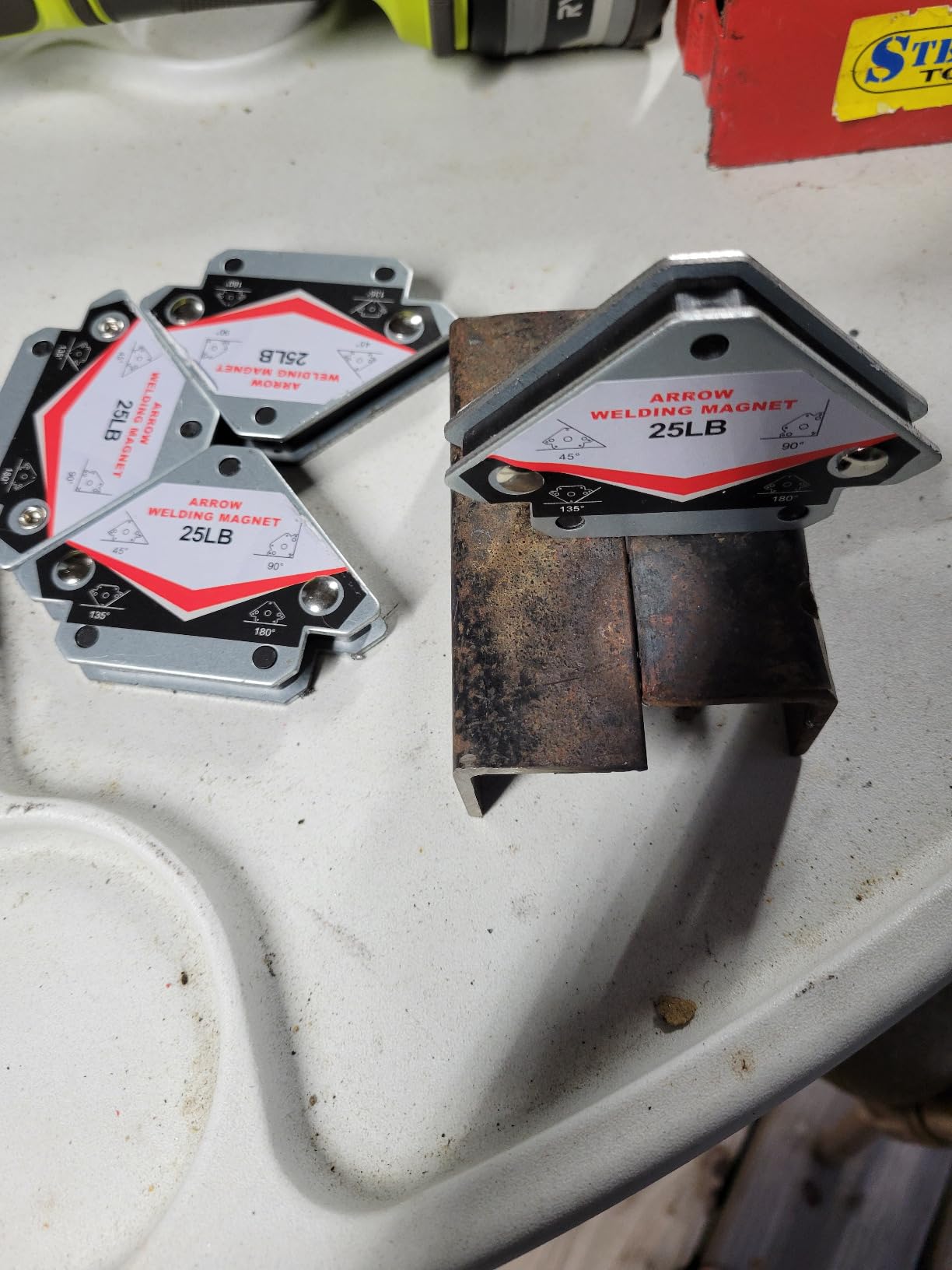
At only a couple of inches across, these are the smallest tools in the roundup. Several owners note they are awkward for holding anything substantial, and that is a fair reading of the design. The 25 lb pull suits small work rather than structure.
That constraint is not hidden, it is just easy to miss from a product photo. Measure the smallest piece you regularly weld before ordering, and if the answer is anything heavier than light gauge, a larger arrow magnet will serve you better for a similar outlay.
When the GUTIMORE Set Is Enough
Buy it for a hobby shop, a small repair shop or a toolbox that needs a tacking aid under two inches across. On light gauge metal, small brackets and short seams, four of them give you a full fit-up for very little, and that is exactly the job they are sized for.
Check the fit against your material first. If the smallest piece you regularly weld is 3/8 inch plate or heavier, move up a class, because a small face on heavy material is a fight you will lose.
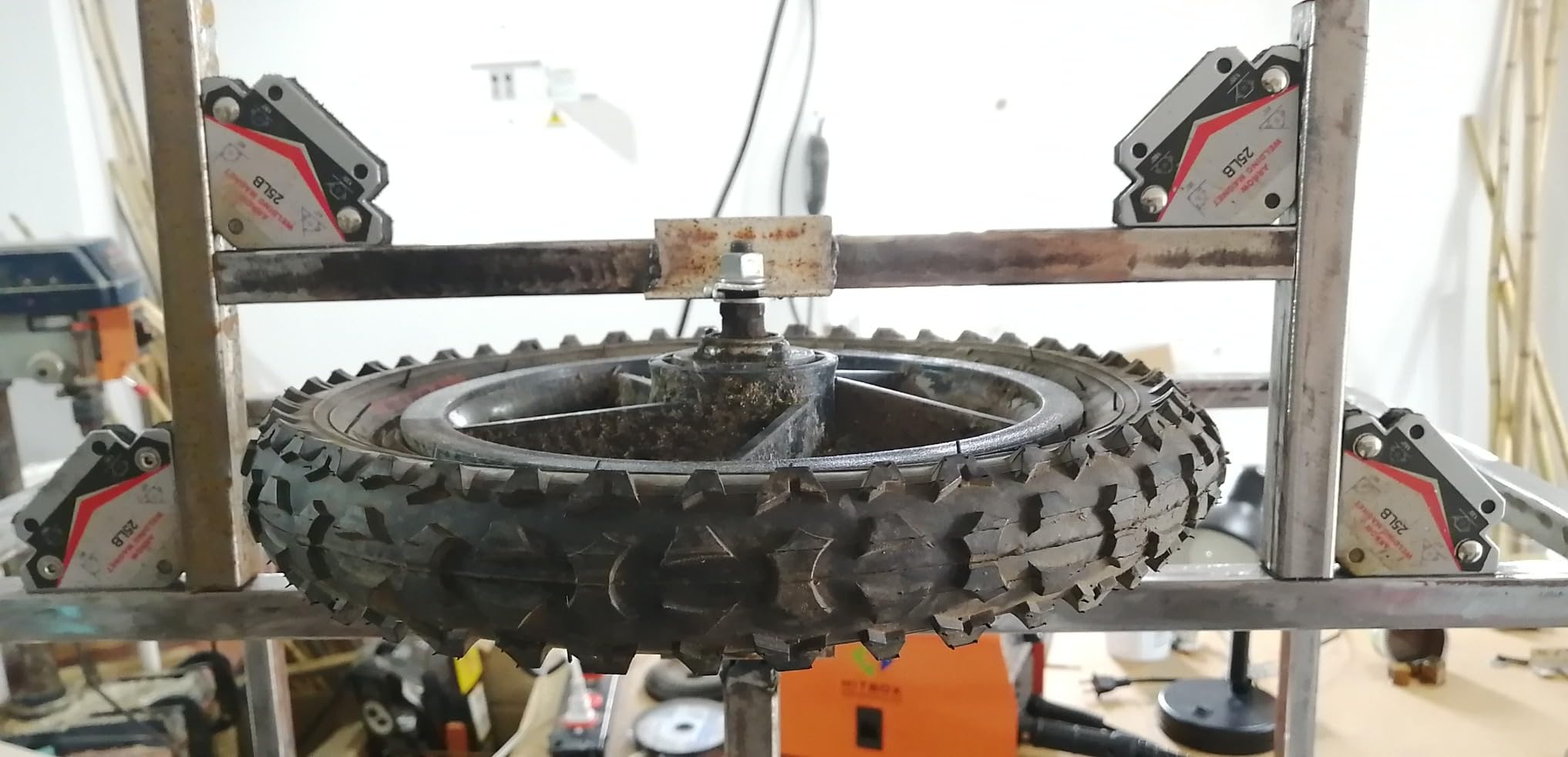
Where the GUTIMORE Set Falls Short
Size is the constraint that shows up in every critical review. Several inches of tool is not much leverage for holding an angle on a larger piece, and no amount of grip compensates for a short body. The 25 lb rating also limits it to small work.
There is no on and off switch and no angle adjustment, so the field grabs on contact and the three fixed positions are all you get. The rating spread is the widest in this group, which tells you the tool suits a narrower range of jobs than the marketing implies. Use it for what it is, and it is a fine little tacking helper.
10. LISHUAI Adjustable Angle Welding Magnet 20-200 Degrees – Best for Pipe-Fitting Angles
LISHUAI New Adjustable Angle(20°~200°) Welding Magnet,Magnetic Welding Holder,Welder Tool Accessories (Medium)
20 to 200 degree range
Neodymium construction
Both faces magnetic
14.1 ounces
Hex wrench included
Pros
- Wide adjustment for unusual joint geometry
- Neodymium build gives strong grip for the size
- Users measure angle accuracy within about a degree
- Both inside and outside faces magnetic
Cons
- Small printed scale is hard to read
- One reviewer reports degree markings are not accurate
- Packaging images can suggest two pieces when one is included
- Suited to light material only
The LISHUAI adjustable magnet is neodymium through and through, and that construction is why it feels stronger than its size suggests. At under an inch thick and about 14 ounces, it holds noticeably well for a portable tool, and it clears the 20 to 200 degree range that makes it useful for pipe fitting and support work.
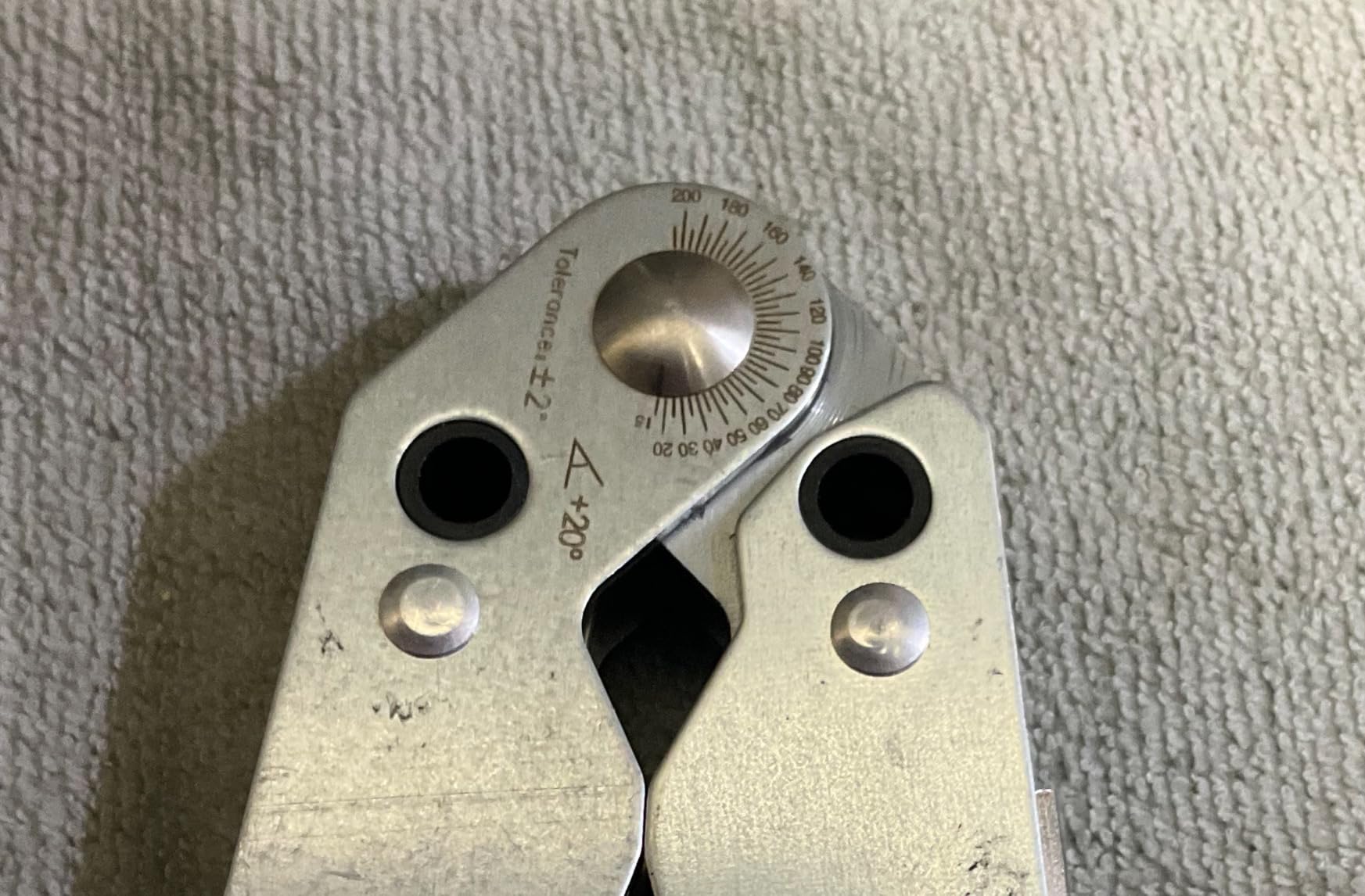
Both the inside and outside faces are magnetic, which widens the holding options compared with a single-sided jaw. A hex wrench is included for angle changes, and the clear scale is designed to let you set an angle quickly at the bench rather than measuring with a protractor first.
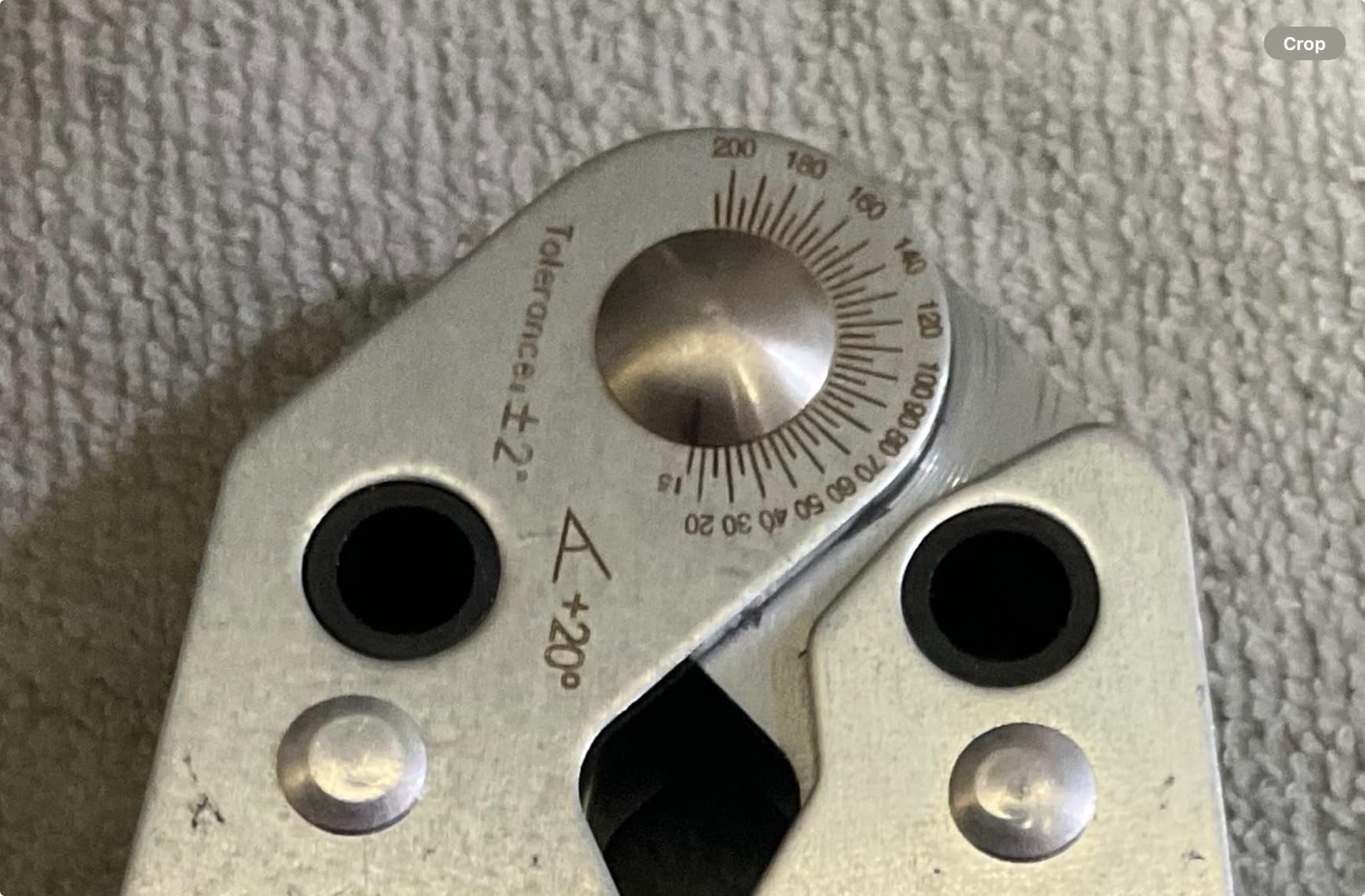
Users who measure the tool report angle accuracy within about a degree on their own checks, which is good enough for most pipe support layouts. Several reviewers rate it as impressively strong and accurate, and the magnet is called great for holding parts while welding.
Check the printed scale under your bench lighting before trusting it, and a quick protractor comparison on scrap will tell you how much to trust a critical angle. This is where the polarised feedback comes from in the reviews.
What to Know Before Buying the LISHUAI Magnet
Verify the contents on arrival. One unit is included, and it is the most commonly cited complaint in the reviews, because the packaging imagery can suggest a pair. Check the box before you start a job rather than after you have stripped the packaging on the bench.
Set it up on a scrap joint first. Because both faces carry magnets, the tool grips quickly on contact, and knowing which face to register against the pipe before the field is live saves a lot of fumbling later.
Where the LISHUAI Magnet Falls Short
It draws the most polarised reviews of the ten, and the split is real. Some owners call it strong and accurate, while others point to a small scale and a degree of measurement error. Test it on scrap and decide for yourself, especially if your angle has to be exact.
Despite the 77 lb per side rating, it is suited to light weight material rather than heavy structural assemblies, so plan a clamp for anything substantial. The 4.3 star average is the lowest in this group with 8 percent one star reviews, which is a fair signal to look at the scale and the box contents before you rely on it.
How Welding Magnets Work and What Cuts Their Holding Force
A magnet housed in a machined steel body creates a magnetic field that passes through the body and into the ferrous workpiece, gripping the joint at the preset angle. The steel body is not just a handle, it is part of the magnetic circuit, which is why magnets built from thin stamped sheet feel weak next to a solid machined block.
The number that matters is contact area, not just the rating. A 26 lb magnet with a broad flat face can hold a long section better in a well-seated joint than a stronger magnet on a narrow, contaminated surface. Geometry beats magnet grade in almost every real shop situation.
Rated pull force is measured on thick, clean, bare plate with a perfect face-to-face contact. Real world figures run meaningfully lower because of the air gaps we create, the paint and mill scale on new stock, and the fact that nobody scrubs a magnet between tacks. Treat any rating on a listing as a ceiling rather than an expectation.
Thickness is the other limit. A magnet needs enough steel in the workpiece to carry the field, so a 150 lb magnet on 18 gauge sheet holds a fraction of that number. The reverse also bites: an overpowered magnet on thin material pulls it out of shape and makes positioning harder, which is why matching the rating downward is usually the better call.
Material type matters too. Ferritic and martensitic stainless grades such as 409, 430, 410 and 420 are magnetic and will hold. Austenitic stainless such as 304 and 316 will not hold at all, no matter what magnet you use, so those joints need clamps or tack welds instead. Aluminum, copper and brass are equally out of reach.
How to Choose the Right Welding Magnet for Your Work
Match Pull Force to the Thickness of Your Material
Match the rating to the thinnest material you regularly weld, then work up. If your day job is light sheet and small tube, a 25 lb set is the right answer and a heavy magnet is just harder to position. If you are working plate and structural sections, you want 55 lb and above, and a switchable square earns its place because the fit-up is heavier and slower to set.
Buy a set rather than a single magnet once you start building assemblies. Four independent holding points let you square a joint and leave it while you check the rest, which is the difference between one adjustment and four.
On and Off Switch Versus Permanent Magnet
A switchable magnet turns the field off for setup and on for work, and that single feature changes how you work. You position the piece with the field off, switch on, and the joint stays where you put it. It also means chips and swarf fall away instead of building into a sharp shell around the tool.
Permanent magnets are simpler, cheaper and have no switch to maintain, and for light tacking on a bench the difference is small. Once you are handling heavy or awkward assemblies, fabricators who try a switchable model rarely go back, which is the single most common upgrade story we saw in forum discussion.
If you do buy a switchable model, put a drop of light oil on the mechanism every few months. A stiff switch is the most common complaint on this class of tool, and it is a two minute fix that prevents the only real complaint we found on an otherwise well-regarded square.
What the N42 to N52 Neodymium Grades Actually Mean
The N number is a grade rating for the maximum energy product of the magnet material, not a shop holding force. Higher numbers mean more magnetic energy packed into the same volume, so an N52 magnet of one size outperforms an N42 magnet of the same size, all else equal.
Between adjacent grades the difference is real but modest, and it rarely changes the outcome at the bench. Geometry beats grade almost every time, which is why a well-shaped N48 in a broad square face will beat a small N52 puck on a real joint. Read the N number as one input, not the deciding factor.
Temperatures matter more than the grade letter. Rare earth magnets lose strength well before they get hot enough to notice, and each of these products carries a heat warning, with the V-Pad kit specifying that rare earth magnets can demagnetize above about 185 degrees Fahrenheit. Ferrite magnets tolerate far more heat, which is a genuine trade if your work keeps the magnet near the arc.
Arrow, Square, Adjustable and Puck Styles Compared
Arrow magnets are the most common and the most versatile for general tacking. They give you 45, 90 and 135 degrees in a small package, they come in fours so you can hold multiple points, and they are the cheapest way to cover most fit-up work.
Fixed squares such as the MSA46-HD are built around one job, usually 90 degrees, and add an on and off switch. They are faster and more accurate for repetitive production work because nothing needs adjusting.
Adjustable squares cover 20 to 270 degrees and reach geometry nothing else can, at the cost of precision and a longer setup. Buy one when your work genuinely includes non-standard angles, not as a general upgrade.
V-pads and puck style magnets fill the light and awkward end of the range. They are small, fast and good at holding small pieces in tight spaces, and they are the right answer for a bench full of brackets and short seams.
Safety: Arc Blow, Heat and Magnet Care
Arc blow is the main risk with a permanent magnet near a weld. The field can push the arc away from the intended joint, which creates porosity and undercut in thin material. Keep magnets several inches clear of the arc, and give yourself more room on DC stick than on MIG or TIG.
The effect is not limited to magnets sitting next to the pool. A permanent magnet can influence the arc from several feet away, which is why a magnet parked on the far end of a welding table is worth moving before you start on thin steel. If the arc wanders and the magnet has not moved, it is the first thing to check.
Heat is the other concern. Rare earth magnets in this class can begin to lose strength well below visible damage, and the damage is permanent. Pull the magnet off before a long bead if you can, and accept a slightly weaker magnet later rather than a ruined one now. Ferrite magnets are the exception, tolerating far more heat.
Spatter and grinding dust are the everyday hazard. Once a face is coated, effective force drops and the joint stops sitting flush, so a wire brush after every few tacks is not fussiness, it is maintenance. Switchable models are safer around chip buildup because the field can be turned off and everything falls away before you reach for it.
Keep strong magnets away from pacemakers, implanted medical devices, credit cards, key fobs and phones. Magnets in this class can interfere with them at close range, so store them in a drawer rather than a shirt pocket and keep them off a bench where someone with a device leans across it.
A simple cleaning routine covers most of it. Wipe the face, check the switch moves freely, drop light oil on the mechanism every few months, and check adjustable squares for pivot play with a protractor before a critical joint. Owners on weldtalk.hobartwelders.com report that a cheap twist and roll on a slightly out of square budget magnet squares it up in seconds, which is a legitimate bench fix before reaching for a replacement.
What Welding Magnets Are Used for Outside Welding
The r/woodworking community adopted welding magnets as cheap, powerful stop blocks, and that is a large cross-trade use that no roundup covers properly. A switchable MagSquare makes an excellent positive stop for repeat cuts because it does not drift between setups and the field releases instantly.
They also work for marking off, general assembly and fixturing of steel parts, for hanging pipe or hardware where a steel surface is available, and for holding two pieces while you drill, deburr or fit fasteners. Anywhere a repeatable stop or a temporary third hand helps, a magnet does the job without a clamp body in the way.
Before you repurpose one, remember what it is not good at. It will not hold non-ferrous material, it does not move with the part once it is on, and a permanent magnet left in a hot shop or a drawer full of swarf needs a wipe before it will sit flat again.
It also pairs well with the rest of a bench setup. Our picks for the best auto darkening welding helmets and the best welding helmets for TIG welding cover the eye protection side of the same afternoon.
Frequently Asked Questions
Are welding magnets worth buying?
Yes, as a positioning aid rather than a substitute for a machinist square. They set the angle instantly, free both hands for the torch and cost far less than a clamping setup, which cuts setup time on repeat tacks. Tacking still pulls material out of square as it cools, so check with a real square before committing to a full bead.
Which magnet is stronger, N45 or N52?
N52 is the stronger of the two, because the N number grades the maximum energy product of the magnet material and a higher number packs more magnetic energy into the same volume. The practical difference between adjacent grades is modest, though. Geometry and contact area change the outcome at the bench far more than the grade letter does.
Which is stronger, N48 or N50 magnet?
N50 is the stronger grade, for the same reason higher N numbers pack more magnetic energy into the same volume. In a welding magnet you are unlikely to feel the difference between the two on the same workpiece, because face flatness, contact area and how cleanly the joint seats have a far bigger effect on effective holding force.
How do I choose the right welding magnet?
Match the rated pull force to the thinnest material you regularly weld, then pick the angle range your joints need: arrow magnets for 45, 90 and 135 degrees, a fixed square for repetitive 90 degree work, an adjustable square for non-standard angles. Add an on and off switch once assemblies get heavy, because it saves far more time than it costs.
What are the strongest magnets on the market?
Among the welding magnets reviewed here, the Magswitch MagSquare 150 carries the highest rating at 150 lb. That figure is measured on thick, clean, bare plate, and real world results run lower because of air gaps from scale and spatter. On thin material you will see a fraction of it regardless of the listing.
Do welding magnets cause arc blow?
They can. A strong magnetic field near the pool can push the arc away from the joint and create porosity and undercut, especially on thin material. Keep magnets several inches clear of the arc and remove a parked magnet from the far end of the table, because a permanent magnet can affect the arc from a surprising distance.
Can you weld stainless steel with a magnet?
Only the magnetic grades. Ferritic and martensitic stainless such as 409, 430, 410 and 420 will hold. Austenitic grades such as 304 and 316 are not magnetic, so no magnet will hold them and you need clamps or tack welds instead. Aluminum, copper and brass are equally out of reach.
Final Verdict: The Best Welding Magnets for Metalworking in 2026
For most shops, the Strong Hand V-Pad Kit is the best welding magnet in this roundup, because light fit-up work is what magnets get asked to do most days and it is the most proven option we found. If you build tube frames, the YESWELDER 4-Piece 50 lb set gives you four holding points at a cost most shops ignore, and the Magswitch MagSquare 150 is the one to buy if you want a single fixture that handles plate work and daily setup.
Match the rating to your thinnest material, keep the magnet clear of the arc, and check the joint with a real square. Those three habits will do more for your welds than any upgrade between these ten tools. If you are still building out a kit, our guide to the best welding magnets for fabrication goes deeper on fit-up strategy, and our picks for the best welding helmets for MIG welding and the best welding helmets for beginners cover the other half of staying safe at the bench.