
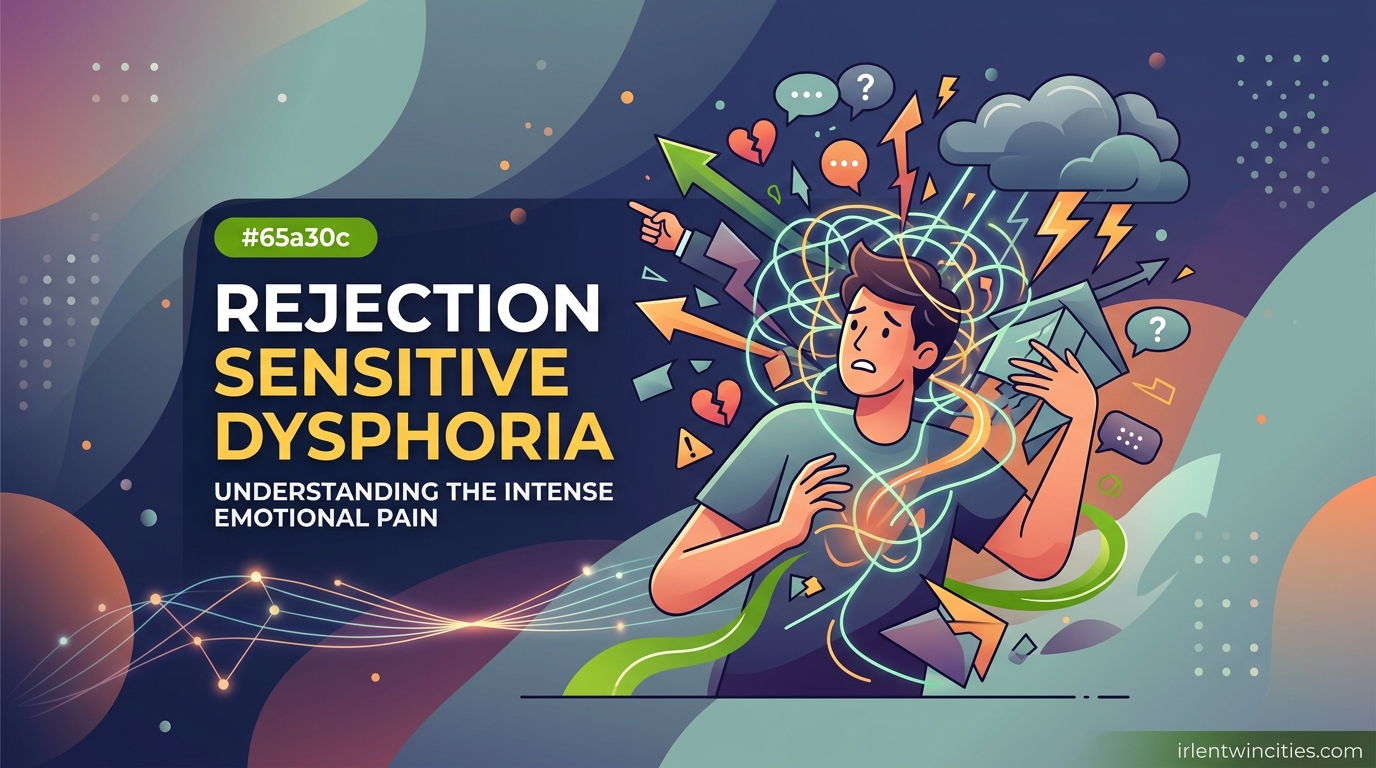
Does your child collapse into tears when you mention a small mistake on their homework? Do they insist “everyone hates me” after a friend chooses a different partner for a group project? As a parent, you might feel like you are constantly walking on eggshells, never sure what comment will trigger an explosion of emotion.
You are not alone, and you are not doing anything wrong. Your child may be experiencing rejection sensitive dysphoria, an intense emotional response to perceived criticism or failure that affects many children with ADHD. This rejection sensitive dysphoria parents guide will help you understand what is happening in your child’s brain and give you practical strategies to support them.
In this article, I will explain what RSD really feels like for children, why it happens more often in neurodivergent kids, and specific techniques you can use today to help your child build emotional resilience.
Table of Contents
What Is Rejection Sensitive Dysphoria?
Rejection sensitive dysphoria is an intense emotional reaction to perceived or actual rejection, criticism, or failure. The word “dysphoria” simply means a state of unease or dissatisfaction. For children with RSD, this unease feels like overwhelming emotional pain that is completely disproportionate to the trigger.
Unlike typical disappointment or embarrassment, RSD creates real, physical emotional distress. A child experiencing RSD might feel as though they have been punched in the gut. Their brain processes a neutral comment like “please fix this math problem” as catastrophic personal failure. The pain is genuine, not dramatics or manipulation.
RSD is not an official diagnosis in the DSM-5, but it is a well-documented phenomenon among clinicians who work with ADHD. Dr. William Dodson, who coined the term, estimates that RSD affects nearly all people with ADHD to some degree. Understanding this concept helps parents move from frustration to compassion when their child has an outsized reaction.
Key Characteristics of RSD
Children with RSD share several common traits. They tend to be people-pleasers who work desperately to avoid disappointing anyone. They may become perfectionists, believing that any mistake will lead to rejection. Many develop heightened sensitivity to facial expressions, tone of voice, and body language, constantly scanning for signs of disapproval.
The reactions happen quickly and intensely. What starts as a minor correction can escalate into a full emotional meltdown within seconds. Afterward, many children feel deep shame about their reaction, which only increases their anxiety about future situations.
How RSD Connects to ADHD
RSD is particularly common in children with ADHD because of how their brains process social feedback. Research suggests that people with ADHD receive up to 20,000 more negative messages by age 12 than neurotypical children. Teachers remind them to sit still. Parents ask them to focus. Peers notice when they interrupt or blurt out comments.
This constant stream of correction creates a heightened sensitivity to feedback. The ADHD brain, which already struggles with emotional regulation, begins to interpret even neutral input as criticism. A teacher saying “good try” becomes “you failed.” A parent asking “did you remember your lunch?” becomes “you are forgetful and disappointing.”
The connection between ADHD and rejection sensitivity is neurological, not behavioral. Brain imaging studies show that the anterior cingulate cortex, which processes emotional pain, is more active in people with ADHD when they experience rejection. This means the pain they feel is biologically real, not something they can simply “get over.”
Is RSD Only in ADHD?
RSD is most commonly associated with ADHD, but it can occur with other conditions too. Children with autism often experience rejection sensitivity due to social communication challenges and past negative experiences. Anxiety disorders can create similar patterns of catastrophic thinking about social situations. Depression can heighten sensitivity to perceived criticism as well.
If your child shows signs of RSD but does not have an ADHD diagnosis, consider speaking with a professional. The strategies in this guide can help regardless of the underlying cause, but understanding the full picture helps you support your child more effectively.
Recognizing RSD: Signs and Symptoms in Children
Every child expresses RSD differently depending on their age, personality, and coping style. Some children externalize their distress with explosive reactions. Others internalize it, withdrawing and silently suffering. Recognizing the signs helps you respond appropriately in the moment.
Emotional Signs of RSD
Look for these emotional patterns in your child:
- Intense reactions to minor criticism: A single correction triggers tears, anger, or shutdown that lasts far longer than expected.
- Catastrophic thinking: Your child assumes one mistake means they are a failure, or one disagreement means a friendship is over.
- Extreme people-pleasing: They go to great lengths to avoid any possibility of disappointing others.
- Quick mood shifts: They seem fine one moment and completely devastated the next with no gradual escalation.
- Persistent self-criticism: They speak harshly about themselves, using phrases like “I am stupid” or “nobody likes me.”
Behavioral Signs of RSD
Watch for these behavioral patterns:
- Avoidance of challenging activities: They refuse to try new things or participate in activities where they might fail.
- Social withdrawal: They stop spending time with friends after a minor conflict or perceived slight.
- Perfectionism: They spend excessive time on simple tasks, erasing and restarting work repeatedly.
- Seeking constant reassurance: They ask repeatedly “are you mad at me?” or “did I do okay?”
- Physical complaints before social events: They develop stomachaches or headaches before school, parties, or activities.
What an RSD Meltdown Looks Like
An RSD meltdown differs from a typical tantrum. Tantrums usually build gradually and involve negotiation or testing boundaries. RSD meltdowns erupt suddenly, often catching everyone off guard. The trigger seems minor to observers but feels catastrophic to the child.
During an RSD meltdown, a child might scream, cry uncontrollably, or become verbally aggressive. Some throw objects or hit. Others completely shut down, becoming nonverbal and withdrawn. These episodes can last 30 minutes or longer because the emotional pain feels genuinely overwhelming.
After the meltdown passes, many children feel intense shame. They might apologize repeatedly or avoid eye contact. This shame can trigger another wave of emotional dysregulation if not handled carefully.
Age-Specific Differences
Young children with RSD often show physical symptoms. They might hit, bite, or throw themselves on the floor. They struggle to name their feelings, instead acting out the overwhelming emotion.
Tweens and teens typically internalize more. They might retreat to their room for hours, refuse to discuss what happened, or express their pain through self-critical statements. Social rejection becomes particularly painful during these years as peer relationships take on greater importance.
How to Parent a Child with Rejection Sensitive Dysphoria
Parenting a child with RSD requires shifting from traditional correction-based parenting to validation-based support. These strategies help your child build emotional resilience while maintaining necessary boundaries.
1. Validate Feelings First, Problem-Solve Later
When your child is in emotional distress, their brain cannot process solutions. The logical part of their brain is offline. Your first job is to help them feel heard and understood.
Validation does not mean agreeing with their interpretation. You can acknowledge that getting a B on a test feels disappointing without agreeing that your child is a failure. Try phrases like “I can see you are really upset about this” or “it makes sense that you would feel disappointed.”
Wait until your child is fully calm before discussing solutions. This might mean coming back to the conversation hours later. Rushing to problem-solving while they are still dysregulated only adds more pressure.
2. Focus on Tone Over Content
Children with RSD hear tone more than words. A neutral statement delivered with a frustrated sigh registers as harsh criticism. The same words spoken gently land completely differently.
Pay attention to your body language, facial expressions, and vocal tone when giving feedback. Soften your voice. Make eye contact with warmth rather than intensity. Sit beside your child rather than standing over them.
If you do become frustrated, acknowledge it. Saying “I am feeling frustrated right now, but I am not mad at you” helps your child separate your emotion from their worth.
3. Praise Effort, Not Just Outcome
Children with RSD often become perfectionists, believing that only perfect performance earns love and acceptance. Counter this by celebrating effort, persistence, and growth rather than just results.
Instead of “you got an A, I am so proud,” try “I noticed you studied for three nights before that test. That dedication really paid off.” This teaches your child that their value comes from their character, not their achievements.
When they do fail or make mistakes, frame it as data, not judgment. “That did not work the way you hoped. What might you try differently next time?” positions failure as a learning opportunity rather than a character flaw.
4. Offer Choices to Preserve Autonomy
Feeling out of control intensifies RSD. When children feel forced or powerless, their emotional reactivity increases. Offering choices helps them feel autonomous and respected.
Instead of “put your shoes on now,” try “would you like to put your shoes on before or after you pack your bag?” Both options achieve your goal, but your child maintains a sense of agency.
For older children, involve them in problem-solving. “We need to figure out a better system for remembering homework. What ideas do you have?” This collaboration reduces the power dynamic that can trigger rejection sensitivity.
5. Use Repair Language When Needed
Everyone loses their temper sometimes. When you snap at your child or handle a situation poorly, repair is essential. Repair teaches your child that relationships can survive conflict and mistakes can be fixed.
A good repair has three parts: acknowledgment, apology, and reconnection. “I raised my voice earlier when I was frustrated. That was not okay, and I am sorry. I love you even when we disagree. Can we start over?”
Modeling repair shows your child that emotional ruptures are normal and fixable. This reduces their anxiety about making mistakes themselves.
6. Normalize Struggle
Children with RSD often believe they are uniquely flawed. They see other children handling criticism calmly and assume something is wrong with them. Sharing your own struggles helps them feel less alone.
Talk about times you felt rejected or criticized. Share how you handled it, including mistakes you made. “I got negative feedback at work yesterday. It really stung, and I felt like giving up. But I reminded myself that one comment does not define my whole performance.”
Read books and watch shows featuring characters who make mistakes and recover. Seeing failure normalized across media helps children internalize that perfection is not expected.
Practical Phrase Bank for Parents
Having go-to phrases ready helps you respond skillfully in heated moments. Here are phrases that work well with RSD:
- “I am on your team.”
- “This feeling will pass.”
- “Your feelings make sense to me.”
- “I love you no matter what grade you get.”
- “Mistakes help us learn.”
- “That comment hurt, and you have a right to feel upset.”
- “I am not disappointed in you. I am disappointed for you.”
- “You are having a hard time, not being a hard kid.”
Responding In the Moment During a Meltdown
When an RSD meltdown is happening, your child cannot process complex language or logic. Keep your responses simple and soothing.
Lower your voice and slow your speech. Remove any audience if possible. Do not try to reason with them or correct their interpretation of events. Your goal is co-regulation, helping their nervous system calm through your calm presence.
Try saying “I am here” or “you are safe” on repeat. Some children respond to physical comfort like a hand on their back. Others need space. Ask “do you want me to stay or give you space?” and respect their answer.
Do not discuss the trigger until later. Trying to process the situation while emotions are high only prolongs the meltdown.
What Parents Are Saying: Real Experiences with RSD
Parents in online forums describe living with RSD as walking on eggshells. One parent on Reddit shared, “So what do we actually do about rejection sensitivity dysphoria? Does anyone have any suggestions for strategies on how to deal, ways I can help him work through it?” This question echoes what so many parents feel, desperate for practical guidance.
Another common theme is the physical toll RSD takes on children. Parents report stomachaches, headaches, and even vomiting before school or social events. One mother noted her high-achieving daughter had a complete meltdown over a 70 on a test, insisting her academic career was ruined. These reactions seem irrational to outsiders but feel absolutely real to the child experiencing them.
The feeling of isolation comes up repeatedly. Parents describe other adults, including teachers and relatives, dismissing their child’s reactions as dramatics or poor parenting. “If only you were stricter” or “they are manipulating you” are comments many parents hear. Finding communities of other parents who understand becomes essential for emotional survival.
School challenges are particularly painful. Children with RSD may avoid participating in class, refuse to try out for teams, or shut down when receiving constructive feedback. Parents describe advocating tirelessly with teachers who do not understand why their straight-A student falls apart over a minor correction.
Frequently Asked Questions
How to parent a child with rejection-sensitive dysphoria?
What does an RSD meltdown look like?
Is rejection sensitive dysphoria ADHD or autism?
Can anxiety cause rejection sensitivity?
When to Seek Professional Help
While parenting strategies help significantly, some children need additional support. Consider consulting a professional if your child is avoiding school, losing friends, expressing thoughts of self-harm, or if family stress is becoming unmanageable.
Cognitive behavioral therapy can help children develop coping skills for managing RSD. Occupational therapy may help with sensory and emotional regulation. In some cases, medication for underlying ADHD or anxiety can reduce the intensity of emotional reactions.
A good therapist will work with both you and your child, teaching you strategies while helping your child build internal resources. Look for professionals who specialize in ADHD, autism, or anxiety in children.
Moving Forward with Compassion
Rejection sensitive dysphoria parents guide resources like this one exist because so many families struggle with these challenges. Your child is not broken, and you are not failing as a parent. RSD is a neurological pattern that responds beautifully to compassionate, informed support.
Start small. Choose one strategy from this guide to implement this week. Maybe you will focus on validating before problem-solving. Perhaps you will practice softening your tone when giving feedback. Small changes compound over time.
Remember that progress is not linear. Your child will have good days and difficult days. What matters is the overall trajectory toward emotional resilience. With your support, children with RSD can learn to handle criticism, recover from setbacks, and build the confidence they need to thrive.
You have the tools now. Trust yourself, trust your love for your child, and keep moving forward together.