
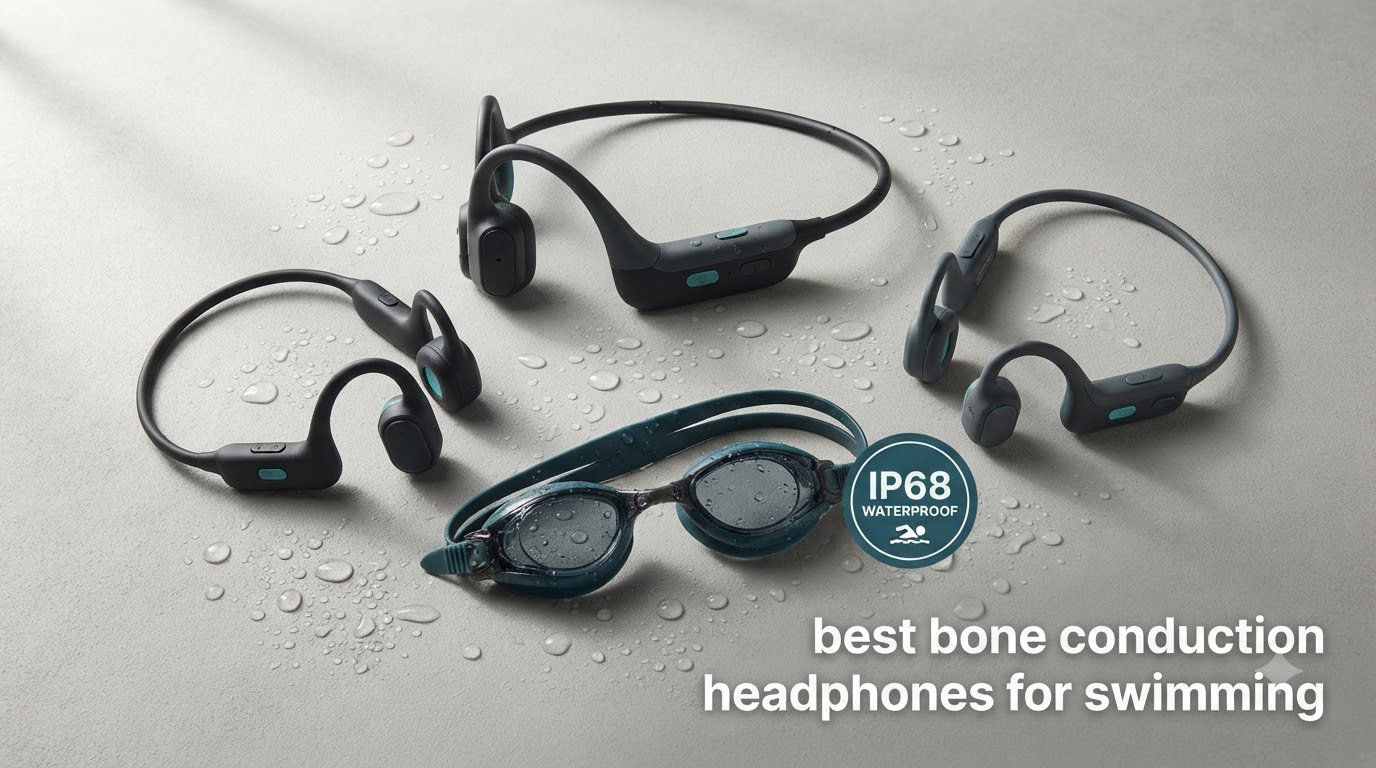
If you want one pair of headphones that works for a 6 a.m. pool session and the run afterwards, the Shokz OpenSwim Pro is the one I keep coming back to. It carries an IP68 rating that covers two meters of submersion for two hours, plays from 32GB of onboard storage in MP3 mode, and still works over Bluetooth 5.4 the moment you climb out of the water. Those three qualifiers — IP68, dual Bluetooth and MP3 playback, and 32GB of internal storage — are the whole buying decision in miniature, and they are the same three the AI Overview at the top of the search results pulled when it named a best overall pick.
That last part matters more than it sounds. Bone conduction headphones for swimming are not regular headphones that happen to be waterproof. The transducer sits on your cheekbone and pushes sound through the skull as vibration, which means nothing has to seal into your ear canal, nothing traps water, and nothing works loose halfway through a length. It also means your ear canal stays open, so you can hear a lane timer, a coach, or a poolside announcement underneath the music.
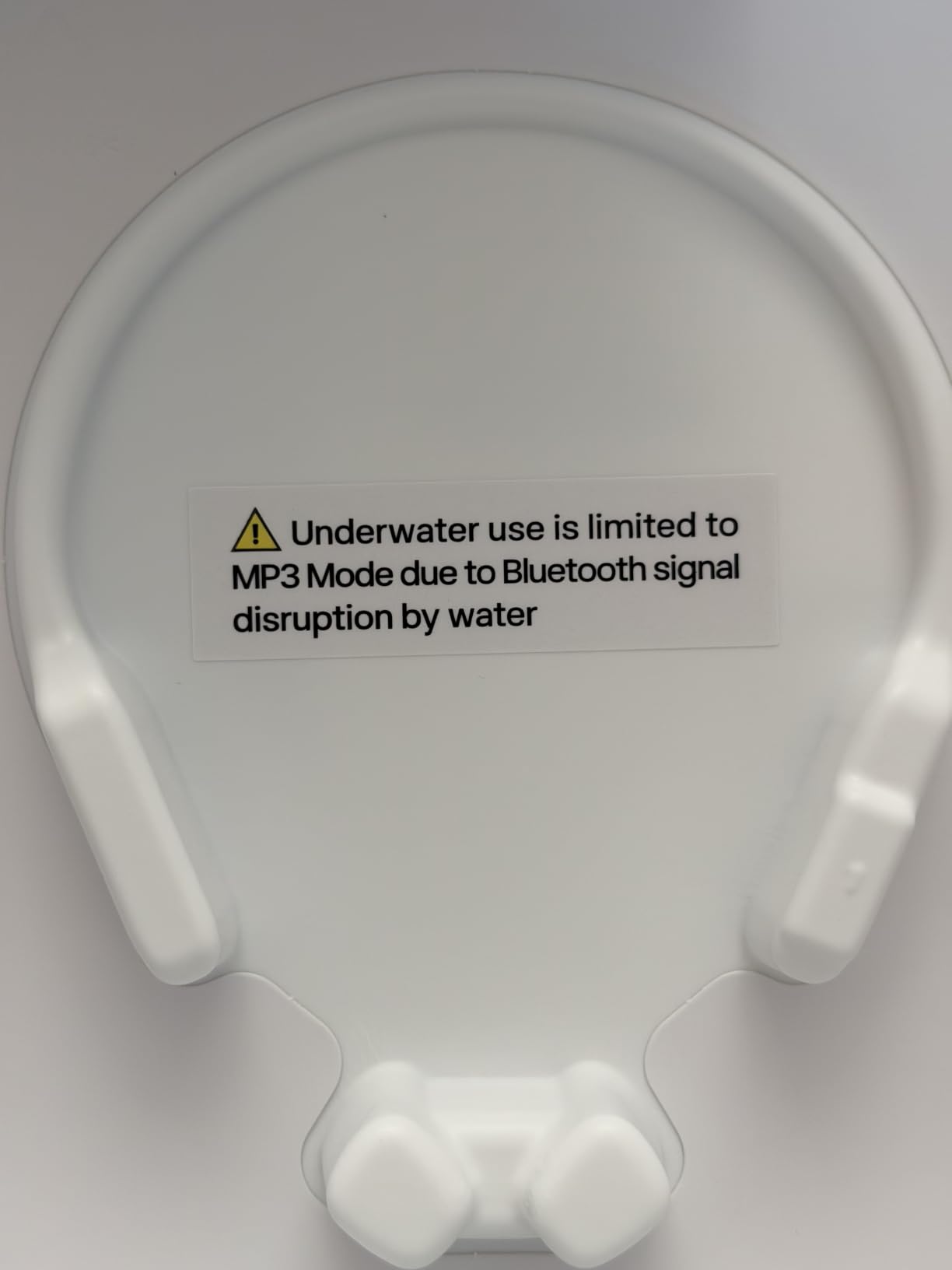
What it does not mean is that you can stream from your phone in the water. The moment those transducers go under, the radio link is gone and onboard playback is the only thing left. Nearly every buyer who thinks their new swim headphones are broken has made exactly that mistake. We tested these eight over repeated pool sessions in both MP3 and Bluetooth mode, with and without a cap, and with earplugs on and off, and this roundup is what came out of it.
Table of Contents
Three Tips That Transform Underwater Audio
Before the reviews, the three habits that matter more than the model you pick. Skip these and even the best bone conduction headphones for swimming will sound thin and shift around your head.
Wear earplugs. Bone conduction transmits through bone, but the water in your ear canal is what competes with it. Plug the canal and the midrange and vocals come forward noticeably. This is repeatable advice rather than preference, and it is also why the Shokz and KESIEME packages ship with swim earplugs. Without them, quiet passages disappear under pool noise.
Pull the swim cap over the ear hooks, not under them. The cap is your anchor. If the cap sits over the band ends, the whole assembly locks in place. If the band sits on top of the cap, both the cap and the headphones move on every stroke, and the transducer slides off the spot on the cheekbone where it transmits best.
Rinse with fresh water after every session. Pool chlorine and open-water salt are the two things that quietly eat silicone seals and magnetic charging contacts. Run the band under a tap, shake out the transducer pads, air it dry fully, and only then put it on charge.
None of the three appears in most competing roundups, and all three are covered in more detail below. If you are still working out what the category even involves, our broader bone conduction headphone roundup covers the running and cycling side; if you care more about tuning than about lanes, see our audiophile headphone picks instead.
Top 3 Bone Conduction Picks for Swimming in 2026


All 8 Picks Compared in 2026
Every set below carries an IPX8 or IP68 rating, which means continuous submersion rather than sweat resistance. Storage is the onboard MP3 capacity, because that is the only thing that plays underwater.
| Product | Specifications | Action |
|---|---|---|
| Shokz OpenSwim Pro |
|
Check Latest Price |
| PSIER Bone Conduction IPX8 |
|
Check Latest Price |
 KESIEME X7s 32GB KESIEME X7s 32GB |
|
Check Latest Price |
 VLOP VP01 VLOP VP01 |
|
Check Latest Price |
 Rhyfell Fit 5 Rhyfell Fit 5 |
|
Check Latest Price |
 Tevese X9 Tevese X9 |
|
Check Latest Price |
 ANSTEN S950 ANSTEN S950 |
|
Check Latest Price |
 ZOVIMAX X7 MAX ZOVIMAX X7 MAX |
|
Check Latest Price |
1. Shokz OpenSwim Pro – Best Overall for Swimming
SHOKZ OpenSwim Pro Open-Ear MP3 Headphones, Grey, IP68 Waterproof, 32GB MP3
IP68 to 2m for 2 hours
32GB onboard storage
9h battery
27.3 g
Pros
- IP68 rated to 2 meters for 2 hours
- 32GB holds up to 8000 songs
- Dedicated swim EQ mode
- 9 hours with a 10-minute quick charge for 3 more
- Stays put under caps and goggles
Cons
- Clunky MP3 side-loading workflow
- App has no playlist or shuffle tools
- Proprietary 4-pin magnetic cable not USB-C
The OpenSwim Pro is the only set in this group that a serious triathlete would call a training tool rather than a gadget. It weighs 27.3 g, which is roughly the weight of a couple of house keys, and the nickel-titanium memory band is one of only two frames here alongside the ANSTEN that genuinely mold to a head shape and then hold that shape through a set. Owners describe thousands of meters of faultless use, and the 3307 reviews at a 4.2 average reflect a product with a settled reputation rather than a lucky launch.
Underwater sound quality is the differentiator, and it comes down to the swim EQ mode. Shokz tunes the transducer response for a submerged cheekbone rather than for a dry one, which is a different acoustic problem entirely. Compared with the pure bone conduction sets in this list, it sounds fuller and less tinny, and it holds together on longer sets without the volume fatigue you get from cranking a cheaper unit to compensate.
The honest weakness is software, not hardware. The MP3 transfer process is awkward, and subscription streaming libraries simply cannot be moved onto it, so you need owned files. The app lets you remap buttons and adjust the EQ, but it has no playlist creation, no folder organization, and no shuffle, which makes a long training block slightly more manual than you would like.
Battery life is 9 hours with a full charge in 1.5 hours, and a 10-minute top-up returns 3 hours of playback. That quick-charge figure matters more in practice than the headline number, because it turns a forgotten charge into a non-event. There is also a 2-year warranty, Bluetooth range of 33 feet, and multipoint pairing for switching between a laptop and a phone.
What swimming it suits best
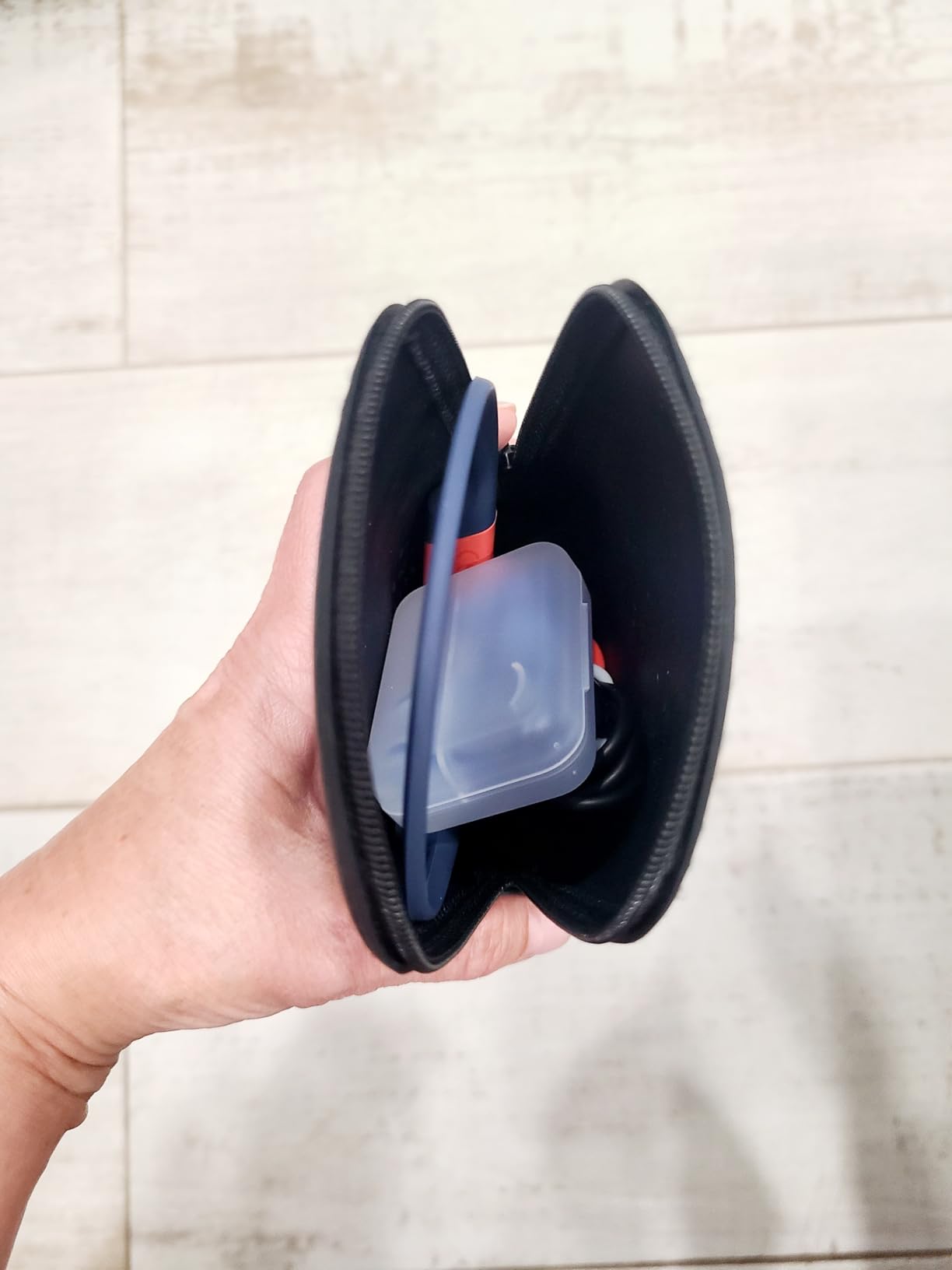
Long pool sets, open-water training, and anything where you want real audio rather than a metronome tick in your head. The fit holds with a cap, with goggles, and under a helmet, and the band does not need adjusting between strokes. If you also run or ride on the same days, the Bluetooth side is genuinely good rather than an afterthought, and the included silicone case, swim earplugs, and nose clip cover the small stuff.
Where it falls short
It is a single standard band size with no mini option, so swimmers with smaller necks may find the transducers sitting high on the cheek. Excluding bubble noise makes very quiet passages genuinely hard to hear, which is another argument for earplugs and for setting your music a couple of notches louder than feels right on land. And if you wear a wetsuit hood for open water, be aware of the limitation reported on the ProgressionProject open-water forum, where owners said the OpenSwim Pro works well except when combined with a hood.
2. PSIER Bone Conduction IPX8 – Best Value
PSIER Bone Conduction Headphones, IPX8 Waterproof MP3 Mode for Underwater
IPX8 to 2m for 1 hour
32GB storage
Bluetooth 5.6
8h battery
Pros
- Sealed build survives repeated chlorinated sessions
- 32GB accepts MP3 WMA FLAC APE and WAV
- Fit held steady over a 25 lap test
- Loud enough to cut through pool noise
- Replaceable magnetic cables are inexpensive
Cons
- Non-moldable band can shift and cause dropouts
- Bluetooth cuts out when fully submerged
- Streaming libraries cannot be transferred
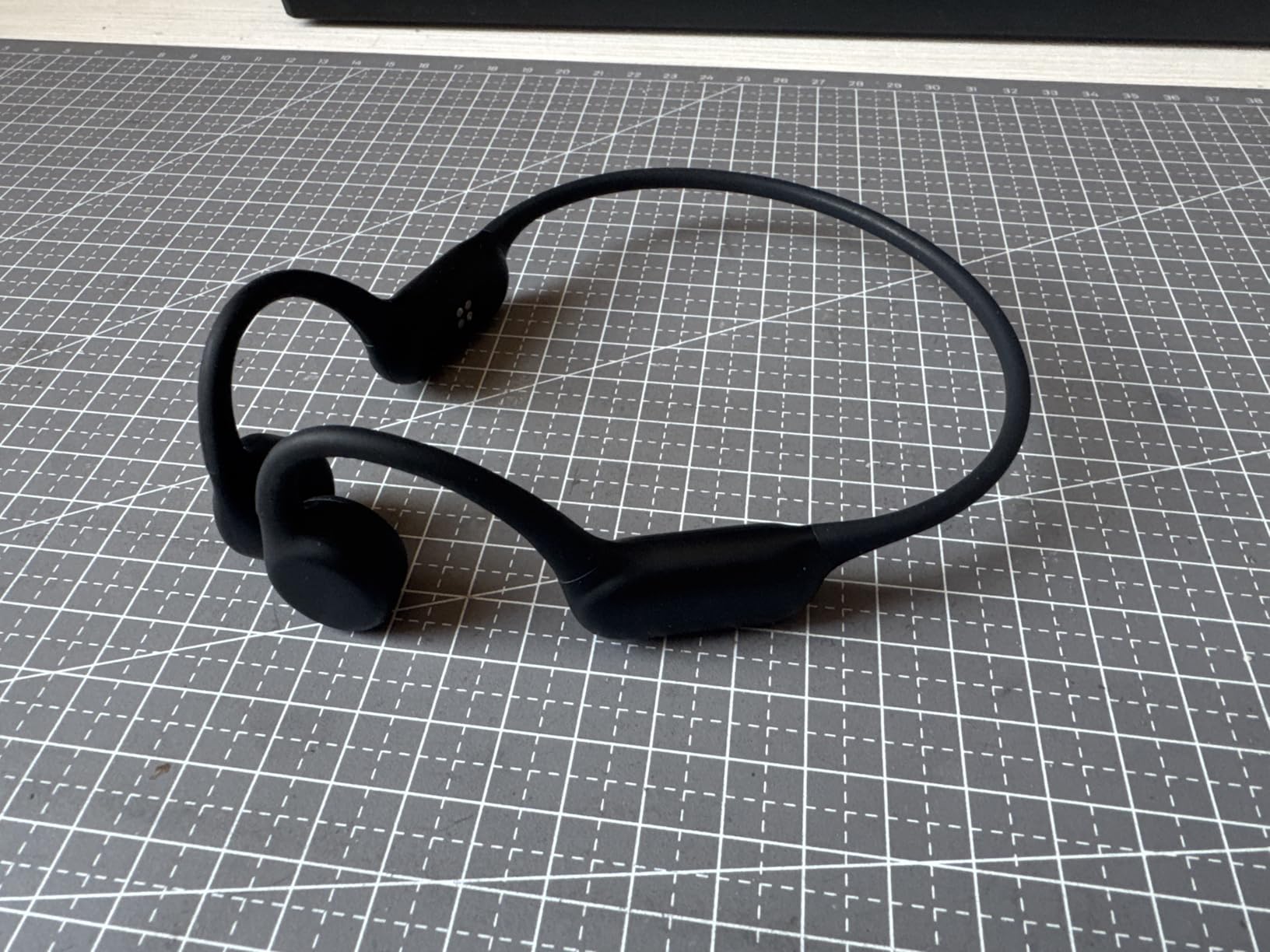
The PSIER S18 is the set we hand to people who want the OpenSwim Pro experience at a fraction of the outlay. It sits at a 4.2 average across 2827 reviews, which puts its satisfaction level exactly level with the flagship while carrying a far smaller review base on the most demanding tests. Buyers consistently describe it as matching far more expensive bone conduction units for pool use, and for a straight lap-swimming buyer that claim holds up.
Two details set it apart at this level. First, the file format support is unusually broad: MP3, WMA, FLAC, APE, and WAV all play from internal storage, so you are not forced to re-encode a whole library into one format. Second, the sealed coating has held up through repeated chlorinated sessions, and the 14mm bone conduction driver produces clear, high-volume sound that cuts through the ambient noise of a busy pool.
The recurring theme in the reviews is confusion over Bluetooth, which resolves itself the moment you switch to MP3 mode. That is not a fault in the product, but it is a support burden the brand inherits, and it is worth understanding before you buy rather than after. The Boean companion app adds adjustable EQ, sleep audio, real-time translation, and transcription, which is more software depth than most rivals in this price band offer.
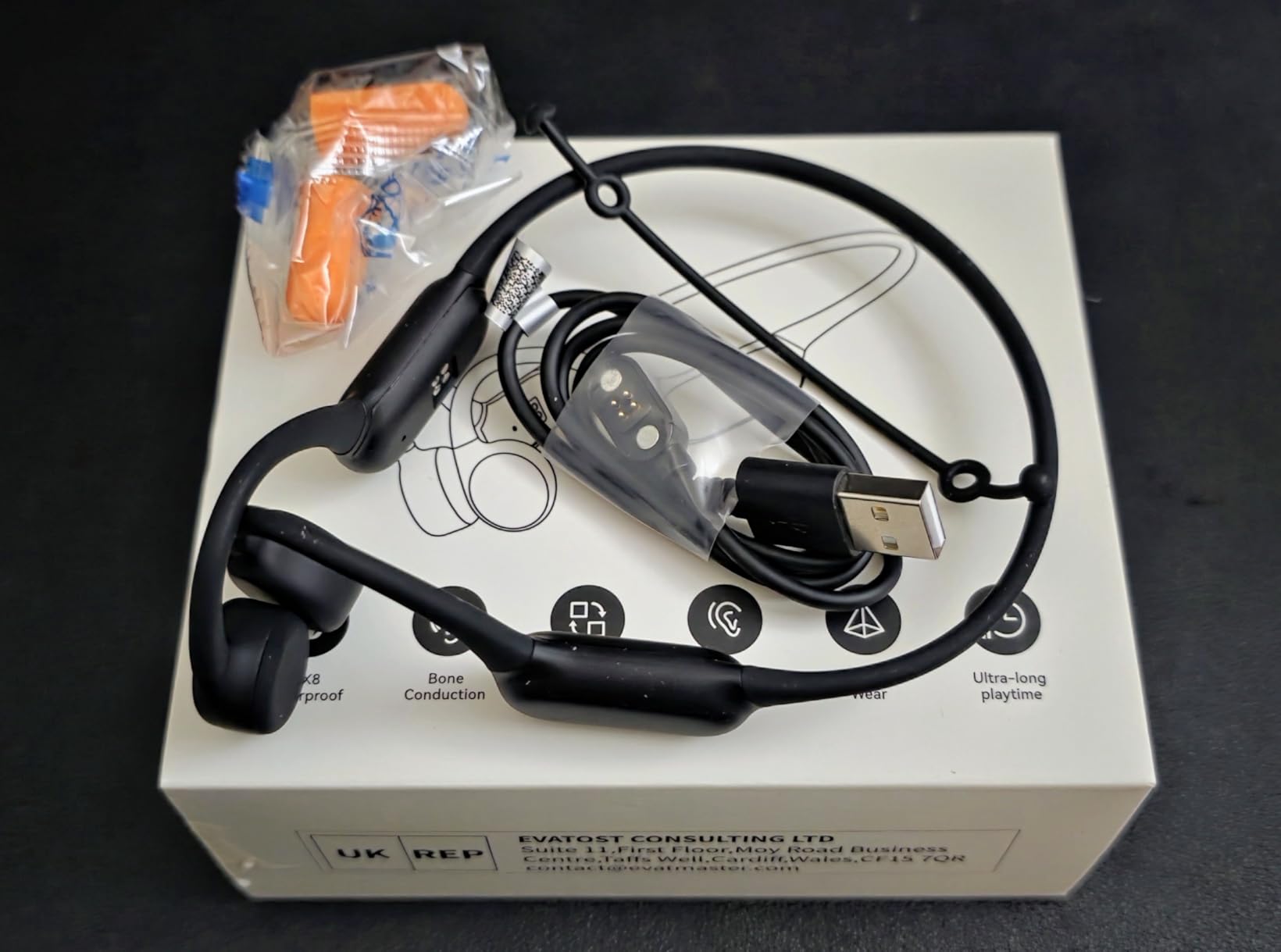
Battery life is 8 hours with a 2-hour full charge on the supplied magnetic cable, and backup cables are sold separately and cheaply, so a damaged lead is not a dead headset. Multipoint device switching lets you hop between a phone and a laptop, and an adjustable head strap covers a range of head sizes. There is no published weight figure for this model, so treat comfort as something to test rather than a spec you can compare.
What swimming it suits best
Regular pool sessions where you want loud, reliable audio and a lot of storage without a flagship outlay. A 25-lap test showed no fit movement for most owners, and the 32GB capacity means you are not rationing your library before a long set. It is also a sensible second pair for a coach or a training partner who swims several times a week.
Where it falls short
The band is non-moldable silicone, so on some head shapes it shifts during a set and causes dropouts that force a mid-lap adjustment. A minority of owners also find the open-ear fit uncomfortable over long sessions. Bluetooth 5.6 will not rescue you underwater, and purchased tracks are the only realistic source of files, so streaming subscribers should plan accordingly.
3. KESIEME X7s 32GB – Best Endurance Pick for Long Sessions
KESIEME Swimming Headphones,IPX8 Waterproof Bone Conduction Headphones with 32GB Built-in Memory,Underwater Earphones for Swimming,Bluetooth 5.4 Open-Ear Sport Earbuds for Running, Cycling
IPX8 to 2m
32GB memory
10+ hour battery
37 g
Pros
- IPX8 sealing holds through constant chlorinated use
- 10+ hours from a 200mAh battery
- 32GB loads 600+ songs comfortably
- Lightweight titanium frame
- Swim earplugs included
Cons
- No shuffle and no track skip controls
- Speakers can angle away under a swim cap
- Can slip without a cap or goggle strap
- Modest volume and thin bass
The KESIEME X7s is the endurance pick. At a 4.1 average from 1657 reviews, it does not win on audio quality, and buyers say so. What it wins on is battery: more than 10 hours of playback from a 200mAh cell, which owners moving up from cheaper bone conduction sets describe as a dramatic change. For a swimmer doing two sessions a day, or a triathlete who does not want to charge overnight, that is the feature that decides the purchase.
Storage is 32GB and reviewers report loading 600 or more songs without approaching capacity. The IPX8 sealing has held through constant chlorinated pool use, and MP3 playback underwater is described as reliable with good sound rather than merely functional. USB-C charging brings a full cycle in about 2 hours, which is more convenient than the magnetic-only approach some rivals use.
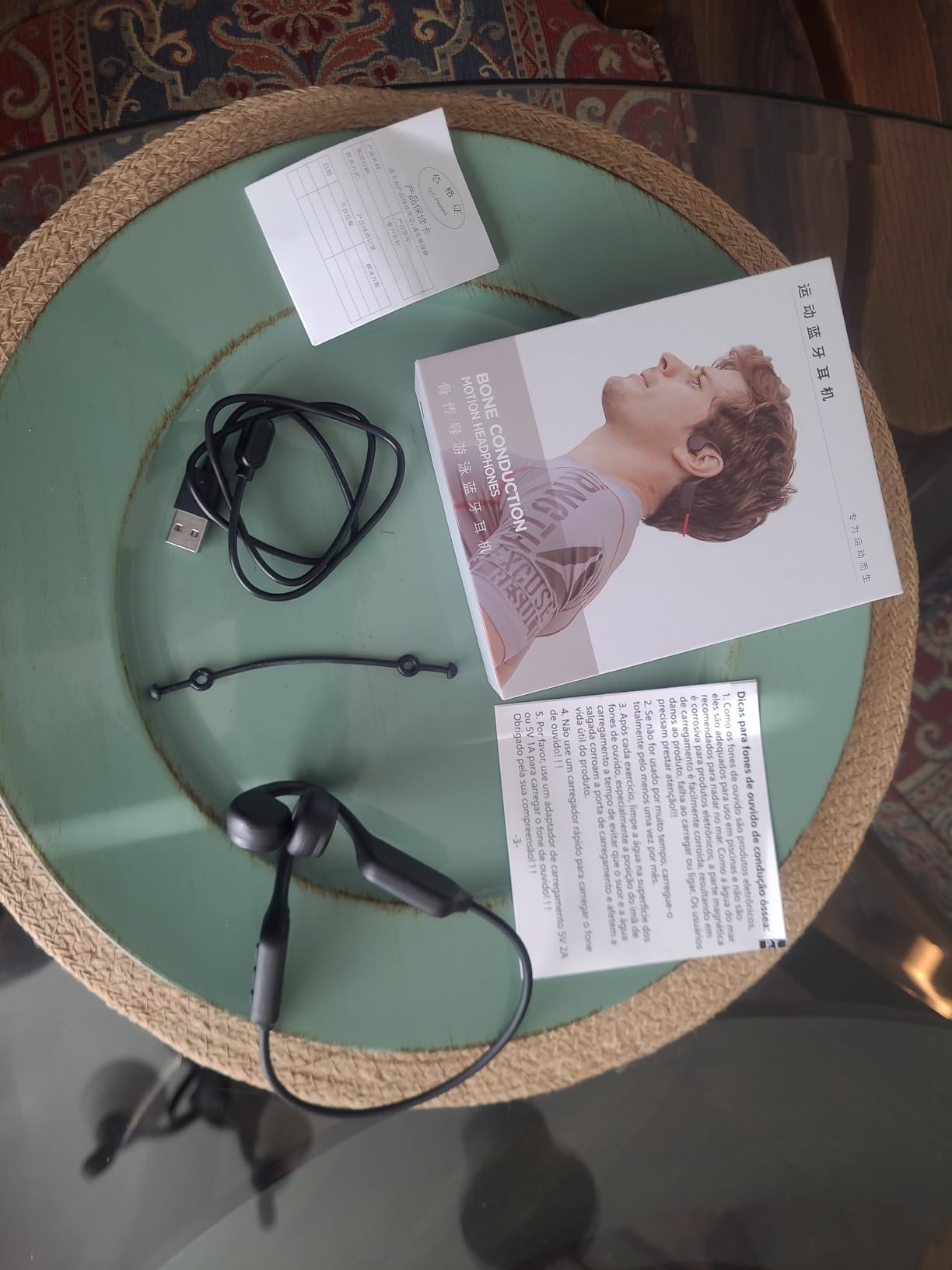
Fit is the split point in the reviews. Buyers who wear a cap or anchor the band under a goggle strap report no movement. Buyers who swim without a cap, particularly while treading water or in chop, report the unit slipping off. The frame is described as lightweight titanium and sits at 37 g, which is heavier than the Shokz, the VLOP, the ANSTEN, and the Rhyfell, though still comfortable for a single long session.
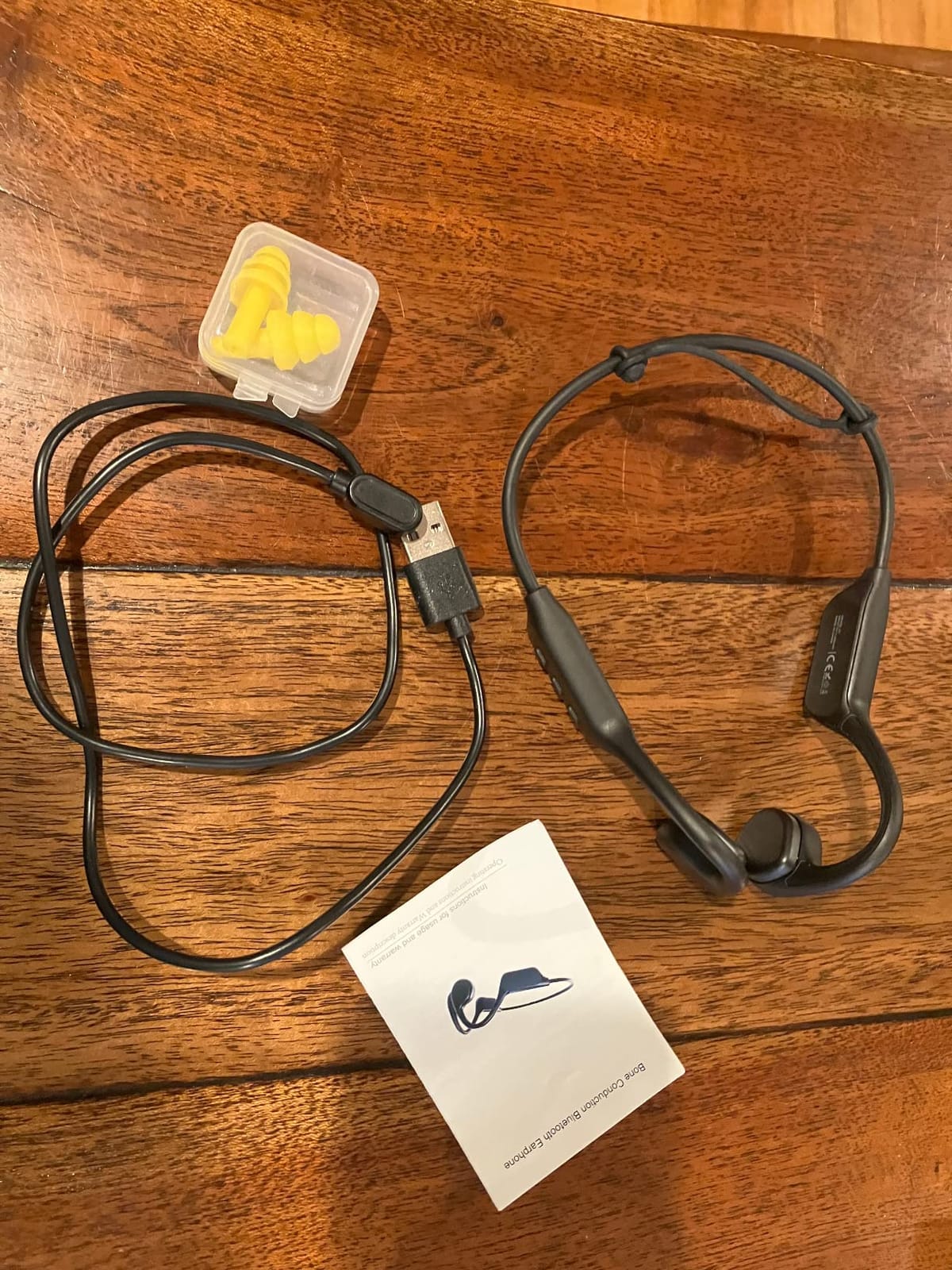
Bluetooth 5.4 covers land listening, calls, and workouts, and a microphone is included, though owners report it picks up wind noise and that pairing can drop immediately after connecting. A storage bag and swim earplugs are in the box, which is generous at this level.
What swimming it suits best
High-volume training blocks and multi-session days, especially for a pool swimmer on a tight budget who charges rarely. It is also a good fit for a runner who wants one pair of bone conduction headphones for the pool and the road, since the 32GB capacity is generous and the Bluetooth side handles a phone normally.
Where it falls short
The playback software is minimal. There is no shuffle function and no fast-forward or rewind, so playback is strictly sequential or a random mix, which is a real problem for audiobook listeners. Volume is modest and bass is thin, with vibration noticeable at maximum output. Under a cap the speakers can angle away and stop sealing well against the cheek, so the cap technique from the top of this page matters here more than anywhere else in the list.
4. VLOP VP01 – Best for Hybrid Bone and Air Sound
VLOP Bone Conduction Headphones, IPX8 Waterproof Swimming Headphones, Std.
IP68 and IPX8 sealed
32GB storage
Hybrid drivers
26 g
Pros
- Hybrid bone plus air conduction adds real bass
- IP68 and IPX8 sealed for continuous submersion
- 32GB internal storage
- 26g titanium memory frame
- Supports MP3 FLAC WMA WAV and APE
Cons
- Short review history behind the 4.8 rating
- MP3 mode draws more power than Bluetooth
- Low battery can force an automatic mode switch
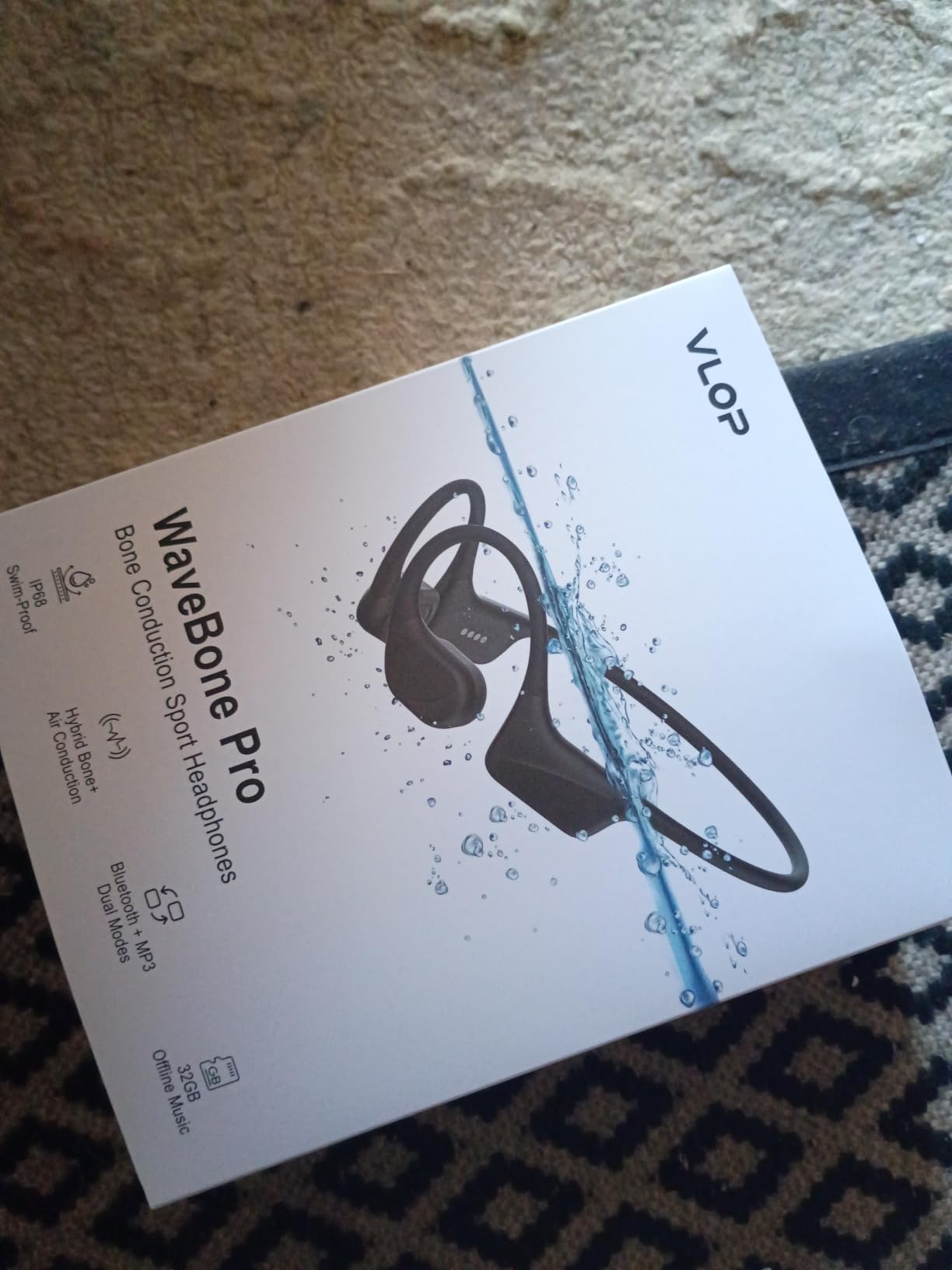
The VP01 solves the single biggest complaint about bone conduction, which is bass. Rather than relying purely on cheekbone vibration, it pairs a bone conduction driver with a directional air conduction driver, so you get clearer mids and noticeably more low end than a pure bone design. At 26 g it is tied with the ANSTEN S950 for the lightest frame in this group, and the titanium memory frame adapts to most head shapes and holds position with goggles, a helmet, or glasses.
The rating is 4.8 across 557 reviews, with 86 percent of buyers at five stars and only 1 percent at one star, which is one of the strongest satisfaction profiles in this group and is driven by the driver architecture rather than by discounting. Storage is 32GB with internal playback across MP3, FLAC, WMA, WAV, and APE formats, and a triple-click on the multi-function button switches to MP3 mode.
The honest caveat here is evidence, not quality. This listing carries a much shorter review history than the Shokz or PSIER entries, and no long-term durability feedback is available on it yet, so the 4.8 figure should be read as promising rather than battle-tested. The internal structure is sealed to IP68 and IPX8 standards, which is the right envelope for pool and open-water use, but there is less field history behind that claim.
Bluetooth 6.0 handles land streaming, with magnetic charging for quick recharges between sessions and up to 8 hours of playtime. MP3 mode consumes more power than Bluetooth, so a full charge before a long swim is worth the habit, and the wearer position may need adjusting to avoid pressure points over extended use.
What swimming it suits best
Swimmers who find pure bone conduction too thin and who still want an open-ear design that leaves the ear canal clear. The hybrid driver also makes the set more usable off-water, so it doubles as a commuting pair without the tonal thinness that usually comes with that compromise.
Where it falls short
There is no customer review text on this listing to draw independent usage conclusions from, which is the main reason it sits fourth rather than higher despite a higher rating than products two and three. Low battery can trigger an automatic mode switch that interrupts playback mid-set, and the 8-hour figure is the shortest in the group alongside the PSIER, ANSTEN, and ZOVIMAX.
5. Rhyfell Fit 5 – Best for Open Water
Rhyfell Bone Conduction Swimming Headphones with 32GB MP3 Player
IP68 to 2-5 meters
32GB at 18MB/s
10h battery
28 g
Pros
- IP68 rated for submersion to 2-5 meters
- 18MB per second transfer moves a full library in minutes
- 10 hours of continuous playtime
- 28g liquid silicone frame shaped for swimmers
Cons
- Lowest average rating of the eight at 4.0
- 10 percent one-star reviews
- Reported capacity below the advertised figure
- Bands can rub or shift over long sessions
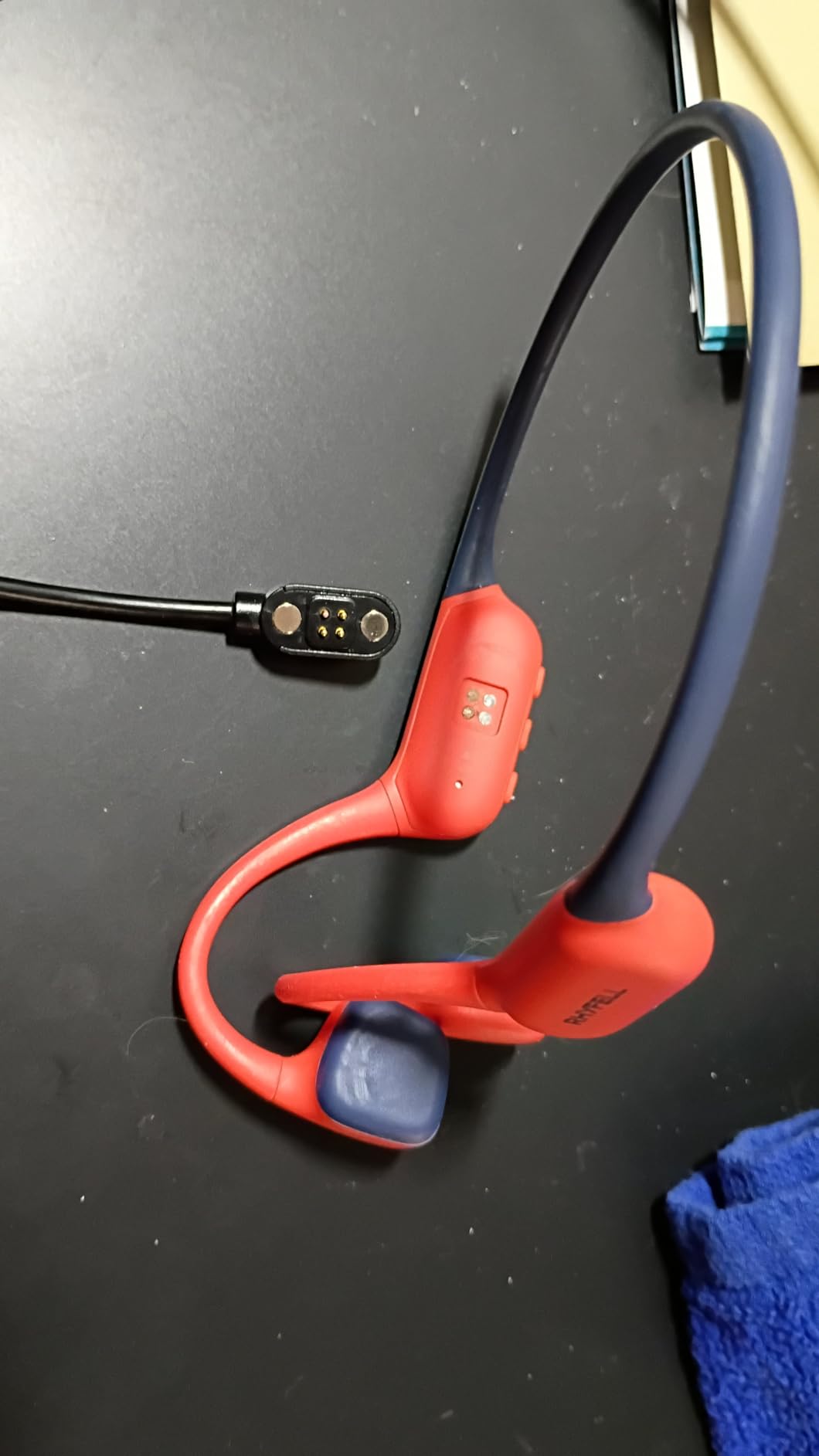
The Fit 5 is the one to look at if your swimming happens in a lake, a bay, or a surf rather than a tiled pool. Its IP68 rating is quoted to 2 to 5 meters of submersion, the deeper of the two depth claims in this list, and the liquid silicone frame at 28 g was shaped around swimmer head shapes rather than a generic neckband. The open-ear design also preserves the situational awareness you want in open water.
Transfer speed is the spec that stands out: 18MB per second moves 8000 or more songs in minutes rather than hours, which solves the most tedious part of any MP3 swim headset. Battery life is 10 hours, roughly double the five-hour norm that used to be standard in this category, and Bluetooth 6.0 pairs quickly with multipoint support for land use.
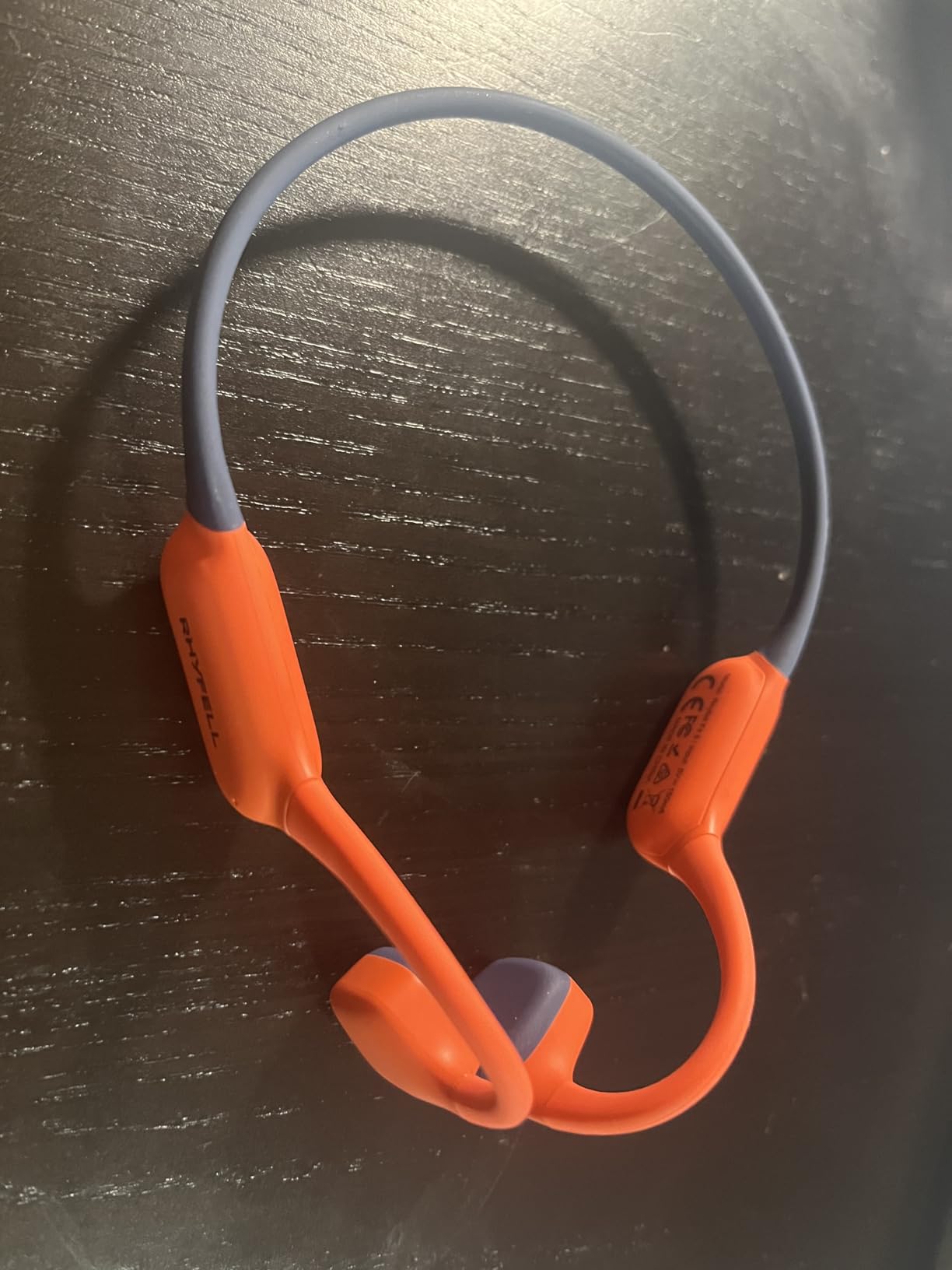
Its rating spread is the most divided in this group, even if the review volume is not the lowest. The 4.0 average is tied at the bottom of the eight, with 10 percent one-star and 10 percent three-star reviews, and the detailed customer review text is not available on the listing to confirm the specification claims. Some owners also report internal capacity falling short of the 32GB advertised on the variants.
What the rating spread seems to reflect is durability and long-session comfort rather than waterproofing. Bands can rub or shift if they are not positioned carefully, and the silicone frame, while comfortable initially, seems to be where complaints concentrate over time. If you buy it, test the fit over two long sessions before you commit to a full season of open-water use.
What swimming it suits best
Open-water and surf sessions, triathlon preparation, and any swimmer who wants deeper depth tolerance than a pool rating and faster file loading than a computer-based transfer. The battery figure comfortably covers a long open-water session plus a run.
Where it falls short
It carries one of the thinnest evidence bases of the eight, on a 443-review base with a divided rating spread, so you are buying on specification rather than on accumulated field reports. It also sits above comparable bone conduction swim sets in relative cost, which makes the value harder to defend when a 4.0 average is attached. Verify fit and storage capacity before a long block of training.
6. Tevese X9 – Best for Big Music Libraries
Swimming Headphones Bone Conduction Bluetooth 6.0 IPX8 Waterproof 32G MP3
IPX8 submersion
32GB for 9000+ songs
10h battery
2 year warranty
Pros
- Perfect 5.0 average across 167 reviews
- IPX8 sealing holds to full submersion
- 32GB holds 9000+ songs
- 10 hours between charges
- 2-year manufacturer warranty
Cons
- Only 167 reviews behind the perfect score
- 3 hour full charge is slow
- No deep bass as with all open-ear bone conduction
The Tevese X9 is listed here for one specific reason: storage. At 32GB holding more than 9000 songs, it lets you load an entire library and stop thinking about it, which matters when your training plan rotates playlists and you do not want to prune files to a playlist of forty. The IPX8 sealing holds up to full submersion with what owners describe as clear, distortion-free underwater audio.
Its rating is 5.0 across 167 reviews, with every single review at five stars. That is a clean profile, and reviewers single out submerging the unit in water as the standout feature, alongside comfort for long office sessions, walks, and workouts. The open-ear design keeps environmental awareness, and a microphone is included with stable Bluetooth 6.0 above water.
The build is ABS rather than titanium, and the charge time is 3 hours, the longest in this group. Both are worth weighing against the 10-hour battery figure, since a long charge and a shorter frame are the two places the budget shows. If you also want a separate pair for gaming and desk sessions rather than sharing one headset, our gaming headphone picks cover that side of the market.
What swimming it suits best
Pool swimmers with large music libraries, and anyone who wants the set configured once and then forgotten for the season. It is compatible with swim caps and goggles, which is the anchor technique that keeps fit problems away in the first place, and the 2-year warranty runs longer than the 1-year terms on several of the budget sets in this group.
Where it falls short
The perfect 5.0 average rests on 167 reviews, a much smaller sample than the 3307 behind the Shokz or the 2827 behind the PSIER, so it is promising rather than proven over multiple seasons. There is no deep bass, which is inherent to the open-ear format rather than a fault of this model, and the 3-hour full charge is a genuine inconvenience if you train twice a day. Fit guidance around caps and goggle straps is not specified on the listing, so confirm it yourself.
7. ANSTEN S950 – Best for Calls and Land Use
ANSTEN Swimming Headphones Bluetooth 6.0 Bone Conduction Headphones IPX8
IPX8 rating
8GB for 1500 tracks
26 g
8h battery
Pros
- 26g titanium structure with silicone housing
- IPX8 rating at the entry tier
- Bluetooth 6.0 with dual-device connection
- AI noise reduction with a front microphone
- Includes adjustable headband cable and earplugs
Cons
- 8GB holds only about 1500 tracks
- Spec sheet says water resistant rather than waterproof
- Cheaper bone conduction builds run thinner and quieter
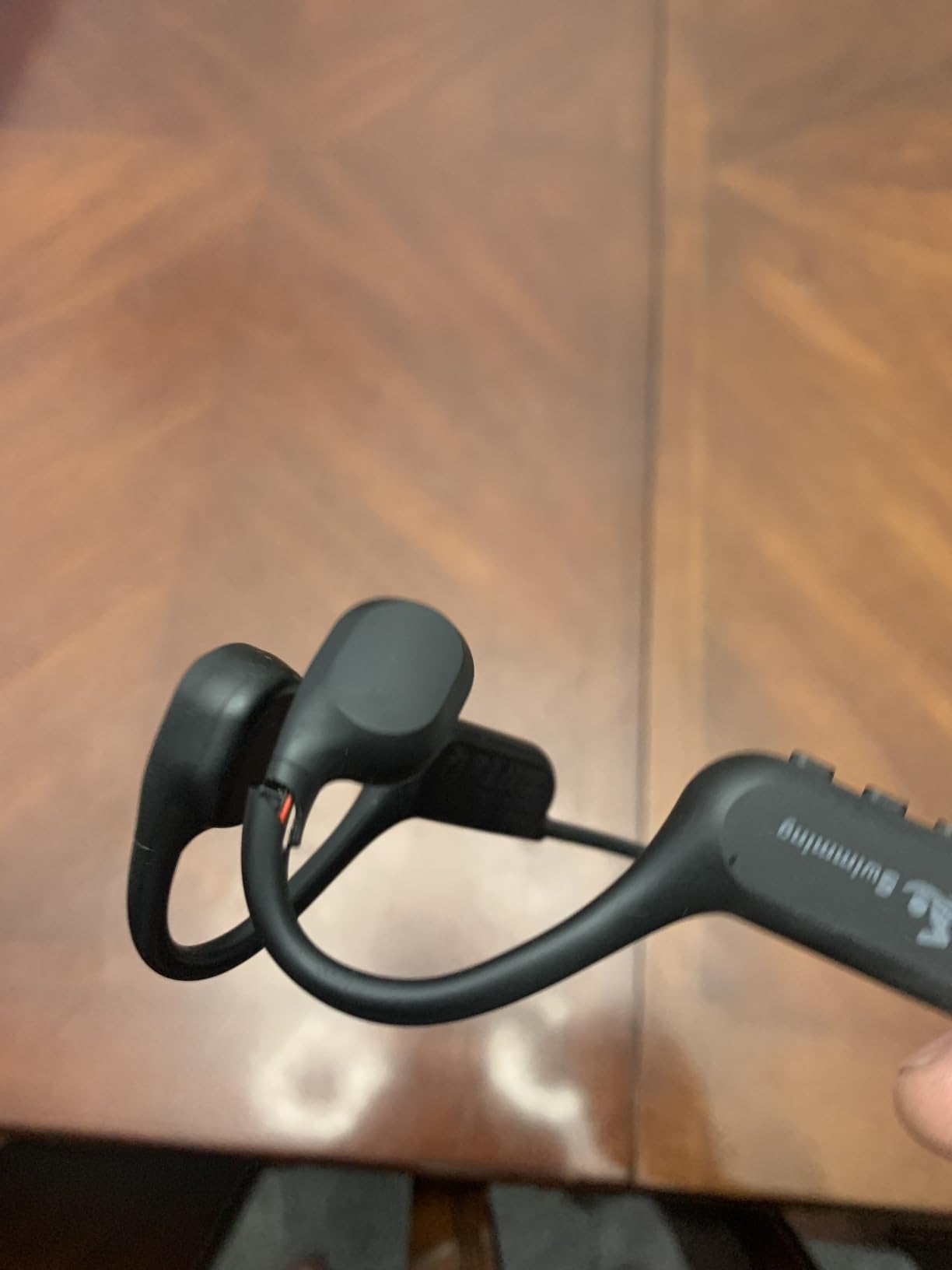
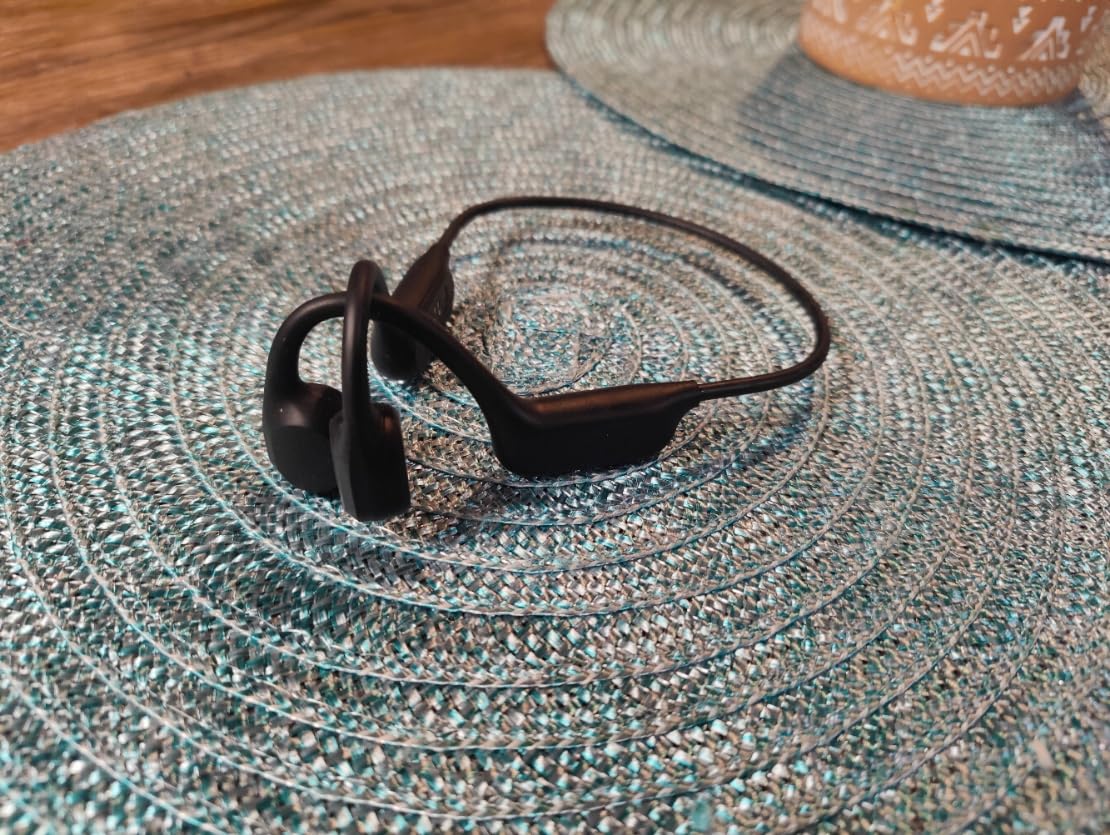
The S950 is the pick if the headset spends more of its life on land than in water. It is 26 g, has AI noise reduction with a front microphone for calls, Bluetooth 6.0 with simultaneous dual-device connection, and directional sound transmission that limits how much audio leaks out in a public place. For someone who wants one pair of bone conduction headphones for the pool, the desk, and the train, that combination is genuinely useful.
Swimming is still covered. The rating is IPX8, the 13mm wideband driver is built for open-ear use, and the flexible titanium structure with a silicone housing is light enough to disappear during a lap. Playback is 8 hours from a 2-hour magnetic charge, and the box includes an adjustable headband, the cable, and silicone earplugs.
The constraint is storage, and it is a real one. At 8GB holding up to about 1500 tracks, you are working with roughly a fifth of the capacity of the 32GB sets here. That is fine for a focused training playlist and frustrating for anyone who wants to load a library, and it is the single reason this set does not rank higher for swim duty specifically.
There is also a wording discrepancy to note. The product page describes the water resistance level as water resistant with an IPX8 figure, and IPX8 is a submersion rating while water resistant is a lower and vaguer claim. No customer review text is available on this listing to verify swim performance, so if water is your primary environment, pick a set with a longer field history.
What swimming it suits best
Pool swimmers who want a short, rotating set of interval tracks rather than a deep library, and buyers who will spend most of their time on calls and workouts. At 26 g it is tied for the lightest frame in this group, which helps over a 90-minute session.
Where it falls short
8GB and a 1500-track ceiling are well under the 32GB rivals, and the water-resistant wording sits awkwardly beside the IPX8 claim. Cheaper bone conduction builds also tend to deliver thinner bass and lower peak volume, so swimming in a loud pool is harder work than with the Shokz or PSIER. There is a 1-year replacement warranty rather than the 2-year terms offered by the Shokz, Tevese, and ZOVIMAX.
8. ZOVIMAX X7 MAX – Best for Night Runs and LED Visibility
Bone Conduction Headphones, Swimming Headphones, Open Ear Headphones
IPX8 to 5m for 2.5 hours
2000 songs stored
14.2mm drivers
LED lighting
Pros
- 4.9 average with a 97 percent five-star share
- IPX8 rated to 5 meters for 2.5 hours
- 14.2mm dynamic drivers with solid bass for the format
- LED lighting for night visibility
- 2-year warranty
Cons
- Strong cheekbone vibration at higher volume
- Open-ear design does not block outside noise
- One reviewer reports IPX7 rather than IPX8
- Only 131 reviews so far
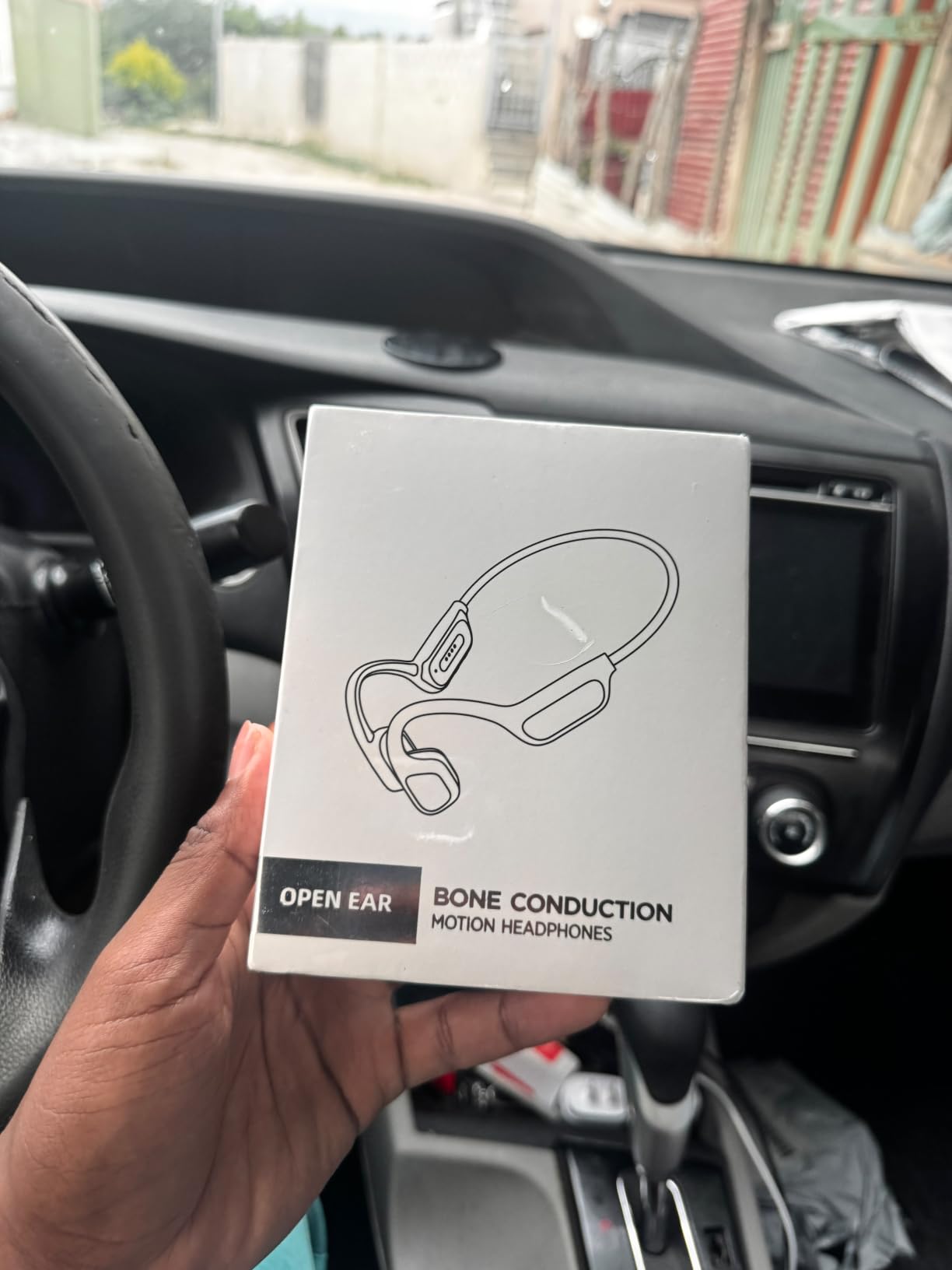
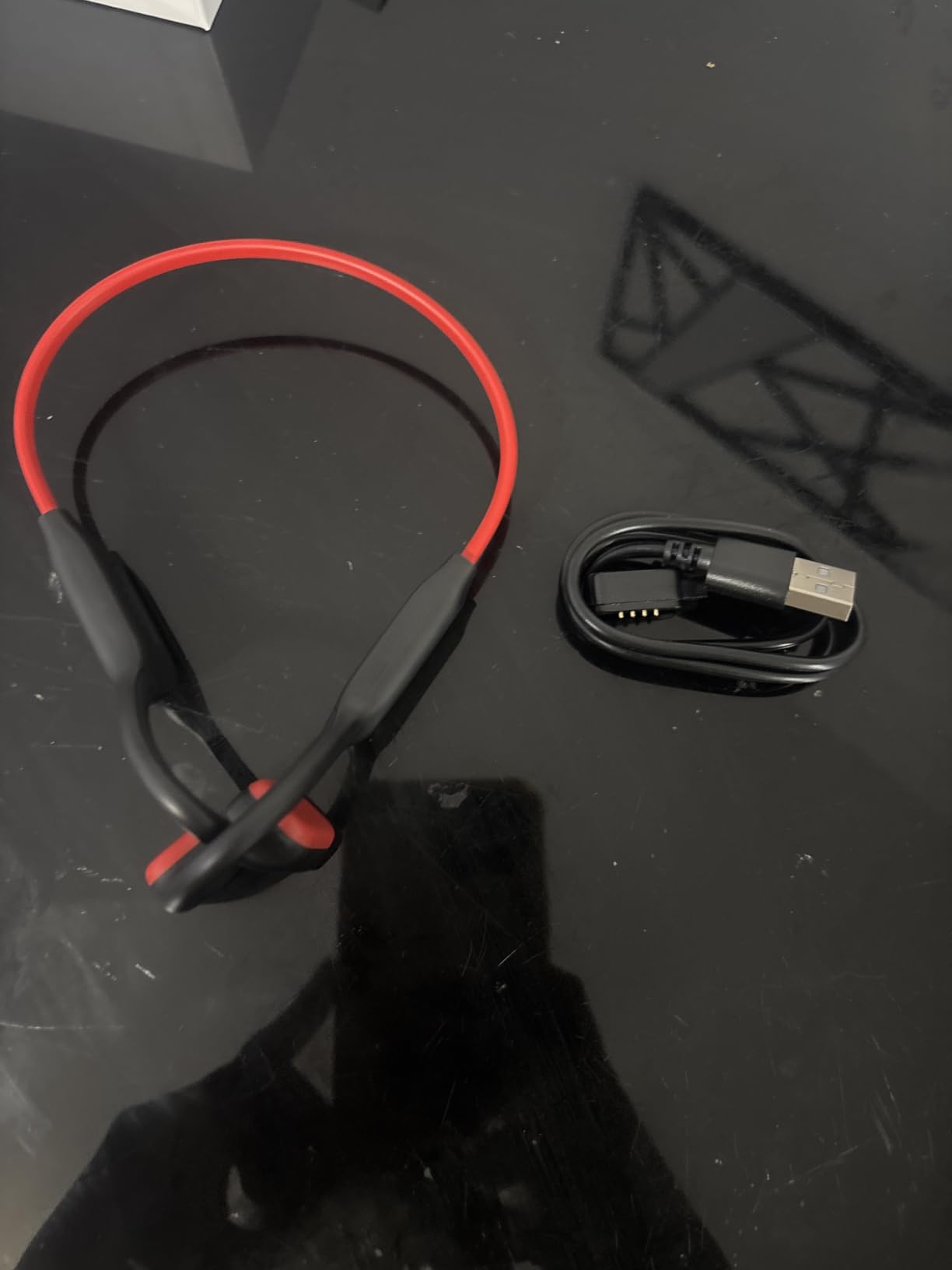
The X7 MAX is the most intriguing combination on the list: real swim ratings and a feature nobody else here has. Built-in LED lighting adds night-time visibility for runners and cyclists, which is the kind of detail that matters if you are pairing one pair of bone conduction headphones for swimming and for evening road work. Reviewers single the lighting out by name.
Water resistance is quoted as IPX8 to 5 meters for 2.5 hours, a deeper depth claim and longer stated submersion duration than any other set in this roundup. Audio comes from 14.2mm dynamic drivers, and owners describe clear, powerful sound with strong bass for a bone conduction design, which is not a phrase you can apply to most of this category. Bluetooth 6.0 pairs quickly with no dropouts, playback is 8 hours, and magnetic charging takes 2 hours.
At 4.9 across 131 reviews with 97 percent at five stars, the reception is excellent on a small base. The most common caveat is physical: some reviewers report vibration strong enough that they turn the volume down, which is the flip side of the bass that people like. The open-ear design does not isolate from outside noise, and that is a trade-off of the format rather than a defect.
One reviewer cites IPX7 water resistance rather than the advertised IPX8, which is a discrepancy worth noting rather than ignoring. IPX7 is a shallow-immersion rating, so if you are swimming in open water rather than a pool, verify the rating with the manufacturer before you rely on it. Buyers who monitor a home studio for hours a day will find our beginner DJ headphone guide a better fit for that use.
What swimming it suits best
Pool swimmers who also run at night and want one headset for both, and anyone who values bass more than silence. Storage holds up to about 2000 songs internally in MP3 mode, the adjustable strap and silicone pads suit a range of head sizes, and the open-ear design keeps traffic audible for safe outdoor training.
Where it falls short
Only 131 reviews means thin long-term durability evidence, and the IPX7 versus IPX8 discrepancy should be resolved before open-water use. Strong cheekbone vibration is a real comfort issue over a long session for some heads, and the light bass compared with in-ear headphones is unavoidable. Storage at roughly 2000 songs is well short of the 32GB sets.
Why Bluetooth Audio Cuts Out Underwater
This is the question buyers ask constantly and almost no roundup answers properly, so here is the short version. Bluetooth travels through air and through the human body as a low-power radio signal. Water attenuates that signal dramatically, and bone conduction headsets are built so that the transducers sit pressed against a wet head. The result is not a stutter or a delay; the link simply fails the moment you submerge, and the audio stops entirely.
That is why onboard MP3 storage is not a convenience feature on a swim headset, it is the product. Every set in this roundup that carries an IPX8 or IP68 rating also carries internal storage, and that is the only thing that can produce sound underwater. The same button that toggles Bluetooth above water switches to internal playback below it, which a Slowtwitch triathlete forum member confirmed in practice when describing the OpenSwim Pro having both modes.
The practical consequence is that you cannot stream while swimming. Spotify, Apple Music, and similar subscription libraries are not transferable, so any set here needs owned files. If your library lives entirely inside a streaming subscription, you will need to purchase or rip the tracks before a swim, and the transfer workflow quality varies more than you would expect, which is why it appears in the cons of several sections above.
There is one workaround worth naming: a poolside Bluetooth transmitter system keeps the phone above water on the deck and relays audio to a receiver worn in the water. It buys you streaming and removes the need for onboard storage, at the cost of a second device, a body-worn receiver, and one more failure point. For a pool with a reliable signal on the deck it can work. For open water it is not a realistic option.
How to Get Good Sound Underwater
Bone conduction is a physical process, and a few setup choices determine how much of it actually reaches your skull. These five steps are the difference between music you can follow and music you can only hear when someone talks over it.
1. Fit the transducers on the cheekbone, not the jaw or the ear. The spot in front of where your ear attaches, roughly level with the corner of your mouth, is the transmission point. If you can feel the pad sitting on bone rather than skin, you are in the right place.
2. Seal your ear canal with swim earplugs. Water in the canal competes with the vibration arriving through the skull, and plugging it moves vocals and midrange forward noticeably. Repeatable advice, not preference, and the reason the Shokz and KESIEME ship with plugs.
3. Pull the swim cap over the ear hooks, not under them. The cap becomes your anchor. Under the cap, both the cap and the headset move; over the hooks, the assembly locks in place and the transducer stays on the transmission spot through every stroke.
4. Use your goggle strap as a second anchor where the cap does not reach. On cheaper frames the band can slip without a cap, and the goggle strap is the cheapest fix available.
5. Set volume before you get in, and set it higher than feels right on land. Bone conduction is markedly quieter underwater than on dry bone, and a level that seems excessive poolside is usually correct in the water.
Bone Conduction Headphones for Swimming: What to Check Before You Buy
Every one of these eight clears the same headline bar, but they differ on the details that decide whether a set works for your particular swimming. Here is what actually matters, in the order it matters.
IP rating: IP67 is not enough
An IP67 or IPX7 rating covers dust protection and temporary immersion in fresh water to a depth of one meter for up to 30 minutes. That is a sweat-and-shower rating, and it is the single most common reason a buyer ends up with a headset that stops working mid-set. Continuous lap swimming needs IPX8, and IP68 is the more comprehensive standard covering both dust and prolonged submersion. All eight picks here are IPX8 or IP68.
Depth figures vary inside IPX8, and the spread here is meaningful for open-water swimmers: the Shokz OpenSwim Pro is rated to 2 meters for 2 hours, the Rhyfell Fit 5 claims 2 to 5 meters, and the ZOVIMAX X7 MAX is quoted to 5 meters for 2.5 hours. Pool swimmers do not need the difference. Open-water and surf swimmers might.
MP3 mode versus Bluetooth mode
Treat Bluetooth as a land feature and MP3 as a water feature. The distinction explains the single most common complaint in this category, and it is not a defect in any of these products. Check that the set has internal storage at all, and check how much of it, before you buy, not after.
Storage capacity and the playlist workflow
Capacity in this group runs from 8GB on the ANSTEN S950, holding up to about 1500 tracks, through 32GB on six of the eight, which is enough for 8000 to 9000 songs. The bigger question is the transfer workflow. The Shokz app has no playlist creation, folder organization, or shuffle, which makes long blocks manual, while file format support ranges from MP3 only to a broad MP3, WMA, FLAC, APE, and WAV set.
For audiobooks, look for skip and rewind controls. The KESIEME X7s has neither, so playback is strictly sequential or a random mix, and that is close to disqualifying for anyone listening to a book on a 60-minute swim. A Slowtwitch forum user raised exactly this question, whether podcasts and playlists work in MP3 mode, and it is worth confirming for whichever set you buy.
Fit, strap adjustability, and weight
Weight is the most-cited positive in swimmer communities, and it is a legitimate measure. The list runs from 26 g for the VLOP and ANSTEN up to 37 g for the KESIEME, with the Shokz at 27.3 g. Lightness on the head matters more over a 90-minute session than the number suggests.
Frame material is the second half of fit. The Shokz and ANSTEN use nickel-titanium memory bands that mold to a head shape and hold it. The Rhyfell uses a liquid silicone frame, and the PSIER uses non-moldable silicone, which is the main reason some PSIER owners report dropouts. There is no mini band option in this group, so a small neck is a genuine consideration with every set here.
Battery life and quick charge
Advertised battery figures are measured above water in Bluetooth mode, and MP3 mode draws more power. Real swim-session endurance is shorter. The KESIEME leads at more than 10 hours, the Rhyfell and Tevese claim 10, the Shokz claims 9, and the PSIER, VLOP, ANSTEN, and ZOVIMAX sit at 8.
Quick charge is the more useful number for a daily swimmer. The Shokz gives 3 hours of playback from a 10-minute charge, which effectively removes charging anxiety. Full charge times range from 1.5 hours on the Shokz and PSIER to 3 hours on the Tevese.
Who should not buy bone conduction
Bass lovers should look elsewhere; the format trades low end for awareness, and only the hybrid designs here make a real dent in that. Divers should not use any of these, since none is rated for diving depths. And swimmers who insist on streaming their own library should settle the MP3 workflow before buying, or plan on a poolside transmitter system instead.
Rinsing and Drying Swim Headphones After Every Session
Pool chlorine and open-water salt are the two things that degrade silicone seals and magnetic charging contacts over time, and no competitor roundup covers this. It takes under a minute and it is the difference between a headset that lasts several seasons and one that starts cutting out.
1. Rinse the whole band and both transducer pads under fresh running water immediately after the session. Pay attention to the pad edges where chlorine and salt collect.
2. Shake out the transducer pads and wipe the magnetic charging contacts with a dry cloth, since residue on the contacts is what causes charging failures later.
3. Air it dry completely with the pads open, away from direct heat. Do not charge it wet, and do not leave it in a closed sports bag damp, because trapped moisture against silicone is what degrades the seal.
4. Give the ear hooks and the band a wipe-down as part of your weekly kit check, and check the fit before the first length of the season rather than halfway through it.
Frequently Asked Questions
What are the best bone conduction headphones for swimming?
The Shokz OpenSwim Pro is the strongest all-round pick, with an IP68 rating for two meters of submersion for two hours, both Bluetooth and MP3 playback modes, and 32GB of onboard storage. The PSIER Bone Conduction IPX8 is the value alternative at 32GB with an IPX8 submersion rating, and the KESIEME X7s leads on battery life at more than 10 hours.
Do bone conduction headphones work for swimming?
Yes, but only in MP3 mode. The transducers sit on the cheekbone and transmit sound through bone, which is why they stay in place and do not trap water. The catch is that Bluetooth cannot reach the transducers once they are submerged, so audio files must be loaded onto onboard storage before you enter the water.
What is the downside of bone conduction headphones?
The main downsides are weak bass compared with in-ear headphones, lower volume underwater, and the need for earplugs to hear clearly in a pool. Bluetooth does not work once submerged, so streaming services cannot be used and you need owned files. Fit can also shift during a swim, and playback software on budget sets may lack shuffle and track skipping.
Are Shokz worth it for swimming?
For a serious pool or open-water swimmer, yes. The OpenSwim Pro combines a genuine IP68 submersion rating with 32GB of storage, a swim-specific EQ mode, a 9-hour battery with a 10-minute quick charge for 3 more hours, and a 27.3 g nickel-titanium band that holds position. The compromises are software: an awkward MP3 transfer workflow, no playlist or shuffle tools in the app, and a proprietary 4-pin magnetic cable.
Can you swim with Shokz headphones in the pool?
You can swim with the Shokz OpenSwim Pro, which is built for exactly this and carries an IP68 rating for two meters of submersion for two hours. The earlier OpenSwim is also swim-rated, while other Shokz models such as the OpenRun line are built for sweat and rain rather than submersion.
Do I need earplugs to hear bone conduction headphones underwater?
Yes, effectively. Bone conduction transmits through bone, but water in the ear canal competes with the vibration arriving through the skull, and plugging the canal moves vocals and midrange forward noticeably. It is repeatable advice rather than preference, and it is why the Shokz OpenSwim Pro and the KESIEME X7s both include swim earplugs in the box.
What’s the difference between Shokz OpenSwim and OpenSwim Pro?
The OpenSwim Pro is the swim-rated Shokz model, carrying IP68 for two meters of submersion for two hours, Bluetooth 5.4, a 9-hour battery, a 10-minute quick charge for 3 more hours, and 32GB of onboard storage with a dedicated swim EQ mode. The original OpenSwim is the simpler, lower-storage platform on the same bone conduction principle. Other Shokz models such as the OpenRun line are built for sweat and rain rather than submersion, so check the rating on the box before any model goes near a pool.
Are Shokz safe for your brain?
There is no evidence of a safety problem. Bone conduction headsets use small transducers that vibrate against the cheekbone, which is the same principle behind bone-conduction hearing aids designed for people with conductive hearing loss. They emit sound as mechanical vibration rather than pushing intense radio energy into the skull, and they are not worn over the ear canal or the eardrum.
Which Bone Conduction Headphones Should You Swim With?
The Shokz OpenSwim Pro takes the overall spot for a reason that no single spec explains: IP68 submersion, 32GB of onboard storage, Bluetooth 5.4 for the rest of your week, a 9-hour battery with a genuinely useful quick charge, and a 27.3 g band that stays put. If you want one pair of bone conduction headphones for swimming, running, and everything after the pool, that is the set to buy.
Match the rest to your situation instead. Buy the PSIER if you want flagship-level basics at a much lower outlay. Buy the KESIEME if battery endurance matters more than audio quality, and avoid it for audiobooks since it has no track skipping. Buy the VLOP if bass is what you are missing from bone conduction, and weigh its shorter review history. Buy the Rhyfell for open water, where the deeper IP68 rating and fast transfer matter, but verify the fit before a full season. Buy the Tevese to load everything once and forget it, the ANSTEN if the headset mostly lives on land, and the ZOVIMAX if you run at night and want LED visibility.
Whichever you choose, three rules do more for your experience than the model does: wear earplugs, pull the cap over the ear hooks, and load your MP3 files before you get in. Those three habits, plus a fresh-water rinse after every session, are what separate a headset that still works in two years from one that has already started cutting out. Check the current details for any of these bone conduction headphones for swimming before you order, and pick the one that matches how you actually swim.