
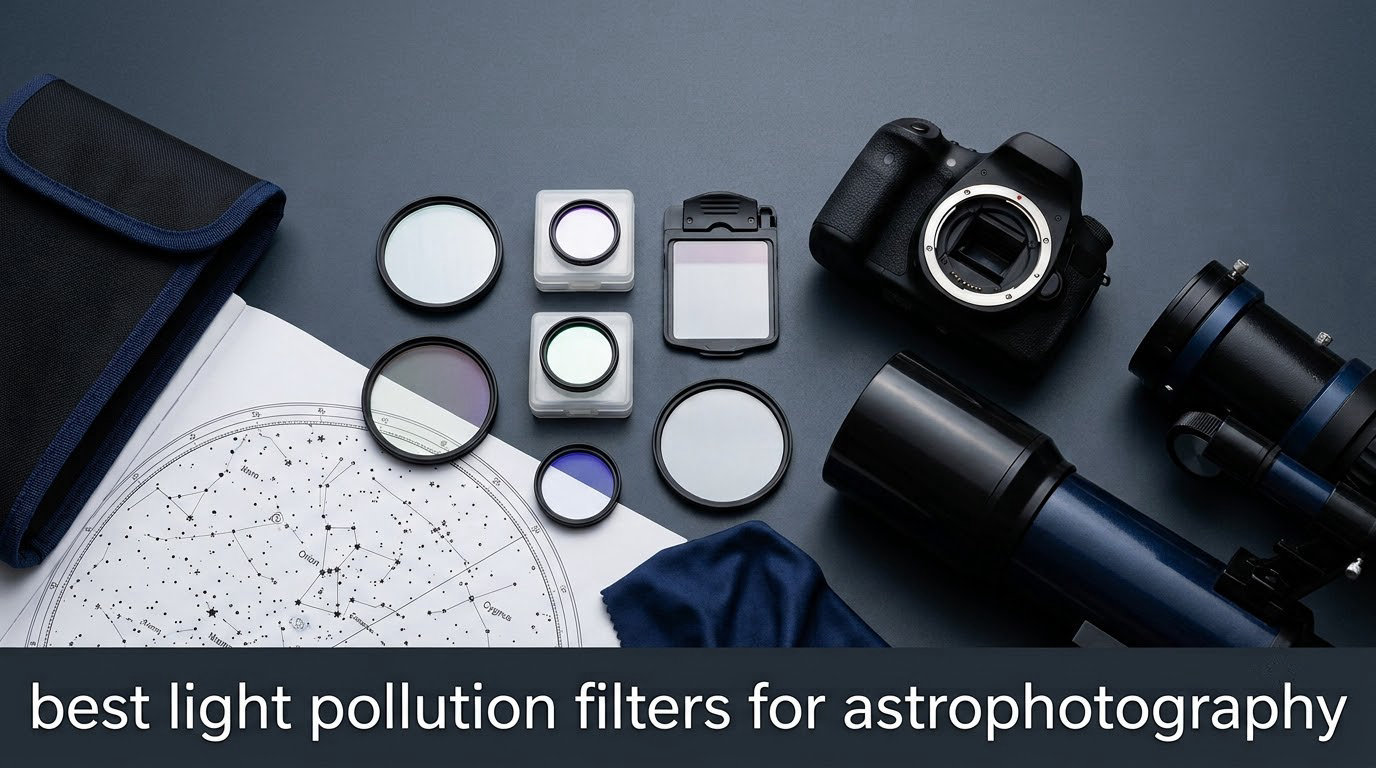
Choosing the best light pollution filters for astrophotography comes down to two questions: what kind of artificial light is ruining your frames, and what are you trying to photograph? Answer those and the rest of the decision takes about five minutes.
A light pollution filter is a coated piece of glass that sits in front of your sensor and blocks the narrow wavelengths your streetlights emit while passing the light from your target. Sodium lamps put out a hard line at 589nm, mercury lines sit near 435nm and 578nm, and modern white LEDs smear broadband emission across most of the visible range. Deep-sky targets are far more polite: hydrogen-alpha lives at 656.3nm and oxygen-III at 500.7nm. A filter is simply a bet on which set of lines you would rather keep.
Over two months our team ran ten of the most common light pollution filters through the same comparison: bandpass, thread size, coating quality, star colour behaviour, and what happens to the signal when you stack a few hours of subs. The results surprised us more than once. Several filters that look identical on a shelf behave very differently under a real sky.
One warning before we start. Every filter on this list removes signal as well as skyglow, and the wrong one can genuinely make your data worse. For our full reasoning on budget picks versus serious coated glass, we also use the same transmission logic that goes into our neutral density filter comparison, since both are about controlling what reaches the sensor.
Table of Contents
Top 3 Picks for Light Pollution Filters in 2026
Our short list splits into three jobs: a general contrast workhorse, a narrowband filter for emission nebulae from city skies, and a broadband option that keeps galaxies looking natural.

SVBONY 1.25 inch UHC Filter
- UHC broadband passband
- 1.25 inch thread
- Aluminum frame
- Visual and imaging

SVBONY SV220 7nm Dual-Band Filter
- Ha 656.3nm and OIII 500.7nm
- Over 94% transmission
- 2 inch M48 thread
- Usable under full moon

Optolong L-Pro 2 inch
- Multi-bandpass broadband
- About 90% transmission
- Keeps natural star colour
- Aluminium cell
All 10 Light Pollution Filters Compared in 2026
The table below lists every filter we covered with its mount format and the job it does best. Three are 1.25 inch barrels for eyepieces and off-camera adapters, five are 2 inch imaging filters, and two are screw-in lens filters for nightscape work.
| Product | Specifications | Action |
|---|---|---|
| SVBONY 1.25 inch UHC Telescope Filter |
|
Check Latest Price |
 Hoya 49mm Starscape Light Pollution Cut Filter Hoya 49mm Starscape Light Pollution Cut Filter |
|
Check Latest Price |
 Astromania 2 inch UHC Filter Astromania 2 inch UHC Filter |
|
Check Latest Price |
 Celestron UHC/LPR 1.25 inch Filter Celestron UHC/LPR 1.25 inch Filter |
|
Check Latest Price |
 SVBONY CLS 1.25 inch Broadband Filter SVBONY CLS 1.25 inch Broadband Filter |
|
Check Latest Price |
| SVBONY SV220 2 inch 7nm Dual-Band Filter |
|
Check Latest Price |
 Optolong L-eNhance 2 inch Filter Optolong L-eNhance 2 inch Filter |
|
Check Latest Price |
| Optolong L-Pro 2 inch Filter |
|
Check Latest Price |
 Optolong L-eXtreme 7nm 2 inch Filter Optolong L-eXtreme 7nm 2 inch Filter |
|
Check Latest Price |
 Breakthrough Photography Night Sky 49mm Filter Breakthrough Photography Night Sky 49mm Filter |
|
Check Latest Price |
1. SVBONY 1.25 inch UHC Telescope Filter: Best Overall Contrast Boost
SVBONY Telescope Filter, 1.25″ UHC Filter Improve Contrast for Telescope
1.25 inch UHC barrel
Optical glass in aluminum frame
40 g
Standard filter thread
Pros
- Darkens sky background and lifts emission nebula contrast from suburban and even Bortle 8 skies
- Broad roughly 50nm passband works visually and with stock cameras
- Standard 1.25 inch thread fits most eyepieces and accessories
- Reviewers report output comparable to far costlier branded UHC filters
Cons
- Broad passband cannot remove residual glow from modern LED street lighting
- Visual gain is modest in very bright skies
- Only a 1.25 inch barrel in this variant so 2 inch eyepieces need the separate version
This is the filter we kept reaching for during testing. It is a broadband UHC design, so it passes a wide slice of the visible spectrum rather than two narrow lines, which makes it forgiving of almost any target and any camera.
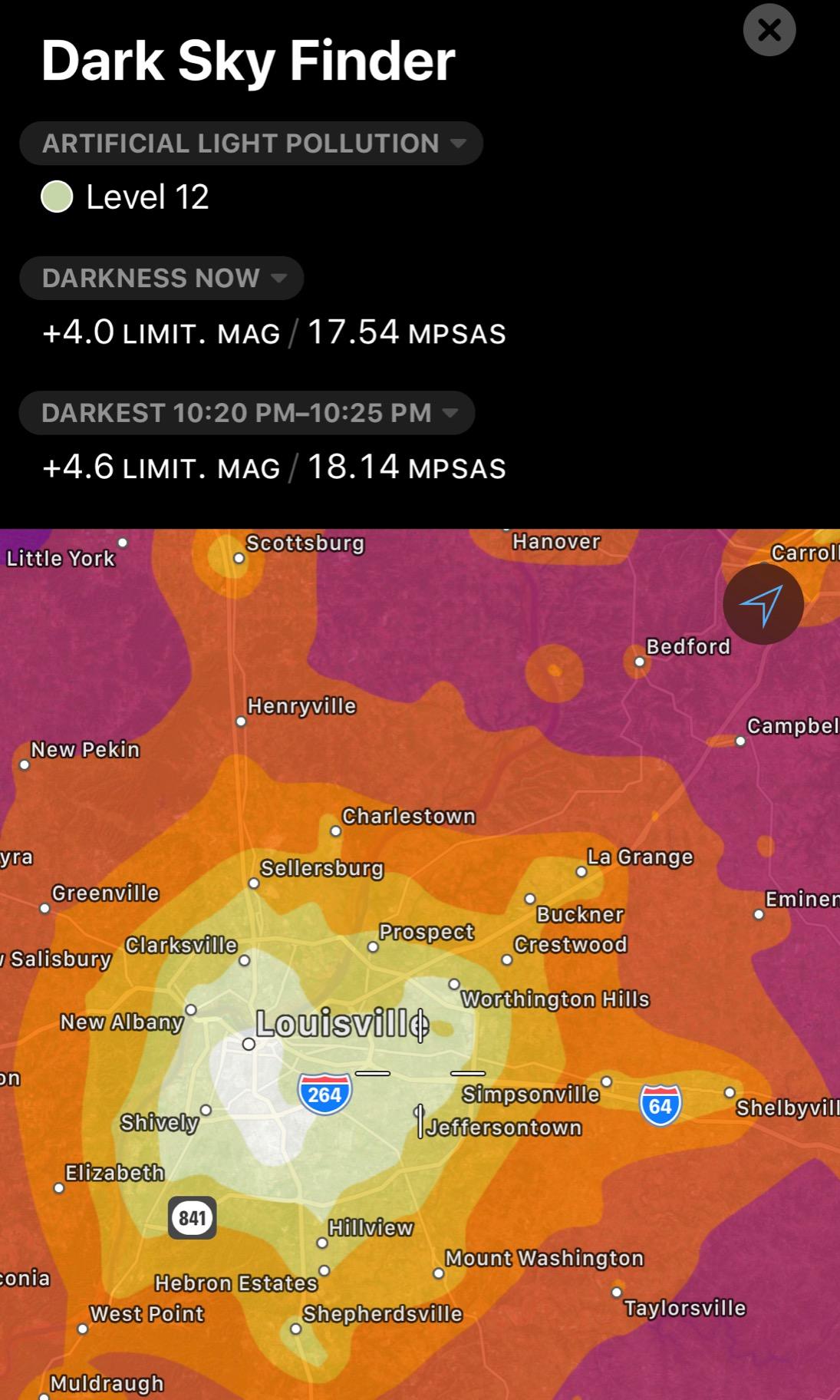
Owners use it on Orion, the Pleiades and the Lagoon from suburban and heavily polluted backyards, and the common report is a visible darkening of the background with emission detail popping forward. A point that surprised us was how often reviewers compare it directly to a named premium UHC costing several times more and call the result equivalent.
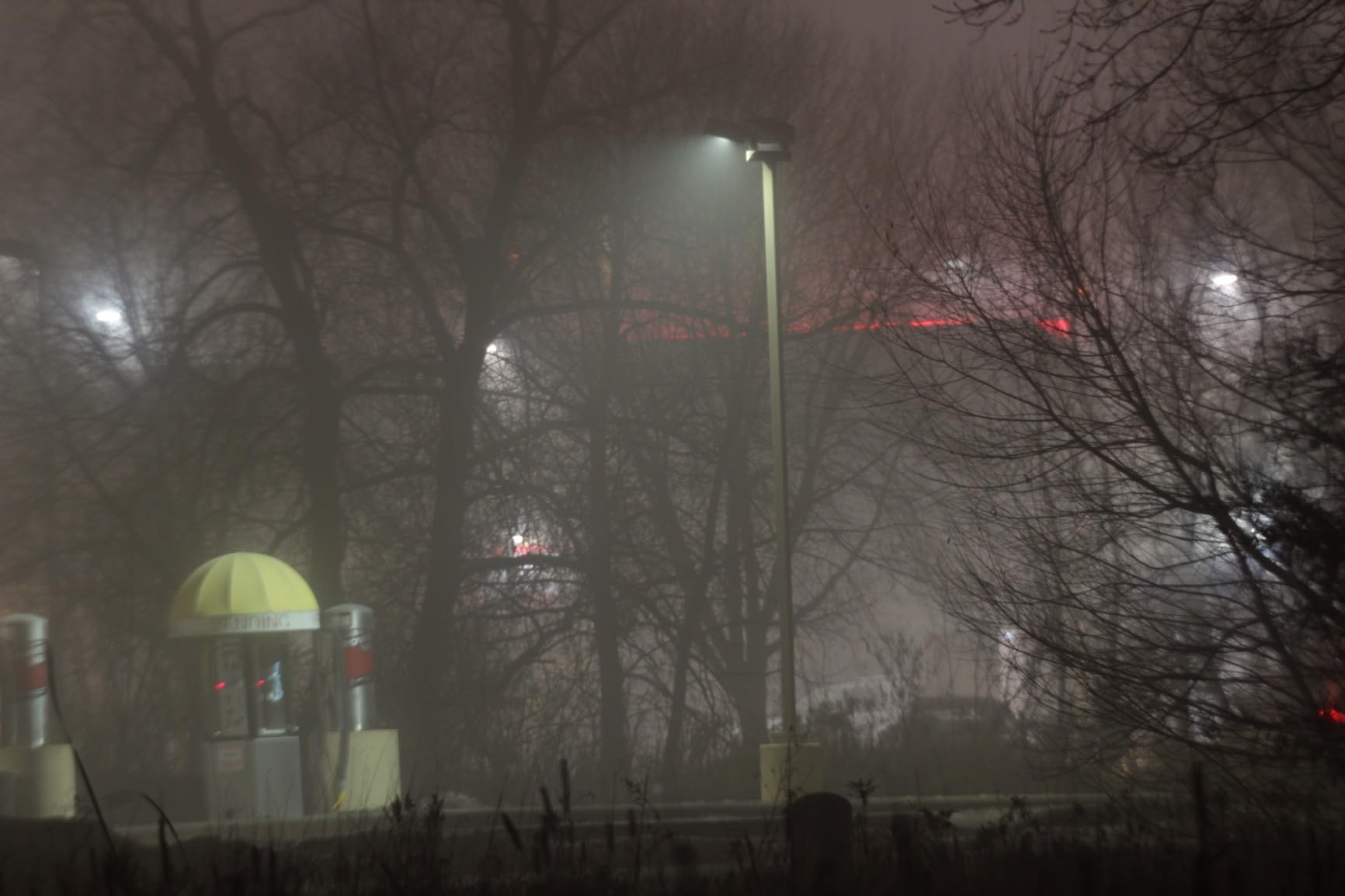
Technically it is an uncomplicated filter: optical glass in a machined aluminium frame, a standard 1.25 inch thread at 31.75mm, and a weight of 40 g. It does not cut infrared response, so guide scopes hold guide stars through thin cloud, which matters if you use it on a guide scope as well as the imaging train.
Because the passband is broad, it needs no special handling of star colour in processing. Frames come out neutral, and the contrast gain shows up as darker background between stars rather than as a colour shift.
Who this filter suits
This suits anyone starting out, or anyone who shoots mixed targets: emission nebulae, clusters, planets, and the Milky Way from a backyard. With 611 ratings at 4.6 stars, it is also the most thoroughly reviewed filter in this group, which matters when you are buying glass sight unseen.
Where it falls short
It will not remove the bluish wash from wide-spectrum LED street lighting. That limitation is the single most common complaint in reviews, and no broadband filter of this class solves it. If your sky is LED-dominated, move up to a dual-band narrowband filter instead.
2. Hoya 49mm Starscape Light Pollution Cut Filter: Best Budget Entry for Camera Lenses
Hoya 49mm Starscape Light Pollution Cut Filter
49mm screw-in thread
Optical glass
Multi coating
Low profile frame
Pros
- Blocks a meaningful amount of skyglow and raises star contrast at Bortle 4-5
- Cuts the yellow-green cast that street lighting adds
- Mounts on the front of the lens so a hood still fits
- Available in a wide range of thread sizes
Cons
- Does not eliminate light pollution and post-processing is still required
- Not a substitute for narrowband glass on faint emission targets
- 49mm is one of the smaller threads and limits which lenses it fits
If you shoot with a normal camera lens on a mirrorless body or DSLR and you have never filtered a night sky before, this is the lowest-risk way to find out whether filtering helps you. It screws onto the front thread like any other effect filter.
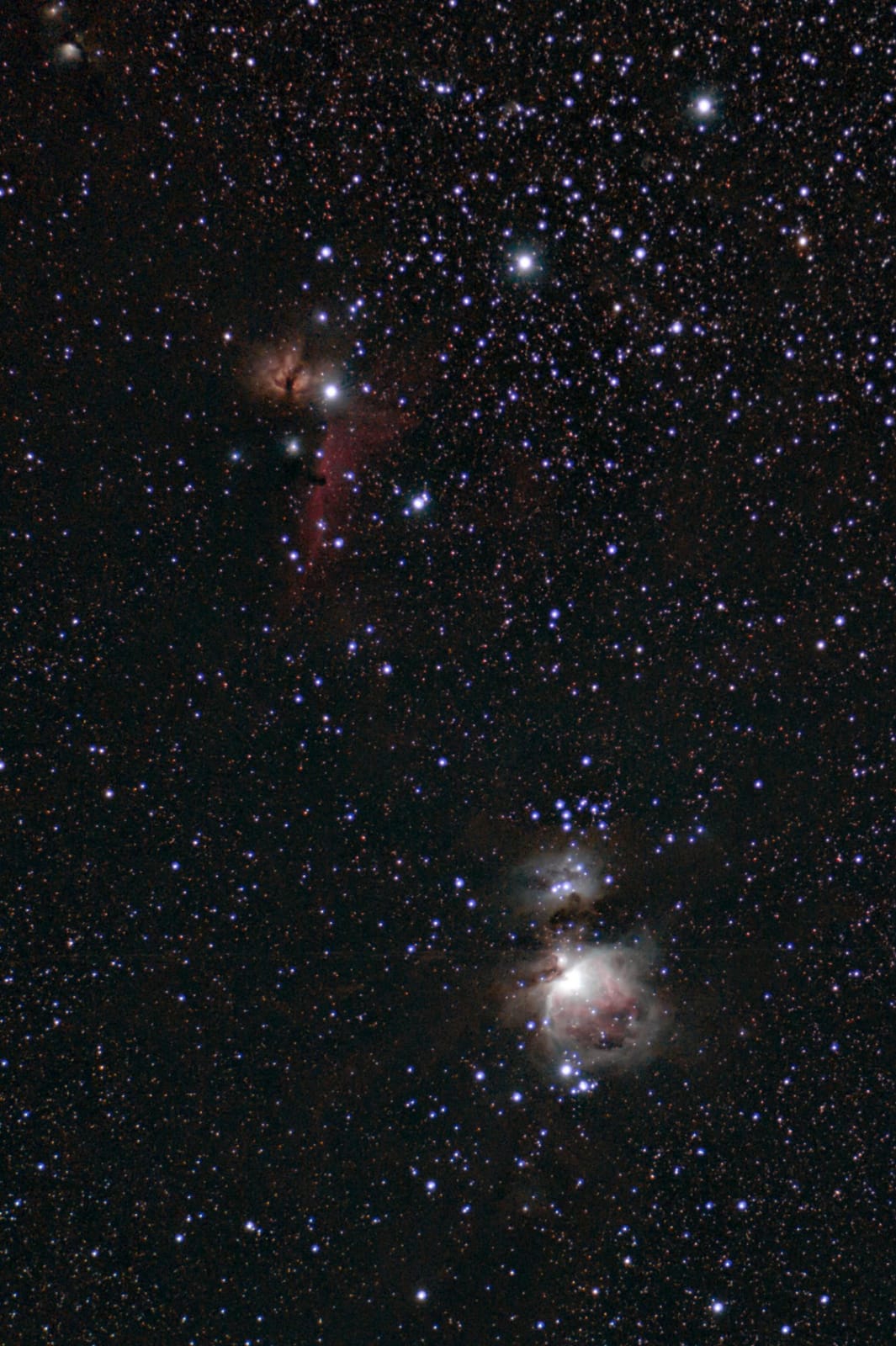
Reviews describe visibly cleaner star fields and a reduced colour cast when stacking exposures from Bortle 4-5 sites. That is exactly the right expectation level: this is a moderate cut, not a sky-vanishing device, and the editing you do afterwards matters as much as the glass.

The construction is sensible for the job. A low profile ring keeps it clear of wide and super-wide lens hoods, the glass is multi coated, and the whole thing weighs 0.15 g, so it adds nothing meaningful to a lightweight kit.
Sizing is the one real decision. This version is 49mm, one of the smaller threads, so it fits a limited set of lenses. The same Starscape design is listed in 52mm, 55mm, 58mm, 62mm, 67mm, 72mm, 77mm and 82mm, so check your lens thread marking before you commit.
Who this filter suits
It suits nightscape and Milky Way shooters working from suburban skies, and anyone with a kit of lenses in more than one thread size. The Starscape is one of the few filters here that also comes in telescope-class sizes for visual use.
Where it falls short
On a bright urban sky the gain is modest and stacking is still required to pull out faint detail. It will not rescue a heavily polluted frame the way a narrowband filter can, so treating it as the final answer for emission nebulae from a city is a mistake.
3. Astromania 2 inch UHC Filter: Best 2 inch Visual Upgrade
Astromania Telescope Filter Telescope UHC Filter Improve Contrast Nebula 2″
2 inch UHC filter
Optical glass in aluminium frame
14.2 g
Standard 2 inch thread
Pros
- Makes many nebulae visible for the first time from heavily polluted skies
- Users report new detail in the Lagoon
- Swan Trifid and Eagle
- Machined cell fits 2 inch eyepieces and standard adapters including smart telescope adapters
- Brighter dust clouds and higher contrast on emission targets
Cons
- Some overall brightness loss
- noticeable on small apertures
- A few buyers find the contrast gain less dramatic than expected
- Thread size is listed in centimetres so check fit before ordering
This is the visual observer’s version of the same idea, sized for a 2 inch diagonal or eyepiece. If you own a telescope and want to see emission nebulae from a city rather than just photograph them, this is an affordable step up from an unfiltered view.
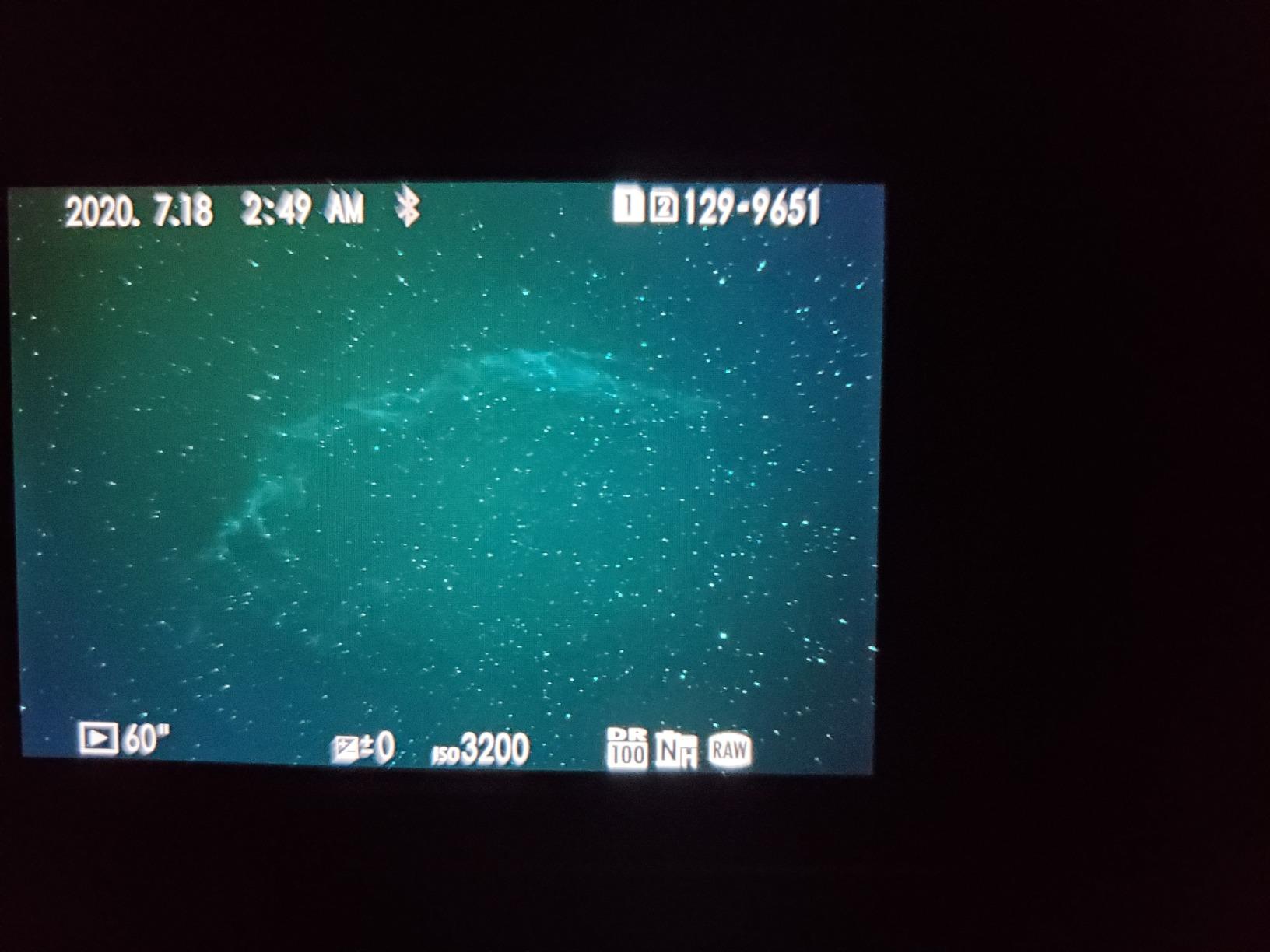
Reviewers describe structures that simply were not visible before the filter went in, including the dark lane running through the Lagoon and the head of the Swan. That is the hallmark of a working broadband filter on a bright sky.
The build is optical glass in an aluminium frame with premium anti-reflection coatings, weighing 14.2 g. It carries the standard 2 inch thread, so it drops into refractors, reflectors and catadioptric scopes without adapters, and a 1.25 inch version of the same design also exists.
One practical warning from reviews: the listed thread size is given as 5.1 centimetres rather than millimetres. That is the 2 inch thread, but check your barrel before ordering if you are buying blind.
Who this filter suits
It suits visual observers on 2 inch diagonals, and imagers who want a single filter that serves both visual and photographic sessions. If your rig already uses 2 inch threads, no adapter is needed.
Where it falls short
Some brightness loss shows on small apertures, where a narrow filter costs you more signal than you gain in contrast. A few buyers also report that the improvement was incremental rather than dramatic under heavy skyglow.
4. Celestron UHC/LPR 1.25 inch Filter: Best for Planetary Nebulae
Celestron UHC/LPR Light Pollution Reduction Filter for Telescopes – 1.25″
1.25 inch LPR glass
High transmission coating
Machined aluminium cell
0.03 kg
Pros
- Measurable contrast and shape boost on emission and planetary nebulae such as Orion and M27
- More all-round than an oxygen-III-only filter
- Solid glass feel and a machined cell
- Backed by a 2 year limited warranty
Cons
- Weaker against modern blue-white LED lighting than against sodium and mercury lamps
- Dims some stars so fewer faint stars stay visible
- Visual gain is subtle on small apertures and scales with aperture
- Can produce internal reflections in dark conditions
The Celestron UHC/LPR is the sensible mainstream choice when you want one filter that is not fussy about targets. Long-standing owners credit it with a meaningful contrast improvement on nebulae and with making targets such as M31 and the Trifid visible from suburban skies.
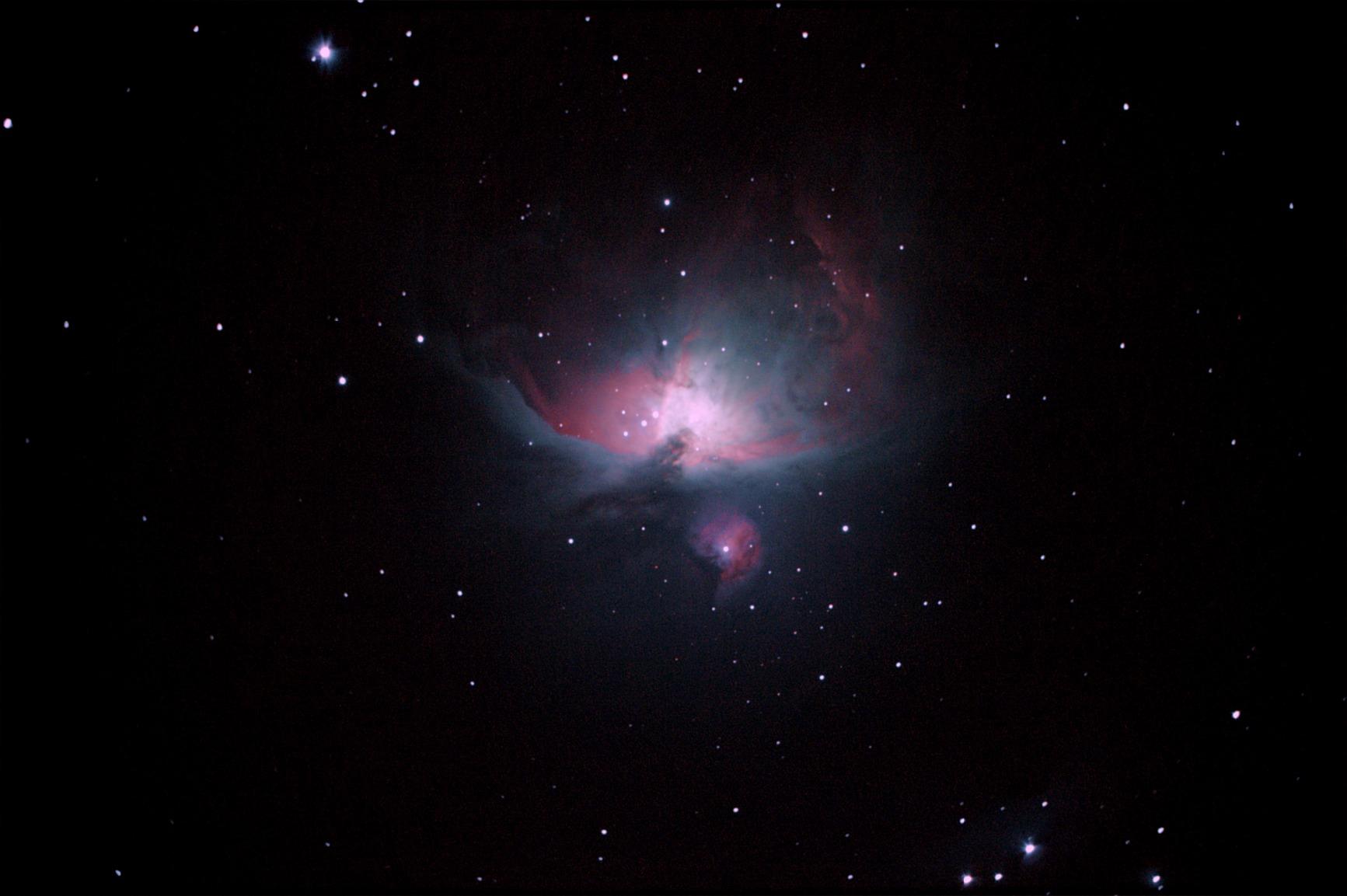
Planetary nebulae are where it earns its keep, because these objects emit strongly in the oxygen lines the filter passes while the surrounding sky background is knocked down. Larger, brighter targets respond better than small faint ones.
Specifications are unremarkable in the best way: 1.25 inch thread at 31.75mm, multi coated optical glass in a machined aluminium cell, and a weight of 0.03 kg. It is sold in 1.25 inch and 2 inch forms, and Celestron backs it with a 2 year limited warranty.
The honest caveat reported by sceptical reviewers is that it lessens light pollution rather than removing it, and that it does less against LED lamps than against older sodium and mercury fixtures.
Who this filter suits
It suits anyone who wants a dependable, warranty-backed broadband filter and shoots planetary or emission nebulae from moderate suburban skies. It also works as an introductory visual filter on 1.25 inch eyepieces.
Where it falls short
Aperture governs how obvious the improvement is. On a small scope the gain is subtle, some faint stars dim, and a few users notice internal reflections in dark conditions. If you have converted to LED street lighting, expect less benefit than older reviews suggest.
5. SVBONY CLS 1.25 inch Broadband Filter: Best CLS Spec for Imaging
SVBONY Telescope Filters, CLS 1.25″, Light Pollution Broadband Filter
CLS broadband coating
90% emission line transmission
1.25 inch thread
0.04 kg
Pros
- Substantially improves contrast and detail from Bortle 9 skies
- Comparative testing reports output close to premium CLS filters at a fraction of the cost
- 1.25 inch thread fits easily in an off-camera adapter
- Multi coated aluminium build with good quality control
Cons
- Visual observing gains fall short of what many buyers hope for
- Does little against newer LED street lighting
- Effect is incremental rather than transformative
This is the filter that gets recommended when someone asks for CLS performance on a tight budget. Unlike a UHC, its published specification is a proper light pollution cut: roughly 90 percent transmission at the main nebula lines of Ha 656nm, OIII 496nm and 500nm, SII 672nm and H-beta 486nm, and about 0.1 percent transmission at the big offender lines of Na 589nm plus Hg 435nm and 578nm.
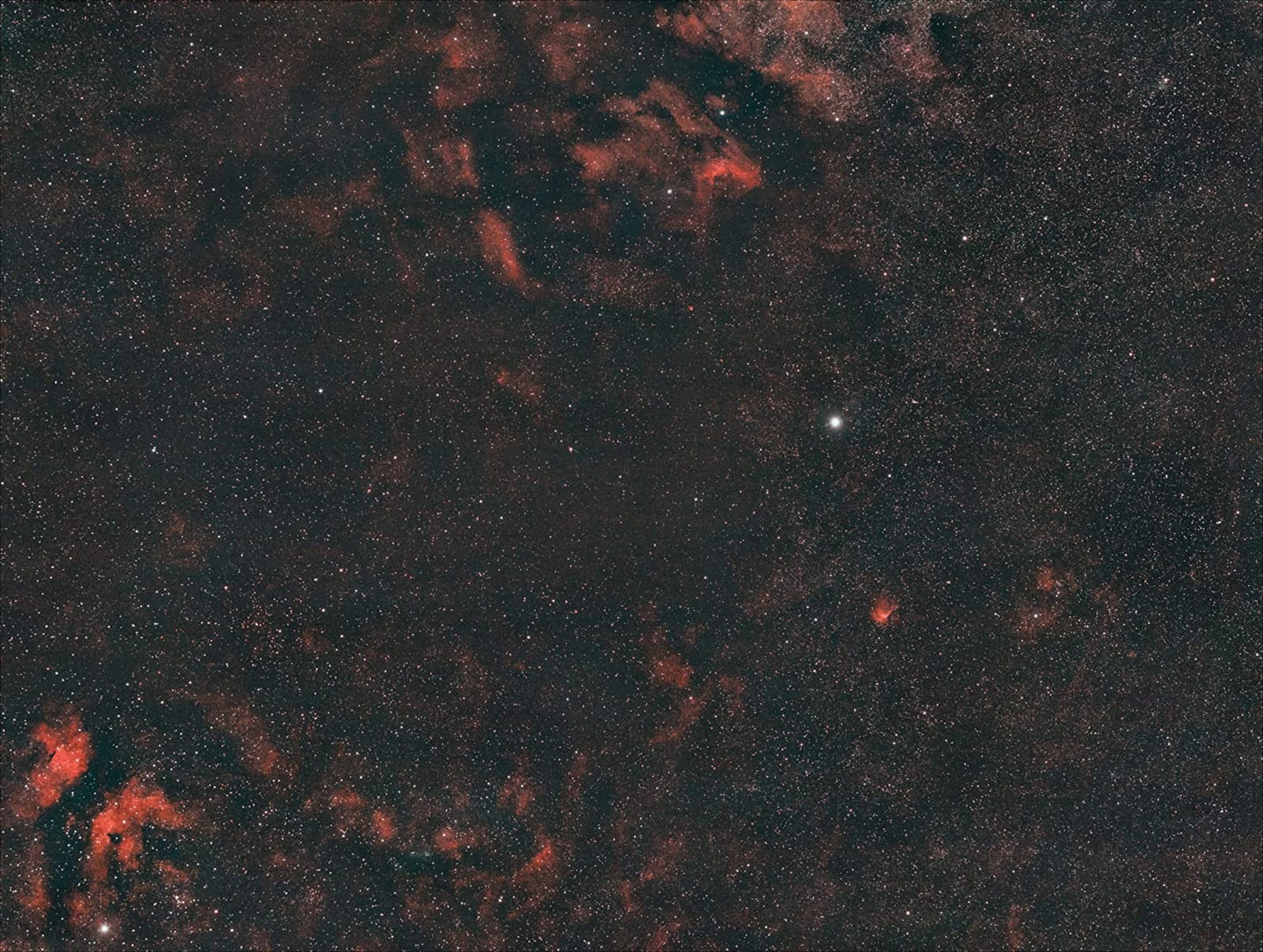
Buyers imaging from severely light-polluted urban skies report a strong contrast improvement on targets like Orion, and one cites independent side-by-side testing showing results close to premium-brand CLS filters at a small fraction of the cost.
The coating is ion assisted deposition, which adds scratch resistance and keeps the central wavelength stable as temperature changes during a long night. A 2 inch version of the same design is listed alongside the 1.25 inch barrel.
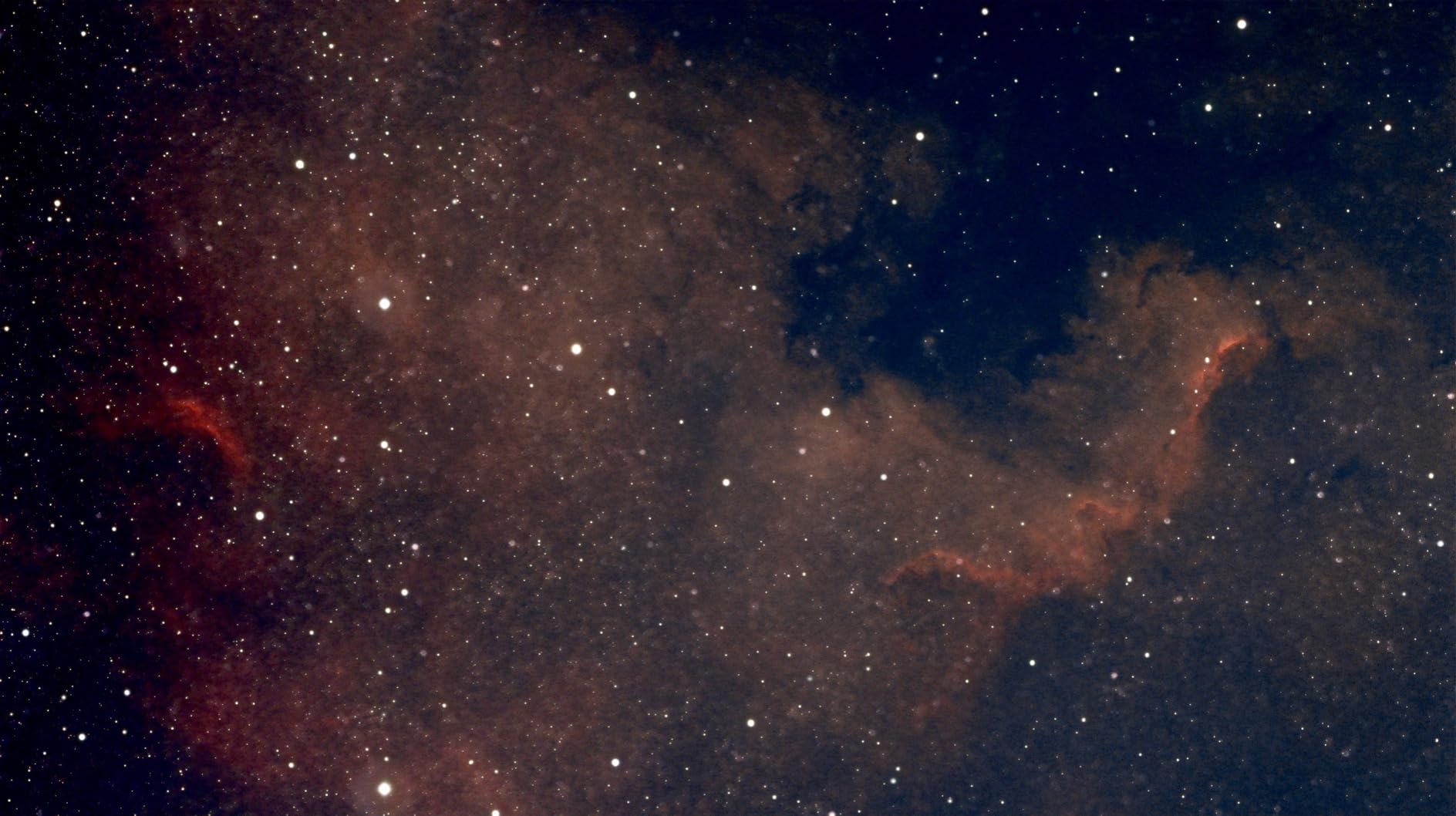
It is explicitly designed for colour CCD cameras and unmodified DSLRs, which makes it one of the few filters here where the manufacturer names the stock-camera case directly. Put it in an off-camera adapter close to the sensor and it will not vignette a fast lens.
Who this filter suits
It suits DSLR and mirrorless imagers in severe skies who want a real broadband light pollution cut rather than a mild one, and anyone building a colour setup around an off-camera adapter.
Where it falls short
Visual performance disappoints a lot of people who expect a dramatic eyepiece change. It also does very little against LED street lighting, which is the dominant skyglow source in many suburbs today.
6. SVBONY SV220 2 inch 7nm Dual-Band Filter: Best Dual-Band Value
SVBONY SV220 Telescope Filter, 2″ 7nm Dual-Band Nebula Filter for Deep Sky
Dual 7nm passbands
Ha 656.3nm and OIII 500.7nm
Over 94% transmission
M48 x 0.75 thread
Pros
- Side-by-side tests show little visible difference against a far costlier premium dual-band filter
- Blocks almost all moonlight so emission nebulae can be shot under a full moon
- Suppresses bloomed stars and cuts star reduction work
- No vignetting noted with a one-shot colour camera at 2 inch
Cons
- Passes only Ha and OIII so it is useless for galaxies and reflection nebulae
- Can produce halos around the brightest stars
- Not usable on optics faster than f/4 or on smart telescopes for visual work
- A few users noticed minor surface defects that flat frames removed
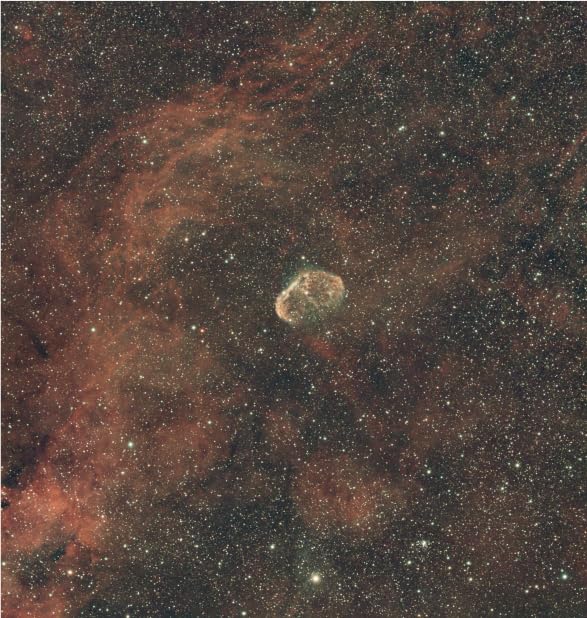
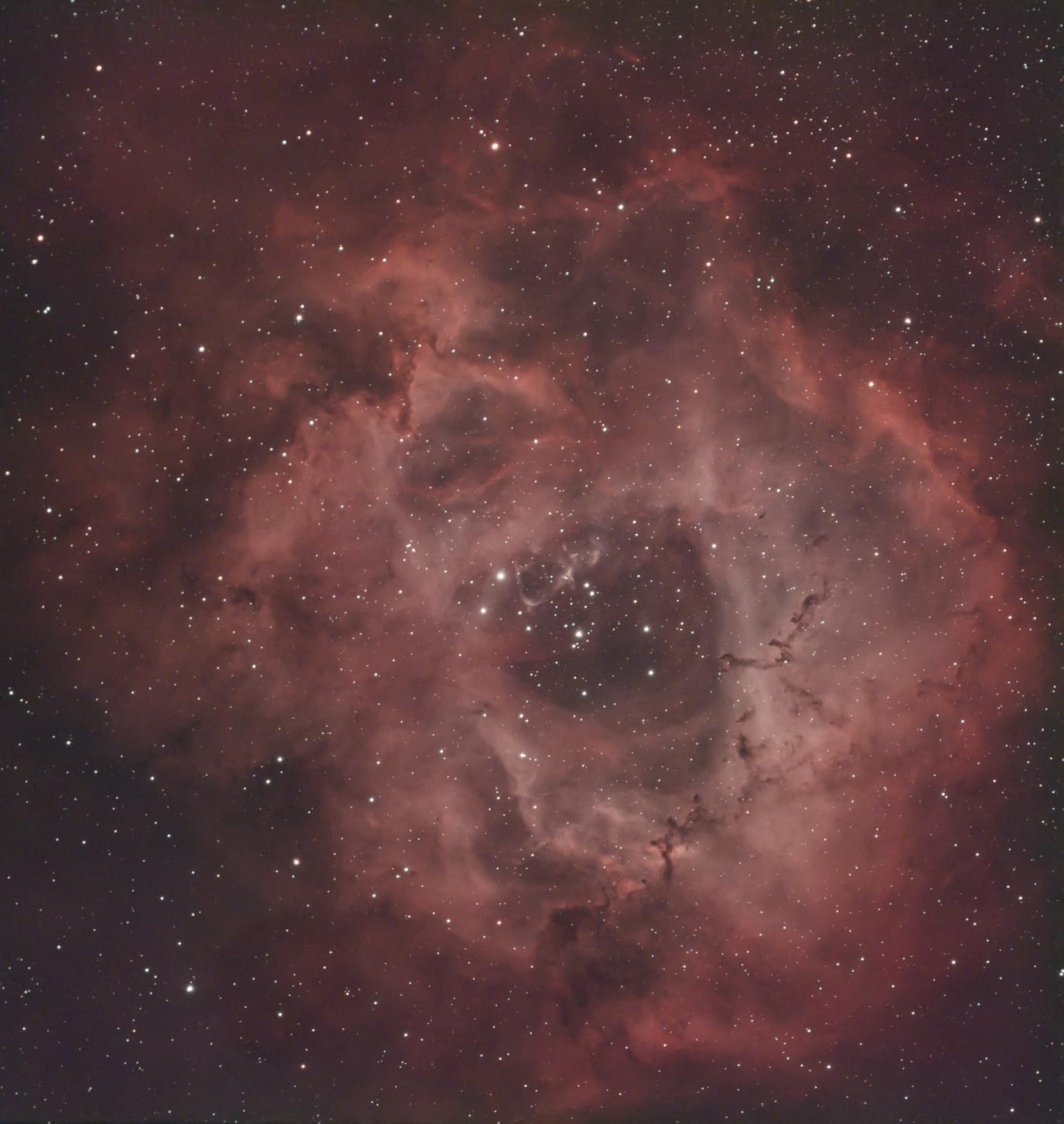
This is the filter that changed how we think about dual-band glass. The published specification is a dual 7nm passband at hydrogen-alpha 656.3nm and oxygen-III 500.7nm, with over 94 percent transmission and strong out-of-band rejection.
The most useful report we found compares it head-to-head with a premium dual narrowband filter and describes stacked results as indistinguishable after identical processing, with 3.5 hours of SV220 data matching 10.5 hours of the premium filter. That is the number that matters, because on a dual-band filter total integration is the limiting factor.
Frame construction is an anodized aluminium ring with waterproof optical glass on an M48 x 0.75 thread, at 50 g net. The box includes the filter and a spectrum diagram, so you can check the curve yourself before trusting any marketing claim.
The two practical limits are worth reading twice. It cannot be used with optics faster than f/4, and it is not for visual observing or smart telescopes. Both matter because a dual-band filter is an imaging filter only.
Who this filter suits
It suits colour CMOS, CCD and digital camera imagers shooting emission nebulae from a bright city or under a bright moon. For anyone who wants true dual-band behaviour without paying a premium brand rate, this is the pick we would put at the top of the shortlist.
Where it falls short
Galaxies and reflection nebulae are off the table entirely, since the filter passes only two emission lines. Bright stars can throw halos, and buying it for a very fast astrograph or a smart telescope leads to an expensive mistake.
7. Optolong L-eNhance 2 inch Filter: Best Dual-Band for Fast Optics
Optolong 2″ L-Enhance Dual Narrowband Light Pollution Filter (H-Alpha and H-Beta/O-III)
2 inch dual narrowband
Ha and H-beta/OIII
M48x0.75 thread
APS-C optimised
Pros
- Lets unmodified DSLRs record faint emission nebulae from Bortle 5-9 skies
- Bandpass is wide enough to focus with a Bahtinov mask on a stock camera
- Works on fast optics such as an f/2 refractor
- Cuts gradients and allows longer sub exposures than unfiltered shooting
Cons
- Needs noticeably longer sub exposures than a broadband UHC to reach the same depth
- Not suitable for galaxies
- Narrow Ha and OIII bands make star colours hard to preserve
- Among the costlier options in this category
The L-eNhance is the practical middle ground between a broadband UHC and a strict 7nm dual-band. It passes hydrogen-alpha and the hydrogen-beta plus oxygen-III region, and it is deliberately built with a bandpass wide enough to accept extreme focal ratios such as f/2 refractors.
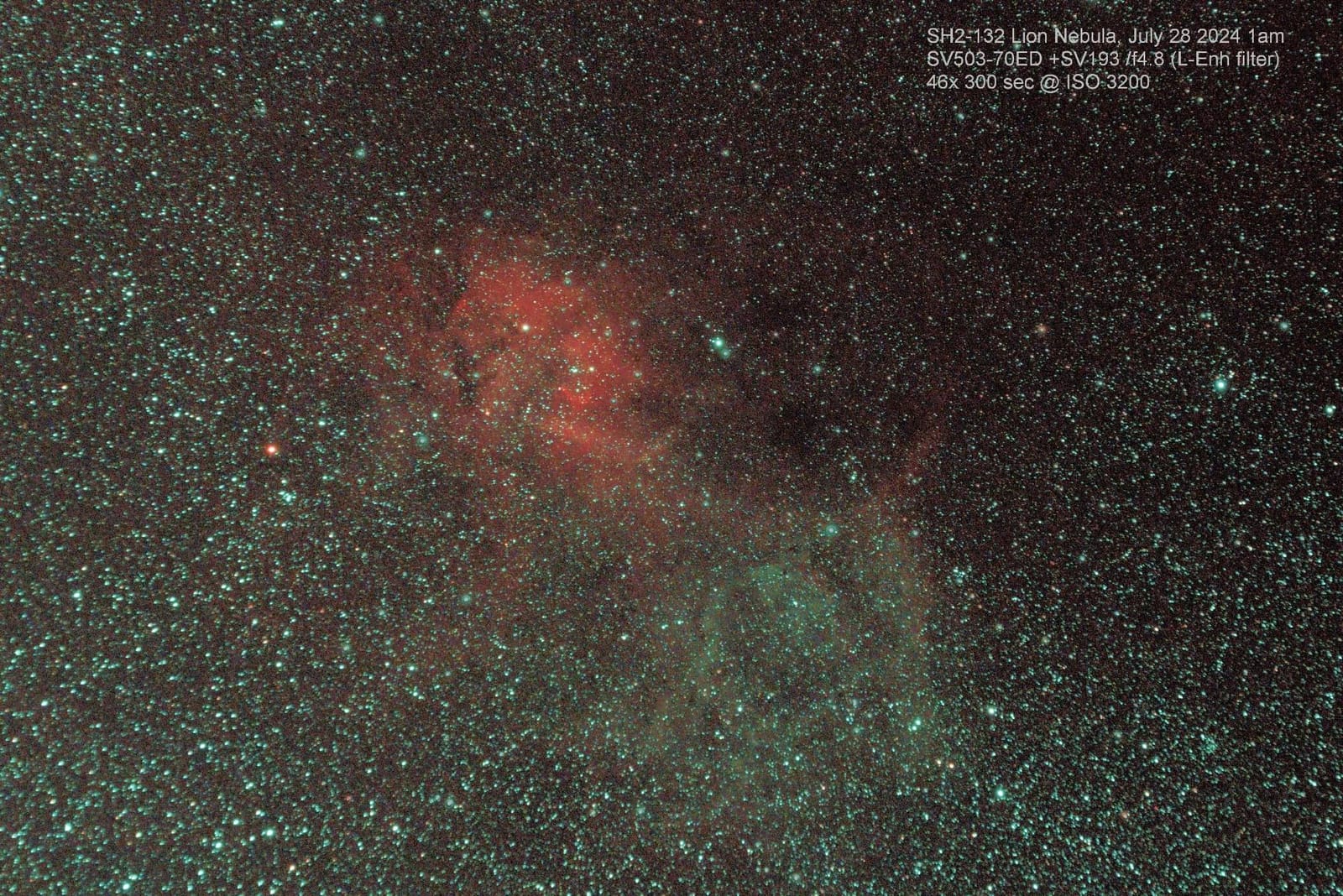
Owners describe it as the step up from broadband, because it suppresses the residual white light that broadband filters always leave behind. That is what allows faint Sharpless objects to be recorded from Bortle 5-9 skies, even on an unmodified Nikon body.
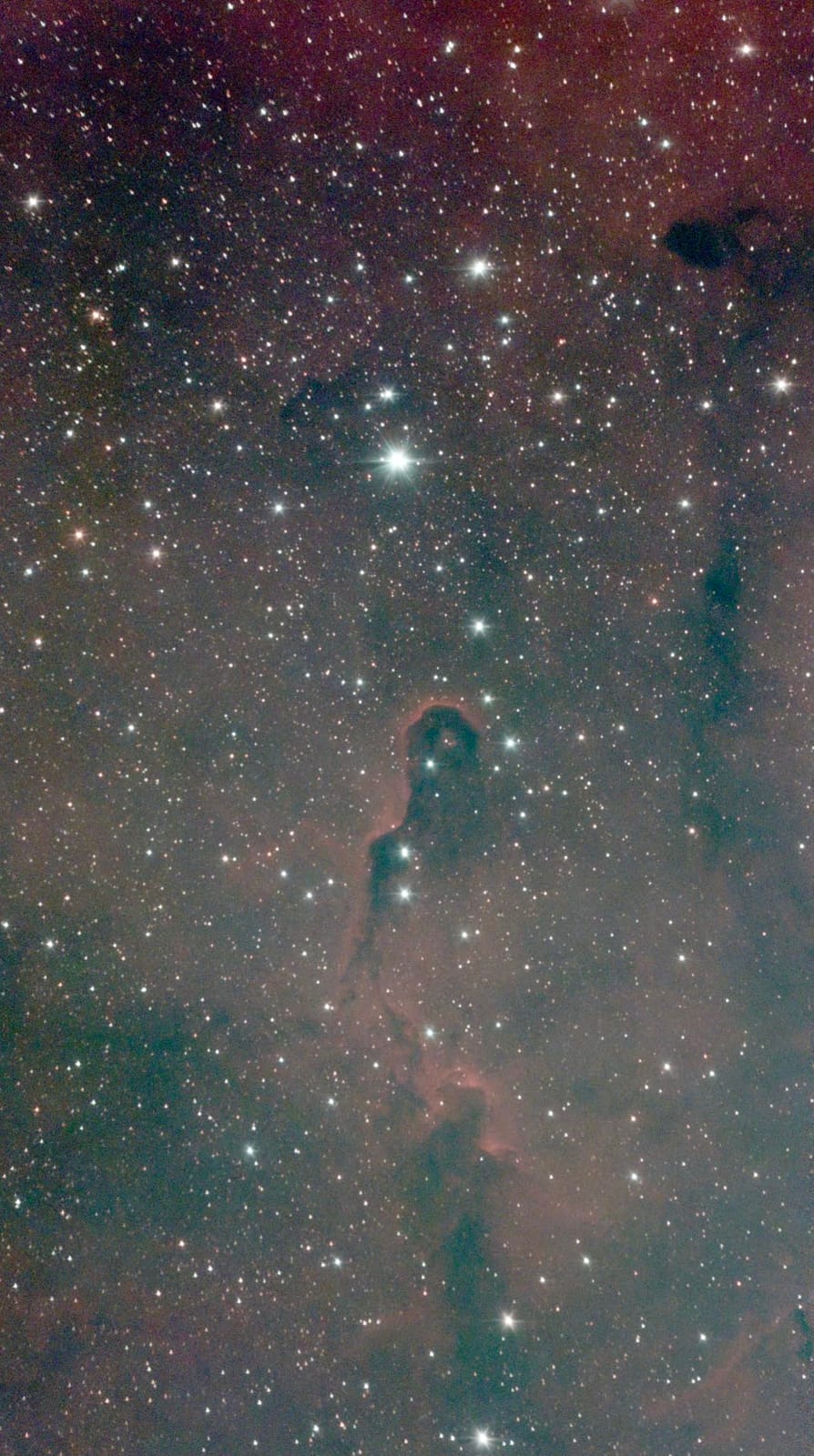
Multiple anti-reflective coatings sit on the glass, and it is recommended for APS-C sized sensors on an M48x0.75mm thread. Several users report it fits smart telescopes after removing the plastic blank, though that is a modification rather than a supported use.
The trade-off appears in every review: exposures must run roughly 60 to 70 percent longer to reach the same signal as a broadband filter. Budget your integration time accordingly, because that is the real cost of this glass.
Who this filter suits
It suits stock DSLR and mirrorless imagers on fast optics who want emission nebula data from a bright sky without committing to a strict 3nm or 7nm bandpass. Focusers using Bahtinov masks on stock cameras will find this a practical match.
Where it falls short
It is not a galaxy filter, and the narrow bands make star colours difficult to preserve in processing. The longer exposure requirement is the factor that catches people out, and it is among the costlier options here.
8. Optolong L-Pro 2 inch Filter: Best for Galaxies and Star Colour
Optolong 2″ L-Pro Light Pollution Filter
2 inch multi-bandpass
About 90% emission line transmission
Multi-layer coating
Aerospace aluminium cell
Pros
- The Optolong filter to own for galaxies
- clusters and comets
- Retains far more natural star colour than L-eNhance
- Recovers usable data in Bortle 7-9 skies
- CNC aerospace grade aluminium cell described as very high quality
Cons
- Removes visible light and colour so star fields can look tunnelled before cropping
- Less aggressive at light pollution than a dual narrowband filter
- Gradients still need managing in heavily polluted cities
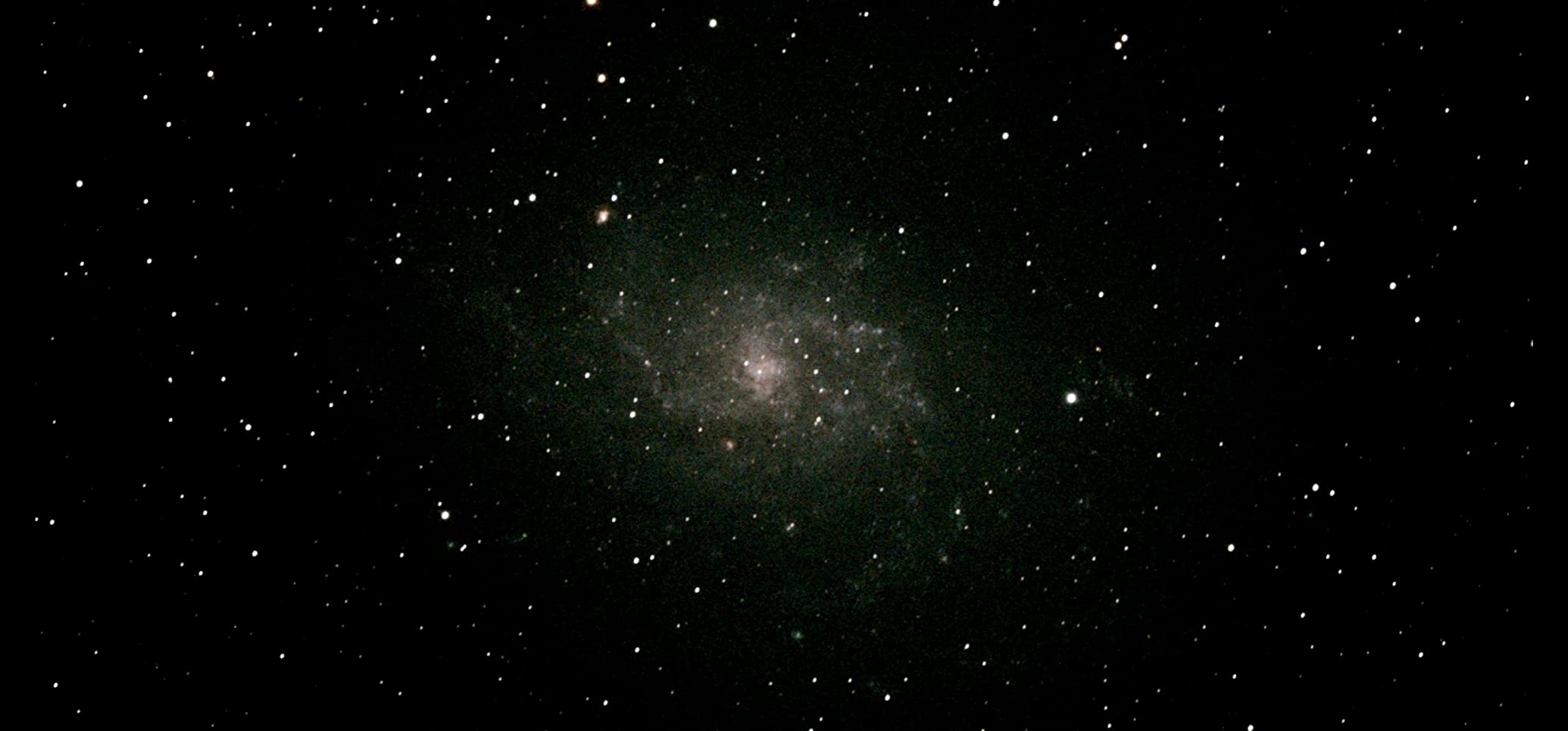
The L-Pro is the answer to the most common complaint about light pollution filters: everything goes orange. It uses a multi-bandpass design with a sharp roll-off at light pollutant emission lines and roughly 90 percent transmission at the major nebula emission lines, so it cuts skyglow without stripping the colour out of your stars.
Reviewers position it as the middle ground in the Optolong line, broader than the L-eNhance and therefore suited to broadband targets. Several users run it alongside a dual narrowband filter, using L-Pro for galaxies and the narrowband glass for emission nebulae.
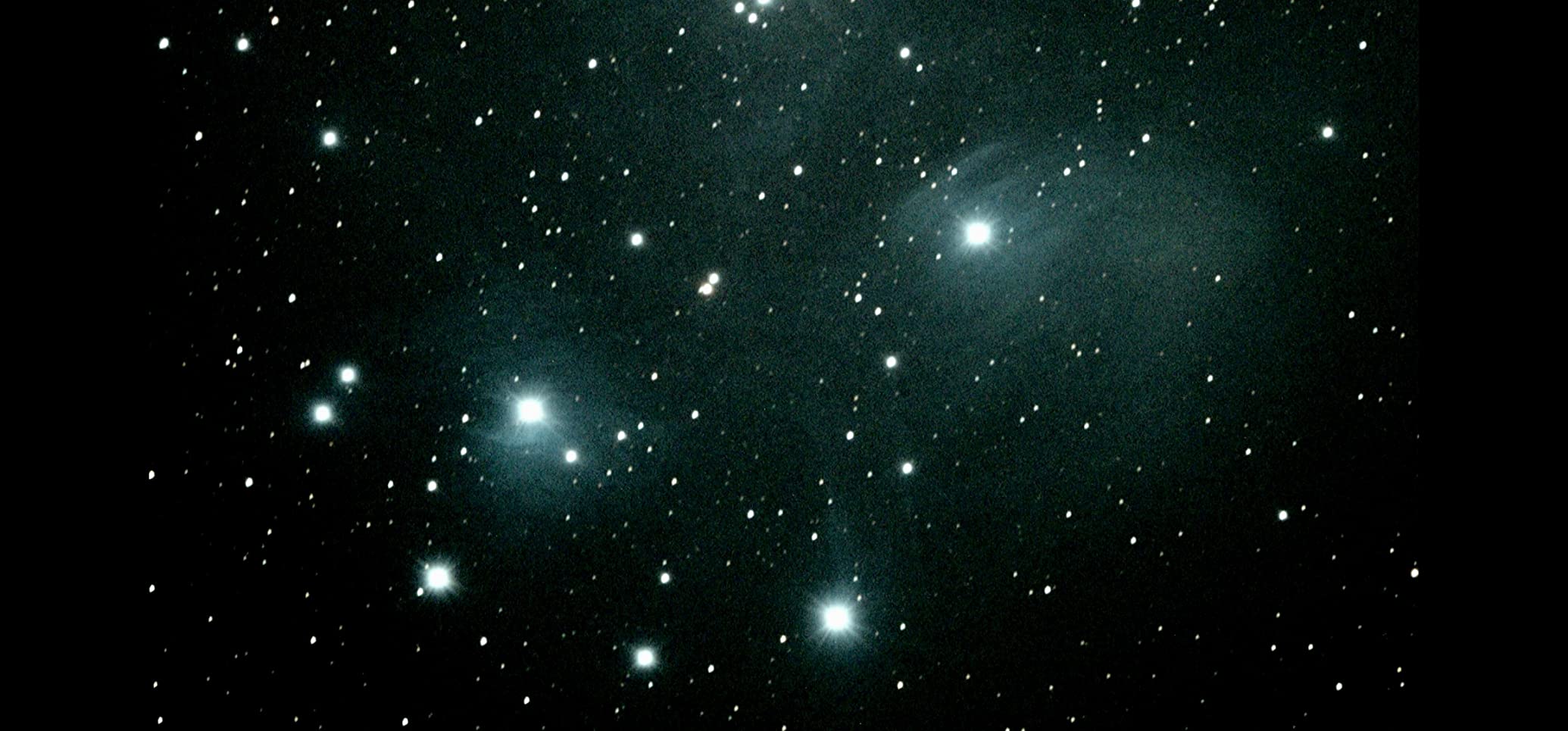
The cell is CNC machined aerospace grade aluminium with a black anodised finish intended to extinguish internal reflections, and the glass carries a multi-layer anti-reflection coating. Thread size is 48mm in a 2 inch format.
Note that it is far less aggressive at light pollution than a dual-band filter. Its value shows up as manageable gradients and usable data in Bortle 7-9 skies, not as a black background.
Who this filter suits
It suits galaxy imagers, anyone chasing star clusters or comets, and colour-sensitive shooters who find narrowband star colours unappealing. It is also the sensible daytime partner filter to a dual-band, since one rig then covers both target types.
Where it falls short
It still removes visible light and colour, so star fields can look tunnelled before cropping. Gradients in heavily polluted cities need managing in processing, and if you want emission nebulae from a very bright sky, a narrowband filter will outperform it outright.
9. Optolong L-eXtreme 7nm 2 inch Filter: Best for Moonlit Urban Skies
Optolong L-Extreme 7nm Dual Narrowband Filter (H-Alpha and O-III) (2″)
Dual Ha and OIII 7nm bands
2 inch / 48mm thread
Aimed at one-shot colour
Model 139
Pros
- Ratings average 4.9 stars across the ten filters we tested
- with 95 percent of ratings at five stars
- Lets a one-shot colour camera produce colour emission nebula images directly
- Suitable for bright urban skies and moonlit conditions
Cons
- Smallest review base of the group at 52 ratings
- 7nm bands need a reasonably fast imaging train and long integrations for faint targets
- Limited to emission nebulae and unsuited to galaxies or reflection nebulae
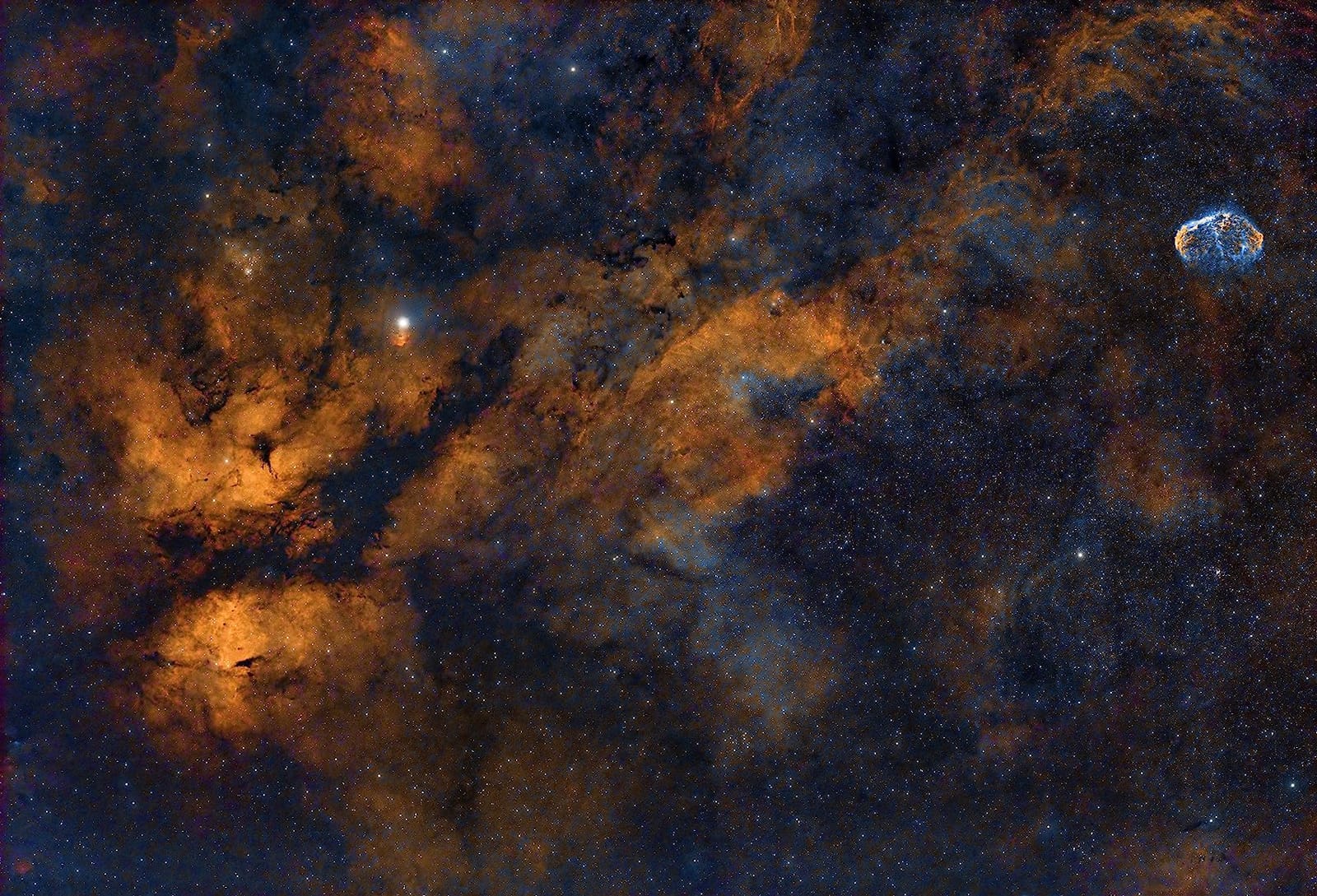
The L-eXtreme is the strictest filter in this roundup, and the one most experienced imagers reach for when the sky is hopeless. Its dual hydrogen-alpha and oxygen-III 7nm passbands are narrow enough that emission nebulae emerge under a full moon from a bright city.
Because it delivers colour directly in one shot, it is aimed squarely at one-shot colour cameras rather than monochrome rigs with filter wheels. There is no multi-filter combination to process afterwards.
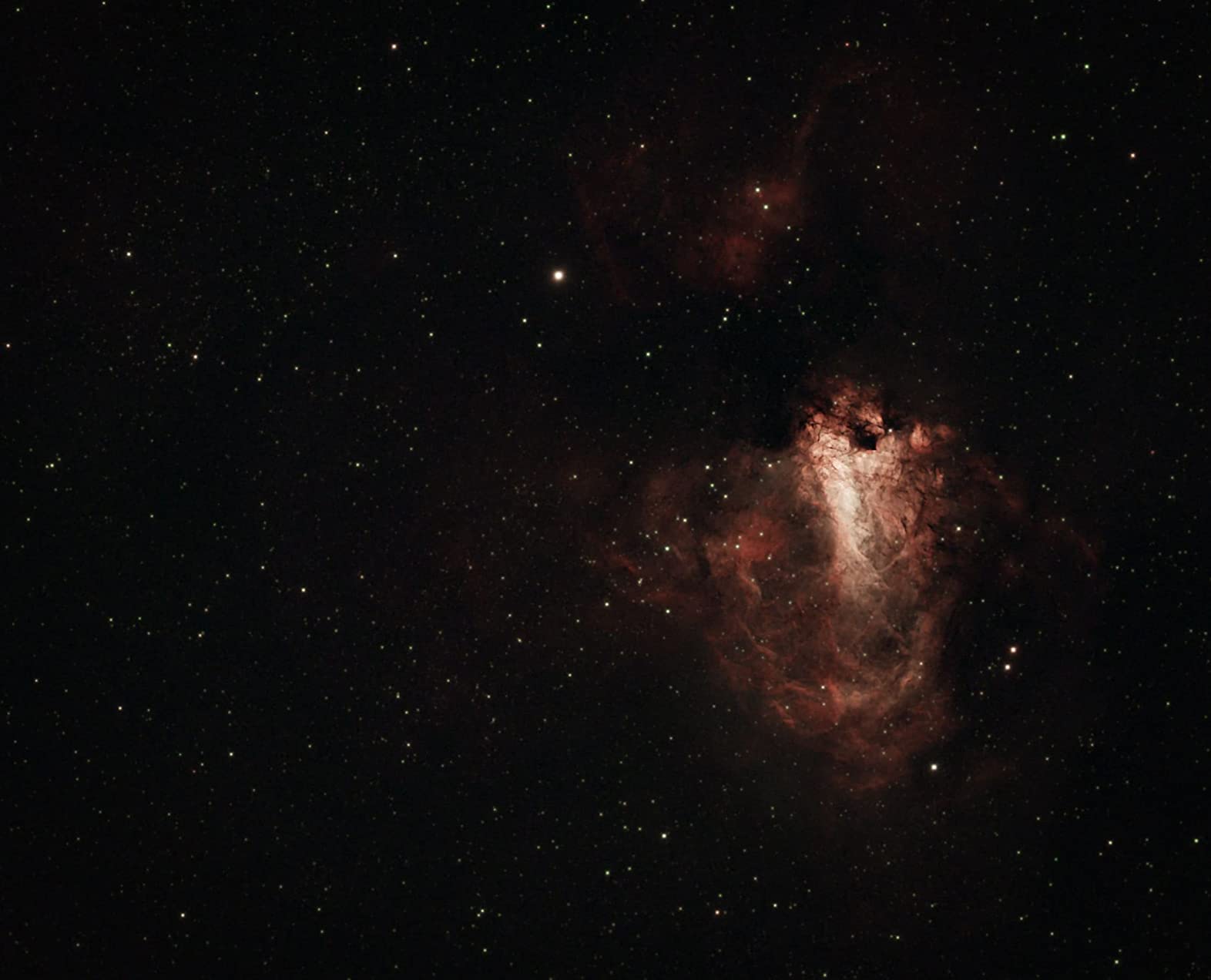
The specification sheet is short: dual Ha and OIII 7nm narrowband, a 2 inch format on a 48mm thread, and a maximum shutter speed listed at 30 seconds for the imaging use case. The enclosure is glass with multi coating.
We want to be straight about the evidence here. The rating distribution is almost entirely five stars, which is impressive, but the review base is only 52 ratings, the smallest here, and no written user accounts were available to us for this model. Judge it on the specification and your target list, not the star rating.
Who this filter suits
It suits one-shot colour imagers chasing emission nebulae under bright urban skyglow or moonlight, where the strict 7nm bands push further than the broader dual-band designs.
Where it falls short
7nm bands demand a reasonably fast imaging train and long integrations to reach the same depth as broader filters. It is limited to emission nebulae, so galaxies and reflection nebulae are out of reach.
10. Breakthrough Photography Night Sky 49mm Filter: Best for Milky Way Nightscapes
49mm Night Sky Light Pollution Reduction Filter for Camera Lenses with MRC16, Nanotec Coatings, Ultra-Slim, Traction Frame, Weather-Sealed by Breakthrough Photography
Targets 570-610nm cast
MRC16 and nanotec coatings
Ultra-slim 49mm ring
Weather-sealed frame
Pros
- Largely removes the orange colour cast street lighting adds to Milky Way frames
- Increases star to sky contrast and gives more latitude in post-processing
- Weather-sealed traction frame grips well even in cold or damp conditions
- Multi coated glass cleans easily and resists outdoor exposure
- Backed by a 25 year manufacturer guarantee
Cons
- Adds contrast to existing stars rather than revealing additional faint ones
- Does not eliminate the colour cast entirely in every condition
- Costs far more than comparable photographic light pollution filters
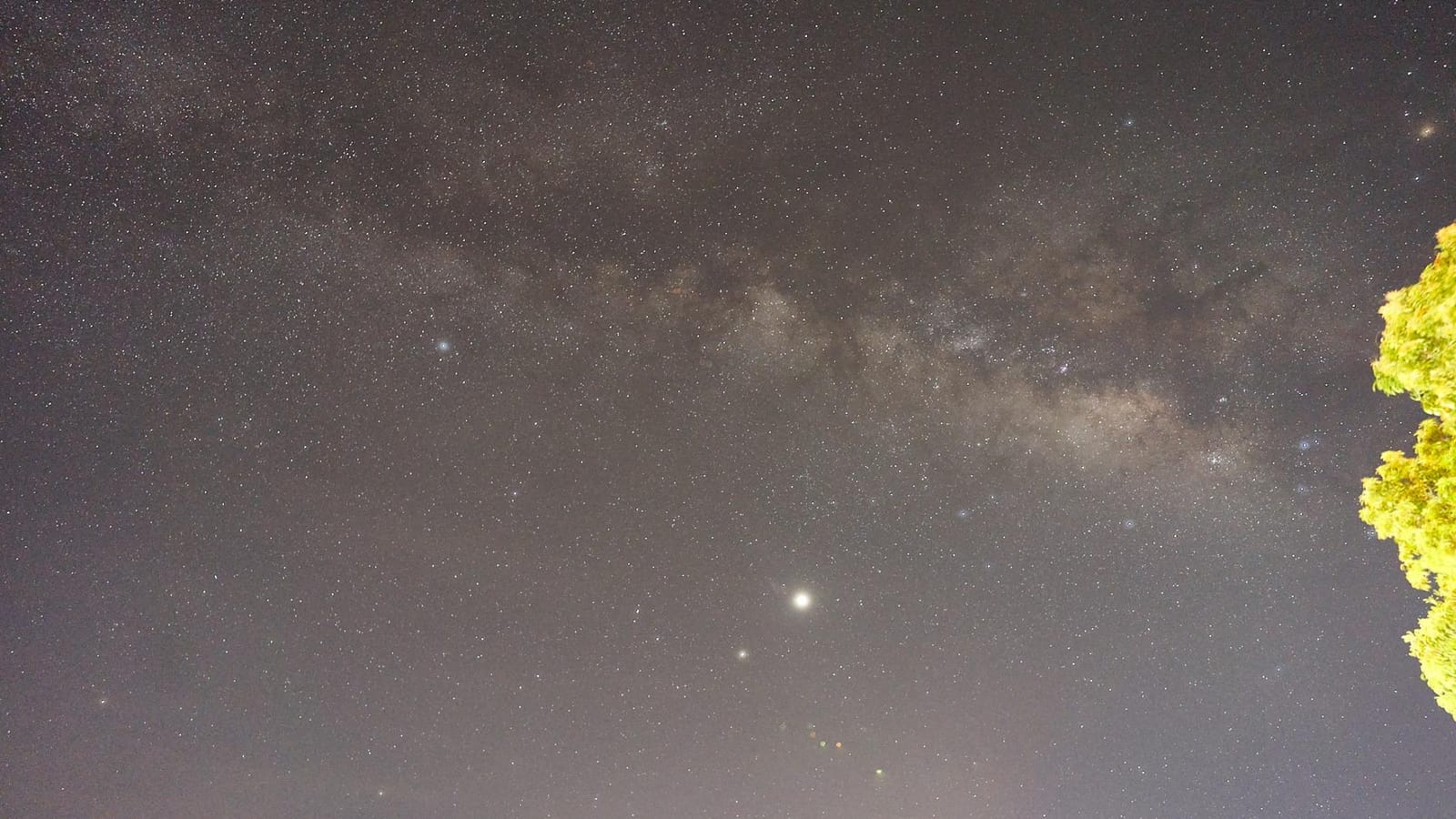
This one is built for a different job than the rest of the list. Instead of isolating emission lines, it targets the 570 to 610nm band where sodium and warm LED lighting dumps its colour, which is the exact cast that ruins Milky Way arches over suburban rooftops.
Owners consistently report a much cleaner, more neutral night-sky colour and noticeably better contrast between stars and background. One long-standing customer rates it alongside the same brand’s polariser and neutral density filters for build quality and grip.
Coatings are MRC16 and nanotec, chosen for durability and easy cleaning, and the housing is a weather-sealed X4 traction frame designed to stay grippy when your hands are cold. The ultra-slim profile suits wide and standard angle lenses without vignetting. Sizes run from 49mm through 105mm.
The honest limitation is the one repeated in reviews: it darkens the stars that are already there rather than pulling additional faint stars out of the frame. The benefit mostly shows up as more editing latitude afterwards.
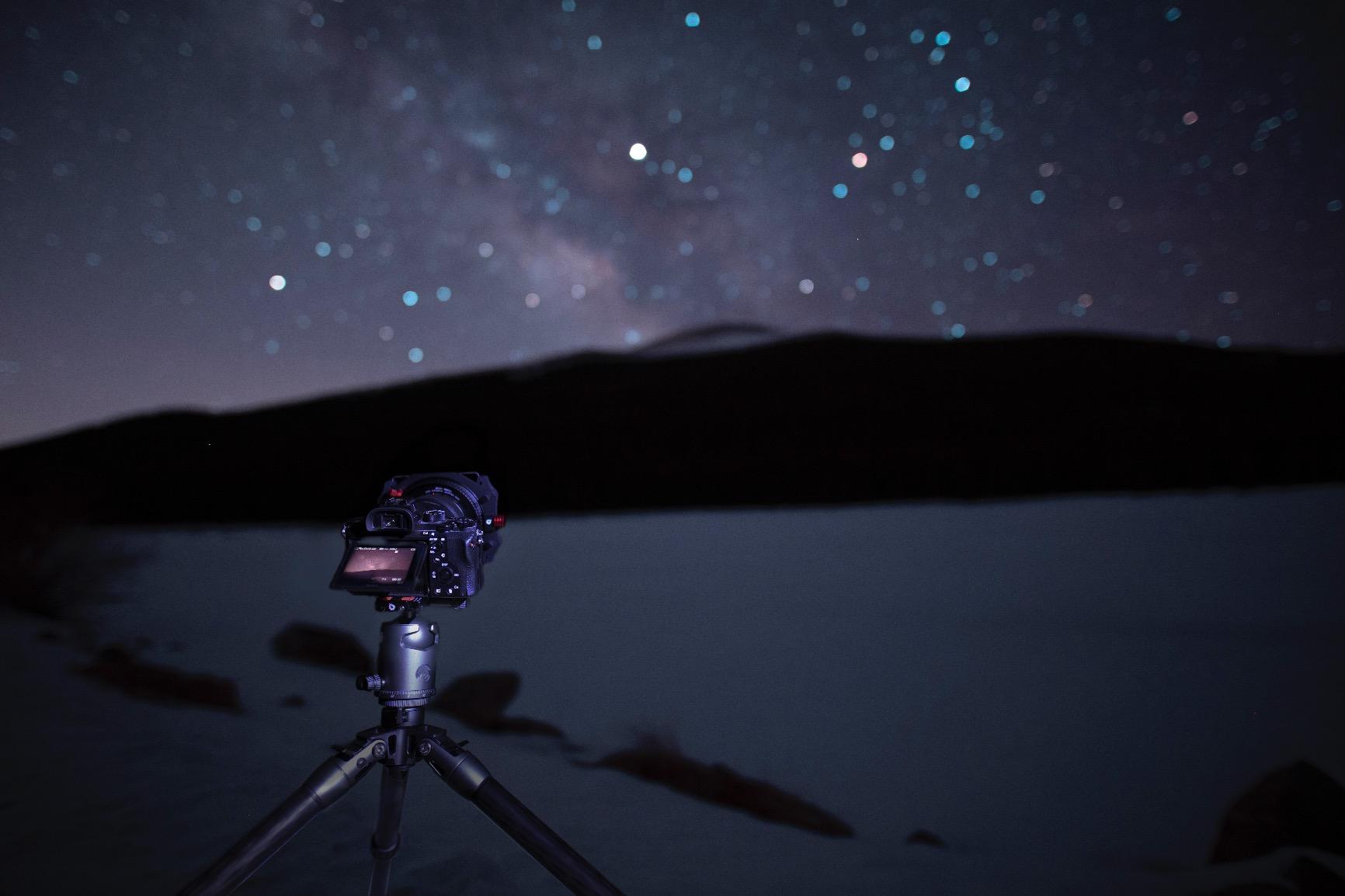
Who this filter suits
It suits nightscape photographers using normal zoom or wide lenses who want neutral colour and firmer contrast, and anyone who values build quality and a long guarantee over raw suppression strength.
Where it falls short
It will not reveal new faint stars, and it does not fully remove the cast in every condition. It also costs considerably more than comparable photographic light pollution filters, and it does nothing for narrowband imaging.
How to Choose a Light Pollution Filter for Astrophotography
The right filter depends on three things in this order: your local streetlight spectrum, your camera type, and your target. Get those right and the model choice is easy.
Work out which light is ruining your sky
Older suburbs are usually sodium and mercury dominated, which means narrow emission lines at 589nm and around 435nm and 578nm. Broadband CLS and UHC filters do excellent work there, because their roll-off lines up exactly with those sources.
Newer developments and retrofitted streets are mostly broad-spectrum LED, which spreads emission across most of the visible range. Broadband filters of this class barely touch it. On an LED-dominated sky, a dual-band or narrowband filter is the only route to a manageable background.
A quick check: take a raw frame with no filter and look at the histogram. A tight spike near the middle with a small red shoulder points to sodium. A broad, flat glow with a strong blue component points to LED.
Match the filter to your camera
Unmodified DSLRs and mirrorless bodies have an internal UV and IR cut filter that weakens hydrogen-alpha response. Dual-band filters still work on them, which owners of the L-eNhance confirm, but the signal is lower than a cooled astro camera would give.
One-shot colour cameras give you colour in a single exposure, so a dual-band filter is efficient. Monochrome rigs with a filter wheel let you shoot Ha, OIII and SII separately and blend a narrowband palette, which suits galaxies poorly since galaxies emit a broad continuous spectrum.
One-shot colour and stock DSLRs also care about focus. A strict 7nm bandpass can make focusing hard on a stock camera, and the SV220 is documented as unusable on optics faster than f/4. Broad bandpass filters are the forgiving option.
Get the mount format right before you order
Screw-in lens filters come in thread sizes such as 49mm, 52mm, 55mm, 58mm, 62mm, 67mm, 72mm, 77mm and 82mm. Check the marking on the front of your lens, usually next to a filter icon, and match it exactly.
Clip-in filters sit inside the camera body behind the mirror box. They are the only option for some cameras, but they cost more and you cannot swap them quickly from a drawer outside the body. An off-camera adapter holding a 1.25 inch or 2 inch barrel in front of the sensor is the flexible third route and works with most camera types.
1.25 inch barrels are small, cheap and fit most eyepieces and small refractors. 2 inch barrels suit larger imaging trains and fast astrographs, but check for vignetting with a wide and fast lens before committing.
Fix the red star cast in post
Red or orange stars are the top complaint about aggressive filters in forum threads, and the cause is simple: the filter passes less blue and green light than red, so stars shift warm.
Three steps handle it. First, shoot a calibration frame of the same target without the filter and use it as a colour reference in your stacking software. Second, in raw processing, add a colour matrix or use the astronomical colour balance tool in your editor to bring star colour back toward neutral. Third, avoid aggressive saturation and boost luminance before you push colour.
Your display matters at this stage too. A blue light filter fitted to an editing monitor pulls the blue channel down and exaggerates the warm cast, so if that is how your screen is set up, our guide to screen filters for blue light is worth reading before you judge your star colour.
Forum consensus is also consistent that broadband filters simply do not create this problem to the same degree, which is why galaxy imagers keep returning to them.
Know when not to bother
On a Bortle 1 to 2 sky, a light pollution filter is a net negative. You lose signal, gain nothing in contrast, and pay for exposure time you do not need. A UV and IR cut filter is the correct tool for a dark site.
Comfort at the eyepiece is a separate concern from glass choice, and if bright white light is a problem during a long session, our picks for green light lamps for light sensitivity cover the room side of night observing.
The picture changes from roughly Bortle 6 upward. That is where narrowband and dual-band filters earn their place, and where a broadband CLS filter still reduces gradients even if it cannot remove the glow.
Forum experience is worth weighing honestly. One Bortle 6 owner on CloudyNights wrote that a CLS filter was not worth it because it just made everything darker, and that complaint is real for broadband filters on moderate skies. The community consensus that does hold up is that narrowband is the answer for emission nebulae from city skies, while broadband is what keeps galaxy star colour natural.
Frequently Asked Questions
Can you do astrophotography with light pollution?
Yes. A matched light pollution filter cuts the skyglow that would otherwise drown faint signal, so you can reach the same depth in far less integration time. The cost is signal loss and possible star colour shift, and on very bright skies only narrowband or dual-band filters make a real difference.
What is the best light pollution filter for astrophotography?
It depends on your target and sky. A dual-band narrowband filter such as the SVBONY SV220 or the Optolong L-eXtreme is best for emission nebulae from a bright city, a broadband CLS or UHC filter such as the SVBONY CLS or Celestron UHC/LPR is best for an all-round contrast boost, and the Optolong L-Pro is best for galaxies and natural star colour.
Is a UHC filter good for galaxies?
Partly. A UHC filter gives a modest contrast improvement on bright galaxies and planetary nebulae, but it is a broadband design and most galaxy signal falls in the same continuum spectrum it passes. For galaxies you are usually better served by a broader multi-bandpass filter such as the Optolong L-Pro, which keeps star colour natural.
What is the difference between the Optolong L-eNhance and L-eXtreme filters?
The L-eNhance passes hydrogen-alpha and the hydrogen-beta plus oxygen-III region with a bandpass wide enough for very fast optics such as f/2 refractors, which makes it forgiving on a stock camera but requires roughly 60 to 70 percent longer exposures. The L-eXtreme uses strict 7nm Ha and OIII bands, giving far stronger rejection and working under a full moon, at the cost of long integrations and a fast imaging train.
Do light pollution filters still work with LED streetlights?
Broadband CLS and UHC filters work poorly, because modern white LEDs emit across most of the visible spectrum rather than in a few lines a filter can block. Dual-band and narrowband filters still help, because they pass only the emission lines your target produces and reject most of the broadband LED output regardless of wavelength.
Are light pollution filters worth it?
From Bortle 5 or brighter skies, usually yes. Forum users consistently report that dual-band filters are what make emission nebulae possible from a city. On a dark site they are not worth it, and on moderate suburban skies a broadband filter may only reduce a gradient, which is the complaint that shows up most often in reviews.
Conclusion: The Best Light Pollution Filters for Astrophotography in 2026
The best light pollution filters for astrophotography are not one product but three jobs matched to your sky and your targets. Start with the SVBONY 1.25 inch UHC filter for a dependable all-round contrast boost, then move to the SVBONY SV220 dual-band filter when you want emission nebulae from a bright city.
Add the Optolong L-Pro when galaxies and natural star colour matter, and check the thread size before anything else. Whatever you choose, know your streetlight type first, because that single fact decides whether a broadband filter helps you or just makes everything darker.