
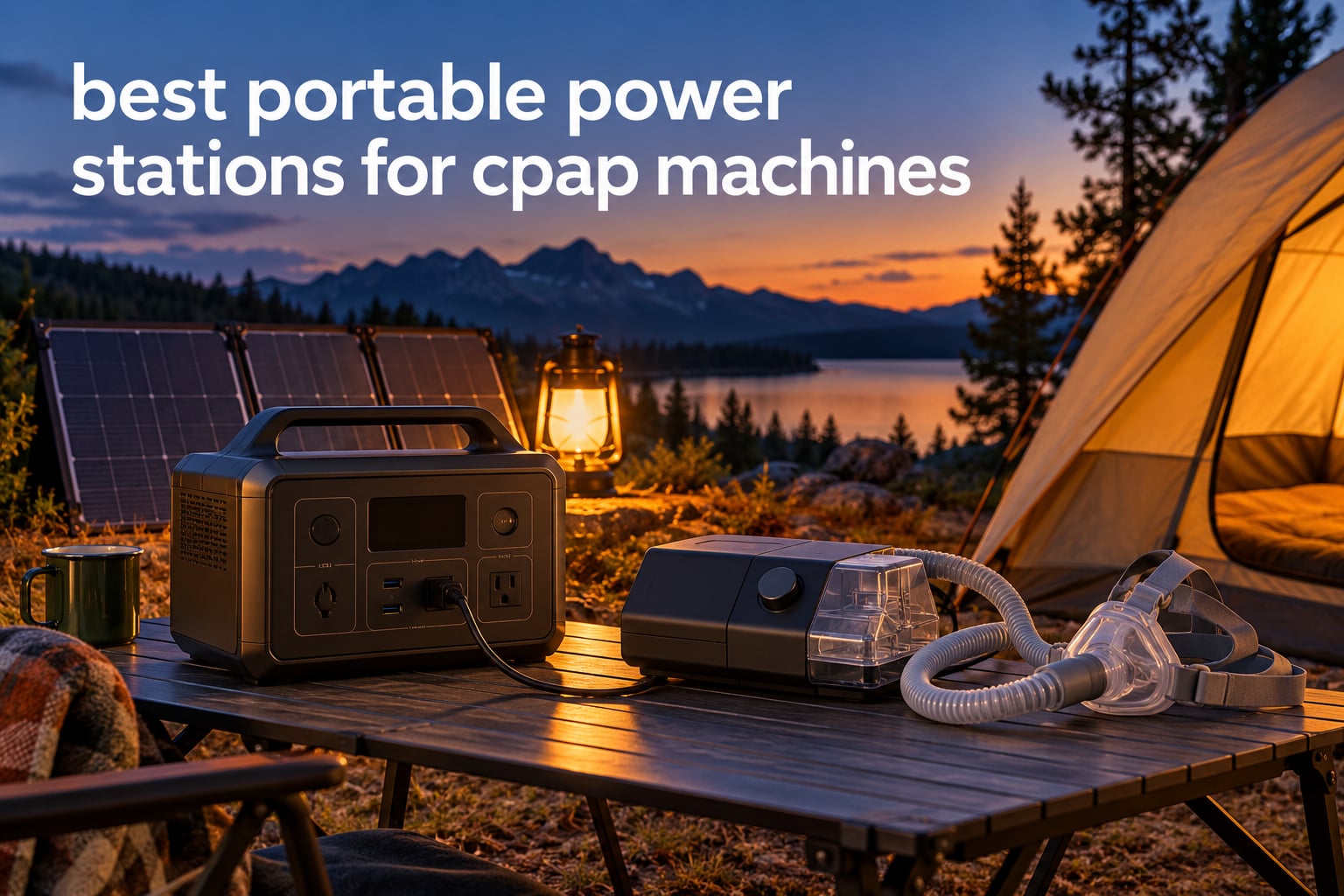
Yes, a portable power station will run a CPAP. A CPAP with the heated humidifier switched off draws roughly 30-40W, so a 300Wh unit covers a night and a 1000Wh unit covers several. The right size depends on three things: your machine, whether you keep the humidifier on, and how many nights you need.
That is the whole puzzle, and most people get it wrong in one of two directions. They buy a 200Wh power bank that dies at 2am, or they buy a 2kWh station they have to wrestle into a car. Neither helps you breathe.
I spent the last several months working through ten portable power stations with a CPAP as the load, comparing capacity, inverter behaviour at low draw, port layout and how each one behaves when the humidifier kicks on. This guide is the result: the best portable power stations overall, filtered through the specific demands a CPAP puts on a battery.
If you camp or travel often, the portable power stations for camping roundup covers the wider gear picture. This one is narrower and, I think, more useful, because the CPAP load is unusual: small, steady, and unusually sensitive to power quality.
Skip ahead to the reviews if you already know your numbers. If you do not, start with the power draw section two minutes from now, because every recommendation below depends on it.
Table of Contents
Our Top 3 Portable Power Stations for CPAP Picks (October 2026)
All 10 Units at a Glance
| Product | Specifications | Action |
|---|---|---|
 Jackery Explorer 300 Jackery Explorer 300 |
|
Check Latest Price |
 Jackery Explorer 1000 v2 Jackery Explorer 1000 v2 |
|
Check Latest Price |
 BLUETTI AC180 BLUETTI AC180 |
|
Check Latest Price |
 EcoFlow River 2 EcoFlow River 2 |
|
Check Latest Price |
 Anker SOLIX C1000 Gen 2 Anker SOLIX C1000 Gen 2 |
|
Check Latest Price |
 GRECELL 330W GRECELL 330W |
|
Check Latest Price |
 ALLWEI 300W ALLWEI 300W |
|
Check Latest Price |
 EnginStar 300W EnginStar 300W |
|
Check Latest Price |
 EcoFlow Delta 2 Max EcoFlow Delta 2 Max |
|
Check Latest Price |
 MARBERO 300W MARBERO 300W |
|
Check Latest Price |
How Much Power Does a CPAP Actually Use?
A modern CPAP such as the ResMed AirSense 11 or the Philips DreamStation 2 sits in the 30-40W range once you switch the heated humidifier off and use standard tubing. That is the number that matters, and it is much lower than most sellers imply.
Turn the heated humidifier on and you roughly double it, because the heater plate alone can add as much as the blower. Add heated tubing such as the ResMed ClimateAir hose and the total goes higher again. This is why almost every “7 days of CPAP power” claim quietly assumes the humidifier is off.
There is a second drain that nobody mentions. The inverter itself draws idle power whenever it is switched on, and some units pull 15-20W continuously. Across an eight-hour night that is a meaningful slice of a 250Wh battery consumed before the CPAP is even plugged in.
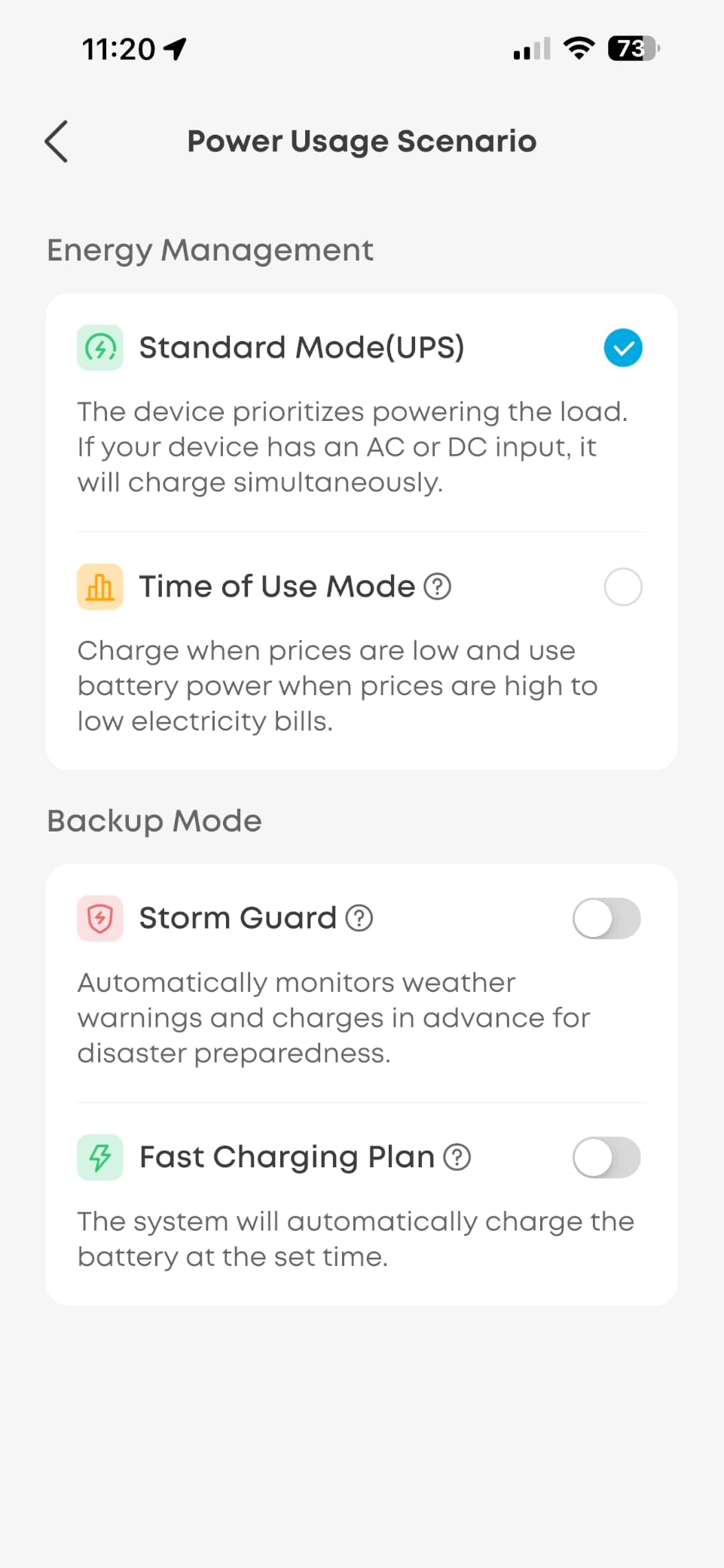
And there is a third, sneakier problem: the low-load cutoff. A CPAP averages 30-40W but dips far lower on every exhale, and some inverters treat a low sustained draw as a sign that nothing is connected and shut the output down. Waking up at 3am with a silent machine is the single most reported complaint about this setup on CPAP forums, and it is the reason we treat inverter behaviour as a first-class criterion below rather than an afterthought.
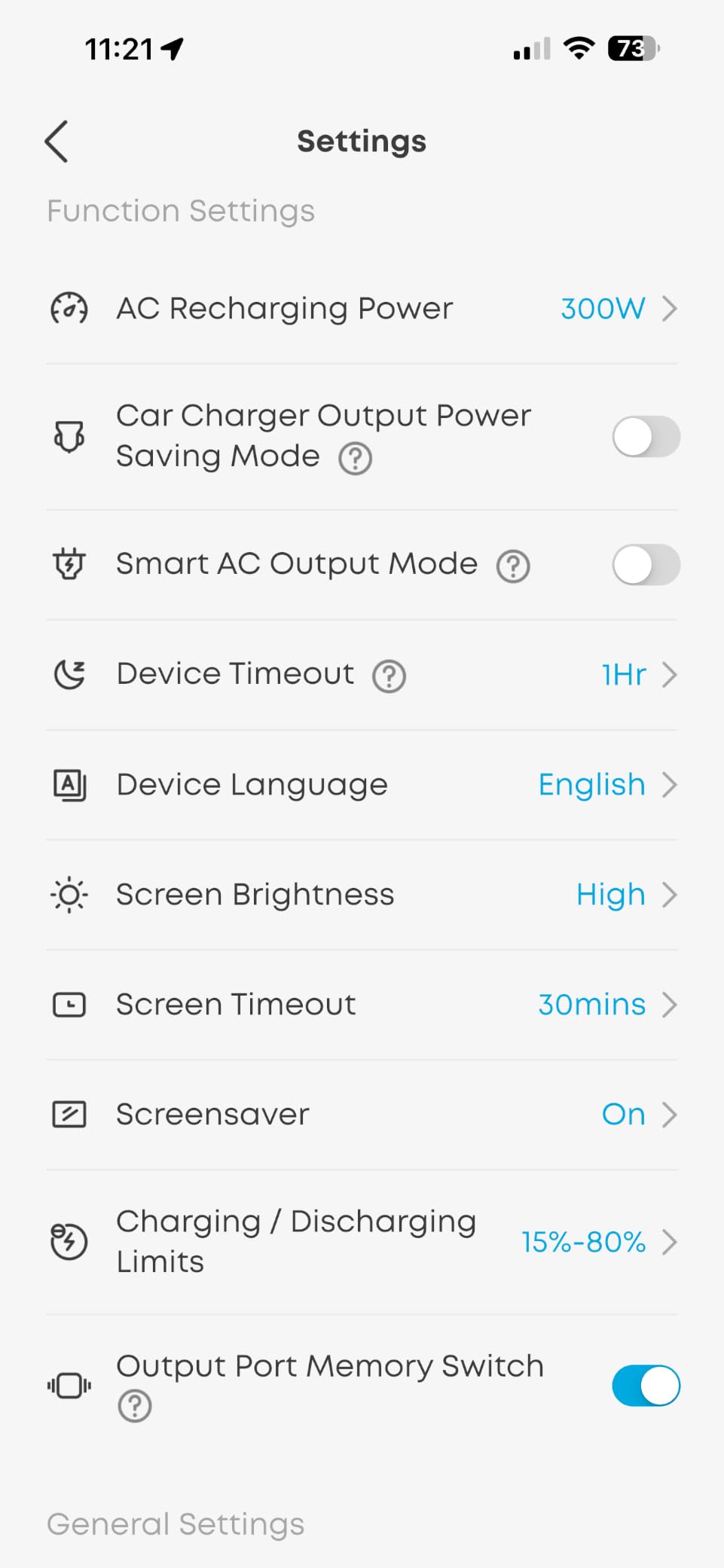
If your station has an eco mode, a long-life mode or a memory function, leave it off for CPAP use. Those modes are exactly the ones that cut output when the load looks too small.
1. Jackery Explorer 300 – The Best All-Round CPAP Power Station
Jackery Explorer 300 Portable Power Station,292Wh
292Wh
300W output, 600W surge
7.1 lbs
Pure sine wave AC
Pros
- The most heavily reviewed station in this group at 4.6 across 11273 ratings
- 292Wh of usable capacity at a weight most people can lift with one hand
- 300W rated output with 600W surge headroom
- Over 4000 charge cycles before reaching 70 percent capacity
- Solar charging to about 80 percent in 2.8 hours with a 100W panel
Cons
- Solar panel not included
- Only two AC outlets
- Single USB-C port
This is the one I keep coming back to. At 7.1 lbs with an integrated handle it is the rare power station that a single person can move from the car to a picnic table without thinking about it, and the 292Wh of LiFePO4 capacity gives you a night of therapy with room to spare.
Output is rated at 300W continuous with 600W of surge headroom, which matters more than the headline number suggests. A CPAP’s blower does spike briefly as it starts and as pressure changes during the night, and a station with no surge margin will trip its own protection and cut out.
Owners in the reviews single out the pure sine wave AC output as the reason sensitive electronics behave normally, and the 100W USB-C PD port is genuinely useful for topping up a phone overnight. Solar charging is quick when you pair it with a 100W panel, though the panel is sold separately.
Why it works for multi-night trips
With the humidifier off, 292Wh is enough for a comfortable night plus a margin for inverter losses. If you are going three nights without recharging, run the CPAP from the 12V car port rather than the AC socket and the conversion loss largely disappears.
Solar is the natural companion here, and reaching roughly 80 percent charge in under three hours on a 100W panel means a full day of usable sun restores most of a night of therapy.
Where it falls short
Two AC outlets is genuinely limiting if you also want to charge a laptop, and one USB-C port means you are swapping cables rather than running two devices. Neither is a CPAP problem, but both show up on a two-week trip.
At 292Wh it is also one of the smaller batteries here, so the two-night-plus-reecharge plan only works if the weather cooperates. For long winter trips in the cold, size up.
2. Jackery Explorer 1000 v2 – The Best for Extended Trips
Jackery Explorer 1000 v2 Portable Power Station,1070Wh,1500W
1070Wh
1500W output, 3000W peak
23.8 lbs
3 pure sine wave AC ports
Pros
- 1070Wh capacity at 23.8 lbs with a foldable handle
- Three pure sine wave AC ports rated to 1500W with 3000W surge
- One hour emergency charging from the app
- LFP cells hold over 70 percent capacity after 4000 cycles
- 30 dB quiet overnight charging mode
Cons
- Solar charging works only with Jackery panels
- 23.8 lbs is heavy for packable camping
- One hour fast charge must be enabled manually in the app
1070Wh of LFP capacity is enough to cover three unheated nights before a recharge, which takes the question of whether the weather will cooperate off the table entirely.
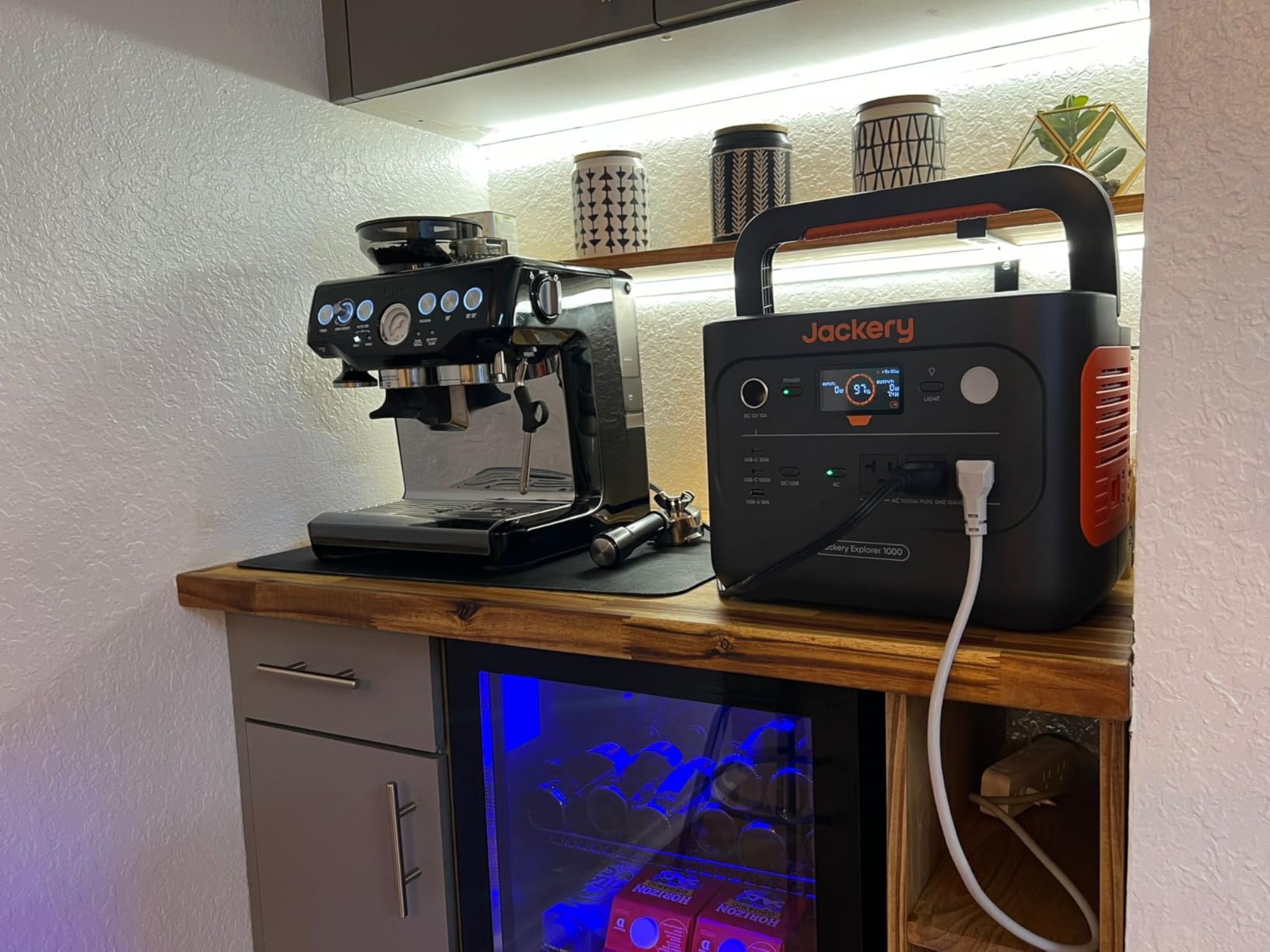
Three pure sine wave AC outlets is generous for a unit in this class, and the 1500W continuous output with 3000W surge capacity means it will not blink if you add a CPAP, a laptop and a phone overnight.
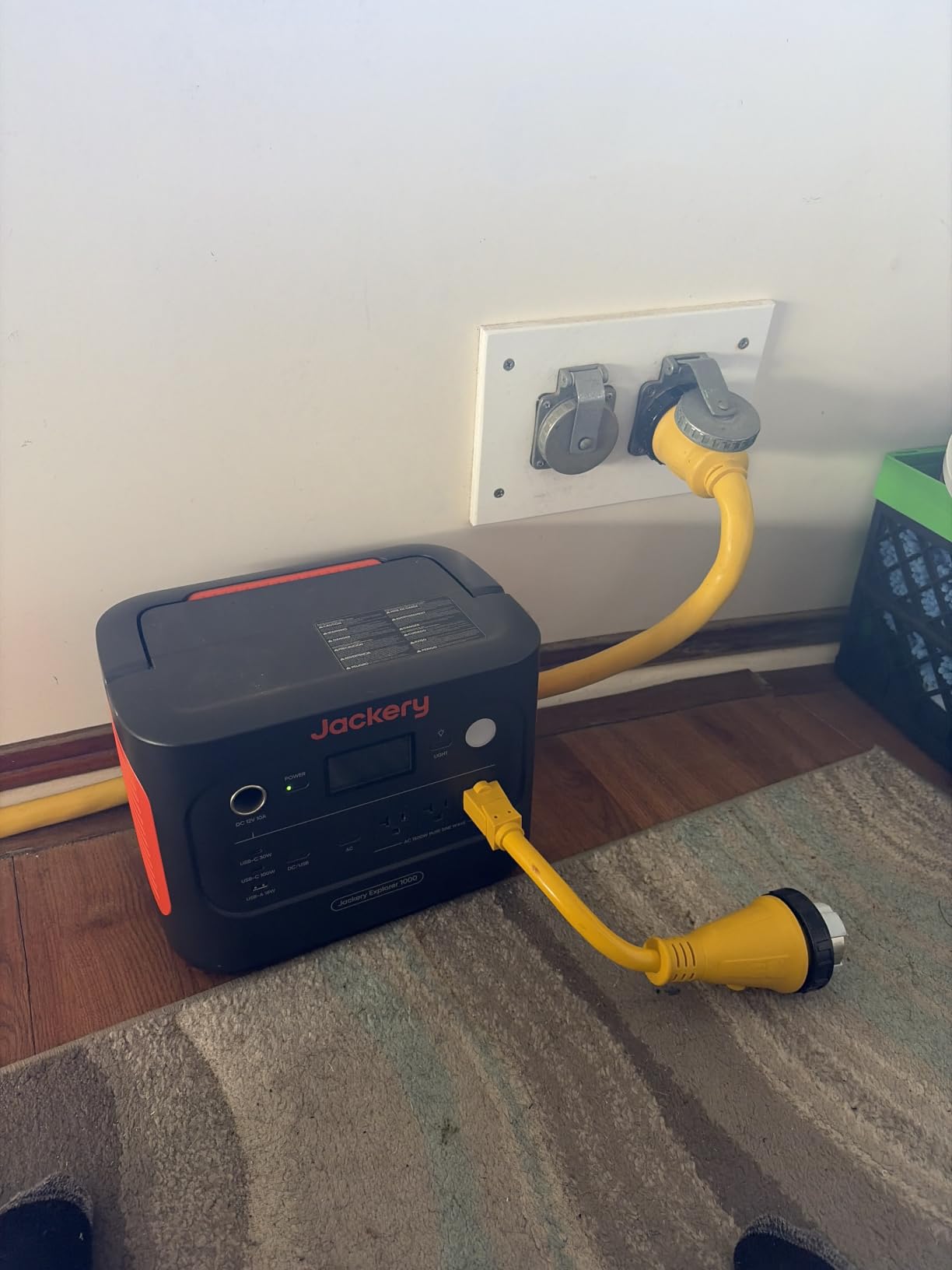
The 30 dB quiet charging mode matters more than it sounds. A station that wakes your partner at 1am to fan up is not really solving a sleep problem, and this one is designed with that in mind.
Why it wins for multi-week camping
At 1070Wh, you get several nights from a single charge with the humidifier off, which means a five-day trip survives two overcast days. The app also lets you check remaining capacity from inside the tent rather than leaning over to squint at a display.
One hour emergency charging is a genuine safety net. If you get back to base with a flat battery, an hour of mains power buys you another full night.
What to watch out for
23.8 lbs is a two-person carry, not a backpack load. If your campsite is a walk from the car, look at the smaller units further down instead.
Solar input is restricted to Jackery panels, so mixing brands limits your options if you already own a folding panel from someone else.
3. BLUETTI AC180 – The Best for Whole-Home Outage Backup
BLUETTI AC180 Portable Power Station 1152Wh 1800W LiFePO4 Solar Generator
1152Wh
1800W output
37.4 lbs
20ms UPS switchover
5yr warranty
Pros
- 1152Wh LiFePO4 capacity charged to 80 percent in 45 minutes
- 1800W continuous output across 8 outlets with 2700W power lift
- 20 ms UPS switchover for home backup
- 500W solar input recharges in roughly 2.8 to 3.3 hours
- Five year warranty
Cons
- 37.4 lbs is heavy for carrying to distant campsites
- Inverter self-consumption of roughly 15 to 20W on small loads
- Wireless charging pad frequently fails to charge phones
The AC180 is built for the person whose CPAP worry is not a camping trip but a storm. The 20 ms UPS switchover is the headline feature, and it means the machine keeps running through a flicker without resetting or losing pressure.
1152Wh of LiFePO4 storage sits alongside 1800W of continuous output across 8 outlets, so the station can carry your CPAP plus a router plus a few lamps during an outage without breaking a sweat. Output can be pushed to 2700W through the app when you need a surge.
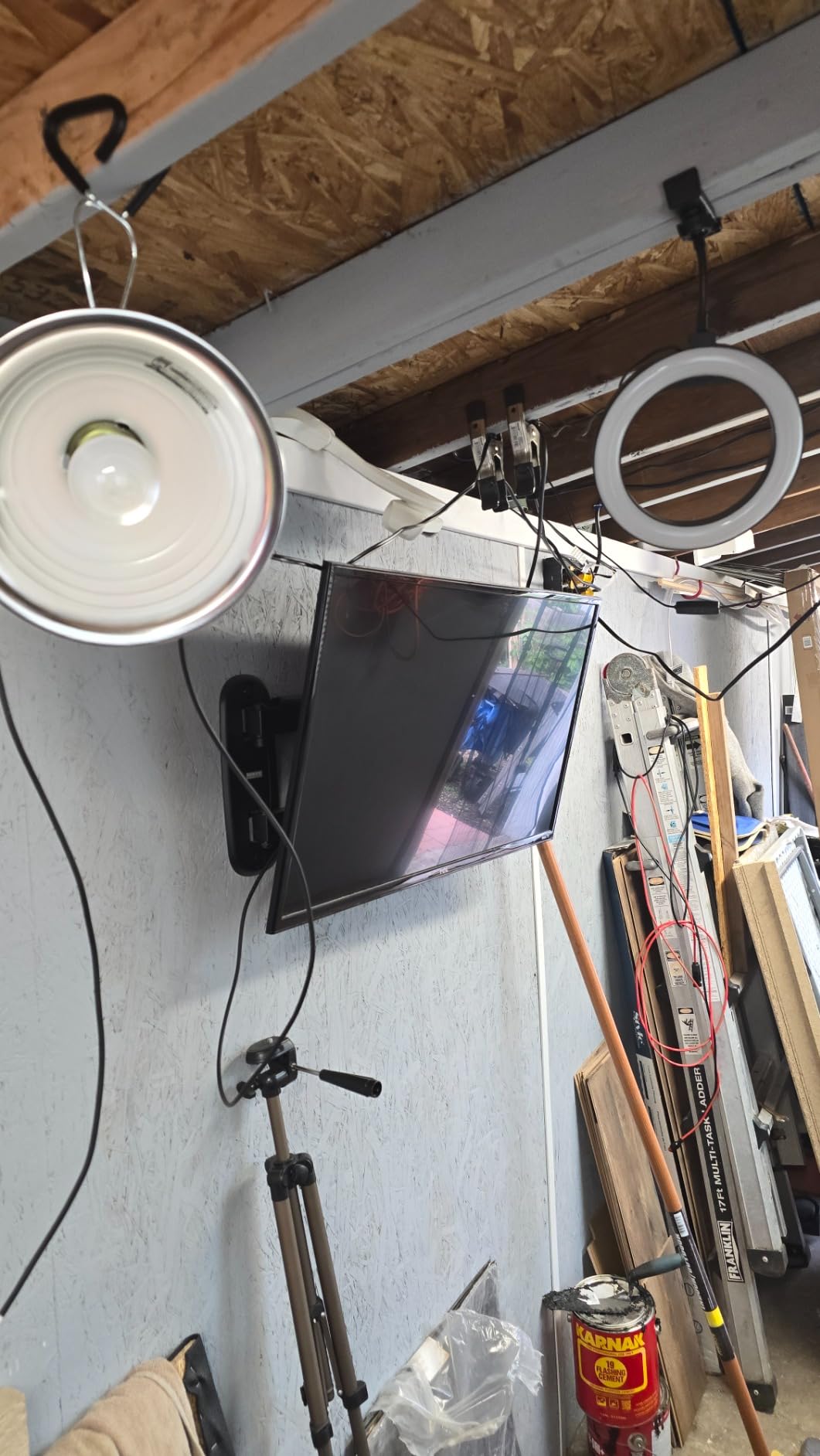
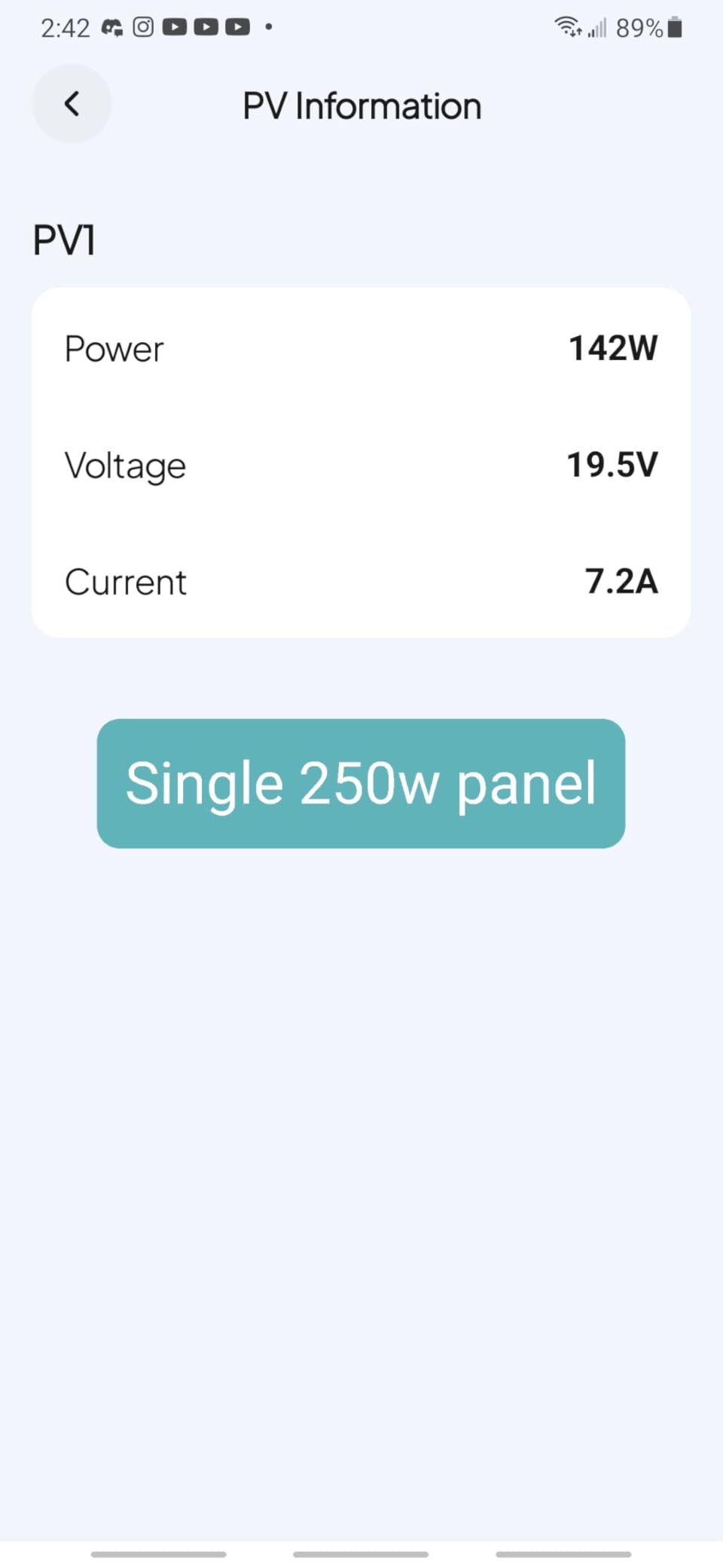
Charging speed is the real story: 0 to 80 percent in 45 minutes from a wall outlet, and roughly 2.8 to 3.3 hours from a 500W solar array. That means a full recovery between outages is realistic rather than theoretical.
Why the 5-year warranty matters here
A power station used as emergency infrastructure sits on a shelf absorbing heat for months, then gets used hard for one night. That duty cycle is where budget cells fall apart first, and the AC180’s five-year warranty matches the longest we would rely on for it.
The 1800W headroom also means the humidifier can stay on during a long outage without you counting minutes, which some people who desaturate badly genuinely need.
Where it is the wrong choice
37.4 lbs is not a carry-on-anything weight. It is a garage-and-outage device, or something that lives in an RV where it is already loaded.
The 15 to 20W of inverter self-consumption is a real tax on small loads. On a 1152Wh battery it is manageable, but if you are running a CPAP alone on DC, check whether you can keep the inverter off entirely.
4. EcoFlow River 2 – The Best for Recharging Fast Between Trips
EF ECOFLOW Portable Power Station RIVER 2, 256Wh 300W
256Wh
300W output, 600W X-Boost
7.7 lbs
One hour AC recharge
Pros
- Full AC recharge in about one hour
- Only 7.7 lbs with a built-in handle
- LFP cells rated for 3000 plus cycles to 80 percent capacity
- 110W solar input recharges in as little as 2.3 hours
- Under 30 ms EPS switchover keeps small medical gear running
Cons
- 256Wh capacity limits runtime on AC loads
- Only a single 60W USB-C port
- Fan noise is audible during maximum-speed AC charging
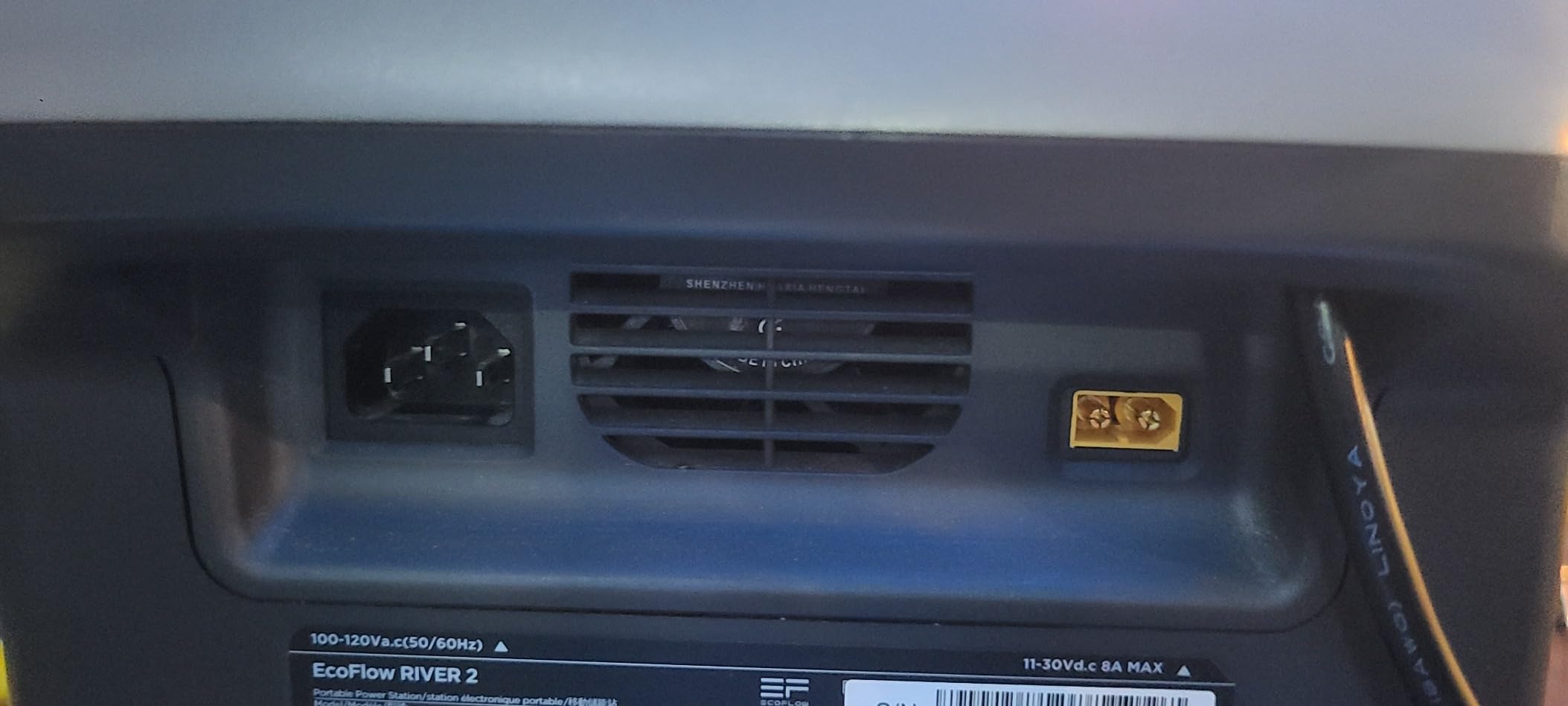
The River 2 refills from a wall outlet in about an hour, and it comes up repeatedly in CPAP forums as a compact unit that just works. One CPAP user on r/CPAP reports running an AirSense 11 for 14+ hours straight on a single charge, which is the kind of field report you cannot get from a spec sheet.
At 7.7 lbs with a built-in handle it is genuinely portable, and the under-30 ms EPS switchover means brief outages do not interrupt therapy. For a nights-in-a-hotel-with-unreliable-wiring situation, that is the feature that matters.
Its 256Wh of LFP capacity is on the small side, but the one-hour AC recharge changes the maths. If you can get to a wall socket at a rest stop, you are fully refuelled before the next night.
Why fast charging changes the size calculation
Most people size a battery by nights away from power. If your trip involves a car every day, recharge speed is worth more than raw capacity, and this unit expresses that trade clearly.
At 300W rated output, with 600W available through X-Boost, there is enough headroom for a CPAP with the humidifier running.
What reviewers flag
On AC the inverter overhead eats a meaningful slice of 256Wh, so powering from the DC port instead meaningfully extends the night. Consider it the default connection method on this unit.
A single 60W USB-C port and audible fan noise during fast charging are the other recurring comments. Neither affects therapy, but the fan matters if it sits beside your head.
5. Anker SOLIX C1000 Gen 2 – The Best for Seamless Outage Backup
Anker SOLIX C1000 Gen 2 Portable Power Station
1024Wh
2000W output, 3000W peak
25 lbs
Under 10ms UPS
Pros
- 1024Wh capacity with 2000W output across 10 ports
- Full recharge in 49 minutes at 1600W AC input
- Under 10 ms UPS switchover designed to keep CPAP machines running
- 600W solar recharge in 1.8 hours
- Users report running an AirSense 11 for three consecutive nights
Cons
- Gen 2 removes battery expansion from the Gen 1
- No dedicated storage case included
- Slight harmonic distortion measured on a microwave load
This is the unit whose manufacturer named CPAP machines as the design target for its UPS function, quoting a switchover of under 10 ms. In practice that means a power cut does not register as a therapy interruption.
1024Wh of LiFePO4 capacity and 2000W of output across 10 ports puts it alongside the Jackery 1000 v2 as one of the two genuinely multi-night options, and reviewers report running an AirSense 11 for three consecutive nights on a single charge.
Recharge times are the quiet strength: 49 minutes from a wall outlet at 1600W, and about 1.8 hours from 600W of solar. For anyone pairing therapy with a panel, that is a full recovery inside a normal day of sun.
Why the UPS timing is the deciding factor
Most machines take a few seconds to restart after a power interruption, and some take longer, which for some people means the first part of the night is untreated. Sub-10-ms transfer effectively removes that window.
The 10-port layout also means the CPAP can sit on AC while your phone, watch and lamp run on USB without sharing an outlet.
Where it loses ground
Gen 2 dropped the battery expansion that the first generation supported. If you think you will want 2kWh in two years, this is not the box to buy.
At 25 lbs it is a car and RV unit rather than a carry unit, and there is no included storage case, which matters for keeping it safe in a vehicle.
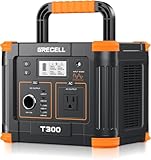
6. GRECELL 330W – The Best Budget CPAP Pick With Sine Wave Output
GRECELL Portable Power Station 330W, 230.88Wh Solar Generator
230.88Wh
330W pure sine wave
7.3 lbs
USB-C PD 60W
Pros
- 330W pure sine wave output with 600W surge rated for CPAP machines
- 230.88Wh in a compact 7.3 lb body
- USB-C PD 60W plus a second USB-C PD 18W and USB-A QC 3.0
- Built-in MPPT charger with AC and car recharging
Cons
- Built-in silent cooling fans add audible noise under load
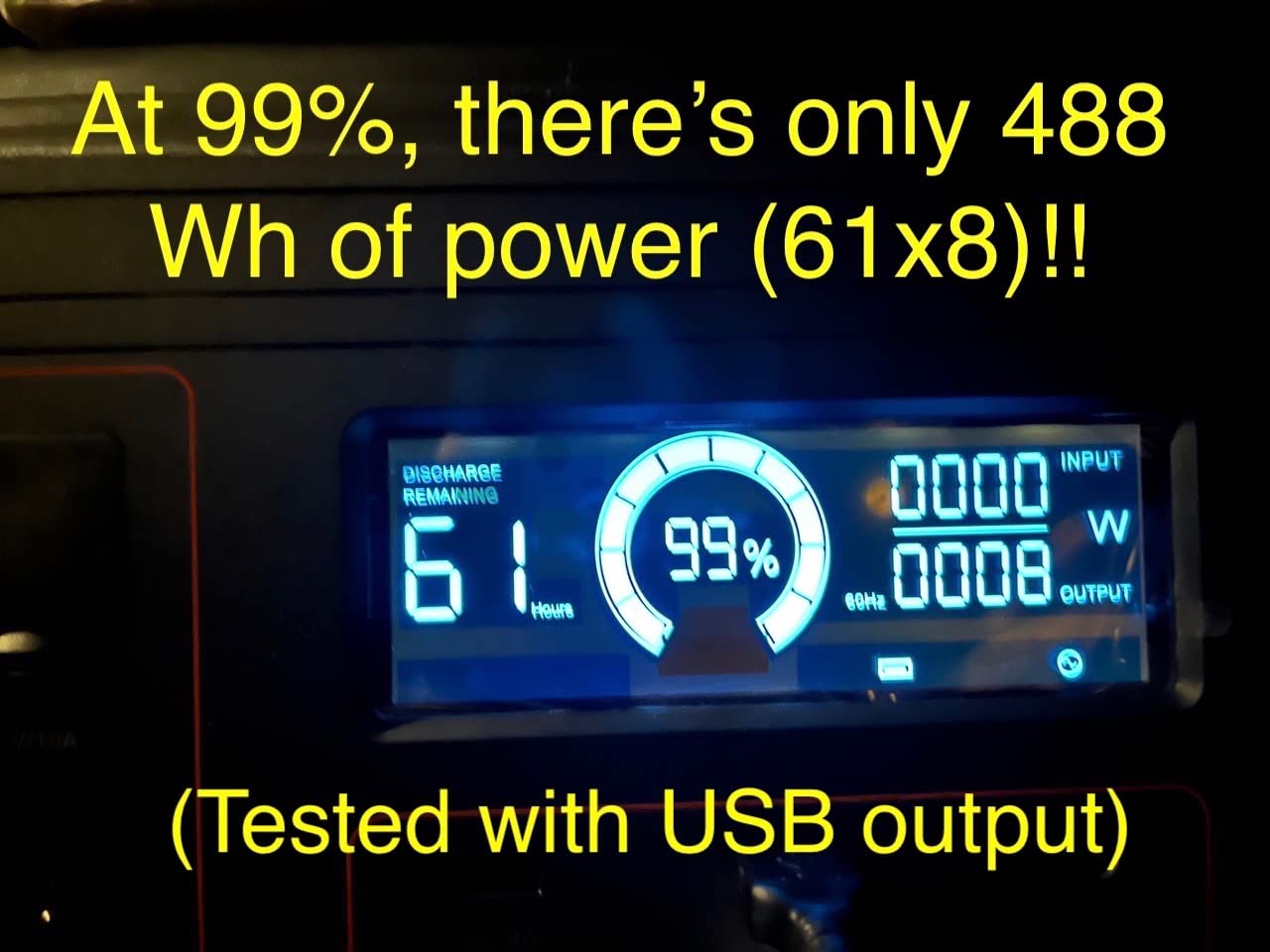
- 230.88Wh capacity yields limited multi-night runtime
- Only a 2 year warranty
Most small stations in this class ship a modified sine wave, which is exactly the output type you do not want feeding a blower motor. The GRECELL is one of the few that specifies pure sine wave, and that single spec is why it earns a place here.
330W continuous with 600W of surge is more headroom than a CPAP needs, and the 230.88Wh capacity lands right in the one-night-and-a-bit zone. At 7.3 lbs it is a genuine car-camping unit rather than a shelf ornament.
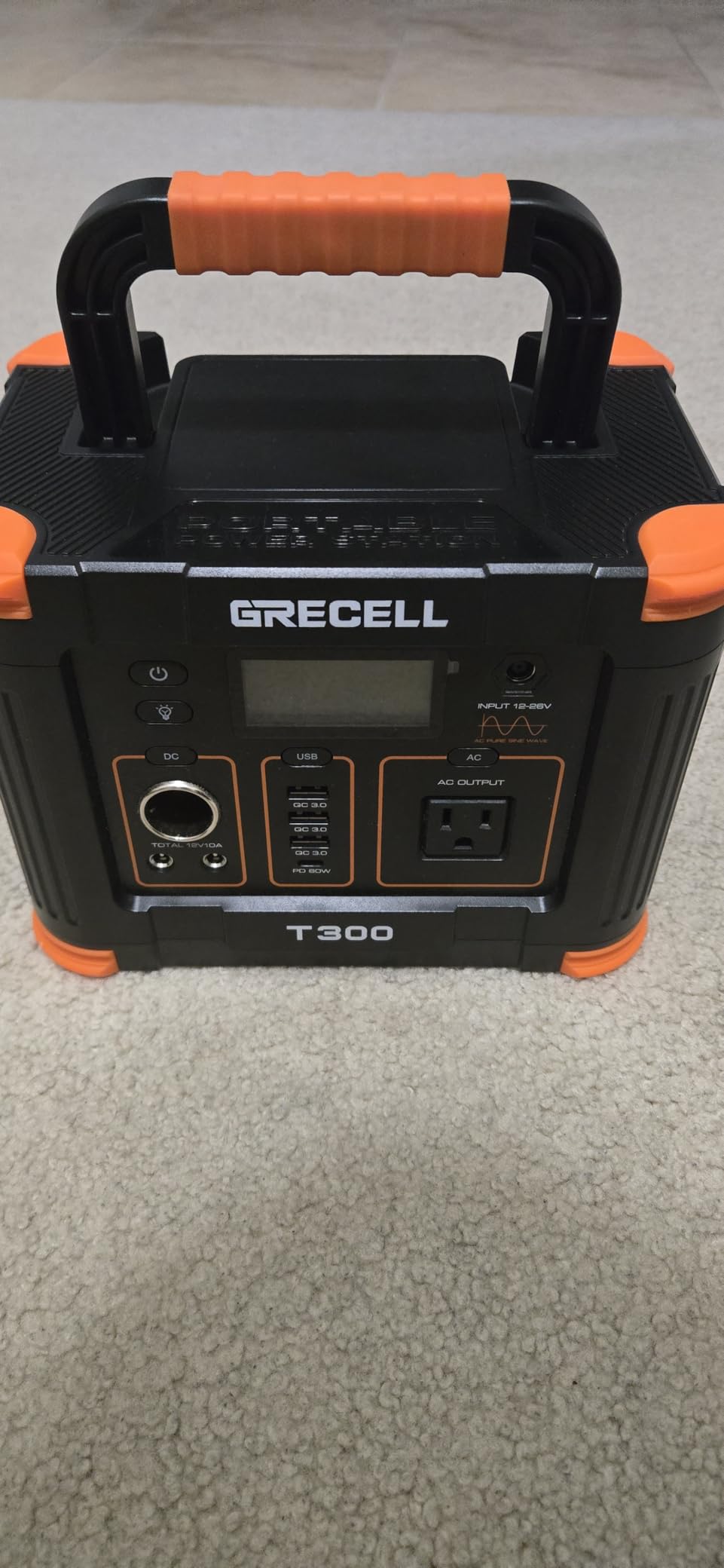
The USB-C PD 60W port is a nice touch for a small station, since you can charge a phone from the same box that runs your machine, and the built-in MPPT controller means a basic panel setup needs no extra hardware.
Why pure sine wave matters for a CPAP motor
Modified sine wave output is a stepped approximation of the AC waveform. Motors generally tolerate it, but CPAP blowers are brushless and sensitive, and the noise the machine makes can change when the waveform is dirty.
Pure sine wave output keeps the machine behaving exactly as it does on mains power, which for a device you rely on every night is worth paying for.
What the reviews mention
The cooling fans become audible under load, and a station that hums next to your head at 2am is a real problem for light sleepers. Position it across the tent, not beside the pillow.
230.88Wh does not stretch to a three-night trip without solar, and the 2 year warranty is among the shortest in this group.
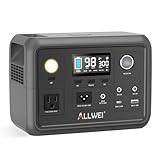
7. ALLWEI 300W – The Best for Direct DC Hookup
ALLWEI Portable Power Station 300W, 256Wh Solar Generator LiFePO4 Battery
256Wh
300W pure sine wave
6.4 lbs
6 ports incl DC5521
Pros
- Pure sine wave 300W output rated for CPAP machines and sensitive electronics
- Users report 12 hours over 2 nights with a heated humidifier and 20 hours over 3 nights without
- LiFePO4 cells rated for 3000 charge cycles
- Only 6.4 lbs in a slim 9.25 by 5 by 6.8 inch body
- Pass-through charging and a 3-level LED light with SOS mode
Cons
- A minority of batches stopped holding charge after about a year
- Solar input capped at 120W
- Car charging plug tip runs very hot
The ALLWEI is the one in this roundup with published real-world CPAP figures attached to it, and those figures are better than the marketing on most competitors. Owners report running a heated humidifier for 12 hours across 2 nights, and an unheated machine for 20 hours across 3 nights.
Those are the honest numbers most sellers leave out, and they land the unit exactly where you would want a 256Wh machine to land. Two humidified nights without recharging is a usable weekend.
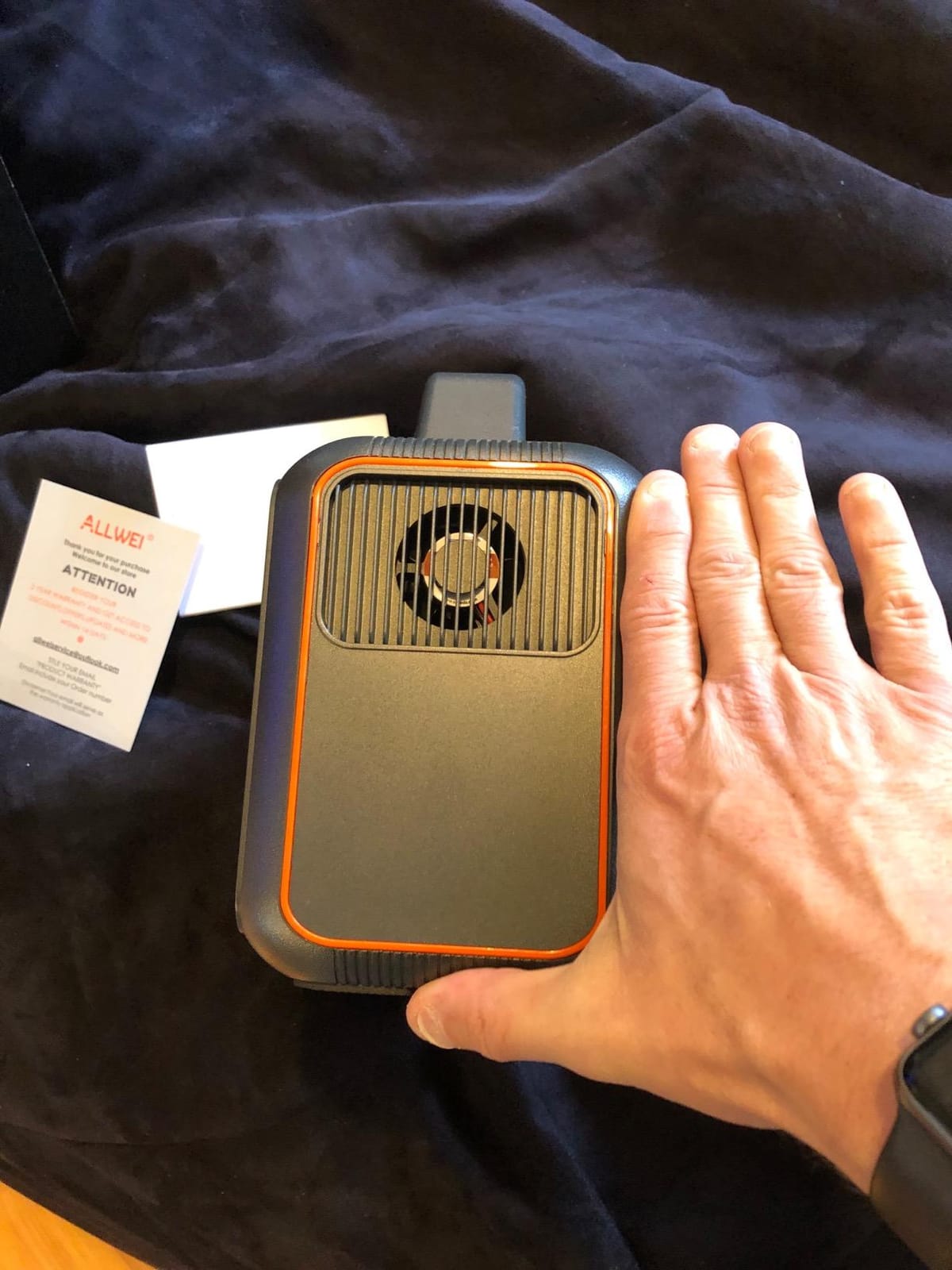
Two DC5521 barrel outputs plus a car port give you a direct DC path, which skips inverter conversion loss entirely. At 6.4 lbs in a slim rectangular body, it also slides into a bag far better than the round competitors.
Why powering from DC changes the night
Going from the AC socket to a barrel jack removes one conversion step. On a small battery that saving is a meaningful fraction of a night, and it also sidesteps the low-load cutoff problem entirely because there is no inverter to trigger.
Pass-through charging lets the machine keep running while the station refills, which is useful when you have mains power part of the night.
What we would watch
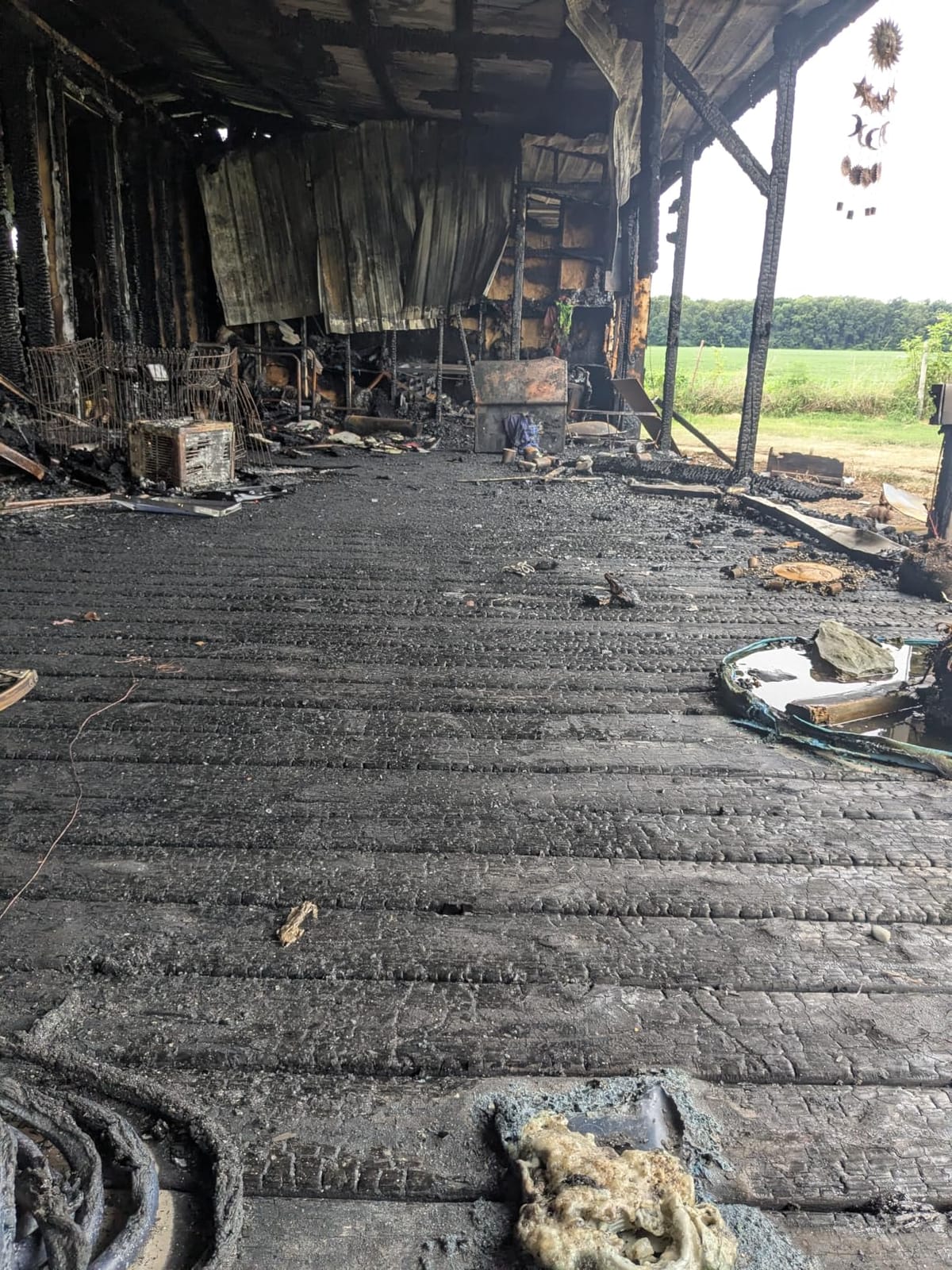
A minority of owners report boxes that stopped holding charge after about a year, and some needed resets after a deep discharge. The 3000-cycle rating is good on paper, but the 2 year warranty offers little recourse.
Solar input is capped at 120W, so this is a wall-and-car unit unless you have a small panel or two.
8. EnginStar 300W – The Best for Seeing Exactly What Is Happening
EnginStar Solar Generator, 300W Portable Power Station, 296Wh Lithium Battery Backup w/Two 110V Pure Sine Wave AC Outlet for Camping Road Trip RV, 80000mAh Sufficient Power Supply for Blackout
296Wh
300W, two pure sine wave outlets
6.5 lbs
Pass-through charging
Pros
- Two 110V pure sine wave AC outlets in a 296Wh unit
- Eight outputs including USB-C 18W and a 24V DC barrel port
- Owners report running a CPAP machine for three days on a charge
- Detailed per-port input and output display
- Pass-through charging works without interrupting the load
Cons
- 1000 cycle battery life is shorter than the LiFePO4 competitors
- Not weatherproof with open ports
- Wall recharge takes about 7 hours
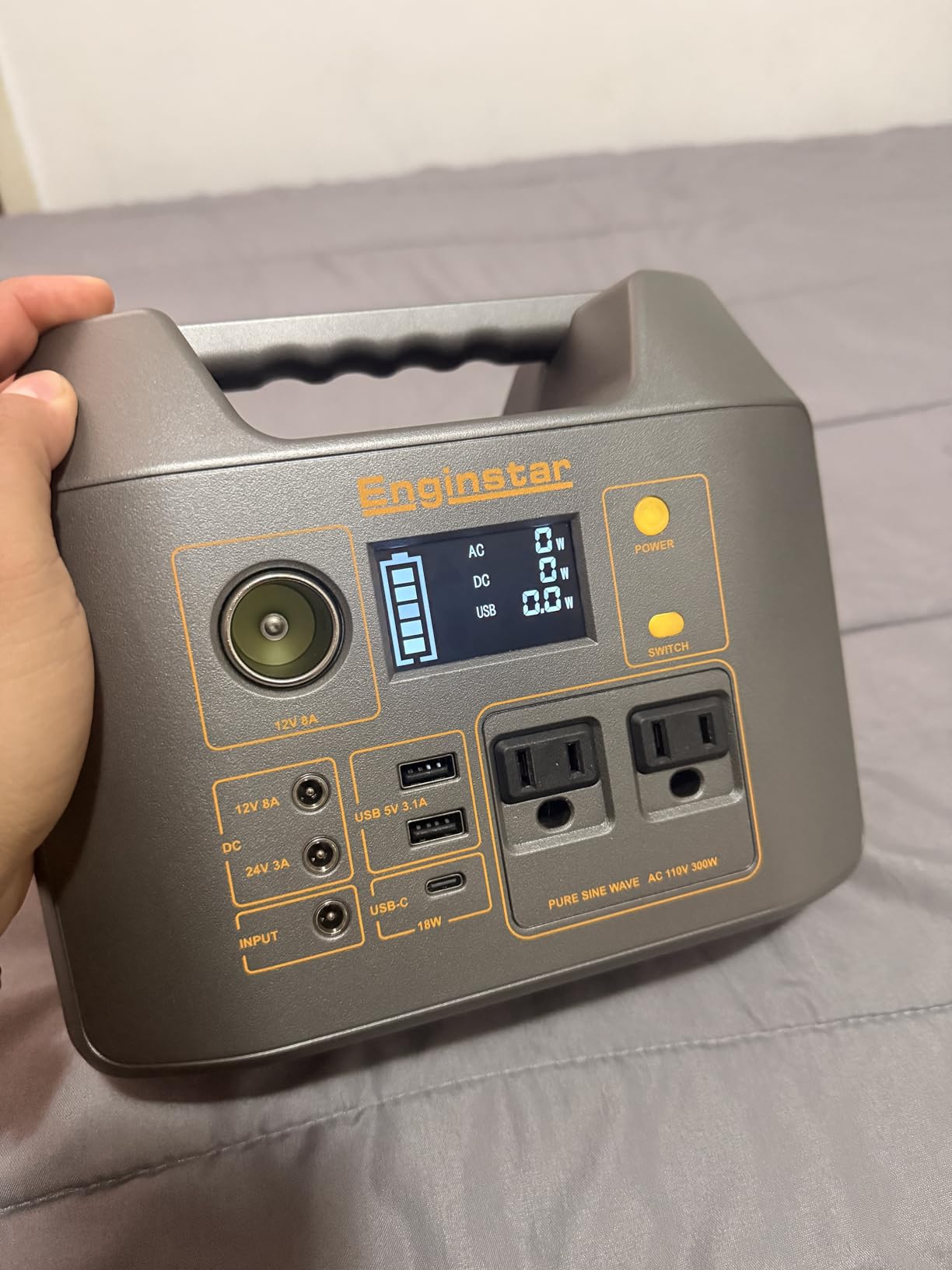
Two pure sine wave AC outlets at 296Wh is a rare combination, and the per-port input and output readout is the most detailed we found in this class. It means you can watch the CPAP draw power and extrapolate a runtime instead of guessing.
For a first-time buyer, that visibility is worth a lot. The single most common complaint in CPAP forums is not knowing how much power the machine actually uses, and this unit answers that question while you sleep.
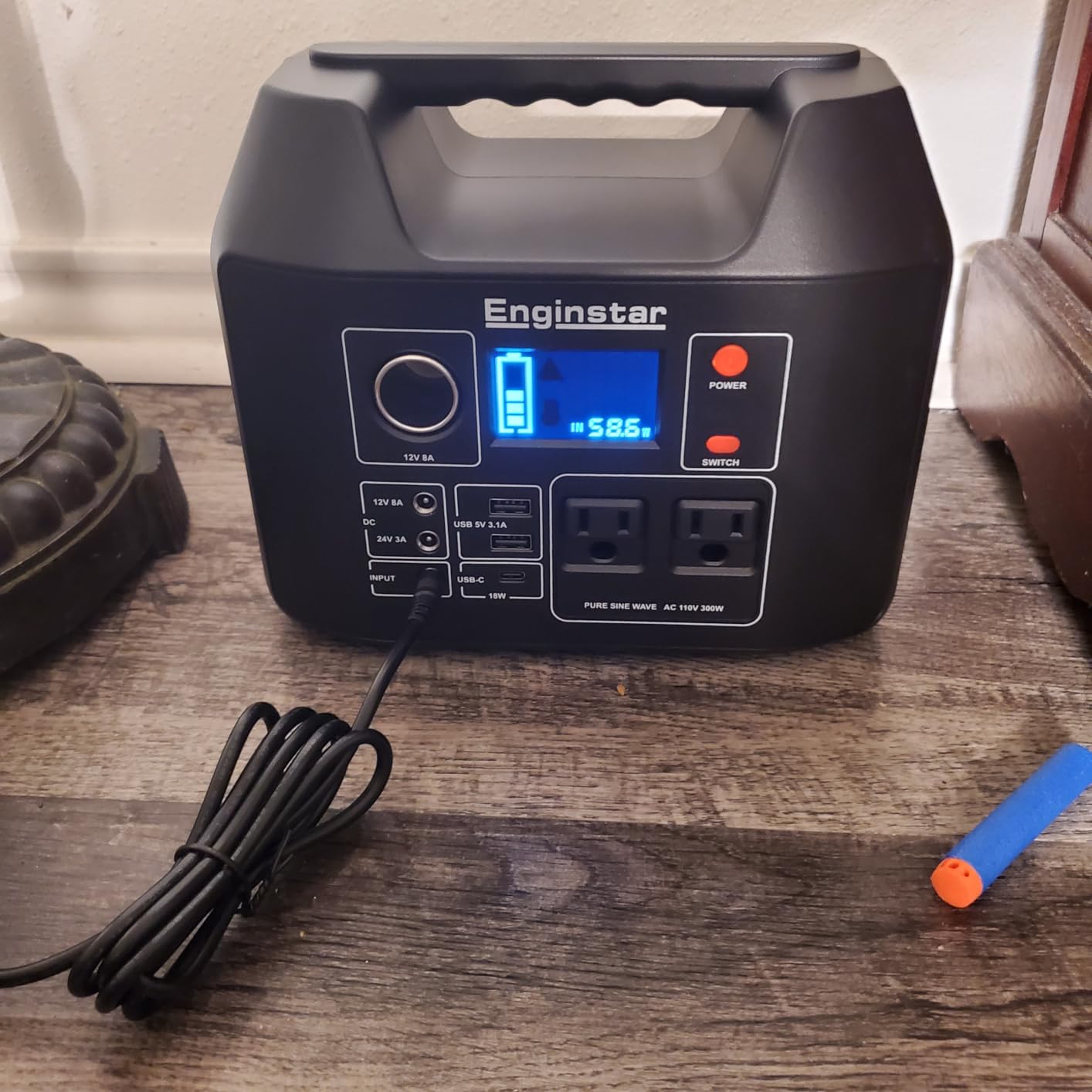
Owners report running a CPAP for three days on a charge, which fits a longer trip better than most units in this capacity class. The 24V DC barrel port is unusual and useful for gear that will not take 12V.
Why pass-through charging matters for outages
Pass-through lets you run the machine while the station is plugged in, without the output cutting when the input takes over. During an outage that lasts a day, this is the difference between continuous therapy and an early morning gap.
The five protection layers, covering overload, over-discharge, overcharge, overheating and short circuit, are a sensible inclusion for medical-adjacent equipment.
Why the cycle life matters more than the watt-hours
At 1000 cycles this is the shortest-rated battery here, and that is the number to think about over years rather than the 296Wh headline. For a station that will live in an emergency kit and be used twice a year, that is fine.
Open, non-weatherproof ports need covering in wet or dusty conditions, and the 7 hour wall recharge is slow next to the one-hour units above.
9. EcoFlow Delta 2 Max – The Best for Whole-Home Backup on a Long Outage
EF ECOFLOW Portable Power Station DELTA 2 Max 2048Wh, 2400W LiFePO4 Battery
2048Wh
2400W output
50.7 lbs
Expandable to 6kWh
30 dB
Pros
- 2048Wh capacity with 2400W continuous output
- 80 percent charge in 43 minutes combining 1000W solar with AC
- Expandable to 6kWh with up to two extra batteries
- LFP chemistry rated for 3000 cycles to 80 percent capacity
- As quiet as 30 dB for bedside use with a CPAP
Cons
- 50.7 lbs is far too heavy to carry on foot
- The largest capacity in the roundup and hard to justify for a single machine
- Only one AC charging cable included
The Delta 2 Max is the choice when the CPAP is one item on a much longer list of things that need to keep running. 2048Wh of LFP capacity and 2400W of continuous output covers a machine, a router, a fridge and lighting for a long stretch of an outage.
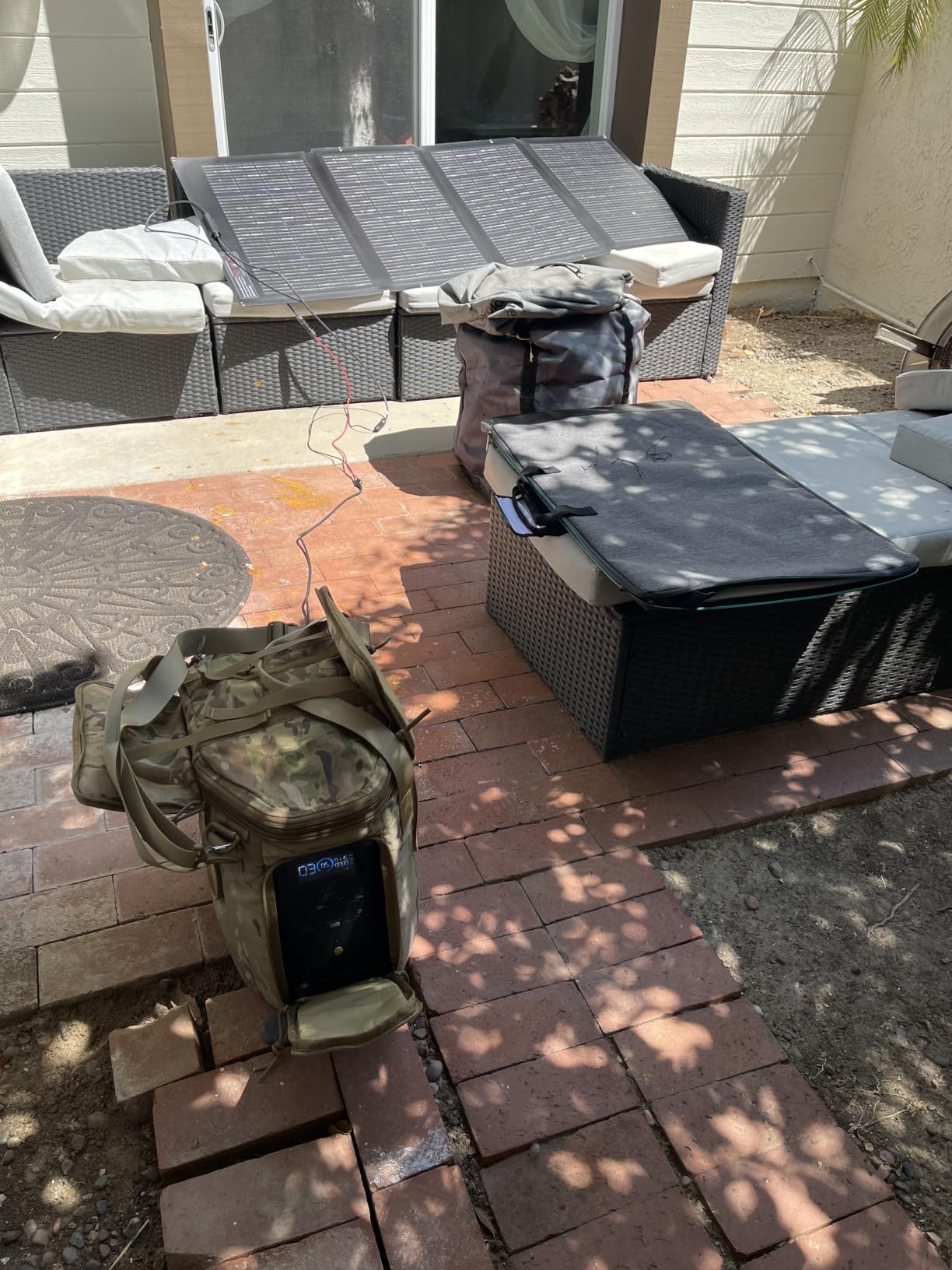
It is also expandable to 6kWh with extra batteries, which is the difference between a weekend and a week if the power does not come back.
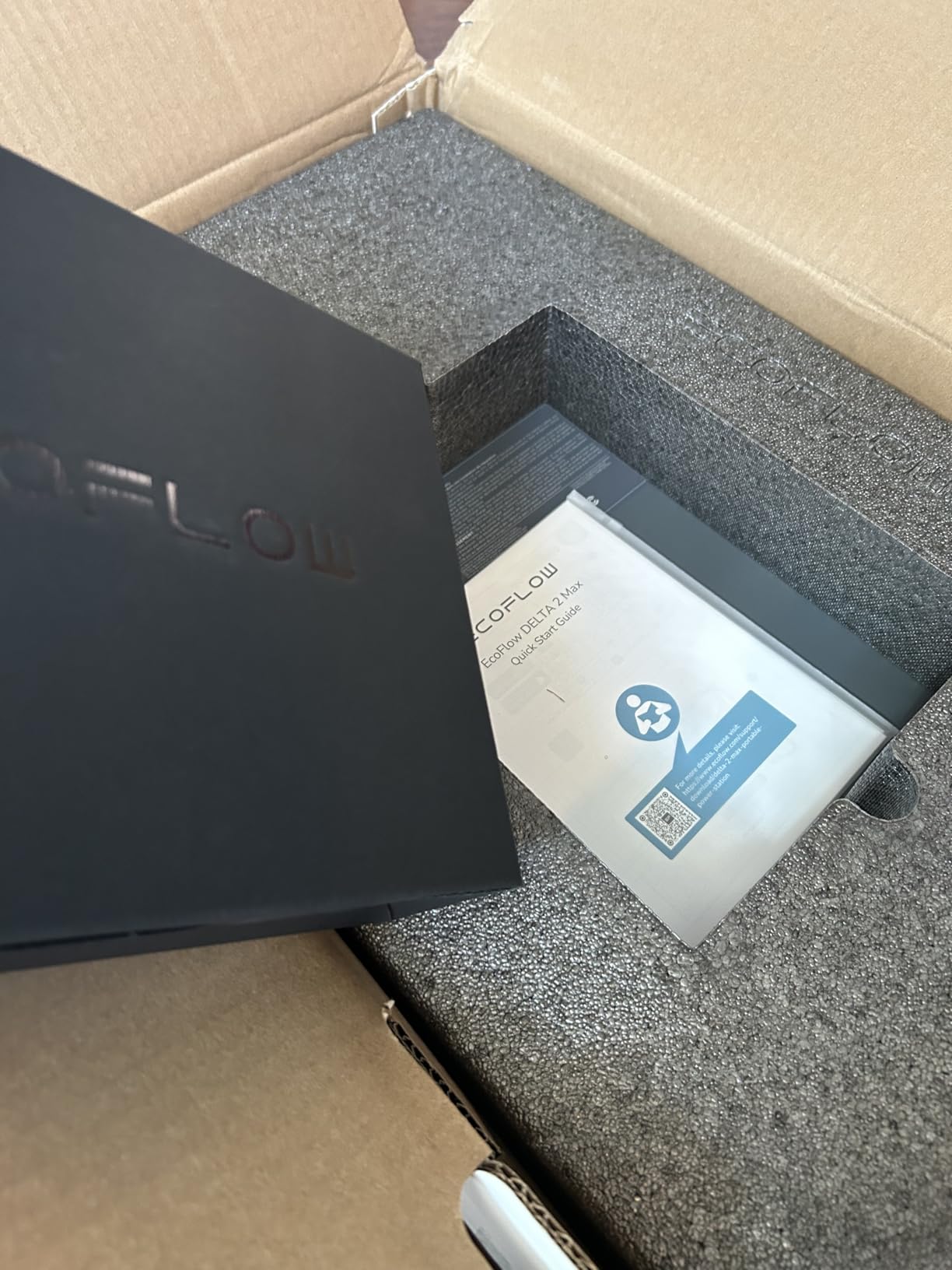
Two details stand out for CPAP use specifically. The 30 dB floor is quiet enough to sit beside a bed, and the charge-to-80 percent in 43 minutes means recovery between outages is fast even with solar involved.
Why silence is a clinical-adjacent feature
Your machine is only as useful as the sleep it protects. A station loud enough to wake you undermines the entire reason for owning one, so a 30 dB operating floor is a real specification rather than a marketing number.
With this much headroom, keeping the humidifier on through a multi-day outage stops being a question you have to answer in advance.
Where it does not fit
At 50.7 lbs it is the heaviest unit here and is not portable in any meaningful sense. It is for a garage, a basement or an RV that is already loaded.
It is also by far the biggest battery in the roundup, and for anyone only covering a CPAP, a 1kWh station delivers the same therapy in a package you can still carry with two hands.
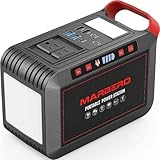
10. MARBERO 300W – The Lightest Option for Carrying to a Distant Site
Portable Power Station 300W MARBERO 237Wh Camping Solar Generator Backup Lithium Battery with Pure Sine Wave 110V AC Outlet, USB C, USB A, DC for Outdoors Camping CPAP Home Blackout Emergency
237Wh
300W pure sine wave
4.6 lbs
Two LED lanterns
Pros
- Lightest unit here at 4.6 lbs with 300W pure sine wave output
- Two AC outlets with 2-prong and 3-prong plus USB-C PD 18W and four USB-A ports
- Compact 8.15 by 5.83 by 3.90 inch body fits a backpack
- Two LED camping lanterns with steady
- twinkling and SOS modes
- BMS with voltage
- temperature and overload control
Cons
- 237Wh is the smallest capacity here
- Proprietary round barrel charging port instead of USB-C
- Only a 12 month warranty
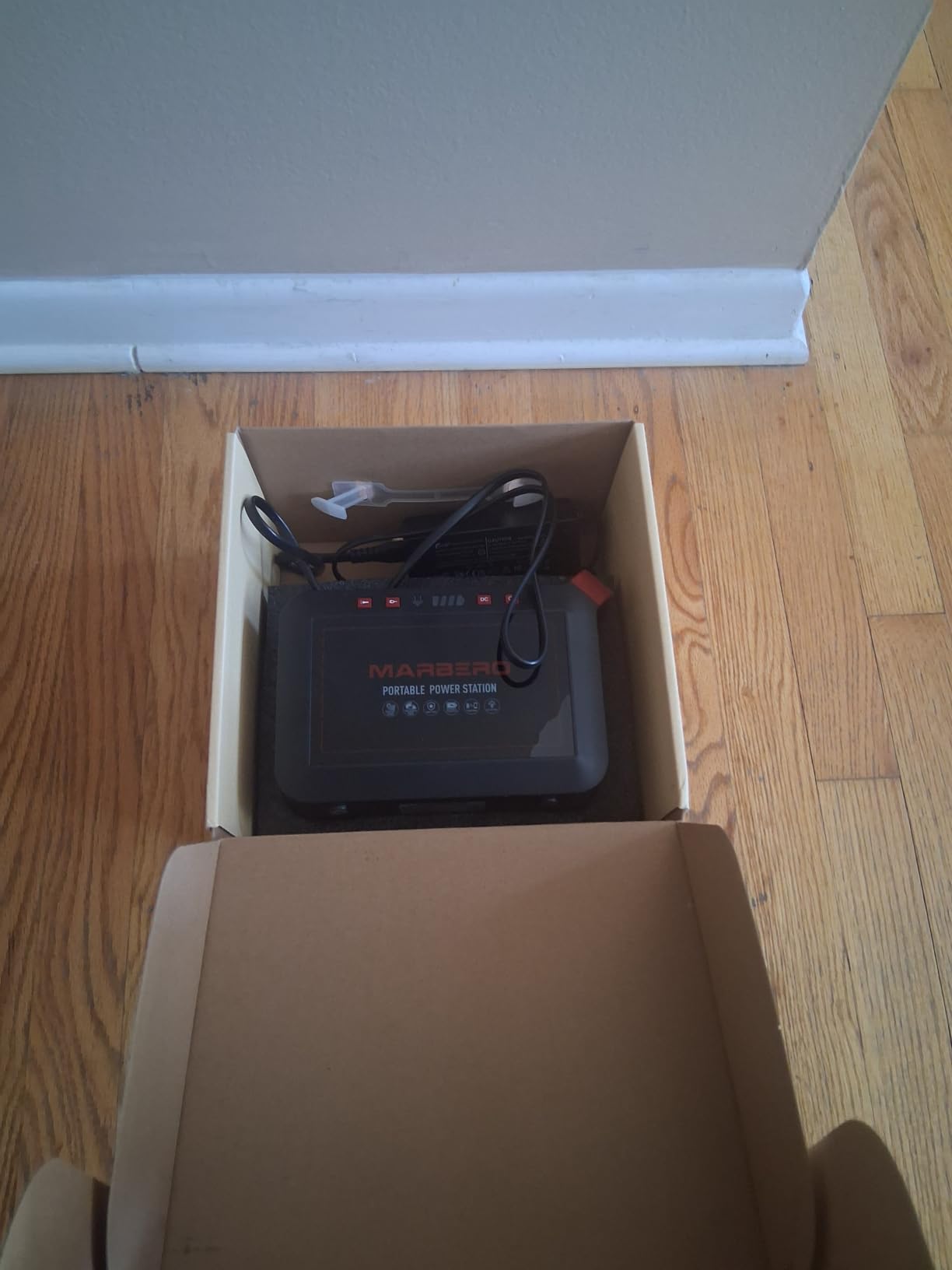
At 4.6 lbs this is the only unit in the roundup you would genuinely put in a backpack, and its 9193 ratings make it the most heavily reviewed product in the group. If your campsite is a twenty-minute walk from the car, that combination changes the shortlist completely.
237Wh is the smallest battery in the group, and 300W of pure sine wave output is more than a CPAP draws. The maths gives you roughly one unheated night, possibly more with a careful DC connection.
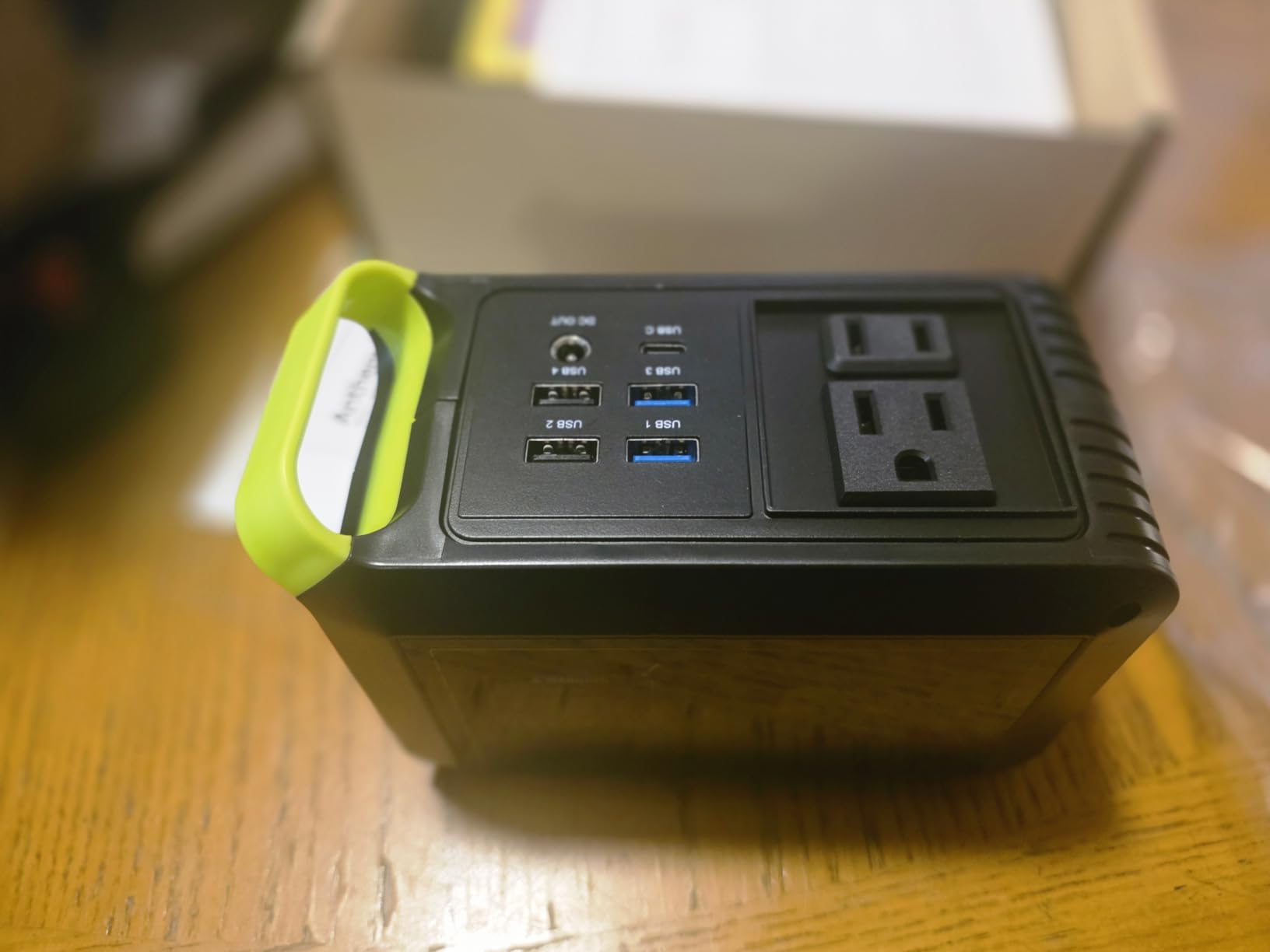
The two LED lanterns are a nice touch for a dark site, with brightness, steady, twinkling and SOS modes. Having light built into the same box that powers your machine is one less thing to pack.
When carrying weight matters more than capacity
Backpackers make this trade constantly, and CPAP users on forums reach the same conclusion: weight beats capacity when you are the transport. One night from a light pack beats three nights from one you cannot lift.
The pure sine wave output means you are not trading inverter quality to get the lighter build.
Why we placed it last
It carries the lowest average rating in the roundup, and owners report capacity loss after three to four years along with failed outlets on some examples.
A 12 month warranty and a proprietary round barrel charging port are both drawbacks, the latter because you cannot top it up with a cable you already own.
How Many Nights Can a Power Station Run Your CPAP?
Here is the formula, and it is worth running with your own numbers rather than trusting ours. Take the rated watt-hours, multiply by 0.95 for the depth-of-discharge buffer that protects the cells, multiply by 0.90 for inverter conversion loss if you are using the AC socket, then divide by the wattage your CPAP actually draws.
For an unheated CPAP at 35W, a 300Wh station lands around eight hours. A 1000Wh station lands near 24 hours, so three nights. With a heated humidifier pulling 60W, the same 1000Wh unit gives you about 14 hours, which is under two nights. The humidifier is the variable that decides your sizing.
That is also why powering from the 12V DC port is worth the adapter hunt. Skipping the inverter removes the 0.90 factor and, more importantly, removes the low-load cutoff failure mode entirely.
If your station has an idle draw, subtract it too. At 15W, a station you are not actively using is costing you six watt-hours an hour just existing with the inverter on.
CPAP Travel Batteries and the Airline Rule That Surprises People
Here is the thing nobody tells you before you pack: essentially every portable power station in this roundup cannot go in your hand luggage. The FAA cabin limit is 100Wh for lithium batteries, rising to 160Wh with airline approval, and the smallest unit here is 237Wh. The largest is 2048Wh.
Power stations are ground and vehicle equipment. They are not travel batteries, no matter how convenient they would be at a hotel.
For flying, the right product is a dedicated CPAP travel battery. Medistrom, EASYLONGER, Zopec, Portable Outlet, NiteOwl and APEX all build units sized to sit under the airline threshold, and most of them bundle the correct DC cable for common ResMed and Philips machines. They also tend to include model-specific adapters, which removes the sourcing frustration that trips people up on power stations.
Two rules to follow. Keep the battery in carry-on rather than checked luggage, and tell the airline in advance what you are carrying, with the watt-hour rating printed on it. Related reading on our portable white noise machine guide covers another device people forget to plan for when they travel.
How to Choose the Right Size Power Station for Your CPAP
Chemistry first. LiFePO4 cells give you 3000 to 4000 cycles and hold charge better in cold conditions than standard NMC lithium-ion, and every model in this roundup except the EnginStar and MARBERO uses them. That is not a marginal difference when you own the same device for a decade.
Second, check for a 12V DC barrel output. Two outlets and a car port gives you three ways to run the machine, and the DC path is the most efficient of them. Units such as the ALLWEI and the EnginStar with dedicated DC barrel ports make that connection straightforward.
Third, look at UPS switchover time if outages are your concern. Anything under 30 ms keeps therapy continuous, and the Anker SOLIX C1000 Gen 2 and the BLUETTI AC180 are the two to prioritise for backup duty.
Fourth, look at weight honestly rather than optimistically. The gap between 7 lbs and 50 lbs is the difference between a station you bring and one you leave in the garage. Our broader camping power station guide goes deeper on that trade.
Fifth, plan for cold. Lithium capacity drops in low temperatures, so winter trips need more capacity than the same trip in summer for identical runtime. Keep the station inside the tent or vehicle rather than in an unheated compartment.
Sixth, test the whole setup at home before you need it. Run a full night on the station exactly as you intend to on the trip, note the percentage remaining, and repeat. If the machine resets or the output cuts at 3am, you have time to fix it.
On insurance: coverage for CPAP backup equipment varies by plan, and a power station is usually treated as general equipment rather than durable medical equipment. Ask your insurer directly in writing rather than assuming either way.
One clarification, because it comes up constantly: the 4-hour rule is a clinical compliance standard for how long therapy should run each night. It has nothing to do with battery capacity, and a 500Wh station is not an 8-hour station because of it.
What We Do Not Recommend and Why
Cheap stations with unspecified inverter type. If a listing does not say pure sine wave, assume modified sine wave. On a device you use every night, that is not a place to save money, and several of the ten here specify pure sine wave explicitly.
Running the humidifier on AC from a small station. It is the single largest drain available and the fastest route to a 2am failure. Set humidity to its lowest level or zero and use a non-heated tube, and you may nearly double your runtime for no cost.
Deep-discharge habits. Running a station to zero repeatedly shortens cell life and, on some budget units, causes the kind of abrupt shutoff owners complain about. Stop at around 10 percent.
Inverter generators as an indoor outage solution. They produce carbon monoxide, and a CPAP user sleeping in a closed room with one running is a genuine safety problem. Power stations produce no fumes and no noise, which is why they are the better answer for a bedroom. If you need a generator for a heavy load, run it well outside.
Marketing claims that quote “days of CPAP power” without stating the load. The AirSense 11 is rated at 30-60W depending on configuration, so any runtime figure that does not name the wattage is decoration rather than a specification.
Frequently Asked Questions
Will a portable power station run a CPAP?
Yes. A CPAP with the heated humidifier off draws roughly 30-40W, so a 300Wh power station covers a night and a 1,000Wh station covers about three nights. Turning the heated humidifier on roughly doubles the draw, so size up if you plan to use it.
What size portable power station do I need to run a CPAP machine?
For one night with the humidifier off, 250-300Wh is the minimum. For a weekend, 500-1,000Wh. For a week or a long outage, 1,000Wh or more. Add 20-30 percent if you intend to run the heated humidifier all night.
How long will a CPAP run on a portable power station?
Divide usable watt-hours by your CPAP’s actual draw. A 300Wh station at 35W gives about eight hours, and a 1,000Wh station gives about 24 hours. Powering from the 12V DC port instead of the AC socket removes roughly 10 percent of conversion loss.
What is the best CPAP battery for air travel?
A dedicated CPAP travel battery from Medistrom, EASYLONGER, Zopec or APEX, sized under the 100Wh FAA cabin limit or 160Wh with airline approval. Most portable power stations exceed 100Wh and cannot travel in cabin baggage, so they are ground and vehicle equipment only.
How do I travel with a CPAP battery?
Notify the airline in advance, keep the battery in carry-on rather than checked luggage, protect the terminals, and be ready to show the watt-hour rating printed on the unit. Keep the CPAP itself in your personal item so it is accessible if the battery runs down.
How long will a 12 volt car battery run a CPAP machine?
A typical car battery holds enough energy for several nights of unheated CPAP use through a DC connection, but deep-discharging it will strand you without power to drive. Do not rely on the car as your only battery, and check the alternator if you plan to run the machine while driving for long stretches.
Will insurance pay for a CPAP battery?
It varies by plan, and coverage is inconsistent. Most insurers treat the CPAP itself as durable medical equipment but treat a portable power station or travel battery as general equipment. Ask your insurer directly and in writing, and keep the receipt and the prescription on file.
Which Portable Power Station for CPAP Should You Buy?
The Jackery Explorer 300 is our pick as the best portable power station for CPAP use, and here is the short version of why. It is the most reviewed unit in this roundup, it specifies pure sine wave output, it carries 292Wh of LiFePO4 capacity at a weight you can lift with one hand, and 300W of output leaves real headroom when the humidifier kicks on.
If you are away for more than a couple of nights, move up to the Jackery Explorer 1000 v2 or the Anker SOLIX C1000 Gen 2. Both clear a kilowatt-hour, both keep a CPAP running across three nights, and the Anker adds a sub-10-ms UPS switchover for anyone whose concern is outages rather than campsites. The BLUETTI AC180 is the pick when the storm is the scenario, thanks to 20 ms transfer and a five-year warranty.
Whatever you choose, run one full overnight test at home before you rely on it, power it from the DC port if you can, and set your humidity low. Those three habits fix most of the failure reports we read across CPAP forums.
Tell us your machine, whether you run the humidifier, and how many nights you need to be off-grid, and we will narrow this down to one unit for your setup.