
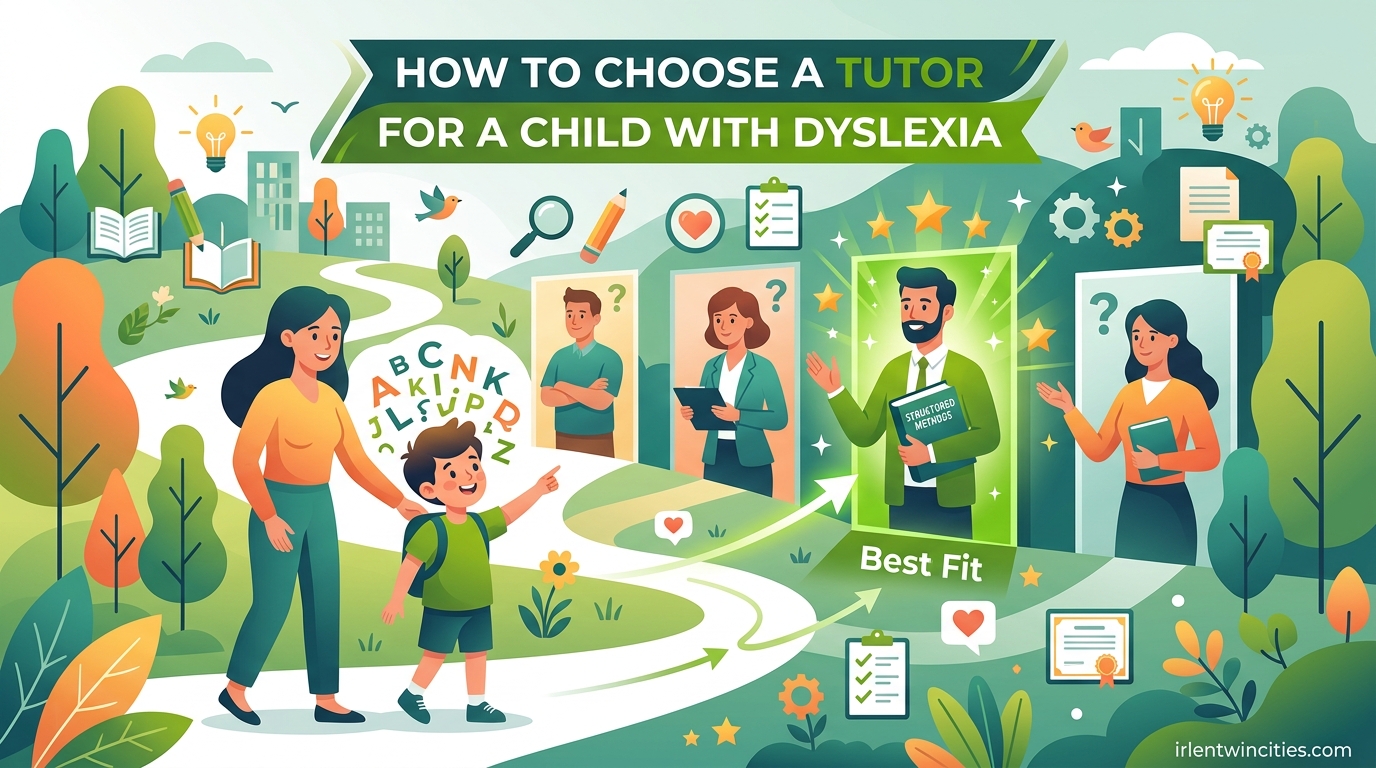
Finding the right help for a child with dyslexia feels overwhelming when you are already worried about their progress. I have talked to dozens of parents who felt lost navigating certifications, teaching methods, and costs while their child continued to struggle. This guide on how to choose a tutor for a child with dyslexia will walk you through the exact steps to find qualified, effective support that actually helps your child succeed.
Before you start interviewing tutors, you need to understand what makes dyslexia tutoring different from standard reading help. Dyslexic learners process language differently in their brains, which means traditional phonics instruction often leaves them confused and frustrated. A qualified dyslexia tutor uses evidence-based, structured literacy approaches that teach reading in a way that works with how your child’s brain learns best.
Table of Contents
Understanding What Makes Dyslexia Tutoring Different
Standard tutoring often fails dyslexic children because it assumes typical language processing patterns. Most classroom reading instruction and general tutoring rely on methods that work for typical learners but leave dyslexic students guessing at words and memorizing without understanding. Your child needs specialized instruction that explicitly teaches the connections between sounds, letters, and meaning through multisensory techniques that engage sight, sound, and touch simultaneously.
The gold standard for dyslexia intervention is the Orton-Gillingham approach, a structured literacy method that breaks reading and spelling into small, sequential steps taught explicitly and systematically. Research from the National Institutes of Health confirms that multisensory, systematic instruction produces significant reading gains for dyslexic students when delivered consistently. You should expect to commit to tutoring for at least 12-24 months, with sessions ideally occurring 2-4 times per week for maximum effectiveness.
Essential Qualifications Your Dyslexia Tutor Must Have
When evaluating potential tutors, specific credentials separate qualified professionals from well-meaning but inadequately trained individuals. Look for these essential qualifications to ensure your child receives proper intervention:
1. Orton-Gillingham or Structured Literacy Training
Your tutor should have completed comprehensive training in Orton-Gillingham or another structured literacy approach. This training typically requires 60+ hours of coursework plus supervised practicum experience. Ask specifically about the training program name and completion date.
2. Professional Certification
Look for credentials from recognized organizations such as the Center for Effective Reading Instruction (CERI), the Academic Language Therapy Association (ALTA), or the International Dyslexia Association (IDA). These certifications require demonstrated competency through exams and supervised practice hours.
3. Background in Education or Special Education
While not absolutely required, tutors with teaching credentials, reading specialist certifications, or special education backgrounds bring valuable classroom experience. They understand how to coordinate with schools and navigate IEP meetings when needed.
4. Experience with Dyslexic Students
Ask how many dyslexic students they have worked with and what age ranges they specialize in. A tutor who primarily works with adults may not be the best fit for your elementary-aged child, even with proper certification.
5. Knowledge of Progress Monitoring Tools
Qualified tutors regularly assess student progress using validated tools like DIBELS, AIMSweb, or curriculum-based measures. They should explain how they track improvement and adjust instruction accordingly.
6. Willingness to Coordinate with Schools
The best tutors communicate with your child’s teachers and participate in school meetings when appropriate. This coordination ensures consistent support across settings.
Where to Find Qualified Dyslexia Tutors
Knowing what to look for is only helpful if you can actually find candidates to evaluate. Start your search with these reliable sources that specialize in connecting parents with vetted professionals.
The International Dyslexia Association maintains a directory of providers who have completed approved training programs. You can search by location to find tutors in your area who meet established credential standards. The Academic Language Therapy Association offers a similar searchable database of certified academic language therapists.
Your local Learning Disabilities Association chapter may maintain referral lists of qualified tutors in your community. School district special education coordinators sometimes keep lists of private tutors they have worked with successfully, though they cannot formally recommend specific individuals. University speech and hearing clinics or education departments sometimes offer tutoring services at reduced rates while training graduate students.
Online tutoring has expanded dramatically, giving families in rural areas access to qualified specialists who may not be available locally. Platforms like Lexercise, Wyzant, and specialized dyslexia tutoring services now connect students with certified tutors nationwide. When considering online options, verify that the tutor has specific training in delivering multisensory instruction through virtual platforms.
How to Choose a Tutor for a Child With Dyslexia: The Interview Process
The interview gives you essential information about the tutor’s qualifications while also revealing how they communicate with parents and whether they will be a good personality fit for your child. Plan to interview at least three candidates before making your decision.
Here are the critical questions to ask every potential tutor:
1. What specific training have you completed in dyslexia intervention?
Listen for specific program names like Orton-Gillingham, Wilson Reading System, Barton Reading and Spelling, or Lindamood-Bell. Ask about total training hours and whether they completed supervised practicum.
2. What certifications do you hold, and from which organizations?
CERI, ALTA, and IDA certifications indicate rigorous standards. Ask to see credentials or membership verification.
3. How many students with dyslexia have you worked with, and what results have you seen?
Experienced tutors should be able to discuss typical timelines for progress and share general patterns of student improvement without violating confidentiality.
4. Can you explain your teaching approach in terms a non-educator can understand?
The best tutors can clearly articulate what they do and why, without using excessive jargon or being vague about their methods.
5. How do you structure your sessions, and how frequently do you recommend meeting?
Look for structured, sequential instruction with multisensory components. Most effective tutoring occurs 2-4 times weekly for 45-60 minutes.
6. How do you monitor and report progress?
Avoid tutors who cannot explain their assessment methods. You should receive regular updates with specific data about your child’s gains.
7. Are you willing to communicate with my child’s school and teachers?
School coordination ensures consistent support. The tutor should be comfortable participating in meetings or providing progress summaries for teachers.
8. Can you provide references from other parents?
Speaking with parents whose children have completed tutoring gives you realistic expectations about the process and outcomes.
9. What is your cancellation and make-up policy?
Consistency matters enormously for dyslexia intervention. Understand the policy for missed sessions due to illness or conflicts.
10. What do you charge, and are there additional costs for materials or assessments?
Get complete pricing information upfront, including any initial evaluation fees or material costs.
11. Can we schedule a trial session before committing?
Most reputable tutors offer an initial session or evaluation so you can observe how they work with your child.
12. What is your philosophy about homework or practice between sessions?
Regular practice reinforces learning, but excessive homework can overwhelm struggling readers. Listen for a balanced approach.
Red Flags That Should Send You Running
Parents in dyslexia support forums consistently report the same warning signs they wish they had recognized earlier. Watch for these red flags that indicate a tutor may not provide the specialized help your child needs.
Be extremely wary of tutors who promise quick fixes or guaranteed results in weeks rather than months. Dyslexia remediation requires consistent work over an extended period, and anyone promising dramatic improvement in 6-8 sessions is either uninformed or dishonest. Similarly, avoid tutors who cannot name a specific structured literacy approach they use or who describe their method as “multisensory reading help” without elaboration.
Other warning signs include reluctance to provide references, unwillingness to communicate with your child’s school, pressure to sign long-term contracts immediately, or inability to explain how they track progress. Trust your instincts if a tutor seems more focused on selling their services than understanding your child’s specific needs.
Understanding Costs and Making Your Decision
Quality dyslexia tutoring represents a significant financial investment, but understanding typical pricing helps you evaluate whether quotes are reasonable. Most certified dyslexia tutors charge between $50 and $150 per hour depending on location, experience, and credentials. Online tutoring sometimes costs slightly less, while highly experienced specialists in major metropolitan areas may charge premium rates.
After interviewing candidates, request trial sessions with your top two choices before making a final decision. Observe how your child responds to the tutor’s teaching style and whether the tutor adjusts their approach based on your child’s needs. A good tutor builds rapport while maintaining structured instruction, helping your child feel capable rather than criticized.
Consider the complete picture when choosing: credentials, experience, personality fit, location or online platform quality, communication style, and cost. The right tutor checks all these boxes while making both you and your child feel confident about the path forward.
Frequently Asked Questions
What is the best tutoring method for dyslexia?
The most effective tutoring methods for dyslexia are structured literacy approaches, particularly those based on Orton-Gillingham principles. These methods provide explicit, systematic instruction in phonics, decoding, and spelling using multisensory techniques. Research supports programs like Wilson Reading System, Barton Reading and Spelling, and Lindamood-Bell as effective interventions for dyslexic learners.
Should I get a tutor for my dyslexic child?
Most children diagnosed with dyslexia benefit significantly from specialized tutoring. While schools may provide some support, dedicated one-on-one intervention using structured literacy approaches typically produces faster and more comprehensive reading gains. The investment in qualified tutoring often prevents years of struggle and helps close reading gaps before they widen further.
How much does dyslexia tutoring cost?
Qualified dyslexia tutors typically charge between $50 and $150 per hour depending on their credentials, experience, and geographic location. Online tutoring may cost slightly less, while highly certified specialists in major cities may charge premium rates. Some tutors offer package discounts or sliding scales, and university clinics sometimes provide services at reduced rates.
How long does dyslexia tutoring take to show results?
Most families begin seeing measurable progress within 3-6 months of consistent tutoring, with significant gains typically appearing after 12-24 months of regular instruction. The timeline depends on the severity of dyslexia, the child’s age, session frequency, and consistency of attendance. Students typically need 2-4 sessions per week for optimal progress rather than occasional tutoring.
What qualifications should a dyslexia tutor have?
A qualified dyslexia tutor should have completed comprehensive training in Orton-Gillingham or another structured literacy approach, ideally holding certification from CERI, ALTA, or IDA. They should demonstrate experience working with dyslexic students and use evidence-based progress monitoring tools. Background in special education or reading specialist certification provides additional valuable expertise.
Conclusion
Learning how to choose a tutor for a child with dyslexia empowers you to make an informed decision that can transform your child’s reading experience. By focusing on proper Orton-Gillingham or structured literacy training, verified certifications, and the right personality fit, you can find a tutor who delivers real results. Remember that effective intervention takes time, so commit to the process and celebrate the small wins along the way. Your advocacy and persistence in finding qualified help makes all the difference in your child’s journey to reading success.